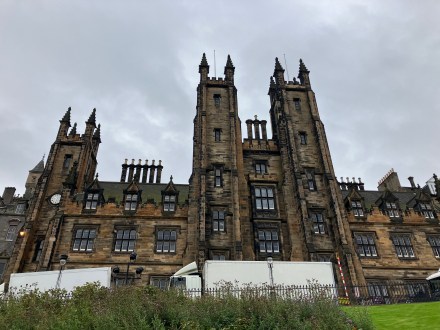
As you will know if you are a regular reader of my blog, in June I was in Edinburgh for my annual assessment. This was rather scary. In the weeks beforehand, I completed an online form, and submitted a writing sample. I also sent an updated proposal. (A proposal is a document that describes what you want to research, and your method, and what literature already exists and how your work will be different.) In return, I was told where and when I would be assessed. As I said, all very scary.
On the day of my assessment I visited the washroom 376 times, and arrived at the room much too early. I was told to wait outside, while the panel of academics discussed their strategy. I worried I might need the washroom again. Or faint. Managed to not do either.
I was called into the room, introduced to the person on the panel who I didn’t know, and offered a choice of seats. I chose a low sofa, then instantly regretted it—it felt like the ‘naughty seat’ at school.
The panel consisted of three lecturers at the university, one of whom was my primary supervisor. They explained that my supervisor would say very little, as she already knew about my research, the questions all came from the other two. I was expecting questions about the writing that I had submitted, and I was ready to discuss what I had learnt, and the shape of my project to date, and some of the views of other scholars. I was wrong. They asked nothing about this.
Instead, they asked about where my research fitted into the academic world—which area did I feel it was addressing? Was it philosophy, theology, biblical studies, psychology? They noted that I had quoted scholars from all those fields, and appeared to be addressing many different disciplines. They asked which scholar, of the many I have read, did I most want to be like?—They then argued with my choice (which felt a little unfair). It was a very intense interview, and I felt very unprepared. Gradually, I worked out what they were saying—they felt my work was too broad, it covers too many disciplines, and will not go ‘deep enough’ if I continue on this trajectory. I need to narrow my research, focus on a single discipline and do it well.
I did not cry (though it was close). I tried to listen. I realised that what they were saying was correct, and they were trying to help me succeed. But to be honest, I have worked very hard this year, and what I really wanted was a sticker with a smiley face on it. I think perhaps universities don’t have those.
In some ways, the outcome of the review is a relief. I have been aware that I have been dipping into various disciplines (and it has been tremendous fun!) I have known, in the back of my mind, that trying to pull all my research into a single thesis would be a challenge, but I had decided I would worry about that nearer the time, assuming that it would become clear which areas I should ignore and which ones I should focus on. It will be easier to only focus on one area (biblical studies—because I really enjoy the Hebrew, and how it communicates meaning).
As I am a part-time student, I didn’t have to ‘pass’ this review (probably just as well!) That delight happens next summer. I spent time with my supervisor, and we planned a strategy for the next year, ways to improve my proposal and focus my research.
The rest of the week was spent attending seminars, and chatting to other students. Everyone who I spoke to had a similar experience in the review—no one received a smiley face. My supervisor explained that the first year of a PhD is all about exploring the field, deciding which area to concentrate on—and I hadn’t done anything ‘wrong’ but now it was time to focus. Several students had decided to change direction completely, and were now doing research in a different field. Mine has stayed basically the same—but with fewer dips into other interesting areas.
I was thinking about all this on the train ride home. It was not a fun activity, but perhaps honestly reviewing our performance, reassessing where we are heading, is often uncomfortable. It’s something we often ignore in ‘real life’ but I wonder if perhaps we ought to do it more often. What exactly do we want to be, and are we achieving it? I thought about some of the people who I had met—the extremely intelligent ones, the high-achievers, the academically gifted, the leaders. I don’t think I fit into any of those categories. I think I want to be the ‘safe’ one, the person who people feel comfortable with, the welcoming one. If I also end up with a PhD at the end of it all, that will be excellent.
I hope you achieve your aims this week. Thanks for reading.
Take care.
Love, Anne x
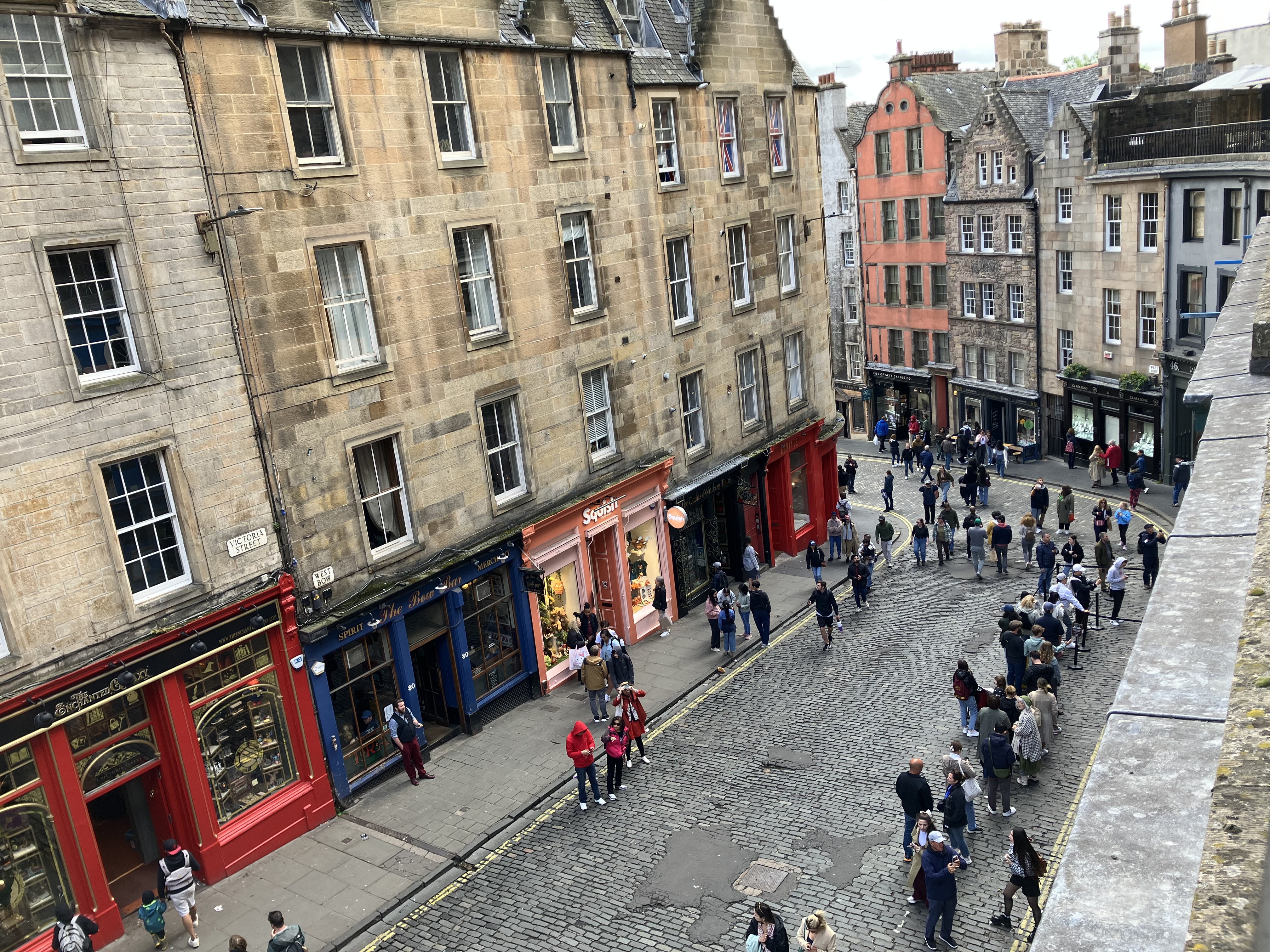
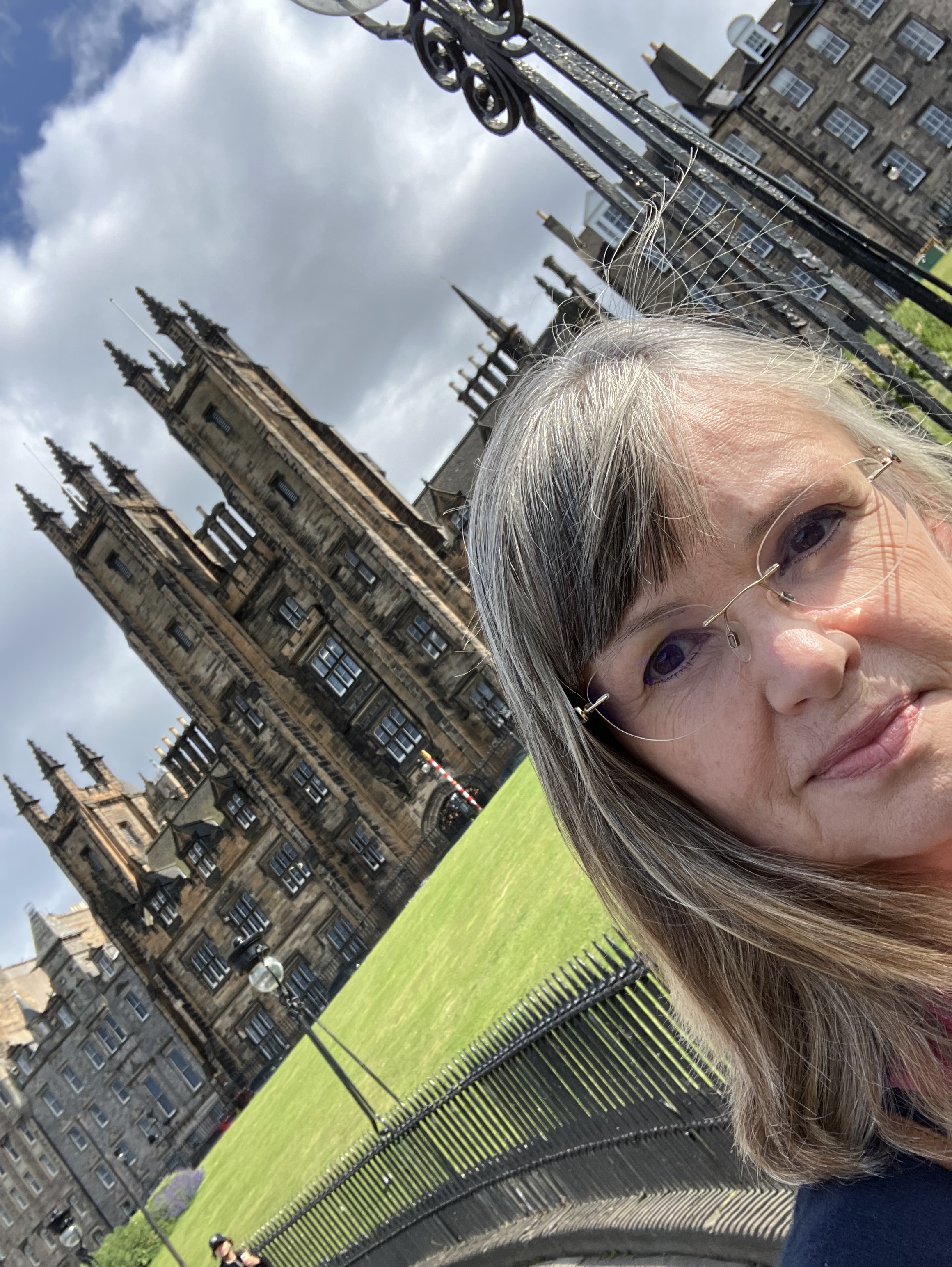
I will leave you with some photos of beautiful Edinburgh.



 Anne E Thompson