Quarantime to Read. . . Counting Stars: Home


Home

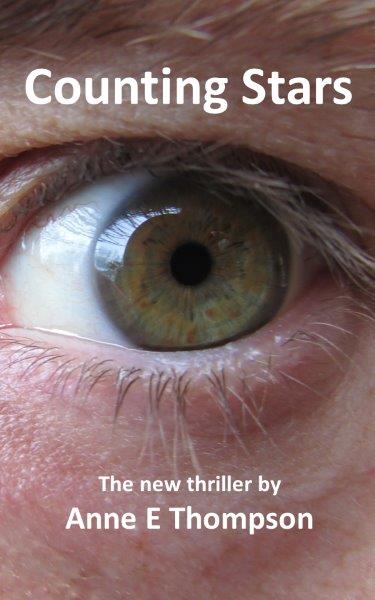
She doesn’t look, think, or fight like James Bond, but sometimes a mother simply has to do whatever it takes. . .

anneethompson.com

****

Due to the KDP rules on Amazon, I am not allowed to upload a whole book anywhere other than on the KDP site. I can therefore share chapters with you, but must remove them when read.


If you would like to read the whole story, or perhaps buy a copy for a friend, it is available from an Amazon near you. The link is below:


If you’re enjoying the story, why not buy a copy for a friend? Available from an Amazon near you.

Amazon Link Here

****

Electric Toothbrushes Can Cause Blindness


Electric Toothbrushes Can Cause Blindness

“Get an electric toothbrush,” they said.

“An electric toothbrush is much better for your gums—and gum disease is a bigger problem than tooth decay.”

I listened to the advice from my dentist, and considered whether he might be right. I have terrible teeth, and for many years as a child I neglected them, so now they are full of fillings. Plus, they’re too big and stick out (my dear husband describes them as ‘horsey teeth’). If I had the ability to change one thing about myself, it would definitely be my teeth. I guess we all have something we’d like to change.

However, now I am all grown up, I do attempt to take better care of them, and I have not needed a filling since the 1970s, so I feel I’m doing okay. I clean my teeth morning and night, with a fluoride toothpaste, and a medium sized toothbrush, which I replace regularly. I did not see the need for an electric toothbrush. I also did not especially trust my dentist, who was a new one, due to my dentist of 30 plus years inconveniently retiring. But Mr. New Dentist was insistent, an electric toothbrush was the way to go.

I left scowling.

The following weekend, Bea visited, and I heard her cleaning her teeth. She was using an electric toothbrush. She extolled the virtues, and told me I should listen to my dentist.

I scowled some more.

I looked online. There were a vast array of electric toothbrushes available, ranging from fairly cheap to needing a mortgage. I chose a not-too-expensive one, because I wasn’t convinced it would be used more than once.

Toothbrush arrived. The packaging was impossible to open, I cut my finger trying to remove it from the plastic case. I glanced at the instructions, and there seemed to be a bit missing, but perhaps they were generic instructions and referred to a different model. I carried toothbrush to the bathroom and plugged it in, hoping that it wouldn’t charge. It charged.

Returned to bathroom and scowled at toothbrush. It stood on its stand, looking smug and slightly dangerous, as if it knew things that I didn’t suspect. I picked it up and held the head under the tap until it was rinsed, then applied a ‘pea-sized blob of toothpaste’ as per instructions. So far so good. Pressed the button, and the fun started.

The toothbrush came to life with a high-pitched whirring that took me straight back to childhood and the dentist’s chair and the whine of his drill. At the same time, the pea-sized blob of toothpaste scattered into a thousand tiny specks that coated the mirror and the sink and my sweater. I realised my mistake, and hastened to place toothbrush into my mouth. It juddered across my cheek, whirred around my mouth, snagging my gums and the inside of my cheek and skimming across my teeth. I tried to stop it, and discovered I am incredibly uncoordinated. My efforts to press the stop button, rinse the brush, return to mouth, press on button, all became muddled. I splattered the whole bathroom with water and toothpaste, and some went into an eye. Toothpaste in your eye really stings. Am pretty sure I will go blind now—but at least I won’t be able to see my horrible teeth.

I managed to stop the toothbrush, rinsed it and returned it to its stand. It looked very smug.

I am looking for a new dentist, if you have any recommendations?

Have a good week.

Love, Anne x

Thank you for reading
anneethompson.com
Why not sign up to follow my blog?


Quarantime to Read. . . Counting Stars: The Journey


Chapter Two

She doesn’t look, think, or fight like James Bond, but sometimes a mother simply has to do whatever it takes. . .

The Journey Continues


Thank you for reading.
Why not sign up to follow my blog?
anneethompson.com

****

Due to the KDP rules on Amazon, I am not allowed to upload a whole book anywhere other than on the KDP site. I can therefore share chapters with you, but must remove them when read.


If you would like to read the whole story, or perhaps buy a copy for a friend, it is available from an Amazon near you. The link is below:


https://www.amazon.co.uk/Counting-Stars-glimpse-around-corner/dp/0995463212/ref=sr_1_1?dchild=1&keywords=counting+stars+by+anne+e+thompson&qid=1589905723&sr=8-1

Quarantime to Read. . . Counting Stars: The Mission


She doesn’t look, think, or fight like James Bond, but sometimes a mother simply has to do whatever it takes. . .

Due to the KDP rules on Amazon, I am not allowed to upload a whole book anywhere other than on the KDP site. I can therefore share chapters with you, but must remove them when read.


If you would like to read the whole story, or perhaps buy a copy for a friend, it is available from an Amazon near you. The link is below:


https://www.amazon.co.uk/Counting-Stars-glimpse-around-corner/dp/0995463212/ref=sr_1_1?dchild=1&keywords=counting+stars+by+anne+e+thompson&qid=1589905723&sr=8-1

You can buy a copy of Counting Stars  from an Amazon near you:

Amazon Author Link Here!

***

Thanks for reading.
Why not sign up to follow my blog?
anneethompson.com

*****

Slavery on the Plantations


I had planned to be in Italy now. In preparation, I wrote this post last year, and postdated it to be published today. It is weirdly relevant given what is happening. As I read Fanny’s book, it was fascinating to hear her say things that today would be considered blatant racism, even though she was fighting for the abolition of slavery. There is a lesson here for today. If we are protesting against racial inequality, is it okay to shop for cheap clothes, which are made by slaves in Bangladesh? Do we only want racial equality in the UK and the US? Or are we prepared to give our money to aid agencies to help fight Covid-19 amongst the poor in India, Africa, and beyond? What, I wonder, will the future think of us?

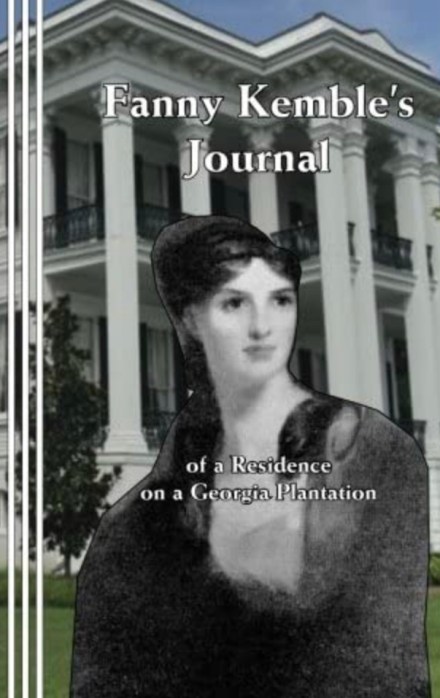
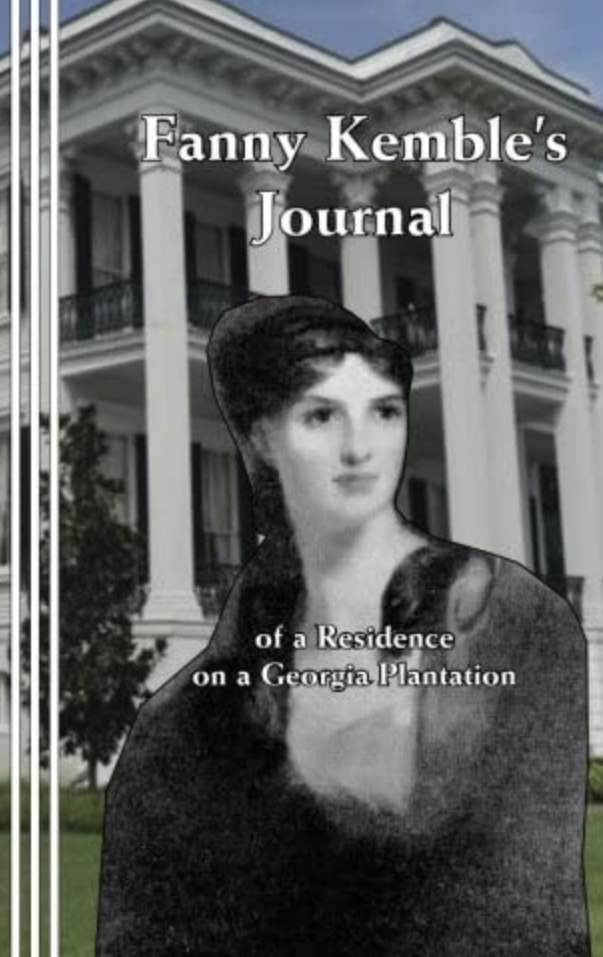
Journal of a Residence on a Georgian Plantation 1838-1839

by Frances Kemble

While we were visiting the Southern States of America last year, we were very aware of echoes of the past wherever we went. We saw old plantations, fields of cotton, museums, relics from the civil war, and were ever conscious of the comparatively recent slave trade. I began to explore this a little, to try and discover some facts beyond what we could see, and one of the books that I bought was the Journal of a Residence on a Georgian Plantation. It is a brilliant book, and allows the reader to see the slave trade, as it was, through the eyes of another investigator.

Fanny Kemble was an English actress. She was fairly well-known, as both an actress and an author, and during a tour of America with her father, she met Pierce Mease Butler. They married, and she went back to live with him in America, having no idea about how, exactly, he made his money. She then discovered that Butler owned a plantation, and slaves. Fanny deplored the idea of slavery, and insisted that she be allowed to visit the plantation, and see for herself the life of the slaves owned by her husband. The book is a series of letters and extracts from her journal, describing what she discovers.

I read the book shortly after arriving home from our road trip through Georgia and the Carolinas, so much of what Fanny describes is clear in my memory. She talks about the swamps, where the trees appear to be balanced on long fingers, and she calls them ‘woods of water.’ She describes the wildlife, the climate—all of which is pretty much unchanged even today. However, read through modern eyes, Fanny herself would be classed as racist, as her language reflects the thinking of the day. A strident abolitionist, Fanny makes a strong argument for the evils of the slave trade, whilst also describing black people in unflattering terms. It is unclear whether Fanny considers the slaves to be her equal, or whether she simply thinks the owning and degradation of human beings is deplorable (which is not quite the same thing).

The living conditions of the slaves are described as dirty, with no comfort, insufficient food. However, the aspect that affects Fanny the most is the whole being owned principle. Although the slaves married, and had children (which were then considered the property of the plantation owner) this was not respected beyond the confines of the slave residencies. So a man might return home from work one day to find, without warning, that his wife or child had been sold to a new owner, many miles away. Fanny also refutes the idea of benevolent owners, saying that those people who claimed to be kind to their slaves were still treating them as animals, and doubting whether a full-grown person would prefer to be treated as a much-loved pet dog, or as a donkey–both are belittling, and both undermine the basic principle that people of all colour, are human. This was radical thinking for her times.

One part which was interesting, is when Fanny is discussing Shakespeare (which would be very relevant to an actress). She ponders the play of Othello, and how the character, who is black, is described as a Moor, not a Negro. Fanny tells her friend that the hateful speech by Iago, Othello’s enemy, would be much more realistic if his hatred of “the moor” was changed to “the negro” and would add to his criticism of Desdemona, who has married a “negro.”

To discover what happened to Fanny later, beyond the pages of the book, I had to search the internet.

Fanny later divorces Butler and returns to England. Butler squanders his money, and eventually sells 436 slaves at The Great Auction in Savannah. This was notable, and is still part of the remembered history of Savannah today, used as an example of the horrors of the slave trade. Families were wrenched apart in the sale, and local people described the wailing and crying.

I found this book exceptionally interesting, though the style of writing was not my personal taste. It gives a clear account of how someone living in the times of slavery viewed what was happening, and I loved how her own biases were unconscious, and never addressed. I wonder what Fanny would think of her own writings if she was alive today. . . and I wonder what a future Anne would think about my own views. We are all products of the society in which we live, even if we like to think our generation has ‘sussed it’. I wonder if perhaps before we shout at those who we think are racist today, we had better look into our own hearts. You might claim that you believe all people are equal–but have you ever bought cheap clothes that might have been made by slaves in Asia? When did you last donate money to help downtrodden people? Would you allow the field near your home be used to build homes for refugees? I wonder. . .

Thank you for reading
anneethompson.com
Why not sign up to follow my blog?

Quarantime to Read. . . Counting Stars: The Plan


The Plan

She doesn’t look, think, or fight like James Bond, but sometimes a mother simply has to do whatever it takes. . .

Due to the KDP rules on Amazon, I am not allowed to upload a whole book anywhere other than on the KDP site. I can therefore share chapters with you, but must remove them when read.


If you would like to read the whole story, or perhaps buy a copy for a friend, it is available from an Amazon near you. The link is below:

Amazon Link Here

********************

Thanks for reading.
Why not sign up to follow my blog?
anneethompson.com

*******

Quarantime to Read. . . Counting Stars: The Woman


She doesn’t look, think, or fight like James Bond, but sometimes a mother simply has to do whatever it takes. . .

Due to the KDP rules on Amazon, I am not allowed to upload a whole book anywhere other than on the KDP site. I can therefore share chapters with you, but must remove them when read.


If you would like to read the whole story, or perhaps buy a copy for a friend, it is available from an Amazon near you. The link is below:


https://www.amazon.co.uk/Counting-Stars-glimpse-around-corner/dp/0995463212/ref=sr_1_1?dchild=1&keywords=counting+stars+by+anne+e+thompson&qid=1589905723&sr=8-1

Thanks for reading.
Why not sign up to follow my blog?
anneethompson.com

*******

Will You Look Outside of the Bubble?


Looking Outside of the Bubble

I miss my family. I want to see my son and his girlfriend, and I want to see my sister—who was due to visit from Canada but then had to cancel her trip because of lockdown and quarantine and all-things-Covid. I feel like I’m living in a bubble, much of which is not terrible, but there are snippets of life that I sorely miss, and people who I love are some of them. I also want things to be normal again, and I’m not sure they ever will be. I don’t much like living in a bubble, do you?

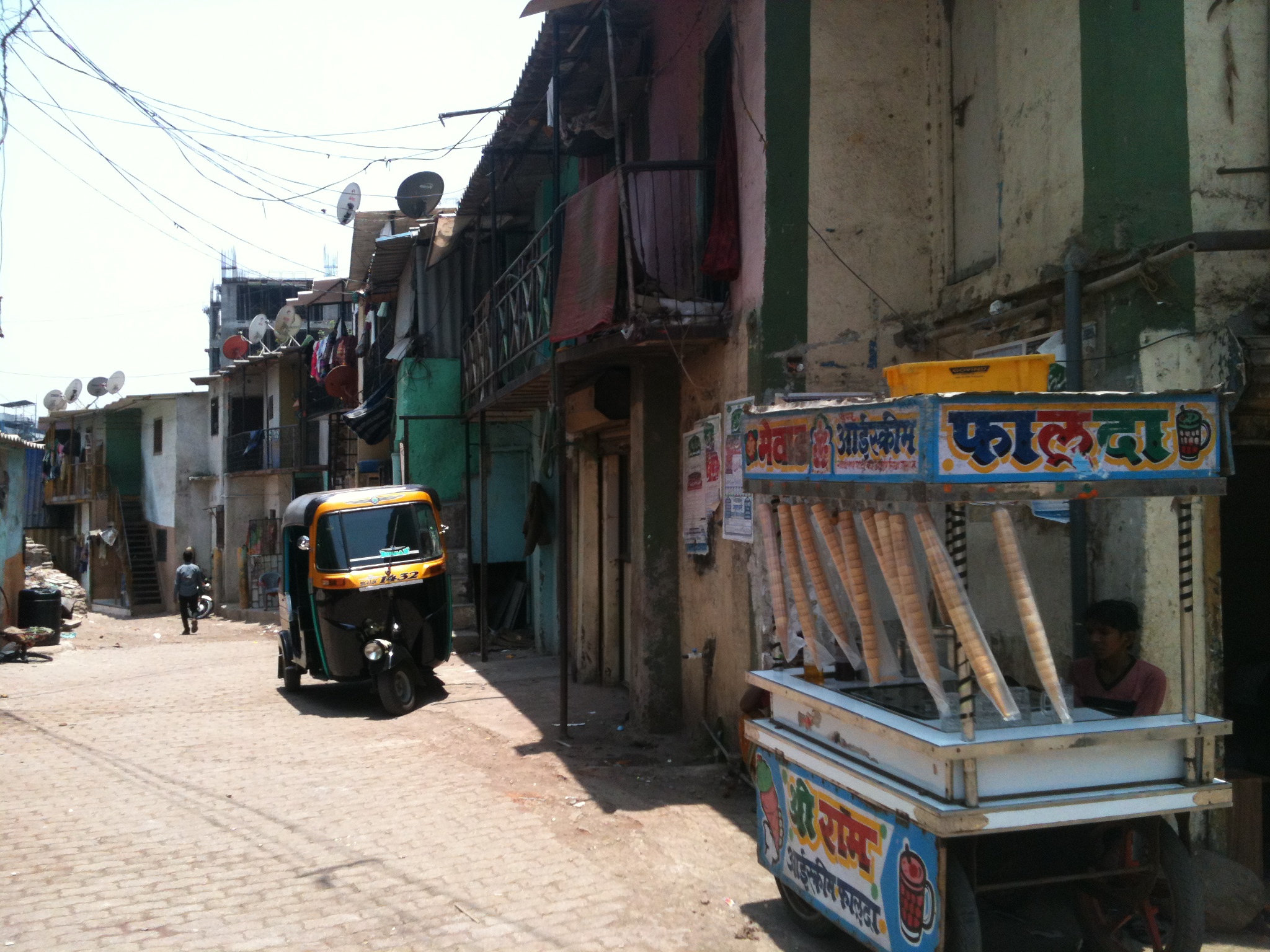
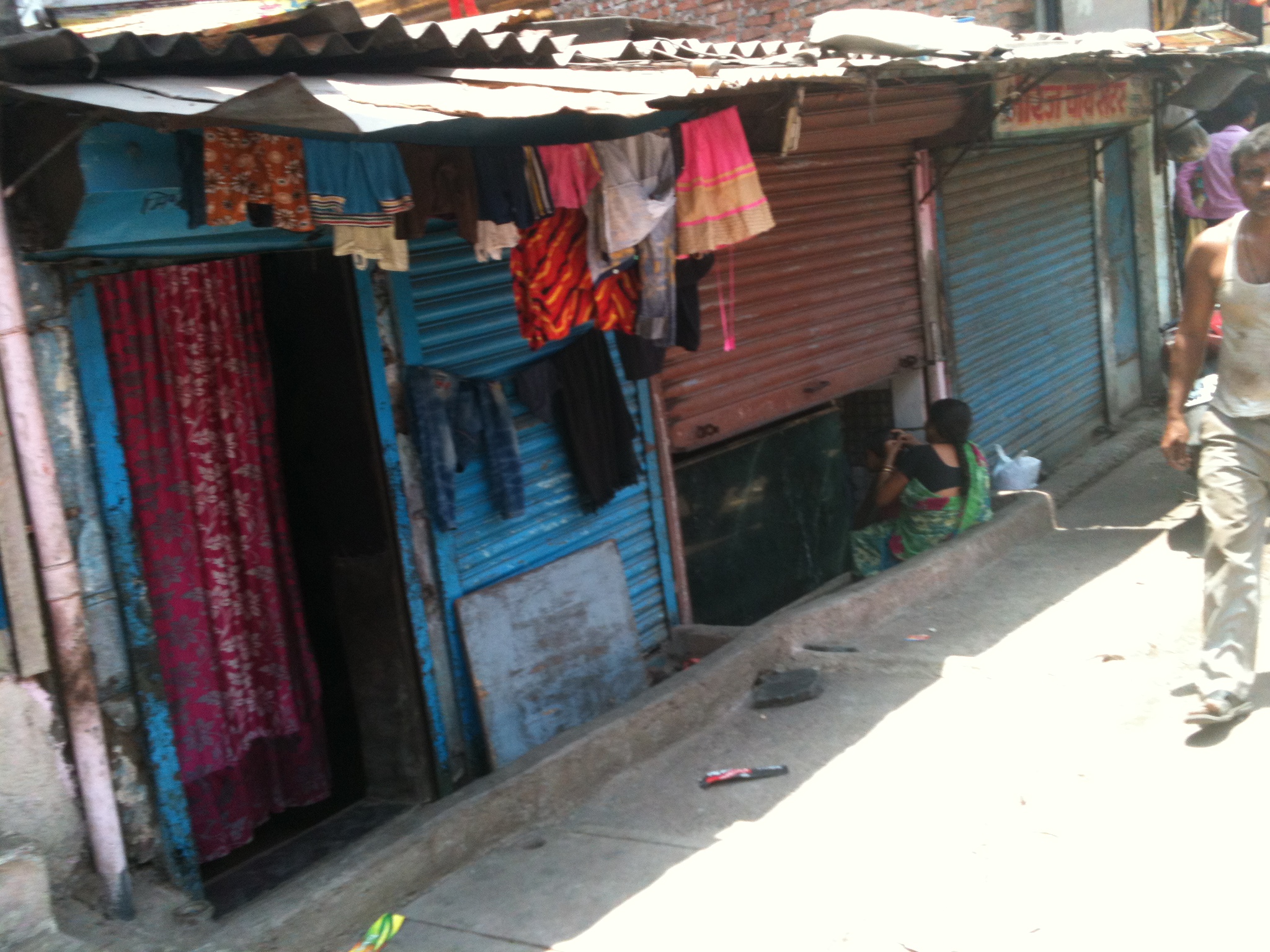
If I look further beyond my bubble, there is India. Do you ever wonder what is happening there now? All our news is as Covid-dominated as our everyday lives, and news from outside of England has been hard to find. But I know people in India, I have walked through the slums, and held babies, and giggled with children on the road outside a brothel. What has happened to them during lockdown—do you even care? Will you let me show you, for a few minutes, what is happening outside of your bubble?

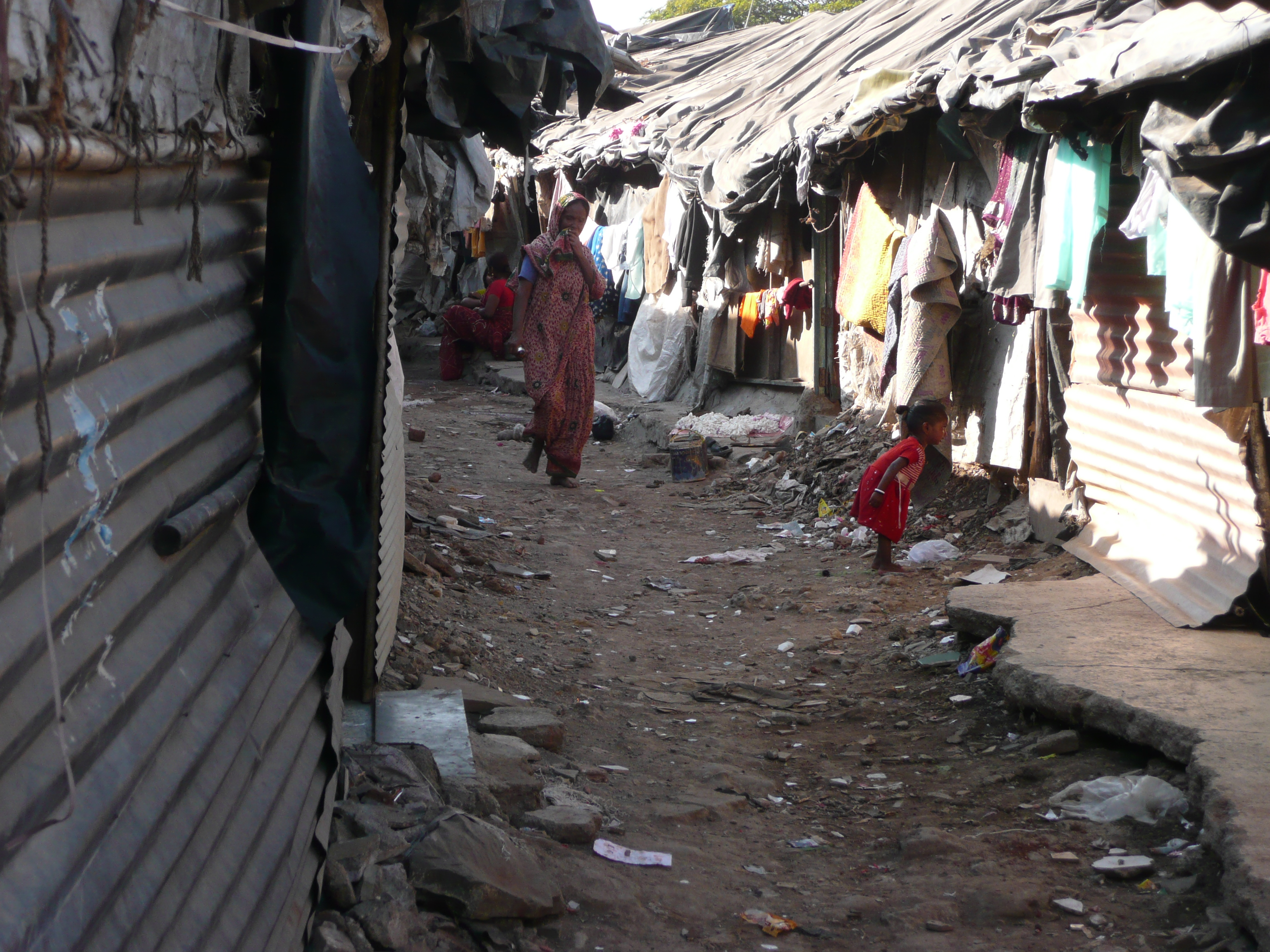
I want to show you Samir. Actually, Samir isn’t her real name, I have no idea what her real name is. She is a girl, caught on a photograph during one of our trips to India when we went to see the work Tearfund partners were doing among the poor. Look at her for a moment. She’s clearly having a laugh, teasing someone who’s inside the house. Someone has tied back her hair, found her clothes—but not shoes. Look at her poor feet as she walks through the discarded rubbish of her home. She captured my imagination with her dancing eyes and zest for life, and she’s the screen saver on my computer, and when I’m feeling fed-up, I look at her and remember that some people laugh when they live in a dump, children giggle even when they’re hungry.

There are lots of poor people in India. They make their homes from what they can harvest from the society around them (okay—they probably steal it—I suspect building sites regularly lose stacks of bricks and sheets of corrugated iron). They live by what they can earn day to day on the streets. They clean the homes of rich people (that’s us) and they drive taxis, and they have food stalls, and do laundry, and a whole myriad of other jobs that allow them enough to feed their families. I love India because everyone seems to be busy, everyone is scurrying around, trying to improve their life.

But then came lockdown. The government suddenly announced everything was closing, people had to stay at home. If you think there was panic-buying in England, you can imagine what it was like in India. The initial restrictions were eased, and people were allowed out to buy essential food, but the shock, the severity of the situation, smacked into the poor of India with no warning.

In England, we had to stay at home for our lockdown, and could only meet friends online, and our activities were reduced to screens and books and going out for exercise once a day. Look beyond the bubble for a minute, and see what lockdown meant in India. They don’t have screens in the slums, or books. . . or food. Those people who have left their villages to crowd into the city because they can glean a living working among richer people, suddenly had no work, no income, no food. So what did many of them do? They realised they could either stay in their make-shift homes and starve, or they could take their families back to their villages—where at least they could try and grow food. And so they set off, in their tens and hundreds and thousands.

But there was no public transport due to the lockdown, so they walked. At first, they walked on the roads, but when the police came to turn them back (because a mass exodus from cities meant a spread of the virus) they used the train tracks. When people were killed on the tracks, they took to the fields, wading through rivers when necessary, with their possessions, and elderly relatives, and children. Desperate people will always find a way. Other people opted to stay in the cities, but the aid agencies that provided a meal every day could no longer operate in the same way, the fabric of their lives, their means to make a living, had all but disappeared.

Gradually, things are being organised in India. Aid agencies are finding ways round the rules, the government are trying to provide what is needed—but people are still falling through the cracks. The slum I visited had water barrels outside each building, because water was only available at certain times of the day, so they would fill the butt and then use it throughout the day. Homes didn’t have toilets—there were buckets or shared facilities in the street. Whole families crammed into a couple of rooms. How does social-distancing work somewhere like that? How can people wash their hands regularly when there is no running water? How do they escape a virus which will probably devastate them because their health is already worn down by malnutrition and TB and other illnesses? Yet these people are unlikely to be the first on the list when a vaccine becomes available. These are the forgotten people. . . we don’t even know their names.

Please will look with me for a moment, beyond the bubble that has become our lives? I know that you are tolerating your own hardships, your own struggles. But there are people beyond the bubble who still need the help of others, who struggle to survive and are constantly knocked down again. We might not know their names, but if we try, we can still see them, they are out there, beyond our bubble. Please will you try to see them? Please will you help? A few pounds might just help my little photograph-girl to have some dinner–even if we don’t know her name.

Thank you.

Please reach out of the bubble, and click the link below. Be part of something. . .

Tearfund link here

Thank you for reading. Why not sign up to follow my blog?
anneethompson.com

The next chapter from Counting Stars will be posted on Wednesday.


A Matter of Life and Death


I don’t know about you, but I am always surprised by how much life bursts forth in the spring. Suddenly, every weed in my garden is ten-foot-high, the chickens start hiding their eggs and going broody, wild birds start to go bananas. It is mostly wonderful.

There are a few downsides though—like the bag of potatoes I found at the bottom of the larder, with roots practically piercing the bag. Maybe not so good for mash. I had the clever idea of planting them, so the chickens could eat the new leaves when they sprouted (wouldn’t take long!) I took them up the garden, and found an area against the chicken coop fence. Ideal, I thought, I’ll chuck them there, toss a bit of compost over them, they can grow through the fence and the chickens can eat the leaves. All good.

About 3 days later, the potatoes appeared in a bucket next to the door.

“Look what I found!” announced pleased husband, beaming all over his face. “These must be the seed potatoes you planted last year, and they’ve grown new tubers.”

I told them I thought they were possibly some old potatoes that I’d found in the larder (I didn’t go into too much detail), but he assured me that the roots were really long, and there was no way they could possibly be from this year. I checked the area next to the chicken coop. No potatoes or heap of compost. I keep trying to avoid the subject, but husband has mentioned it about 50 times since then, saying how amazing it is. Might have to confess.

The welcoming committee. . .

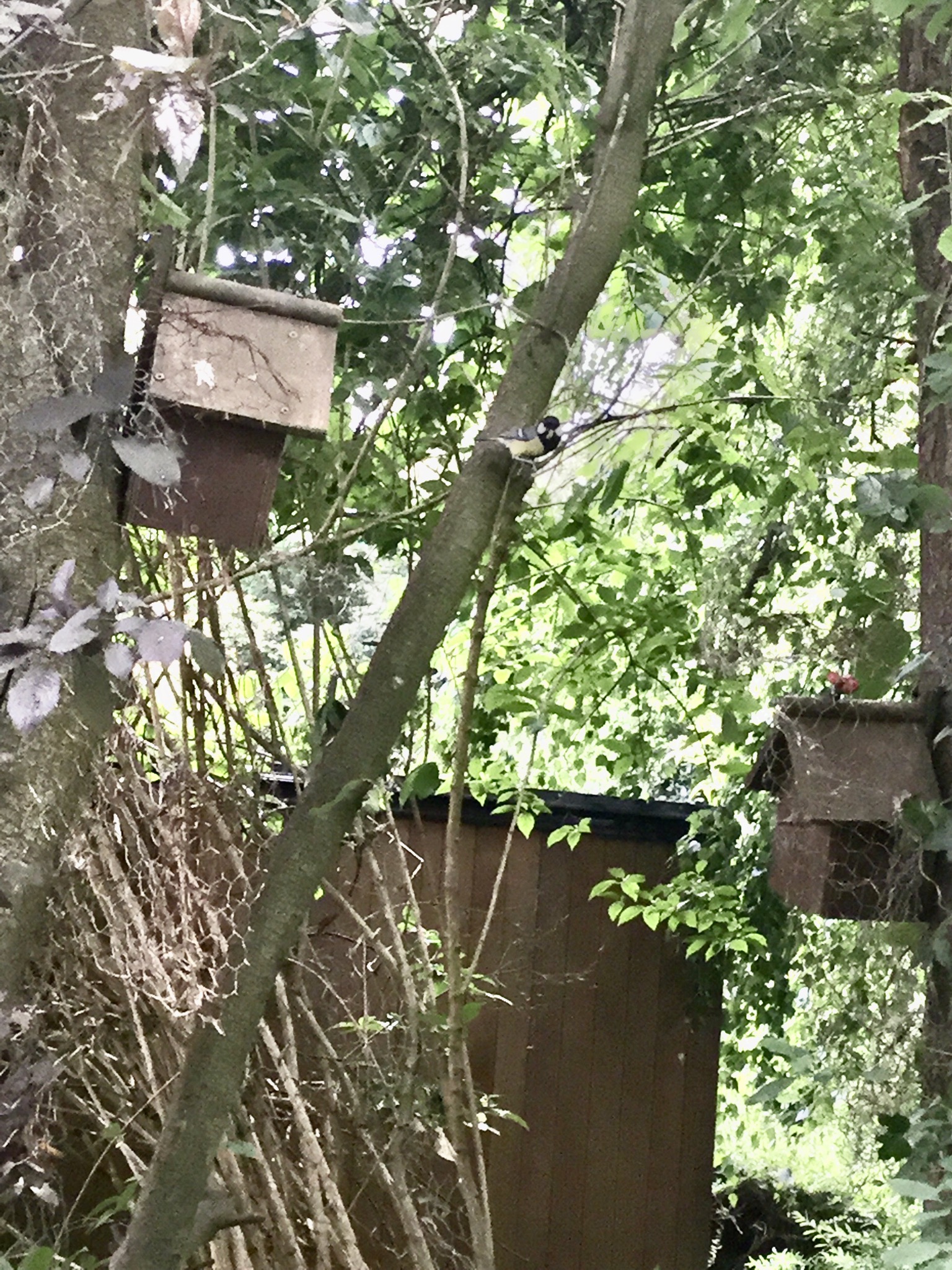
We also had birds in the nesting boxes that Uncle Frank made. He gave them to me ages ago, and I put them near the kitchen window (good plan) so I would see if any birds took an interest. We had some great tits in the area, and I guessed the eggs must have hatched when I noticed a welcoming committee of four cats staring at the nesting box. I started to shut the cats in during the day, letting them out at night. But then one morning, I came down to find one cat up the tree, and by the time I had run outside, he had fished a baby out of the box and was playing with it. I grabbed the baby, shoved it back into the box, and shut the cat inside. Husband then assembled some protective obstacles around the base of the trees. The view from my kitchen window resembled a cross between Guantanamo Bay and a WW1 trench. Not quite what I’d hoped, but at least the birds were safe.

A little like a ‘Where’s Wally?’ wildlife picture, but this is one of the birds.

We watched the parents feed the birds, and I did some online research. Did you know that great tits have a black stripe down the centre of their breast, and that the male has a wider stripe than the female? The width is directly proportional to how many sperm he produces, so female great tits will try to select a mate with a very wide black stripe. Our male was in the ‘acceptable but not a super-stud’ range. Cool fact huh?

We guessed the hatchlings were flying because several blue jays appeared in the garden. Am hoping they didn’t catch them all—maybe the blue jay family had a banquet that day. The next morning, the nesting box was empty except for moss and feathers.

In keeping with the explosion of life that is spring, I have some duck eggs incubating in the utility room, and my beautiful white leghorn chicken is sitting on some eggs in her nest. She has a choice of leghorn (white) cockerel or legbar (grey) cockerel to choose from. I am hoping to have a female chick from the legbar male, as they lay lovely blue eggs (though whether or not a hybrid will, remains to be seen). They are due to hatch next week, so I will let you know how they fare.

I also have a female pheasant (I can’t tell you how delighted Husband is about this!) I found her in a ditch, so am guessing she had been hit by a car. I knew the fox would get her, and I figured it would be nicer to die somewhere peaceful, so I carried her home and put her in an empty duck coop next to the pond. But she didn’t die. I’ve had her a couple of weeks now. I’m feeding her grain and apples (have to smuggle the apples out of the house because technically they belong to Bea’s boyfriend). She can’t actually walk (the pheasant, not Bea) but seems quite happy lolloping around the coop and watching the ducks. There is a ramp down to the pond, and I do have some worries that she might drown herself (pheasants are very silly birds) which means Husband will have to wade out and retrieve the body—which he will mutter about for several days—but at least it will stop him talking about the blessed potatoes!

I hope your week is full of life.

Take care, and stay safe.

Love, Anne x

Thank you for reading
anneethompson.com
Why not sign up to follow my blog?

Another chapter from Counting Stars will be posted on Wednesday.

Quarantime to Read. . . Counting Stars: Altered


She doesn’t look, think, or fight like James Bond, but sometimes a mother simply has to do whatever it takes. . .

Altered

Lena walked slowly to the kitchen. That conversation had not gone well at all. The children had announced that they wanted to keep their barcodes, like everyone else, and what would happen to them anyway now they had left? They didn’t even have their computers, had left them in the guesthouse. How could they contact their friends, what about schooling? Why had she brought them here?

It was Max really, Lucy would have agreed to anything. He was only being difficult because he was tired and found new things disturbing, Lena knew this but it did nothing to make her own task easier. She wound her way back to the kitchen, past the vegetable patch and the neat flower beds, over the lawn and along the small stone path that curved under trees and led to the kitchen door.

Agnes was in the kitchen, chopping vegetables. She smiled when Lena walked in. Lena picked up a knife and sat next to her. She watched as Agnes held the vegetables firmly with one hand on a wooden board, slicing quickly with the other. Lena had never cut vegetables before, and she watched Agnes, wondering if it was difficult. Lena ordered all her meals, like everyone else, scheduling them all to arrive at set times throughout the week. She had a coded cold storage box next to the door and, if she happened to be out, the food was left there for her to collect when she got home. It arrived ready to microwave or reheat, unless she ordered ready-eat food, which arrived hot. That didn’t happen very often, not on their budget.

“Do you want to help?” asked Agnes.

“Yes, but, not entirely sure I’ll be much use,” admitted Lena. “Cooking was never really a hobby.”

“No, I was lucky, I learned to cook when I was young,” said Agnes, resting her knife on the table. “Most people still did at least some cooking then, even if it was only for special occasions. Now people only really cook for fun, if that’s what they enjoy doing.

“We don’t get deliveries on the island, obviously. Since we’ve been here I’ve had to do all the cooking. John grows most of the vegetables and we have some fishermen who will deliver orders for us, keep our stores topped up—tea, coffee, that sort of thing. I don’t really enjoy it, but needs must. We don’t use drones for deliveries because of the cameras.

“Here, why don’t you peel these carrots? Like this, you just run the peeler along the edge. That’s it.” She moved the onions to a large pot and put a pile of carrots next to Lena, placing an old bowl below to catch the peelings.

“I never learned to sew though,” Agnes continued, pulling potatoes from a large sack, showering dirt on the tiled floor. They sat on the table, muddy and smelling of earth. Agnes began to slice off the peel, exposing their moist white insides.

“My Grandmother sewed a little, when she was young,” explained Agnes, “but by the time I was born everyone bought all their clothes. It was a bit like cooking is now, a few people still sewed, for fun or to save money, but very few. It was so much easier to order them online.

“So, I’m afraid we’ll have to order you and the children some clothes,” she said, looking at Lena. “We can give a list to the next fisherman that stops here, ask him to send some. They won’t mind. We never go to the mainland now, obviously.”

“Do they know that you’re here?” asked Lena, thinking that actually, it wasn’t obvious, but not liking to say. She was not sure how much information she should ask for. Not sure how much she wanted.

“Oh yes, of course; you can’t hide a whole island. They seem to have decided to leave us alone though, as long as we don’t cause them any trouble. To be honest, I think they are relieved in a way, it solves a problem for them when the altering doesn’t work. It doesn’t sometimes, you know. Not that they like to advertise that.”

She pulled another potato from the bag. It was soft and smelly so she threw it in with the peelings and selected a new one.

“What do you mean?” asked Lena. She had stopped peeling and was staring at Agnes, not sure if she would cry or be sick. Or maybe this would be good news—so long since she had heard any of that.

Agnes looked up from the potato, paused, put it down and reached for Lena’s hand.

“Oh, my poor girl. You don’t have a clue, do you.” She stood, brushing specks of dirt from her apron. “Let’s have some tea and a proper chat. We need to sort out what’s going to happen anyway, but maybe you need to understand a few things first. Information on the mainland is so very controlled. Are you feeling up to it?”

Lena nodded. Better to know, to stop guessing, wondering, being lost in a maze of confusion. You could prepare for what you knew, fight back if needed. Not knowing left you helpless, in a chasm.

Agnes filled the kettle and set it to boil. She pulled two china cups from the cupboard, added tea, sat back down.

“You know why you were sent to the hospital? What they were looking for?”

Lena nodded.

“You know about the alterations?”

“A little. Only what has been announced. And rumours, lots of rumours. I’m not really sure what’s true.”

She felt nearer to tears now, not sure if she could have this conversation. She had spent so much energy not thinking, not letting herself consider possibilities. Was it really better to know?

Agnes stood and made the tea, put a steaming cup in front of Lena, then sipped her own, as if ordering her thoughts, deciding what to say.

“I’ll start with a little history. Bear with me, you’ll know some of it but maybe not all.

“Before the Global Council, before we got properly organised, if there was trouble of any kind: crime, terrorism, that sort of thing, society used to lock away the culprits. If you go back long enough of course, people were executed—they still were until quite recently in some countries; but in England that had finished a long, long time ago. Obviously, people who were a danger to society needed to be removed, but the only real option was to lock them in a secure place, a prison. Before my time, of course, but I heard talk of it when I was small.

“It didn’t work terribly well, there was not the funding for them to be very nice places, people were sometimes crowded together more than they should have been, and people who had committed minor offences were sometimes put with more serious criminals. It also didn’t work. Most people, when they were let out, continued to commit crimes.”

Lena nodded, she knew all this, had heard it at school during history lessons, and seen pictures of grim buildings that had served as prisons. She even knew someone who had toured a disused prison on the moors, during a holiday. A few were still preserved, a physical reminder of the past, museums. Especially those that had been in remote places, where the Council had decided to conserve the area, away from towns and cities.

Agnes swallowed her tea and continued.

“Now, a quick change of subject but it’s related. Alongside all the other developments we’ve seen recently, is an understanding of how the brain works.

“Brain surgery always came far behind all the other medical disciplines you know. Long after surgeons were operating on hearts, kidneys, things like that, they did not even begin to look at the brain, it was considered too difficult. So, when they did finally start to open up the skull and examine what was inside, it took them a little while to properly master what they could do. They learnt which different parts of the brain did what pretty quickly, and began to do surgery when it was necessary; but the technology to actually alter what was inside, to change the way a person thinks, is fairly recent.

“Of course, once they worked out how to start altering what was happening in the brain, to start changing a person’s reactions to things, the opportunities seemed boundless. The first thing they did was alter the way a criminal thinks. I don’t understand it, you’ll have to ask someone better educated than me, but they managed to change the way a person responds to certain things. They can basically take away a person’s desire to commit certain crimes.

“In many ways this was good, took away the need for all those awful prisons. But of course, they couldn’t always be sure what else might get altered. There have been a few sad cases, people being left with not much ability to decide anything. The part of the brain that controls decisions and desires is so close to the part that stores memory. Some people even lost the ability to speak, by the time they decided what they wanted to say, they forgot the beginning; they couldn’t hold the words in their head for long enough to say them. Though these mistakes are becoming rarer as the technology improves.

“The trouble is, who decides what needs to be altered? The Global Council have written some pretty strong guidelines but things get changed, individual countries’ governments decide how to implement the new policies. That’s where we’ve got to now; if someone is considered a threat to the peace of society, they get altered. We think that’s what has happened to your husband.”

Agnes paused, waiting for Lena to respond.

There, it had been said now. All those hidden worries had escaped, been let out in the real world. Lena breathed. She looked at the carrot lying forgotten on the table. She looked at the tea going cold in her hand. She heard the children, playing noisily outside, arguing about whose turn it was. The world was the same yet everything was different. She could not speak, did not trust her mouth to form words. So she nodded. She wanted Agnes to continue, needed to hear this, to know if there was any hope. Otherwise she might as well go back to the mainland, let them alter her. Maybe she would be happy that way.

Agnes glanced at her, and Lena nodded, a slight dipping of her head, indicating that she was ready—able—to hear more.

Agnes spoke quietly, her voice matter-of-fact, as though trying to normalise the immensity of her words.

“We were already living on the island when they changed who could be altered, when it became used not just for criminals, and so we stayed. There are a few routes here, the one you used but mainly the fishermen drop people off. We usually know when people are coming so can welcome them properly. Most people only stay a few hours and then we get them on a boat, send them off to Asia.”

“Asia?” Lena frowned. Why Asia? Was that any better?

“I think that’s enough for now, why don’t we talk again later?” said Agnes. Her tone conveyed that this was not a suggestion.

“Now, you write down the clothes sizes you need and we’ll see if we can get some things for you. Your little family will be different to most of our guests, because of your husband. We need to find out if we can get him here, and that may take a few days, so you’ll need to stay.”

Lena started, and she felt her eyes widen as the words began to register.

Agnes tilted her head, her expression kind.

“It may not be possible dear. We need to find out some information first, and that takes time. It won’t be easy—you will need to wait and see. If there’s anything that can be done, we will try. It may be too late.

“Now, I need to get this soup boiling and you need to spend some time settling those children. Why don’t you take them for a walk around the island? Everyone is friendly,” she paused, wanting to reassure,

“It’s safe here, no need to be afraid of people here. Everyone is on your side now.”

To be continued on Wednesday.

Thanks for reading.
Why not sign up to follow my blog?
anneethompson.com