Letter to a Sister : Brazil


Arrived in Rio after long flight. Really really long flight. We (David and I plus friends:Barbie and Ken) were met at airport by hotel driver. Bit of a squash fitting cases into boot due to two large gas cannisters. I thought he had brought along his scuba diving gear (silly man) then learned that they were full of natural gas, it was a gas powered car (silly me).
His ticket didn’t open the exit barrier, so he went and parked in deserted car park. He did NOT then draw a gun and ask for all our valuables, he just apologized and went to pay for parking. Clearly has watched different films about Rio to me.

Checked in at Sheraton Hotel. Nice. Discovered I had forgotten to turn off ‘data roaming’ on my phone and had already been charged £26:04 for excess internet. Good old Three Mobile. (Not nice.)
Was surprisingly difficult to get into a lift going in the right direction to find our room. Must’ve been more tired than I realised.

Hotel nice. Our room overlooks beach and has a little balcony. D complained sea was too noisy (such a romantic.)
Showered, ate a burger, slept really well. Until 4am.

Wednesday 17th June
Opened curtains and watched dawn break over the sea. Beautiful. D explained what several of the viewpoints were. There are two lumpy hills called ‘The Two Brothers’, Ipanema beach, Leblon, etc. He told me the small beach by the hotel is called Viagra beach. Pretty sure he was lying.

Met Ken and Barbie for breakfast. Friendly staff, good buffet, ate overlooking sea. Tried some pretty tasteless papya and some very nice melon. Coffee average.

Walked to Ipanema beach. Saw Corcovada Hill with big Jesus statue on it. Saw a ‘muscle beach’ with people working out, doing pull-ups, etc. Lots of muscle. Barbie joined in (went on a swing.) I paddled in the sea (cold).
Saw people playing volleyball. Beach not too crowded. Sun gradually burnt of cloud and it warmed up, though didn’t get too hot. Saw coconuts for sale and some growing in trees. You can buy fresh coconut milk at beach stalls.

David and Ken discussed birds on beach (feathered variety.) Interesting shape, big and black and white. Tried to look them up in guide book but it concentrates mainly on nightclubs. Surprising really.

Lunch by pool. Barbie had coconut milk, served in the shell. Looked really cool but she said was a bit tasteless. I used my best Portuguese (first time I have used it) and ordered a mineral water, still, no ice. I received a water, sparkling, with ice. Considered it a success (they understood the water bit.)

Sun disappeared behind hill disappointingly fast. By 3pm we were sitting in the shade. Tomorrow we go to Recife, then off to see some Tearfund projects.

Am writing this on D’s computer, keep hitting wrong key and losing everything. Also not yet figured our how to add photos. Will aim to improve by end of trip.

Take care
Anne xx

Letters to a sister 9


Cassie (black labrador) died last week. I couldn’t write about it at the time, was too busy crying. She was old for a lab – 14 – and she was losing the feeling in her back legs, pooped without knowing it and her sight and hearing were pretty much gone. I didn’t mind clearing up after her, I owed her that much, she has given the family so much joy over the years. And until recently she has seemed happy enough. She mainly slept but so did the old cat and they snuggled together in her bed, so she had company, she still got excited at meal times and once a day she would go for a plod around the garden. But then she stopped wagging her tail and began to seem frightened by things, so it seemed kinder to let her go. Horrible decision. I had so hoped I would just find her dead one morning but in the end we felt it was time to take her to the vets, to put her to sleep before her life became a torment of fear at not seeing and unhappiness if I didn’t clean up her bed fast enough.

Although I knew she was ready to go, that it was the kindest thing to do, it was still hard, I still cried most of the weekend. It also makes me look harshly at life when someone/something I cherish dies. What is the point of it all? Life is so short, such a brief time of healthy happiness before we all decline, what is it that keeps us going? Why do we strive so hard to stay alive? And how will I cope when/if I lose those closest to me?

I look at the elderly people we cook for on Fridays. Most of them were married, had children, jobs, hobbies. Yet now, for the most part, they live alone, they cope with everything by themselves as their bodies deteriorate and everything gets harder. It seems to them like yesterday that they were vibrant, powerful in their own life, now they are becoming more and more dependent on others. How does that feel? How will I cope when that happens to me?

Maybe we are not meant to look ahead too far. If we trust in God (and deep down I do, I just have blips every so often, times when it all seems a bit scary ahead) then perhaps trusting him is all that matters. We do not know when or how our life will end, only that it will and that was always part of the plan, an intended consequence of having lived. Perhaps it is the now that matters, rather than the past or the future.

I know that what is in my past is finished, that those things I am proud of are not important anymore, that the things I did wrong have been forgiven. The future is a void, I cannot even predict what will happen this afternoon, in the next hour, I can only make a good guess and plan accordingly. But now, this actual moment in time, is mine. I can decide what I will do, how I will act, think, behave. And because I do not know what will happen in the next hour, what phone calls I might receive, accidents or happy surprises, then the most sensible thing would be to rely on God.

We are on a timeline, we can see the past, live in the present but the future is invisible.
(As an aside, did you know that the chinese language actually shows this in the words it uses. So the future is ‘behind’ you, because you cannot see it. It is like sitting on a train looking backwards. All the words relating to past are in front, before, you and all the words relating to future are behind you. I love that language!)
However, God is outside of time, above the line if you like. He can see my past and future and present all at the same time. So surely it makes sense to ask him for help when I live my present, to ask for his guidance as I stumble through this bit of life, doing the best that I can.

I guess if I am honest, I don’t really know what ‘the point of life’ is, especially when I get to the really tough, lonely bits of it. But God does, I really do think he has a plan and so I will just trust him on this one. I will cry for my dog, because I miss her, but I will know that her life (and mine) are not futile. There is a point, I just don’t know it yet.

Take care,
Anne xx

xxxxxxxxxxxxx

Thanks for reading…..

If you enjoyed this, why not sign up to follow my blog?
Then you will receive all my posts by email (usually two per week.)

xxxxxxxxxxxxx

Letters to a Sister 8


Last week Mags cooked at the lunch club. She always makes huge lemon meringue pies. After they had eaten, one old lady came into the kitchen and said she kept meaning to ask for the recipe, was it a family secret or could Mags bring it for her? Mags said she would. After she had gone, Mags admitted she wouldn’t really know what to write on said recipe as the pies are packet mixes from Morrisons!

It’s the end of Spring. England does Spring so well, not like some seasons when you can’t be sure where you are in the year. I remember when we lived in the US, Spring came and went in a flash, if you blinked you missed it. Here we’ve had bulbs everywhere, bluebells in the woods, so much life. Not sure if I usually don’t notice because I’m too busy or if writing helps me to see better. I just walked Kia. There was a cuckoo calling, a deer in the field next to the house, baby rabbits hiding in the hedgerow. We saw a baby thrush perched on the bottom rung of a fence, looking all lost with its spotty tummy and baby fluff round its head. No idea where its mother was, probably having a heart attack in a nearby bush when she saw a monster german shepherd sniffing her offspring!

Last year when I was walking Kia I saw a baby deer. She had seen the mother and gone off on a long chase (still doesn’t realise that she cannot leap over hedges like deer can.) I was standing there, shouting at her departing back (futile activity) when I saw something ‘hop’ in the corn. Thought it was a rabbit at first, then went nearer and saw it was a tiny fawn. So cute. Worried that it may be abandoned due to disobedient dog chasing away mother. Went home and told James that he needed to come with me tomorrow and if baby was still there, we (he) would be carrying it home.

Was unclear how I would explain to David we had a deer living in the shed. Also some concerns over ticks, but ignored them.

Anyway, next day we set off.James asked if deer should be moved or if it was the same as when you find baby birds and you should leave them where you find them. Told him I had no idea. He then used fancy phone to google it and find out info. (Oh to be young and to understand how fancy phones work! )
Anyhow, he informed me that deer are born and left by the mother, who returns regularly to feed them until they are big enough to leap over hedges. They have no scent, so are safe from predators as they lie very still in long grass and are rarely seen. Pretty clever.
We decided to therefore leave deer where it was and just took some photos. Though it would have been SO cool to have a pet deer!

We have agreed to go on a charity trip with Tearfund to Brazil. Will visit their projects in the slums (which apparently I am not meant to call the slums, but it makes it clear that we’re not going to posh hotels.) Slightly worried we might get shot (you will be on mother duty. Ha!) though have been assured we’ll be safe.
Is bit of a logistical nightmare arranging someone to live here and look after two dogs, six cats, six chickens (including two cockerels who definitely have an evil look in their eyes) and fourteen ducks. Seems to be pretty much sorted.

I have tried to learn Portuguese. Got the duolingo app for my phone. It is impossibly difficult. Everything changes depending on who says it and whether the thing is masculine or feminine. Even “thank you” changes if I say it or a man says it. Crazy. What makes an object masculine anyway? Who decides these things? Am hoping to meet only English speakers or Mandarin speakers. David assures me this is unlikely.
One of Mimi’s friends lived in Brazil for a while and she has given me a couple of lessons (think she is a bit surprised at how slow I am!) In an effort to look keen I bought some dvds from Amazon. Could not understand a single word, not even ‘Hello’ or ‘thank you’ (which I definitely sort of know.) Complained to friend who looked at dvds and told me they were Spanish. Ah. Felt rather stupid (but she laughed for ages!)

Take care,
Anne xxx

IMG_1289

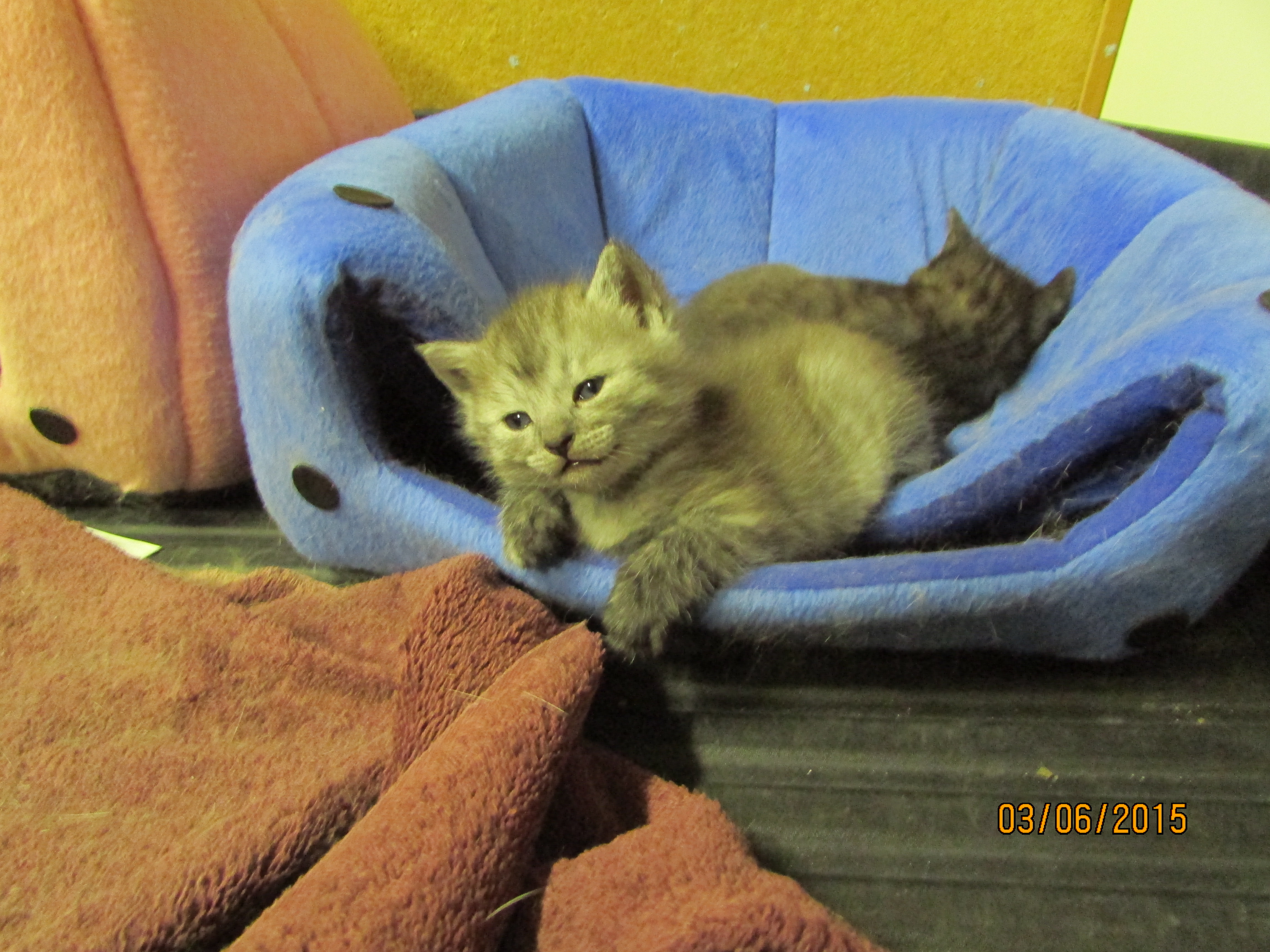
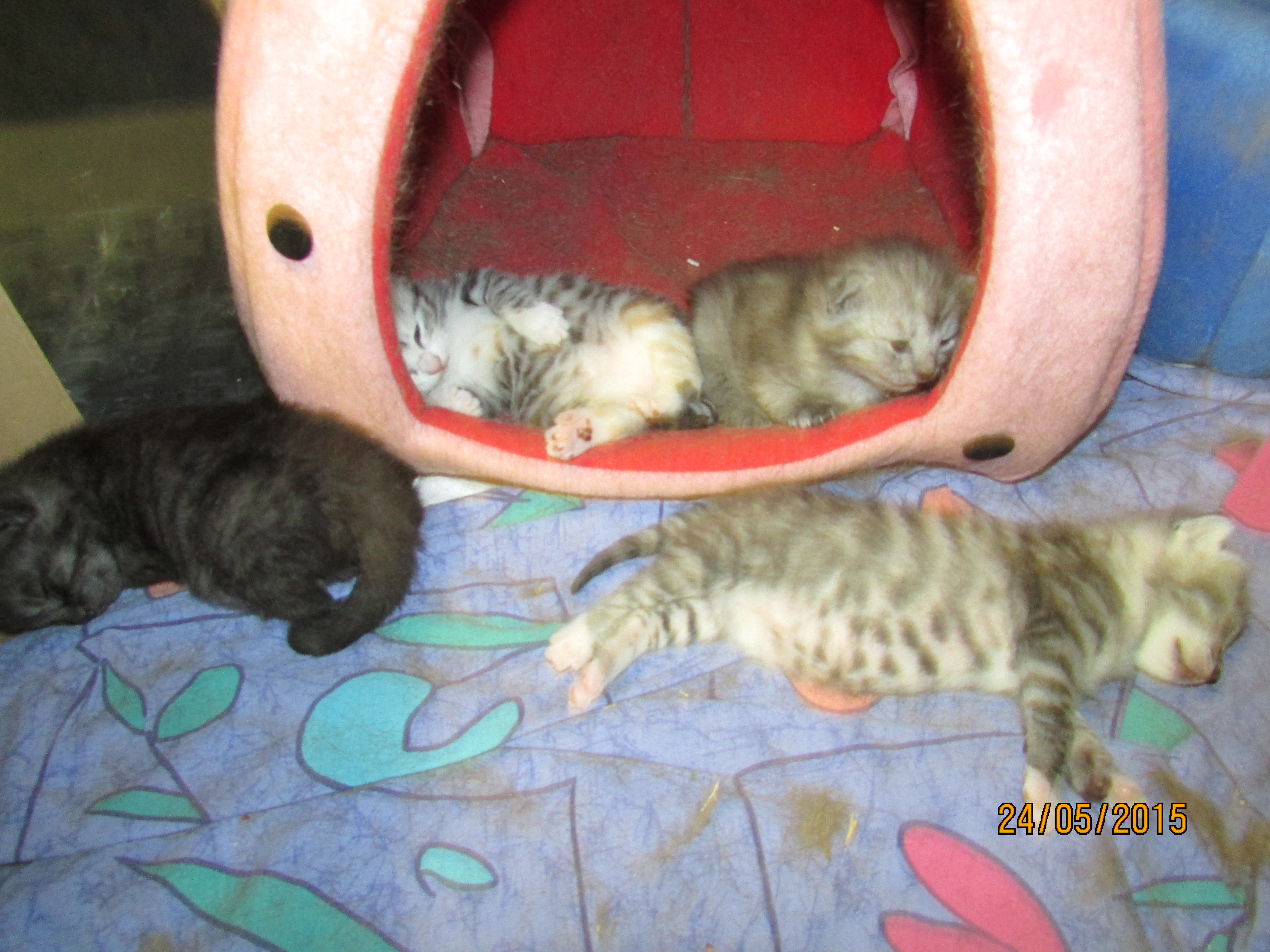
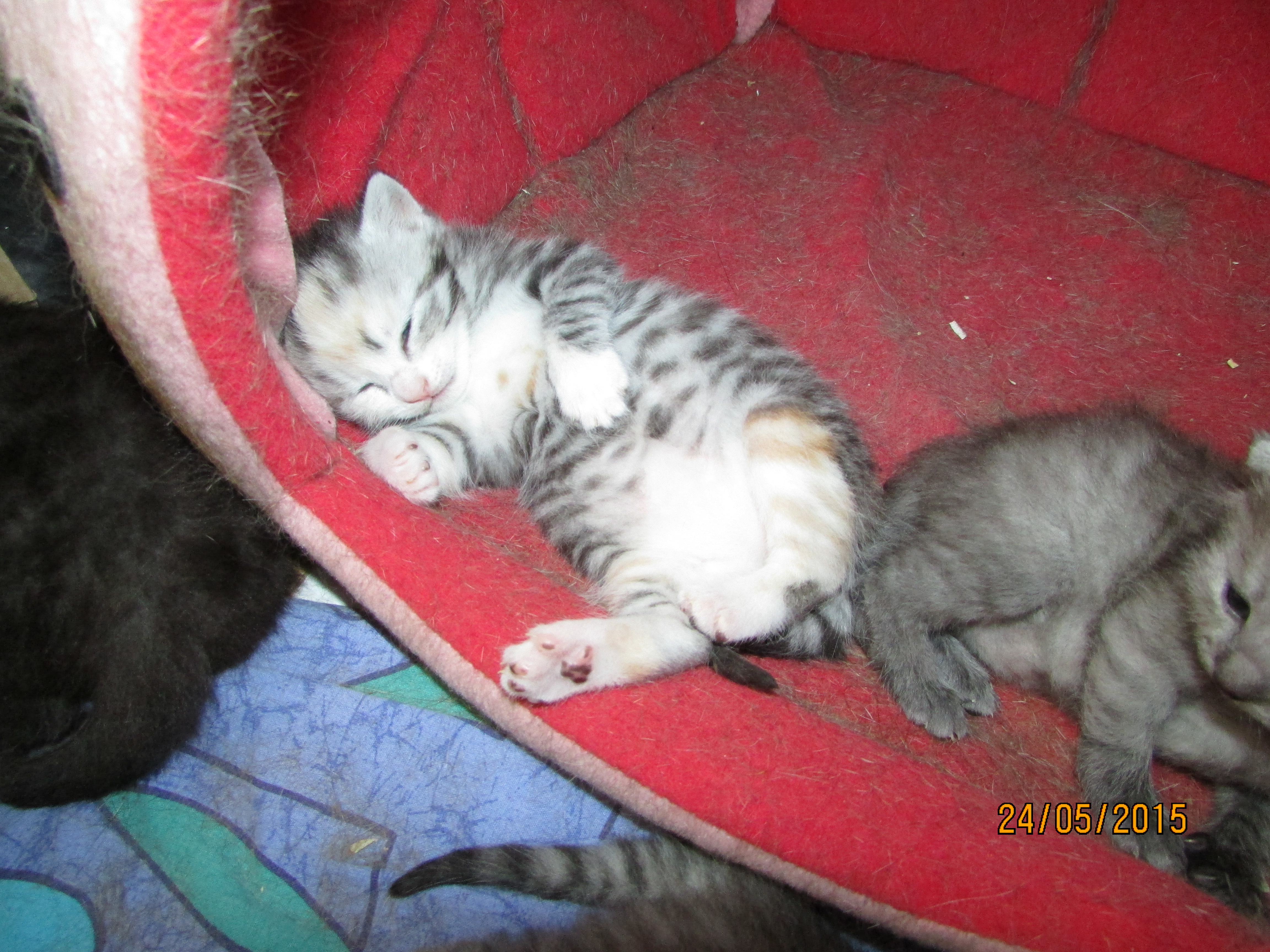
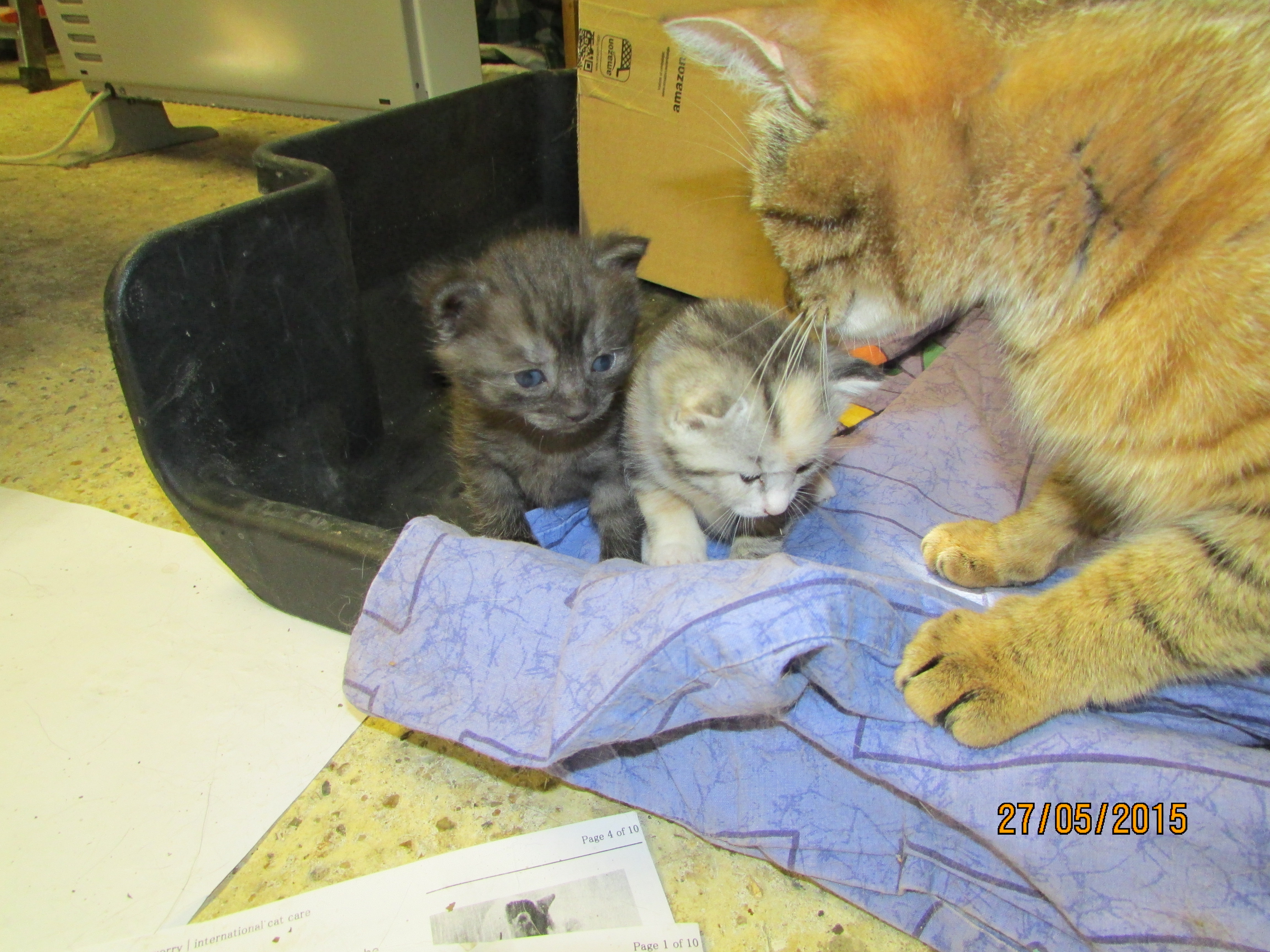
Kittens still cute.
IMG_2395 IMG_2393

Should Companies Pay Tax? (Tax 102)


     Image 15 IMG_2397

     The Conservative’s recent manifesto claimed they would, ” raise at least five billion from continuing to tackle tax evasion and aggressive tax avoidance and tax planning.” However, in the Queen’s Speech (May 2015) no new bill was mentioned. Does it matter? What does it mean anyway?

To begin with, we need to look at what the terms ‘tax evasion’ and ‘tax avoidance’ mean. They are not the same. Tax evasion is against the law. It is when your friendly builder doesn’t declare all his earnings, so he is not taxed on them. It’s illegal and if he is caught he can be prosecuted.

Recently, there has been more focus on tax avoidance. This is completely legal and is when you set up your financial affairs so that you do not pay unnecessary tax. In the past, people have considered this to be good sense and most people have done it. For example, if you have your savings in a building society account, you will pay tax on the interest. If you move the savings into an ISA, then you don’t pay tax on them. This is tax avoidance. Most people would think this was good money management, a sensible thing to do.

However, in the last few years we have become aware that some companies are taking this to an extreme. It is still legal but most of us feel that it is undesirable, it feels like cheating. Let’s look at a couple of examples.

The first example is fictitious. Annie decides to set up ‘Annie’s Global Coffee Empire‘. It quickly grows and is very successful, with coffee shops all over the world. There are over a thousand of Annie’s Coffee shops in the UK, they serve delicious coffee and are very popular, everyone drinks Annie’s Coffee. You might expect them to be paying lots of tax in the UK, as all businesses pay corporation tax on their profits. But they are not. When Annie set up her company, she did some cunning tax planning. She set up her head office on a remote Pacific island. An island that has 1% tax. That head office owns all the recipes for the drinks and the brand name. It charges the Annie’s Coffee shops in the UK a fortune for the use of the recipes and the brand name, such that the UK shops do not make any profit at all (but head office, paying just 1% tax makes loads!)

Now, the employees in the UK all pay tax on their earnings, the shops all pay their rates, VAT, etc. However, all the profit, which should be liable for corporation tax, is only taxed on the island because on paper the UK coffee shops earn no profit at all. The parent company makes a fortune from it’s highly priced recipes and brand name, the UK shops appear to make nothing. This is not illegal. Nothing is secret or hidden, their accounts are accurate and open. However, all of Annie’s successful coffee shops pay no corporation tax in the UK at all. This seems unfair.

Our next example is a real one. Associated British Foods own Zambia Sugar (who make Silver Spoon sugar.) They have a big sugar factory in Zambia. Outside of the big, profitable factory, is a small street market. In the market, people can have a stall and sell a few vegetables that they have grown in their gardens. The stall holders pay a few cents of tax as a government fee for having a stall. Some years, they are paying more tax than Zambia Sugar. They contribute more to Zambia’s health and education budget than the big corporation. I do not know if ABF set this up deliberately but again, this seems vastly unfair, whilst being completely legal.

So, what is the answer? These companies are not doing anything which is against the law, they are are not ‘breaking the rules’ but morally it seems wrong. Sometimes there are clever accountants setting up the tax avoidance schemes when the company is set up. Sometimes a country is too corrupt to care (so in some places you find that government officials will charge a ‘set up fee’ when a big business wants to go to the country.)

So what should we as consumers do? Should we boycott products like Silver Spoon sugar? My feeling is that that would be a mistake. Whilst they are not paying tax, Zambia Sugar are hopefully improving Zambia. They will be giving gainful paid employment to thousands of people, do we want those workers to be unemployed, impoverished?

Yet the situation clearly seems unfair. The solution would seem to be in asking for transparency. If companies had to publicly publish a complete list for every country they worked in, clearly stating how much tax they paid in each country, then they would be embarrassed into changing their tax arrangements. No large corporation likes bad publicity. Public pressure can force them to change what they are doing in a way that the law cannot.

We as consumers should be aware of which companies pay tax in the countries in which they work, and which do not. If we switch our coffee consumption from Annie’s coffee to another, tax paying, brand, then that seems right. In those developing countries which need employment, we can be campaigning for greater transparency. We can let these corporations know that what they are doing may be legal but it is not right. There is an ethical element involved and that affects us all.

I have this week seen a coffee company ‘named and shamed’ on facebook for not paying UK tax. Now, I do not know if in fact, this company does not pay UK tax, I have not yet checked. I am uneasy with how quickly we like to criticise big companies, to all band together against a common scapegoat without checking the evidence (which is how the Nazis got to be so successful.) However, even if they ARE paying tax and the facebook friends are wrong, this will still be influencing companies. They will see the mood of the public and will be checking their own stance, eager to confirm that they are a moral tax payer. We do have influence. We need to use it.

A financial article is published weekly at:
https://anneethompson.com/the-mystery-of-money/

Letters to a Sister 7


I have just tried to book an appointment to have a Hep B vaccine ready for visiting the slums of Brazil. First of all, my surgery said they did not do this any longer, I had to go to the next town and gave me the number of the surgery. That surgery informed me that they were full, they only have one nurse, I will have to have it done privately in London.

I wont name the receptionist, but I would like to because she represents to me all the rude/bolshy/unhelpful doctor’s receptionists who I have had the misfortune to have to phone in the last twenty years. She did not apologise, she did not give a reason, she did not ask whether that was a viable alternative. There was no discussion whatsoever. She just spoke to me as though I was an annoying inconvenience who should have known better than to call and ask such a silly question.

I then phoned the vets. I needed to find out if it was safe to worm Milly and Molly while they were feeding kittens. She didn’t know (apologised) and went to find out. She came back with the information, I drove to the surgery, collected what I needed and it was not an unpleasant experience.
She did not treat me like an idiot. She explained more than I had asked so that I could make the correct decision and anything she didn’t know, she went and found out for me.

Now, both people work with the public (which can, I know, be stressful. I was a teacher remember, you often see the public at their worst then, because everyone’s been to school, so everyone knows how to best teach, right?) However, I hope I was never as rude to even the most obnoxious of parents as doctor receptionists have been to me.

It is actually dangerous. If you have been up for a couple of nights with an ill child and you know that when you phone the surgery, after being put on hold for five minutes, they will interrogate you as to whether the visit is really necessary, let you know that the doctor’s schedule is full and you really should have known last week that your child was going to be ill and made the appointment then. Well, you just cannot face it. You decide you will wait. Then when you finally do go, the doctor says you should have come earlier, the complaint is now much more serious.

How can you tell them that actually you are terrified of the Hitler on the reception desk, that last time your child was ill she actually made you cry and this time you would have missed the 8:30am appointment phoning time because after not sleeping all night again you fell asleep from 7 til 9am. Which makes the lack of appointments totally your own fault.

Even if you are not phoning with an ill child, why is it necessary for them to be rude? I had brain surgery last year, it was still not possible to see my own GP, the receptionist still treated me like I should not really be there (even with a three inch scar across a hole in my skull!)

I know that doctors are over stretched and the receptionists have to protect them. I know that some people have appointments when a trip to Boots for some throat lozenges would suffice. I know that sometimes ill people might be stressy and unreasonable when they call. But is it necessary to be rude? Really?

So what is the solution? The only difference, as far as I can see between the vet and the doctor is that I pay for the vet, I am a customer, if they are rude I will go elsewhere and take my money with me. Now, I do NOT want to see the health service privatised. I love that we can go to the doctors and not worry they might be recommending treatment in order to get the money (I lived in the US remember). I like that everyone, on any income, can go to the doctor.

However, there is no excuse for rudeness. Maybe the receptionists need to remember what their job is.

So, could we just privatise the receptionists? Could the National Health Service run as it is (maybe with a little more investment please Mr Prime Minister) but save the money in the budget that is paid to the receptionists. You could use it to pay for one extra doctor in every county (every little helps.) The receptionists would be paid by the patients.

Now personally, I favour a voluntary donation system, so they would have to be very nice or they would not get paid (like some waiters) but I can see that this might not work. So how about a small fee every time you visit the surgery? Maybe £2 a visit?

I am not poor now but I grew up poor (very very poor) and I still work with kids from an estate where many are on benefits. All of them can afford the occasional costa coffee, they use the bus instead of walking, they buy sweets (none of which I could have afforded as a teenager.) I think that £2 a visit is not too much for anyone to pay. It would also make some of the ‘time wasters’ think twice, to perhaps pop to Boots or wait a few days to see if the sore throat cleared up on its own, which it often does.

Most importantly, perhaps it would make those receptionists be nicer. It is possible. I had a very nice one once. When I phoned for an appointment, there were none available but she was polite and kind. She sympathised, asked if I was feeling very poorly, said she was sorry but all the appointments had gone. Then she asked if I thought I should definitely see someone that day, in which case she would fit me in as an emergency with another doctor, or could I manage to wait until tomorrow? Mostly she was just kind. If I knew her name I would include it. It is possible to do a difficult job well. Maybe they just need a little motivation. Maybe the surgery needs to fire the bad ones……

Take care,
Anne xx

PS. As promised, more kitten pictures. They are growing so fast!

IMG_2346 IMG_2347 IMG_2358


Letters to a sister are posted every Monday.

Why Do Supermarkets Price Match? (Game Theory)


Why do Supermarkets Price Match?

      Do you have a price match card at your supermarket? Have you heard them offer to refund your money if you can buy it cheaper elsewhere? Why do they do it – are they being nice to their loyal customers? Actually, no. Actually, the price match promise is not even aimed at their customers, it is sending a message to their competitors. To understand why, we need to look at something that economists call ‘Game Theory’ (don’t get excited, Pictionary and Cluedo do not feature.)

     Game Theory is something that John Nash made a big contribution to (you may have heard of him – he was the person who inspired the film A Beautiful Mind. ) He showed that when individuals (you and me) or companies (Sainsbury’s) make a decision, we do not just take into account the things that will benefit us, the things that we want. We also take into account other people and competitors. Companies, when making a decision, guess what other ‘players’ in the ‘game’ might do. Supermarkets know that if they reduce their prices, the supermarket up the road will also reduce theirs. So they will both lose money. They do not want this to happen, so they make their ‘price match’ to their customers. This is sending a clear message to the other supermarkets. It says,

“If you lower your prices, we will lower ours too, so both of us will make less profit and neither will get more customers. So don’t do it.”

     Economists call this making a ‘strategic commitment’. (Economists like to make up fancy terms, it makes them feel important.) It means the shop has made itself inflexible, it has limited its own options (because when the customer tells them that baked beans cost less in Asda, they have to match that price, they can’t just say “Oh, we were only joking, sorry, you still have to pay the original price.”) They do this so their competitors will know they are serious. They are making a tough commitment (because they believe it will influence how the other shops behave and everyone will be better off. Except for the customers maybe.)

    Supermarkets have been having price wars for years. All of their actions have to be visible (no point in matching prices if your competitor doesn’t know about it) credible (their competitor has to believe that they actually will do it. If Morrisons promise a free BMW with all their loaves of bread, no one will believe that they will actually do that. Well, some people might, but not the sort of people who will be reading this) and understandable.

     But why bother with the price match thing at all? Why not just tell the other supermarkets that you will lower your price if they lower theirs, so don’t do it? Well, they are not allowed to. That would be called collusion, which is illegal. We will come to that in a little while.

     Firstly, let’s look at another company that has made a tough commitment. I like Kelloggs cornflakes, no other cornflakes are quite the same in my opinion. They are known in the cereal making world as being price leaders. They have always aggressively matched any price of any comparative cereal (not that any other cornflakes really do compare with Kelloggs.) Now, they are not allowed to tell their competitors that they will do this (it would be collusion – illegal remember.) Plus their competitors would probably just laugh and not believe them. However, they have behaved like this for about 200 years (I am guessing the time) and so all cereal manufacturers know what to expect and they behave accordingly. No one tries to out price Kelloggs, it just is not worth it, everyone loses (apart from the customers. Again.) Economists (the people who like using fancy phrases) would say the cereal companies are in ‘Nash Equilibrium’. They cannot individually change and still succeed because their competitors will step in and lower their prices too until eventually they go bust.

     There is another kind of commitment that companies make. This is called a ‘soft commitment’ and it is less aggressive, it more involves sharing the market place. So, Dominoes and Pizza Hut do not open shops in the same town. They have not agreed to do this (that would be collusion) they simply do not do it. They share the customer base rather than trying to force the other company to lower their prices.

     Another ‘soft commitment’ can be seen with Sony and Phillips. When CDs first came out in 1982, Sony produced them but Phillips (the main competitor) did not. It let Sony go first, spend lots of money on researching the new technology and then Sony flooded the market with them. It worked to both company’s advantage. Phillips had no risk, it did not invest in a new technology which might never take off, might just be a waste of money. Sony had the advantage of knowing that if it invested in new technology, it would then have an empty market place and could sell lots to recoup it’s expenditure. It suited both companies.

     Another way that companies share the market place is by aiming their products at different people. So, Illy makes expensive but delicious coffee, Nescafe makes cheaper but still drinkable coffee, Asda own brand is pretty yukky but very cheap. It is almost a class system for coffee! This is called a ‘fragmented market’. Again, the coffee producers could not agree to do this (collusion) nor was it historical (like with kelloggs) but they could see which areas their competitors were investing in (like growing only highly refined coffee beans or investing in cheap transportation in Brazil) so they could predict what everyone was doing and make their own decisions accordingly. (This got a bit messed up when the US coffee people entered the scene, but it still makes for a good example and I rather like thinking that I prefer ‘upper class coffee’!)

     Now, we have kept mentioning ‘collusion’. What is that about? Capitalism works with the belief that the market place works best if there is free competition, if everyone is trying to win the game. People believe this so strongly that they have created organisations to police this. In the UK we have the CMA (Competition Market Authority.) Other countries have different bodies, all trying to ensure a fair market place. Competition keeps the prices down and everything working efficiently.

     The exception to this, is oil. The countries that produce oil (note, countries, not companies) do collude. Which is why oil is so expensive. The actual companies don’t talk – BP cannot have a price chat (over a cup of illy coffee) with DNO – but the UK can talk to Norway. They set the price of oil (by adding tax) where they want it. They try to limit how much oil people will use.

     If we return to supermarkets, we can now see that their price match promise does not actually help us the customers very much. However, they are still trying to entice us into their shop. So, while they may not ever give away a BMW with a loaf of bread (sorry mother) they will offer us other things. We can still enjoy our free coffee and newspaper or our loyalty card or our free knife set. It all makes shopping a little less boring.

Financial articles are posted on Saturdays.

Letters to a Sister 6


It was my turn to cook at Lunch Club. This is a major operation, beginning with a trip to supermarket at 8:30 the morning before. I then spent all day cooking beef casseroles and lemon crunch pies, which spend the night in my fridge and then get transported to church and reheated for the lunch. This week we had forty-two people. Lots of food.

It started fairly badly when I tried to open the condensed milk ready for the lemon crunch pies. We have a Jamie Oliver tin opener, which I am quite fond of as it is not immediately obvious how it works and leaves people looking confused and I can then show them and feel clever. In the past, it has always worked brilliantly. Anyway, my guess is that Jamie Oliver does not use much condensed milk in his recipes (do you still use his recipes? I am more of a Nigella cook -unfortunately am getting the waistline to match!)

This stupid opener would not open the tin, whichever way I held it. All it did was remove a hair sized slither of metal, which then splintered off into my hand. Hurt. And bled. Not a good start.

Now, I have done my hygiene safety course (what a thrilling morning that was) so I knew that blood and catering is a bad combination. I should immediately cover the cut with a blue plaster (blue so that if it falls into the food – gross thought – it is easily spotted.) However, we do not have blue plasters in my house. We only have Postman Pat ones which I buy because I like to hear ‘important-city-worker’ and ‘international – businessman’ both muttering when they cut themselves (I clearly don’t get out enough.)

I therefore decide that I will opt for hygiene rule two and wear plastic gloves. Unfortunately, the only plastic gloves which are unopened (and therefore safe to use with food preparation) are extra large black marigolds, bought to use in the garden. So, there I am, wearing my outsized black gloves, looking at unopened condensed milk cans and thinking bad thoughts about Jamie Oliver.

What do you do when your tin opener does not open tins? I can assure you that a cork screw is both dangerous and does not work. Nor does bashing it very hard with sons penknife. Taking it in garden, wedging it between logs and hitting it with an axe does work, however leaves milk too dirty to use. The only option, as far as I know, is to drive very fast back to supermarket and buy a cheap but effective tin opener. One that actually opens tins. I will suggest to Jamie that really this should be the defining point for any implement he sells under the name ‘tin opener’. Radical thought.

The rest of my preparation went well, though I was completely worn out afterwards. Luckily, both David and Mimi were at work functions in the evening, so Mum had agreed to cook me dinner. I shoved the food in the fridge, fed the animals and drove to Mum’s. As I stood on her doorstep I had a horrible feeling that she might be going to serve me beef casserole/stew (you will understand.) But no, it was very nice scollaped potatoes with sausages and cheesecake for pudding. No tin openers necessary.

The actual Lunch Club was fine. The oldies all ate their beef casserole and vegetables and absolutely huge pieces of lemon crunch pie. All very tasty and hygienic. Some of them bring in plastic containers and take home the leftovers to eat in the week. It’s a nice feeling to cook for them. They have jugs of water on the table and a few of them have started to bring in fruit juice to add to it so it has a flavour. This week one table had a bottle of alcoholic fruit juice. The leader asked if they realised it was alcoholic and they just winked at her! That’s so how I want to be when I’m ninety-five!

Actually, we recently renamed the group. It’s now called Lunch Club (imaginative huh?) We did consider a few possibilities. My personal favourite was Fifty Shades of Grey (this was deemed to be misleading – they might arrive with the wrong expectations!)


We went to visit Noreen in hospital. She has just decided not to continue with chemo, so probably wont live much longer. I was really nervous about going. She’s a friend, so I really felt that we should go but I was worried about getting all emotional, which would be awful for her and upsetting for me. Prayed hard. Arrived at hospital – why are they so beige? Found her ward, which bizarrely is the maternity ward. Apparently ‘womens bits’ are all categorised the same, whether it’s the beginning or end of a life. Actually, maybe that’s better, maybe being on a ‘cancer ward’ would be rather depressing. Anyway, Noreen was still Noreen. She is clearly unwell, but still bright and sparky and fun to talk to. I didn’t get emotional at all. Find that happens a lot when I pray – makes me wonder why I don’t spend more time doing it.

Take care,
Anne xx

The next ‘Letters to a Sister’ will be posted next Monday.

Deflation


Deflation

Image

 This week, the Bank of England announced that inflation is now negative – this is known as deflation – for the first time since the early 1960s. This means that buying basic goods is getting cheaper rather than more expensive. This is good right? It means we all save some money? Let’s have a look.

     Firstly, what has caused this deflation? Inflation is often driven by the price of oil. So much of both manufacturing and our every day lives are dependent on fuel, that a change in oil prices affects everything. If oil goes down in price, almost everything else does too. In the last six months, crude oil has halved in price.

     So, what has caused this? Why has oil, a commodity which cannot be made but only extracted and refined, suddenly become cheaper? Oil is produced by very few countries and many of them are in the middle East, including Saudi Arabia. Now, Saudi Arabia has deliberately increased the amount of oil it is extracting and selling. The oil markets are like any other market (see the article on the Swiss peg). If there is lots of oil, then the price goes down.

     Why though, would Saudi Arabia increase their supply? They have halved their income from $100 per barrel to $50 per barrel. Why would they do that? Good question! No one actually knows (apart from the Saudis I guess.) However, there has been lots of speculation and there are two different likely reasons:

     Possible Reason 1: Due to oil prices being so high, people had become very inventive at finding ways to not buy oil from Saudi Arabia. They started trying to find their own oil. One method is through fracking, removing oil from shale (in your own country). Fracking is expensive but if it is cheaper than buying oil from Saudi Arabia, then it is worth doing (unless you live above where they decide to it of course!)

      Now, Saudi Arabia sells a lot of oil to the US, they are not happy that the US is becoming self-sufficient with its oil production. If therefore, Saudi Arabia reduces the price of oil, just for a little while, just until all the new fracking companies go out of business, then in the long term, it will be better off. They can then raise the price again, having bankrupted all their competitors. Is this why they have increased production? Not good for the US frackers (I need to be very careful how I write that word!)

      Possible Reason 2: Depending on your political/religious viewpoint, some of the dodgiest regimes in the world are completely dependent on selling oil. (Places like Russia and Iran.) The most effective way to defeat a regime is thought to be economic – people who cannot have what they want to have are generally dissatisfied, dissatisfied people try to change their government. Up until now, sanctions against these countries have been less than effective because they both have oil. That oil is now worth less (because Saudi Arabia has flooded the market, so to speak.) This will put a lot of pressure on those regimes. The US will like that, so maybe Saudi Arabia is acting in unison with the US.

     Let’s go back to the original question, is deflation good or bad? Governments, on the whole, do not like deflation, they think it is bad for the economy. If everyone is spending, moving money around, that is good for the economy. If companies are investing (buying new equipment) then that too is good for the economy. However, if people see prices coming down, if they know that if they wait for a month, that new television will probably cost less, then they delay spending money. Delayed spending means less money moving around, which is bad for the economy. Therefore governments like to have low inflation. Now, this present deflation is probably going to be fairly short in duration and will not plummet too far, so it will make very little difference. It is an interesting occurrence though and shows what a completely connected world we live in.

A financial article is posted every Saturday.

Letters to a Sister 5


Very excited, one of my poems was ‘spotted’ on Twitter and has been printed in Tear TimesIMG_2312You can order a copy (family heirloom) at : tearfund.org (they’re free)


For David’s birthday, his sisters gave him a voucher for a champagne cream tea at the races. Decided to use it on Saturday. Was fun. We arrived about two, having missed lunch due to eating big breakfast. Wondered how we would manage to drink a whole bottle of champagne mid afternoon. We managed surprisingly well.

The race course was nice. Not really used to race courses, so no idea what to expect. We had a table in a pavilion, which we could leave to watch the races and then come back to (for more champagne.) On way to the track passed a group of musicians who never seemed to be playing and a stand selling ‘Hand Pulled Pork’ which made me giggle. (I blame it on the champagne, but honestly, WHO thought that was a good name for something people would want to eat????)

Liked watching everyone. All the women seemed to be dressed up in high heels and fancy dresses and fascinators. I do not get the point of fascinators – they are fascinating because they look very difficult to keep from falling off! I had my best trousers on but fear I may have looked like I had come straight from sorting out ducks and kittens (because I had.)

Anyway, I had reminded David that Great Grandad had been involved with building the race course at Huntingdon, we had Dick Francis and Josh Gifford on our family tree, etc, etc. First race, I picked a horse. Told David it had odds of 9:1.
He then pointed out that actually that was its weight. It came second. Next race chose with confidence, telling him the weight. It lost, of course. Then we texted lucky niece and asked her for her tip – that lost too. Was great fun watching though.

Tea was nice. We had a Romanian waiter. I asked him which part of Romania he came from, he told me Eastern Europe. Maybe I was slurring by this point.

I used the Ladies before we came home. David pointed me in the right direction and I managed the heavy double doors just fine. Room very crowded with lots of women touching up their make up and combing hair. Did not use elbows to reach the sink (would’ve been rude.) Wondered who thought ‘bubble gum’ was a good perfume for liquid soap.

Thanks for sending the pot pourri. I’ve put it in a pretty china dish in the downstairs bathroom. Not sure why the whole world now thinks that’s a good place to fling the empty toilet roll insert.

My animals are doing well. The silver call ducks have just hatched. Mother keeps sitting on them still (glad there is one good mother in my household) so getting a decent photo is near impossible. Milly and Molly continue to be terrible mothers and only really notice their babies when I go in and put them back together. All four kittens continue to thrive, I feel despite rather than because of their mothers.

Talking of mothers, I took our mother to the supermarket yesterday. She went to one of the ‘self check out’ tills before I could stop her. Immediately, an assistant came and stood next to her, helping her check out. Think that tells a story in itself.

Take care,
Anne x

IMG_2295 IMG_2304

IMG_2300 IMG_2298

The Swiss Peg (Nothing to do with Clothes Lines)


The Swiss Peg

In January 2015, the Swiss Central Bank de-pegged the Swiss Franc. Within a few hours, the amount of euro you could buy with Swiss francs decreased by 20%. What does this mean and why was this significant?

Let’s start at the very beginning (in the words of a famous song.) In the global society that we live in, people want to buy and sell stuff between countries. That means, buying things that use different currencies. For centuries now we have had exchange rates, which decide what one currency is worth compared with another. They determine how many euro you can buy with your pound when you go on holiday.

Who decides what the exchange rate should be ? Who decides how many euro you will get for your pound (or dollar or yen) Well, in most Western countries the exchange rate is set by “the market”. Every day the banks match up buyers and sellers of currency across the world and that decides the price, ie the exchange rate. People want to change currency for a number of reasons, pushing and pulling the exchange rate up and down. For example, maybe millions of Americans want to come to the UK to watch the Olympics, that will put up the exchange rate – they will get fewer pounds for their dollars. But at the same time, Apple might bring out an exciting new iphone that everyone wants to buy, that will raise the price of the dollar, making it even again.

We can see how the foreign exchange markets work by looking at ebay. Pretend you want to sell your VW beetle lego model on ebay. If you set the price too high, no one will want to buy it but other people who own a lego VW will see it and decide that they want to sell theirs too. There would be too many sellers and no buyers and the price would start to go down. The opposite is also true. If you put your lego model on ebay at a low price, no one else in the lego community would think it was worth selling theirs. Then lots of buyers would bid for your model, which would push the price up. At a certain point, other lego bods would decide it was worth selling their models too and the price would stabilize. It finds a natural level.

Now, some countries do not want to be part of the free market, so they control their currency. The government sets a price and their currency can only be bought and sold at that price. It reduces the amount that other countries want to trade. (In recent years, this has happened in China and the old USSR.) Or, sometimes a dictator will decide to set the price of their currency too high (in recent times, this happened in Zimbabwe) then people decide to just ignore it and an illegal black market is formed.

In the open market place prices are also affected by fashions, rumours and what people think will happen in the future. So, when the Conservative government won the last election, whatever your own personal views might be on that, the international market thought that the UK was worth more and the price of the pound went up by 4%. Nothing had changed, we didn’t suddenly have great weather and become a tourist destination, it was just that people’s view of our economy changed and that altered the markets. It reflects what causes most changes in the exchange rate. It is more about optimism and fashion and less about physical things, real economy or cash flow.

In the last five years, there have been lots of worries about Europe. There have been worries that some countries (Portugal, Ireland, Greece) might collapse and the Euro might go down in value. In comparison, the Swiss franc has looked very stable, very safe and so its value has gone up. That’s good for the Swiss people right? Well, not necessarily. It means their foreign holidays will be cheaper. But if they are an exporter, wanting to sell their chocolate, watches or knives abroad, then it makes their goods more expensive, fewer people will buy them. For the Swiss, their core industries are their exporters (if you have forgotten what that means, read the article about the European Union.) Therefore, too high an exchange rate is generally bad for Switzerland.

So, the Swiss government decided to do something. In 2011 the Swiss Central Bank set a target maximum price for Swiss francs, they said they would act in the markets so it would not go above a certain rate. This is called pegging. They agreed they would always sell Swiss francs at a certain price, so no one would go elsewhere and buy them at a higher price, therefore no one bothered to try and sell them at a higher price. The bank then had to actually sell francs at the declared price (to make it real) so it was regularly buying other currency (which it stored.) Now, because they were a strong, trusted bank, saying they would buy other currency, which kept the Swiss franc below a certain price, everyone believed them. This continued for several years.

Then, in January 2015, they announced that they were removing the peg. The exchange rate changed by nearly 20% in a morning, the biggest one day change in a single major currency for decades. Wow.