Do You Feel Old?


I ventured into London to watch my daughter’s choir. It was both enjoyable, and a learning experience (I felt older than most people). Here are some observations and ‘feeling older’ thoughts:

It is no longer possible to guess the age of women by their hair colour, as nearly everyone dyes it. However, there is a clear age-indicator in their shoes. At a smart event, women over 65 (I am guessing their age) wore high-heeled shoes; women 50 – 65 wear low-heeled shoes; women under 50 wear trainers. Even with floaty dresses, young women wear trainers—how wonderfully comfortable! I shall copy this.

Showing lots of flesh is the norm. I rather like the rule that you either uncover your legs, or your shoulders. It seems that some young women today feel comfortable uncovering practically everything! Perhaps this is good—they are clearly comfortable with themselves. But I’m not sure what messages it sends to the strangers they pass (some of whom will not be honourable people). Should we dress purely to please ourselves (in which case, I will throw away all outfits except for jeans and wellies) or should we be aware of how this affects other people? Is it rude to not dress appropriately, or is it freedom? And who decides what is appropriate anyway?

Men in jackets and ties is a rarity. On my journey, and at the event, the only jackets I saw were carried by girls from a private school, and worn by the porter on the door of the Ritz hotel. It seems jackets and ties are going the same way as bowler hats (which you see in the hundreds on old films, but rarely ever in real life today). This is, I think, okay — times change. But perhaps they should still appear for funerals? What do you think? Weddings? Posh restaurants? Important meetings? Again, it sends a message whether we want it to or not.

Young people are tall. Very tall. Okay, so not all of them are tall, but the tallest young people seem to be much taller than they were when I was young, and there seem to be more of them. Unless I happened to be in the same place as lots of models, which I suppose is possible as they were also beautiful.

Most people are completely oblivious to other people—lots of task-focussed behaviour. I don’t think the people who chatted loudly through the choir performances, or those who moved to take a photo and stood in front of people who were sitting, thus blocking their view, or those who let their litter blow away, were necessarily selfish people. I think they genuinely did not notice, they simply didn’t think about how their actions were affecting other people, they were busy focussing on what they wanted to do. Perhaps they achieve more than my generation did, or maybe they were rude. I blame their mothers.

A lot of people eat dinner very late at night. After the recital, we went to a nearby restaurant for dinner, and it was almost full, every table with noisy people enjoying a meal. This was long after the time I usually eat (let’s be honest, it was past the time I usually go to bed!) yet other people obviously eat at this time. I wonder if they need less sleep than me, or if they get up late too.

When we left London, which was even later than dinner (obviously) I was surprised by the number of people arriving at the station. Were they just beginning their night out? Did they live in London? Were they shift workers? I was too tired to ask (plus the family discourage me from approaching strangers to ask why they are there) but it was interesting. I wondered why they were there and where they were going. Perhaps I shall go back another time and follow them. (If I am arrested, please send help.)

Anyway, it was all very interesting, and I feel I should go into London more often, so I don’t completely lose touch with normal society—though I rather like my world of theology books and animals.

Hope you have a great week and encounter some lovely people, whatever their age. Thanks for reading.
Take care.
Love, Anne x
Thanks for reading.
anneethompson.com
Sign up below to follow my blog.

The World is Fuzzy


When I run along my lane, I always see a herd of deer nestling under a tree, a stag standing guard with his antlers against the sky. It’s a beautiful sight, and makes me smile.

Husband never sees this. Husband informs me that the deer are sheep, and the stag is a fallen branch from the dead tree. He is probably correct, as his eyes are better than mine, but I rather like living in a fuzzy world.

Unlike most people my age, who have gradually deteriorating eyesight, I lost most of my long-sight in a couple of weeks, when I had the brain tumour. I have not seen my feet in focus ever since. Maybe this is why I dislike wearing my glasses so much (I did have a brief flirtation with contact lenses, but we didn’t like each other much). I understand why people want to see—because it’s safer, and often missing details is a shame. But sometimes, in my opinion, living in a fuzzy world is okay. Certainly people are prettier. And younger. Needless to say, I rarely look in the mirror when wearing my glasses.

However, there are dangers in my fuzzy world. If I don’t wear my glasses when I leave the house, I misjudge corners and end up with bruises, or trip, or twist my ankle in holes. The lane is okay, because I have learnt every pothole (there are many) but anywhere unfamiliar requires glasses unless I want to risk pain.

All this made me think—I wonder whether all shortsighted people see the same thing. Would another nearly-blind person see deer in the field—or would they create their own fuzzy image? There is no reason to think we would all see the same imperfection, we would probably all make those brown splodges and the weird sticking-up shape next to the tree into something different, trying to make sense of what we can almost see, sort-of, if we squint.

Which makes me think about how we see God and Godly stuff. We all know that we don’t see God properly, because to see God would be too much for us.[1] Even things about God—most of the theology I have been studying—is slightly uncertain. We have the Bible, and our own experience, but we all come to slightly different conclusions because we don’t see clearly. We don’t properly understand because we are physical beings trying to grasp something beyond our understanding.[2] So whether you follow the teachings of Augustine, and believe in original sin, or if you believe like the monk Luther that we are saved by faith or whether like Origen you believe it will all be okay for everyone in the end—you cannot actually know. You can base your belief on what seems logical to you, you can choose how to interpret the Bible, decide who you trust, but you cannot know. Because when it comes to theology, we all have fuzzy eyes.

I think this is probably okay. I think this is how we were designed. But we do need to remember this. Because it is not okay, and it becomes a massive problem, when we start to tell other people that what we see fuzzily is, in fact, seen clearly. Sometimes it is necessary to grasp firmly the things we see clearly, and admit with humility that there is an awful lot that is fuzzy. Living in a fuzzy world can be comforting, but if I start to drive believing I don’t need my glasses, I become a danger to everyone.

Thanks for reading. Have a good week—and remember not to be too certain about things that are fuzzy for you.
Take care.
Love, Anne x


[1] Exodus 33:23.

[2] 1 Corinthians 13:12.

My Father


Yesterday, it was Father’s Day in England.

My own father died in 2006. Recently, when I told someone this, they said: ‘Oh, about 20 years ago then,’ and I opened my mouth to tell them, ‘No, 2006, just a couple of years ago,’ and then I closed it again. It feels like just a couple of years ago. I wonder if it always will.

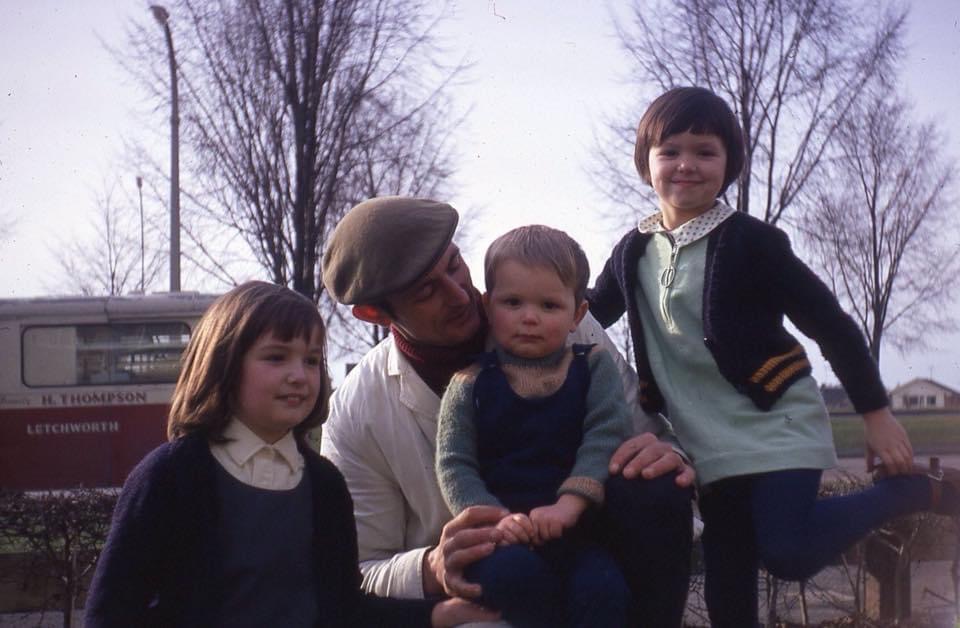
What are the strongest memories of your father? When I think of Dad, the memories come in a jumble. His smell: Old Spice aftershave and Extra Strong mints. Whenever I smell those, I am zapped back in time, I can almost feel him. Radio Four playing too loudly on the car radio. His great belly-laugh, which was rare, but reduced him to tears (I especially recall this laugh when our dog emerged from a river coated in black mud). His delight when cooking a tasty meal—especially his gravy. His huge hands. His wonderful singing voice. His loud piano playing, especially when he was angry. His smart appearance—he nearly always wore a shirt and tie, and kept his shoes shiny.

 I also remember the feel of my dad. He was a great hugger, and I remember his hugs engulfing me. I also remember when I was little, pretending to be asleep in the back of the car so he would carry me upstairs to my bed. I think my sister did the same, and sometimes, as his heavy steps plodded upstairs with us, one of us would giggle, so I suspect that he knew we were pretending, but he did it anyway. Perhaps he liked carrying us as much as we loved to be carried. I never thought about that before.

When I shut my eyes, I see him in his white butcher’s coat. This is an odd memory, as he sold the business when his father died (I guess about 1979) and went to Bible College, and then was a Baptist minister until he retired. But mostly, to me, my father was a butcher. When we were little, we would sometimes ‘go to work’ with him. He had sandwiches and a flask of coffee, and he let us deliver orders to the homes where we would get tips, which was very exciting.

I also think of his carpentry skills. He liked making things, but if I’m honest, I was never too impressed with the outcome (I was a tough audience). He made fitted cupboards for me and my sister. It had a dressing-table area, and we left heated curling-tongs plugged in, and nearly burnt the whole thing down! (Not on purpose.) He also made toys for my brother, and he would sneak me into the shed before Christmas to show me what he was making, which made me feel very grown-up, and part of the surprise. When I had my own children, he made toys for them too—a platform for the train set is the main thing I remember because it was huge, and heavy, and impossible to tidy away in a cupboard. (Still a tough audience.) He helped one of my sons to make a wooden sewing box for me, which I still use today.

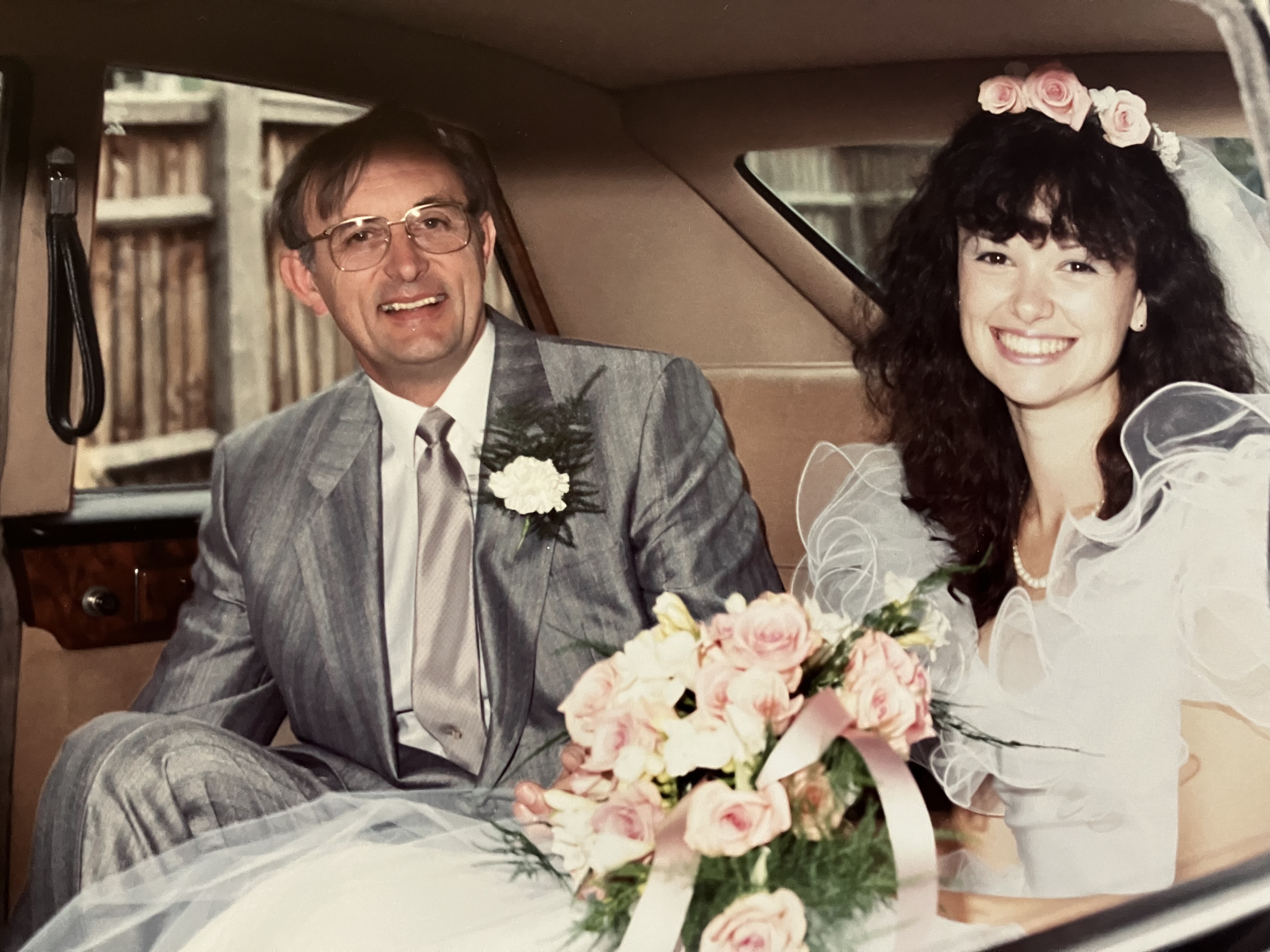
My father was a good talker. He spoke to everyone, and he gave good advice. One of the more serious conversations I remember with him was in the wedding car, on the way to my wedding. He asked me if I was completely sure that I wanted to get married, because afterwards, if it didn’t work out, I wouldn’t be welcome at home again. I mainly remember this because it was such bad advice!

I think most brides are stressed/over-tired/not rational by the time they arrive at the day of the wedding. Absolutely the wrong time to make a life-changing decision—especially one that would deeply hurt another person. No one deserves to be jilted at the altar. Better to stick with the decision made months before, when you are sane, and if things have changed, then sort it out afterwards and quietly get an annulment. But I understand why Dad said it. He was feeling protective, and wanted to say the right thing, and I suspect emotion took over, and he said what he thought he ought to say, rather than what was sensible. Which is another of my father’s traits—speaking from emotion. Mostly it was good, and I knew I was loved, even when we disagreed on almost everything through my teenaged years.

Finally, I think of my father as a grandparent. He delighted in his grandchildren, and gave them all the time that he didn’t have when we were young. I have never seen anyone as besotted with another person as when I watched my father playing with my babies. His pleasure was tangible.

I had a good man for my father. I still cannot quite believe that he is no longer here. I hope that you have, or are building, happy memories of your own dad. Life is short, and time moves quickly.
Thanks for reading.
Take care.
Love, Anne x

Anne E. Thompson
Thank you for reading
anneethompson.com
Why not sign up to follow my blog?
*****

A Week of Milestones


Hello, hope you’ve had a good week. Mine involved a crossing a few hurdles—nothing massive, but some were quite significant.

Firstly, my daughter moved into her new house. This feels very significant, as it’s unlikely that she will ever live with me again. She sold her flat a few months ago, so she and her fiancé moved in while they were between houses. I was hoping it might take longer than it did, but this week they completed all the legal stuff, and on Tuesday we visited their new house. It’s very nice, but I don’t envy them having to unpack lots of boxes and learn how to use new boilers and appliances. Moving is never fun. I will miss them.

The ducks also moved home. They are now fully feathered, so I started to put them on the pond (gradually, so the old ducks don’t panic and fly away). Each day, there was one less than I had put there the day before. It’s possible the fox was taking them, though it felt weird that it was only one each time—as they usually copy the established ducks and move to the island for the night. It’s also possible they have flown to another pond. Or are hiding. If they return, I will let you know.

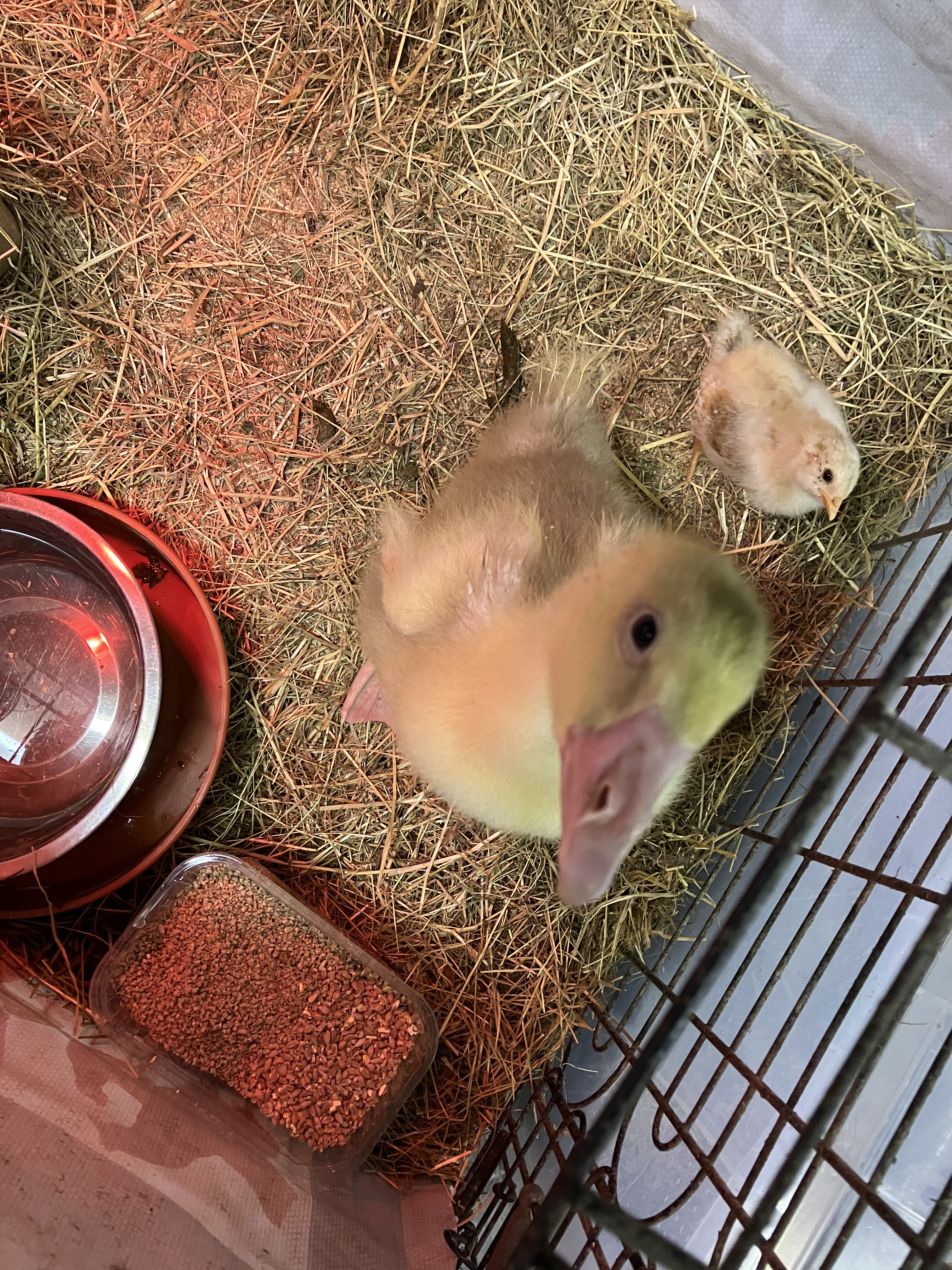
It does mean I have an empty cage, which is very nice. Ducklings are mucky animals, and make a soup with anything they can reach. I cleaned out the cage, added some clean straw, and planted grass seed. Hopefully by the time Goose and chick are big enough to be outside, it will have some grass.

Roommates, if not exactly friends.

I have put the chick in with Goose. This is a risk, as it might get trampled. I have joined them for short periods, and watched, and a couple of times the chick was stepped on (much squealing) but nothing dangerous (like its head) so it survived, and is now alert to clumsy goose feet. The chick is completely desperate to be with the goose (it thinks it’s her mother) and was in danger of being hurt by trying to squeeze though the bars. It was actually in one of those plastic laundry baskets, within the goose cage, so close to goose, but safe. The clothes basket was left here by one of my moved-out offspring, so I hope they don’t ask for it back any time soon as it’s now rather grubby. Anyway, the chick is ecstatic that they are now together. The goose ignores her, because Goose thinks that I am its mother, and only wants to talk to humans—but it tolerates the chick, and I am still hopeful they will become friends. Maybe when they move into the outside cage.

Also, this was the week that I completed my dissertation proposal. This has been very stressful. I am not a planner, I am a ‘sort-it-out-when-it-happens’ person. I am very good at reacting to situations and averting disaster, not so good at sitting down and planning what chapters will be in a research project, and how I will find the resources for intelligent-sounding citations and (horrors!) writing a timetable of what I will do between now and April 2024. But it’s done, submitted, finished. I can now start the fun part of actually doing the research and reading some of those fascinating books.

I actually have bit of a problem with books, as I have developed attachment issues. I borrow a book from the library, spend hours reading it, enjoying the greasy pages and absorbing the words, feeling the weight on my lap as sip coffee and make notes…and then it ends…and I am supposed to return it to the library. But we have bonded. The book has become part of the fabric of my day, and I don’t want to abandon it to the unloving shelves of a dark library. So I renew it. Even though I have read it, made notes, finished with it—I renew it. I’m not quite sure how many times I can renew books, but I suspect I shall find out fairly soon. I do sometimes buy a copy to keep, but they’re not the same, they have shiny pages and they’re often too large, and they tend to cost a fortune (and sometimes the number of books arriving in the post is commented on). Maybe I will fill the now-empty duck cage with books that I have smuggled into the house. I can keep them in the grubby laundry basket.

Sadly returned…

Hope you have a great week. Thanks for reading.
Take care.
Love, Anne x

A little social interaction before the ducks moved out.
Anne E. Thompson
Thank you for reading
anneethompson.com
Why not sign up to follow my blog?
*****

Hello From My World


Hello, and how was your week? I thought I would give you a quick update from my house. This isn’t really what I want to write about, as really I want to tell you about what I plan to write for my thesis. But I can’t. I’ll explain why in a minute.

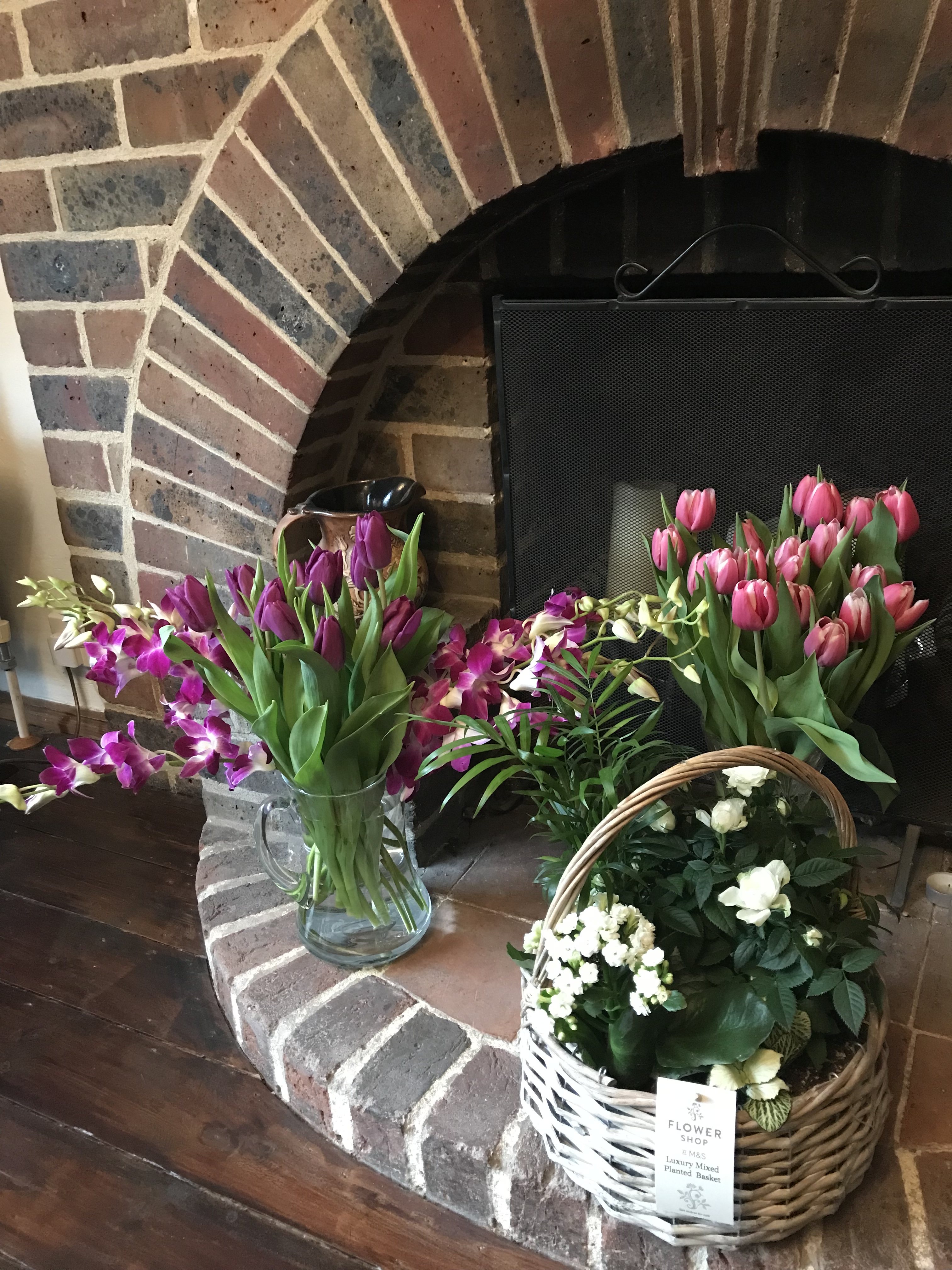
Firstly, if you had Mother’s Day last weekend, was it lovely? I had lovely gifts from my family, and no one forgot this year. (I never assume…) I cooked dinner for my mum and mother-in-law, and it was all very pleasant.

I used it as an excuse to use the last of the turkey dinners from the freezer. Due to various off-spring changing their plans/announcing they no longer eat birds/incompetence on my part, I ended up with several turkeys, of different sizes, this Christmas. They all went into the freezer, and the last one has now been defrosted—which always takes longer than expected—and cooked.

Last Sunday was busy, because it’s also the day my daughter and her fiancé moved back home. They are currently between selling/buying houses, and they are living here for a while. Mostly this is brilliant. It’s the first time since Kia died that the house hasn’t been horribly empty. When I pop out, I now can shout through a bedroom door to my soon-to-be-son-in-law and tell him that I am leaving. And when I am home, I shout that I’m back. He probably can’t hear me, because he’s busy working, but I like having someone to tell. To be honest, Kia probably never understood when I told her these things, but I just liked telling her.

They did move back with more stuff than I was expecting, even though all their furniture has gone into storage. My house is rather full. But I like having a full house, empty rooms feel wasteful.

The cage by the pond is also very full at the moment. When Kia died, the local fox soon realised the garden was accessible again, and started to visit, so I have kept the ducks shut away (even thought they could be back on the pond now). They seem quite happy, but the cage is incredibly muddy as they spend all day transporting wet mud from the end with puddles to the rest of the cage. Ducks are mucky creatures. There are a couple of nests, in corners where they think I won’t notice them, and I think they must be almost ready to hatch. Depending on how many hatch, the cage will definitely be too full. And I can’t bring the ducklings into the garage this year, as that is full of daughter-stuff. Ah well, I shall decide on a plan when I know how many hatch.

Last year’s hatch.

I don’t have a huge amount of time for duck or daughter sorting, as I am preparing the proposal for my thesis. I want to tell you all about it, but I have to be careful—apparently ‘self-plagiarism’ is a thing. If I write and publish something, I cannot then put it into the thesis. So I can only tell you snippets, and nothing in academic language. Basically, I want to look at why the Leviathan, which is clearly not a crocodile (because it breathes fire/smoke) changes Job’s attitude in the Book of Job. What does it represent? I’m reading lots of books by scholarly authors, and have discovered ‘monster theory.’ Who knew that was a thing! Apparently, all cultures have monsters, and you can learn a lot about cultures, and what they valued, by examining their monsters. In a time/place of physical uncertainty, the monster might be extreme weather-monsters, or lions; before medical advances, the monster might represent disease; when there were warring nations, the monster might be violent. I wonder what our monsters today might be—loss of control? Racism? Mental disorders that result in unpredictable violence? The films/books we read seem to have lots about psychopaths and historical racism at the moment. When I was a teenager, there was lots about evil spirits/demon-possession (with films like ‘The Exorcist’). You don’t see so much about that now, maybe our monsters are changing.

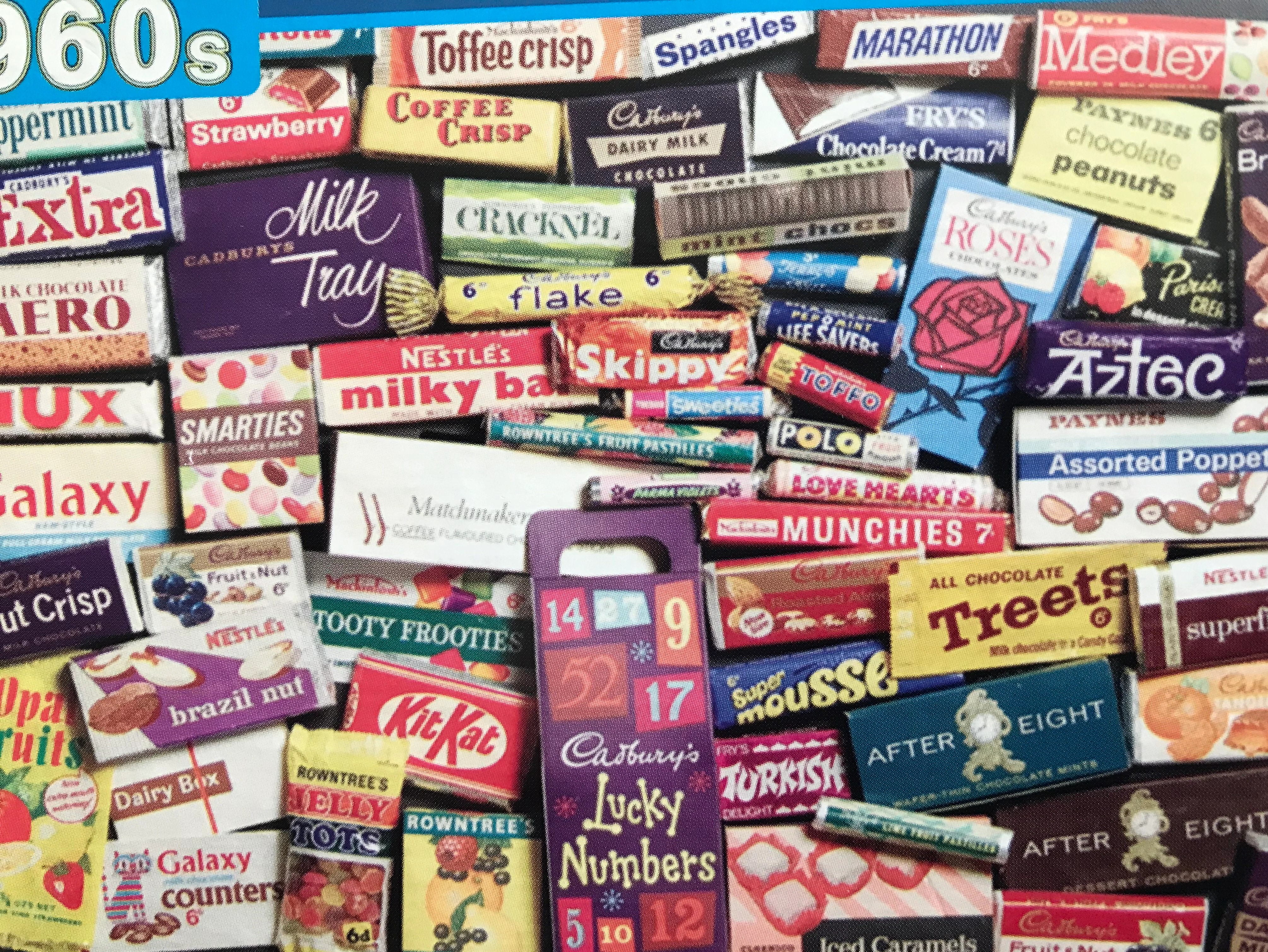
The other thing you don’t see so much of now are—complete change of subject coming, so brace yourself: some of the sweets I ate as a child! My mum is doing a jigsaw, and on the back are photos of sweets from the 40’s, 50’s, 60’s and 70’s. I will leave you with them—how many do you recognise? Fruit gums have always been my favourite, though I am also keen on a bar of Cadbury’s milk chocolate.

Hope you have a good week, that has a manageable amount of stuff, and no monsters. Maybe there’ll be some sweets too.

Thanks for reading. Take care.
Love, Anne x

Springtime Jobs


It’s time to do all those jobs that happen every year at this time. It doesn’t feel much like spring here at the moment, as we’ve had snow and frosts all week. But the mornings are lighter, and the animals know, even if we’re not sure. Depending on where you live, you will either have put your clocks forward an hour, or be preparing to do so. We move our clocks on the 26th March this year, so the US and Canada are ahead of us.

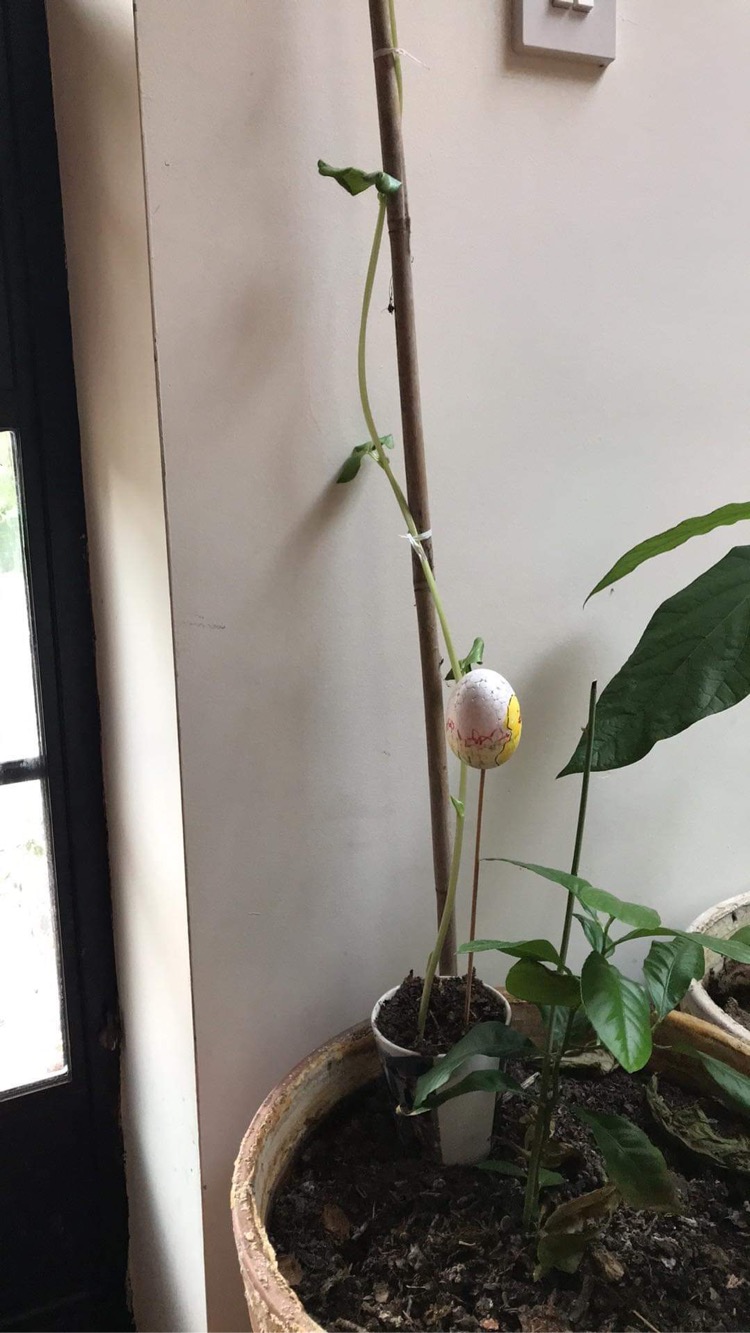
One Christmas gift (which feels like yesterday) was a pot and a packet of beans. We’re having a family competition, to see who can grow the tallest bean. It has to be in the pot provided, which wasn’t very deep. Mine grew to 67cm, then it decided the kitchen was too warm and the pot too small, and died. I planted the remaining seeds outside, and they don’t seem to mind the cold and are looking healthy. I expect the slugs will eat them, but here’s hoping.

My bean, growing next to a lemon pip (which is slower but less fussy).

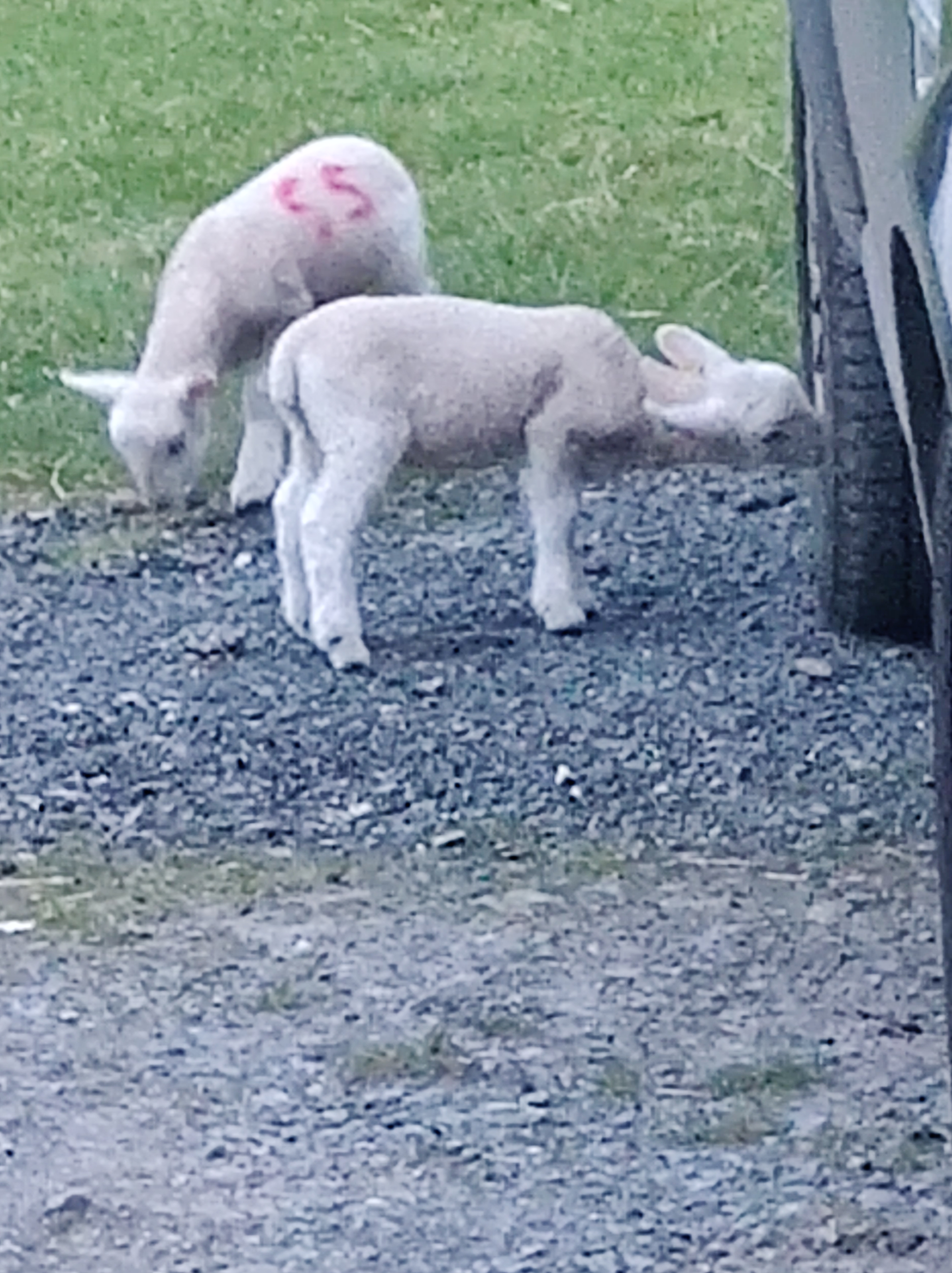
The birds know it’s spring. The ducks have started laying, even though it’s cold, so April will be busy with ducklings again. There are already lambs in the fields. The cycle of life begins again.

We also have a wren in the garden. Male wrens are busy at this time of year, collecting things to build nests. Nests plural. A male wren builds several nests. When he manages to attract a female, he takes her on a tour of the nests, she chooses the best one, and lays her eggs. He then goes off and finds another female, and repeats the tour with the remaining nests. He’ll do this until all the nests have females, sitting on his offspring. Not the sort of male you want to introduce to your daughter. He’s a tiny brown bird, but has something (which I cannot remember the name of) in his lungs, which amplifies his voice. A tiny bird with a loud song. I’m rather fond of him, so I hope the cats don’t catch him.

Spring this year will be busy for me too. I need to sort out the house, because my daughter is moving home for a few months between selling her flat and buying a new property. This will be fun, but I need to make space for her. Though once I have emptied some cupboards, the job will be finished. I also need to write the proposal for my dissertation, which is less fun. I have to submit the title of my thesis, explaining what I plan to research and why, with a list of all the literature I plan to read and why it will be relevant. I am going to explore the dragon in the book of Job (chapter 41) which will be interesting, but being assessed makes it more stressful. But at least I only have to produce one, and I can submit that to the university and they will either love it or not. Being a wren and having to repeat that many times over each year must be a whole different game.

Hoping that all you attempt this week grows well and is completed on time. Thanks for reading. Take care.
Love, Anne x

Thank you for reading.
anneethompson.com
Sign up below to follow my blog.

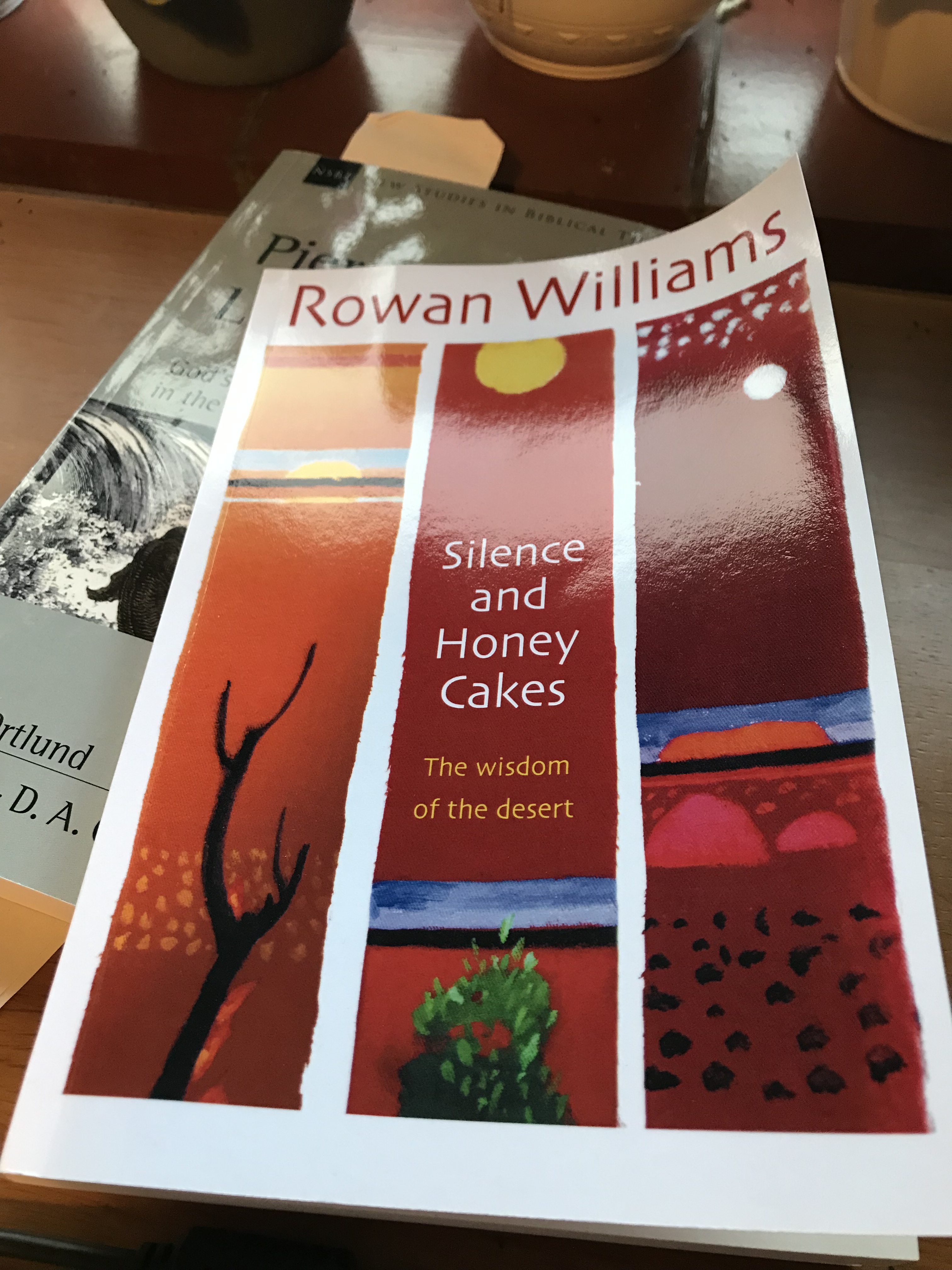
Book Review: Silence and Honey Cakes


Silence and Honey Cakes

By Rowan Williams

Early on in the Christian religion, after the books of the New Testament had been written and the message spread abroad, some people wanted to explore their relationship with God in detail. These were the monks and nuns who set up communities in the Egyptian desert, from about 350 AD. We still base lots of our theology on what they decided (so, you might think that you learned about ‘original sin’ from someone in your church, based on the Bible, but that was one idea which was introduced by one such monk).

The monks/nuns lived in communities, and their ‘spiritual life’ was connected to their ‘physical life.’ Although they removed themselves physically from contemporary society, they lived amongst other monks and nuns, and were dependent on each other. They considered their spiritual welfare to be closely entwined with other people. For example, one monk stated that he tried to focus entirely on his own sin, because then he would never be tempted to judge anyone else—how could he complain that dinner was burnt if he always had in mind that he had broken a plate yesterday? (Seems like a good rule.) They also talked about ‘putting the neighbour in touch with God’ which to be honest I don’t really understand. How can they claim to focus on this when they seemed to live in such remote places? I assume their ‘neighbour’ was restricted to other monks, which is rather limited. Though some monks were visited by people seeking advice, so maybe those were the ‘neighbours.’

They do seem to have been a very tolerant bunch, very accepting of differences. They spoke about people following different vocations, and that a life spent praying was no better or worse than a life spent mending shoes, if that was what you had been called to do. The book is named after the practices of two monks, one who worshipped God with silence, and another who worshipped by eating honey cakes with his visitors. (I know which one I would like to be.)

They also had great names! The book describes ‘Moses the Black’ who was from Ethiopia and before he was a monk, he was a highwayman. Another was ‘John the Dwarf’.

I think I might suggest we devise similar names at college for our fellow-students. I shall be ‘Anne the Old,’ as most people (including the lecturers) are younger than me.

In addition to giving each other names, the monks were also answerable to a mentor. This seems like a slightly dodgy idea to me. I can understand why they believed having a human to confess to, someone to be completely open with and to take advice from, might make people more accountable (because let’s be honest, although we say that we confess directly to God, how many of us do, diligently, every single day?) However, I think the risk of abuse, of the mentor taking wrongful control, or representing their own view rather than God’s, is too great. I know some modern churches have a similar idea, but it’s not something I would want to be part of. I don’t think I trust another human with those things.

They spent time considering some of the knotty problems of Christian theology. For example, when Jesus was in Gethsemane (praying in the garden the night he was arrested) did he have the option to change his mind and escape crucifixion? If he did then he cannot have known the limitations of humanity, and being trapped in a situation of temptation. If he didn’t then how could he be fully God, who is unrestricted? It might sound a bit silly, a bit convoluted, to us today. But it was the tackling of such issues, and the finding of sensible answers, that provides the basis of much of our theology.

(In answer to the above question, they decided that the ‘will’ cannot be separated from the person as a whole. Therefore, Jesus would always ‘choose’ what was right. In the same way as a mother feels intensely protective towards her child, and if a gunman was to burst into the room, in theory she could choose to hide, but in reality, she would throw herself in front of her child to protect them, because that is her nature. Choosing to abandon her baby would be impossible.)

The book discusses what is ‘personal’ as opposed to what is ‘individual.’ It gives examples of people who lived lives in tune with their own personalities, without necessarily striving to be different. ‘Self’ was not something to be flaunted, ‘different’ was something natural, not something militant. I think they were not trying to ‘find themselves’ but rather trying to find who God had created them to be. Sometimes what I read sounded like navel-gazing, a bit too much looking inside and not enough looking to God, but it’s hard to understand a lifestyle from a book written centuries later. Certainly they were on a quest to find truth—the kind of truth I wrote about a few weeks ago. ( https://anneethompson.com/2023/02/06/should-politicians-tell-lies/  )

The book considers several more ideas that arose from the desert monks/nuns. It’s a little book, but it took a while to read because I needed to keep pausing, pondering the ideas presented, deciding whether I understood them and whether I agreed with them. It’s worth the time spent; if you see a copy, I suggest you read it.

Amazon link:
https://www.amazon.co.uk/Silence-Honey-Cakes-Wisdom-Desert/dp/0745951708/ref=sr_1_1?crid=165TVHJDMS27O&keywords=silence+and+honeycakes&qid=1676559026&sprefix=%2Caps%2C60&sr=8-1

Thanks for reading. I hope you have something as sweet as honey cakes in your day. Take care.
Love, Anne x

Anne E. Thompson
Thank you for reading
anneethompson.com
Why not sign up to follow my blog?

*****

Another Day in Funchal, Madeira


Winter Break in Madeira

Day Two

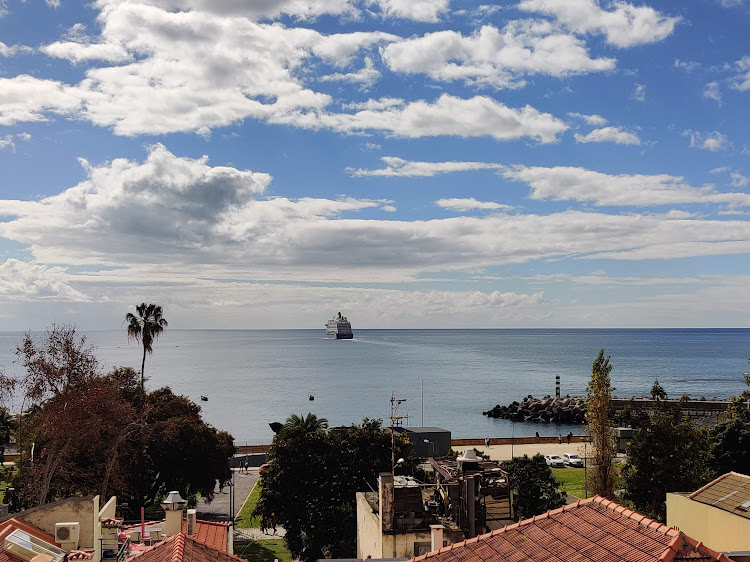
We found heaters in the apartment, and managed to warm up a bit. There’s no central air conditioning or central heating—I assume because usually all year round is ambient. It’s colder this year. I woke early, before sunrise (it’s not light here until about an hour after it’s light in the UK). When it was light, we went for a run. Although not sunny, it wasn’t cold. The light is different here. It’s a comforting light. Most of Madeira is mountainous, so lots of people run on the only flat land, along the promenade. It’s a pretty place to run, with little areas of garden, and interesting statues and the sea lapping onto pebbles next to you. There are often cruise ships, towering over the docks, and occasionally we had to dodge large groups who were touring the island, led by a guide to the most famous sights. I prefer living here, even for a few days, to try to absorb some of the real life. It was fun to watch the ships arriving though, such impossibly huge structures balanced on the water.

After a shower, we walked back to the little cafe where last year we went every morning, Husband always had a cheese and onion bolo, and I had an espresso. But the cafe was shut. What a shame. We wandered around, looking for somewhere to recreate the same ‘coffee with the locals’ feel, but most cafes looked very touristy. Then we settled on the cafe under the apartment, which wasn’t in such a nice location (okay, it is a horrible location, as it’s basically right on a busy road). But it had plastic chairs, and locals sipping espressos, and it looked clean. We ordered (Husband had chips. Chips. For breakfast.)

Note my disapproving face! The sandwich is actually very traditional in Madeira: sliced beef, ham and cheese. But the chips?

While we waited for our coffee (and chips) we saw the elderly man from last year’s café. He sat outside and had his coffee, and we wondered whether we should say hello, but decided we didn’t speak enough Portuguese and he didn’t speak English, and probably it would just confuse him. So we didn’t. But we mentioned it to the waitress, and she told us that he still runs his café, but the roof fell down, so he’s waiting for it to be fixed. This is why I like returning to the same places. Being on holiday is a break from life, but if you travel a lot, it can mean that you never engage in life, you are never part of anything, which seems a waste. When we return to the same places, we can be part of a different community — even if only very briefly. I think life is about connections, not being isolated. I’m not a great one for drifting, I like to have a purpose.

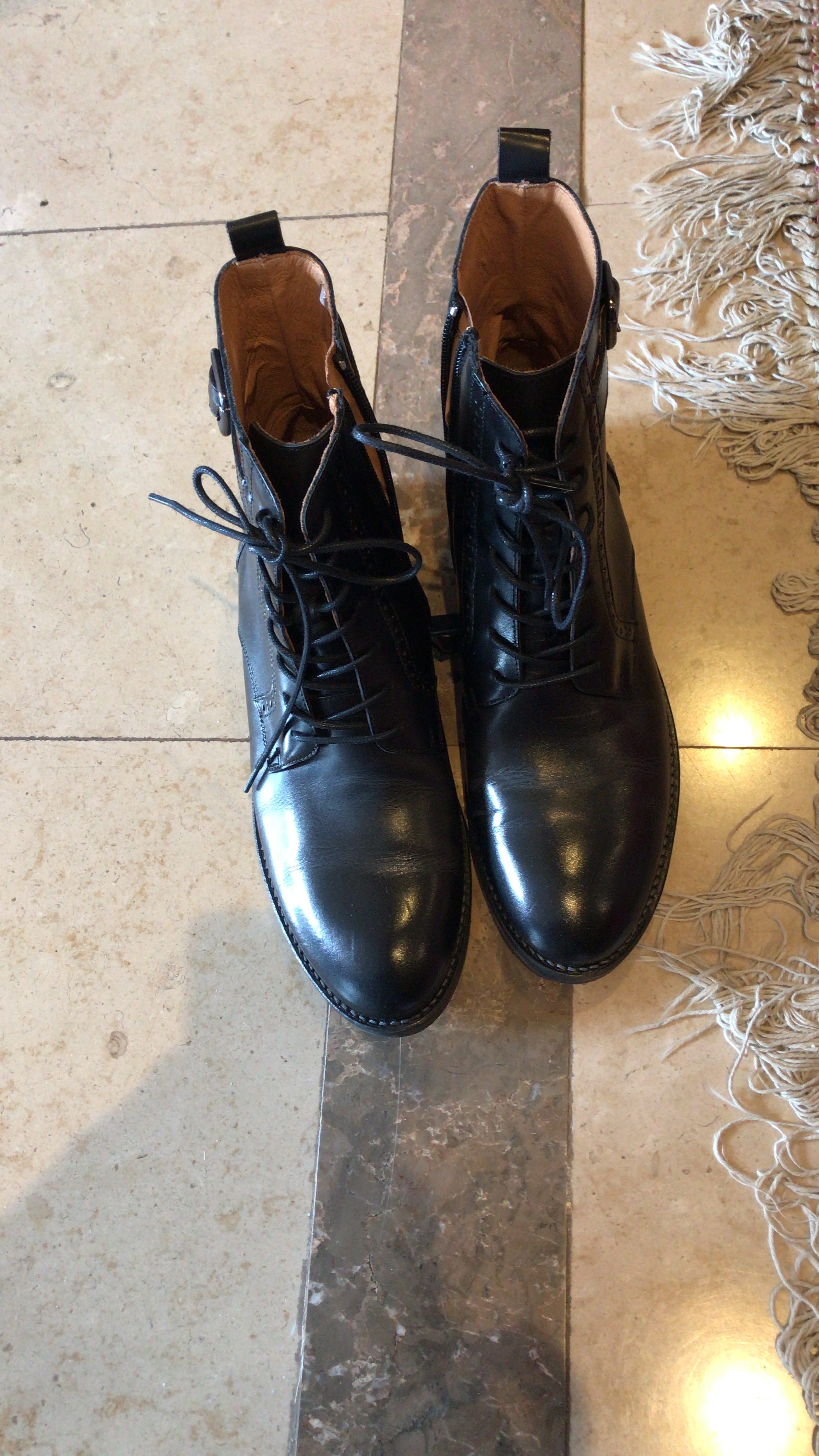
Caffeine replenished, we set off to find the boot shop. Last year I packed the right clothes, but not the right footwear, and when we had torrential rain, my only ‘waterproof’ shoes were drenched. We found a little shop that sold boots, and I bought a pair because they weren’t too expensive. They have been the most comfortable shoes I have ever owned, and are still worn all the time. They are brown boots, and I don’t like wearing brown shoes with grey trousers, so I was keen to buy some black ones. But would we manage to find the shop?

We set off, past the market (Mercado dos Lavradores) and all the aggressive salesmen selling fruit at inflated prices to unsuspecting tourists. We crossed the road, rounded the corner where they are building a Savoy hotel, and headed into the lanes of the old town. We half-remembered the road, and that the shop was opposite a larger shoe shop selling fashion shoes. We found a smaller shoe shop opposite, and went inside. It looked slightly different, but was in the right place, selling shoes. I explained what I wanted, showed the salesman my brown boots, and he went off to find some black ones. He returned with several boots, some of the black, none of them the same manufacturer as mine. I explained that I wanted the exact same boot, but in black (otherwise I may as well buy them in England). He came back with some similar boots, which he spent a long time stretching, undoing the laces, bending them open. I tried them on, knowing they were a size smaller than I wanted. I thanked him for trying, and left. The man suggested I should try in the big shop opposite, but I knew they only sold fashion shoes, and I wanted the same good quality leather boots.

I set off towards the apartment,  refusing to listen when Husband suggested we should look in other shops, because I hate shopping, and only went to that place because I thought it would be easy. Husband insisted. I said I would look in one more shop. Husband led me up the road . . . To the exact same shop we had visited last year! We had been in a different shop, which explained why they hadn’t had my boots. This shop only sold Tapadas boots. Which begs the question: why did the other shop, when I was leaving anyway, not direct me back up the road? He must have known the Tapadas shop was there, and he wasn’t making the sale, so why not tell me? I dislike mean people. If you want comfortable boots (the sort of boots you can wear on an all-day hike on the day you buy them and not get blisters) then head to Abreu’s Sapataria.

I like Madeira, but I cannot quite get a feel for what it must be like to live here. Unless you want to work in the service/tourist industry, or to be an engineer (because there are some serious mountains to build on/through) then I’m not sure what work the island offers. There are the huge cruise ships that visit regularly, but the passengers tend to eat onboard, and only do brief excursions into town, making shops and attractions overly busy and then leaving, returning the narrow streets to the locals. The restaurants tout for business by trying to persuade passing people inside, which I always find uncomfortable, but maybe they have to, maybe there isn’t quite enough tourism for the number of restaurants. I suspect it’s a difficult place to run a business. We ate in some restaurants that were lovely, with delicious food and staff who worked very hard to keep everything clean and efficient. But they were rarely full, and sometimes we were the only customers, which felt sad given how hard people worked. But for us, it was lovely. I like visiting places out of season, pretending that I live here.

I will tell you more next week. Thanks for reading.
Have a good week, and take care.
Love, Anne x

Thanks for reading.

anneethompson.com

****

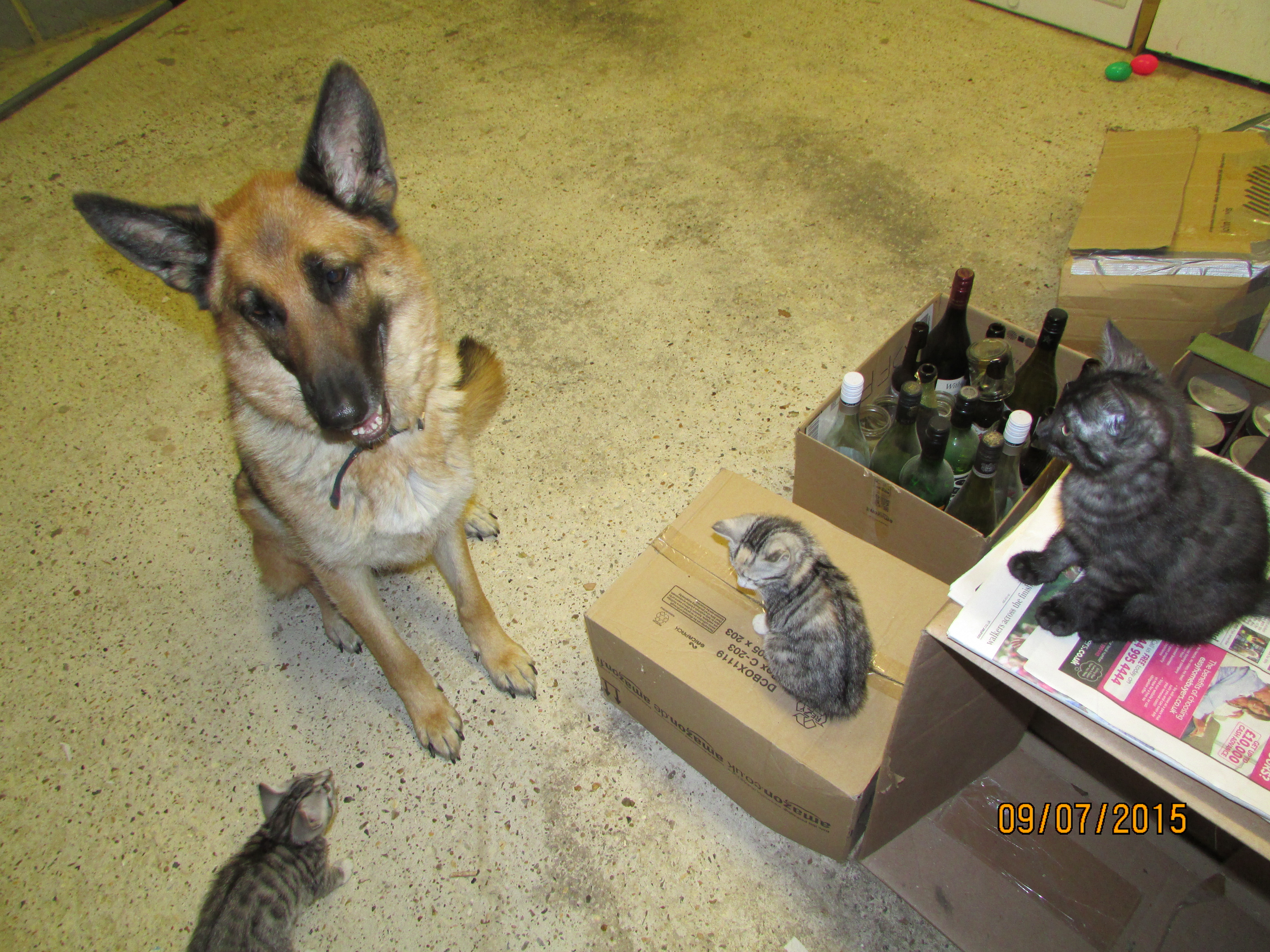
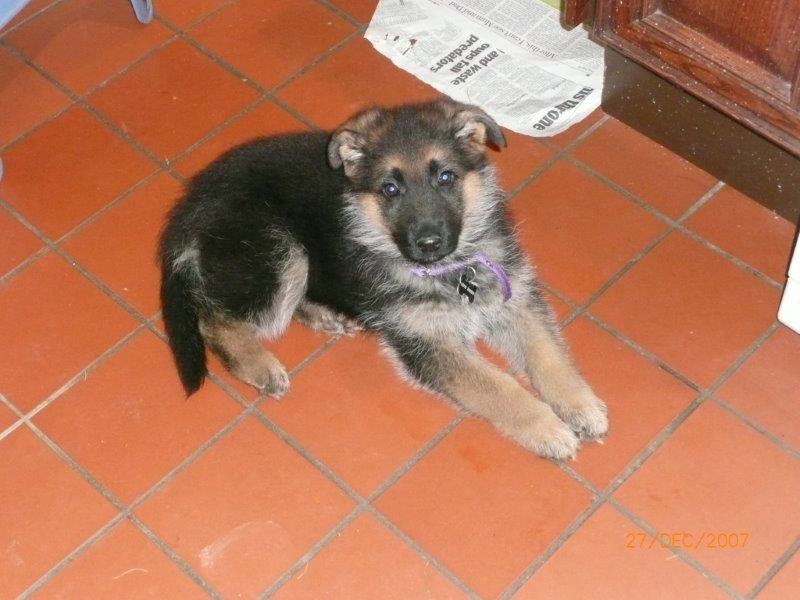
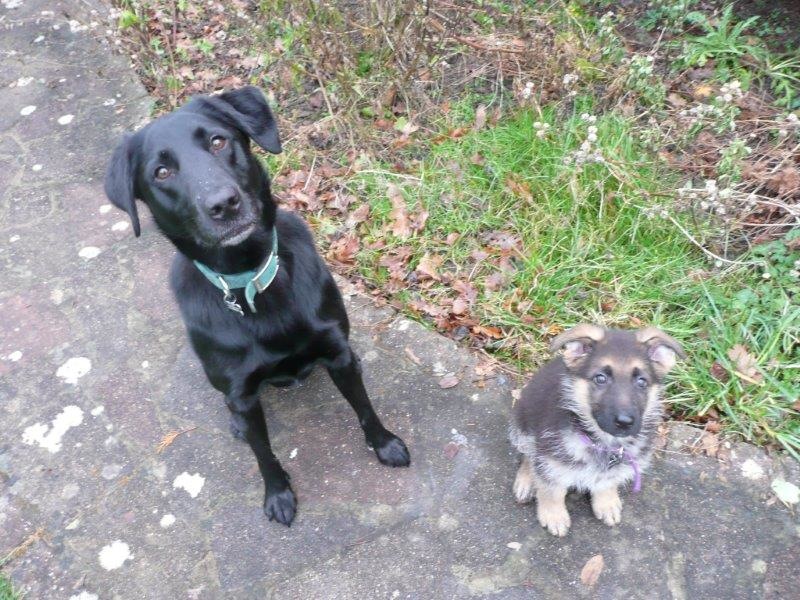
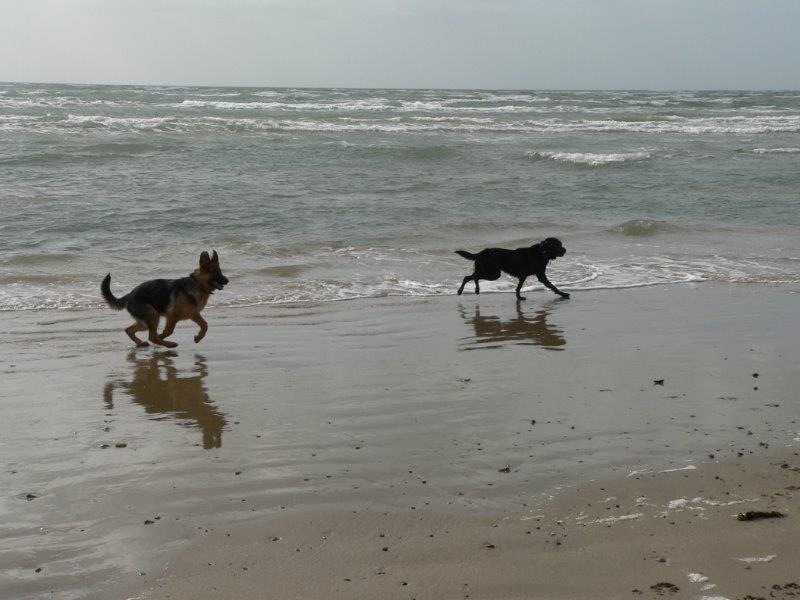
A Sad Day


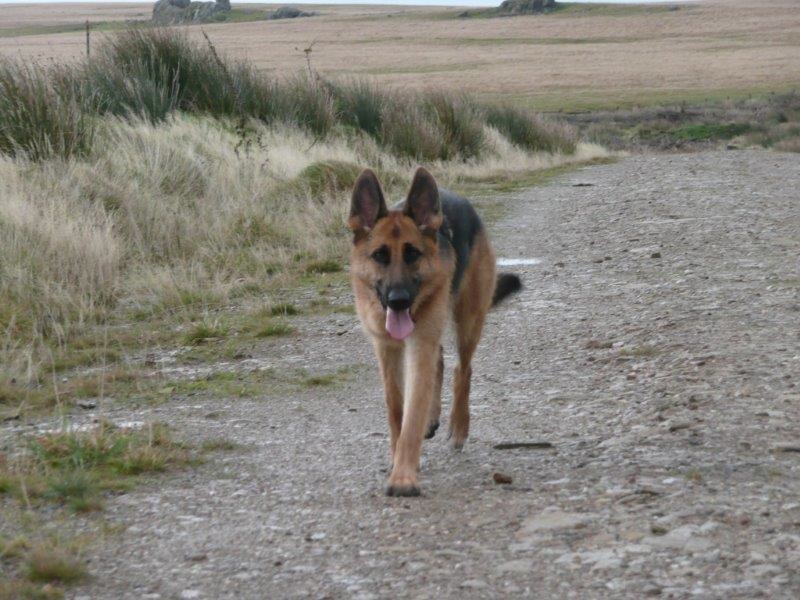
Today is a sad day. I know that I said I would continue to tell you about the best two papers at SOTS, but Kia died yesterday. Kia, my German Shepherd Dog, was my friend for 16 years. Although she had become old, and mostly lay on her big bed in the kitchen, she seemed very happy. A couple of times a day, she would come up the garden when I fed the poultry, and occasionally she would even start towards a stick—until she remembered how much effort it would be to bend down and pick it up. But yesterday, she suddenly took a turn for the worse, and her wobbly back legs were practically useless, and she gave me ‘that look’ which said she was tired, and had had enough, and it was time to say goodbye.

I worried that if she tried to get up during the night and couldn’t, or if she toileted and couldn’t move out of it, she would be very distressed. So I kissed her head, and whispered that we would meet again (because I firmly believe that God will take care of that) and we took her to the vet, and let her go peacefully.

Now I am clearing away the remains of her presence: washing her bed, finding a cupboard for the dog bowls, wondering why I bought quite so many poop bags. I have food to give away, and old towels to wash and fold. I cry a lot, and remember, and feel loss, but there is something therapeutic about the sorting of it all, something healing in the clearing up. Perhaps that’s why we need rituals when people die, we need something to do while we mourn.

Today is difficult. There is so much to miss, even of a dog who had limited her world to the kitchen and garden. The kitchen is horribly empty. When I picked up the compost bin, there was no head turned towards me, waiting to see if I was going into the garden. Kia would watch, waiting until I actually put on my coat—so she could be sure I wasn’t going to trick her and shut her into the utility room—and then she would heave herself up, and totter to the door. We would walk up the garden together, the cats coming to greet her, and she would watch me as I fed the ducks and chickens. In the past, she would bark in warning if the chickens made a fuss and tried to fly near me (she hated them flying) but recently that was too much effort, so she just watched, checking.

I realise today how often I touched her—scratching her neck every time I passed that big bed on the kitchen floor. As I use the sink, I wait for the shove of her nose in the back of my legs, reminding me to fill her water bowl. No one watches when I go to the fridge, waiting to see if something tasty is coming out, something like cold turkey, which would make it worth the effort of getting up, just in case I passed her a piece. She was very polite, and after a few attempts at stealing food as a puppy, she never stole, and never watched us eat (because I never fed her from the table).

But she knew that when we had steak, I would cut off the fat and put it in her bowl, and without fail, her nose would appear at the table just as we finished eating. I don’t know how she knew that we had finished, I guess she recognised the sound of the fat being chopped up. I don’t think we will be eating steak again for a while; it wouldn’t feel right.

German Shepherd’s are dogs with opinions, and Kia had an opinion on everything. I remember it being a surprise when she was young, how I had to learn that German Shepherd’s were different to my previous dogs. Nosier. I would open a cupboard door, and her head would be in front of mine, blocking the view, checking to see what was inside. Most visitors she liked, and would greet with enthusiasm. A few she disliked (not sure why) and she growled when she saw them. A favoured few she adored, and even in the last weeks she would stagger to greet them before returning to her bed.

Kia was always a ‘mouthy’ dog. As a puppy, it took ages to teach her not to nip (I would scream loudly, as if I was in agony, even if she gently touched me with her teeth). When an adult, she never snapped, and was gentle with the cats and chickens, but when we walked, she would sometimes take my hand in her mouth, like a child holding hands.

As a young adult, Kia had boundless energy. We walked for miles, and she would jump over stiles, and chase sticks. She was very good with livestock, and walked quietly next to me, greeting cows through the fence and looking cross when they licked her head (cows are very licky animals). Though she sometimes barked at horses. And if off the lead, I am pretty sure she would have chased sheep, so we never risked that one.

One of my fondest memories is when I came home after surgery, and was lying in bed, when I heard a noise at the door. Kia (who was not allowed upstairs) was standing there, checking. When I noticed, she tiptoed away, as if pretending it wasn’t her.

But most of my thoughts today are of the old Kia. At 16, she was old for several years, and it was a dignified, peaceful old age. It is with a sad, but very grateful heart, that I say goodbye.

Thanks for reading. Next time I will get back to those papers from SOTS (because they really were extremely interesting).

Have a good week, and take care.
Love, Anne x

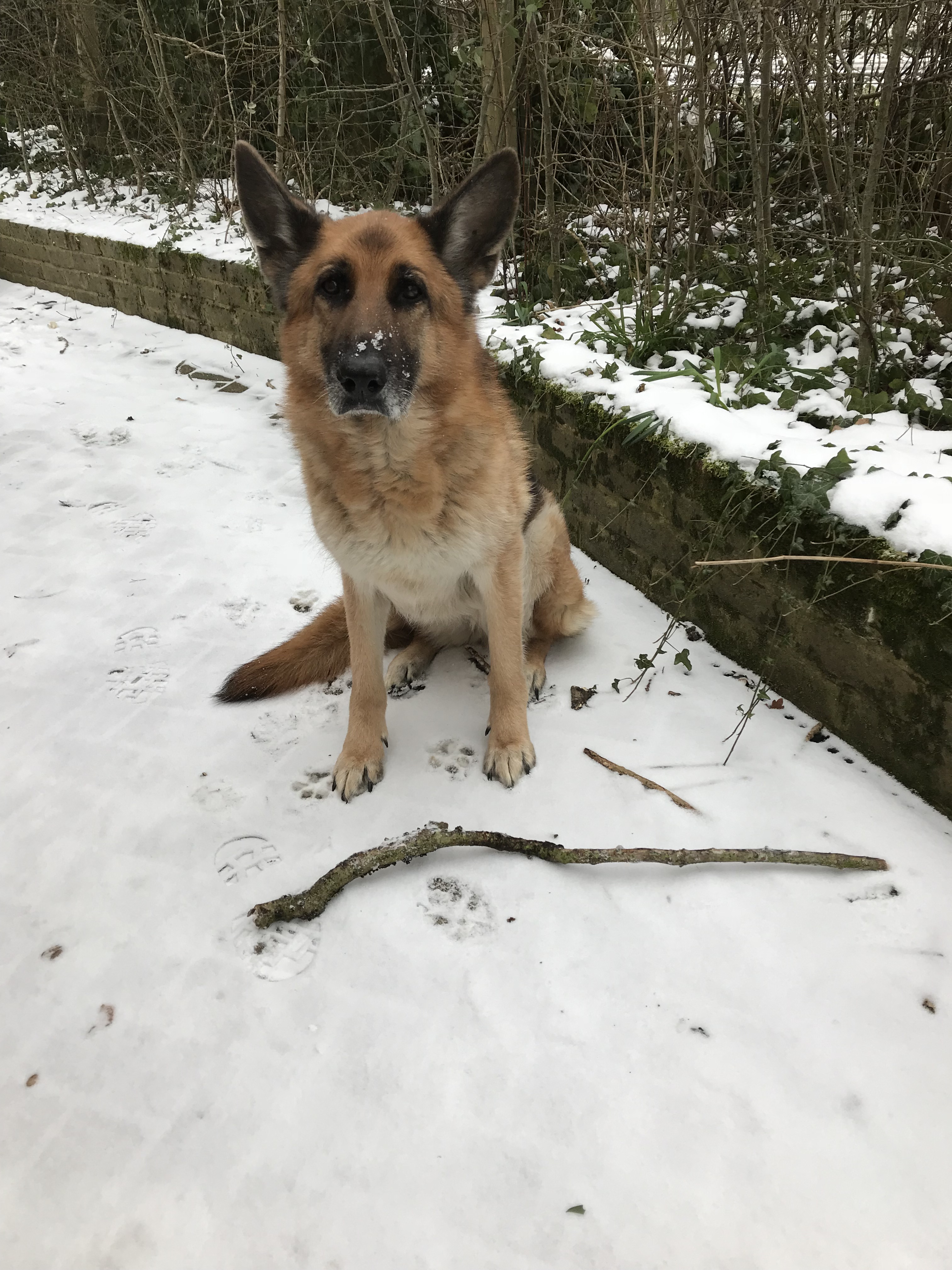
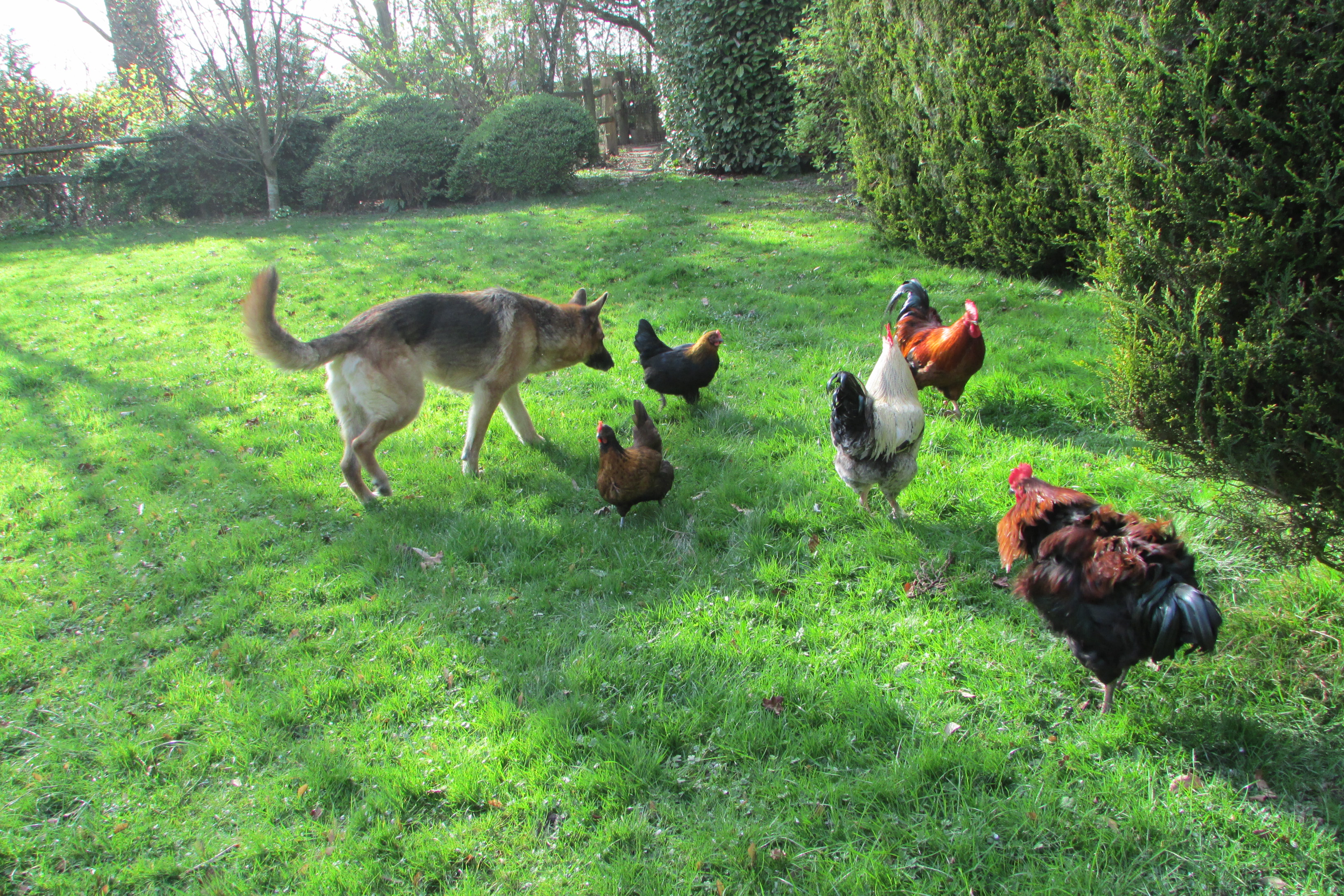
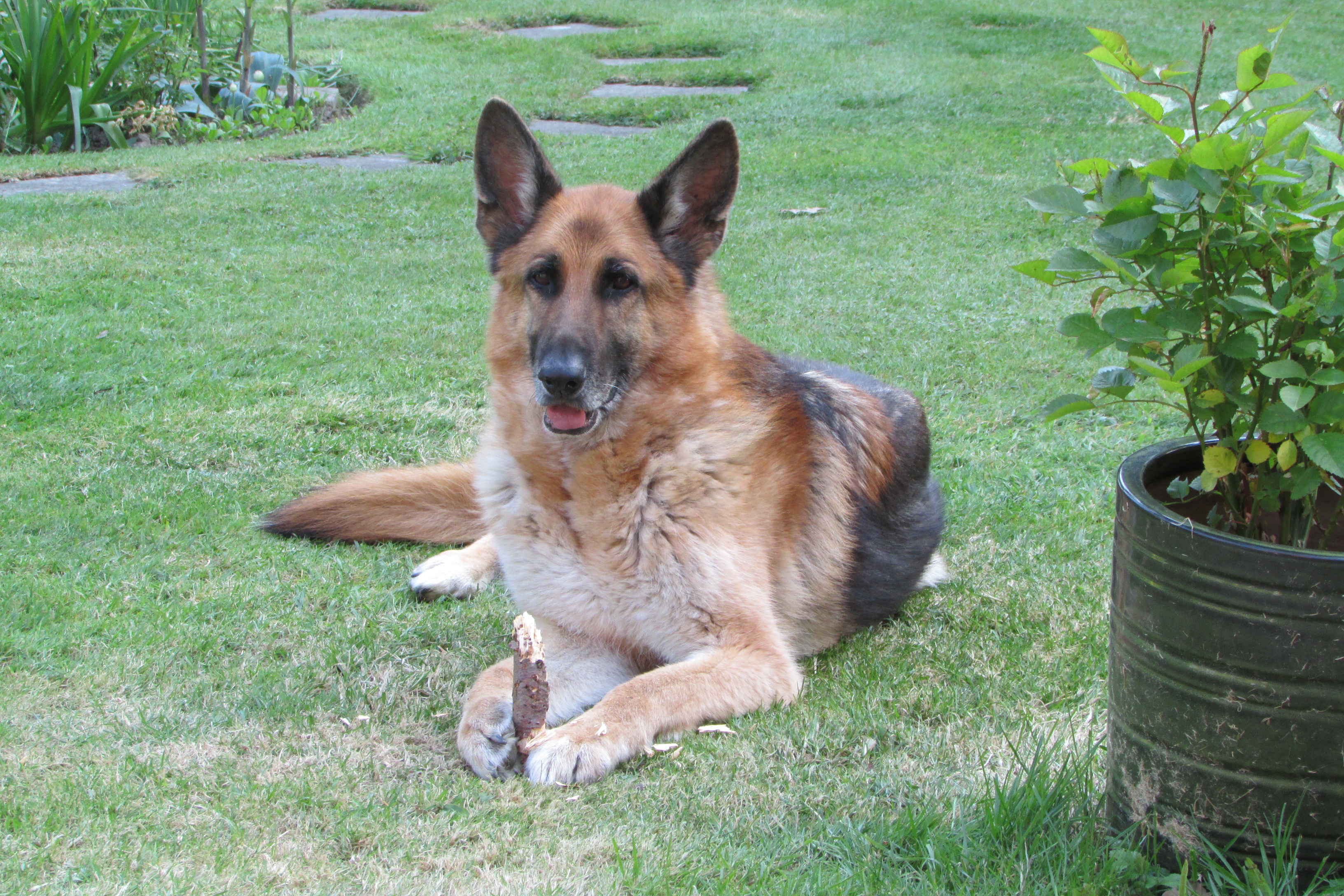
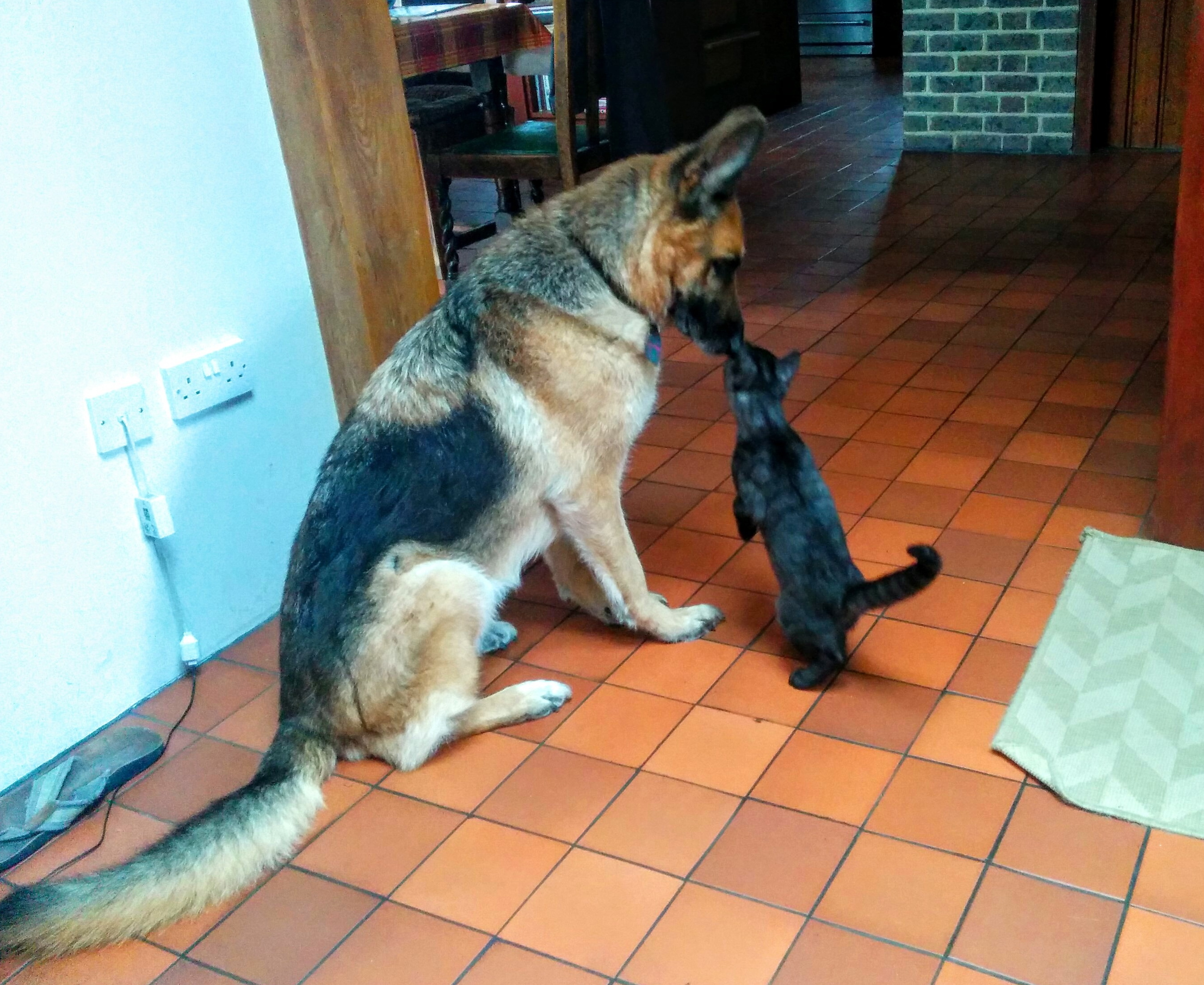
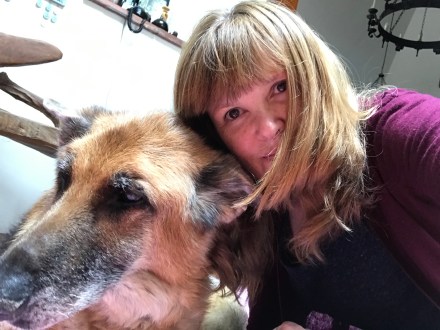
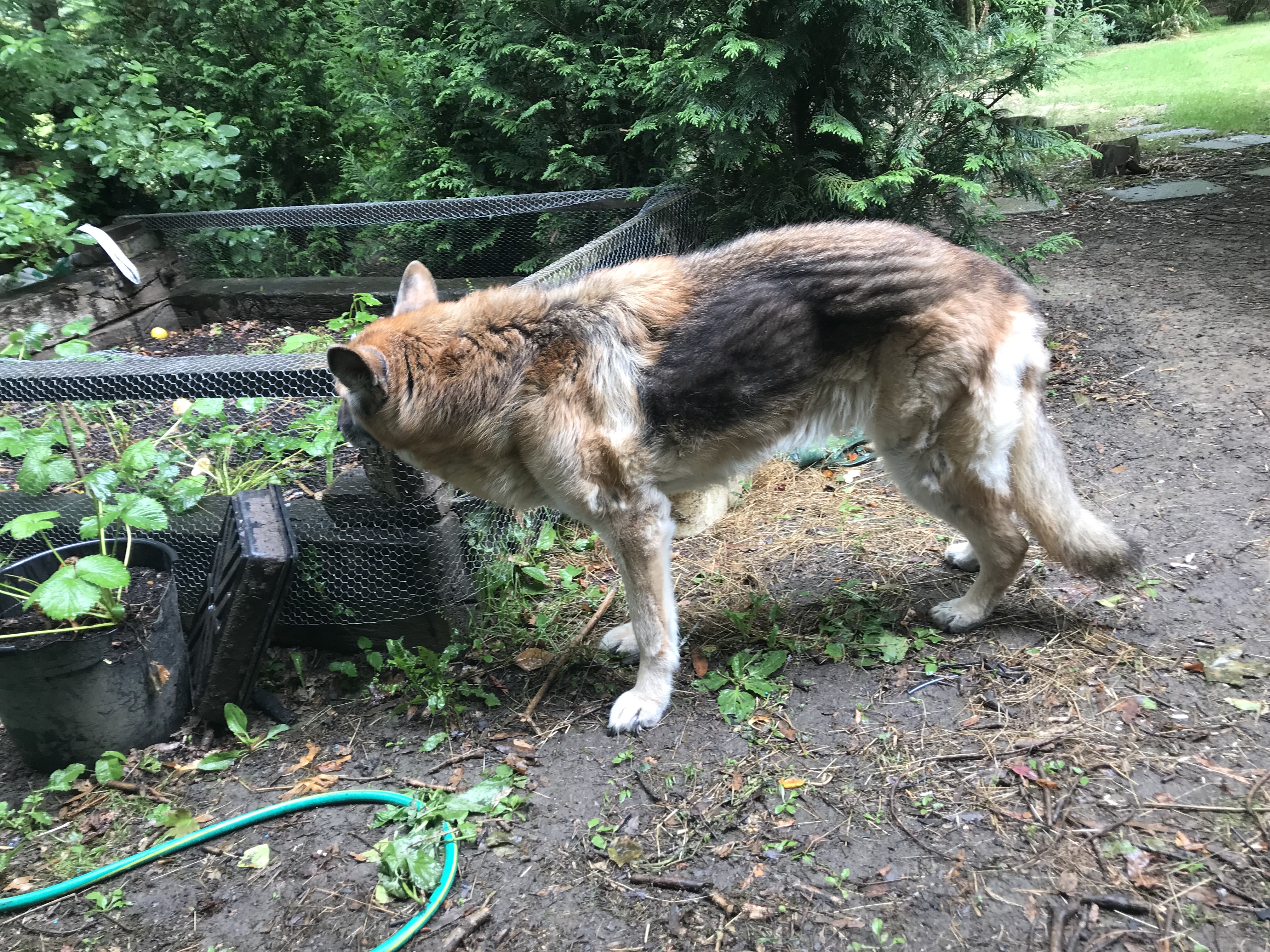
I will leave you with some photos across the years. (I have grown older too!)

*****
anneethompson.com

Anne E. Thompson
Thank you for reading
anneethompson.com
Why not sign up to follow my blog?

Philosophers.


Who Influenced the New Testament World?

It has been fascinating during my studies, to hear about different influences that have changed the way people see themselves and their world. Today, we accept things like a ‘sub-conscious’ or an ‘inner spirit’ without really thinking about where those ideas came from. They are part of our cultural thinking, and we refer to them effortlessly during conversations. Yet, they have not always been known concepts. They were introduced at a particular time by a particular philosopher.

The same has been true for centuries, and one aspect of studying the New Testament, is knowing which philosophers influenced the thinking at the time. This isn’t disputing any inspiration from God, but it’s recognising that the books were physically written by humans, and those people lived in a culture, and there were certain philosophies that we see reflected in what they wrote. They couldn’t have written about ‘outer space’ or ‘gravity,’ and especially not ‘cyber’ or ‘virtual’ because those things were not yet thought about. Here is a brief summary of the philosophies that were well-known the New Testament world. You can decide whether some of the thinking is incorporated into what was written. (I am only including the snippets of their teachings that I found interesting—you can do your own research if you want to know more!)

Socrates (470 -399 BC)

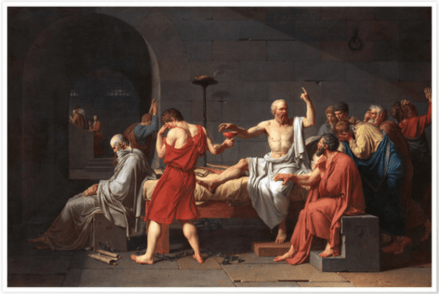
Socrates said: “The only wisdom is in knowing you know nothing.” He was killed by being forced to drink a cup of hemlock. He didn’t write anything, so we mainly know of his teaching via his pupils.

Plato (428 – 348 BC) Plato was heavily influenced by Socrates. He wrote a story, with Socrates teaching about cave dwellers:

‘A group of people lived deep in a dark cave. They sat behind a fire, and a puppeteer moved puppets, casting their shadow on the cave wall, telling the story of the world. This is how the cave people understood the world. But one day, a man left the group, and walked past the fire and out into the sunshine. At first he was blinded by the light, but gradually his eyes adjusted, and he saw that the plants and animals in the real world were better in every way to the shadow images he had seen previously. He went back into the cave and tried to tell his friends, but they refused to listen because his eyes could no longer see in the dark cave, and they decided he was blind.’ Plato wanted to teach people to ‘see’ the real world.

Plato said that the material world is transitory, and humans are capable of reaching an ideal state, which is eternal. He thought the intellect was the most important part of a person, and he differentiated between the intellect/spirit and the material/physical. Two separate parts of humans.

He also had an interesting idea for how society should operate: Plato divided people into those who were ‘rational’ (had wisdom) and said they should govern. The ‘spirited’ people were brave, so they should be soldiers and teachers. ‘Sensuous’ people should be providers, part of commerce, because they were temperate (knew moderation). This, he said, would bring social order and justice. [Looking for politicians who are wise might be difficult today, when being fast-talkers and good presenters seems more likely to get them elected than being wise. I guess Plato lived in a different time.]

Aristotle (384 – 323) Aristotle was Plato’s pupil. He thought that thinking (which he called ‘contemplation’) was superior to doing things. He thought the point of life was to contemplate God, and to serve him, and to pursue happiness. (I confess to be slightly confused by this, as he also said that contemplation is how humans can imitate gods, so not sure he was referring to God.) He taught that good action leads to good habits which leads to good disposition. All things should be tempered by moderation.

Sometime around Plato and Aristotle we had the Stoics. Stoicism taught that God was omnipresent, and everything was subject to his will. People should therefore not worry about what they cannot change (apatheia). Whatever happens, should be accepted. They said everyone should be treated well, because everyone shares the same spirit. Virtue is to know God’s will, and to follow it.

Plotinus (204 – 270 CE) He was a Neo-Platonic philosopher, and he tried to build on Plato’s work. He not only separated the body and soul, but also decided that ‘matter’ or the physical body was evil, and only ‘reason’ or spirit, are good. Therefore, the soul is more important than the body.

They all said lots more, obviously, but a lot of it was boring or confusing or both, so I have given you a brief overview. Interesting, huh?

I will tell you more about my studies in another blog. Thank you for reading.
Hope you have a philosophical day. Take care.
Love, Anne x

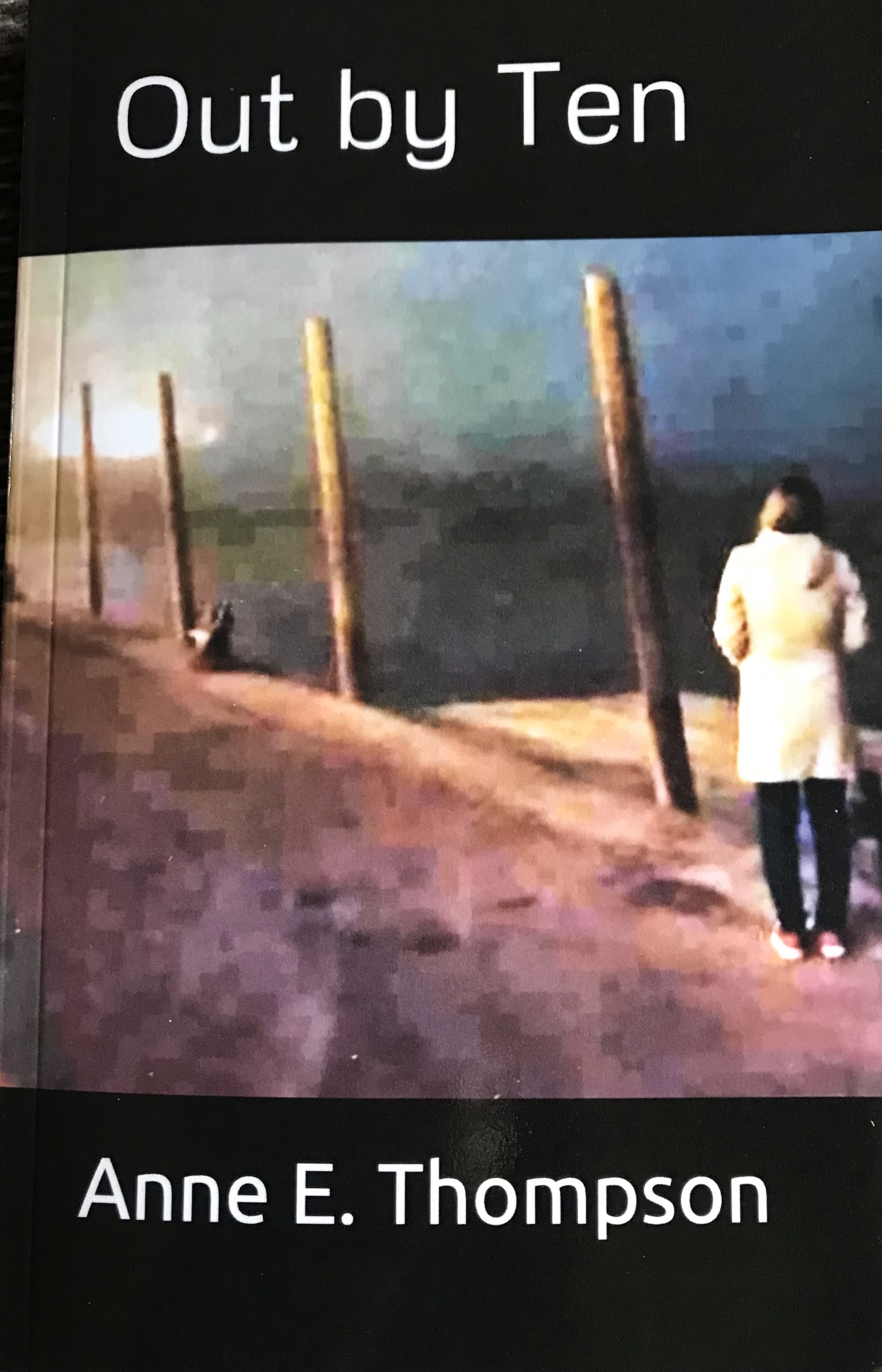
Something completely different: Have you read a copy of Out by Ten yet?

Reviews for Out by Ten:

“Out by Ten is a thrilling read from the very beginning. Set in the early days of a Covid world, every reader can instantly connect with the narrative landscape.
The story is full of intrigue which maintains the same pace through the entire book keeping you captivated. There are some delightfully unpredictable twists which add to the thrill. Some deep issues explored too making this an emotionally mature read.
I enjoyed discovering the double meaning of the book’s title Out by Ten ( read it to find out! )- very clever and a surprising revelation.”

“5.0 out of 5 stars Couldn’t put it down!” Reviewed in the United Kingdom 🇬🇧

“What an amazing book! Highly recommend”

Out by Ten is a thoughtful novel for those who enjoy reading. Available from Amazon. Treat yourself, buy a copy today.

(You can read it for free if you have a Kindle:https://www.amazon.co.uk/Out-Ten-Anne-Thompson/dp/0995463271/ref=sr_1_1?crid=2MZUUVJDF1723&keywords=out+by+ten+by+anne+e+thompson&qid=1672061302&sprefix=out+by+ten+by+anne+e+thompson%2Caps%2C67&sr=8-1)

***