Family Holiday 2021 continued.
We packed up the house in the Lake District and left. Everyone felt slightly dirty due to water shortage/lack of showering ability. Our next holiday home was in the Peak District, and we hoped they had more water. The drive was busy, as Saturdays in July are full of people leaving and arriving on holiday, but we didn’t meet any major hold-ups. Our journey took us through the outskirts of Sheffield, and we began to wonder how near the city our Airbnb would be. The details had described it as being in the grounds of Carpenter House, in an area of beautiful countryside, but we were beginning to worry.
At the last minute, the roads turned away from the city, we drove through a few fields, and arrived at the little hamlet of Millthorpe. It was not exactly the Peak District, but was far enough from the city to not feel crowded. There were several fields of horses, and lots of the houses had stables attached—clearly an area for the horsey people of Sheffield to live.
Went for a walk across the fields. More horses. I am very comfortable with all cows and sheep; horses make me nervous but we weren’t eaten or stampeded. Walked to the local Royal Oak for dinner. The pub was ancient, with low beams and a huge fireplace. The menu was limited unless you are a cheese-lover (everything had cheese, and fried cheeses made a very nice, if rather unhealthy, starter).
Sunday 25th July
The family voted to go paddle-boarding. They discovered you could hire boards and wet suits at Tittesworth Reservoir (with a name like that, I really hope they did a Google search for ‘paddle boarding’ and not something else!)
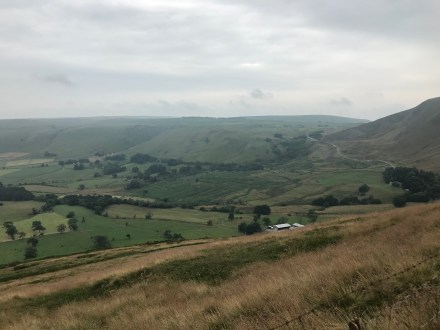
The drive took us through the Peak District, which is beautiful and very near to Millthorpe. The weather was less sunny than last week, but still warm. We arrived at the car park, and saw several families hiring wet suits, squeezing into the little changing cubicles, struggling to carry the unwieldy boards. I decided that paddle boarding was not something I wanted to do (I felt that complete lack of co-ordination, no ability to balance and not being a good swimmer would make it less fun). Went for a walk with Bea while the others pootled about on the water for an hour.
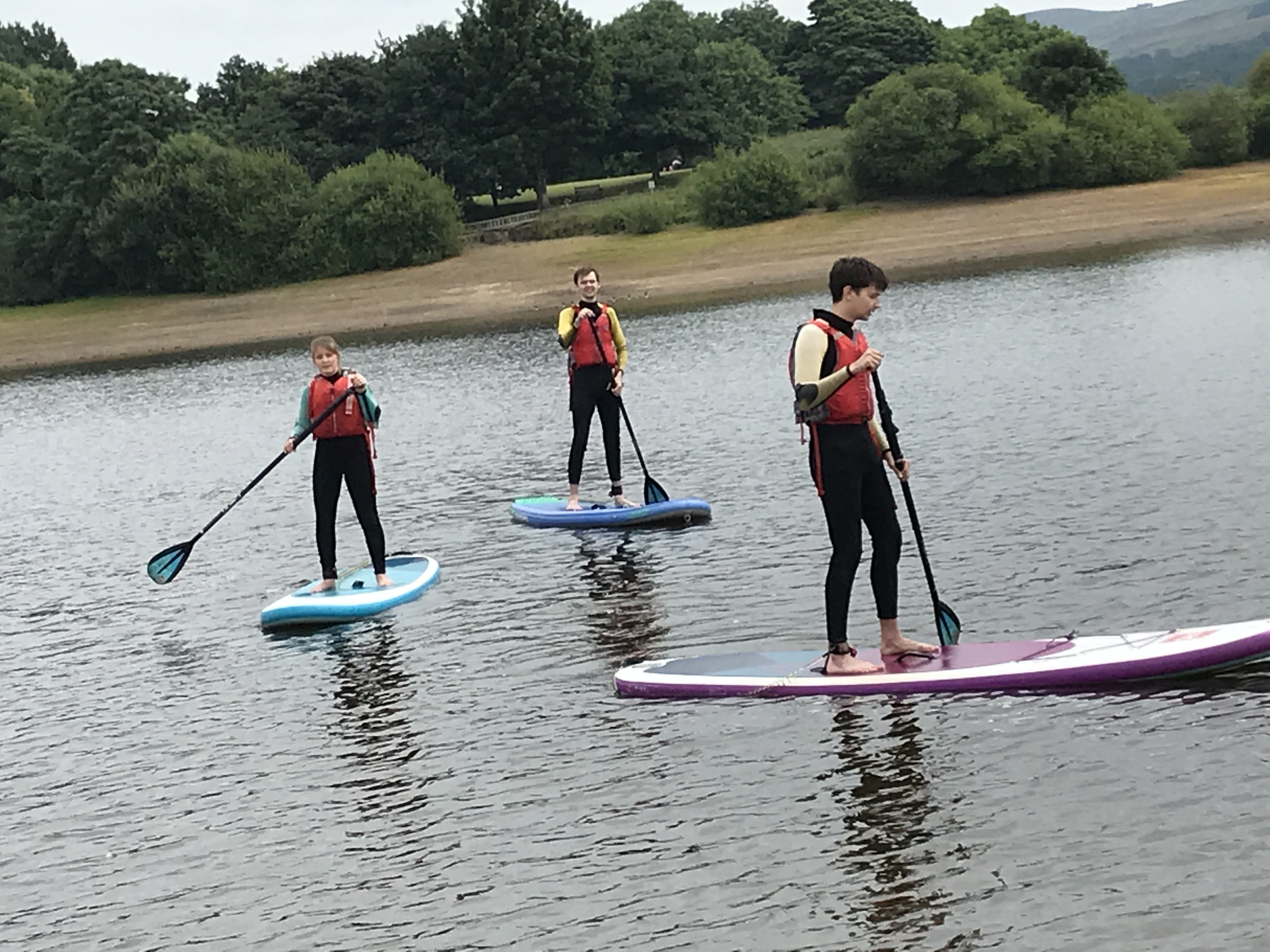
Everyone seemed to have fun, and we discussed it (at length) in the pub afterwards. I had real trouble remembering that the term is ‘paddle-boarding’ and not ‘water-boarding’ so I kept asking them about their experience of torture.
Monday 26th July
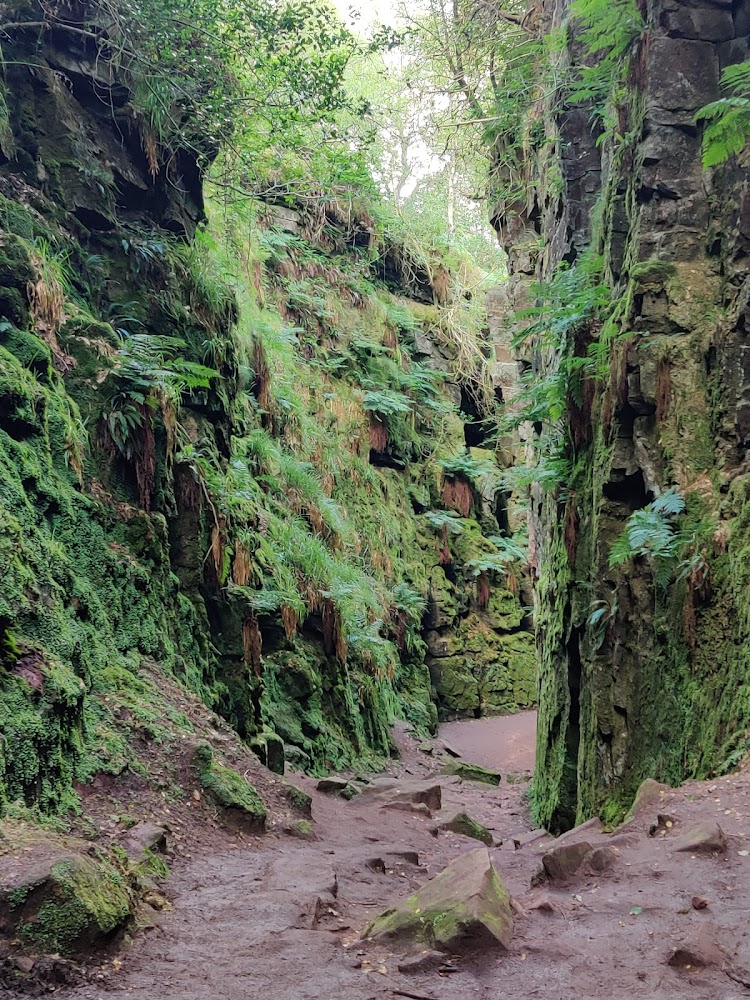
We went for a walk to Lud’s Church. This is a cavern, tucked into the Peak District, and makes for a pretty walk. There are many stories and legends swirling around the cavern, and Emm assured me it was the spookiest place in the world.
We walked along a pretty footpath through the woods, the sun was shining, birds singing, ferns carpeted the floor. Hard to see why it was spooky. We arrived at the cavern, and the temperature dropped as we walked between the giant-sided rocks, taking care not to slip on the moss. It was easier to understand (slightly) why someone might think the cavern was haunted. It then transpired that he had visited at dusk, on Halloween, when all the trees were bare and everywhere was gloomy and cold—that would definitely be spooky.
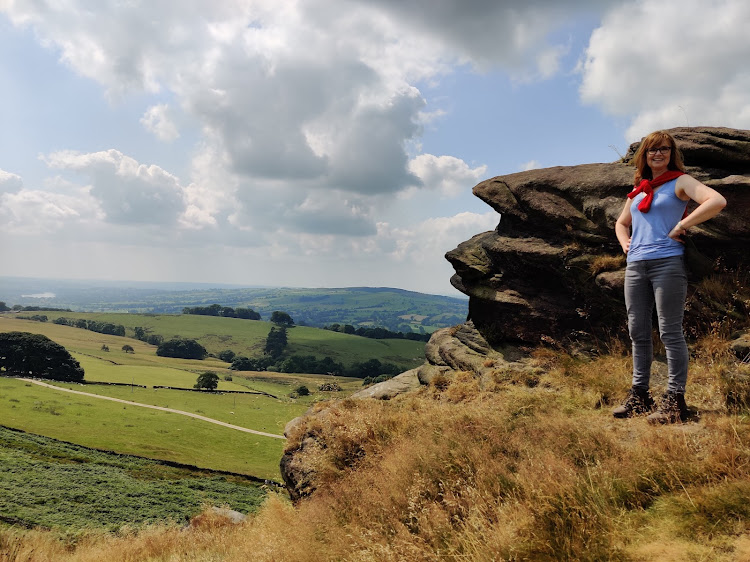
We left the cavern and walked up to the Roaches, which are big rocks protruding from the hills. Great views of the valley.
Tuesday 27th July
Walked up Mam Tor, near Castleton. This is about as high as my knees can manage, but actually was very easy as there are paths all the way and no scary precipice to make me dizzy. It was a long walk, and I was pleased to reach the top. Asked Husband to take photo for blog. Family photo-bombed. I informed them the photo was for a blog, and I would use it whatever they looked like. Posed for another photo. No better. Decided to use it anyway.

In the afternoon, we visited Chatsworth House. But that will have to wait for another blog.
Thanks for reading. Take care.
Love, Anne x




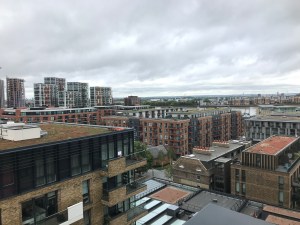



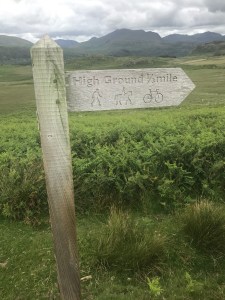 The weather was dry (not to be assumed in the Lake District) so we went for another walk. Bea and Gee (The Bee Gees) weren’t working today, so there more of us, which meant it took even longer than usual to leave the cottage.
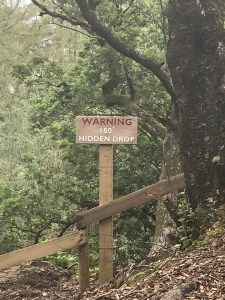 As we approached the waterfall, there were lots of warning signs, and I wondered whether Anne-who-hates-heights would actually manage to see anything. Am not keen on walking along rock edges with sheer slopes and long drops.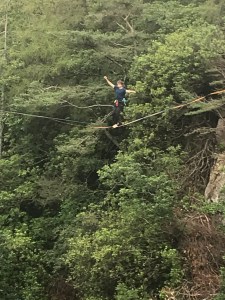
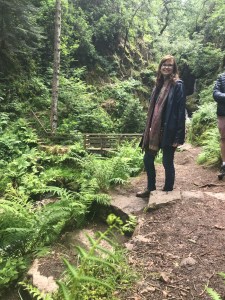
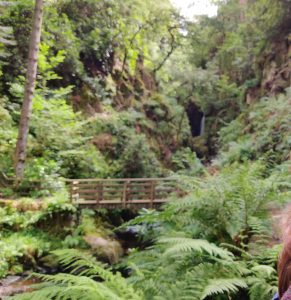 We followed a path down some steep rock steps, to the bottom of the waterfall. It wasn’t scary, as there was a rail for support in the most difficult places, and there were so many plants that if it was a sheer drop, you were never aware of it. The bottom of the steps was wonderful—like being dropped into a rainforest. It was very sheltered, and the spray from the waterfall made the air moist. The cliff edges were covered in rhododendrons, which must be beautiful when they’re in flower.


















 Anne E Thompson