As part of discovering what is ‘scripture’ and which books different Christians accept, I have been looking at the Apocrypha. These are the books that were written later than the books of the Old Testament/Hebrew Bible, but before the New Testament. I need to choose my words carefully here—I want to say ‘Before the Hebrew Canon’ but actually, the date the books that were fixed in a ‘closed canon’ (ie a closed list, no other books could added) is a little vague, and surprisingly late. The Jews definitely had books they considered ‘scripture’ but as to which books joined the Torah as ‘canon’ was fairly recent.
The books of the Apocrypha were included as part of the Septuagint (an ancient Greek translation of the Hebrew Bible, referred to as LXX—which is much easier to write even if the reasons for using the Roman numbers is more based on myth and legend than fact).[1] In some Bibles they’re sectioned off, labelled as ‘Deuterocanonical Books’ and lumped together after Malachi and before the New Testament. (‘Deuterocanonical’ was a word created in 1684, to mean ‘second canon’—which some take to mean a less-important canon, or ‘not really part of the canon’.) As with most things in Christianity, there are a variety of views. Some Christians hold the books as Scripture, and will read and discuss them in church. Others think they are useful for helping us understand God, but not as reliable as the books in the Bible, therefore should be read but not given the same weight as biblical books. Others suggest they are ‘not real’ or ‘false’ scriptures (and sadly use this view to point at people who they consider are not ‘real’ Christians because they don’t stick to the ‘real’ Bible). This makes me wonder why God bothers with humans at all—and yet he does.
Now, I personally do not have a view on these books at all, and until now I have never read them (because I grew up in a church which took the final view above). But I was interested to learn that New Testament writers knew them, and may have been influenced by them, and possibly used them in their own writing. I therefore decided they were something I should read. I will let you know what I think. In the NRSV, the first Apocryphal book is Tobit. Below is a quick synopsis.
The Book of Tobit
The Book of Tobit was probably written in Aramaic during the 3rd century BCE (estimated dates range from 225 to 175). It was possibly written as a folktale rather than history. The story is set in 8th century BCE.
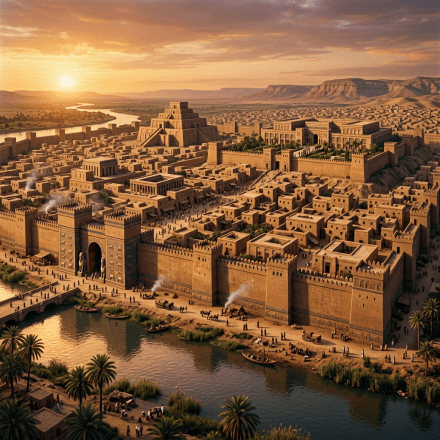
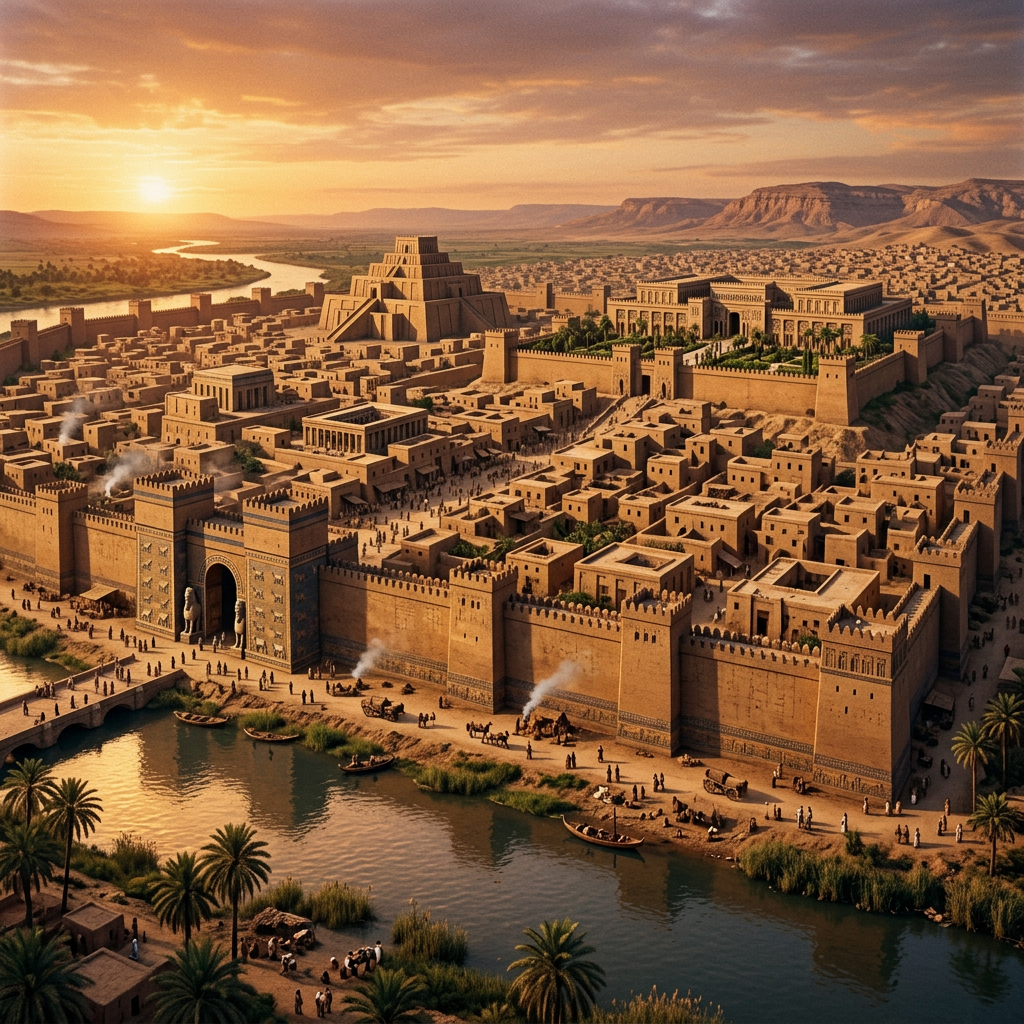
The story begins by describing Tobit, a man from the tribe of Naphtali (one of the sons of Jacob) who had been taken captive during the Assyrian invasion of Israel and was living in exile in Nineveh. Tobit was a righteous man. Before captivity, he went to Jerusalem to offer sacrifices, he gave alms to the poor and he kept to the dietary laws of Moses. He married an Israelite woman, and had a son called Tobias. After captivity he still kept to the dietary laws and because he was righteous, the ruler favoured him and he often travelled with his work. On one occasion, he left some money with ‘Gabael’ (we aren’t told who this is) in Media. Then Sennacherib[2] becomes ruler, and life is harder. Tobit spends his time burying the dead which have been left to rot. When Sennacherib heard that Tobit was burying the dead bodies, he was angry. Tobit runs away, and everything he owns is confiscated. When Sennacherib is killed by his sons, Tobit returns.
There is a little scene when Tobit is about to enjoy his Pentecost meal, when someone tells him about a dead body left in the market place. He leaves his meal, buries the body. (This is later significant.) He is very tired, sleeps in a courtyard and becomes blind from sparrow droppings. (No idea whether that is really a thing.) Tobit becomes depressed and grumpy. In despair he prays to God and asks to die.
The next section seems unrelated (perhaps the ancient text had a section missing?) We suddenly learn of Sarah, who is oppressed by a demon that kills every man she marries. She also prays to God, wishing she was dead but knowing this would hurt her parents.
We learn that both prayers were heard by God, and the angel Raphael is sent to help. In a nutshell, Raphael guides Tobias to collect the money Tobit left in Media. On the way he finds a miraculous fish that dispels the demon plaguing Sarah and Tobias marries her. He then takes his wife, and the money, and the miraculous fish back to Tobit and the fish restores his sight. Raphael then reveals he is an angel, saying Tobit has been blessed because he left his meal to bury the dead. Tobit lives to a good old age. Before dying, he has visions of a new temple in a restored Jerusalem, and he warns Tobias to leave Nineveh. Tobias moves to Media before Nineveh is conquered, and he too lives a long life before he dies.
***
There are some interesting overlaps with some New Testament texts. Mt. 6:1-21 is all about being holy in private, and storing up treasure in heaven. Mt. 7:12 says to treat others how you would like to be treated, which is also written in Lk. 6:31. These ideas appeared first in Tobit. There are also descriptions in Rev. 8 which mirror some of the imagery in Tobit.
So, what do I think? I didn’t read anything that was ‘missing’ from my own Bible, so I wouldn’t feel the need to expand my canon to include it. However, there was nothing that contradicts the message in the Bible—the theme of the story is about living a good life, trying to be who God wants you to be, and God being all-powerful yet also present. Some of the imagery was interesting—like that the angel Raphael described carrying the prayers to the presence of God. We cannot understand what happens in the heavenly realm, but like the imagery in Revelation, it can be helpful. It reminds us that prayers are not empty words, they are a way we present our longings to God.
Whether the New Testament writers were trying to present the ideas of Tobit, or whether this was simply part of their culture is impossible to say for sure. But it is certainly possible they may have been influenced. This doesn’t cause a problem for me—I don’t believe God dictated the texts, I believe they were human writers, part of an ancient culture that included all kinds of different influences and it would be natural for some of that to be reflected in what they wrote. I don’t need for it to have been written in ‘holy isolation’ for God to be able to speak through the texts. I personally would not consider Tobit to be ‘scripture’ but that probably is more due to my upbringing than any scholarly reason. I certainly would not consider those who do include it to be ‘wrong’ or ‘misguided.’ What do you think?
Thanks for reading. Have a lovely week.
Take care.
Love, Anne x
[1] Gregory R. Lanier and William A. Ross, The Septuagint (Wheaton, IL: Crossway, 2021). This book explains about the different Greek translations of the Hebrew Bible, and how the LXX evolved.
[2] Sennacherib and Nineveh are historical; you can see artifacts relating to them in the British Museum.


