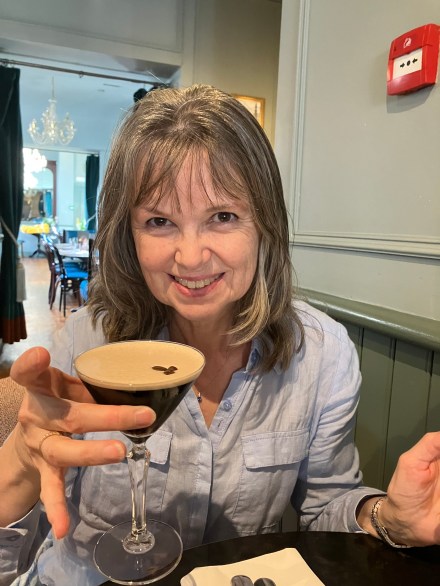
Lots of things in life are, frankly, too difficult. As I get older, I seem to encounter more and more things which are too difficult for me. Obviously some things are easier—I don’t need to think about how to drive to the shops, or cook dinner, or give a talk to a group of elderly people. But I think there are more things which I now struggle with—exceptionally long walks, carrying heavy things, training Meg, learning something new. The last one is becoming annoying as I continue my PhD research—but I have a strategy.
I have discovered that when I encounter something which I don’t understand, I don’t let myself worry about it, and I return to it very briefly in the future. If I return to it often enough, eventually I will get there. It’s like learning a difficult language—you do it one word at a time, however long that takes. When training Meg, I make her sit and look at me before I open the door. Sort of nibbling round the edges without worrying about swallowing the whole thing at once. This has been an especially good strategy this week, because I have some new grammar books.
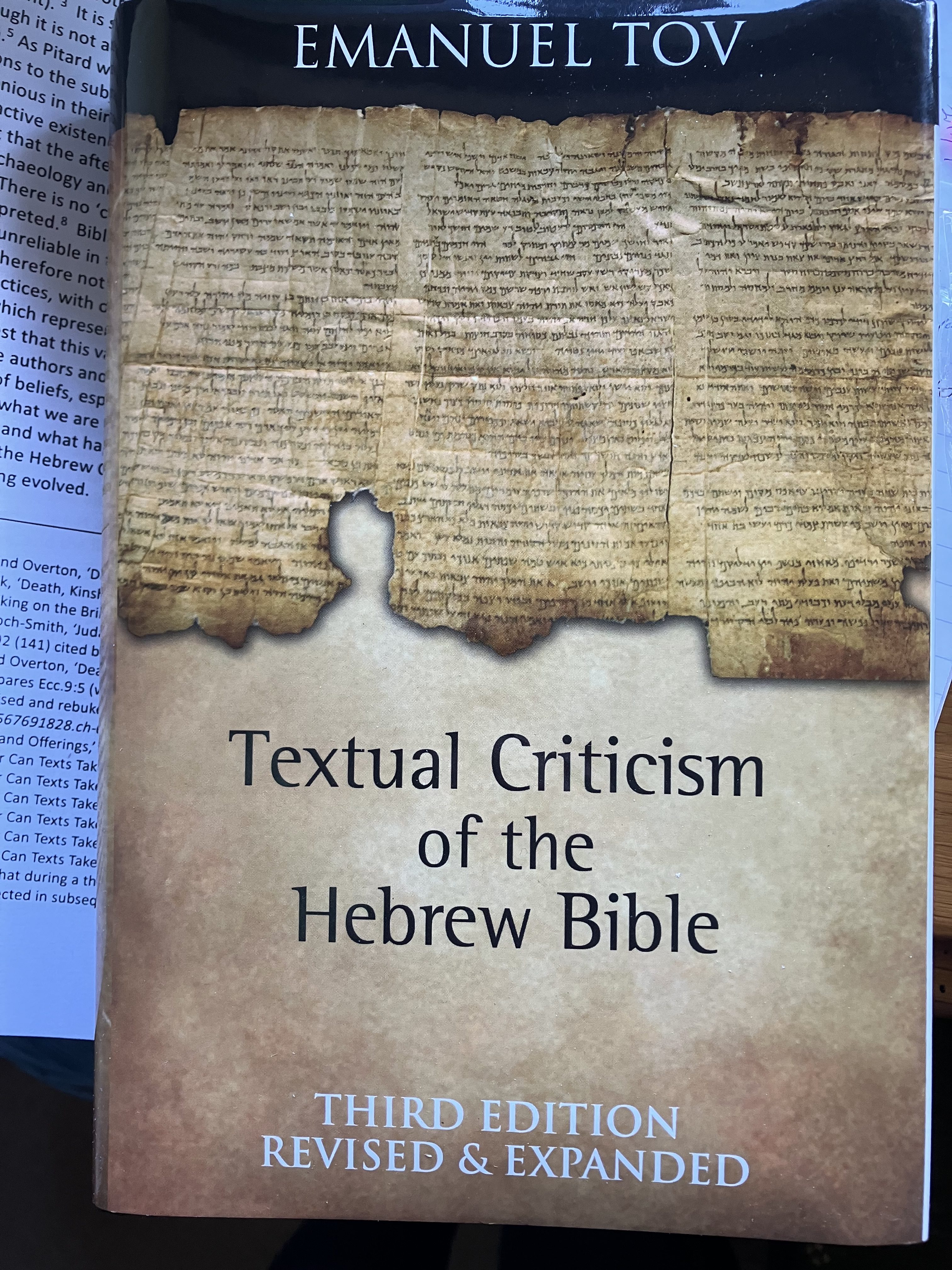
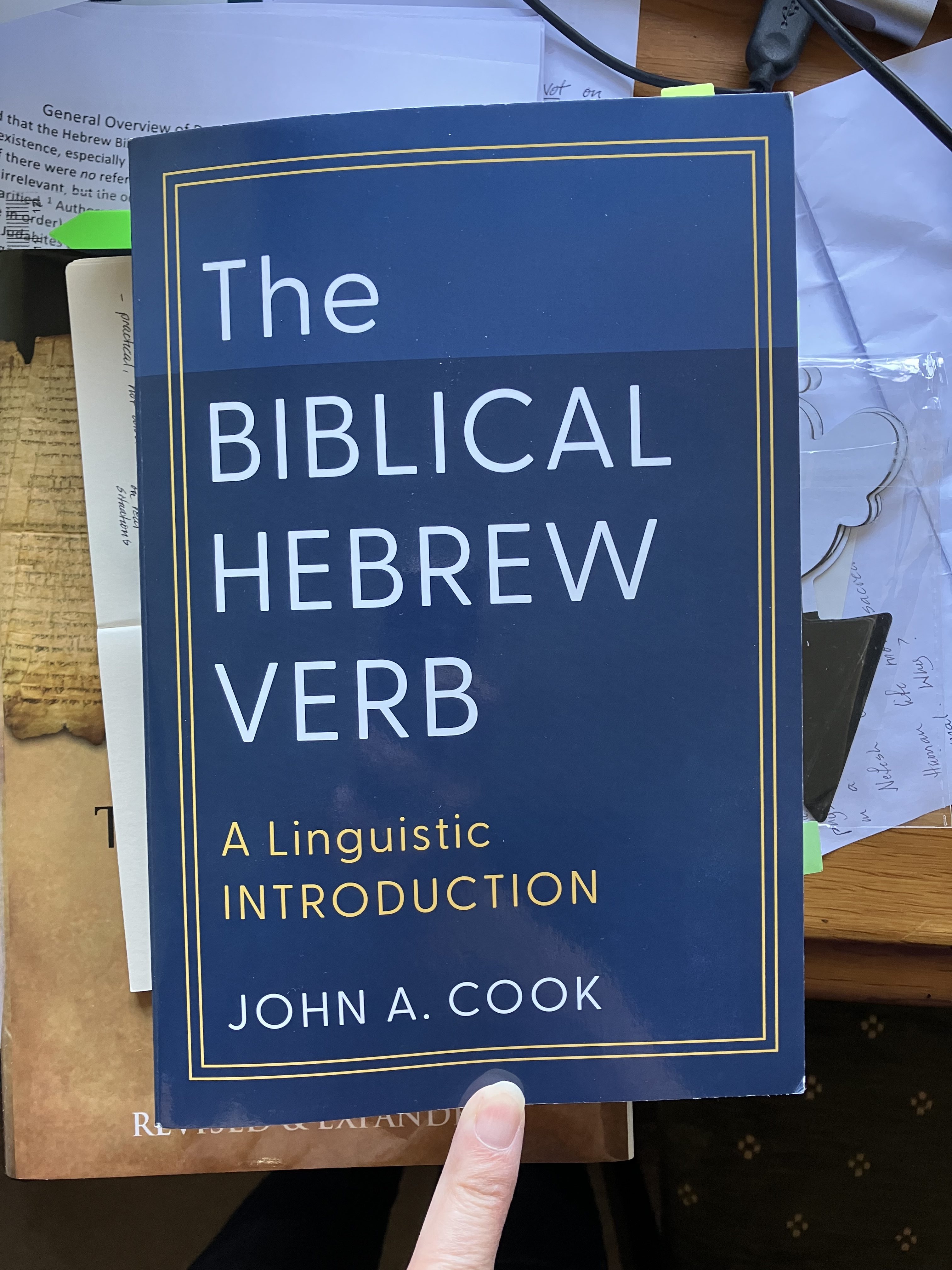
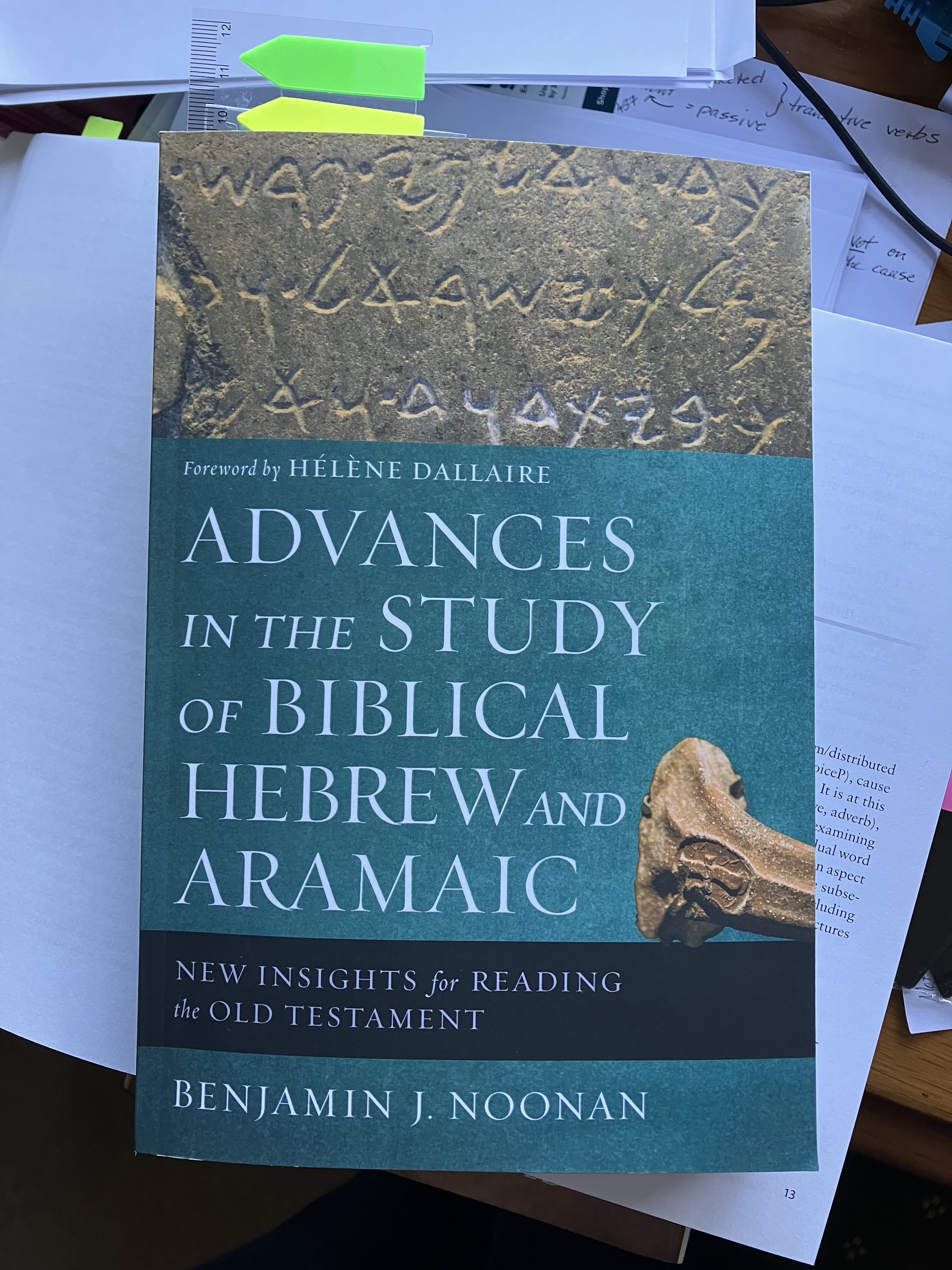
The books were frequently referred to by the other scholars, and some were not available in the online library (plus I do like to hold a physical book) so I took out a mortgage and treated myself. (Grammar books are incredibly expensive if you look at the single price. If you cost them according to how much interest/pleasure they will give over time, you are paying about 10p per hour of absorbed activity over several years—which I think is better value than a Netflix subscription.) I ordered them. They arrived. I began to read the first one—and did not understand what they meant. Not a good start. I mean, I understood (nearly) every word, but not when they were arranged in that order! For example, Chapter Two begins:
“The thematic domain is the lowest one in the minimalist program/distributed morphology hierarchic template.”[1]
However, I am no longer phased by such lack of knowledge. I knew in time it would make sense, I just needed to continue. I read on, letting most words wash over me like a waterfall but understanding the occasional paragraph, learning new things in drips. The main strategy is just to keep on going and not slip into panic. The second book (by Noonan) I read in the middle of the night. It was 2 am, and much too hot to sleep, and the book was on the floor next to the bed (which is the best place to keep books). I began to read. It all made sense. Best of all, many of the things that were explained I recognised as the non-understandable terms used in the first book. Because I had already encountered the concepts (without understanding what they were talking about!) I gobbled up the explanations in this more accessible book. What fun! Now I was ready to tackle the first book again, armed with new knowledge. My memory isn’t great, so I scribbled notes and charts to help me remember the main points.
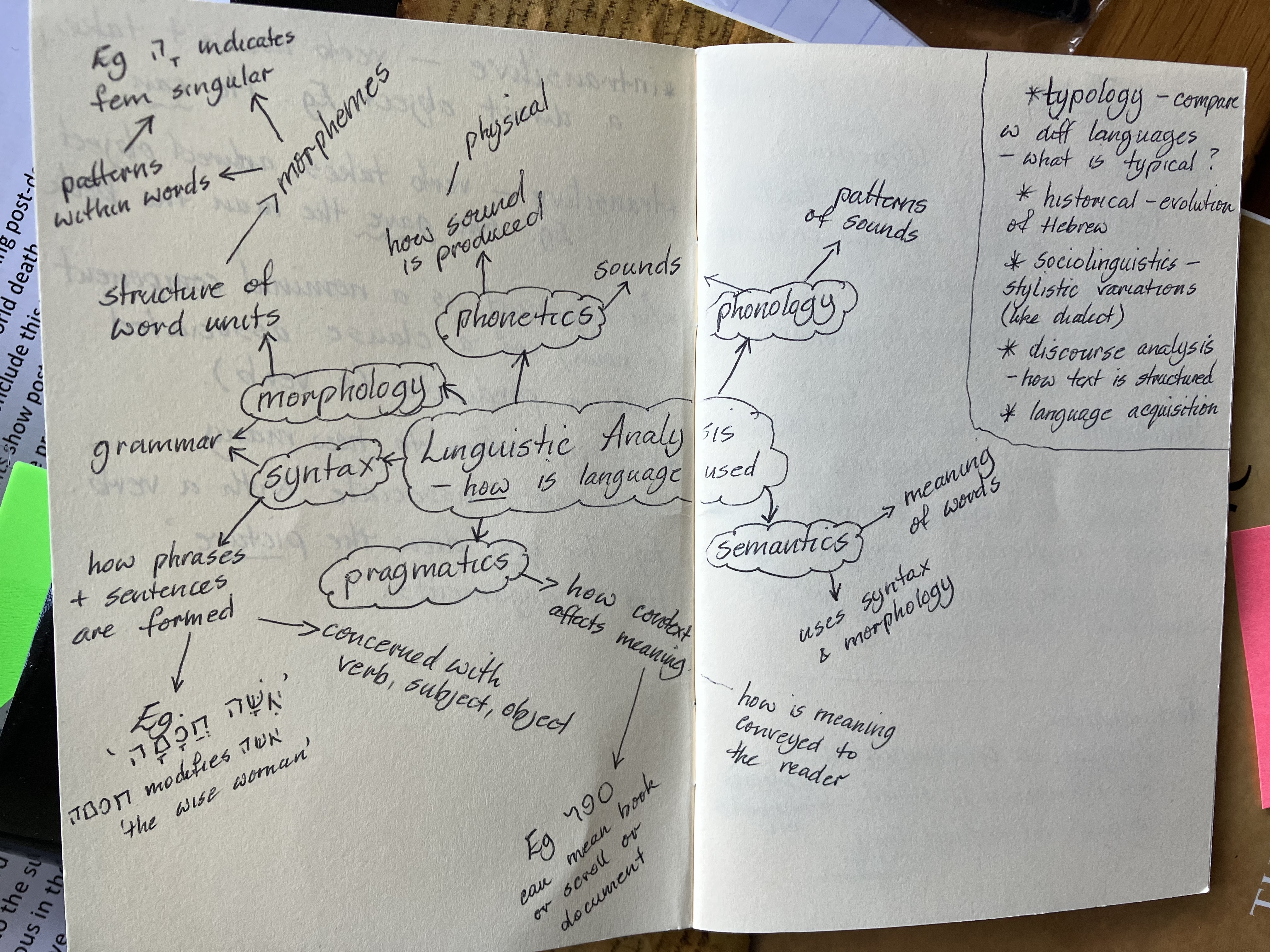
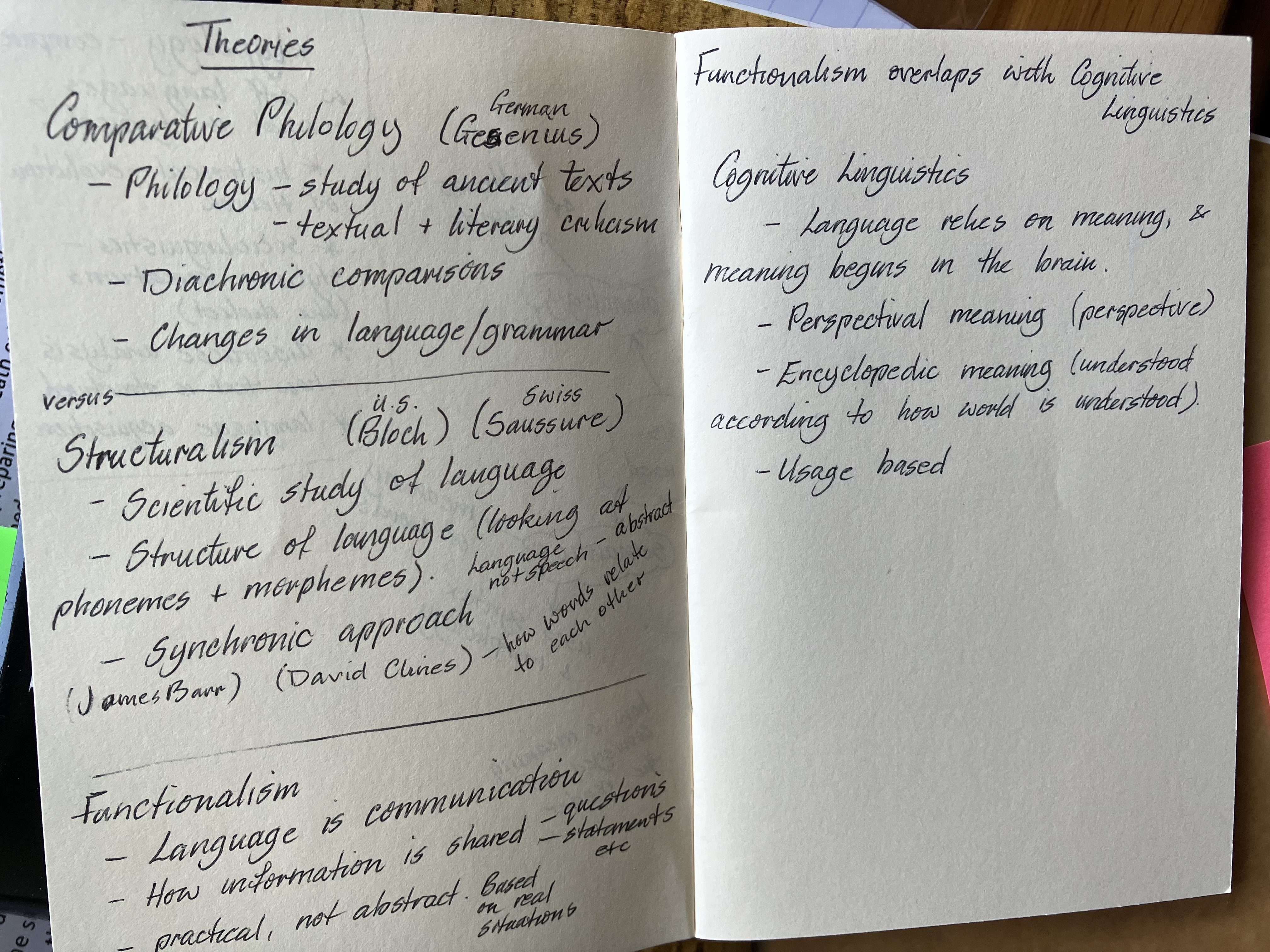
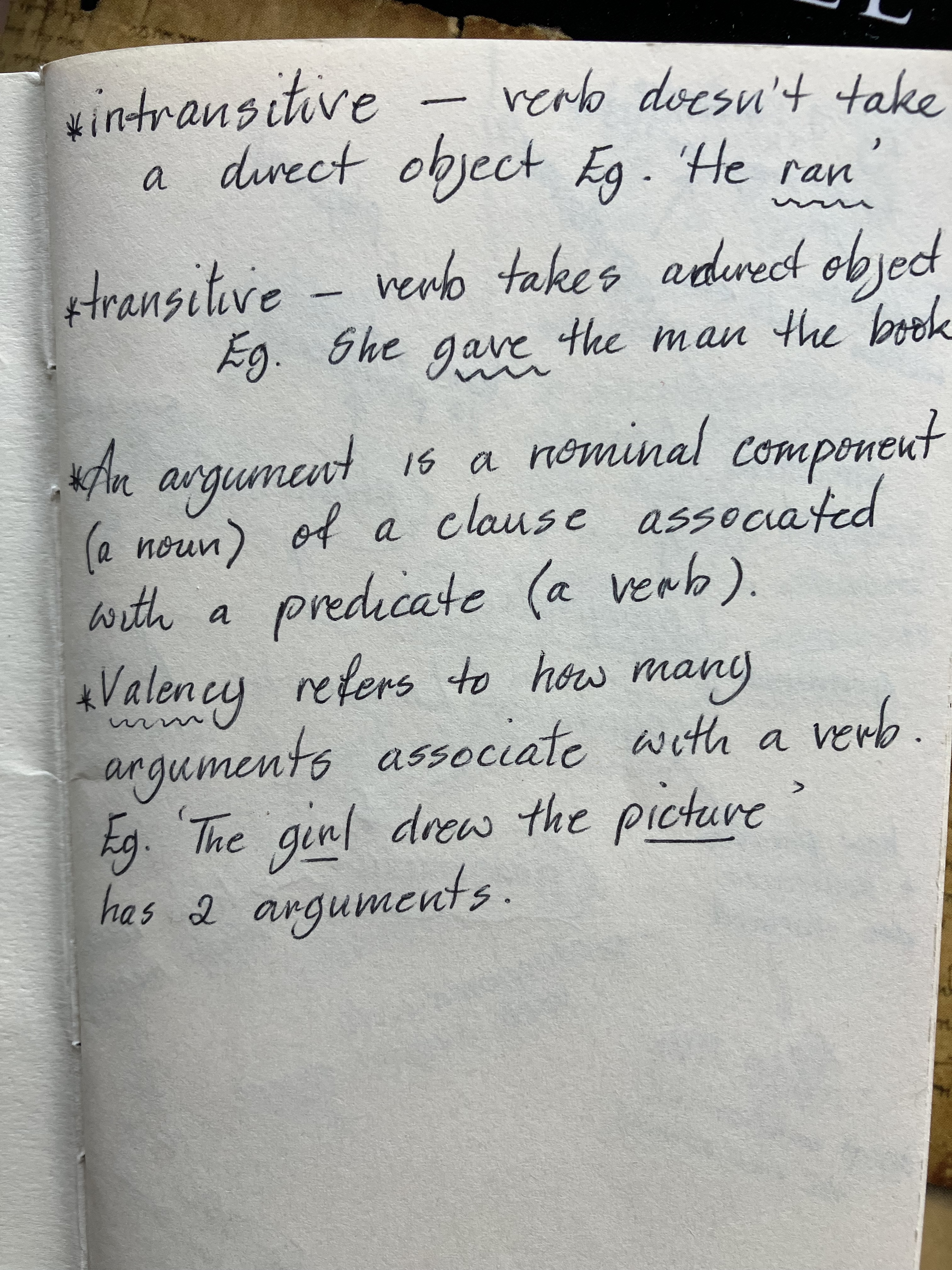
For me, this is how I learn. My research is currently about looking deeply into biblical texts and trying to decide what the early authors were saying. I’m not doing ‘theology,’ so I’m not drawing conclusions about what is applicable today, or even how it impacts other parts of the Bible. (That will come later.) I am simply looking at the Hebrew, examining how the sentences are structured and exploring possible meanings. It’s fun. But it’s difficult. I shall keep nibbling…
I hope you find a way to cope with the difficult things in your day. Thanks for reading.
Take care.
Love, Anne x
[1] John A. Cook, The Biblical Hebrew Verb (Grand Rapids, MI: Baker Academic, 2024)


