Dead People and Names


I think there is little in life as thrilling as applied knowledge. To learn something new (like a language) is interesting, but when you manage to say something in that language and they understand you — wow! That’s exciting! I have found my Master’s course has given me lots of these moments, and the latest source of pleasure for me is a book by John H. Walton — Ancient Near Eastern Thought and the Old Testament. Allow me to share the excitement with you.

The book basically explains that unless we understand something of how ancient people thought, we cannot properly understand what they meant when we read the Old Testament. For example, if I ask you what the Old Testament writers say about Artificial Intelligence, you will reply that they had no knowledge of computers, therefore although we can possible use some of the principles set down in the OT and apply them to AI, they did not explicitly write about those things. Their understanding differs from ours.

The two examples I want to tell you about in the ancient world are: what meant something existed, and why having lots of descendants mattered.

In the ancient world, material things were not as important as they are today. Today, we know something exists if has a material form (and some people struggle with the idea of God because there is no material form to rely on). But not so in ancient times. In those days, something existed if it had a name and a function. Therefore believing in several gods was normal, as long as they all had a name (Sun-god) and a function (there was sunlight). Try to remember that:  having a name, and a function, meant that it existed—it was real.

Now we move to their understanding of what happened after death. They absolutely believed in some sort of existence after death, but it was very different from our own view (much of which comes from Plato, who taught about spirits leaving physical bodies and living a spiritual life). In the ancient world, they believed in a vague existence in an altered dimension to the physical world, in a place called Sheol. (Note: ‘Sheol’ and ‘Hell’ are not the same thing.) They believed that life in Sheol was affected by life on earth; life was sustained in Sheol by what happened in the world of the living. People in Mesopotamia and Egypt underwent certain rituals to enable the life of their dead ancestors—providing them with food for example. One important ritual involved ‘remembering’ the dead—talking about them, recalling the things they did before they died, somehow maintained their existence in Sheol. To be forgotten was the worst thing that could happen. Community was hugely important, and community included ancestors who had died (therefore asking ancestors for help was part of normal life).

Now, the Hebrews (who wrote the Old Testament) had variations of these beliefs, but we can see overlaps with their thinking. They too wanted descendants. I had previously thought this was so their children could care for them when they were old, but this doesn’t explain why several generations of descendants would matter—a belief that they would remember them after death makes sense in this context. (There is a text, which I cannot find, where someone explicitly says ‘I have no descendants to remember me.’ If you find it, please send me the reference!) Walton makes the point that the thinking of the Old Testament writers was much closer to the thinking of people in ancient Mesopotamia and Egypt than it was to the thinking of the New Testament writers (and far removed from our current ideas about things). If we understand this, it helps us to better understand what they wrote.

All very interesting, but the best bit comes when it’s actually applied. This happened this morning, as I drank my coffee and read a section of Genesis. I’m currently in the Italian Alps, and using a little book of devotions each morning, which I don’t especially like (I don’t like being told how to react/feel in response to what the Bible says). This morning’s passage was Genesis 16, when Hagar has run away from Sarah and God has spoken to her. In verse 13, Hagar says: ‘Then she called the name of Yahweh who was speaking to her “the one who sees”…’ (My translation of the OHB Hebrew.) This ties beautifully with the first thing I told you: Something existed if it had a name and a function. Hagar was accepting that God was real, thus she gave him a name and a function—God saw—‘seeing’ people was part of God’s identity.

The passage also says that God promises Hagar more descendants than she can count (verse 10). Again, if we apply our knowledge of what that would mean to Hagar, it would mean that after her death she would have numerous descendants to remember her—which was hugely important in the ancient world. This woman, a mere handmaid, rejected by her mistress, would be remembered forever, even after death.

I found reading this chapter with the understanding I have acquired about the ancient world changed my understanding—which I think is pretty exciting! I am loving being able to learn. I will tell you more in other blogs. 

I hope you enjoy something today too. Thanks for reading.

Take care.

Love, Anne x

Snow in August


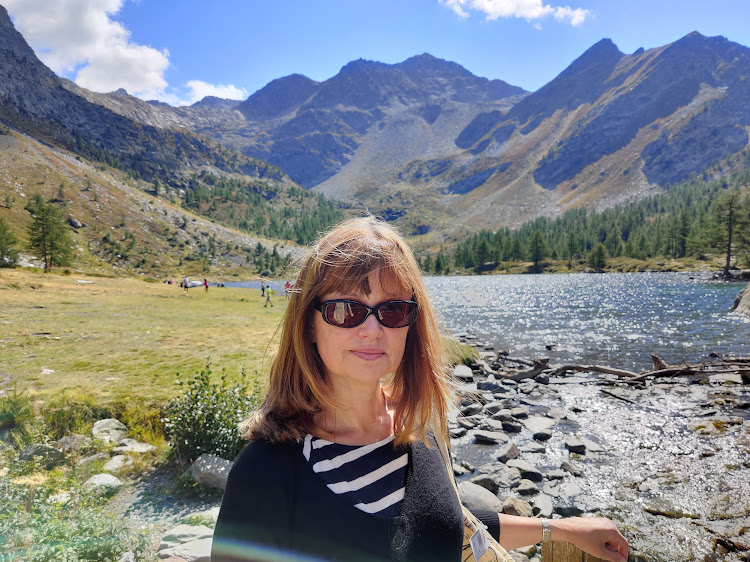
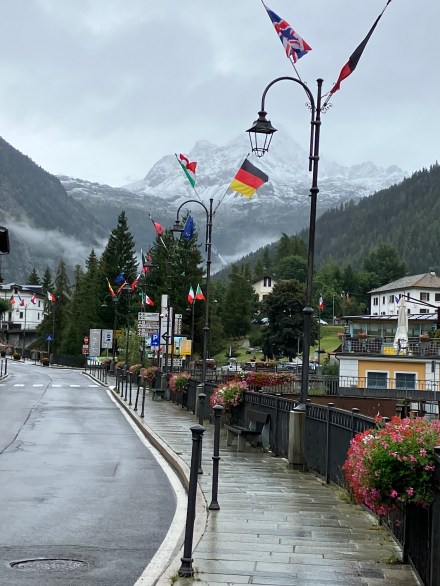
We arrived in LaThuile in bright hot sunshine. It was too hot to walk far, and even the shade was warm (which has not been my experience previously in the Italian Alps). However, within a day, the weather changed: the temperature plummeted and we woke up to snow on the mountains. This was very exciting! I love snow. Never before have I experienced snow in August.

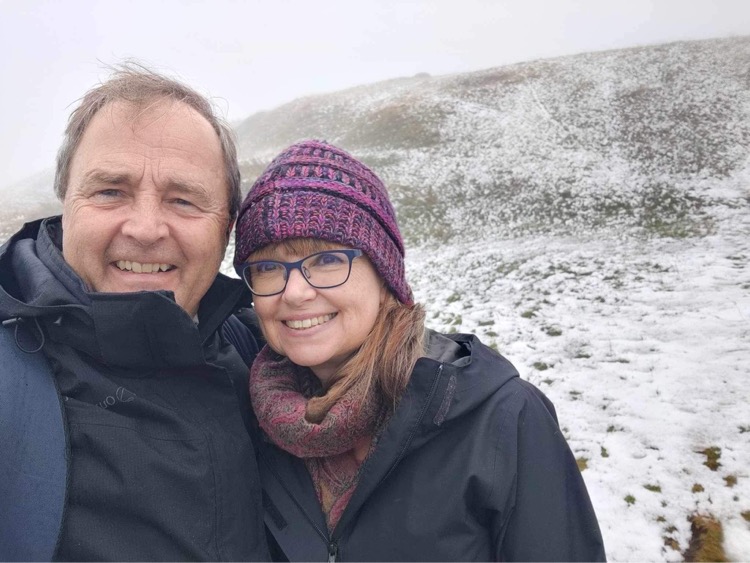
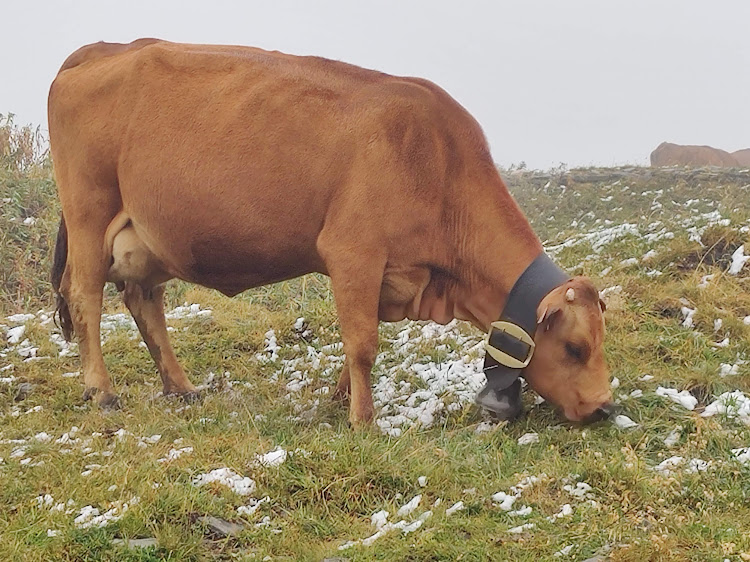
After lunch, we found the car where we had abandoned it in the town garage (because we are staying in a little apartment in the town centre and the narrow cobbled streets barely fit a bike, definitely not a car), We drove up the winding road to St Bernardo’s Pass, and there we found snow! It was jolly cold. I had brought my woolly hat but most of my clothes were the thin impracticable kind that you take on holiday.  (Husband was so pleased to see it again so soon after it had been put away at the end of winter. He loves that hat.) Husband strode off, looking for the best ‘snow photo’ spot. I spoke briefly to some pretty cows with donging bells round their necks (who ignored me) and then went in search of warmth in a cafe. The cafe had a few toys, and I bought a cute St. Bernard dog toy, because this area has lots of them (the real variety) and even I realise that owning one would not be wise given where we live.

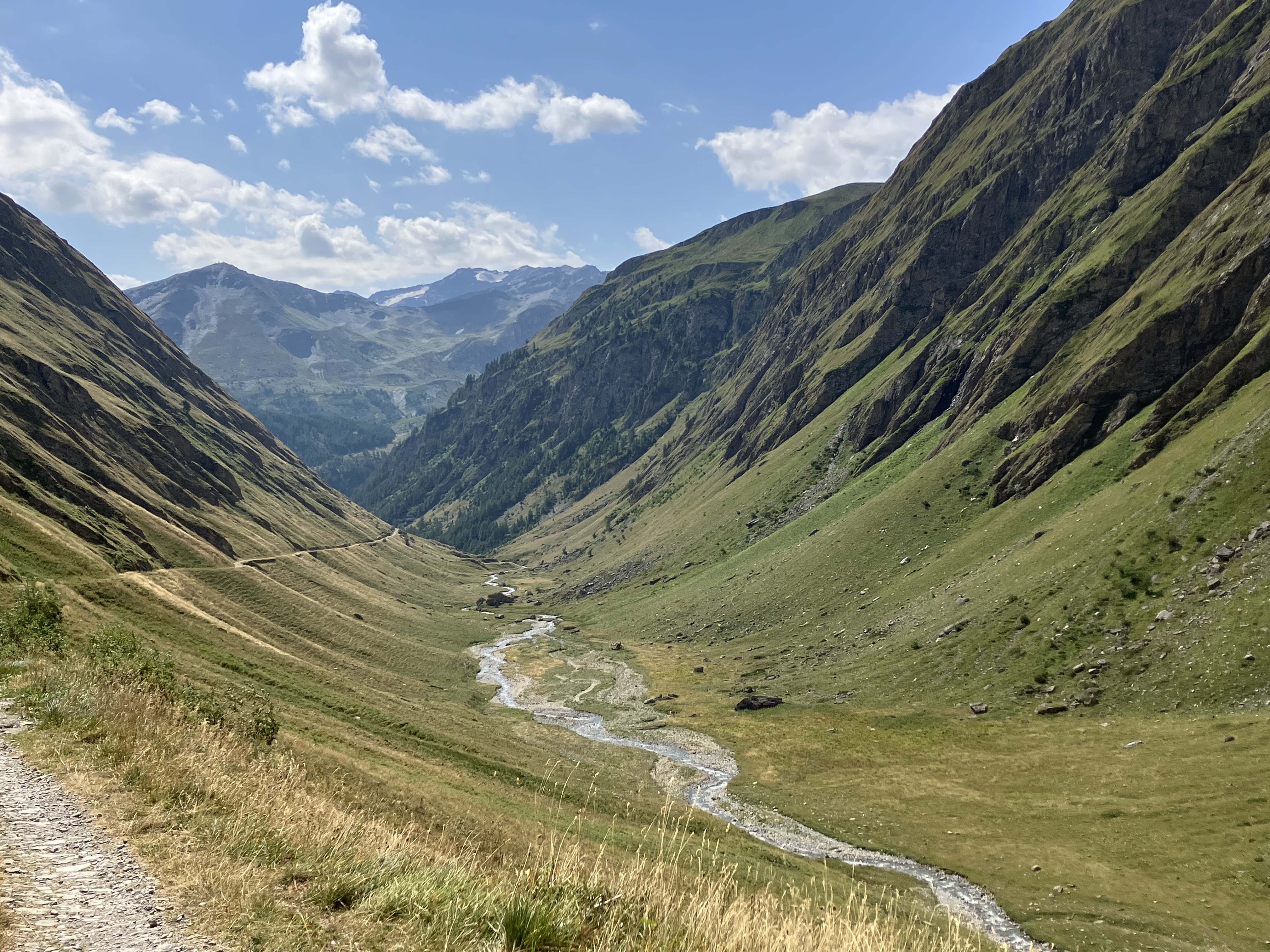
The rest of the holiday passed peacefully enough. We returned to the most beautiful valley in the world (Route 11) that we found last year. It continues to earn the title, it’s too beautiful to describe and even photos don’t really show the beauty of the place (especially my photos!) You will have to visit yourself. Just be careful as you drive to a parking place, as the road is very narrow and there are no barriers and the drop is very long if you fall. Nice place to die though.

We were very good, and went for a run every morning. We found a relatively flat road to run along (beside a bubbling river and looking at mountains). But it was hard to breathe. Husband informed me it was very good for my lungs because the high altitude makes them work harder. It didn’t feel good though, it made running very hard work and not at al enjoyable (apart from the scenery). Afterwards we went to Angela’s Cafe, which was crammed with local people all speaking Italian and drinking espresso coffee. I also drank espresso coffee, of which I am rather proud. I noticed a few years ago that only foreigners drink things like cappuccino or latte, and all locals drink tiny cups of strong black coffee. I therefore forced myself to drink it—like a teenaged boy forces himself to drink beer even though he would rather have a lemonade. I now enjoy drinking it, but I especially enjoy the approval I see in people’s eyes when I order it. Husband orders a cappuccino, and often this is passed to me, as the more ‘girly’ drink. Anyway, Angela’s Cafe has very good coffee, and it advertises that it’s grown by women, to help raise the standard of living in families, so I rather like that too. We always reserved croissants for the following day, because they are eaten in the morning by the earlier customers. This then was our routine: run by the river, recover and shower, breakfast in Angela’s Cafe, buy bread for lunch, return to little apartment. Not a bad way to start every day.

We finished each day by eating dinner in La Maison—the restaurant we ate in almost every evening last year. They allow us to have a table in the wine cellar, and they know that I like a chair rather than a bench, and that our Italian is terrible. It’s a friendly place to eat and the food is delicious.

One evening, when walking towards the restaurant, I noticed that my dress felt odd. I ran my hand down the side, and realised I could feel the seam. When I glanced down, a big white label was flapping at the side, and all the buttons were on the inside! I had somehow managed to put on my dress inside-out and not notice. We were next to a little chapel at the time, so I ducked inside while Husband stood guard, and quickly turned my dress the right way round. I was so pleased that I noticed before we arrived at the restaurant. Made a note to always look in the mirror before I leave home in future. (I do of course blame Husband, who really should have noticed.)

Other than clothing issues, the holiday was lovely. The Italian Alps are so lovely in the summer. I hope to come again. Thanks for reading, have a good week. Take care.
Love, Anne x

Thanks for reading.

anneethompson.com

Milan in August


A Day Touring Milan

Our day in Milan was somewhat spoiled by the heat. I think this is unusual, as we’ve visited before and it wasn’t too hot to walk. It felt more like Seville in August than Milan. But we coped, mainly by searching for the coolest places. (Cool as in temperature.)

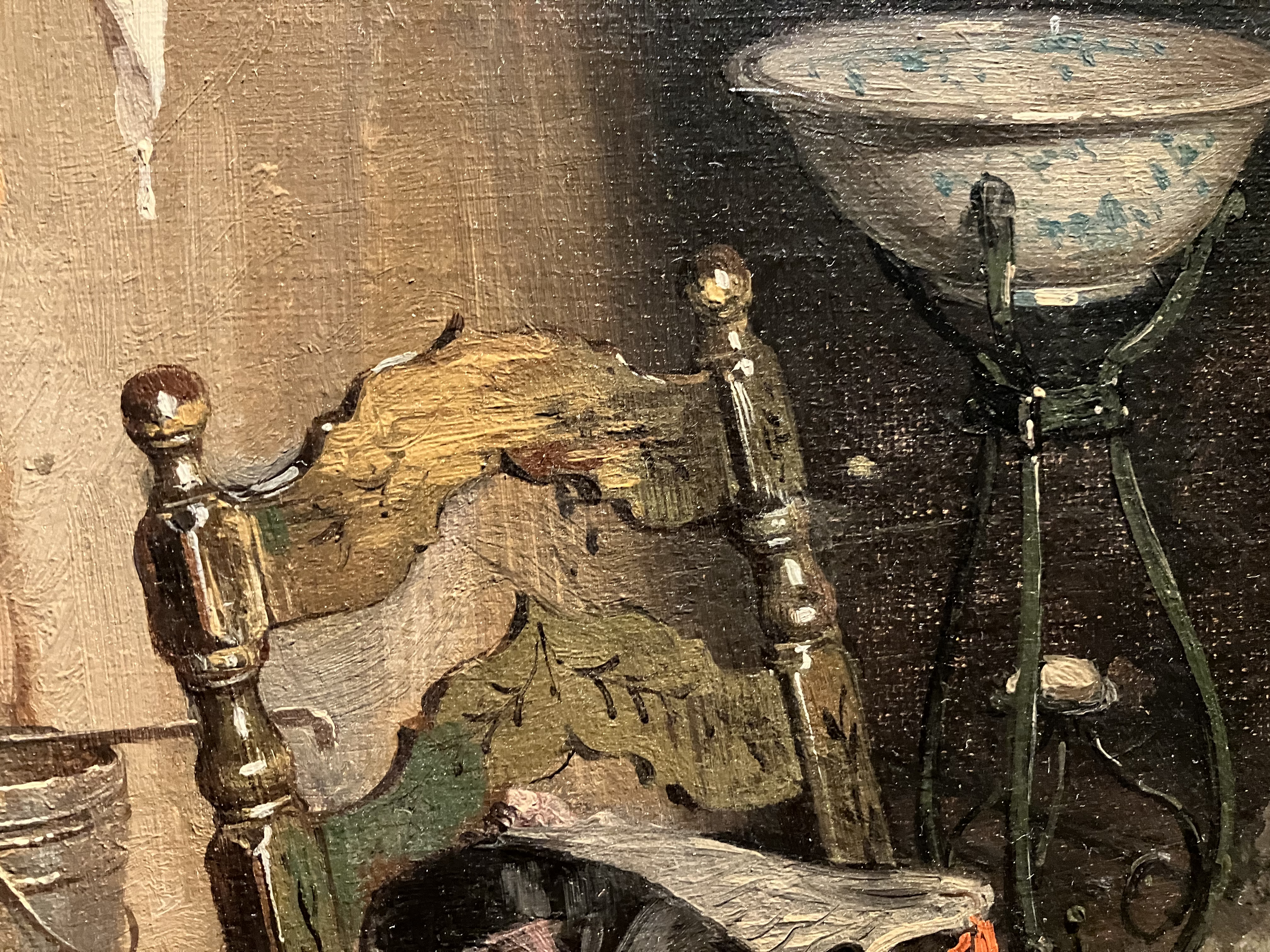
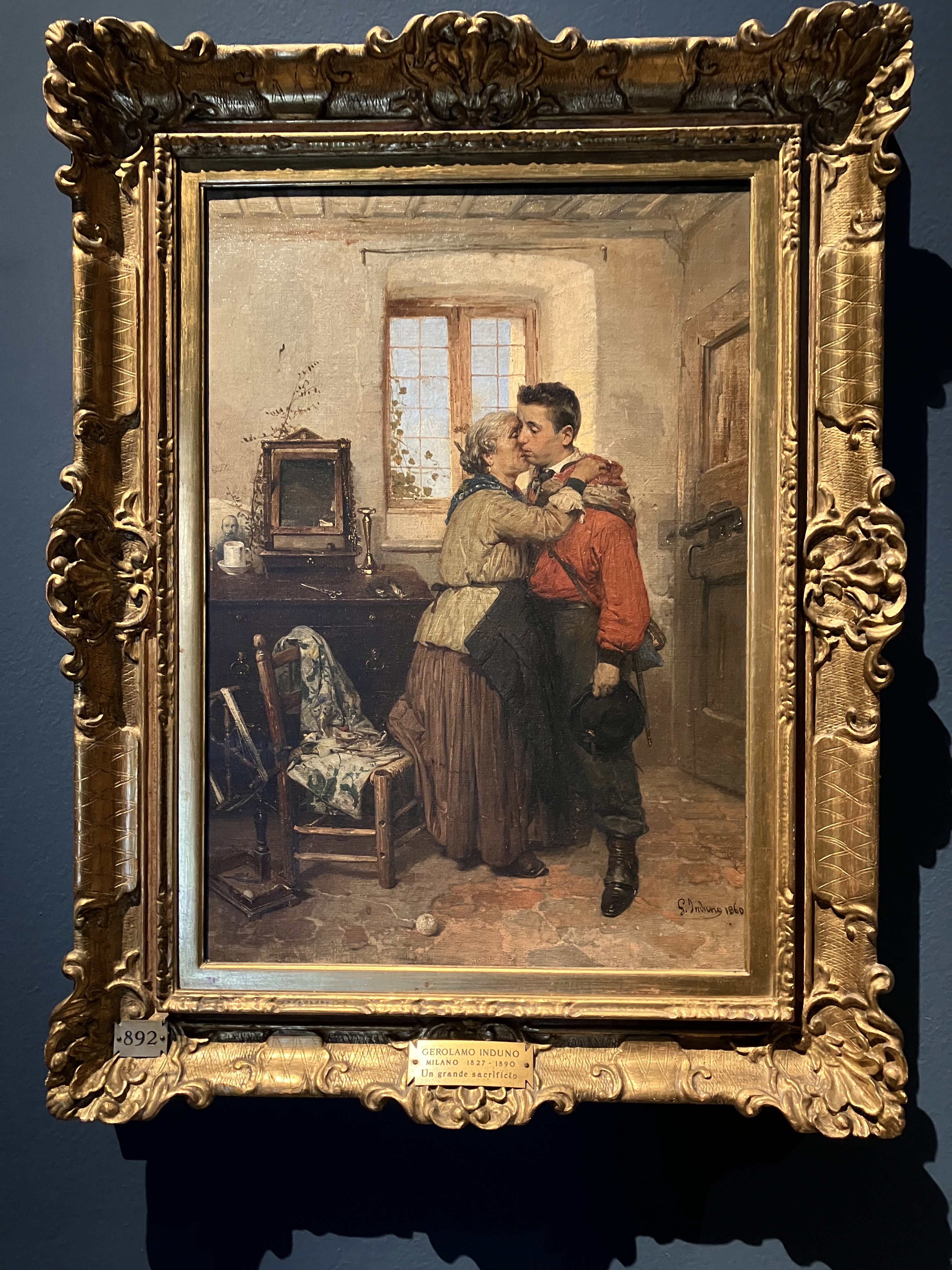
Our first stop was the Pinacoteca di Brera gallery—which happens to be the source of the most romantic gift ever. About a hundred years ago, when our children were young, we visited this gallery (mainly because we had not understood that to see ‘The Last Supper’ by Leonardo da Vinci required booking tickets months in advance. This was a less-good alternative). We walked to the gallery, and wandered around, looking at lots of religious art (which neither of us appreciate) and wondering why we had bothered, when we entered the very last room. This room displayed art showing life in the 1500’s, and it was much more to our taste. (This might be because, according to a sign, Gerolamo Induno and his brother ‘were the leading exponents of genre painting which used personal, domestic images to draw the uneducated classes to art.’ I am clearly one of ‘the uneducated class’!) I especially liked a painting by Induno, which showed a teenaged girl sitting in her messy bedroom, with a popular poster on the wall, apparently texting (actually, she was looking in a small  compact). I had a teenaged daughter at the time, and this painting struck a cord on many levels. I loved that even though the ‘poster’ was a popular painting by a local artist (‘The Kiss’ by Francesco Hayez) and the furnishings and clothing was different, the girl was not so different to girls today. I looked at the painting for a long time, and chatted about it with Husband, and forgot all about it.

However, Husband, who is not usually given to especially romantic gestures, surprised both of us. Using his work computer (because at the time, we shared one and he wanted it to be a secret) he contacted the gallery, asking if it was possible to buy a print. It was not, but if they were willing to send him a photo for personal study. This was all in Italian, which Husband does not speak. He agreed, and they sent him an invoice and a contract to sign (again, all in Italian, which he does not speak). He signed it (a bit risky!) and sent off a large amount of money (very risky!) and waited for the image to arrive. It never arrived. He then realised that as he was using his work computer, the IT security blocked files of a certain size. He had to contact the IT department, and admit improper use of company computer (luckily he was very senior, so they forgave him) and ask them to release the file. They did, and the image arrived. Husband then printed it off, and gave it to me for Christmas. What a lovely gift. We bought a frame for it, and hung it in the bedroom (because then it really is for personal study, and doesn’t break the agreement). Romantic, huh?

This year, we found the painting again. It was interesting to see the brush strokes (because they don’t show on my copy) and the slight variation in colour. The guard shouted at me for standing too close.

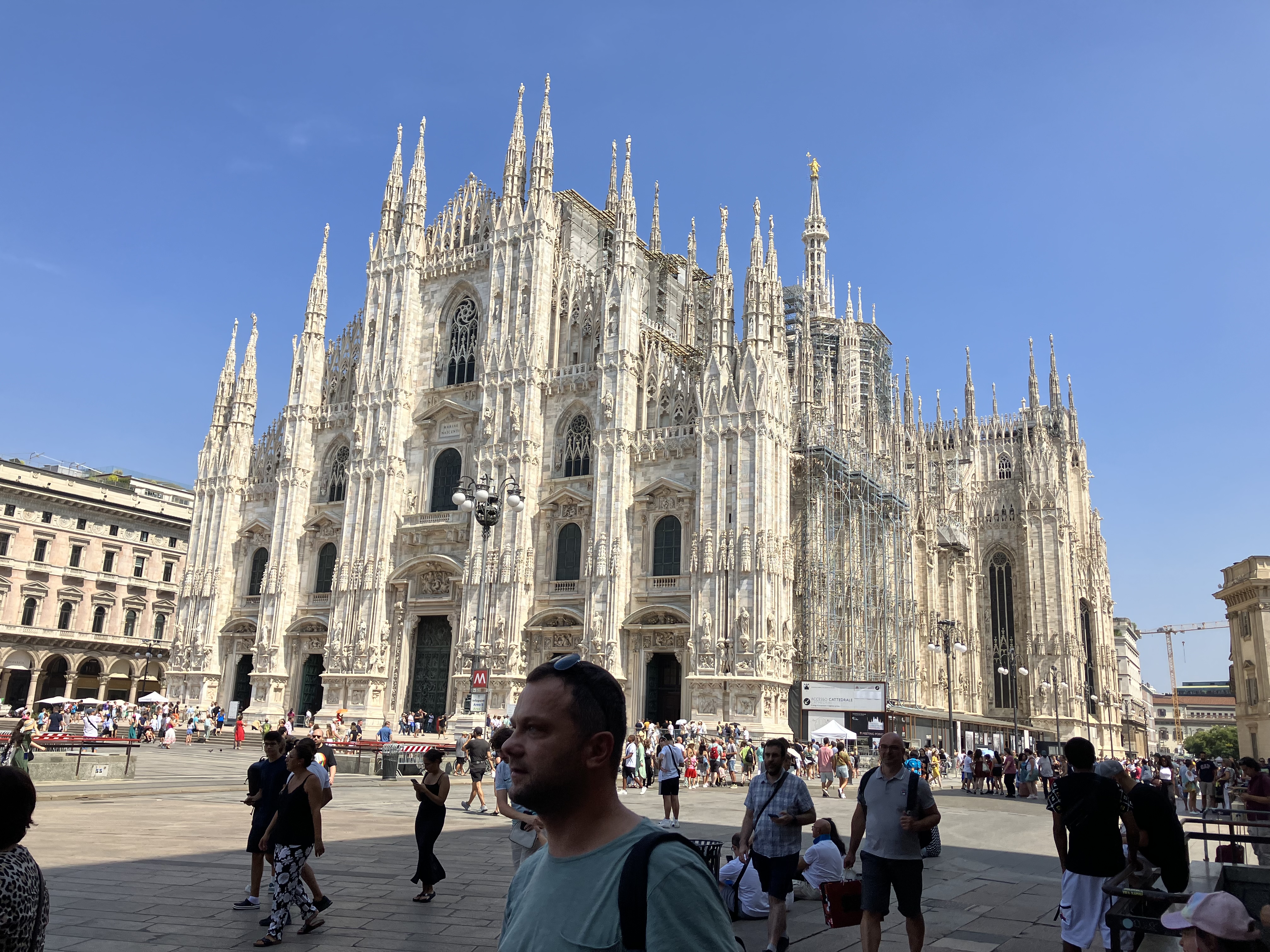
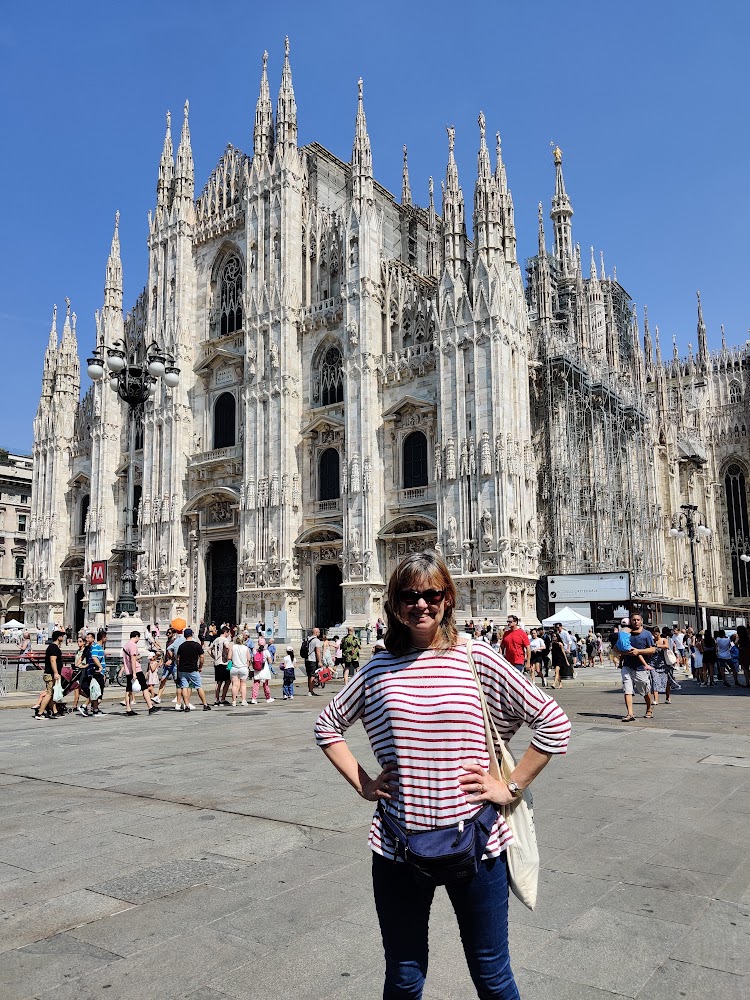
After the gallery we walked past the shopping arcade with the fancy roof, and to the cathedral (the Duomo). The queue for the cathedral stretched out across the plaza, the sun beat down, we decided to just look at the outside. We enjoyed seeing the gargoyles and statues (which I wrote about in my blog on Milan a few years ago). We walked down towards the castle, and I thought I might melt. So hot. We detoured into a lovely cafe, and ordered desserts and drinks, and spent the whole afternoon chatting and eating ice cream. Which frankly, is not a bad way to spend an afternoon.

We ended the day with drinks in the hotel bar (which is rather nice because they brought plates of snacks to eat with the drinks). We ate in a cafe near the hotel. Went to bed tired—it’s surprising how heat saps energy even when you don’t do much. Tomorrow we head for the Alps, where we have a little apartment for a couple of weeks. I am hoping it will be cooler.

Thanks for reading. I hope the weather is good for you today.

Take care.

Love, Anne x

Another painting I like.
It shows a mother saying goodbye to her son as he goes to join Garibaldi’s army.

Thanks for reading.
anneethompson.com
Sign up below to follow my blog.
*****

Milan was Hot


Milan was hot. As in, really, really hot. We flew to Malpensa Airport, with the excellent plan to catch a train to the city centre and then walk to our hotel. The airport part went well. Milan airport has a walkway, which is basically an art gallery, with sculptures and music and atmospheric lighting. An unexpected interlude as you pull your luggage towards the railway station. Only in Italy.

The rest of the plan was less interesting. We managed to buy tickets, and found the correct platform, and boarded the train. But as we perched on seats around the luggage (that we were too worried about leaving in the rack next to the door) we realised the journey was long, and it was past lunch time, and we had been awake since 4am. I tend to wilt when I miss meals, so had brought some snacks, but they were warm and squashed and tasted of plastic.

We arrived at the massive station in Milan, and eventually managed to find the exit (though not the correct one). Walked around the exterior of the station, pulling heavy case over ruts in the paving stones while the sun burned down on us. Followed Husband along many hot streets, over many major roads, with suitcase wheels sticking and clothes soaked with sweat whilst passing pristine-looking beautiful Italian people. Italian people always look like they washed their hair this morning and have dressed in the latest designer clothes and are just taking a break from looking beautiful to meet their friends for an espresso. Felt very English.

Arrived at the end of the slope up to the hotel. It was steep, and cobbled, and I thought I might faint. Luckily, a porter spotted us, and came to the rescue. Usually we bat away porters and cling on to our bags as though they contain the crown jewels; this time I relinquished my luggage with thanks and offered to buy him dinner. (The dinner bit isn’t true, but the emotion was there.)

We stayed at The Westin, which apart from the steep cobbled drive, was very nice. Our room was clean and comfortable, and they provided ‘White Tea’ toiletries which I especially like.

After a shower and a change of clothes, we went to meet friends for dinner. I had been very clear when explaining that walking far was not going to happen, and thankfully the restaurant was very near the hotel. We sat  under a sunshade, and had drinks and ice-creams and watched the trams carrying beautiful people to wherever it was they were going. It was still hot, but as long as I wasn’t required to move, it was fun.

Dinner was pizza. I don’t much like pizza, but having said I wasn’t walking more than 2 1/4 minutes from the hotel, I didn’t feel I should give further input. It was actually very tasty pizza. Unfortunately, the local insects also found me very tasty, and in my rush to shower and change, I had forgotten insect-repellent. Luckily, I was so tired that even itchy bites couldn’t keep me awake, and I slept well, ready for a day exploring the sights of Milan.

In my next blog I’ll tell you about the most romantic gift I have ever received, where the coolest parts of Milan are, and how to make an ice-cream last an entire afternoon.

Thanks for reading. I hope you manage to struggle through an difficult parts of your day.

Take care,

Love, Anne x

Thanks for reading.

anneethompson.com

Sign up below to follow my blog.

*****

How Should We Pronounce YHWH?


In my last blog, I continued my discussion about God’s name, and whether we should call him by the name given in Exodus, or by a title, such as ‘LORD.’ However, if we DO decide to use the name given in Exodus (whether privately or in public) how should we pronounce it?

Usually, we see the tetragram YHWH used in place of God’s name. I understand this to be because some people consider the name too holy to say, and therefore they remove the vowels. The name given in Exodus is : אֶֽהְיֶה which is Hebrew for ‘I am/will be’ and usually the masculine singular form of the verb is used: ‘יהוה’ which we substitute for the English letters: YHWH. We then add vowels to make it pronounceable, and end up with ‘Yahweh.’

I was interested to learn how this should be said though, especially given the v/w confusion — I’m not sure why ‘W’ is used, as I have learnt that  ‘ו’ sounds like ‘v’. I will ask my tutor when term starts. Why do we not write it as ‘Yahveh’? I did some research, and discovered that likely BOTH are wrong—or at least, not what Moses would have said.

Languages, all languages, change over time. If Chaucer stepped into a time-machine and arrived in Tesco, I doubt they would understand what he was saying. If Shakespeare arrived in Waitrose, they would probably understand him, but assume he was foreign. Now, Hebrew has also changed over time. During the time of Moses (whenever you decide to date him) the Hebrew being spoken/written was different. The verb that is used for God’s name would have probably been written with a waw, a ‘v’ in the middle, as we write it today. Before 900 BC, there were no vowels, so the ending we have today would not make a ‘eh’ sound, but more of a ‘hah’ sound. Therefore, the problem we have (as explained by Mark Futato, The Divine Name ) is that the middle of ‘YahWeh’ is before Moses, but the ending of YahwEH is way later, long after Moses. Therefore, whatever name God gave to Moses, and whatever name the people then used in the Old Testament, it was almost definitely NOT ‘Yaweh’.

Does this matter? We don’t think so in the case of Jesus, (as Andrew Case, Pronouncing and translating the Divine Name points out). We say ‘Jesus’ but his parents would have named him ‘Yeshua’ and if you go to Italy, or China, or France, they pronounce it differently again. As I commented in my last blog, maybe the name is less important than we think. Maybe it is who God is that matters, and his name is for our benefit, so we know who we are talking to—and therefore the pronunciation, or whether we use a name or a title, does not matter at all. Thanks for reading.
Have a great day, and take care.
Love, Anne x

Thanks for reading.
anneethompson.com
Sign up below to follow my blog.

God’s Name—More Thoughts


I have further thoughts on whether we should refer to God as YHWH, or a pseudonym, such as LORD or ‘The Name’ or ‘Jehovah’. Here are some interesting considerations.

For example, what should Bible translators write when translating parts of the New Testament that include direct speech and are quotations of the Old Testament? In New Testament times, they would have quoted the Hebrew version—which uses YHWH as the name of God. However, whilst they would have thought the Hebrew word, they would not have spoken it. Since the time of Amos, speaking God’s name had almost superstitious repercussions, so when speaking, even when reading aloud, they would always substitute ‘Adonai’ or ‘Elohim’ in place of YHWH.[1] Of course, the New Testament was written in Greek, so they simply used the Greek word for ‘Lord.’ What therefore, should modern translators write? You understand my question? Should they write what the people would have actually said, or should they write the words of the Hebrew passage being quoted? If you look at Bibles from different ages, they have not all agreed on this, and there are differences. I guess it doesn’t affect the meaning of the passages, but I find it interesting.

This leads to a consideration of why New Testament writers didn’t find a Greek equivalent for YHWH, and instead used ‘Lord’ (κυρίου). Should we follow this example, and no longer use the name of God? Everyone is a product of their times, even if we choose to reject our culture, we are affected by it. Did the early church continue the embargo on saying God’s name? I don’t have any evidence either way, but certainly was what written implies they continued to substitute a pseudonym.

Whilst this is interesting for Christians, for modern Jews it is more inflammatory. Apparently, the 1985 version of The New Jerusalem Bible used the name YHWH, but in 2019, the chief Rabbi of Rome spoke to Pope Benedict XVI and asked for this to be changed, as saying God’s name is offensive to Jews.[2] This then, is another consideration. As Jews find the spoken form of YHWH ‘offensive’ should we, due to respect, also not say God’s name? We do not, as a rule, adapt our religion for other faiths—and certainly I wouldn’t suggest that we stopped talking about Jesus because some find our belief offensive—but is this a little different? Is it seen as overtly confrontational? I do not, myself, follow the teachings of Islam, but nor would I write or draw something about their faith which would be insulting. Not on purpose. But to what extent should we accommodate other beliefs? Where do we draw the line, what is ‘respectful’ and what is acquiescing to something which we do not believe?

I suppose it depends on whether we feel we should use God’s name. Did God give the name YHWH because it is personal and represents a personal relationship? Or is it merely a label, given for ease of reference, because God is so much bigger than anything we can comprehend and a ‘name’ is a human invention. In Exodus 3:14, it seems clear: ‘This is my name forever, and thus I am to be remembered throughout all generations.’ (זֶה־שְּׁמִ֣י לְעֹלָ֔ם וְזֶ֥ה זִכְרִ֖י לְדֹ֥ר דֹּֽר ) I would interpret this as meaning that God’s name, YHWH, should be remembered forever. However, the form of the name, ‘I will be’ (אֶֽהְיֶ֑ה) might be significant—perhaps God was saying that his ‘name’ (as in, how he is to be known/understood) is in what he has done (that is, having been the God of Abraham, Isaac and Jacob) and therefore this, these past actions, are his ‘name’ and this is what should be remembered forever.

If we pay heed to how the people in the ancient Near East thought, then something only existed if it had a name and a function.[3] Therefore ‘naming’ gods was important, as was knowing what they did. Is this the problem that God is addressing? Does he understand that Moses, as part of his ancient thinking, needed God to have a name and a function. This is certainly what God gives him in the Exodus passage.

Perhaps this giving of names is less important to our modern minds. Many people admit to believing in ‘something’ but they are happy to keep it vague. I have friends who admit to believing in ‘something’ but nothing more specific than that. There can be ‘some kind of God,’ something beyond our human world, but they don’t need a name. Personally, I’m not sure whether I need a name or not, but I do need evidence of action, I do need to remember what God has done for me, I do need to know that he is a reality. Maybe this is what Exodus 3:14 is saying.

I will continue to grapple with this. If you read anything relevant, let me know. In my next post, I will consider how God’s name should be pronounced–because that’s not clear either!

Thanks for reading. Have a great day, and take care.
Love, Anne x

Thanks for reading.
anneethompson.com
Sign up below to follow my blog.
Please like and share.

[1] Andrew Case, Pronouncing and Translating the Divine Name (Amazon: Self-published, 2020).

[2] Dom Henry Wansbrough, The Revised New Jerusalem Bible (New York: Penguin Random House, 2019) see Forward.

[3] John H. Walton, Ancient Near Eastern Thought and the Old Testament (Grand Rapids, MI: Baker Academic, 2018)

Cambridge Stories


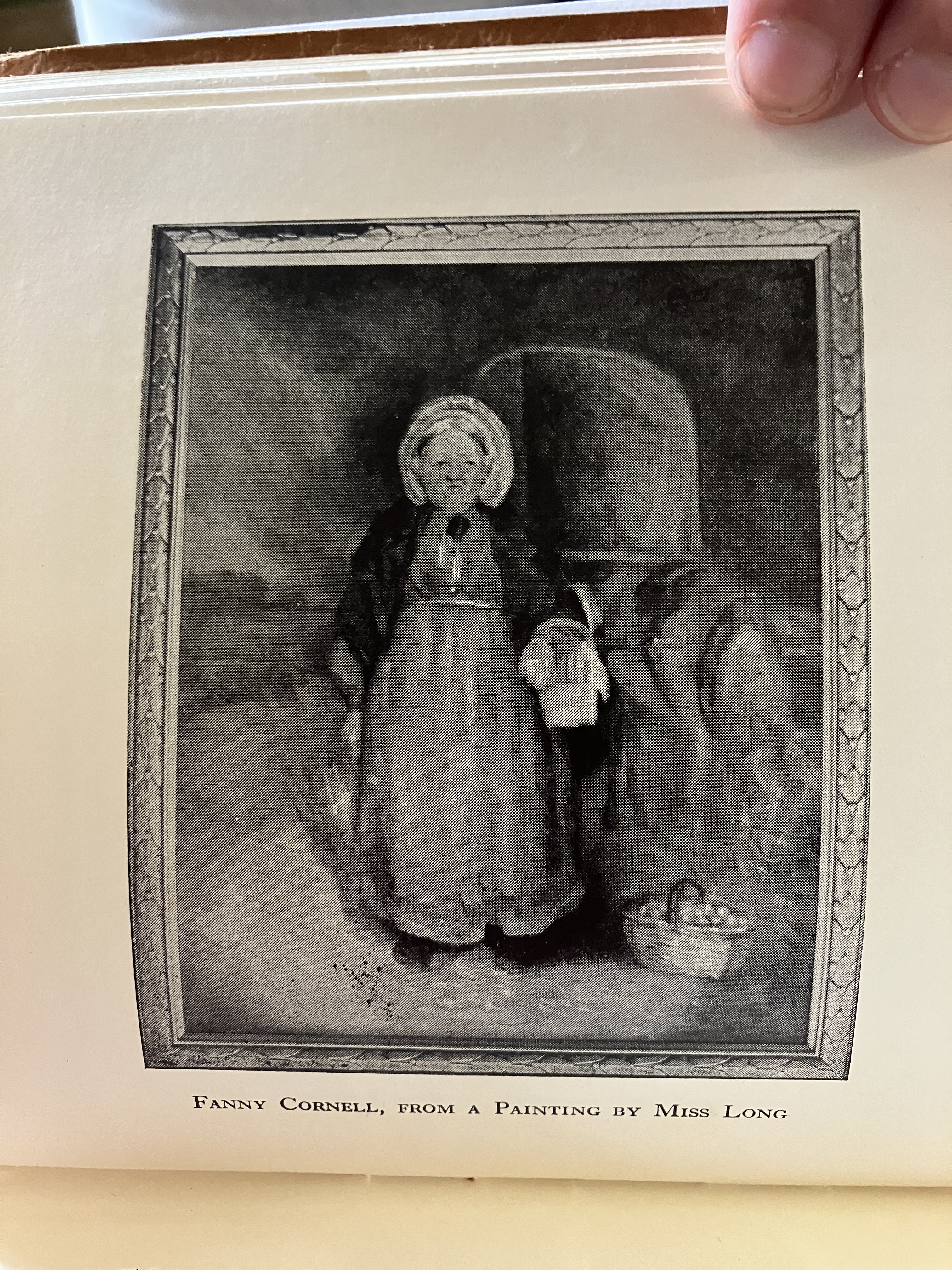
There is a story in my family, about Fanny Cornell. She was my grandfather’s great great grandmother (I may have the number of ‘greats’ wrong) and she was a carrier in Harston. Harston is a small village near Cambridge, and the story goes that Fanny had a horse and cart, and she would regularly transport goods from Harston to sell in Cambridge. I picture market gardeners, lace-makers, weavers — all giving small bundles to Fanny, to be sold at the market. Apparently she couldn’t read or write, and she kept the money folded into separate parts of her handkerchief, and despite the complicated sums and various amounts, she always gave the correct money to the producers in Harston.

However, the most memorable part of the story is that after selling the wares in Cambridge, Fanny would visit The Eagle pub, where she would drink until completely legless. The landlord would then lift her back onto her cart, and the horse knew the way back to Harston. In case of robbers, Fanny kept a large pepper pot on the cart, ready to throw into the face of anyone who tried to delay her. (I’m not quite sure how the ‘brave woman with the pepper-pot’ tallies with the ‘completely drunk being carried home’ description, but family folklore is best if not fact-checked too closely.)

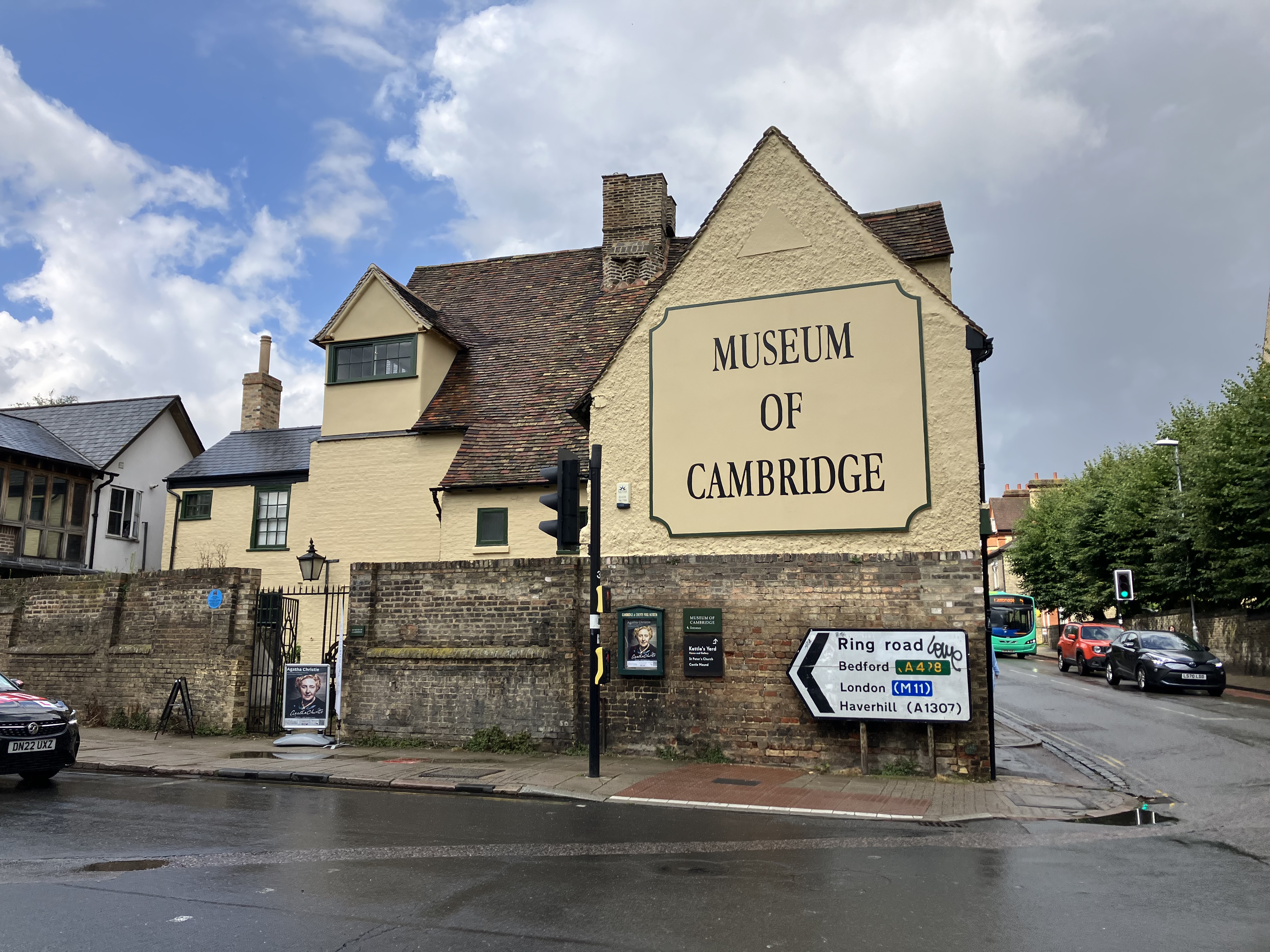
When I mentioned the story to Emm, he was very excited and told me he often drinks in The Eagle as it’s near where he works. We decided to visit and take Ruth before she goes back to Canada. Our aunt thought that we might find the portrait of Fanny in the folk museum in Cambridge, so we went there first.

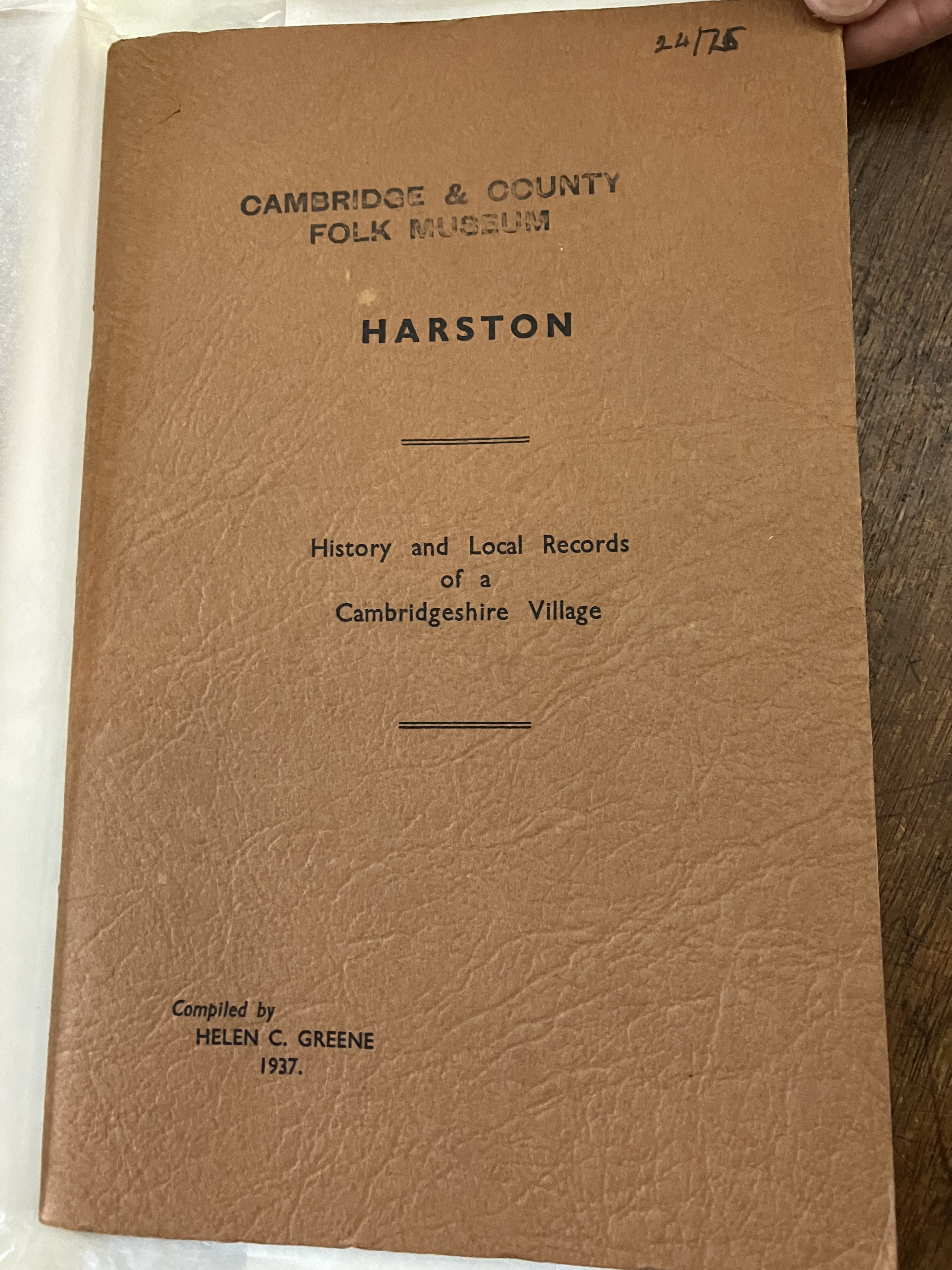
The folk museum is in a building previously used as a pub, and the various rooms display historical Cambridge. There was also an Agatha Christie display, which was interesting because I read all her books when I was young, but I never discovered what her link to Cambridge was. Husband found the museum challenging, because it was reminded him of the Victoria and Albert in London — more like an attic of stuff people don’t want to throw away than an organised archive. But I loved it. The man at the entrance was very interested in our story of Fanny, and contacted the curator for us. I expected an elderly woman with tangled grey hair, but instead an attractive young Canadian girl found us, and said she would look in their store room. She returned, not with a portrait of Fanny, but with a booklet about Harston which had a picture of a portrait. When we read the book, it seems that some of the ‘facts’ about Fanny might actually be merged descriptions of a few different individuals — though I guess there is no reason to assume that the booklet is any more reliable than our family story. (I have learnt a lot about ‘citing from reliable sources’ at college, and neither source is more reliable than the other.) I will believe our family legend until proven wrong.

Next was a trip to The Eagle. The pub has a few stories of its own: There is a window that is never closed since an ancient fire when people were trapped inside, and if it’s ever closed everyone in the pub feels suffocated. There is also table 4, which is occupied by a ghostly man. He happily shares the table when people sit there, but he frequently spills their drinks. Make of the stories what you will, but I think they’re fun.

The window at the top is always left open.

The pub was used by the RAF during the war, and has various insignia stuck to the walls, and the signatures of airmen on the ceiling. It’s also where the discovery of DNA was announced to the world, and there’s a plaque to commemorate the woman, Rosalind Franklin, whose work led to the discovery (even though the men who announced it tried to steal her work and exclude her from the credit). It was also full of modern-day drinkers, and tourists, and it was easy to imagine the bustle of ancient days.

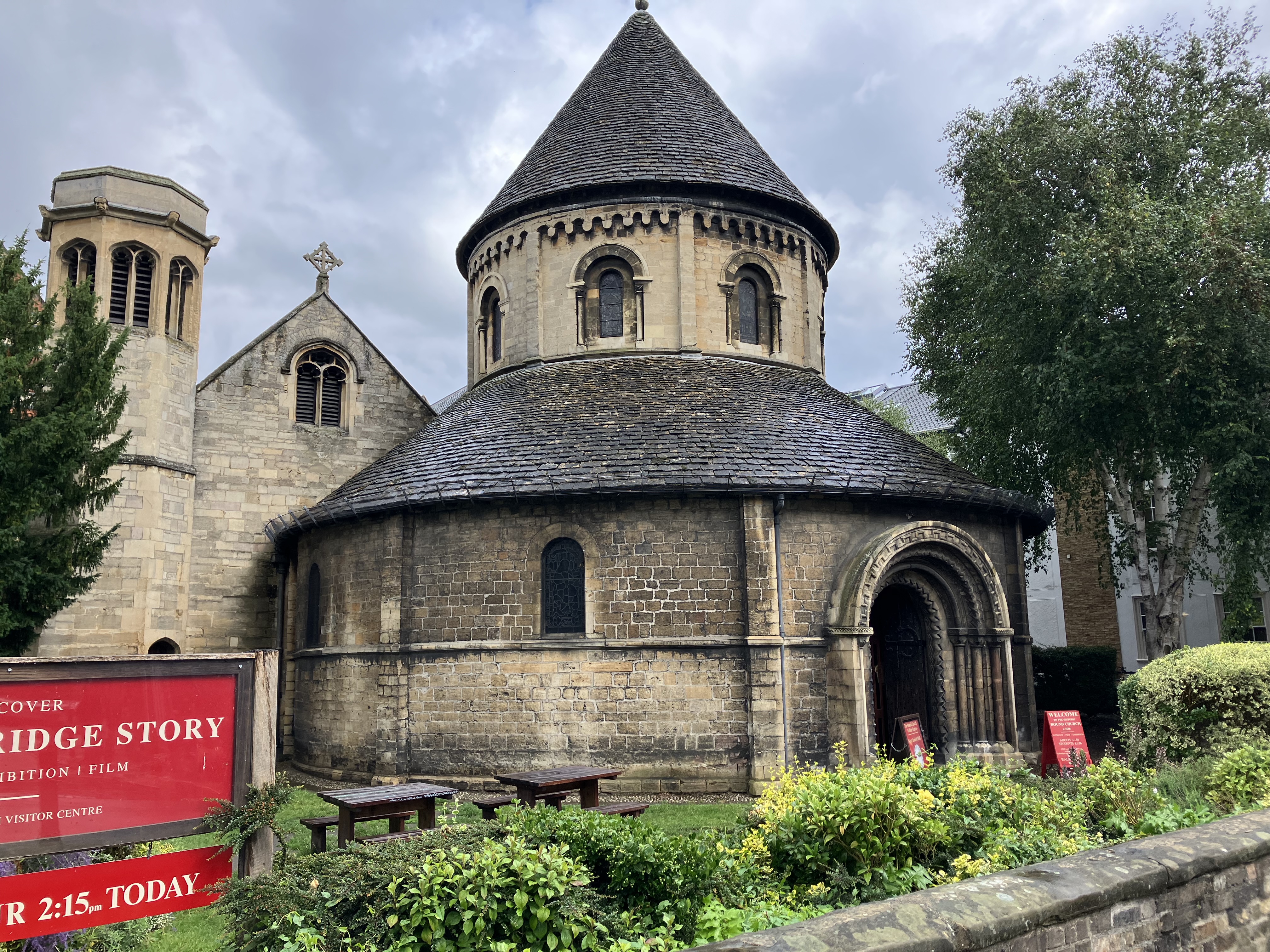
We did, of course, see more of Cambridge while we were there– the sandstone colleges, the ancient houses on modern streets, the university entrances that remind me of Victorian prisons with their high towers and forbidding gates, the tourists, the teashops, the roads full of cyclists. It was raining, and cold, but Cambridge is beautiful.

I hope you hear some good stories this week. Thanks for reading.
Take care.
Love, Anne x
Thanks for reading.
anneethompson.com
Sign up below to follow my blog.
*****

Ruth Days


My sister came from Canada for a family wedding, so we have enjoyed some days out. When she was here last year, we followed a trail around London, looking for garish painted statues. It was unexpectedly fun, so when we saw there is a ‘Tusk Gorilla Trail’ around Covent Garden, we downloaded the map and set off. ‘Setting off’ involves more planning these days, due to train strikes (sooo much I could write here) but the day we chose was lucky for both trains and weather. (English summer weather could be a whole blog.)

We walked from Victoria Station, and avoided the millions of people who had come to see the changing of the guard at Buckingham Palace. I like walking through London with my sister—she’s a photographer (amongst other things) and she makes me notice things I wouldn’t see otherwise. The trails are mainly fun because they take you to streets you wouldn’t normally visit, so although finding ugly gorillas (they were very ugly) is not especially compelling, the side-benefits are definitely worth it. As we followed the map, we met a few other people (all with children) doing the same thing. We shared hunting tips (some were hidden in squares or shops, so not easy to find) and tried not to notice that we were about 40 years too old. Next time perhaps we should kidnap a child to take with us.

*****

Our next trip was to Wakefield Place. This time we took Husband with us. We knew there was a seed bank there—not the baby-making kind. They keep samples of millions of seeds (2 billion, to be exact) in a huge vault under the ground. Visitors can wander around the centre, which has information boards and glass screens to protect the scientists from the tourists.

Apparently, most seeds can be dried out, which preserves their life and keeps successive generations safe. However, some seeds die if they’re dried, so they need specialised storage facilities to preserve them. It is these ‘recalcitrant’ seeds that the seed bank are researching. When you visit, if you are lucky, as well as seeing the information boards, you might see a rare scientist, complete with white lab coat and gloves, studying things (I assume seeds) under microscopes. It’s not unlike visiting a zoo, though only the brashest of visitors would photograph them.

Underground (where visitors are not allowed) they keep the temperature at -20˚C (with a wind chill—produced by fans—of -27˚C). My sister, who teaches in Calgary, was unimpressed by this, as she does outside playground duty in temperatures of  -20˚C most winters. But perhaps the fans are what make it dangerous down there.

After the seed bank, we explored the rest of Wakehurst place. It’s very nice, with lots of different sections to the gardens. I loved the wild areas, especially the ‘Boulder Walk’ which had trees growing over rocks, with their roots displayed. It felt almost indecent, like looking up someone’s skirt. There were some art installations (I am the wrong audience for them) and a very nice teashop. Unlike some properties, I didn’t feel everything was over-priced and designed to fleece the unsuspecting tourist (an annual pass is £35). We shared a pot of tea for £3.50, and sat outside, watching toddlers roll on the grass. If I’d thought about it, we could have come here first and kidnapped a couple to take on our gorilla trail. Maybe next year.

***

We are planning an outing to the beautiful city of Cambridge. I’ll tell you about it in my next blog.

Thanks for reading, have a lovely week.
Take care.
Love, Anne x

Thanks for reading.
Sign up below to follow my blog.
anneethompson.com
*****

Family Holiday Diary continued…


Near Porto, Portugal, July 2023

Tuesday

Went for a run, then a swim. People began to emerge at about 9, we left the house at 10:30.

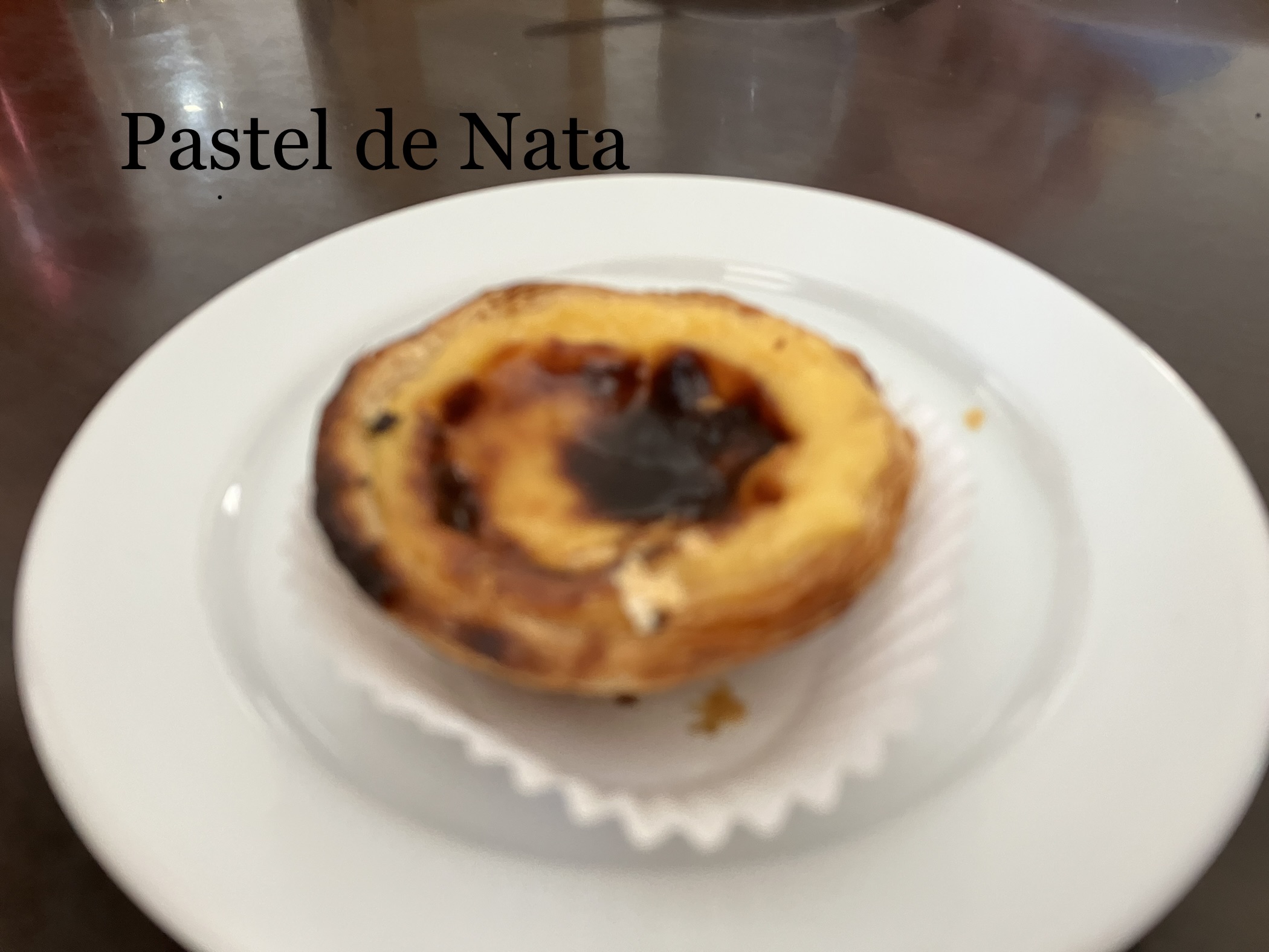
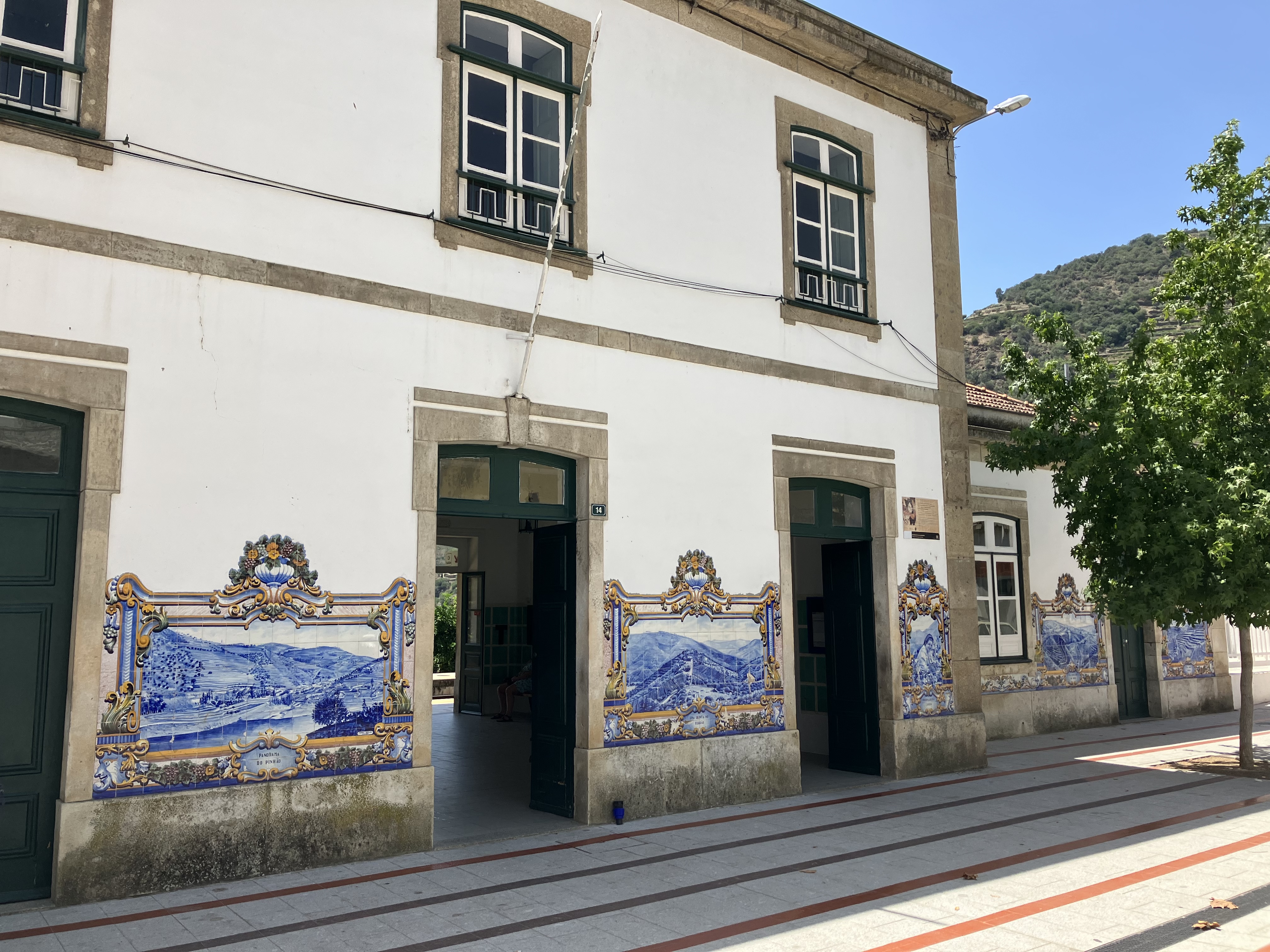
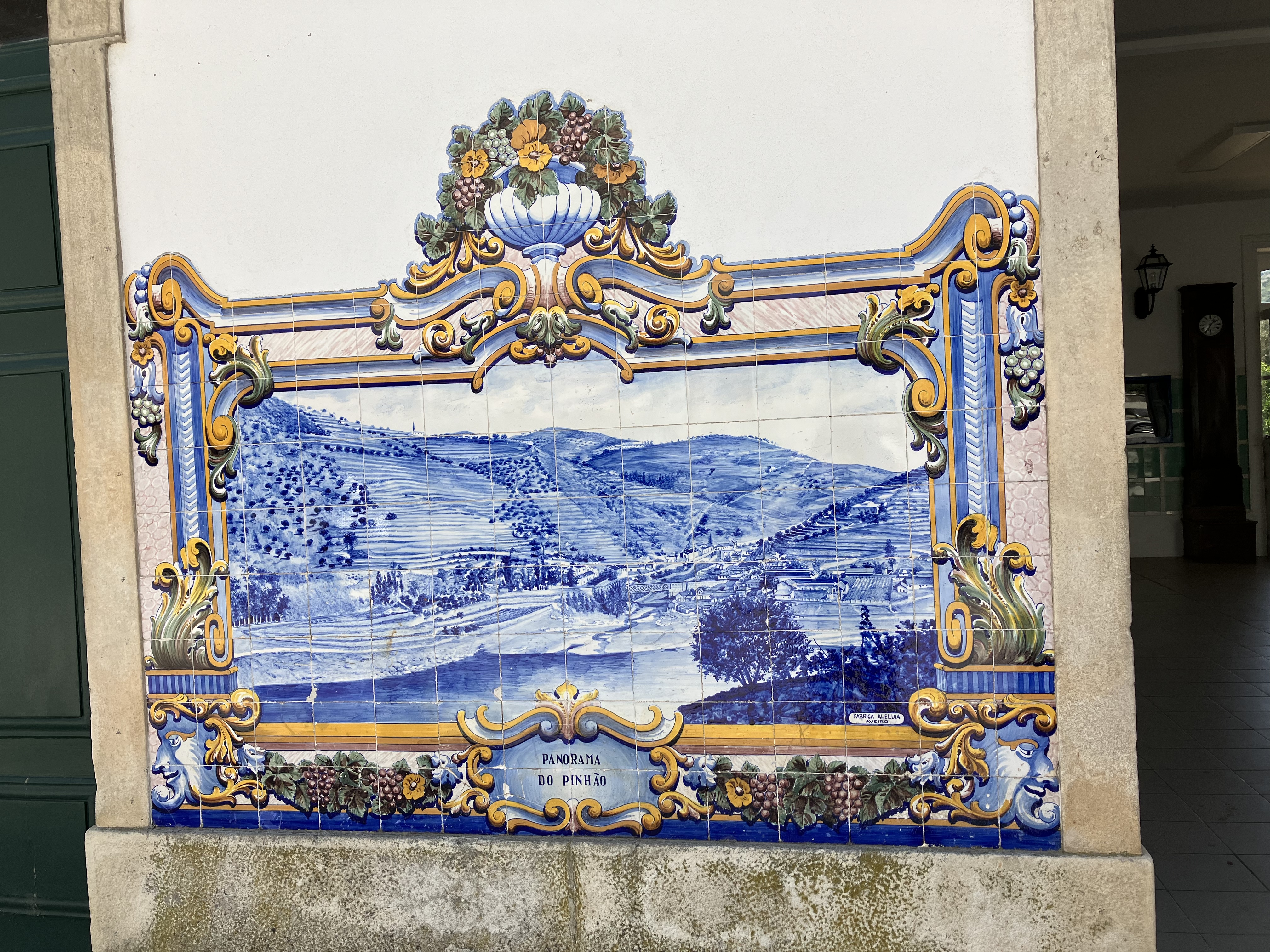
Drove to Douro Valley, stopped in a little town (Pinhao) and parked somewhat haphazardly on a cobbled street. We found a nice little cafe: Princesa do Douro. Freshly made sandwiches, decent coffee, clean facilities and friendly service. We bought a Pastel de Nata which is a traditional tart, filled with something similar to egg custard. It was very tasty, wish we had bought more. Nice place to stop.

After lunch we tried to wander around the town, but it was too hot and Husband was too antsy, so instead we went to the boat place. This was more complicated than it sounds, as there are several different boat companies and we had booked online. Found the name on a building and went inside. We sat in the company office while they looked for our reservation, enjoyed the air-conditioning, looked at their photos, downloaded their app—then discovered that we were in the wrong company office, so left very quickly! Hunted for the correct company. Found it eventually and waited in line at the little jetty. Worried that people from the arriving coaches might take our places, but all was fine. We boarded the little wooden boat, and sat under a shady awning, looking at the view.

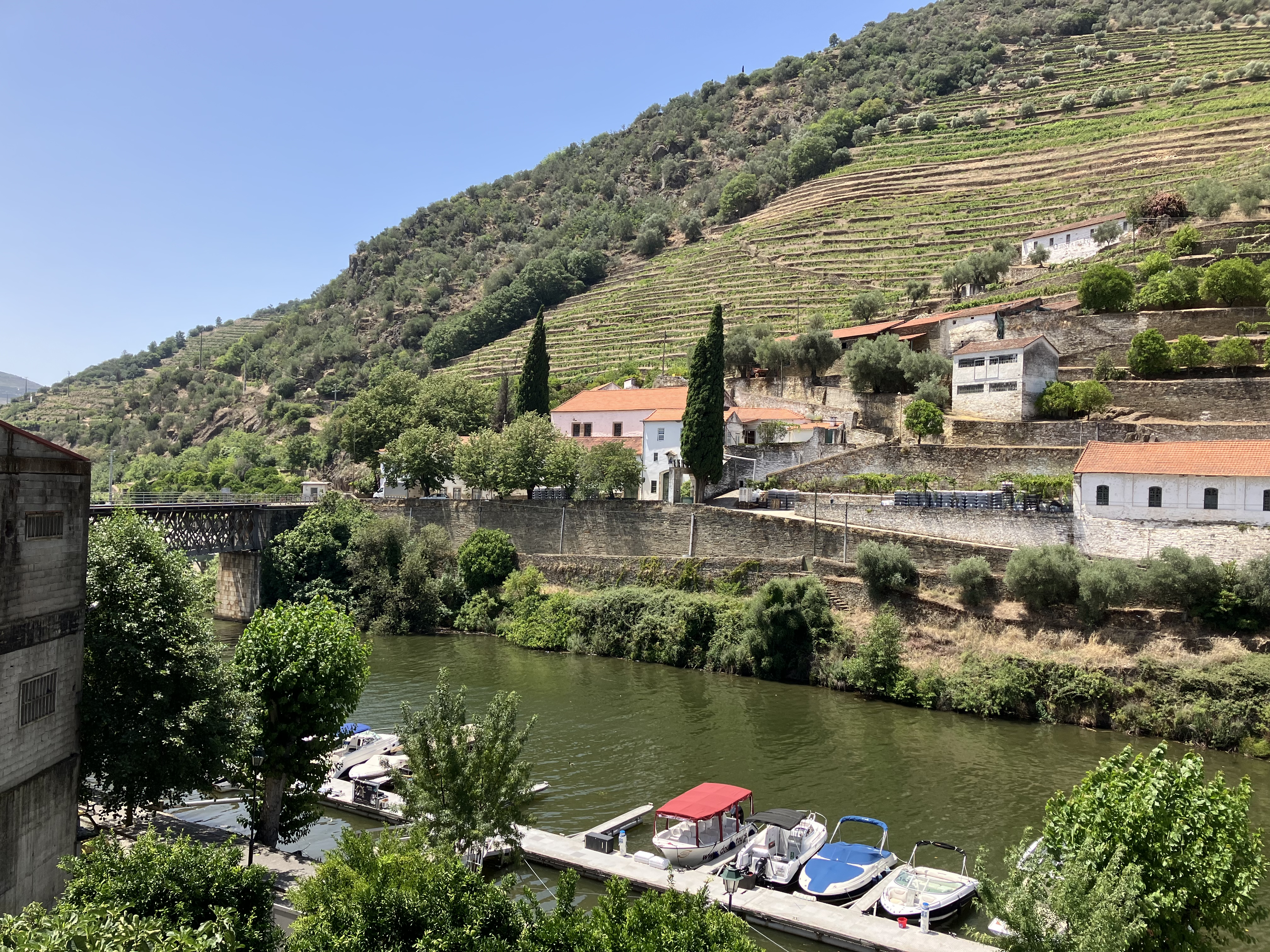
We had a one-hour cruise down the river, looking up at the vineyards on the hillside. Very pretty. The boat had shade, but it was still hot (didn’t need my cardigan). There wasn’t a tour-guide, so we just looked. It was pleasant, but I was happy it wasn’t longer than an hour. Some people were on boats that had come from Porto, and I fear this would be very expensive, uncomfortable and hot. But perhaps I’m wrong.

Drove back. Lots of winding roads, which I don’t feel G particularly enjoyed. It felt like a long journey home. The Douro valley is pretty, and it’s ‘a thing’ so you sort of feel obliged to do it when you’re here, but to be honest, a quick drive would have been enough for me. It was fun to see the tiered vineyards, and to spot the giant signs, like Hollywood signs, marking the different port manufacturers.

I got my mark for my proposal (68). Husband ate a nectarine and then got straight into the pool (these statements are not linked). J and F shared a tiny dessert (we had more, they must have wanted 1 ½ teaspoons each).

Wednesday

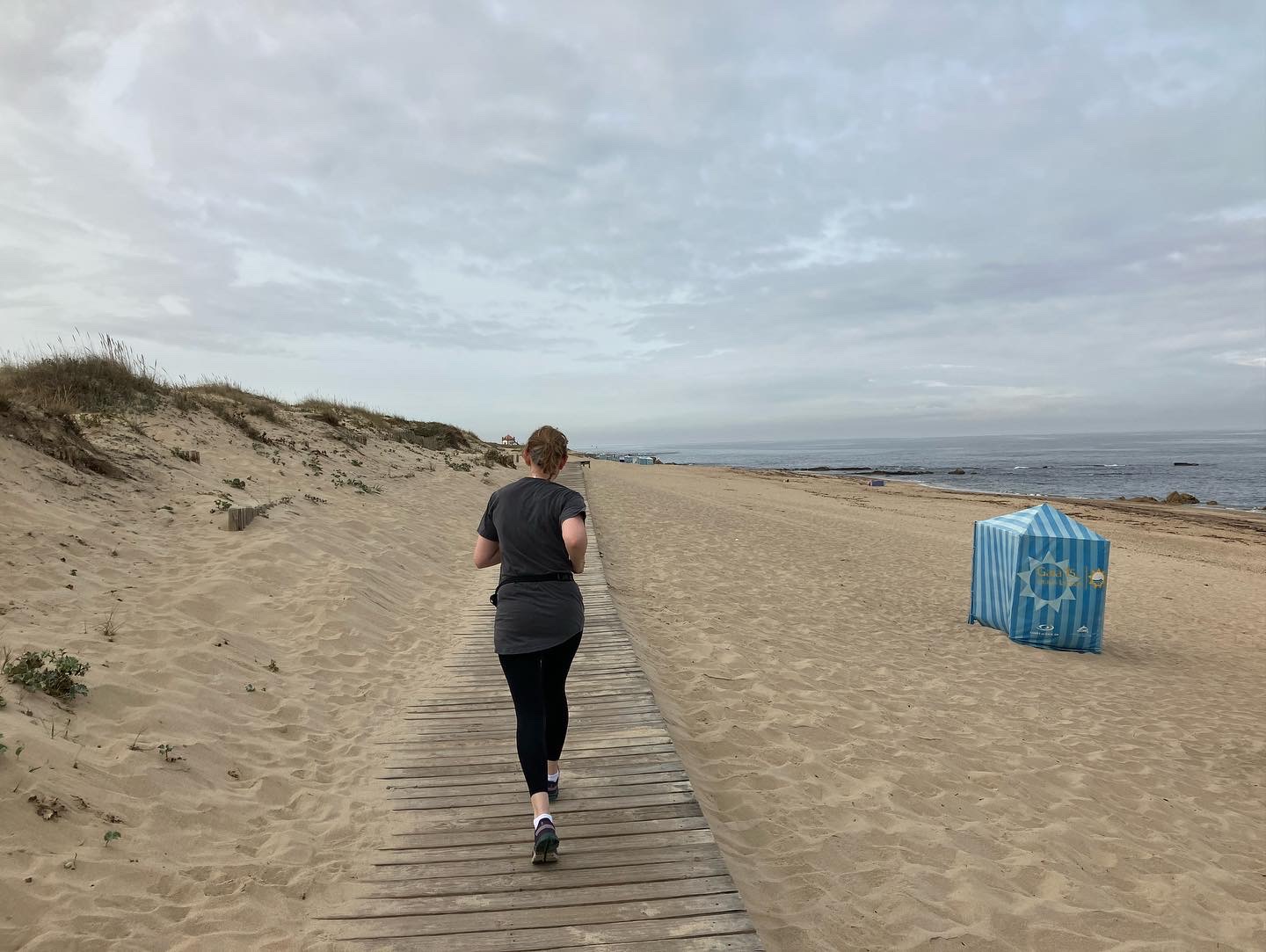
We ran to a little chapel, set on rocks at the water’s edge. According to Google, it is open for visitors, but the doors were locked when we were there. As the sea is the Atlantic, which has big waves at the best of times, I can’t imagine how it survives storms.

As we drew close, there were lots of school children arriving, so we slowed down (I am exaggerating) and dodged them as we ran along the boardwalk. Sections of the beach were cordoned off with ropes, and there were little tents where they put their bags. School on the beach must be a thing in Porto. I didn’t see any toilets, but perhaps they have an arrangement with a nearby restaurant.

There were also little tents hired by elderly people. They sat on deckchairs, watching the sea. Much nicer than the ‘meat market’ arrangement that I have seen on Italian beaches, where loungers are laid out with a couple of feet between them and no shade.

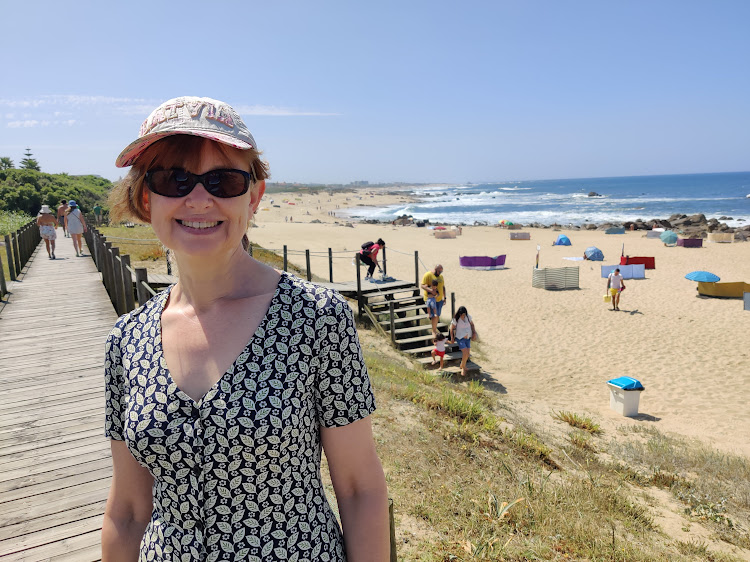
The beach here is nice, though probably not great if you like sea swimming, as there are lots of rocks. The sand is fairly soft though, so lots of people use the beach for sunbathing or walking. It has a nice family feel to it. After running, I walked back along the beach, paddling in the sea. There was a lot of sea weed, and a few shells, and some huge black sea-slugs–the size of my shoe–which looked like giant fruitgums. The weather was warm, though most days there was a strong wind coming from the sea, so it never felt hot. Definitely a fun place to have a holiday.

Thanks for reading. Hope you have a good week.
Take care.
Love, Anne x

Thank you for reading.
anneethompson.com
Sign up below to follow my blog.
*****

Family Holiday Diary continued…


Portugal, near Porto, July 2023

Monday

Went for a run, then a swim. Felt very virtuous.

R woke with a headache, which was a shame as today was her choice of activity (port tour) combined with F’s (trip into Porto). She thought she would be okay, so after a slow get up, F and G ordered Ubers and off we went.

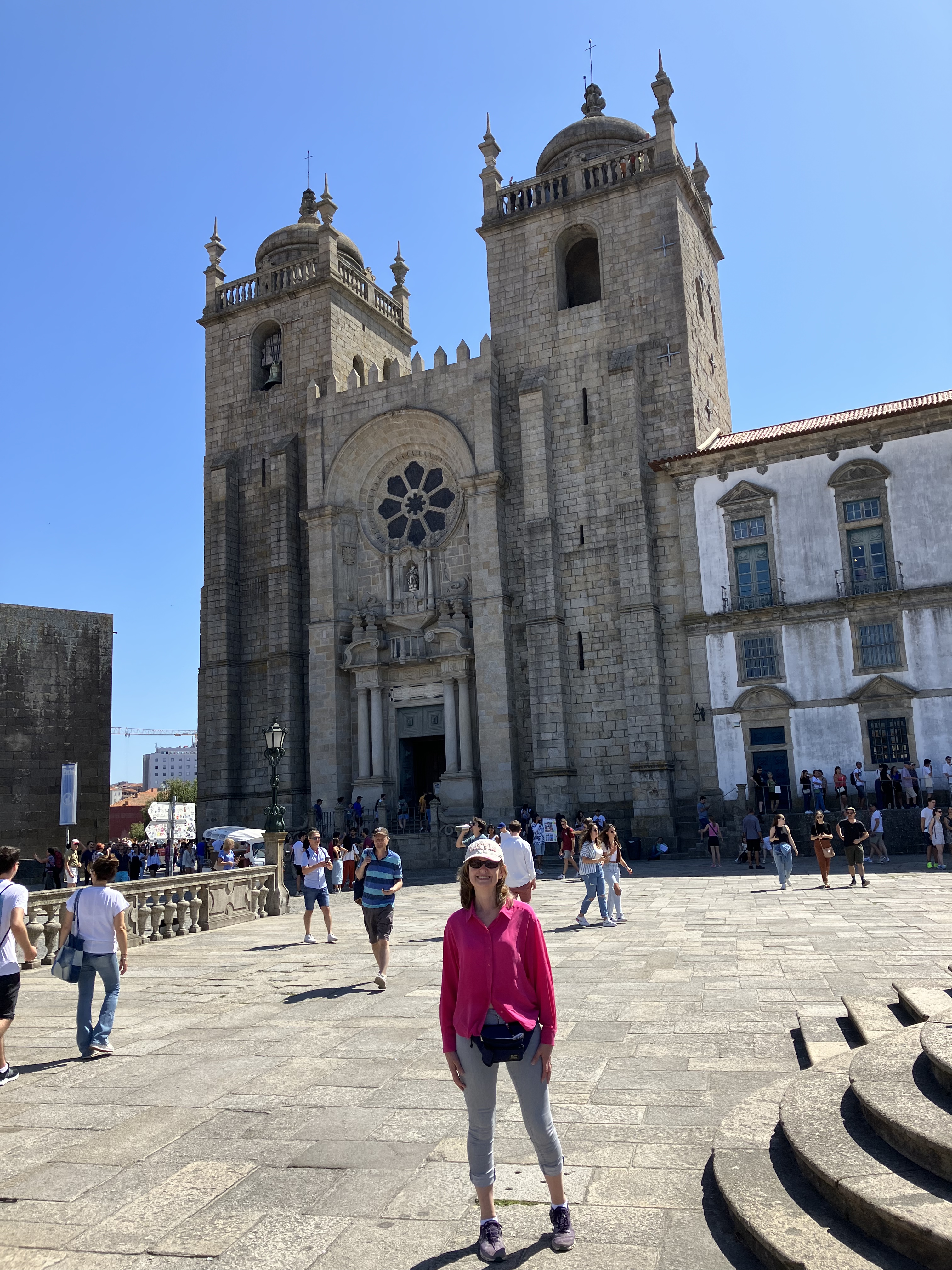
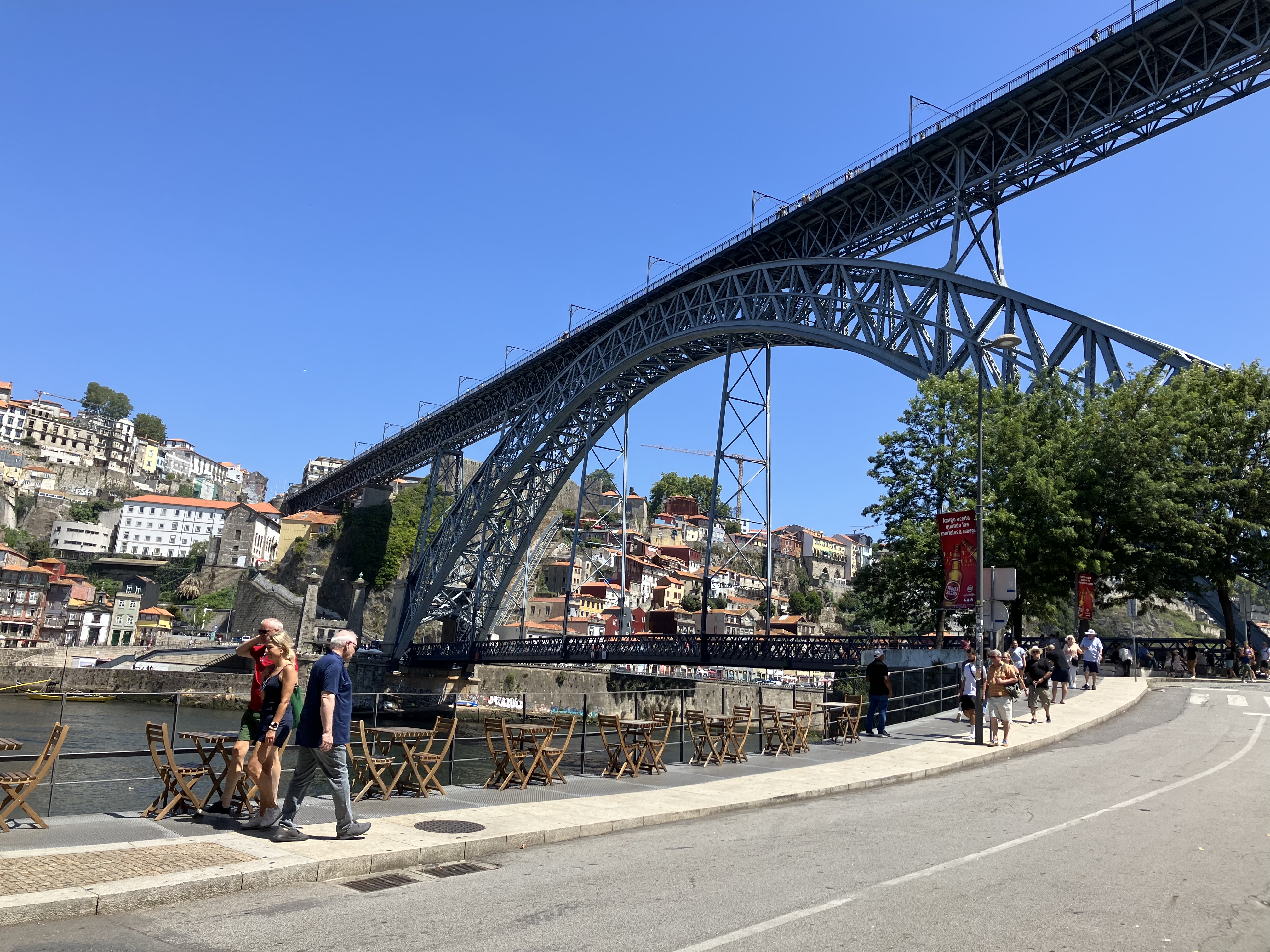
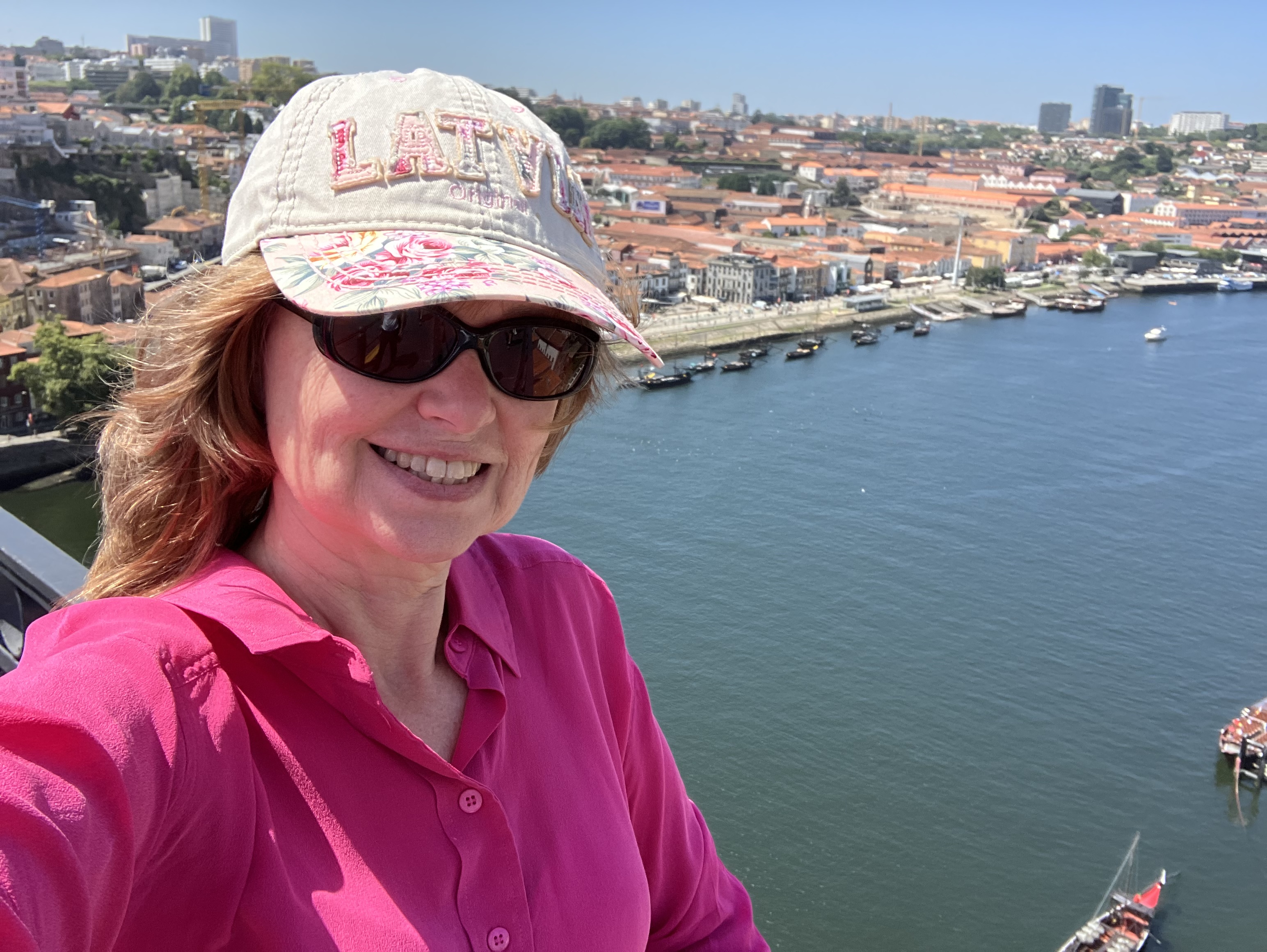
We were dropped at the cathedral. Porto reminds me of Rome—lots of pretty squares, old buildings, and music. The cathedral had various buskers, nice atmosphere. Husband suggested he could lead us on a walking tour. After following it for a few streets he was fired/resigned and F took over. We walked across the railway bridge (at the same time as trains, which I found as unnerving as the height of the thing) while M told us how fantastic it is (first ever bridge to double as both a suspension bridge on the lower deck and a sitting-on-a-support bridge on the upper level). It’s not pretty though.

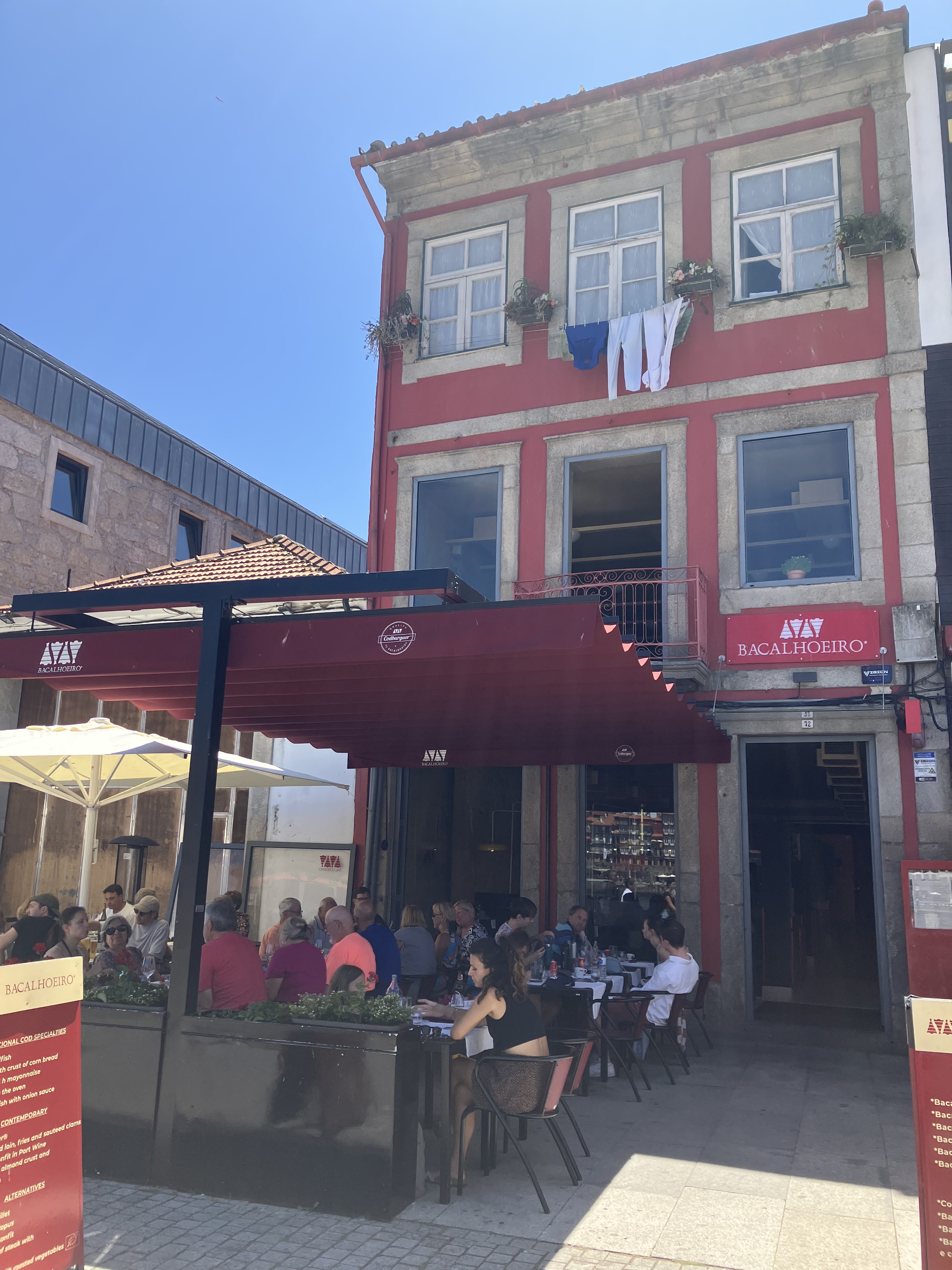
Husband persuaded M to climb a wall, and he grazed his fingers. More blood than expected. I was more concerned than he was. We wandered down to the river, and F suggested a restaurant area, and J found a suitable restaurant on Google, and we sat down for lunch. Patched up M with plasters. Food was really good (I had a cod burger, very tasty). Used the washrooms (because this is often not easy in a city). There was a busker nearby who couldn’t sing, but thought he could. It was painful. G had bites on his hand (I assume a mosquito not R) and his whole hand was swelling. We offered sympathy, but no one had anything more helpful.

Went for a walk. It was hot. M wanted to post a postcard, so went into the Tourist Information to ask where to post it. We were directed to a tiny shop selling trinkets, who had a shoebox-sized box in the doorway. This, apparently, is the box for international mail. It will be amazing if the card ever reaches home.

Went to Calem Port place. Had a tour, which we all remembered from when we did it last time (though it’s actually very well done). Went into the port tasting room. As we are seven people, we asked a couple if they would move so we could sit together. They refused. I photographed them (but family were adamant that I should not post it on my blog). R took some aspirin, which didn’t bode well. However, it turns out that aspirin and port is good for headaches, perhaps I’ll try this next time I’m ill.

We tasted 3 ports: a white, a rosé and a tawny. I preferred the rosé so gave my others away. M ended up with a row of tawnys, J did well with the whites. Husband chatted to the strangers next to him (of course he did). Nice afternoon. Ice creams, then ordered Ubers back to the villa. They arrived in about 5 minutes, it’s a really good service.

Within 3 minutes, at the most, of arriving home, Husband was persuading people into the pool to play  a game. ‘Keepy-Uppy.’ It’s a game that’s very noisy and lasts for about 6 hours. They seemed happy, though I fear Husband might have hyper-active tendencies. R and I tried to read, but it’s hard to concentrate with the noise coming from the pool. Sometimes I think nothing has changed in the last 20 years.

Thanks for reading, I’ll tell you more in my next blog.

Hope you have a fun week. Take care.
Love, Anne x

Thanks for reading.
anneethompson.com
Sign up below to follow my blog.
*****