Weddings, then and now.


We came home from Italy in time for my niece’s wedding. I really enjoyed it—it was an afternoon full of prettiness, and declarations of love, and being with family. I haven’t been to many weddings recently, so I was interested to see how much things have changed from when I was married in the 1980s. Many things were the same, but here are some of the differences:

Venue. Most people were married in church. My friends who married in a registry office (the only alternative to marriage in a church) did not include the ‘traditional’ elements of the wedding. So no long white dress, no walking down an aisle with the father of the bride, no music. A registry office wedding tending to be brief and functional, with very few people invited to attend.

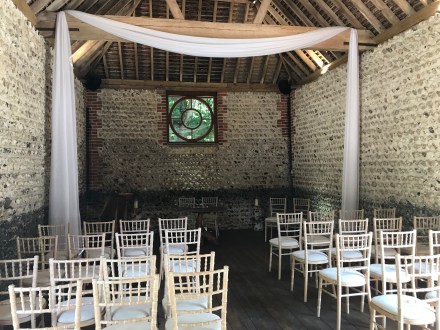
Today, the possible venues are varied. My niece’s wedding was in a barn, and the layout was almost exactly the same as any small chapel, with an aisle and flowers and rows of seats facing the front. There was even a wooden lectern to rest a book on. In England a non-church wedding can’t include hymns or prayers or Bible readings, but there was music.

I sort of understand why ‘the church’ demands that non-church weddings don’t include anything religious, because God, and the worship of him, is not a game; not something to pick up and use like something of no importance. Therefore they want to regulate how their holy things—the holy book, hymns, prayers—are presented. However, I feel sad that if someone wishes to include God in their wedding but for some reason does not feel able to marry in a church, they are excluded from all outward signs of this. They can still invite God to be present, and they can pray internally, but I feel sad that English law makes it difficult for a couple to include God unless they want a church wedding. Over time, every marriage faces challenges, and wanting God to bless your vows, including him in the marriage seems sensible to me. I think a wedding is less likely to use religious things inappropriately than other places (like football matches, where hymns are allowed to be sung).
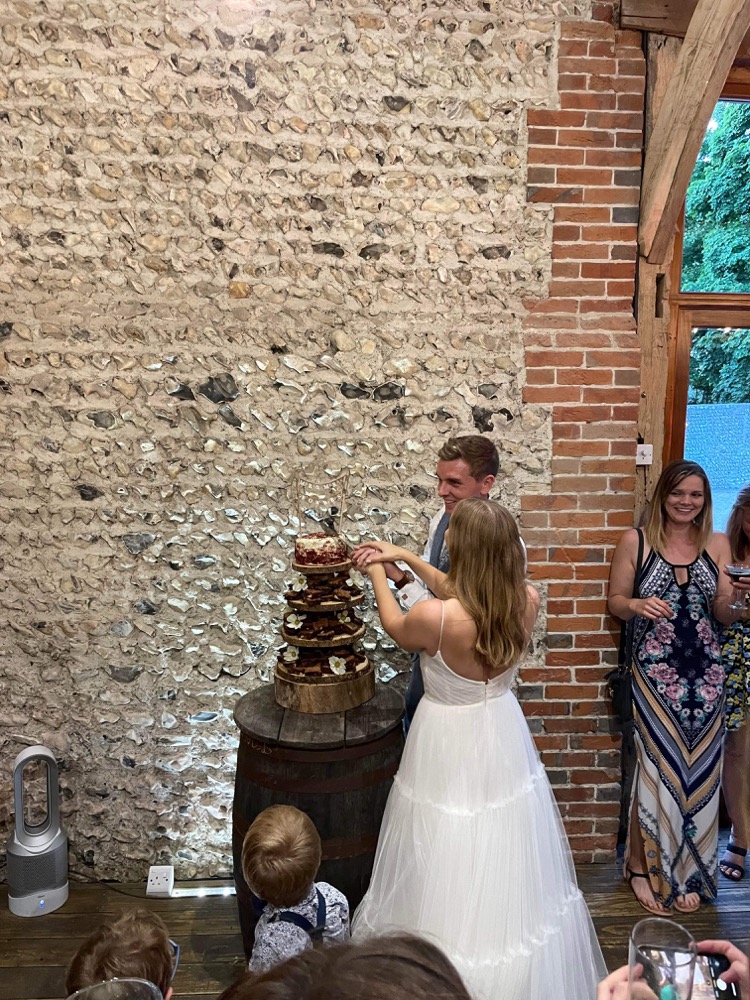
Vows. Some of the vows said at a wedding are legal requirements. These are the same wherever you marry, and they don’t seem to have changed since I was married. They have to be word-perfect, and said in the presence of witnesses and a person certified to register a marriage. In the past, at a registry office, these were the only vows said. Today, it seems popular to add your own vows.

Church weddings also include certain vows, as listed below:

I, N, take you, N,

to be my husband,

to have and to hold

from this day forward;

for better, for worse,

for richer, for poorer,

in sickness and in health,

to love and to cherish,

till death us do part;

according to God’s holy law.

In the presence of God I make this vow.

When I was married, the bride also promised to obey her husband.

Couples today seem to write their own vows. I’m not sure what I think about this. I was wondering what I would promise if I wrote my own vows. Marriage lasts a really long time. I think being faithful is important (because otherwise, what is the point of a marriage?) Promising to forgive is essential, and to try and listen. I think respect is important, and for me, being able to share anything and to laugh together lots, matters. Staying together, even when times are tough, is also part of being married.

Gender Roles. Traditionally, the bride was given away by her father, and accepted by her husband. I was completely happy with this when I was married (though actually, my brother gave me away). Today, many brides consider this sexist (not sure why I didn’t!) Even if they walk into the venue with their father, they may have words that don’t involve being given from one man to another.

There were other differences, but these were the main ones. However, the occasion was still about a couple committing to each other, it was still about love, and everyone dressed in their best clothes and arrived hoping to have fun. There was still a meal, and lots to drink, speeches (though these are not always said by males only today) and laughter.

The Cake. When I was married, we continued the tradition of having a tiered fruit cake, with formal white icing. The bottom tier was cut and shared with guests, the top tier was kept and used as a christening cake when the first baby was born. As people tended not to have children immediately, most couples removed the icing and shoved the cake in the freezer until they needed it. Eating it a few years later felt decidedly dodgy, but as far as I know, no one was ever poisoned.

Today, many couples choose not to have a fruit cake, which seems an excellent plan to me (does anyone other than my brother like eating fruit cake???) There is still a cake, and it is still cut (which is a tradition which I never liked, and I wanted to leave out from my wedding, but I was told there must be a photo!) The wedding we attended had a red velvet cake and chocolate brownies to share, which are a much better idea.

Whatever traditions are followed, weddings are still about love, and a couple committing to stay with each other. Rather marvelous I think. Thanks for reading. Take care.
Love, Anne x

Next Monday I’ll tell you about our return trip to Italy. It was very interesting to live somewhere different for a while, and learn about a small town in the Alps.

Thanks for reading.
Why not sign up to follow my blog?
anneethompson.com

Italy: Angry Ice Creams and Absolute Beauty


Italy is beautiful. There are many beautiful places, but I have a personal favourite—do you?

You will remember from last week’s blog that we went to Italy for a couple of weeks at the beginning of August (returning for my niece’s wedding on the 18th, but you will have to wait until next week to read about that!) We stayed in LaThuile, which is a ski resort in the winter, and in the summer is a village of musical-box log cabins, and window boxes full of geraniums, and hot, hot, sunshine. The whole family plus partners came, and we had a happy time of reconnecting.

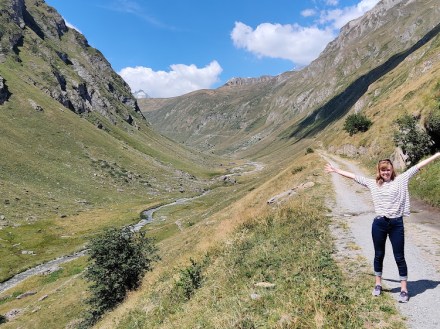
The Italian Alps might be the most beautiful place in the world. Even better than Scotland (which has some amazing scenery). I’m not a great lover of cities; I love big skies, and rushing rivers, and mountains, and trees (so Iceland wasn’t really my taste). Some of the mountains were still topped with snow, and snow is always exciting, even when it’s in the distance. (My family will correct me here, and tell me it’s not snow, it’s frozen glacier, but you know what I mean.)

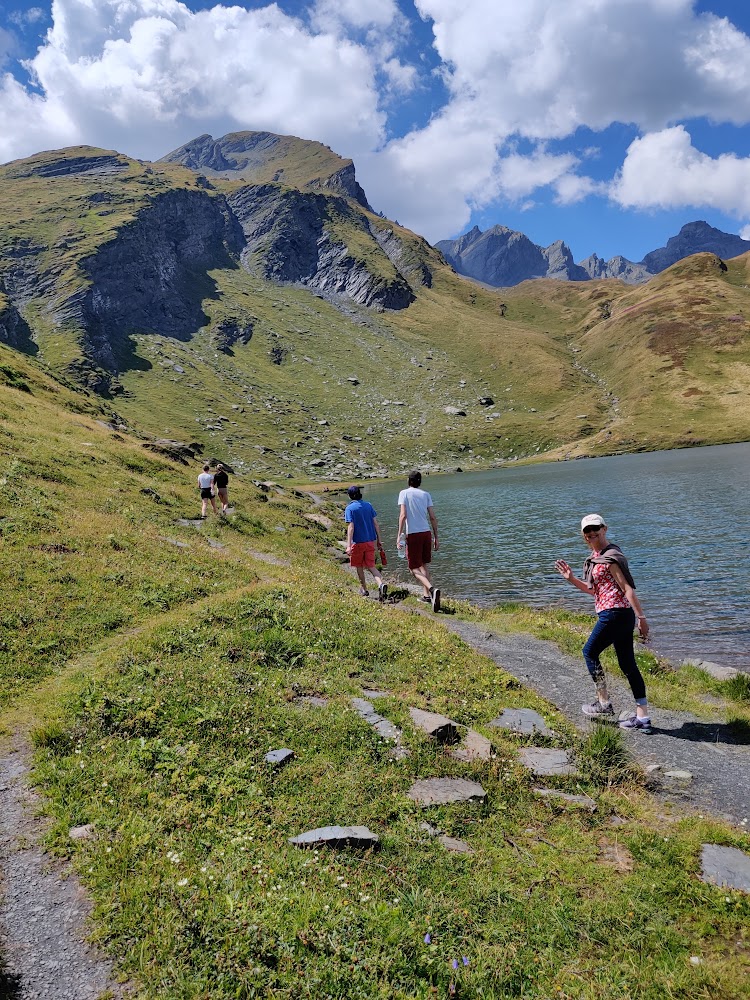
We visited many beautiful towns and villages, and walked up mountains, and through mountain passes, and along valleys. There was a lake, high on a mountain pass. The water was so blue, and the sun was so hot, it was tempting to swim. Only the dogs were actually in the water, humans knew it would be freezing. As we walked round the lake we could hear the clonking bells of cows, and there was a herd of them with curved horns, drinking from the lake.

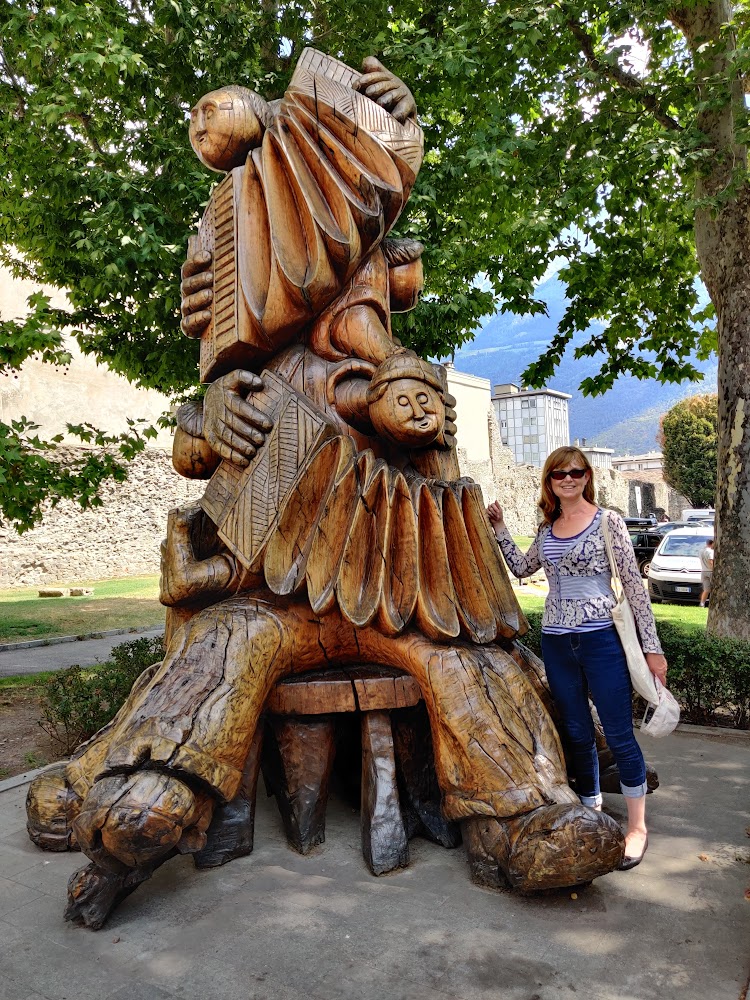
We visited Aosta, with its Roman remains and cobbled streets and carvings of wood. It was full of tourists when we were there, and there was a rain storm with huge drops of water soaking us all.

My dad played an accordion, so I loved this sculpture.

My main memory of Aosta is the ice cream parlour, where I had a stand-off with the assistant! The shop was busy, and while we stood in line we watched a man bring trays of chocolate-dipped lollies, and vats of fresh sorbet and creamy ice cream to refill the display. The counter was pretty, with fresh fruit, and coloured ices, and cones. But I also watched the girls serving, as they touched the money and credit cards, scratched an itch, then served the ice cream without washing their hands. I decided I would have an ice, placed in a cup with a scoop (no contact with those hands). All was going well, until I saw the assistant pick up a straw (touching the part that goes in the mouth) and place it in the ice. When it was my turn, I reached up, and took my own straw from the pot.

The assistant glared at me, and told me I shouldn’t touch. (Somewhat ironic.) I explained that I had only touched my own staw. She continued to scold me, then tried to add a straw from her own dirty hand. I told her that I did not want her straw, I already had one. I did not want a straw she had touched.

Oh the fury in those eyes! She returned to serving the rest of our order, glaring at me as she dolloped scoops of ice cream into cones. I have never been served ice cream with so much hatred! It did taste very nice though.

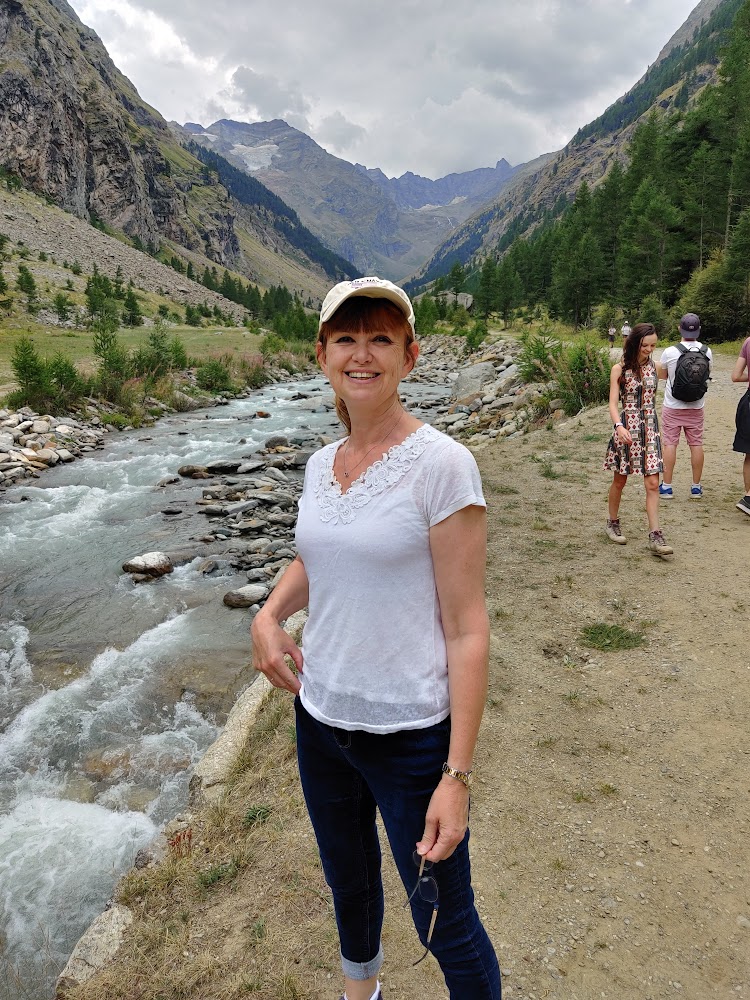
We also walked in Parco Nazionale Gran Paradiso, strolling beside rivers and waterfalls, staring at huge rocks left by glaciers. Very pretty.

But there is one place more beautiful than all the others. You can walk there from LaThuile, but two hours is about my maximum for an enjoyable walk, so we drove up the winding road from the town, turning onto a track before we reached the hamlet of Cappella di San Bernado. The track was very narrow, with hairpin bends, the valley falling steeply away to one side. Not a comfortable drive. I was glad when Husband announced he wasn’t going any further, and parked on a slim patch of grass next to the track. If a bus came, we’d be in trouble. But it wasn’t the sort of place a bus would go.

We walked. The track rose gradually, gently taking us further from the valley floor. We could see a river, and guessed the speed of it. There were trees below, dwarfed by the distance between us, dark green pines clinging to the side of the mountain. Patches of grass were dotted with brown mud, dug out by marmots which scampered away when they heard our voices echoing round the valley. (I must say, I will never ever manage to see much wildlife, because my family is so noisy!) Streams trickled from the rock next to us, forming puddles before trickling down to join the river. As we stepped over the puddles, clouds of blue butterflies rose, dancing around us like a host of fairies with blue and gold wings. We could see cows with their clonking bells in the distance, and beyond them, beyond everything, there were the mountains, watching. It was truly beautiful.

I hope you see some beauty this week. Try not to annoy any sales assistants though! Thanks for reading. Take care.
Love, Anne x

Clonking bells wherever there are cows.

Do You Want the Good News or the Bad News?


Good News or Bad News?

Is the message of the Bible good news or bad news? Often the physical book even describes itself as a ‘Good News’ Bible, and Christians often refer to the good news of the gospel message. But is it good?

Sometimes this feels a little ironic to me. When churches then go on to explain how to ‘become a Christian’ a person must meet certain criteria, I think it all starts to sound more like bad news! I was taught that to ‘be a Christian’ I must understand that Jesus and the Holy Spirit and God are all one, I must repent of my sin and ask for forgiveness, I must acknowledge that Jesus died for my sin, and ask to be filled with the Holy Spirit. This was all achieved by praying ‘the prayer’ which somehow encompassed all the above. Going forward, I should attend church, read my Bible every day, praying frequently—confessing my new sins and striving to live how God wanted me to live. Most difficult of all (in my view) I should constantly be looking for ways to tell other people how to be a Christian, encouraging them to undergo the same process. Anyone who did not meet the above criteria was trapped in their sin and doomed to hell and eternal torment. Very bad news indeed. Most of the people who I love do not fit into the rather narrow category above.

Yet, when I read the Bible (point seven above!) things seem a little different. Jesus said he came to show people who God is, and he accepted people before they had done any of the above. Sometimes he told a person they needed to change their life, or give away their money, or repent of something they were doing wrong—but this was always after they had come to him. There wasn’t a form to complete, or a waiting list; the disciples didn’t regulate who could approach (and when they tried to, Jesus told them off!) People simply came. People were simply accepted.

I also read that after they came, after they had been accepted, they generally changed, they often wanted to be different, better, people. But the changing, the wanting to be changed, was afterwards. It was not an entry criteria. And they tended to differ in what they actually believed, they had different views of theology (which is shown in the later books in the Bible, where we see them having arguments about things).

Several of the books in the Bible were written by Paul, and I’m still not sure what authority they should have (as I have discussed in previous blogs) but I do think his views are helpful today. One of his letters describes Jesus’s mission as reconciling people to God, and that a Christian’s mission is to continue this—to be an ambassador, helping people to be reconciled with God. I do not, personally, feel I should be telling people what they are doing wrong, or insisting that they believe certain things (like in the Trinity) or changing their behaviour. But I would like to tell them that God wants to accept them (right now, just as they are, warts and all!) I would like to remind them that God wants them to be reconciled with him, and that everything that’s wrong in their lives does not count any more. All the rest of it—how they personally live out that truth—is between them and God.

Perhaps this is good news. Perhaps this is what our message should be. What do you think? Good news or bad news?

Thank you for reading. My next blog will be more about our holiday in Italy at the beginning of August. Enjoy your day.
Take care.
Love, Anne x

Anne E. Thompson
Thank you for reading anneethompson.com Why not sign up to follow my blog?
Look on your device for this icon (it’s probably right at the bottom of the screen if you scroll down). Follow the link to follow my blog!

anneethompson.com
*****

Before Italy…


We went to Italy for a couple of weeks. It was a variation of the trip we planned for 2020, when we rented a house in the Italian Alps for a few months, just to see how it would be to stay somewhere beautiful for a while. That trip was cancelled—another victim of the Covid lockdowns—so when the same house was free for the beginning of August, we booked it.

I arrived exhausted, mainly due to the last days of July. It had been busy—much too busy to call the wasp man, so I told Husband that we had a nest, and he said he hadn’t seen any wasps, so neither of us phoned the wasp man. Which was a mistake, but we’ll come to that later.

Sisters

You will remember my sister was staying? Well, she returned to Canada on the 30th of July, so we all met the night before for a barbecue at my brother’s house. To say goodbye. I hate saying goodbye to my sister, she’s a part of me, there’s some strange physical bond, and Canada is much too far away. When we returned from our family trip to Cromer (see an earlier blog) I had to make lots of scones, because all the ones I had made previously were eaten by my sister, and me, and various relatives who came to see my sister.

The dog also had to go into kennels, and I hate that now she’s so old, just in case…

Anyway, I survived saying goodbye to both of them again, and there was no time to think because the 30th was a whirlwind of making beds, cleaning the house, preparing meals for stray children (who aren’t children any more, but you know what I mean) when they arrived. In between time, I flung items of clothing in the general direction of a suitcase.

At about 2pm, my eldest son arrived from Vietnam. He’d been working there, managed to dislocate his leg, and had to be collected by taxi from the airport (because no one else was free). He hobbled in on his crutches, looking all tired and relieved to be in England, and thin. I don’t think he’d eaten much and he’d done a lot of trekking through jungles. When confronted with a tired thin son, mothers like to cook. I was busy, so cooked a frozen pizza (but the thought was there). Younger son carried the suitcase upstairs, I put a load of Vietnam-dirty clothes in the washing machine, then smiled a welcoming smile as our first visitors arrived.

At about 2:30, all my in-laws arrived for a cream tea to celebrate my parents-in-law’s diamond wedding anniversary. We had put up bunting, and decorated tables, and it was sunny so we could sit outside (with the wasps—you remember them?) Everyone seemed contented though, and it was a happy celebration.

At 4pm, people left, and I had time to clean up (mostly) and then fold the clothes that I had thrown towards the suitcase, packing them properly. I cooked dinner for the family (they all came back for the wedding anniversary and to come on holiday). I was asleep within minutes of going to bed. But only managed a few hours because the taxi arrived at about 4 am. Then off to the chaos of Gatwick.

I will tell you about the joys of travelling with someone in a wheelchair in a later blog. Italy will have to wait too, otherwise this will be too long. We returned yesterday, ready to attend my niece’s wedding (another fun celebration I expect) and I will leave you with a few pictures of Italy, simply because it is beautiful.

Hope your week goes well. I will tell you about the very best place in Italy next week. Thanks for reading. Take care.
Love, Anne x

Thanks for reading anneethompson.com
Why not sign up to follow my blog?
A friendly chat every Monday.
anneethompson.com

Biggin Hill Memorial Museum


My sister is visiting from Canada, which is a great excuse for some days out. We have often driven past the museum at Biggin Hill Airport and we decided to visit. I’m not entirely sure if it was the best afternoon we spent together.

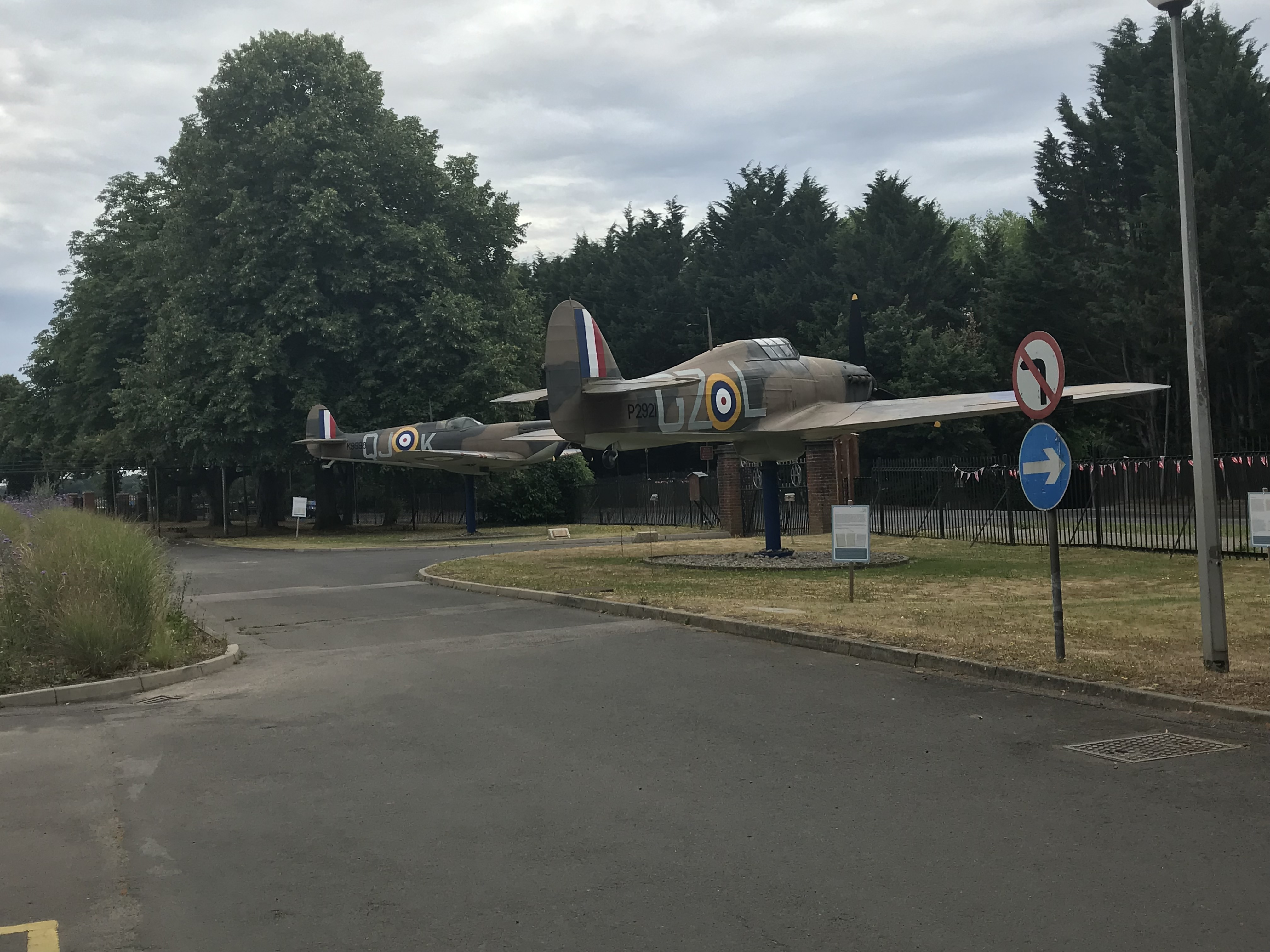
Driving into the museum car park was probably the best bit. You can see the old buildings, red-brick huts where it’s easy to imagine airmen living during the war, and a couple of fighter planes. Biggin Hill was one of the main RAF bases in the second world war and being so close to London it saw lots of action. We hoped the museum visit would include a chance to see inside the huts, to imagine the lives of the young airmen, to relive the tension of living in such a place. It did not.

The car park was full of vintage cars when we arrived. We decided we would have a proper look at them at the end, and hurried into the museum. There was a shop just inside the door, and a man selling tickets. It cost £6.50 each, which seemed a bit expensive, but the man offered to explain about the exhibits which added value.

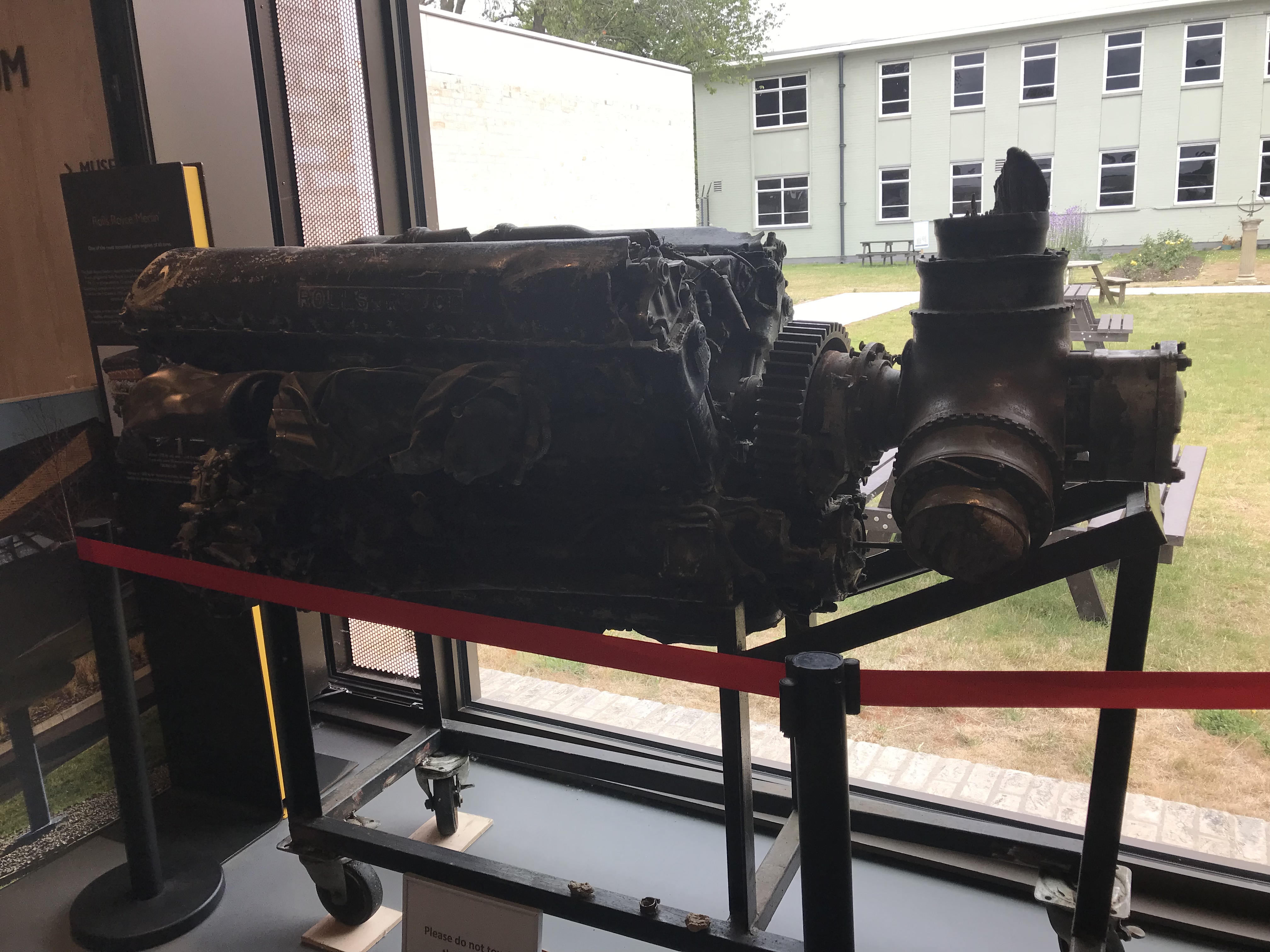
Engine with the remains of the wooden propellors showing.

The man told us that the average time a pilot spent at the base before he died was 11 days. Eleven days. I don’t know if that’s accurate, but it’s shocking. They were boys really young, some of them only 19 years old. They were given planes they didn’t know how to fly, and sent off to fight. Some of the deaths happened after the planes were upgraded to having retractable landing-gear, because the pilots would forget to lower it before landing. Some of the deaths were because the fuel tanks were under the seat of the pilot, and shrapnel, or pieces from a shattered propeller, would explode the fuel. The first exhibit was an engine, and we looked at the remains of the wooden propellers. Later, they used metal ones but although these were more durable they would also cause sparks and potentially explode the fuel tank. (If I was a pilot, I would be more worried about sitting above a potentially exploding fuel tank than the enemy trying to kill me.)

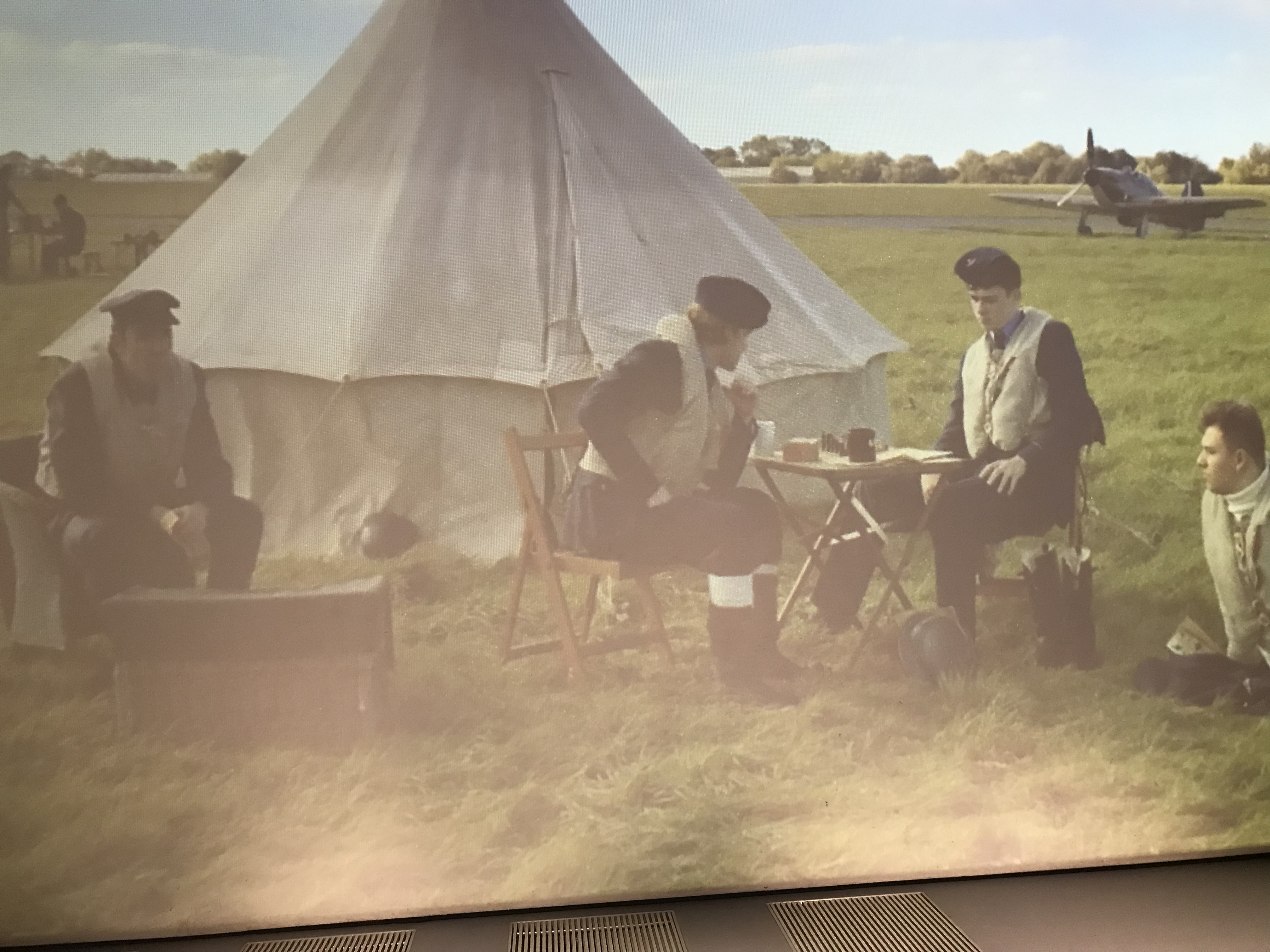
The museum is small. Basically just one large room. There are a couple of films playing—one film of elderly pilots talking about their days flying from Biggin Hill, and one a clip of actors showing how pilots spent their days while waiting for a raid. The first film was interesting, and we heard about the pubs the airmen visited, and how they coped with so many deaths (they didn’t think about it). The other film was less exciting: there was a countdown, showing how long to the next raid; the pilots played cards or read, or smoked while waiting. Then the bell would ring, they would leave everything, and run towards their planes, desperate to get them in the air before the enemy planes appeared and bombed them. A life full of boredom and extreme stress.

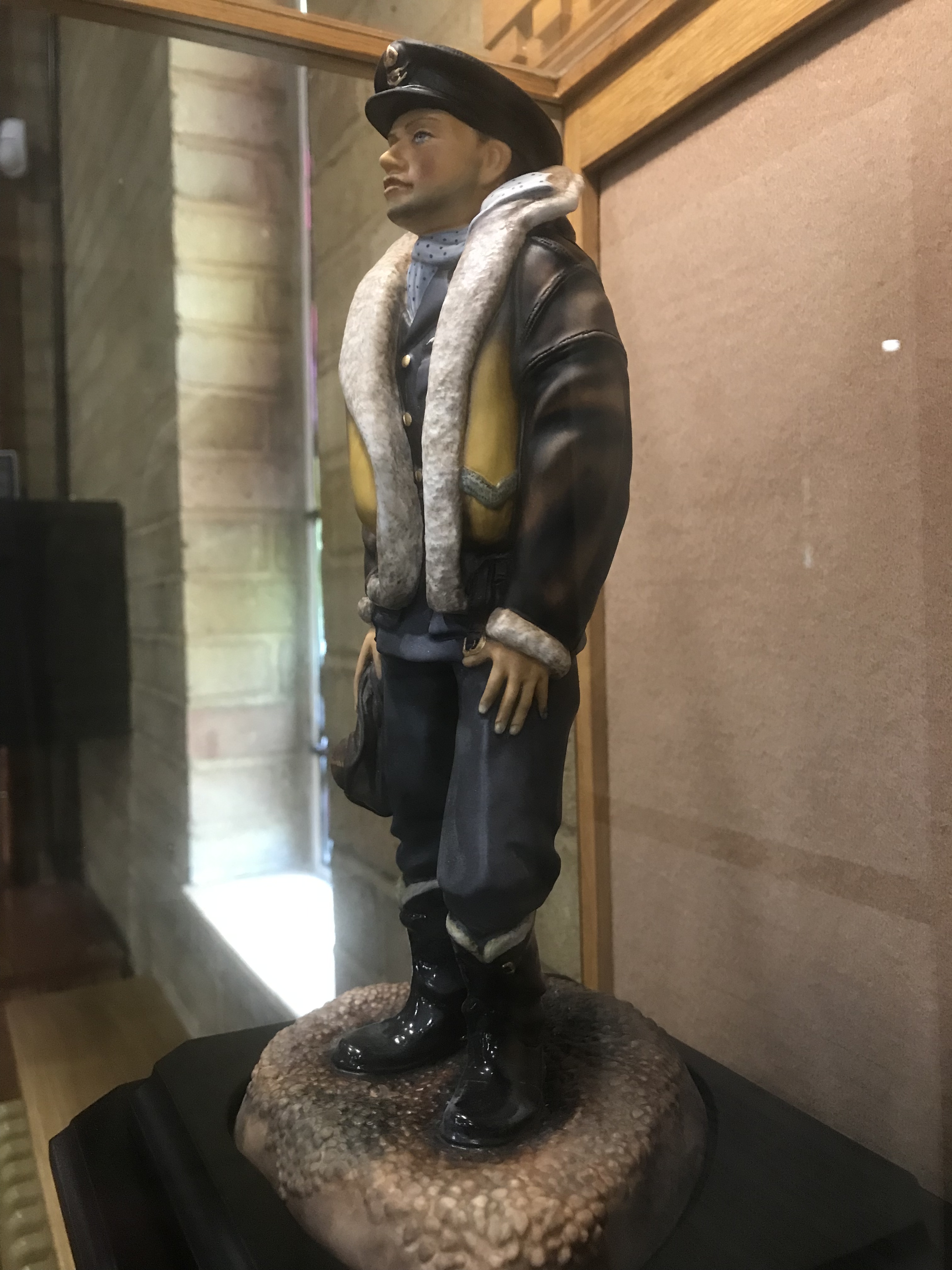
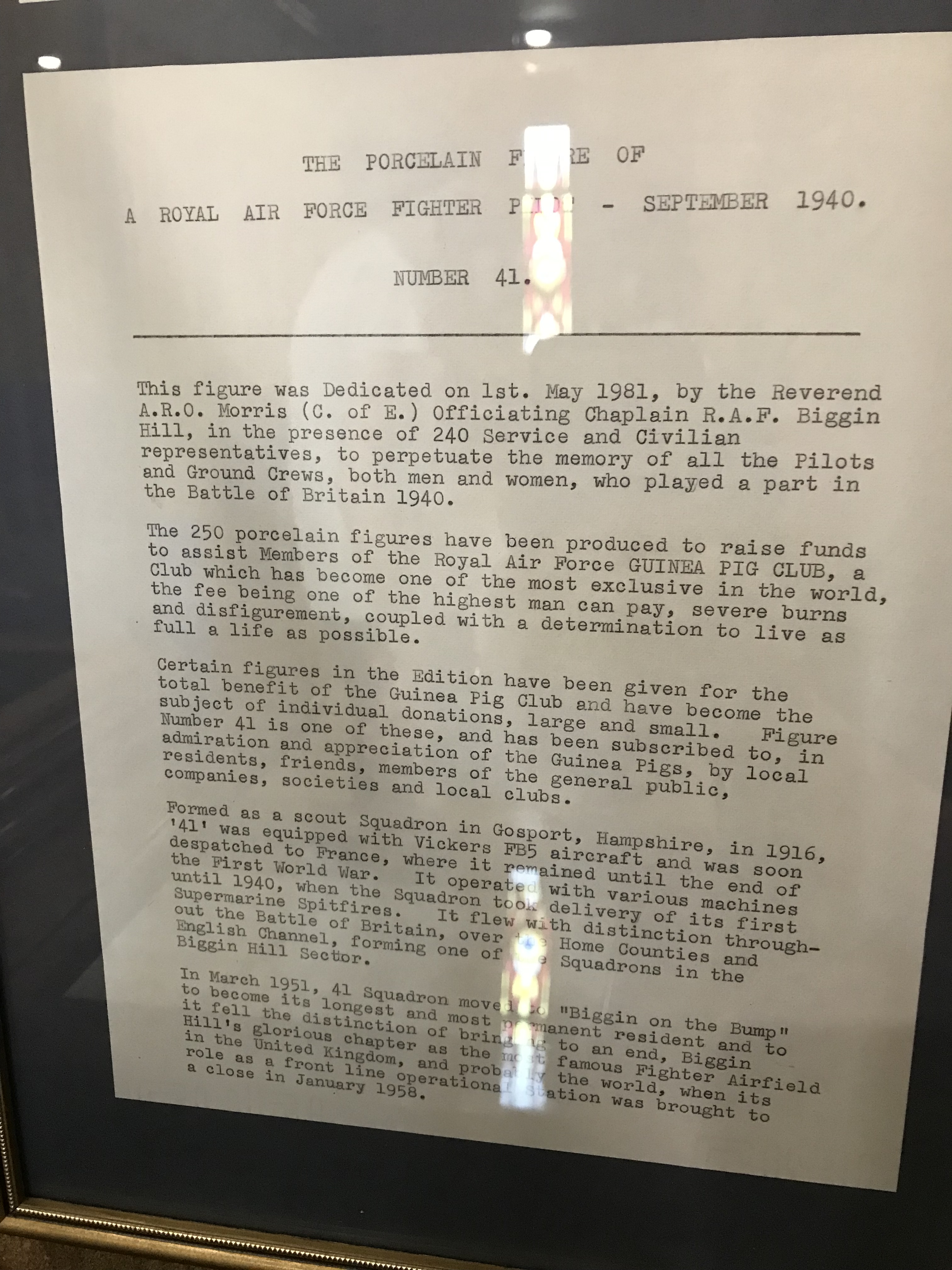
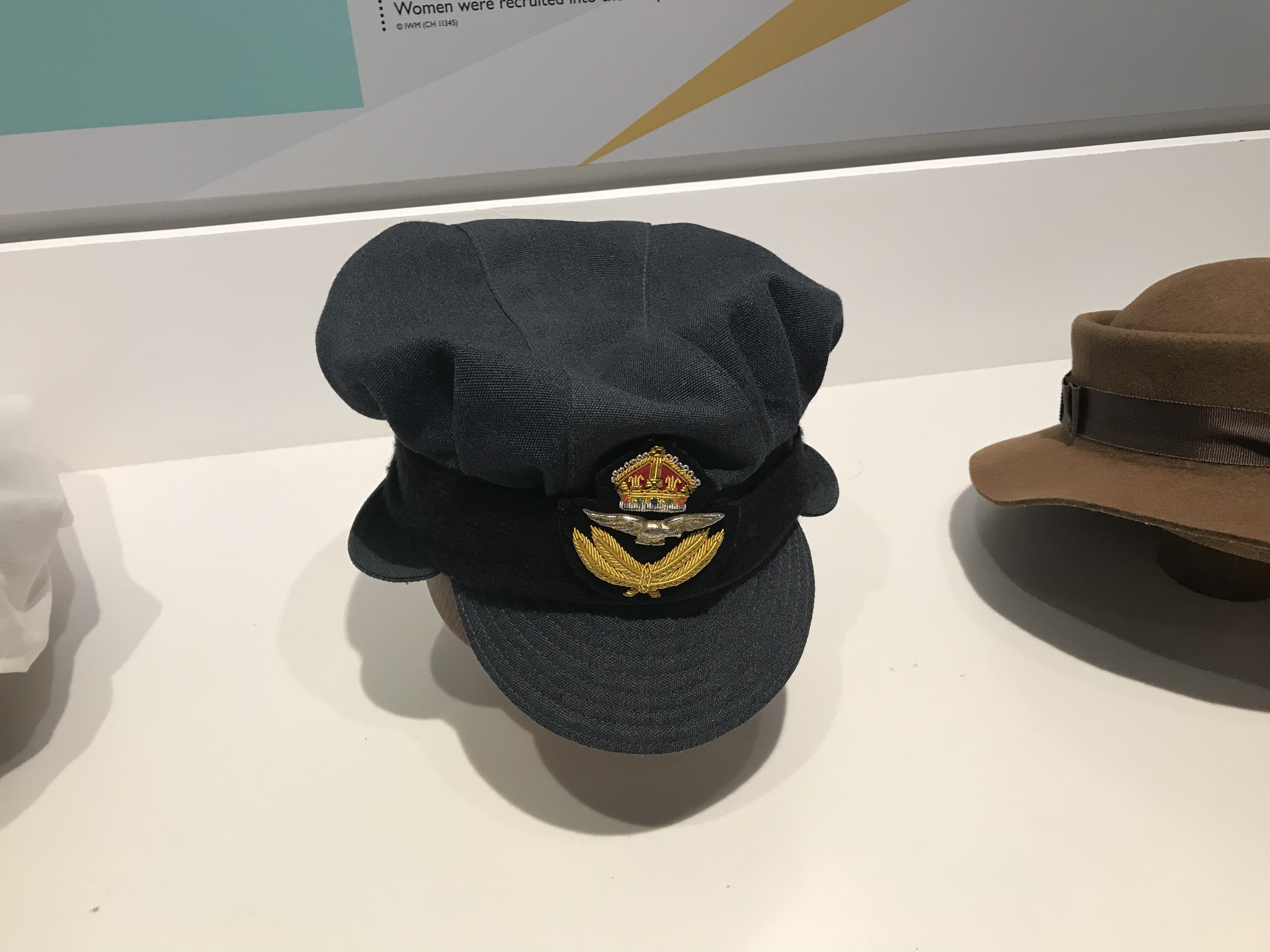
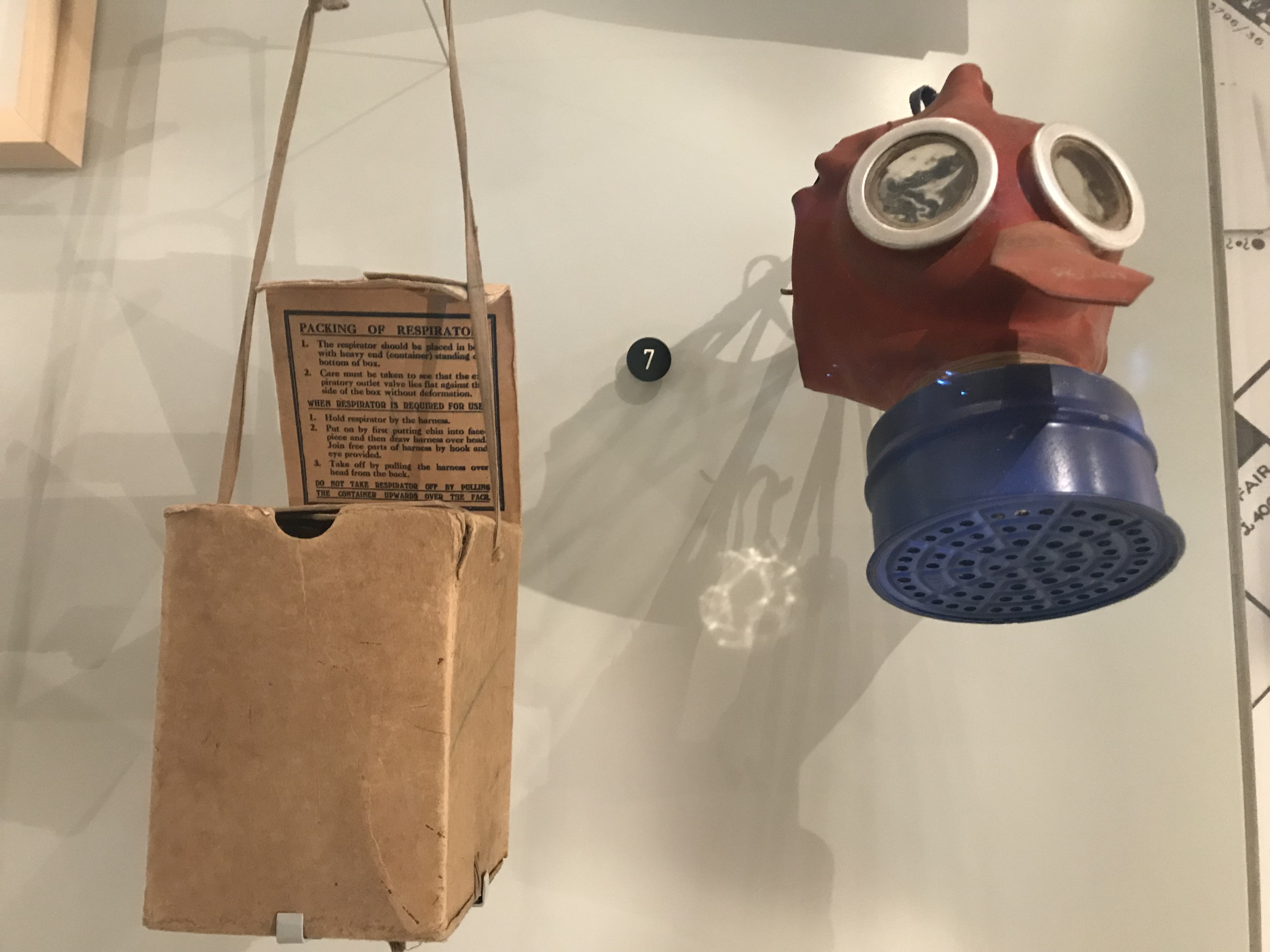
The walls of the museum were covered in memorabilia. Gas masks, and uniforms, and photographs. It all very felt very homely, very real. These were real people, working to win the war.

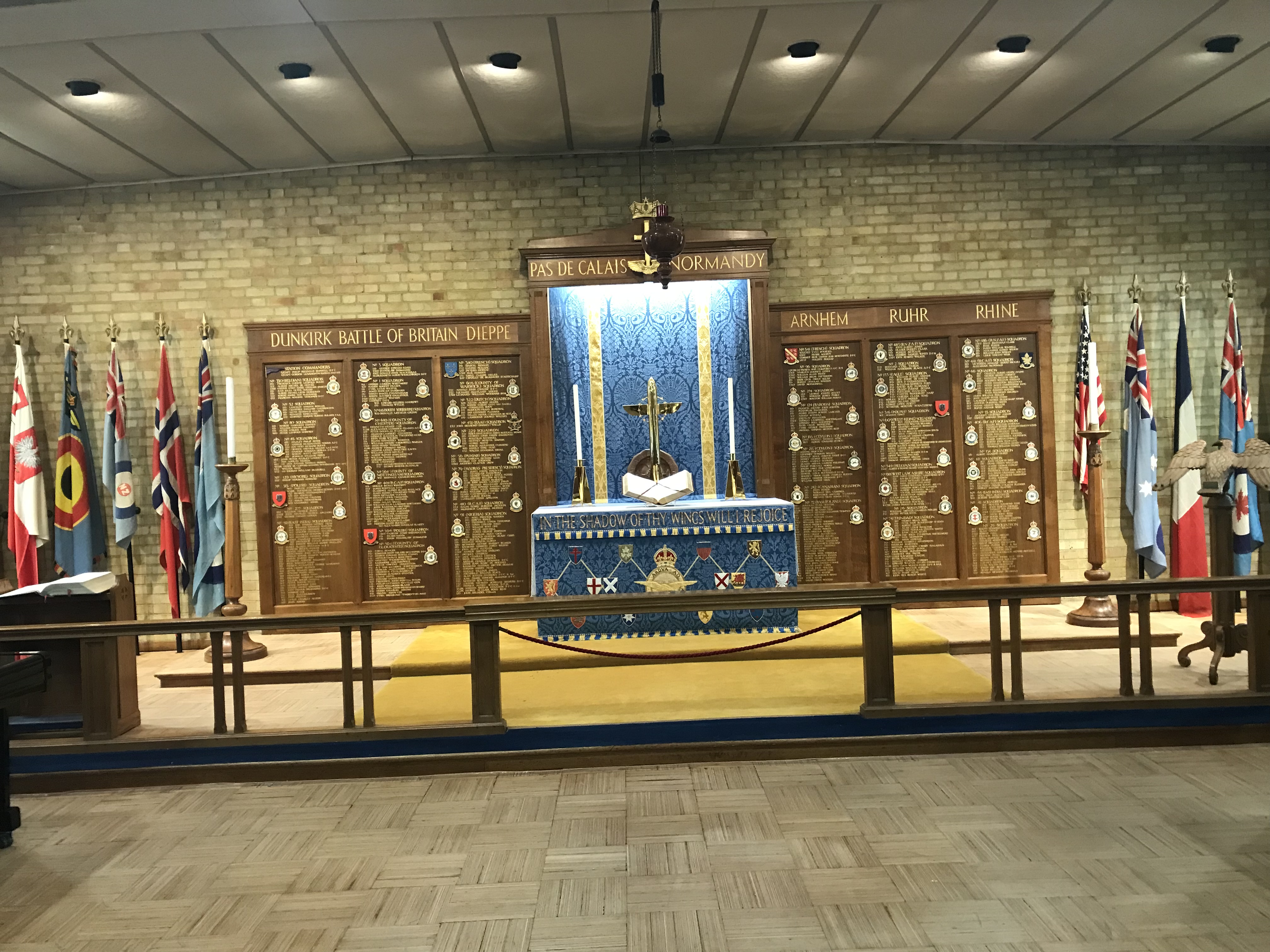
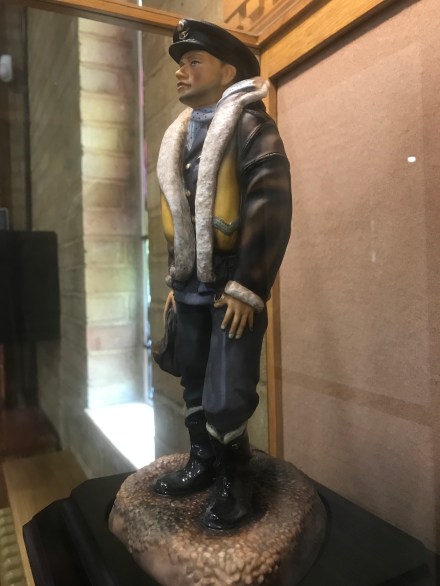
The main part of the museum is the memorial chapel. This was slightly interesting, but it was built after the war, and really was more a place for people to remember the dead than part of a museum tour. The young pilots never sat there, that wasn’t the place they prayed desperate prayers to God, it wasn’t the place they remembered their friends, the place they gave thanks for returning after a mission. It felt more like a school assembly hall.

The gardens (mentioned on the website) were small (and not worth mentioning on the website). The really interesting-looking red-brick buildings were not part of the museum. They were sealed off, not even available for a photograph. We left the museum to find the vintage cars had all driven away, which was bit of a shame.

Is the museum worth visiting? Yes. Is it worth £6.50? Not in my opinion.

We went home for tea, and as I watched one of my sons playing croquet in the garden with my sister, I was very thankful that we are not at war.

Thanks for reading. Hope you have a fun week.
Take care.
Love, Anne x

Anne E. Thompson
Thank you for reading anneethompson.com Why not sign up to follow my blog?

anneethompson.com
Magic Water


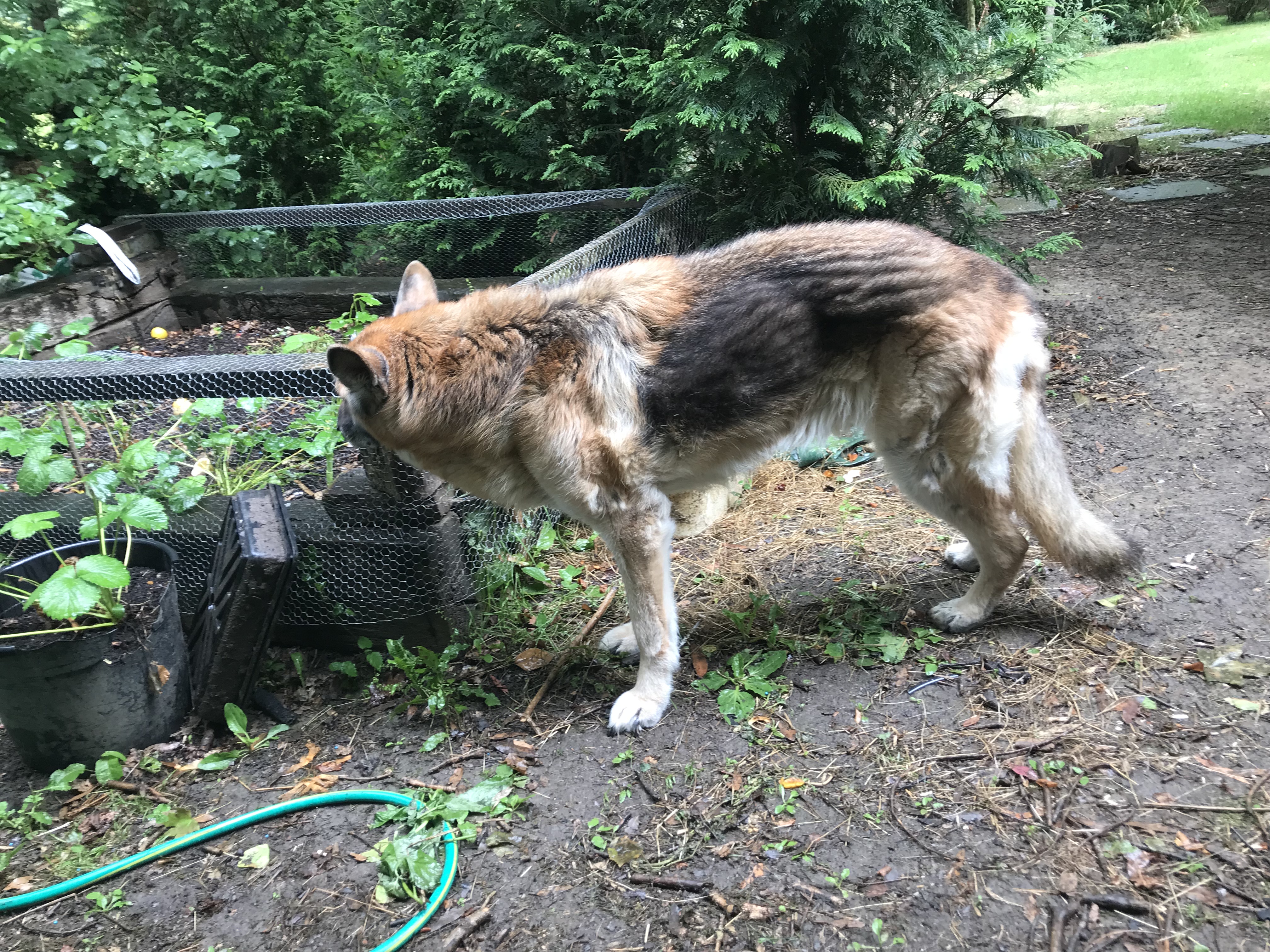
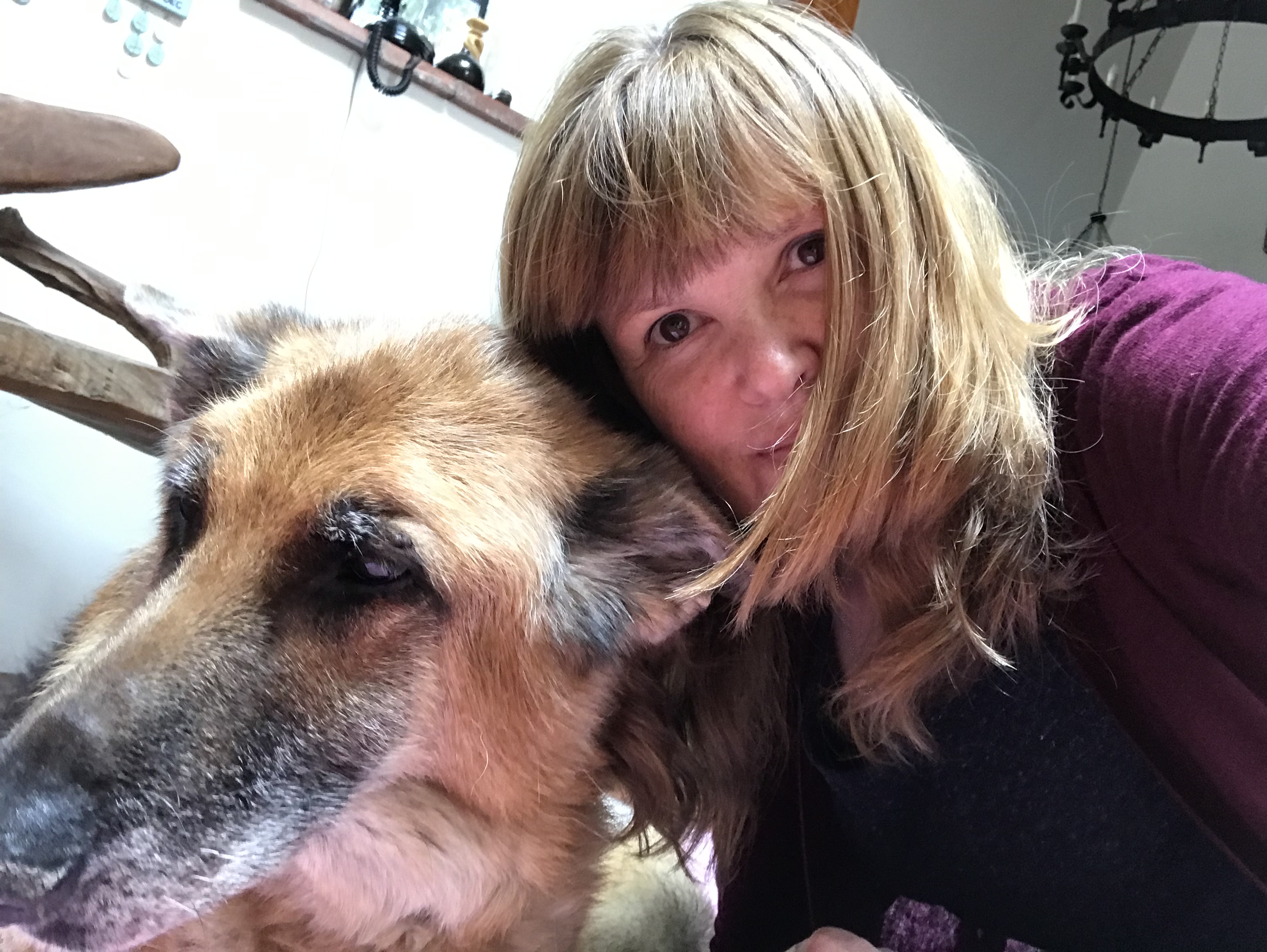
Do you know much about homeopathic medicine? I didn’t. In fact, I mistakenly thought it was the same as ‘herbal remedies.’ It’s not. I encountered it recently when Husband returned from the vet after taking old dog for her vaccinations. Kia is a German Shepherd Dog, and GSDs usually live for 13 years, but often die after reaching 10 years due to their deep chests often causing twisted stomachs. You might remember that Kia also suffered from this a few years ago, but we managed to get her to a vet in time, and although her recovery seemed to last forever, she survived. Kia is currently 15 years old.

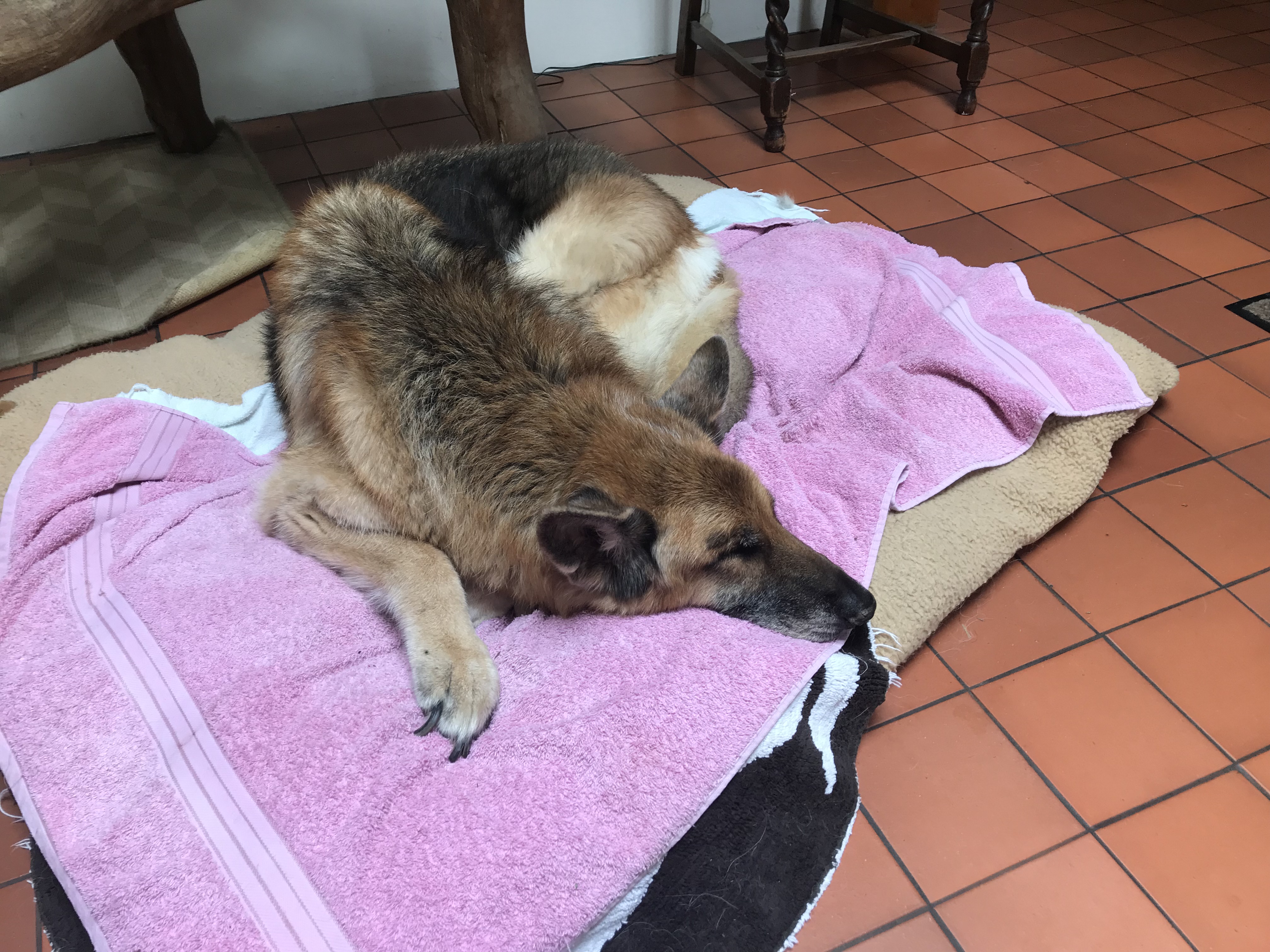
The vet congratulated Husband on Kia’s age, and asked how she was doing. She is doing well. Her age means she mainly sleeps, and I have bought a big comfy bed that sits in the middle of the kitchen floor, so Kia can lie all day long and watch everything that happens. A few times each day I take her outside, we walk up to check the poultry, she greets the cats, and sniffs for foxes, then she returns to her bed. Her world has shrunk, but while she can see me, she seems content. Mostly she sleeps.

However, age in dogs brings problems. The main problem is to do with the messages from the brain, which I think are carried by a substance called ‘myelin’ and with age, the spinal column becomes crusty and this blocks the messages. (This is a very rough layman’s explanation, so don’t quote me!) The first sign is lack of feeling in the hind legs, then ability to control poop, and finally wee incontinence. The vet asked where we were up to. Kia cannot feel much in her back legs, and is a bit wobbly when she gets up, and I have to ensure she is exercised at appropriate times so she toilets outside, as otherwise we have accidents. But we’re doing okay so far.

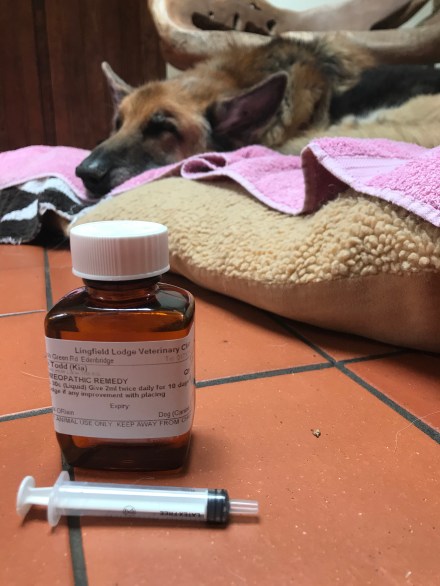
The vet then mentioned that he also studied homeopathic medicine, and he had something which a previous client had given to her dog, and she had raved about how much better her dog was in just a week. Husband bought some.

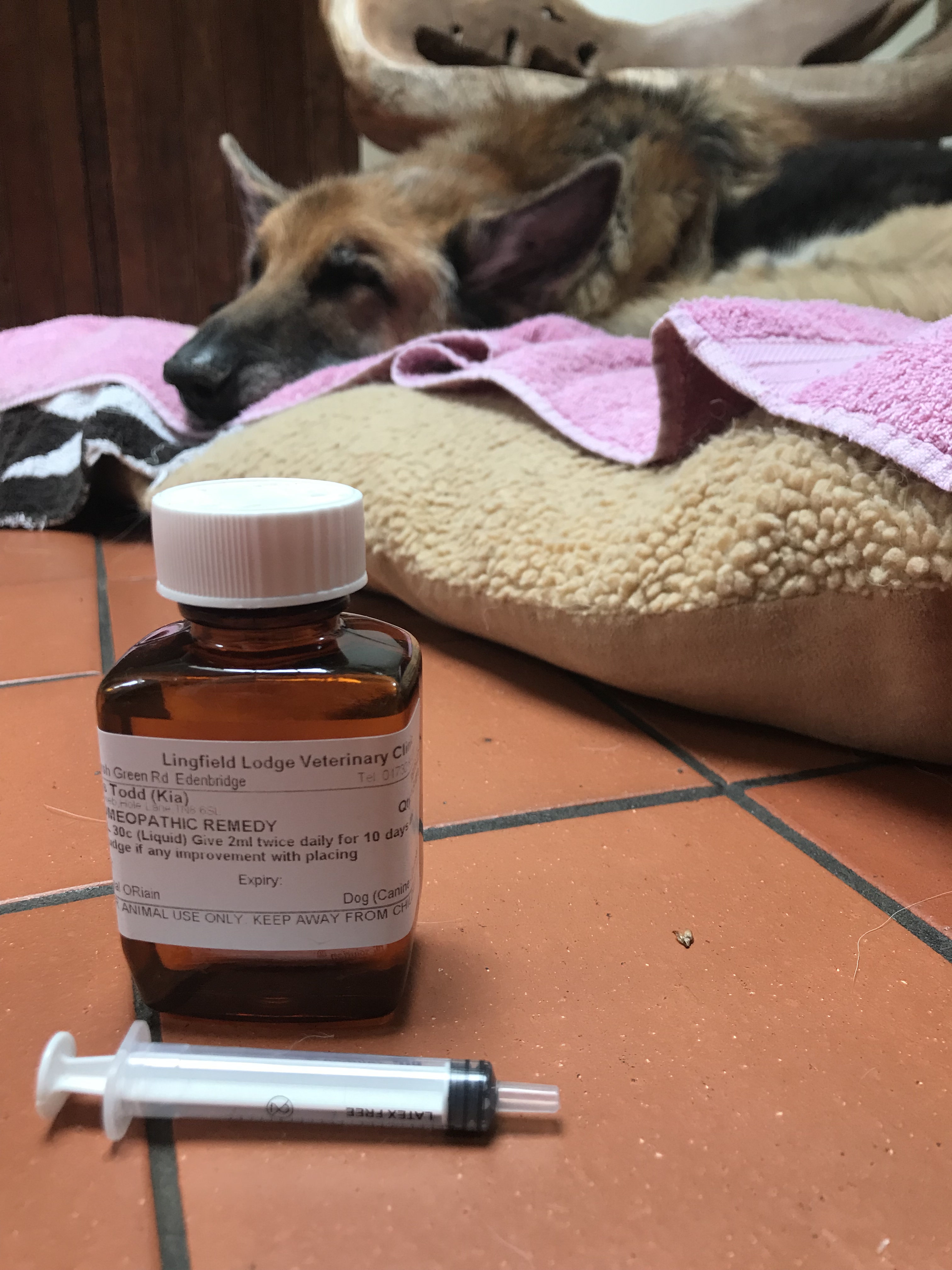
I was presented with the dark bottle, and told to give it to Kia twice a day. I was also told it shouldn’t be placed near the microwave or mobile phone, as they can alter it. This made me suspicious, so I asked a few people and did some online research. I learnt the following:

*Herbal remedies are medicines made from herbs. They need to be regulated, because ‘essence of herb’ might be dangerous, and they contain substances which might be helpful, but might also interfere with medicine from the doctor, so some care should be taken. I suspect, as medicines from the doctor are simply chemicals, and essences from herbs are simply chemicals, that some of them are effective.

*Homeopathic remedies are altogether different. They date back to the 1700’s, and some people credit Socrates (much earlier, obviously) with first exploring the idea. The principle is that if the body has an ailment, you find a plant that causes that ailment and then administer a hugely diluted does. This enables the body to recognise what’s wrong, and thus fight the problem. A little like vaccines work, but they help the body fight a germ, homeopathic remedies treat an illness. The remedy given to Kia was based on hemlock.

The problem with homeopathic remedies, as far as I can tell, is that they are diluted, shaken, diluted again, over and over, which means that there is no discernable trace of anything left in the water. Some people believe the ‘shape of the water’ has changed; I find this difficult to believe. People do report being cured, but this is confused by the placebo effect, because when someone believes they are being cured, the brain is hugely powerful and is able to change physical responses–even though the problem might still be there. So, not cured.

My research led me to believe (and I might be wrong, so form your own view) that the homeopathic remedy was basically ‘magic water.’ It was not going to alter anything physical in Kia. However, it also wouldn’t hurt her (it was just water). I therefore agreed to administer it, as long as she was happy to take it, and we could see what happened. I expected no change, Husband was hopeful.

I kept a mental note of whether (1) Kia still dragged her back legs after walking for 5 minutes, whether (2) we still had unexpected poop in the kitchen occasionally, whether (3) she staggered when she first stood up. Husband felt that her legs were straighter, and she was walking better. I noticed no change whatsoever in the above three things. After a week, I stopped administering it.

I have not, however, thrown away the dark bottle. Afterall, sometimes in life it’s nice to know you have a bottle of magic water…even when you know it doesn’t work.

Hope you have a great week. Thanks for reading.
Take care.
Love, Anne x

Simply the best friend.

anneethompson.com
*****

Holiday with the Sibs.


Holiday With The Sibs

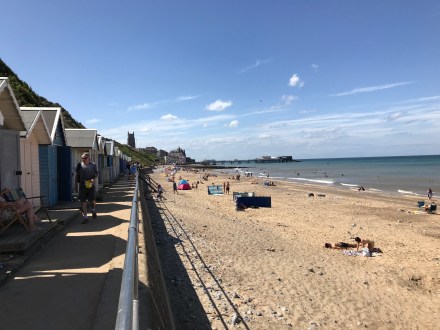
I went on holiday with my siblings. It’s the first time in decades that we have all been together, without our spouses, for a few days of reminiscing. If you follow my blog, you will know that Uncle Frank died a few weeks ago, and my cousin wrote to say that she was taking her mum to Cromer. My other cousins all agreed we would try to be there at about the same time, and on a hot July weekend we met in Cromer.

Cromer is where my family always went on holiday when I was growing up. Set on the North Norfolk coastline, I have many memories (not happy ones) of horizontal rain and wind that was always cold. Always. The sea was rough and grey, and I learnt to swim in it, gulping salty mouthfuls as the waves washed over me. It’s a wonder I didn’t die of typhoid. I believe it’s a lot cleaner now.

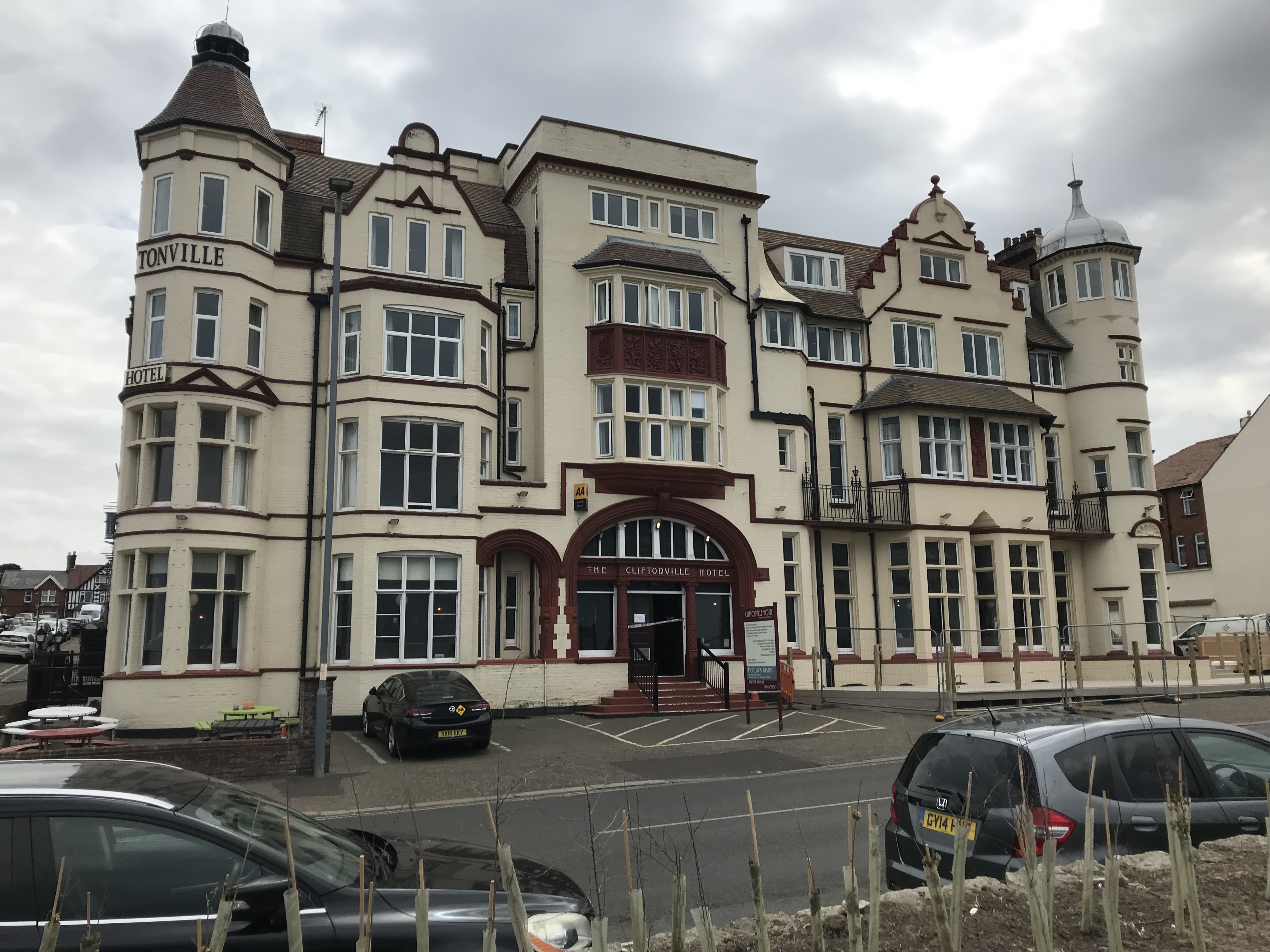
We used to camp, which is not my favourite thing. This time my siblings and I stayed in a hotel—The Cliftonville—with Mum and Aunty Margaret. What fun! The hotel looked on the website rather like an old people’s home, but it was cheap, so we booked it anyway. When we arrived it was under renovation by new owners, and it was all rather lovely. I thoroughly recommend it if you visit Cromer, very comfortable and the staff were amazingly helpful.

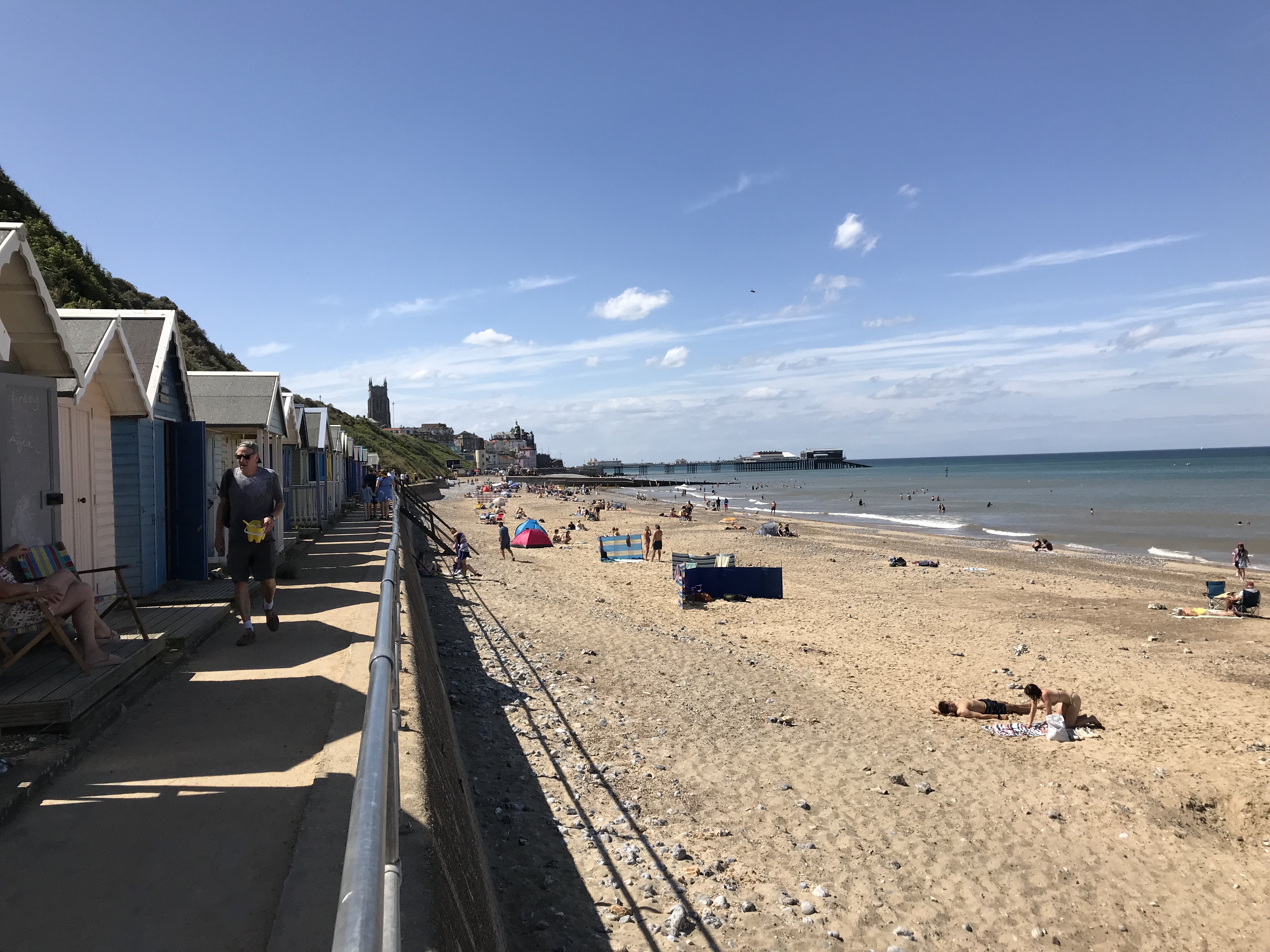
My relatives however, camped. Some were in caravans or motorhomes (the older generation) and some were in tents. We all met up each day on the beach in Runton, at the bottom of the ramp behind the big black rocks. The weather this July was hot—I don’t think I have ever been in Cromer when it is hot. The beach was full of families, and dogs, and old ladies in deckchairs. You could tell the regular visitors, because they sat behind windbreaks, a tradition borne from experience. But they didn’t need to, any breeze was a welcome break from the sun.

We sent the days simply talking; remembering past events and people, reliving happy moments. Cromer hasn’t changed much, but there were a few new things—like goats (bagots) which now live on the cliff edge, and the steps to Granny’s caravan have now washed away, and so have the steps to the picnic field, so the routes down to the beach are fewer, and people willing to walk can have a private pitch between Cromer and Runton. The military pillbox on the beach has sunk, we used to be able to go in there when we were young (it always stank though). The boating lake has gone, and most of the shops have changed owner, and Banksy has painted a picture on the concrete wall.
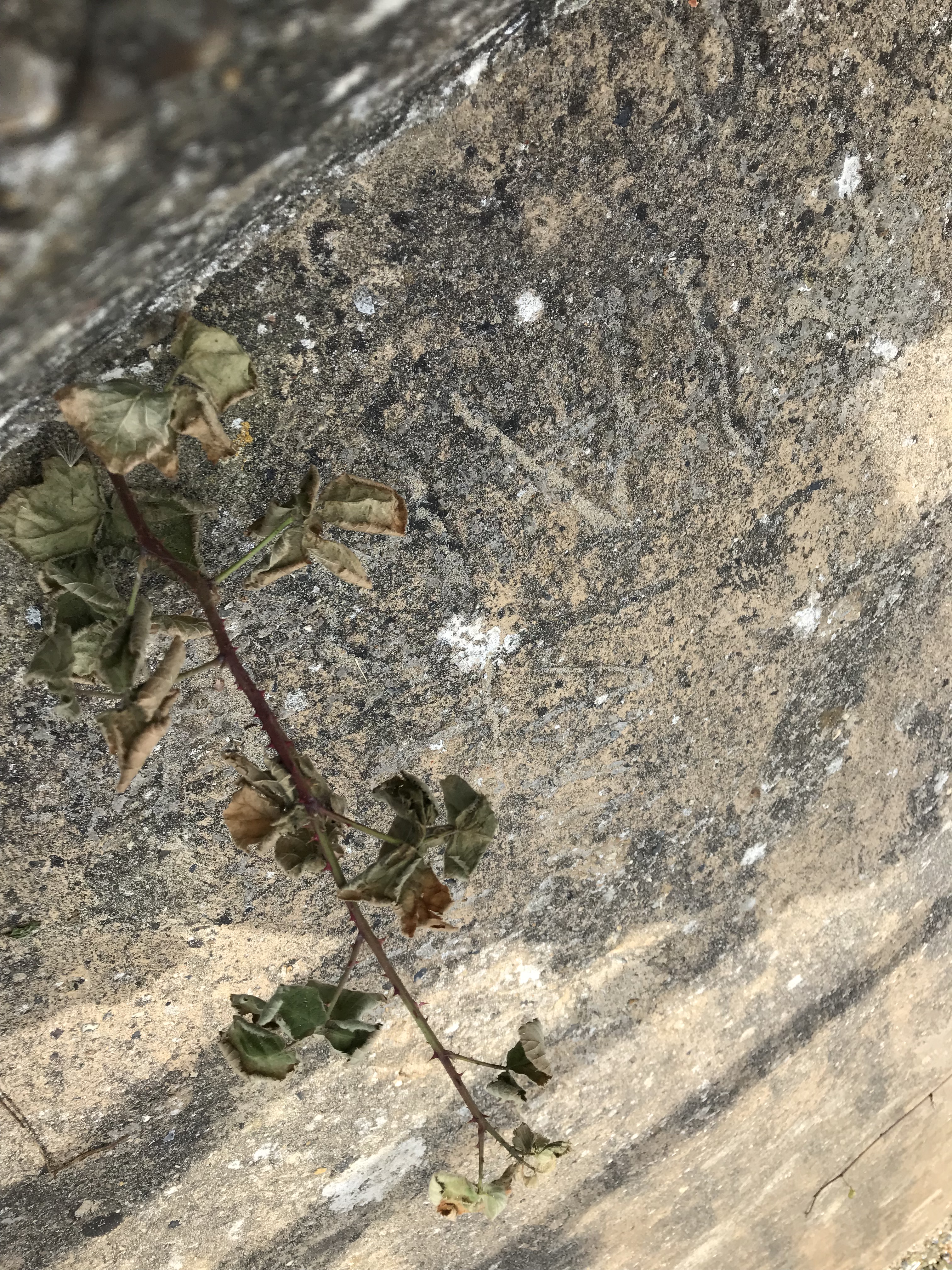
But our own graffiti was still there—we carved our names in wet concrete 40 years ago, and you can still see the shape of the letters, though Bessie’s[1] footprints have worn away over time. The slot machines were still there, and many ice cream shops, and the painted beach huts, and the fishing boats, and the pier.

A Banksy picture, a bit washed away but still pretty cool!

We popped in to one of the many antique shops, and found shelves of old books and stacks of papers from before we were born. I bought some from 1936, but my brother did better because he found some from the war which describe the liberation of the camps. They were only £2 each, and I wished I’d bought more. There were commemorative mugs, and medals which were shockingly cheap—only a few pounds for a medal marking 15 years in the red cross during the war.

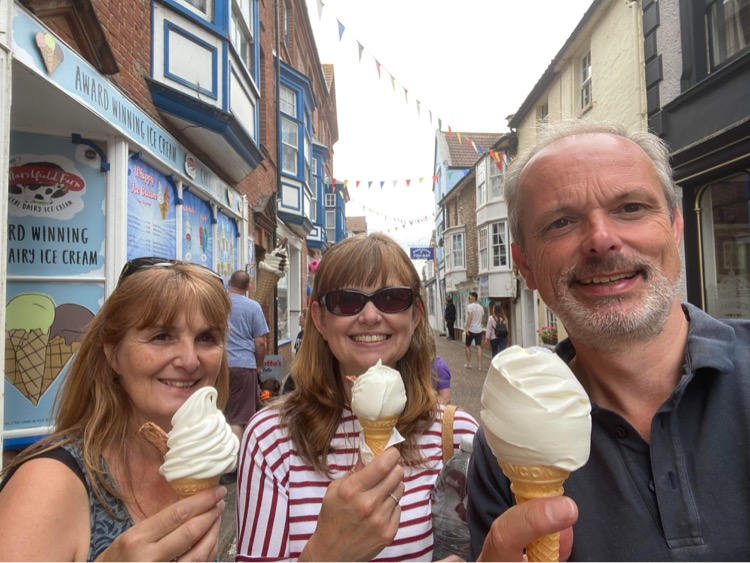
We ate fish and chips, and ice creams, and walked along the pier—because you have to do those things in Cromer whether it’s sunny or raining. It’s nicer when it’s sunny. Actually, everything was fun, especially the talking. There we were, three pretty-old-now siblings, reliving our past. Not something that happens very often, but definitely worth making time for.

Then I returned home, to find out how Husband had coped with the chickens and ducks and cats and dog. All was well, and I tried to thank him, and to explain what we had done for the weekend, but I couldn’t really, there wasn’t much to tell. We had just talked.

Thanks for reading. Hope you find something nice to talk about today.
Take care.
Love, Anne x

anneethompson.com


[1] Bessie was the family collie dog, and she ran all over the wet cement when we wrote our names. She died in 1985.

Anne E. Thompson
Thank you for reading anneethompson.com Why not sign up to follow my blog?

The Tiny Bridesmaid


Weddings

I love weddings, don’t you? They can sometimes be a bit long, all that waiting around for the photographs and not enough comfy seats—but mostly they are full of people promising to love each other, and lots of pretty stuff. I enjoy looking at pretty stuff.

I recently went to a wedding. I wasn’t an invited guest, but I have watched the bride grow up, so I asked if she would mind if I snuck into the back of the church to watch. She didn’t mind, so I donned some suitable clothes, and joined the smiling group at the church.

It was a Catholic church, and I’ve never been to a wedding at a Catholic church, so I was interested that the priest served communion mid-service, and there was an amount of bowing to the altar that tends to not happen in protestant churches. Other than that, it was the same really.

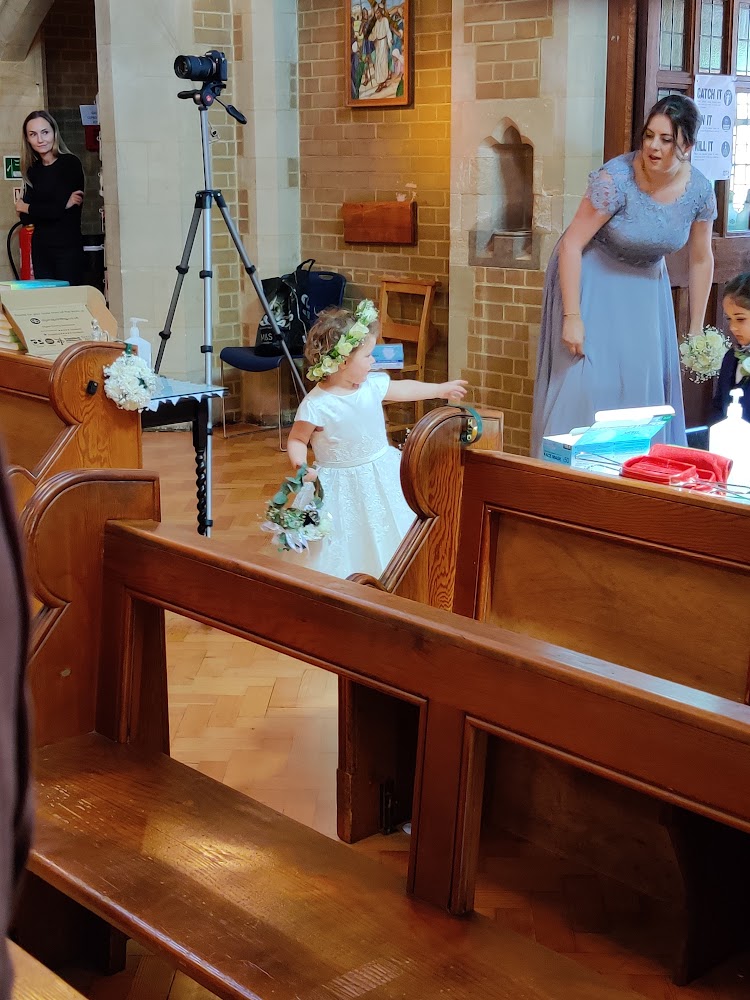
Of course, the absolute best thing was the tiny bridesmaid who changed her mind about wanting to be a bridesmaid as soon as she arrived at church. She must have been about three years old, and she appeared at the back of the church with the bridal party. I was right at the back, so had the perfect view as she was directed to walk down the aisle, basket of petals clutched in her little hands, a halo of flowers on her head.

She walked a couple of steps, decided that this was not something she wanted to do, and ran back to the doorway. A grown-up bridesmaid whispered encouragement, trying to persuade her down the aisle, but she was having none of it. First she shook her head, then noticing the flower-headdress, she yanked it down so it sat round her neck like a noose. The adult pulled the flowers back up into her hair, and tried again to send her down the aisle. A small boy, dressed the same as the groomsmen appeared. I think he was the ring-bearer, and he obviously sensed something fun was happening. The children looked at each other, mutiny afoot.

Another bridesmaid appeared, possibly the mother. She wasn’t taking any nonsense, she grabbed a hand of both children, and sounding terribly jolly, said they would all walk down the aisle together. Off they went, past me, hidden from sight as they hurried to the front.

The bride (brides are always beautiful, always) and her father appeared in the doorway. They hesitated, and suddenly the small bridesmaid reappeared, running full pelt back up the aisle, heading for the bride (or the doorway, hard to know). Before she reached her goal, a man—I assume her father—shot out from a side aisle and scooped her up. I didn’t see her again until after the service, when she had managed to lose the basket of petals, and the headdress, and her shoes. She was very cute.

I was therefore, full of wedding thoughts this week. This was excellent timing, as my daughter ‘popped round’ with her boyfriend, to tell me they are engaged. How exciting! Her fiancé had asked Husband’s permission ages ago, but he hadn’t told me, so the news was a complete surprise and very lovely. I am going to be the mother-of-the-bride. What a thrill. I hope I manage to fulfil the role better than the little bridesmaid did…though I cannot hope to look as lovely.

Thanks for reading. I hope you have some lovely events this week too.
Take care.
Love, Anne x

Anne E. Thompson
Thank you for reading anneethompson.com Why not sign up to follow my blog?

anneethompson.com
*****

****

Lavender Fields


We went to the lavender fields. It was a sunny morning, every year I mean to go and forget until it’s too late, so I phoned my mother, and off we set. Google maps promised it would be a quick 28 minute journey, and the roads looked okay, so what could go wrong?

A closed road threw us off route briefly, but Google maps seemed to cope, didn’t swear (like some people do when you ignore their directions) and the new route seemed fine. Except we came to a very narrow lane, and a lorry unloading, and two school mini buses that couldn’t squeeze past… I was also worried because I knew that one route went via the motorway, and I need to psyche myself up before driving on a motorway, I cannot just casually roll onto one and zoom along a couple of junctions before diving off again, like most people seem to do. There is wailing involved when I drive on the motorway. And often swearing. (And my mother was in the car, so neither of those would be appreciated.)

Eventually we found the farm. The small yellow car that had been glued to my bumper in the narrow lane also turned off, so I let her pass first, then parked in a different place. I felt she may have wanted to make comments about my driving. (To be fair, I had several comments about her driving, but I couldn’t see anyone would benefit from the exchange.) Mum was still chatting cheerily, oblivious to the stress/near-death experiences we had recently shared. She headed off for the washroom, and I noticed she had dressed to match the lavender. I hoped I wouldn’t lose her.

The farm is pretty. It’s set in the hills, and there were cows, and fields of purple lavender stretching to the horizon. Some people had booked a tour, and were trailing behind a 12-year-old in wellies (everyone tends to look like a 12-year-old these days). We took some photos, and Mum said we must bring my sister here (probably because she takes better photos than me—she uses a camera rather than a phone for a start). I agreed. Mum asked what kind of cows they were, but I didn’t know. Brown ones? We looked for a tea room, but there wasn’t one, only a van selling drinks in paper cups, and there was nowhere comfortable to sit, so we didn’t bother.

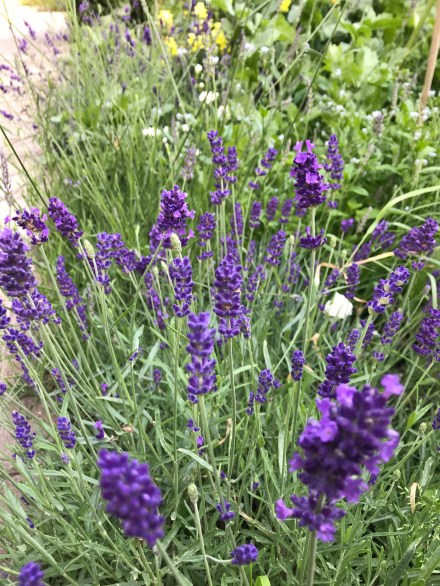
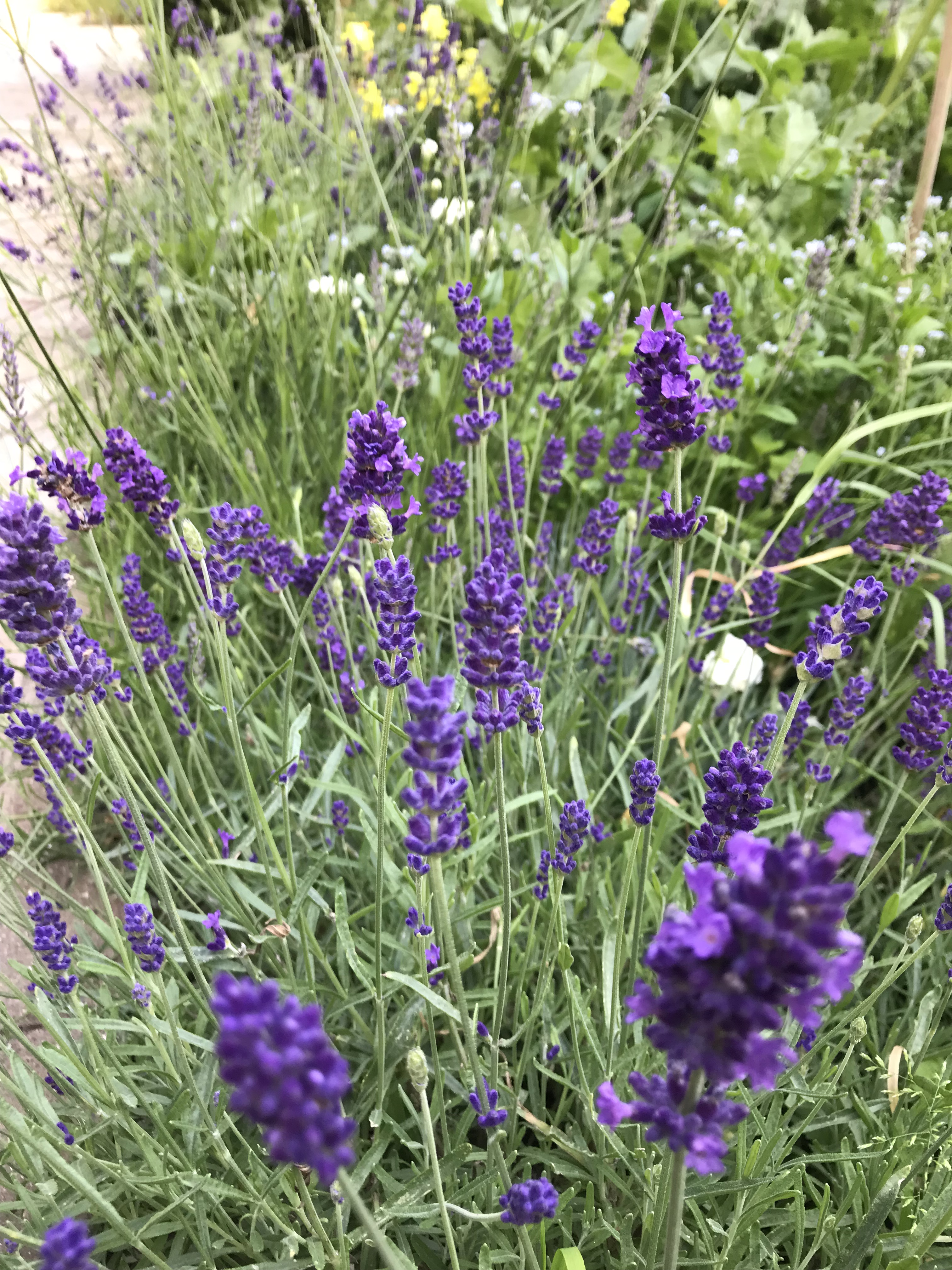
I bought some pots of lavender—three different types according to the labels, though I wonder if that was accurate as two looked identical. One was called ‘fathead’ which made me chuckle. The perfect gift for someone who I don’t like much. It has chubby flowers. I like lavender, mainly because neither slugs nor chickens like eating it (most of my plants get eaten).

The shop also sold lavender stuff (obviously). Bags of lavender, glass bottles of lavender perfume, purple soaps, crockery with lavender flowers painted across the surface. They also, bizarrely, sold frozen food from the COOK chain. Not sure why. Perhaps after trailing behind the 12-year-old in wellies, people are too tired to cook dinner, so they do a roaring trade in beef casseroles and lasagne. I wasn’t tempted though.

We shoved my plants in the boot, and drove home by a new route. It was just as bad as the first one, and I know there is an easy way, past the Sainsbury’s where I shopped when the family were small. Never mind, we made it back okay, and Mum didn’t stop chatting, which is a good sign (she goes silent when she’s noticed my driving…I think she’s praying). I’m going to plant my new lavender now.

Thanks for reading. I hope you find some good routes this week.
Take care.
Love, Anne x

Thank you for reading.
anneethompson.com

Reykjavik Holiday Diary 4


June 12th, Whale Watching

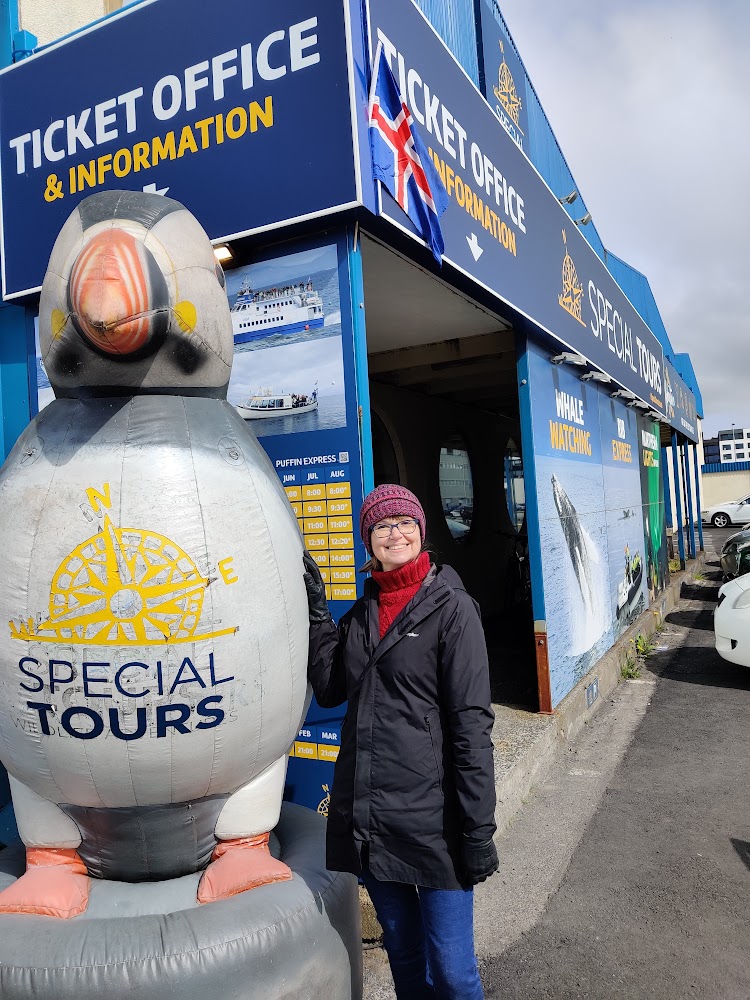
Reykjavik harbour has several companies offering whale watching tours. Each one had marvellous photos of a whale’s tail next to a boat of excited tourists. But I had learnt from the puffin trip, that sometimes you are not as close as you think you will be, and clever photography can be misleading. Also, were these the best photos from 3 years ago, and the chances of seeing a whale today very slim? We went to ask.

The first learning point is that ‘whale’ includes dolphins and porpoises. They are, apparently, toothed whales. Therefore, a guarantee to see a whale, might actually be to see dolphins—not a lie, but not what I hoped for. We decided to book with special tours because we could look on their blog, and each day they wrote which whales they had actually seen. We knew humpback whales were in the area, we hoped we’d be lucky.

We arrived at the harbour, and exchanged our prebooked tickets for boarding passes. A bit odd, as we then walked 100 yards, and gave the boarding pass to the tour guide. We were offered sea-sickness pills. I am never sea-sick, but there was some pressure to take them, and I decided it would be daft not to, so I took them but Husband (who does get sea-sick) did not. Such is our marriage…

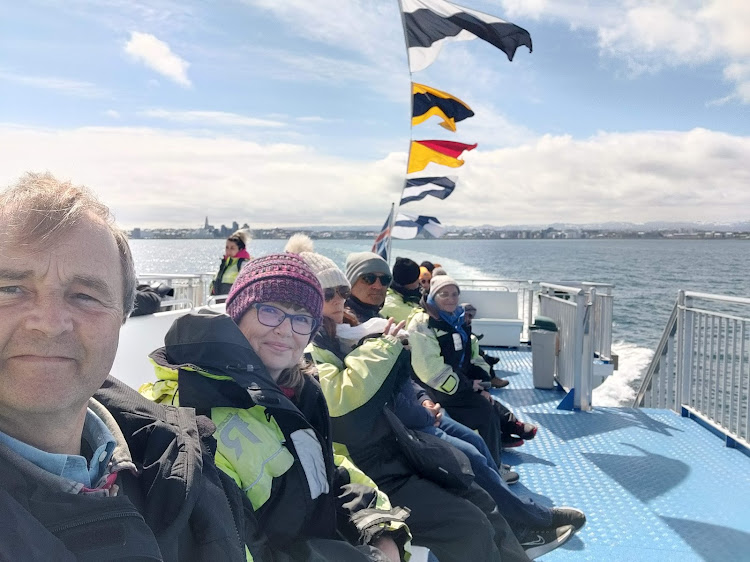
When on board, we were then advised to wear warm overalls. I had already dressed warmly, but decided to take their advice (good move). They had a supply of overalls below deck. I then rather resembled a whale myself.

We set off. A tour guide came on deck, and told us all about whales, and how to look for them (look for the rise of spray, the blow, when they come to the surface). She explained that there was no guarantee that we would see whales, but assured us it was likely.

The sea was choppy, but not especially rough. A few people looked a bit green (obviously hadn’t taken the pills) but no one was actually ill. After a while, we were told the guide had spotted ‘the blow’ and we were heading towards it. Then I saw it too. Such excitement! The trip was instantly worth the money.

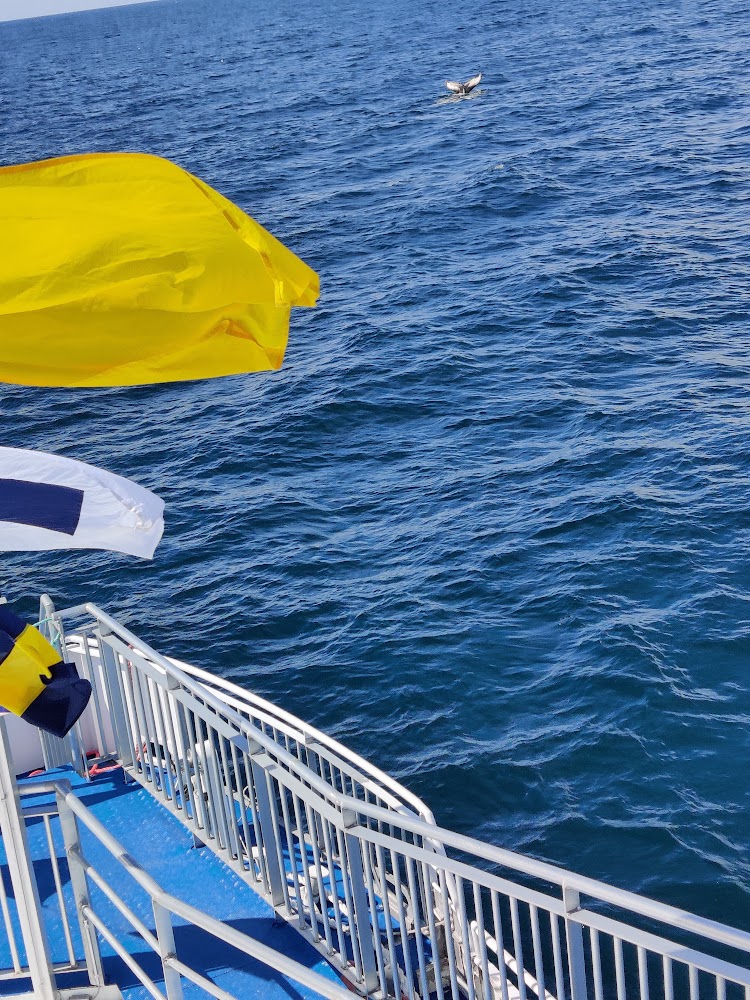
The boat stopped, and wonders, a flipper came out and smacked the surface of the water. It was like being waved at. I made a sort of involuntary “aaagh” noise like you do when fireworks go off. Then the whale dived, and out came the tail, the iconic view, right next to the boat. Fabulous.

We continued on, and spotted two more humpback whales. We, of course, had neither binoculars nor camera with zoom. I grasped my iPhone and snapped as many photos as I could. The whales were so close to the boat, I was sure my pictures would be tremendous. When I looked at them later, they had captured waves, and nothing else. Husband’s were slightly better, so look closely and you can just about see bits of whale. It was better in real life.

Whales are huge, and wonderful, and it makes me sad that today they are killed for food. Our guide told us that whale meat was never an intrinsic part of the Icelandic diet—they occasionally ate the meat from a beached whale, but whaling was not in their history. Today, whales are caught in Iceland. The meat is sold for export (to places such as Japan) or served in restaurants to tourists. Since Covid, restaurant freezers are full of unsold whale meat. I’m hoping this discourages further whaling. There are better things to do when in Iceland than eat whale meat, alive whales should be worth more.

Hope you have a good day. Thanks for reading. Take care.
Love, Anne x

Anne E. Thompson
Thank you for reading anneethompson.com Why not sign up to follow my blog?

I tried to learn 2 Chronicles 7:14 while in Iceland. How much of it have you managed to remember? Read it again to refresh your memory:

(NIV)

If my people, who are called by my name, will humble themselves and pray and seek my face and turn from their wicked ways, then I will hear from heaven, and I will forgive their sin and will heal their land.

(OHB)

וְיִכָּנְעוּ עַמִּי אֲשֶׁר נִֽקְרָא־שְׁמִי עֲלֵיהֶם וְיִֽתְפַּֽלְלוּ וִֽיבַקְשׁוּ פָנַי וְיָשֻׁבוּ מִדַּרְכֵיהֶם הָרָעִים וַאֲנִי אֶשְׁמַע 

מִן־הַשָּׁמַיִם וְאֶסְלַח לְחַטָּאתָם וְאֶרְפָּא אֶת־אַרְצָֽם׃

(CCB) 

而这些被称为我名下的子民若谦卑下来,祈祷、寻求我的面,离开恶道,我必从天上垂听,赦免他们的罪,医治他们的土地。

anneethompson.com
*****