Getting Started


Getting Started

You can follow my blog at:
anneethompson.com

Do you ever feel you spend the whole day ‘not getting started’? I suspect this is especially true for writers, but probably affects everyone. I mean that whole, being busy but not quite managing to do what I intended to do sort of day, when time slips past like an oily jelly, and suddenly it’s lunch time and I still haven’t started what I intended to do.

It’s not that I haven’t done anything, more that I have not accomplished what I planned to do. Like, when you want a cup of coffee, but first you have to wash-up a mug—the washing-up bit was not your purpose, it is merely one of those have-to-do jobs that appear before the main event. I seem to have a lot of those. . .

Take today, as the perfect example. Today, I plan to write. I am two-thirds of the way through the first draft of my new novel, and I’m loving it, and the characters are completely real people inside my head, and I am excited by where the plot is going inside my head, and over the weekend it occurred to me exactly how the book should end. All inside my head. Therefore, this morning, I am raring to get writing, and put those ideas into words. Today I plan to write. But. . .

I cannot really function without my morning coffee and Bible time, so after cleaning my teeth, I go downstairs and put on the kettle. A chick hatched overnight, so I go and check it is managing to drink (touch and go whether this one will survive). I refill the dog and cat’s water and food, make my coffee, read my Bible. Then it’s time to go for a run (not far, a 20 minute yomp to the end of the road: has to be done first-thing otherwise my exercise for the day is non-existent). Husband wants to come, so I agree to wait for him and fill the time sorting out my mother’s shopping for the week with Ocado. Husband appears, we run.
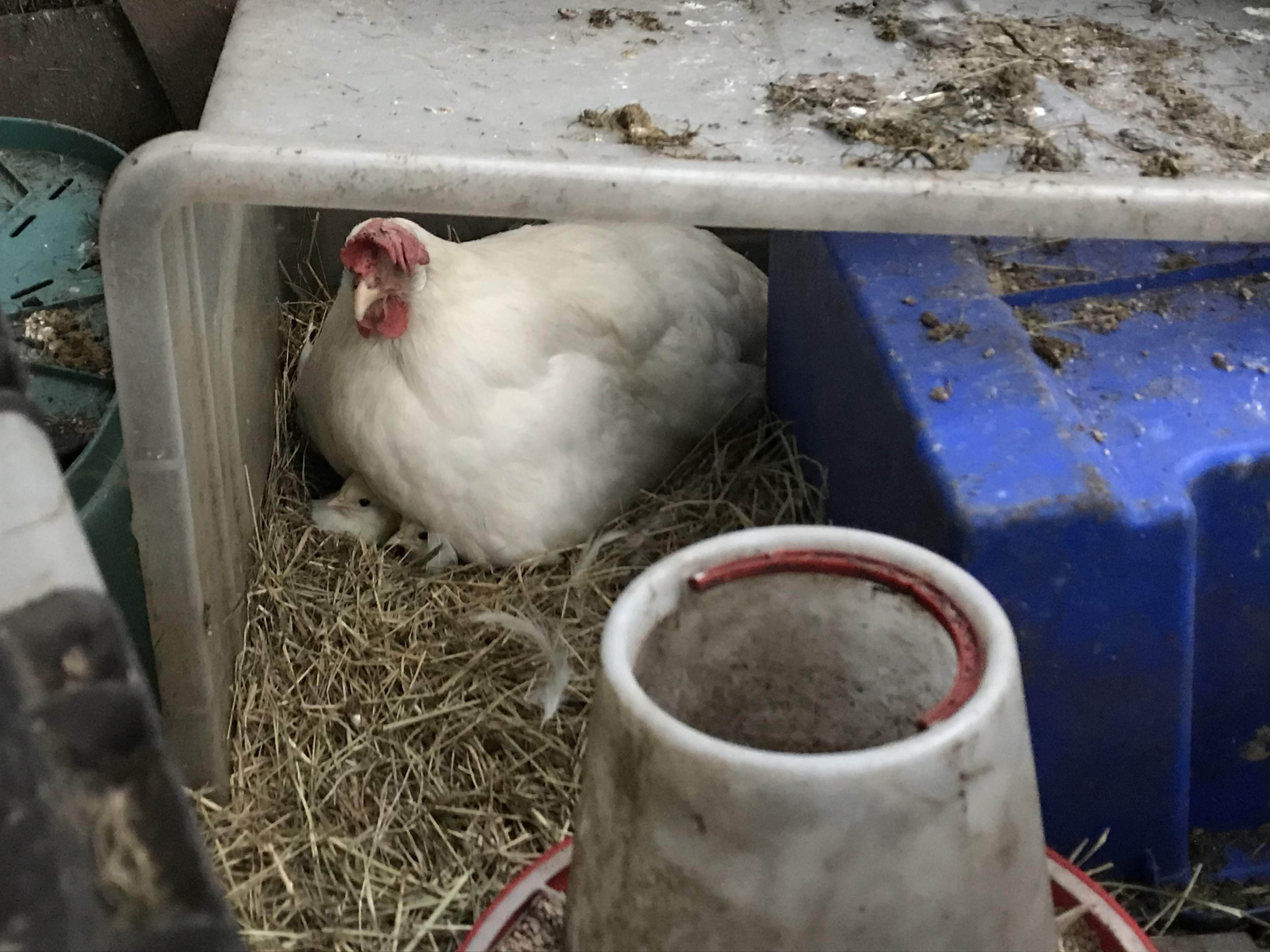
Return to house breathless and very sweaty. While Husband showers, I give feeble chick more water. Then I go to the pond to check chicks outside have water and food and aren’t stuck anywhere. Mother hen is very ferocious, and tries to attack me as I change water and top up food and attempt to grab some of the dirty hay and replace it with clean bedding. I check on Matilda. Matilda is a pheasant I found on a dog-walk, clearly dying as she had been hit (I assume) by a car, and lying on an oft-walked route, so likely to be mauled by the next passing dog/fox—not a nice way to die; so I carried her home and put her in a duck hutch to die peacefully. Except she didn’t die, so I now have a one-legged pheasant living in a hutch. (I have received a lot of family feedback about this.) Matilda is fine. Change her water, and top up the duck food.

Am about to shower, when I realise I haven’t ‘fed’ my sourdough starter today. I make a loaf every Tuesday, and it needs 24 hours to ferment, so I weigh the flour and stir it into the gloop, ready for tomorrow.

Grab a few dirty clothes and shove them into the washing machine, and give feeble chick another few sips of water.

Finally make it into shower, last hurdle before I do what I planned to do, and write more of my book. Except. . . while in the shower, it occurs to me that this would make a reasonably interesting blog, and if I quickly write this first, it leaves the rest of the week beautifully clear for wring my book.

At last, I have finished, and I hope that today, you manage to achieve what you planned to achieve, with no distractions. Now, if you will please excuse me, I have a book to write. . .

Thank you for reading.
You can follow my blog at:
anneethompson.com

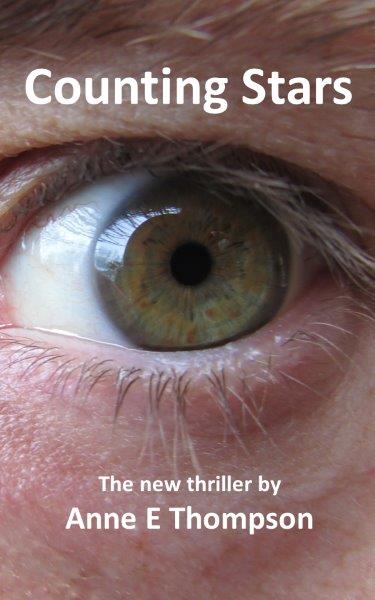
Quarantime to Read. . . Counting Stars: Chapter Three


Chapter Three

She doesn’t look, think, or fight like James Bond, but sometimes a mother simply has to do whatever it takes. . .

Due to the KDP rules on Amazon, I am not allowed to upload a whole book anywhere other than on the KDP site. I can therefore share chapters with you, but must remove them when read.


If you would like to read the whole story, or perhaps buy a copy for a friend, it is available from an Amazon near you. The link is below:


To be continued on Wednesday. Sign up to follow my blog so you don’t miss the next chapter. . .

Please share with anyone who is stuck at home self-isolating.

Thank you for reading
anneethompson.com
 

Amazon Link Here

****************

Quarantime to Read. . . Counting Stars: Home


Home

She doesn’t look, think, or fight like James Bond, but sometimes a mother simply has to do whatever it takes. . .

anneethompson.com
****

Due to the KDP rules on Amazon, I am not allowed to upload a whole book anywhere other than on the KDP site. I can therefore share chapters with you, but must remove them when read.


If you would like to read the whole story, or perhaps buy a copy for a friend, it is available from an Amazon near you. The link is below:


If you’re enjoying the story, why not buy a copy for a friend? Available from an Amazon near you.

Amazon Link Here

****

Electric Toothbrushes Can Cause Blindness


Electric Toothbrushes Can Cause Blindness

“Get an electric toothbrush,” they said.

“An electric toothbrush is much better for your gums—and gum disease is a bigger problem than tooth decay.”

I listened to the advice from my dentist, and considered whether he might be right. I have terrible teeth, and for many years as a child I neglected them, so now they are full of fillings. Plus, they’re too big and stick out (my dear husband describes them as ‘horsey teeth’). If I had the ability to change one thing about myself, it would definitely be my teeth. I guess we all have something we’d like to change.

However, now I am all grown up, I do attempt to take better care of them, and I have not needed a filling since the 1970s, so I feel I’m doing okay. I clean my teeth morning and night, with a fluoride toothpaste, and a medium sized toothbrush, which I replace regularly. I did not see the need for an electric toothbrush. I also did not especially trust my dentist, who was a new one, due to my dentist of 30 plus years inconveniently retiring. But Mr. New Dentist was insistent, an electric toothbrush was the way to go.

I left scowling.

The following weekend, Bea visited, and I heard her cleaning her teeth. She was using an electric toothbrush. She extolled the virtues, and told me I should listen to my dentist.

I scowled some more.

I looked online. There were a vast array of electric toothbrushes available, ranging from fairly cheap to needing a mortgage. I chose a not-too-expensive one, because I wasn’t convinced it would be used more than once.

Toothbrush arrived. The packaging was impossible to open, I cut my finger trying to remove it from the plastic case. I glanced at the instructions, and there seemed to be a bit missing, but perhaps they were generic instructions and referred to a different model. I carried toothbrush to the bathroom and plugged it in, hoping that it wouldn’t charge. It charged.

Returned to bathroom and scowled at toothbrush. It stood on its stand, looking smug and slightly dangerous, as if it knew things that I didn’t suspect. I picked it up and held the head under the tap until it was rinsed, then applied a ‘pea-sized blob of toothpaste’ as per instructions. So far so good. Pressed the button, and the fun started.

The toothbrush came to life with a high-pitched whirring that took me straight back to childhood and the dentist’s chair and the whine of his drill. At the same time, the pea-sized blob of toothpaste scattered into a thousand tiny specks that coated the mirror and the sink and my sweater. I realised my mistake, and hastened to place toothbrush into my mouth. It juddered across my cheek, whirred around my mouth, snagging my gums and the inside of my cheek and skimming across my teeth. I tried to stop it, and discovered I am incredibly uncoordinated. My efforts to press the stop button, rinse the brush, return to mouth, press on button, all became muddled. I splattered the whole bathroom with water and toothpaste, and some went into an eye. Toothpaste in your eye really stings. Am pretty sure I will go blind now—but at least I won’t be able to see my horrible teeth.

I managed to stop the toothbrush, rinsed it and returned it to its stand. It looked very smug.

I am looking for a new dentist, if you have any recommendations?

Have a good week.

Love, Anne x

Thank you for reading
anneethompson.com
Why not sign up to follow my blog?


Quarantime to Read. . . Counting Stars: The Journey


Chapter Two

She doesn’t look, think, or fight like James Bond, but sometimes a mother simply has to do whatever it takes. . .

The Journey Continues


Thank you for reading.
Why not sign up to follow my blog?
anneethompson.com

****

Due to the KDP rules on Amazon, I am not allowed to upload a whole book anywhere other than on the KDP site. I can therefore share chapters with you, but must remove them when read.


If you would like to read the whole story, or perhaps buy a copy for a friend, it is available from an Amazon near you. The link is below:


https://www.amazon.co.uk/Counting-Stars-glimpse-around-corner/dp/0995463212/ref=sr_1_1?dchild=1&keywords=counting+stars+by+anne+e+thompson&qid=1589905723&sr=8-1

Quarantime to Read. . . Counting Stars: The Mission


She doesn’t look, think, or fight like James Bond, but sometimes a mother simply has to do whatever it takes. . .

Due to the KDP rules on Amazon, I am not allowed to upload a whole book anywhere other than on the KDP site. I can therefore share chapters with you, but must remove them when read.


If you would like to read the whole story, or perhaps buy a copy for a friend, it is available from an Amazon near you. The link is below:


https://www.amazon.co.uk/Counting-Stars-glimpse-around-corner/dp/0995463212/ref=sr_1_1?dchild=1&keywords=counting+stars+by+anne+e+thompson&qid=1589905723&sr=8-1

You can buy a copy of Counting Stars  from an Amazon near you:

Amazon Author Link Here!

***

Thanks for reading.
Why not sign up to follow my blog?
anneethompson.com

*****

Slavery on the Plantations


I had planned to be in Italy now. In preparation, I wrote this post last year, and postdated it to be published today. It is weirdly relevant given what is happening. As I read Fanny’s book, it was fascinating to hear her say things that today would be considered blatant racism, even though she was fighting for the abolition of slavery. There is a lesson here for today. If we are protesting against racial inequality, is it okay to shop for cheap clothes, which are made by slaves in Bangladesh? Do we only want racial equality in the UK and the US? Or are we prepared to give our money to aid agencies to help fight Covid-19 amongst the poor in India, Africa, and beyond? What, I wonder, will the future think of us?

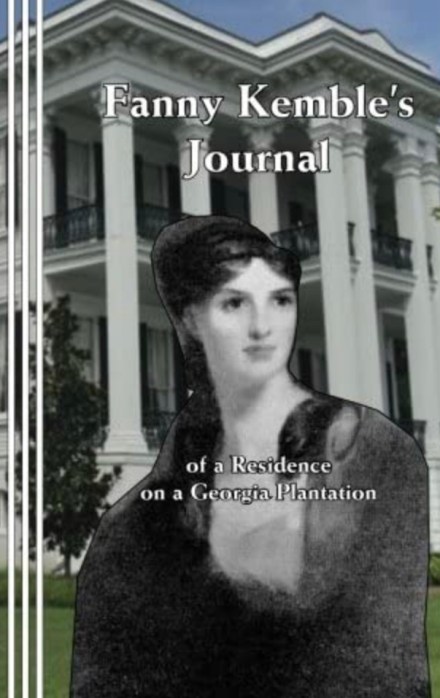
Journal of a Residence on a Georgian Plantation 1838-1839

by Frances Kemble

While we were visiting the Southern States of America last year, we were very aware of echoes of the past wherever we went. We saw old plantations, fields of cotton, museums, relics from the civil war, and were ever conscious of the comparatively recent slave trade. I began to explore this a little, to try and discover some facts beyond what we could see, and one of the books that I bought was the Journal of a Residence on a Georgian Plantation. It is a brilliant book, and allows the reader to see the slave trade, as it was, through the eyes of another investigator.

Fanny Kemble was an English actress. She was fairly well-known, as both an actress and an author, and during a tour of America with her father, she met Pierce Mease Butler. They married, and she went back to live with him in America, having no idea about how, exactly, he made his money. She then discovered that Butler owned a plantation, and slaves. Fanny deplored the idea of slavery, and insisted that she be allowed to visit the plantation, and see for herself the life of the slaves owned by her husband. The book is a series of letters and extracts from her journal, describing what she discovers.

I read the book shortly after arriving home from our road trip through Georgia and the Carolinas, so much of what Fanny describes is clear in my memory. She talks about the swamps, where the trees appear to be balanced on long fingers, and she calls them ‘woods of water.’ She describes the wildlife, the climate—all of which is pretty much unchanged even today. However, read through modern eyes, Fanny herself would be classed as racist, as her language reflects the thinking of the day. A strident abolitionist, Fanny makes a strong argument for the evils of the slave trade, whilst also describing black people in unflattering terms. It is unclear whether Fanny considers the slaves to be her equal, or whether she simply thinks the owning and degradation of human beings is deplorable (which is not quite the same thing).

The living conditions of the slaves are described as dirty, with no comfort, insufficient food. However, the aspect that affects Fanny the most is the whole being owned principle. Although the slaves married, and had children (which were then considered the property of the plantation owner) this was not respected beyond the confines of the slave residencies. So a man might return home from work one day to find, without warning, that his wife or child had been sold to a new owner, many miles away. Fanny also refutes the idea of benevolent owners, saying that those people who claimed to be kind to their slaves were still treating them as animals, and doubting whether a full-grown person would prefer to be treated as a much-loved pet dog, or as a donkey–both are belittling, and both undermine the basic principle that people of all colour, are human. This was radical thinking for her times.

One part which was interesting, is when Fanny is discussing Shakespeare (which would be very relevant to an actress). She ponders the play of Othello, and how the character, who is black, is described as a Moor, not a Negro. Fanny tells her friend that the hateful speech by Iago, Othello’s enemy, would be much more realistic if his hatred of “the moor” was changed to “the negro” and would add to his criticism of Desdemona, who has married a “negro.”

To discover what happened to Fanny later, beyond the pages of the book, I had to search the internet.

Fanny later divorces Butler and returns to England. Butler squanders his money, and eventually sells 436 slaves at The Great Auction in Savannah. This was notable, and is still part of the remembered history of Savannah today, used as an example of the horrors of the slave trade. Families were wrenched apart in the sale, and local people described the wailing and crying.

I found this book exceptionally interesting, though the style of writing was not my personal taste. It gives a clear account of how someone living in the times of slavery viewed what was happening, and I loved how her own biases were unconscious, and never addressed. I wonder what Fanny would think of her own writings if she was alive today. . . and I wonder what a future Anne would think about my own views. We are all products of the society in which we live, even if we like to think our generation has ‘sussed it’. I wonder if perhaps before we shout at those who we think are racist today, we had better look into our own hearts. You might claim that you believe all people are equal–but have you ever bought cheap clothes that might have been made by slaves in Asia? When did you last donate money to help downtrodden people? Would you allow the field near your home be used to build homes for refugees? I wonder. . .

Thank you for reading
anneethompson.com
Why not sign up to follow my blog?

Quarantime to Read. . . Counting Stars: The Plan


The Plan

She doesn’t look, think, or fight like James Bond, but sometimes a mother simply has to do whatever it takes. . .

Due to the KDP rules on Amazon, I am not allowed to upload a whole book anywhere other than on the KDP site. I can therefore share chapters with you, but must remove them when read.


If you would like to read the whole story, or perhaps buy a copy for a friend, it is available from an Amazon near you. The link is below:

Amazon Link Here

********************

Thanks for reading.
Why not sign up to follow my blog?
anneethompson.com

*******

Quarantime to Read. . . Counting Stars: The Woman


She doesn’t look, think, or fight like James Bond, but sometimes a mother simply has to do whatever it takes. . .

Due to the KDP rules on Amazon, I am not allowed to upload a whole book anywhere other than on the KDP site. I can therefore share chapters with you, but must remove them when read.


If you would like to read the whole story, or perhaps buy a copy for a friend, it is available from an Amazon near you. The link is below:


https://www.amazon.co.uk/Counting-Stars-glimpse-around-corner/dp/0995463212/ref=sr_1_1?dchild=1&keywords=counting+stars+by+anne+e+thompson&qid=1589905723&sr=8-1

Thanks for reading.
Why not sign up to follow my blog?
anneethompson.com

*******

Will You Look Outside of the Bubble?


Looking Outside of the Bubble

I miss my family. I want to see my son and his girlfriend, and I want to see my sister—who was due to visit from Canada but then had to cancel her trip because of lockdown and quarantine and all-things-Covid. I feel like I’m living in a bubble, much of which is not terrible, but there are snippets of life that I sorely miss, and people who I love are some of them. I also want things to be normal again, and I’m not sure they ever will be. I don’t much like living in a bubble, do you?

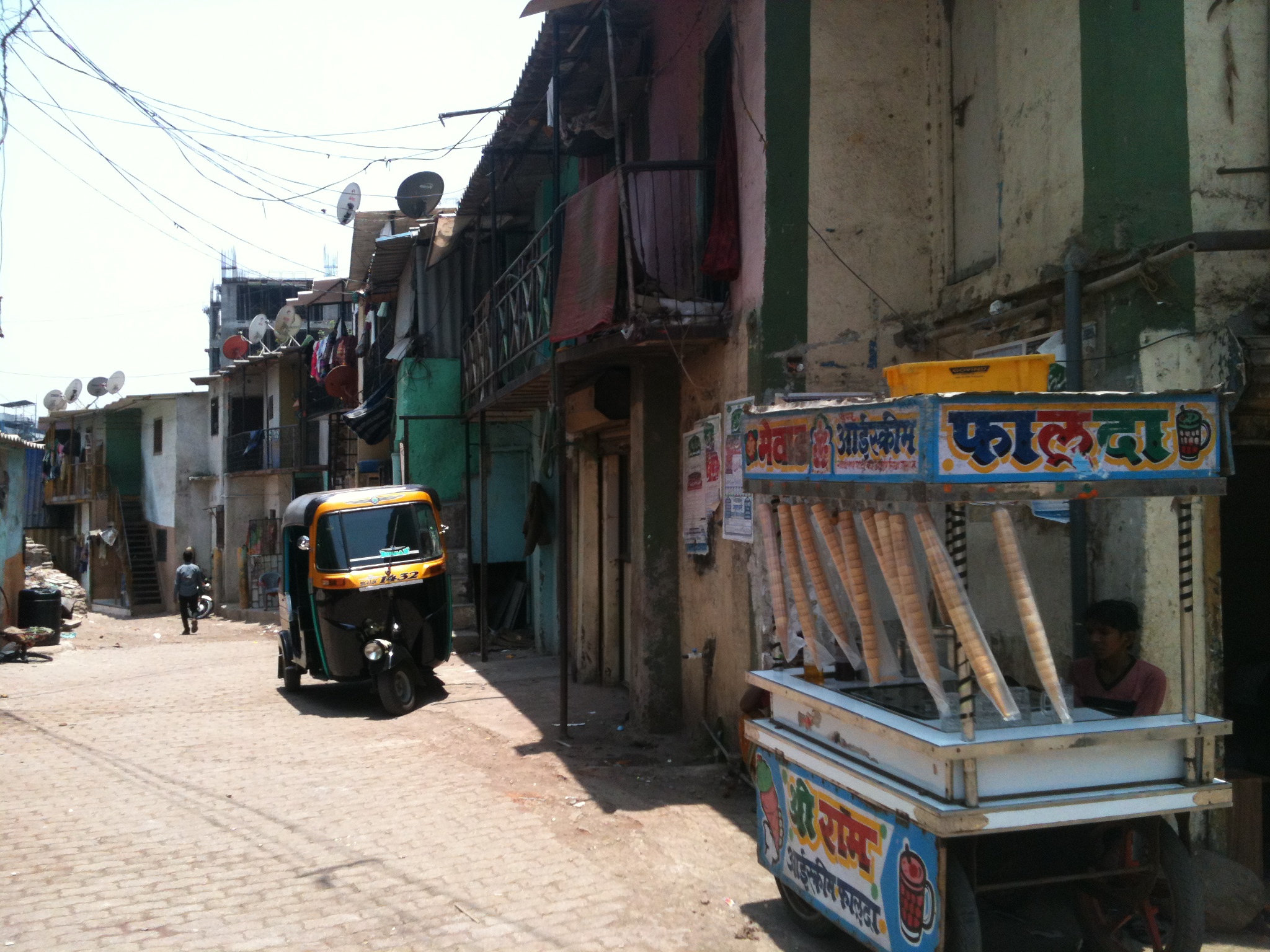
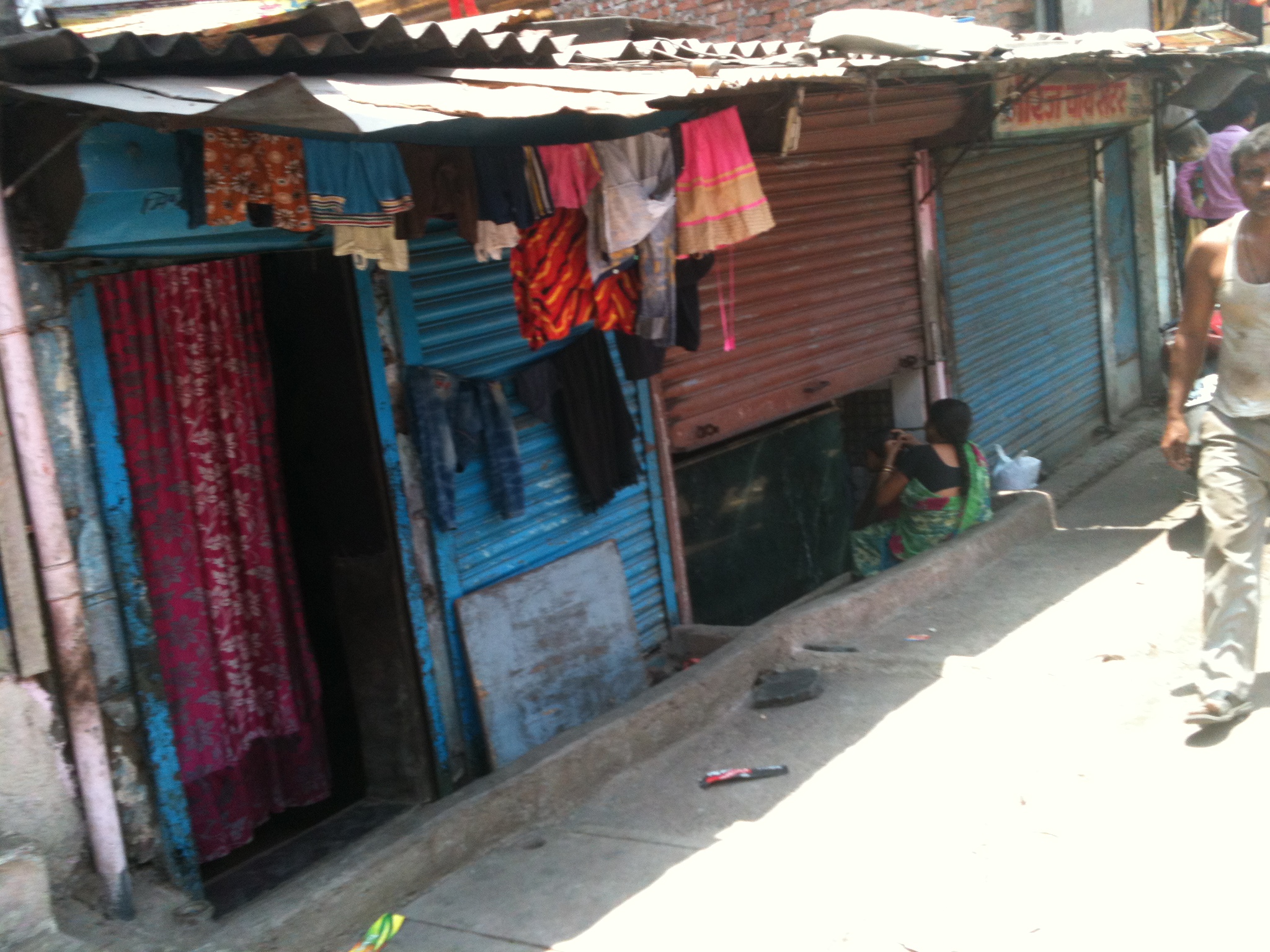
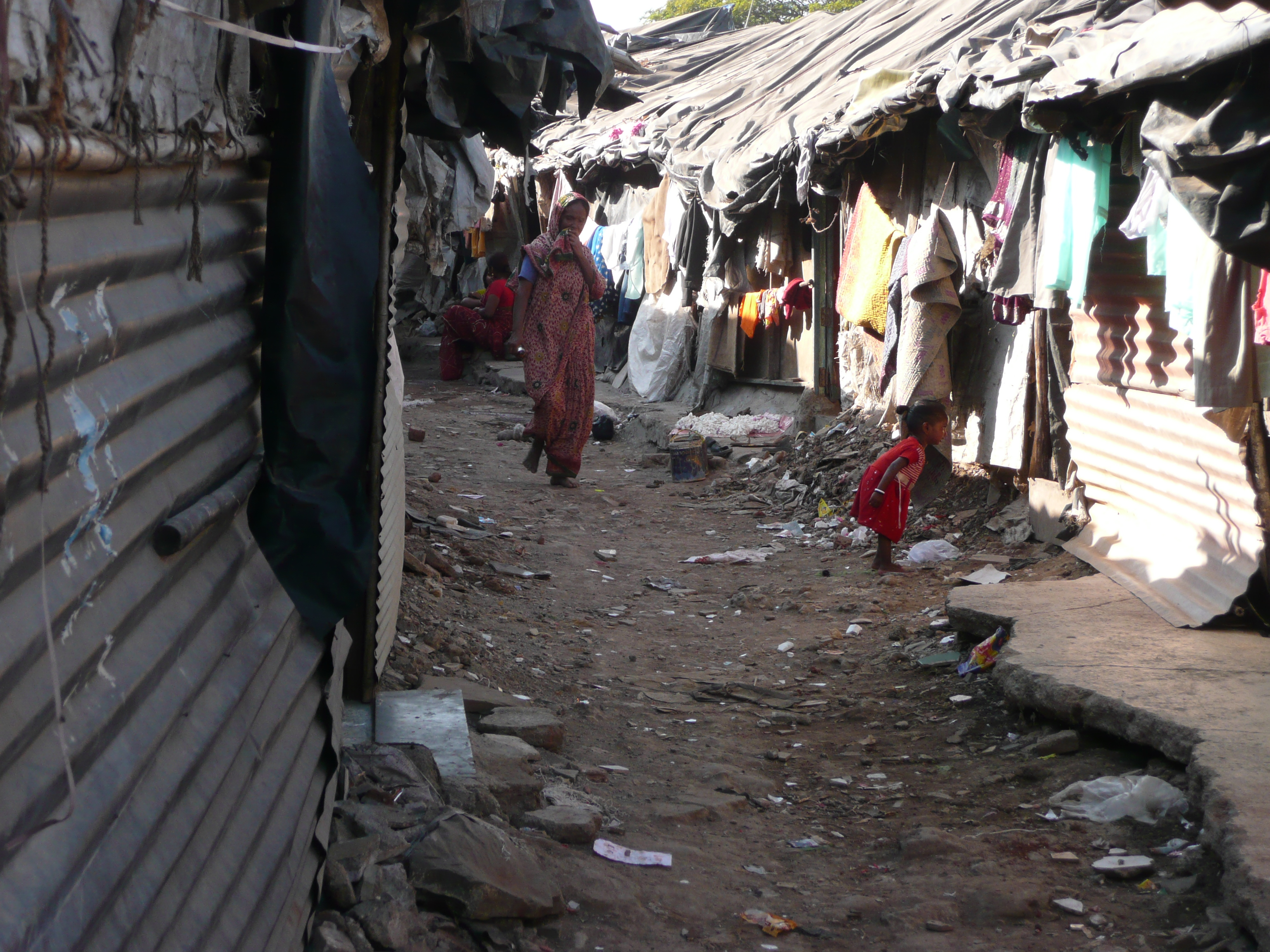
If I look further beyond my bubble, there is India. Do you ever wonder what is happening there now? All our news is as Covid-dominated as our everyday lives, and news from outside of England has been hard to find. But I know people in India, I have walked through the slums, and held babies, and giggled with children on the road outside a brothel. What has happened to them during lockdown—do you even care? Will you let me show you, for a few minutes, what is happening outside of your bubble?

I want to show you Samir. Actually, Samir isn’t her real name, I have no idea what her real name is. She is a girl, caught on a photograph during one of our trips to India when we went to see the work Tearfund partners were doing among the poor. Look at her for a moment. She’s clearly having a laugh, teasing someone who’s inside the house. Someone has tied back her hair, found her clothes—but not shoes. Look at her poor feet as she walks through the discarded rubbish of her home. She captured my imagination with her dancing eyes and zest for life, and she’s the screen saver on my computer, and when I’m feeling fed-up, I look at her and remember that some people laugh when they live in a dump, children giggle even when they’re hungry.

There are lots of poor people in India. They make their homes from what they can harvest from the society around them (okay—they probably steal it—I suspect building sites regularly lose stacks of bricks and sheets of corrugated iron). They live by what they can earn day to day on the streets. They clean the homes of rich people (that’s us) and they drive taxis, and they have food stalls, and do laundry, and a whole myriad of other jobs that allow them enough to feed their families. I love India because everyone seems to be busy, everyone is scurrying around, trying to improve their life.

But then came lockdown. The government suddenly announced everything was closing, people had to stay at home. If you think there was panic-buying in England, you can imagine what it was like in India. The initial restrictions were eased, and people were allowed out to buy essential food, but the shock, the severity of the situation, smacked into the poor of India with no warning.

In England, we had to stay at home for our lockdown, and could only meet friends online, and our activities were reduced to screens and books and going out for exercise once a day. Look beyond the bubble for a minute, and see what lockdown meant in India. They don’t have screens in the slums, or books. . . or food. Those people who have left their villages to crowd into the city because they can glean a living working among richer people, suddenly had no work, no income, no food. So what did many of them do? They realised they could either stay in their make-shift homes and starve, or they could take their families back to their villages—where at least they could try and grow food. And so they set off, in their tens and hundreds and thousands.

But there was no public transport due to the lockdown, so they walked. At first, they walked on the roads, but when the police came to turn them back (because a mass exodus from cities meant a spread of the virus) they used the train tracks. When people were killed on the tracks, they took to the fields, wading through rivers when necessary, with their possessions, and elderly relatives, and children. Desperate people will always find a way. Other people opted to stay in the cities, but the aid agencies that provided a meal every day could no longer operate in the same way, the fabric of their lives, their means to make a living, had all but disappeared.

Gradually, things are being organised in India. Aid agencies are finding ways round the rules, the government are trying to provide what is needed—but people are still falling through the cracks. The slum I visited had water barrels outside each building, because water was only available at certain times of the day, so they would fill the butt and then use it throughout the day. Homes didn’t have toilets—there were buckets or shared facilities in the street. Whole families crammed into a couple of rooms. How does social-distancing work somewhere like that? How can people wash their hands regularly when there is no running water? How do they escape a virus which will probably devastate them because their health is already worn down by malnutrition and TB and other illnesses? Yet these people are unlikely to be the first on the list when a vaccine becomes available. These are the forgotten people. . . we don’t even know their names.

Please will look with me for a moment, beyond the bubble that has become our lives? I know that you are tolerating your own hardships, your own struggles. But there are people beyond the bubble who still need the help of others, who struggle to survive and are constantly knocked down again. We might not know their names, but if we try, we can still see them, they are out there, beyond our bubble. Please will you try to see them? Please will you help? A few pounds might just help my little photograph-girl to have some dinner–even if we don’t know her name.

Thank you.

Please reach out of the bubble, and click the link below. Be part of something. . .

Tearfund link here

Thank you for reading. Why not sign up to follow my blog?
anneethompson.com

The next chapter from Counting Stars will be posted on Wednesday.