Publishing a Book – Part Three


IMG_4814

So, after you have had your manuscript edited, have proofread it about a million times, and are fairly sure that you have picked up as many typos as is humanely possible, it is ready to send to a typesetter.

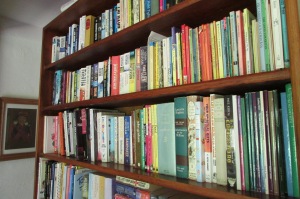
The typesetter puts your book into the right format for the printer. You can assume a cost of about 90p a page. It depends on print size, but a 100,000 word book is about 300 pages. They will send you examples of different text, ask if you want the first letter of a new chapter written as a capital, or the first word, or the whole of the first line. These were all things I had never noticed before (and I am an avid reader!) I think I only notice if something is ‘odd’, if a self-published book has strayed from what my eye is used to seeing. I was therefore grateful that my typesetter knew more than me. He had done this many times before and could tell me what a ‘normal’ book looked like. I had to keep running to my bookshelves to check things.

You also want someone with experience so the margins are the correct size – you don’t want the words running into the fold of the book, nor do you want massive margins because that means more pages, which will cost you more money.

Some people choose to have a running header, with either the author name, or the chapter title on each page. Some people like the page numbers in the centre, some prefer them at the top. I didn’t have strong opinions on much, I was mainly just keen that my book didn’t look odd : that chapter one began on a right hand page, that the starting margins were full width and all others indented, things like that. This was all learned while I was answering questions and checking inside other books.

I was told that pages are bound in batches of 16 (I think it depends on the size of your book.) This means there might be some empty pages, at either the front or the back. My typesetter suggested that this would be a good place to put some ‘tasters’ of my other books, to encourage people to buy them, a ‘free’ advert.

You might also like to think about the copyright page. There is fairly standard wording inside most books, but you can adapt it to suit yourself. In England, copyright is automatic, if you have written something, you own the copyright. Proving that you have written something might be difficult, so it is possible to register your copyright – there are details of how to do this in the Writer’s Handbook. It does not mean you now own the copyright (you did already) but if someone challenges you, you have proof of when you registered it.

It is usual on the copyright page to name the publisher and to put their contact details. If you use a self-publishing company, they will, I presume, put their address there. We weren’t using a company, we were doing it all ourselves and I wasn’t keen on having my own address in the book. We therefore made a company name, The Cobweb Press, and made a website. This gave us an email address that we could use in all the books. (I am sort of hoping no one ever looks at the website, as we made it in a rush, and it’s not going to impress anyone. But it serves a purpose and means strangers can contact me – to order books – without knowing my home address.)

You might decide to have an ISBN number. These are usually included on the copyright page and also on the back cover. It is not essential to have an ISBN number, but shops like them (some shops will refuse to stock the book unless it has one) and it makes it easier for people to find your book if they know it. You buy them. I bought 10 numbers for £149. There was some paperwork to fill out (husband did that for me) and then they were issued, to use as I wished. The ‘cover guy’ had to leave a white space in the correct place so the barcode could be added (my printer did that.)

We also needed to register the book with the British Library, and send them a copy when it was published.

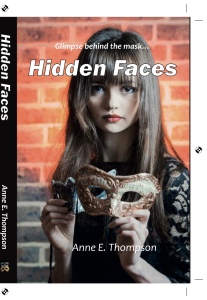
You need a cover for your book. Go and look at some. I wanted something that would stand out, but not something that looked odd. Find someone who has done other book covers. You need to consider how thick the printed book will be, because that changes the thickness of the spine (and the cover is designed as one long, -front/spine/ back – file.) My typesetter had also done other book covers, so he also did my cover. For the front, you can look online and find many different photographs that are available to buy to use as book covers. These range from textures to use as backgrounds, to full pictures. I opted to have a person on my cover, as the book is about people. The ‘cover guy’ came and took lots of photographs and I chose the one I liked best. He then added the words, designed the spine of the book, suggested ideas for the back. I included the ‘blurb for the back’ in the file I sent to the editor, so that was ready to use. I think you need to allow £35 for a cover, plus a price for the photograph.

We also discussed choices with the printer. We used cpi (if you look at books you have bought, it usually says who has printed them; ‘cpi’ have printed many of the paperback books that you find in the bookshops.) They were very helpful and gave us a menu of options. We could, if we had wanted, had just a single book printed. If anyone has a book they want to see in print but they don’t plan to sell, they might like to have one copy made. Obviously, the more books we had printed, the cheaper the cost per book. It cost about £2 per book to print 500 copies. If you want to add a barcode then add an extra £35 to the overall printing costs.

They asked us which thickness of paper we wanted and what size of page. I didn’t have a clue! They kindly sent samples of books they had printed, so I could ask all my family and friends to turn the pages and tell me which thickness they preferred. Made a change from talking about the weather.

If you read all the terms and conditions that the printer sends, you might find that one condition is that you have indemnity insurance. This was quite a hassle to arrange, and I don’t think actually it will cover much should anyone ever sue me, claiming I have stolen their ideas. But if you read all the small print (husband is good at that sort of thing) it was a condition of being published, so we did it. We had to estimate my probable earnings for the year – the insurance company then told us they didn’t go that low! It cost £175 for annual insurance.

I really want to tell you about the things we did to market the book, why I had to register for US tax, and how much shops will want to make when they sell your book; but this is too long. I will include it in Part Four. Why not sign up to follow my blog so you don’t miss it?

anneethompson.com

xxxxxxxxxxxx

Thank you for reading.

xxxx

Hidden Faces by Anne E Thompson.
When did you last buy your Mum a gift that made her laugh?

Hidden Faces final cover 6 July 2016

xxx

Publishing a Book – Part two


IMG_4814

All the characters in my book had the same names as my cousins. I have a lot of cousins. This was completely unintentional. When I write a story, it’s like watching a film, I see what is happening in my head and write it down. When a new character arrives, I pluck a name quickly from the air and continue. Obviously somewhere deep in my subconscious, my cousins’ names popped up. I didn’t even notice until reading the manuscript a few weeks after I had finished it. None of the characters were like my cousins, they just shared names. I changed them (the names, not my cousins.) I now use the internet to find ‘the most popular names in’ a certain year, and choose a surname from the telephone directory. It is safer.

My point is, it is difficult to always see what we have written. We are too involved. This is why I think an editor is an excellent investment. Someone unconnected with the book can point out that you use ‘that’ five times in a sentence and that it isn’t always that essential. Plus all those split infinitives that want naughtily to creep into your writing.

Finding an editor was not altogether easy (nothing was, to be honest.) To begin with, anyone can call themselves an editor, so how do you know who is worth employing? It will be a major outlay before you can even think about recouping any money – about £750 for a 100,000 word manuscript. If an editor is worth having, they will be busy, so sending them samples of work as a ‘test’ is unlikely to be possible unless you intend to pay them for that. You can of course ask which other books they have edited and buy them. However, how do you know if the splattering of unnecessary commas and the split infinitives are because the editor didn’t spot them or because the author/publisher rejected their editorial points? We decided on two editors eventually, one for Hidden Faces and one for Counting Stars. We figured that whichever one we preferred could then edit my other books (which had now grown to four, as I had finished writing Joanna, my story about a psychopath.)

One person (who had better remain nameless) was an editor by trade, did a lot of work for mainstream publishers and was very busy. So busy in fact that we had to wait three months before she would start work on my book. This was annoying, but I felt she was ‘a professional’ and therefore worth waiting for. The other editor we chose, was a writer himself, a writing lecturer and had edited various other books.

I think you need to decide what you want the editor to do. I thought I wanted them to simply proof read my work. This is a confusing term. A proofread is the final thing that happens, after the work has been edited and type-set, before it goes to the printer. What I actually wanted is called ‘copy-editing’.

My use of English is not terrible, I have taught English, I know most of the ‘rules’ about using possessive apostrophes, using fragments of sentences, all the usual stuff. I also knew that it is very difficult to notice mistakes in my own work. I tend to read what I meant to write. I also tend to miss things if I have rewritten something, and perhaps the tense is now different, or the possessive comma is now in the wrong place because I have changed to a plural noun. There is also lots of formal English that I do not know. I am hazy on when you need an Oxford comma, when to use “had -plus -verb” in past tense, when “leant” should be “leaned”. I would guess that most of my readers would also not know, however, I find badly written books irritating to read. I did not want my book to irritate someone who was better educated than me. I did not want to be embarrassed by my book (letting strangers read my work is embarrassing enough as it is!)

Editors will also check for continuity. It is easy to lose track of days in a story, and then you find that you have a nine day week. Or a character enters a room wearing a blue sweater and leaves wearing a red one. The editor should spot these mistakes. I also wanted to be told if the book was too long, or had boring parts, or was confusing. It is difficult to know yourself, because you have written it, you know everything about the story, someone else has to tell you if you have communicated it effectively.

The final thing an editor will do, is prepare the file for the type-setter. So, when everything is edited and all the words are perfect, they will prepare a file that shows where the time breaks are, which paragraphs should be indented, things like that.

As a separate point, do you know where paragraphs are indented? I thought a new paragraph was always indented. My editor pointed out that actually, the first line of a new chapter or after a time break, is NOT indented. I had never noticed that before! This is the sort of thing that makes paying for an editor worth the money. If I had simply printed my book (the “vanity press” label) then I would have started the chapter with an indented paragraph. Then, when someone pointed out to me that actually, ‘proper’ books do not have this format, I would forever be embarrassed by my book. (In case you haven’t noticed, this is a big fear of mine.)

Now, the actual process of editing was also unexpected. Editor 2 took my manuscript immediately and in roughly two weeks, returned it, with comments put in using ‘track changes’. This allowed me to read his comments and either accept or reject his advice. It was good advice, I accepted it. He told me things like, I had built up a lot of tension, and then immediately let it go, I should keep the reader in suspense for longer. Or, I had used “then” four times in a paragraph. Or, Max had put a drink into his bag but the next day he took out a snack. He pointed out split infinitives that I had missed, some dodgy spelling and suggested I lengthened some descriptions. All very helpful, well worth the money.

Editor 1 was a different experience. As a rule, I try to not criticise people on my blog – I think there is enough negativity in the world. But I want to warn you, so you don’t make the same mistakes. Some of her recommendations were valid, but many were just frustrating. She changed things that made the text clunky to read, changed the flow, made it feel like a school essay, not a novel. I spent many hours going through my manuscript, mainly changing her additions to what had been there originally. This is a definite bonus with self-publishing. If someone else was publishing my book, they may have accepted all her suggestions, changing my work into something which I myself would never want to read. I’m not sure how you would initially avoid this. People have different writing styles, so unless you have worked with an editor previously, you will not know if their style suits your own.

This makes choosing an editor difficult. If they do not actually write themselves, will they be aware of emotive writing, making the words flow easily, building atmosphere – or will they just plonk down full-stops where they were taught to in school? If, however, they are writers themselves, will they necessarily know what a split infinitive is? Will they have the discipline necessary to catch every error?

Then, when I returned the manuscript to editor 1 for the next round of changes, she informed me she had received a lot of work from Random House, she would let me know when she had time to pick up my script again.

This was a shock! I had expected that, having waited three months for her to start, my manuscript would then take priority. I felt like the person who hires builders, watches while they dig a lot of holes for foundations, and then doesn’t see them for months because they have gone to build something else. Please learn from my experience. If you hire an editor who works for mainstream publishers, those publishers are likely to take priority. If time is important to you, discuss that at the outset and put it in writing.

Also, someone who is using all their energy editing other work, will not necessarily be as thorough with yours. I found grammatical mistakes in my returned manuscript. True, I had missed them myself, but my misconception was that an editor would find and correct them all. This is not the case. I sometimes read books that have occasional errors in them. It doesn’t much bother me, they are easy to pass over, and I have always assumed they were printing errors. I now realise they might not be, they might be mistakes that neither the author nor the editor nor the proofreader picked up prior to printing. No one is perfect and three checkers do not guarantee perfection. When I queried this with the editor (and in fairness, she did lower her final bill accordingly) she said that no editor would expect to pick up every mistake, that is the job of the type-setter and author and proofreader. So, be warned, employing other people does not mean your own work is finished!

Eventually, your work will finally be edited. It has been back and forth several times until it is exactly how you want it and this takes time. It is a full book. A book takes a few days to read and every time it is returned you need to read the whole thing, from beginning to end. Hours of work. By the time I had read it for about the eighth time straight, it was beginning to lose some of its appeal. I was finding it hard to enjoy the story. This is where you need good family and friends. My sons pointed out that authors often dislike their own work when it’s first published, that actors and directors are renown for not wanting to watch the films they are in. This was normal. I should keep hold of my first conviction and keep going. (Sometimes my family are nice to me.)

After the editing, you also need to consider the cover, the blurb for the back, the type-setting, the final proofreader. Then of course, you will need to sell your book, which involves some marketing. Son the Economist has studied Marketing, he had a LOT of advice. I will continue this another time.

If you want to be sure you won’t miss the next instalment,
why not sign up to follow my blog?
Then each post will be emailed to you.

anneethompson.com

Thank you for reading.

xxxxxx

HIDDEN FACES by Anne E Thompson

Available from bookshops and Amazon. Strong characters and light humour wrapped up in an easy-read novel.
Hidden Faces final cover 6 July 2016

xxxxxxxxxx
Publishing a Book – Part One


IMG_4815

Hi, how was your week? I have been working hard on my book. Getting it published as been an unexpected journey, so I’ll share my experiences so far with you in case you ever decide to go the same route.

The first (and most fun part) is writing the book. I love doing this, it feels a lot like acting – I sort of ‘become’ the characters, think about how they would feel or react and daydream them into interesting situations. Most books seem to fit into the 70,000 to 100,000 words range. Which means that after I have written the story, I usually have to go back and delete great swathes of unnecessary sentences. I found the book ‘On Writing’ by Stephen King to be a big help here.

Next comes the ‘not fun’ part. You have to decide how to publish your work. I wrote my first book soon after I realised I would not be returning to teaching (long story, won’t go into it here.) I gave the completed manuscript to Husband to read, who tends to be ‘constructively critical’ of most things I do. To my surprise, he loved it, said he had never realised I could write so well, and encouraged me to send it off to publishers. I did a Google search to find publishers and discovered that most (all of them really) do not accept unsolicited manuscripts from new authors. To get to a publisher, you first need an agent.

I bought the ‘Writer’s Handbook’ and found contact details for various agents. They were all different, all asked for very specific details. Each submission took most of a morning. I then settled back and waited for them to request my full manuscript. I waited a long time. A few replied with very nice, personalised letters, telling me that my book showed real potential but wasn’t something they felt “passionate enough about” to represent me. Several replied with a standard ‘no thank you’ letter. Most never replied at all.

I have since learned that a good agent already has many authors as clients, they only take on a few new authors each year. They receive however, about 300 submissions every week. In order to cope with that, and to not spend their entire working day reading submissions, they employ people – often work experience students – who read the submission letters and decide if they think an author is worthy of being viewed by an agent. The criteria for knowing if the cover letter is ‘good enough’ is vague and subjective. I think, unless you know someone ‘in the trade’, finding an agent involves a lot of luck.

During this time, I was writing book number two, Hidden Faces. I also began to talk to other authors. They informed me that rejection was normal. I heard stories of people who had eventually been accepted by mainstream publishers, but during the editing process, their book was changed beyond recognition, it didn’t feel like theirs anymore. Publishers need to make money. Some seem to almost have a formula for the types of book they can sell, things that are currently in fashion, and they ask the authors to fit into it. I feel it is a bit like an artist painting a picture, expressing how they feel, then daring to exhibit their work, and being told, “I would like to buy your painting, but please change the sky to green and add some people and take out that tree…” Would it still be their work of art?

I was now not sure I wanted a mainstream publisher. I began to look into self-publishing. This was confusing. It seemed to fall into two categories: the rather unflattering term of “vanity press” and “self-published”. But what was the difference? It seemed that shops were willing to sell “self-published” books, but not those that used “vanity press”. But it was hard to discover the difference. Both were what I would call “self published”, as the author had themselves paid for the book to be published and they only received money if people bought it. (Generally, my understanding is that for a first book, a publisher will pay the author about £800. All profit after that goes to the publisher. However, people are shy about talking about specifics when it comes to money, so that may not be correct. When I get to the relevant parts, I will tell you what I paid for things, so you know.)

I eventually learned that “vanity press” is when an author writes a book and immediately sends it to be printed. So, no one edits it, no one checks the spelling and punctuation, no one says, “this bit is confusing, you need to change it”, no one type-sets it. You can find sad stories online of people who paid a company to publish their book and then found it had no copyright page, or Chapter One began on the left-hand side of the book. They received books that ‘felt wrong’, often cheaply bound in very thin card, with pages that were loose.

My feeling is that if you have written a book that you are proud of, that you just want to see in print, to perhaps give to your family (but not sell to strangers), then why not? I hate the term “vanity press”. Writing a book takes time and effort, why not see it published? I much prefer the terms “home press” or “amateur published”.

However, I did want to sell my book. I wanted a ‘proper’ book, one I could be proud of. I started to look online for editors, copy-editors, type-setters, printers. There were many publishers who offered a self-publishing service, and everyone seemed to have a corresponding ‘horror story’ on the internet. (If you Google search the name of the publisher and ‘scam’ it is quite scary what appears.) It was beyond me, so Husband took over (he is good at that sort of thing.) There was a lot of business stuff involved. He started by going into a bookshop and asking if they stocked any self-published books. He then looked to see who had printed them and contacted the printers. He got quotes for printing and asked for details of editors and type-setters, people they had worked with before who they could recommend. He then contacted various people, asked for examples of their work, quotes for prices, details of what they would do.

While Husband did all this research (made me remember why I love him) I rewrote a serial, Counting Stars, that had appeared on my website, making it a complete story. I now had two new books ready to publish. (I had given up on the first one and decided I needed to rewrite it.)

This account is getting long, so I will continue Part Two another time. I will explain about editors, and what exactly ‘proof-reading’ means (it is not what I thought!) and why you might need insurance…

Why not sign up to follow my blog so you don’t miss it?

Thank you for reading.

Take care,
Anne

xxxxxxx

Hidden Faces is available in bookshops and from Amazon.

Hidden Faces final cover 6 July 2016

xxxxxx

Warsaw, Poland – A Holiday Diary


IMG_4702

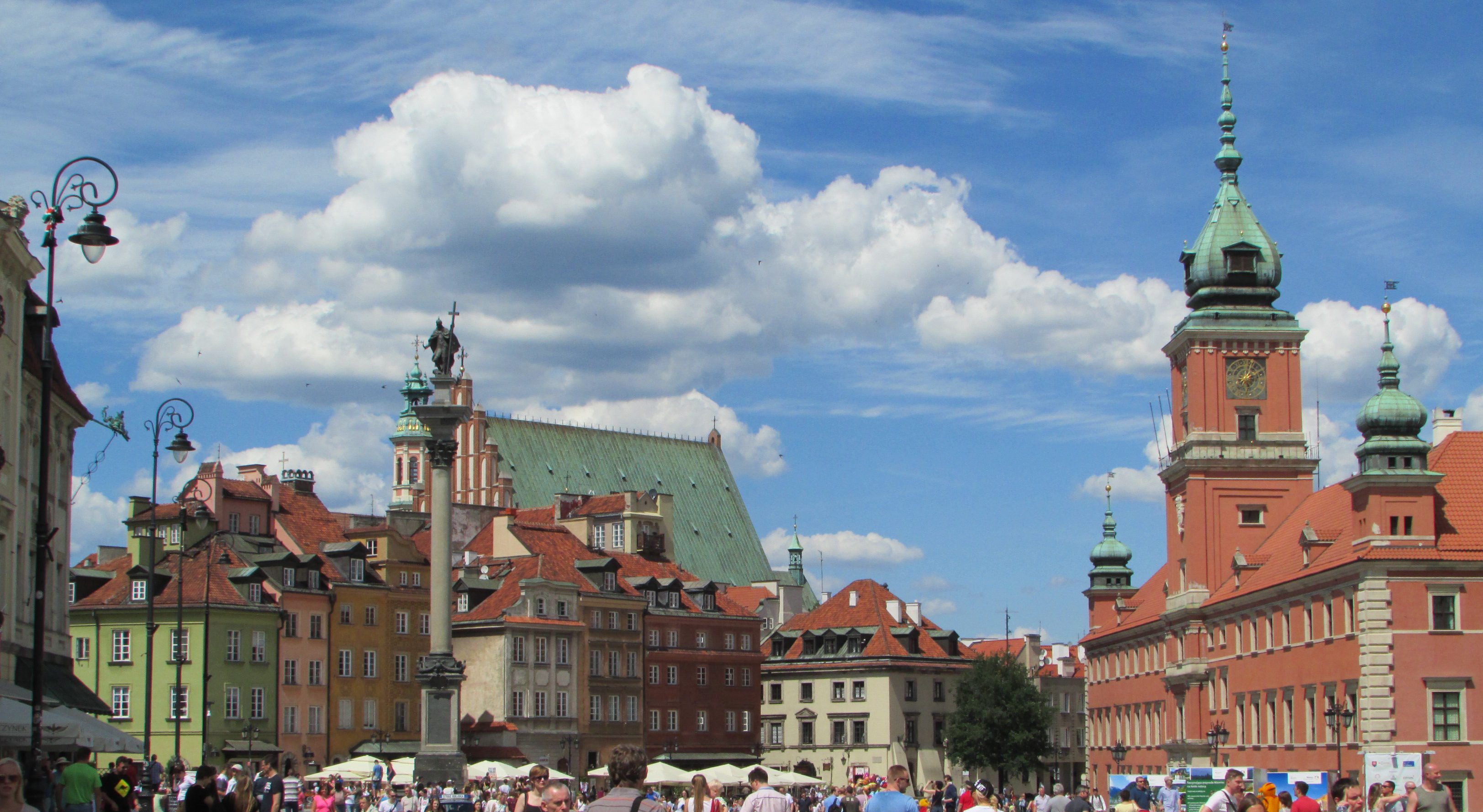
We checked in to hotel (Hotel Bristol), then walked up the ‘Royal Route’ towards the old town. Got something to eat at a Costa, which felt very foreign. It was also very cheap and surprisingly empty for an inner city Costa.

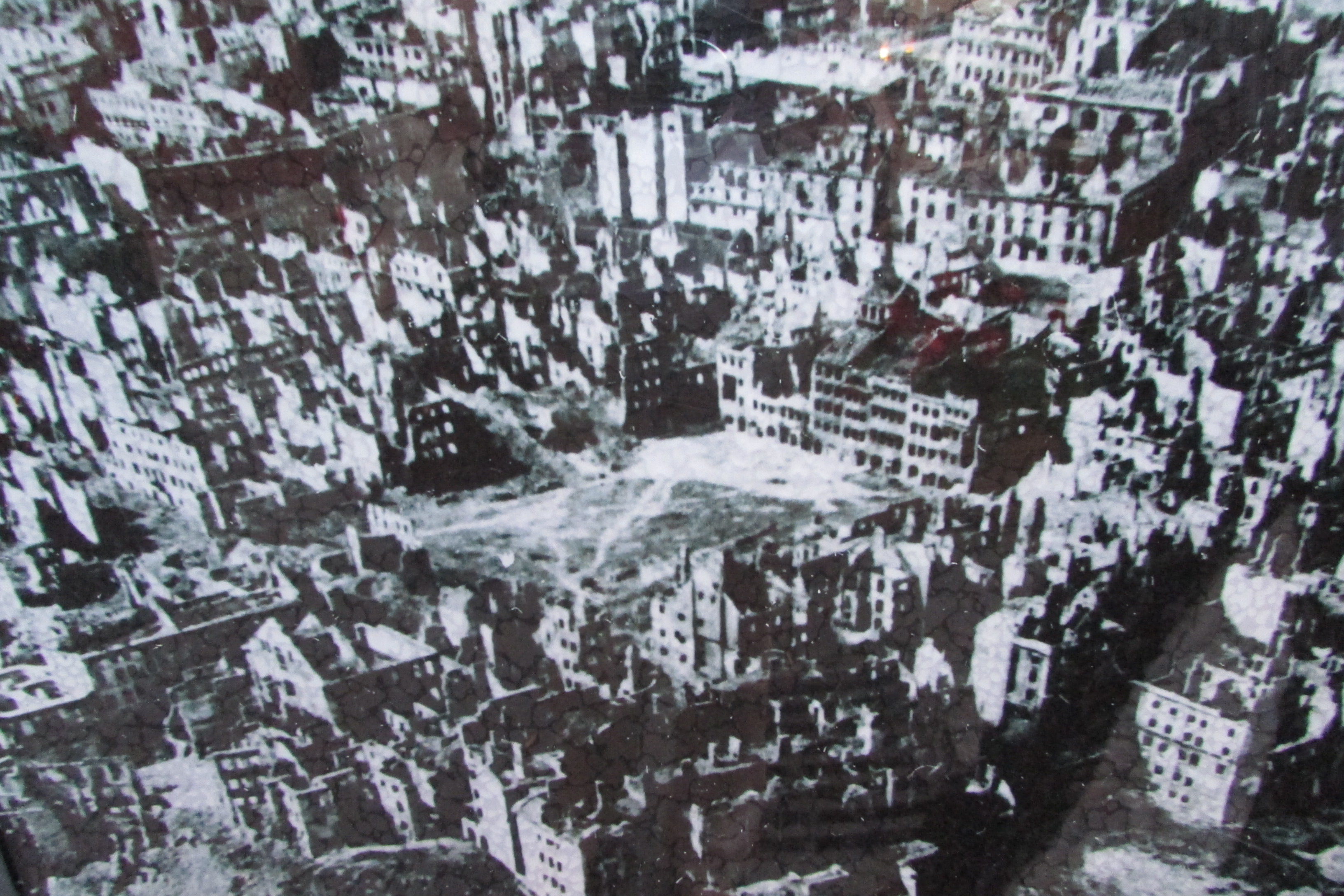
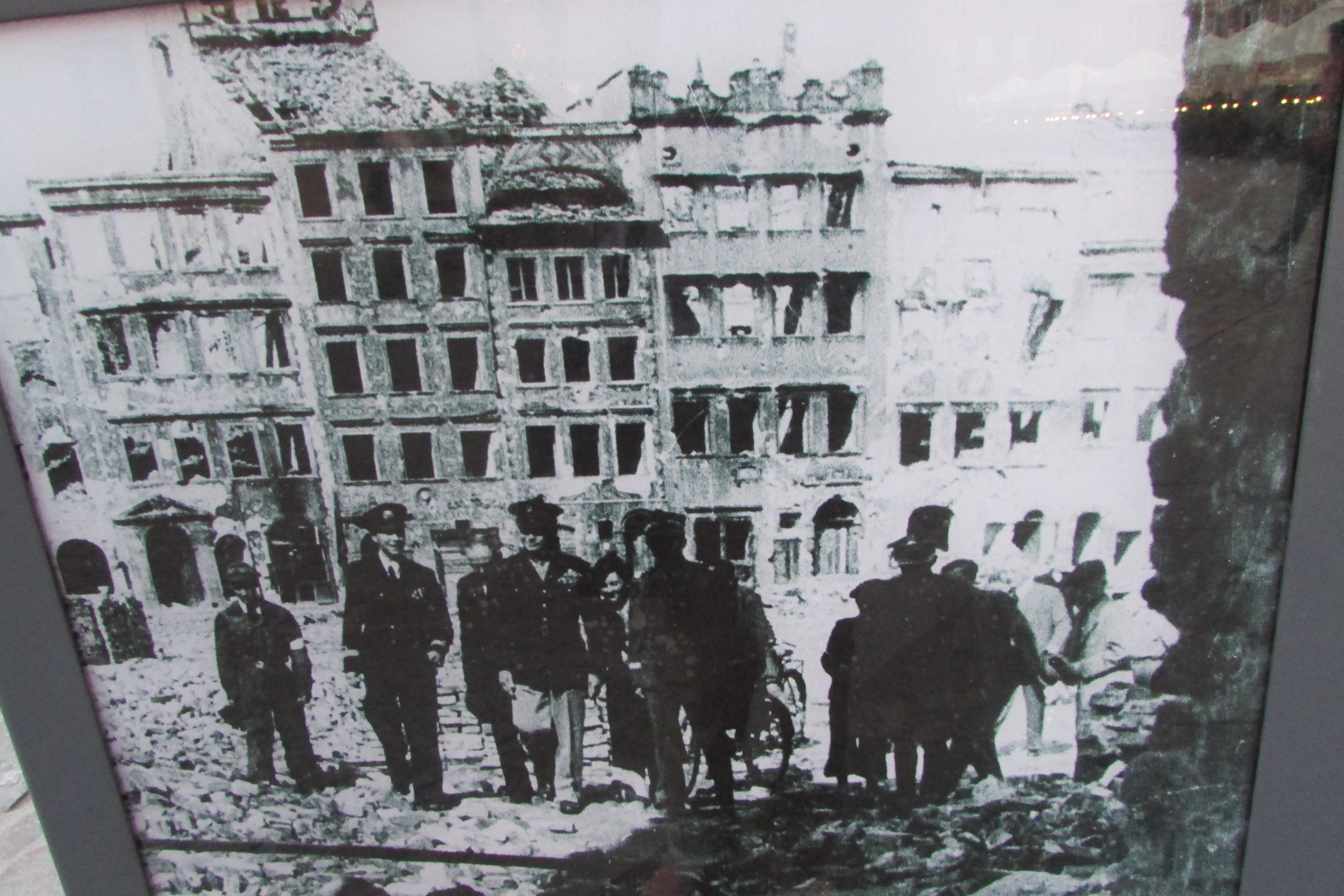
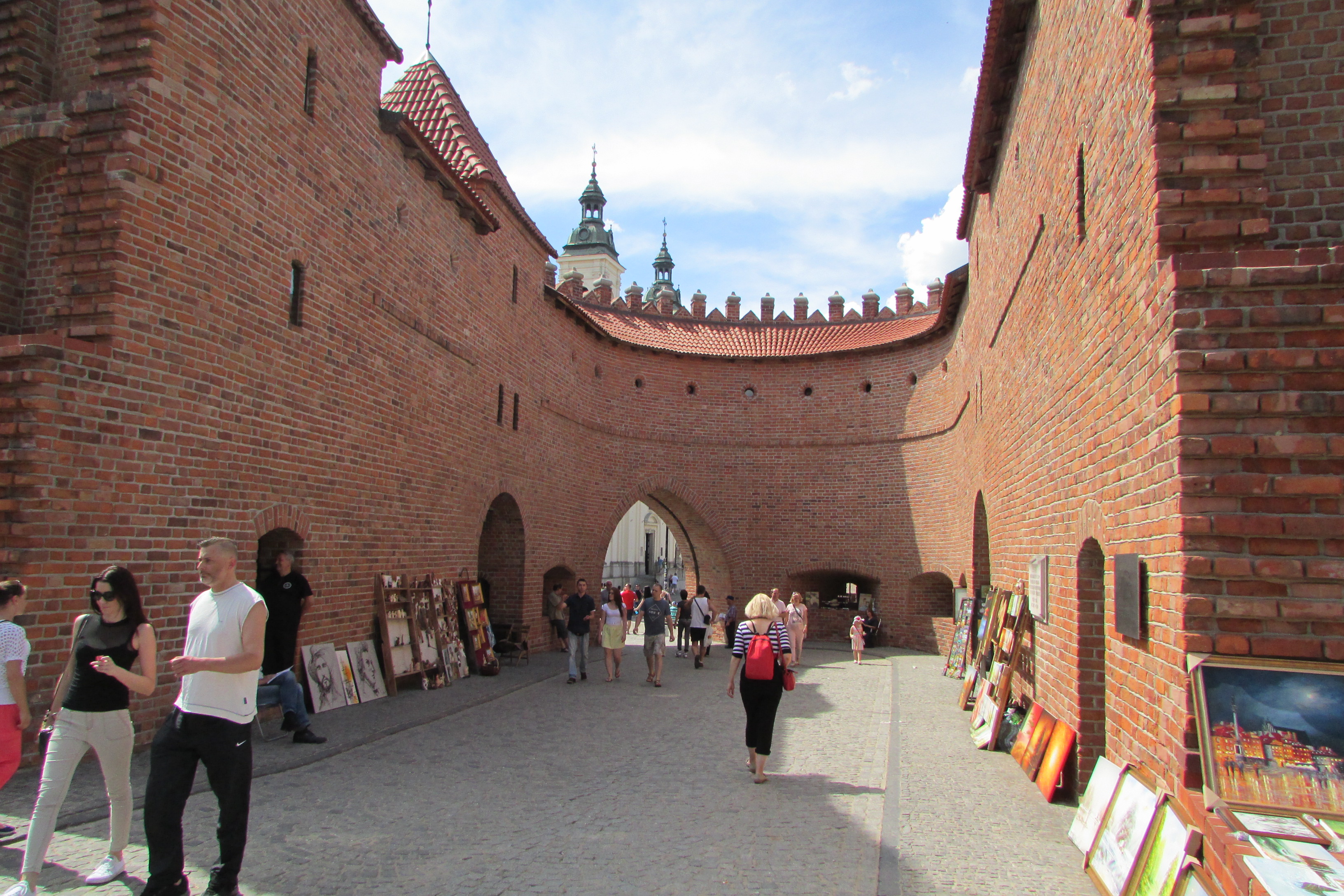
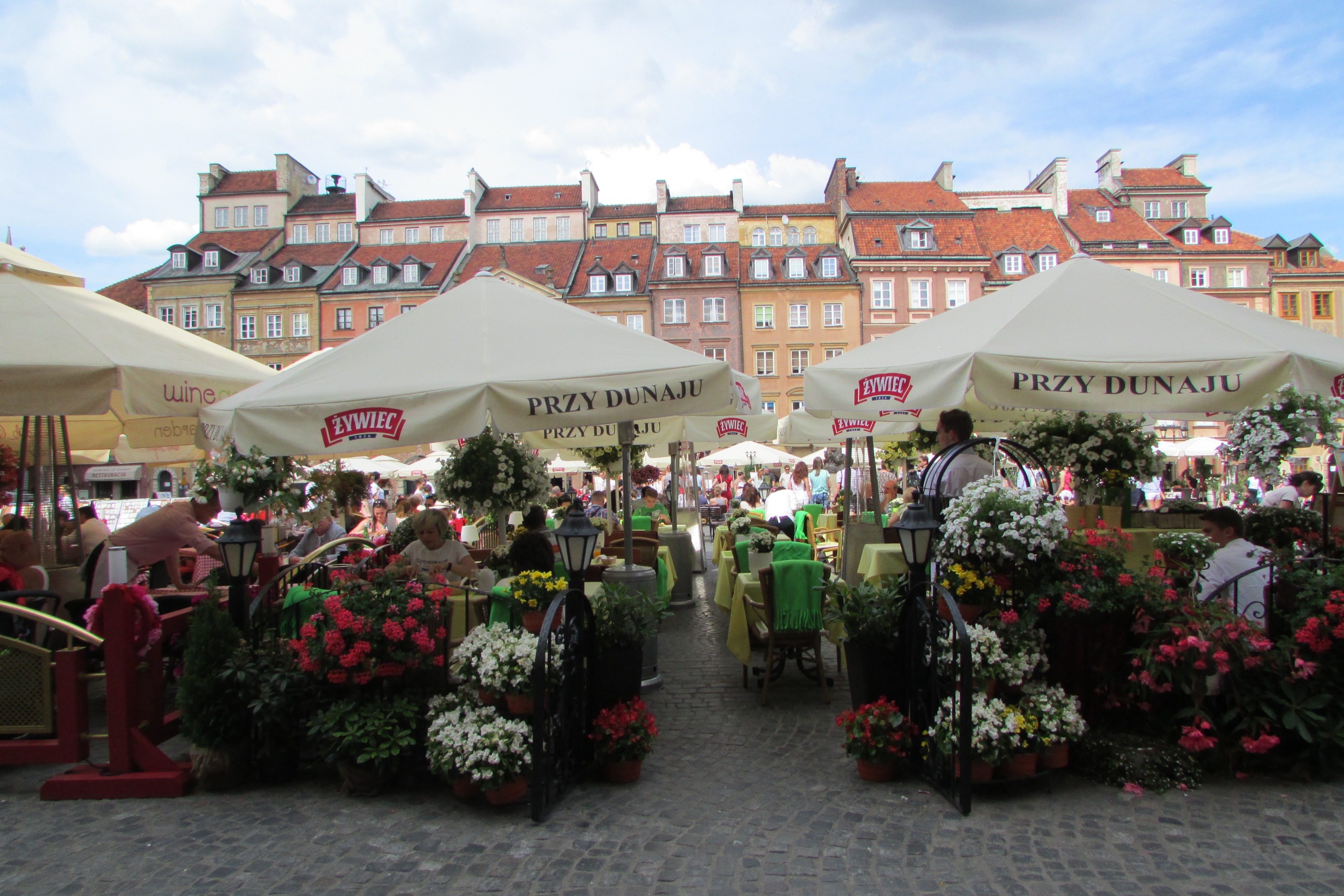
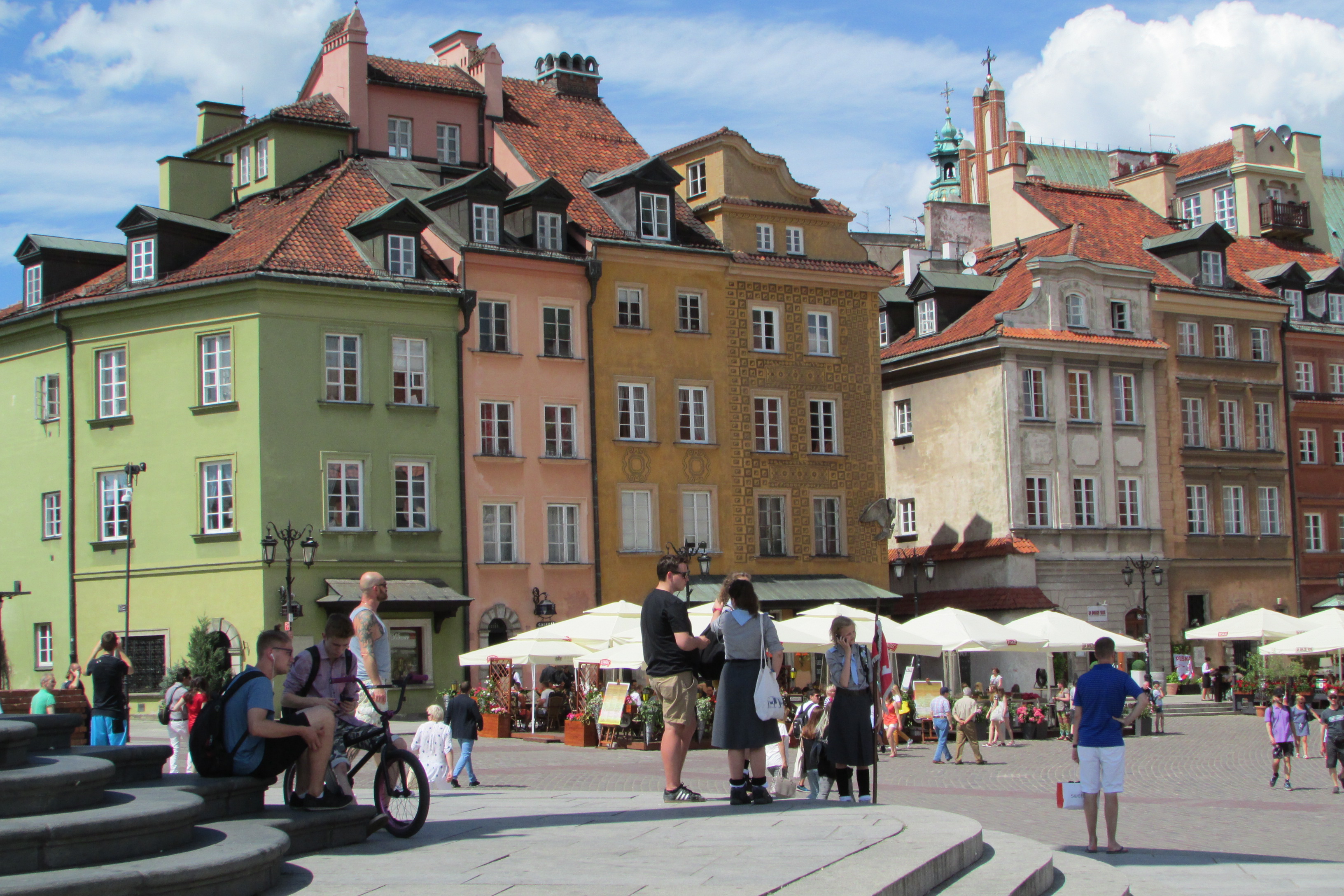
Warsaw has different sections. We walked through the Old Town, which is…. old. Then walked through the old city gate (the Barbican) into the New Town – which is….. old! However, actually, when you read the guidebook, you discover that ALL of Warsaw was heavily bombed during the war, so 85% has been rebuilt. But it looks old. We saw an old photo, which I hope is clear enough for you to see, (I put a copy at the end) showing how every building in the centre of the old town was a ruin with no roof. After the war they worked very hard to rebuild everything in the same style as before. They succeeded, though I am guessing that due to speed/cost, they were not perhaps built to be as durable as before (a few of the ‘marble’ columns were made of brick and plastered over.) It looks good though, a very pretty city.

It’s actually very nice. Like Krakow, it reminded me of Bruges, with cobbled streets, attractive buildings, street cafes and music – wherever you walked there were musicians busking, from opera singers to cellists. It was lovely. There were also lots of fresh flowers. Every street cafe was decorated with arrangements of flowers and we saw people on bikes, carrying flowers they had bought, in their baskets. I am guessing that Polish homes must use lots of flowers.

We ate dinner in Dolce Vita, a cafe opposite the royal palace. The food was nice, and when I went inside, it was all scrupulously clean.

IMG_4729 IMG_4707

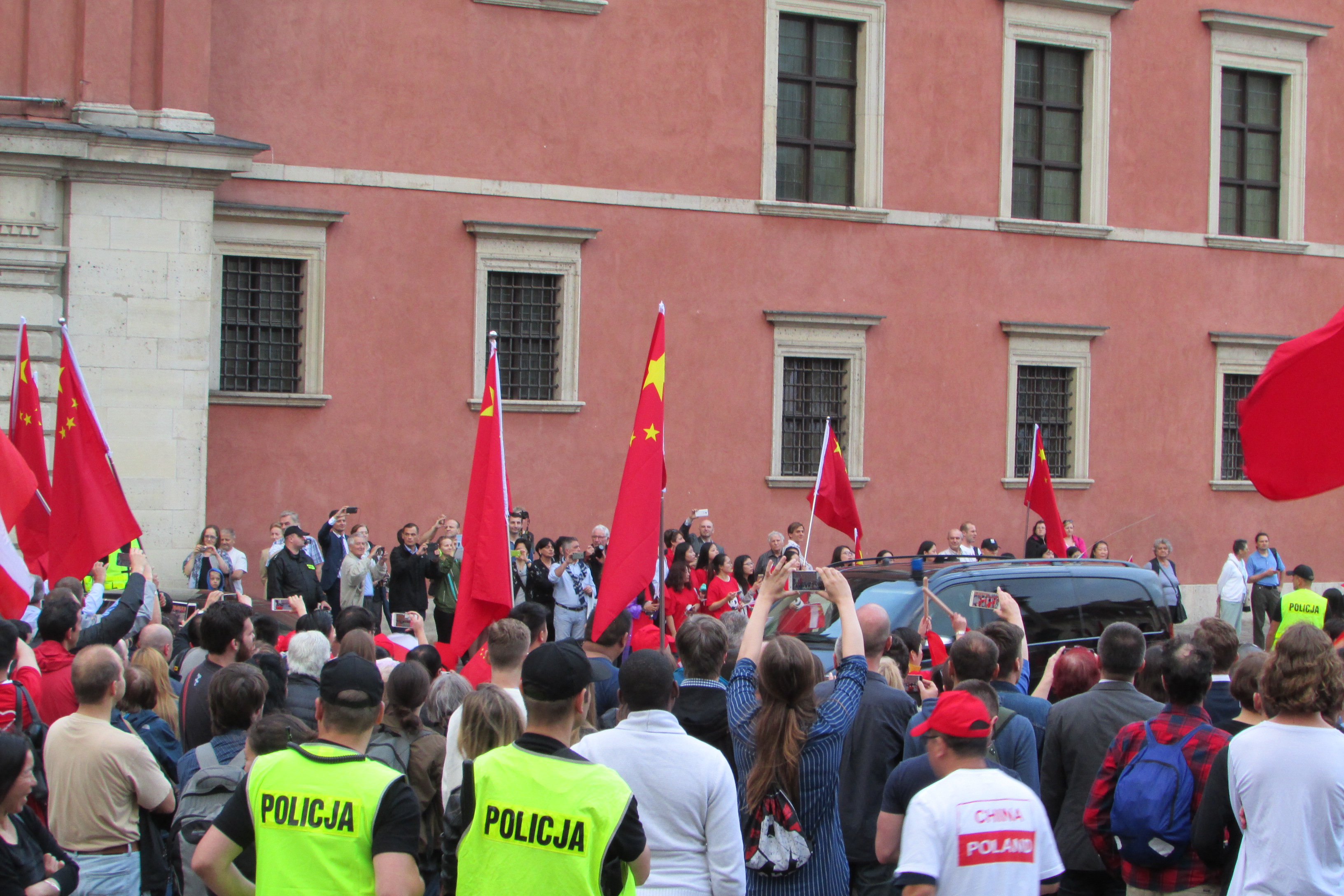
The next day there were lots of Chinese people outside the president’s house, waving banners and flags. I used my Mandarin to ask a man why they were there. Had quite a long conversation. Do not have a clue what he said! Husband then asked one of the many security men what was happening and we learnt that the Chinese president was visiting. Spent the rest of the day dodging excited Chinese tourists and people filming news reports and security men who had closed off streets.

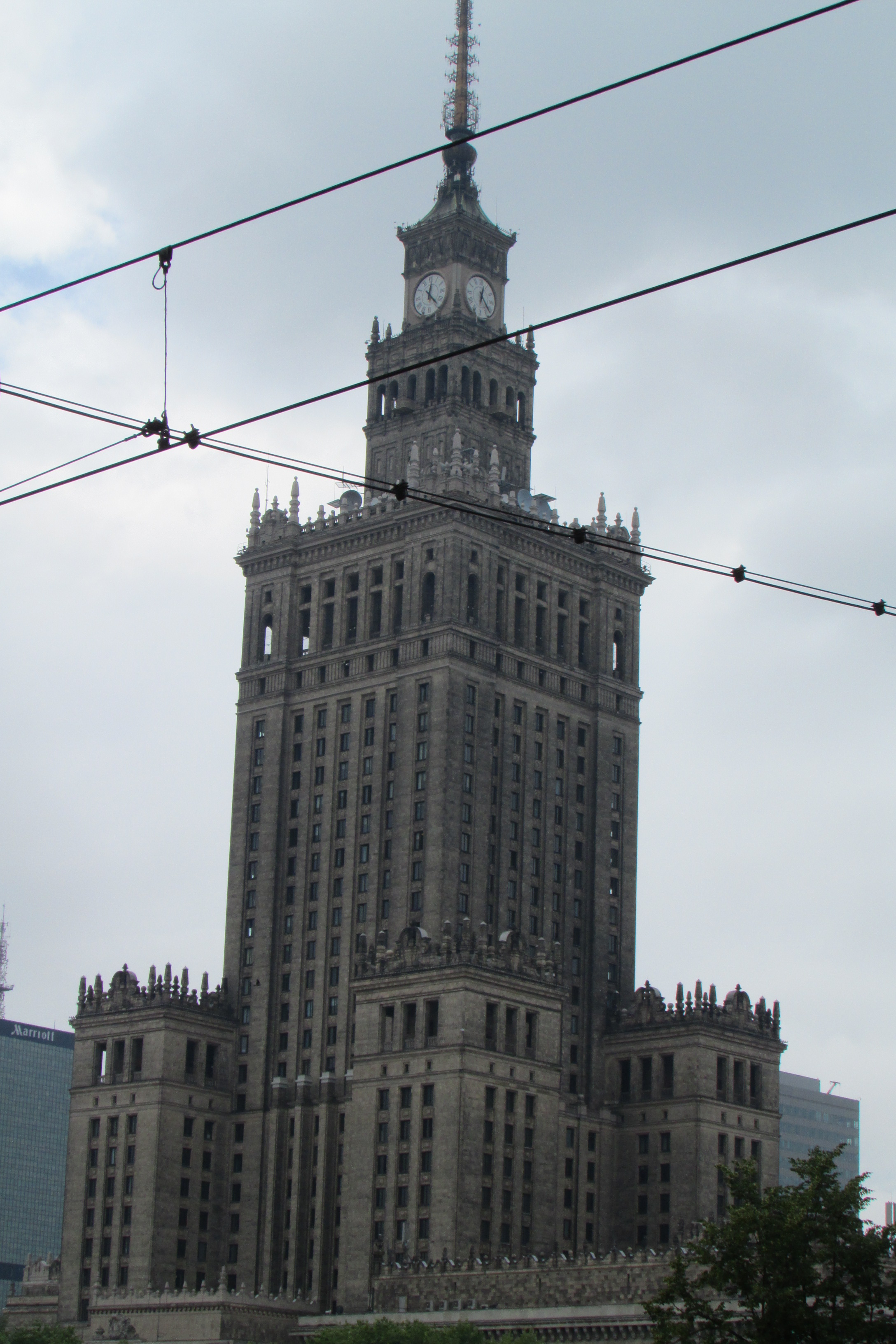
IMG_4769I walked to the Palace of Culture and Science in the city centre. All the roads are big, with crossing lights that everyone obeys and no cobbled streets. The buildings were more like I had expected to see in Poland – rather foreboding flat roofed concrete blocks with big blank windows that watched you.


However, they were still interspersed with pretty historical ones with sculptures and decorations. It is a relatively low rise city, so the Palace of Culture and Science looms above everything. It looks like something from a Ghost Busters set. There is something sinister about it, though I couldn’t quite work out why.

I also couldn’t quite work out what it was used for. I went inside and there were cafes and toilets and ticket kiosks. You could buy tickets to the viewing platform ( this would only appeal if you were male I feel) and to see several reconstructed rooms. I picked up a leaflet and it looked like it was something to do with the previous communist rule. But what exactly was rather vague. My guidebook was also unhelpful – it told me useful facts like that it had been made from 40 million bricks (like, when you see a building, your first thought is always, “Gosh, I wonder how many bricks they used to build that,”) and it was a gift in 1952 from the USSR. And that Polish people would now like to demolish it.

Google told me it was an exhibition centre and cinema, and apparently the Rolling Stones played there in the sixties. I think not knowing and making up my own ideas was more interesting.

IMG_4756 Palace of Science and Culture

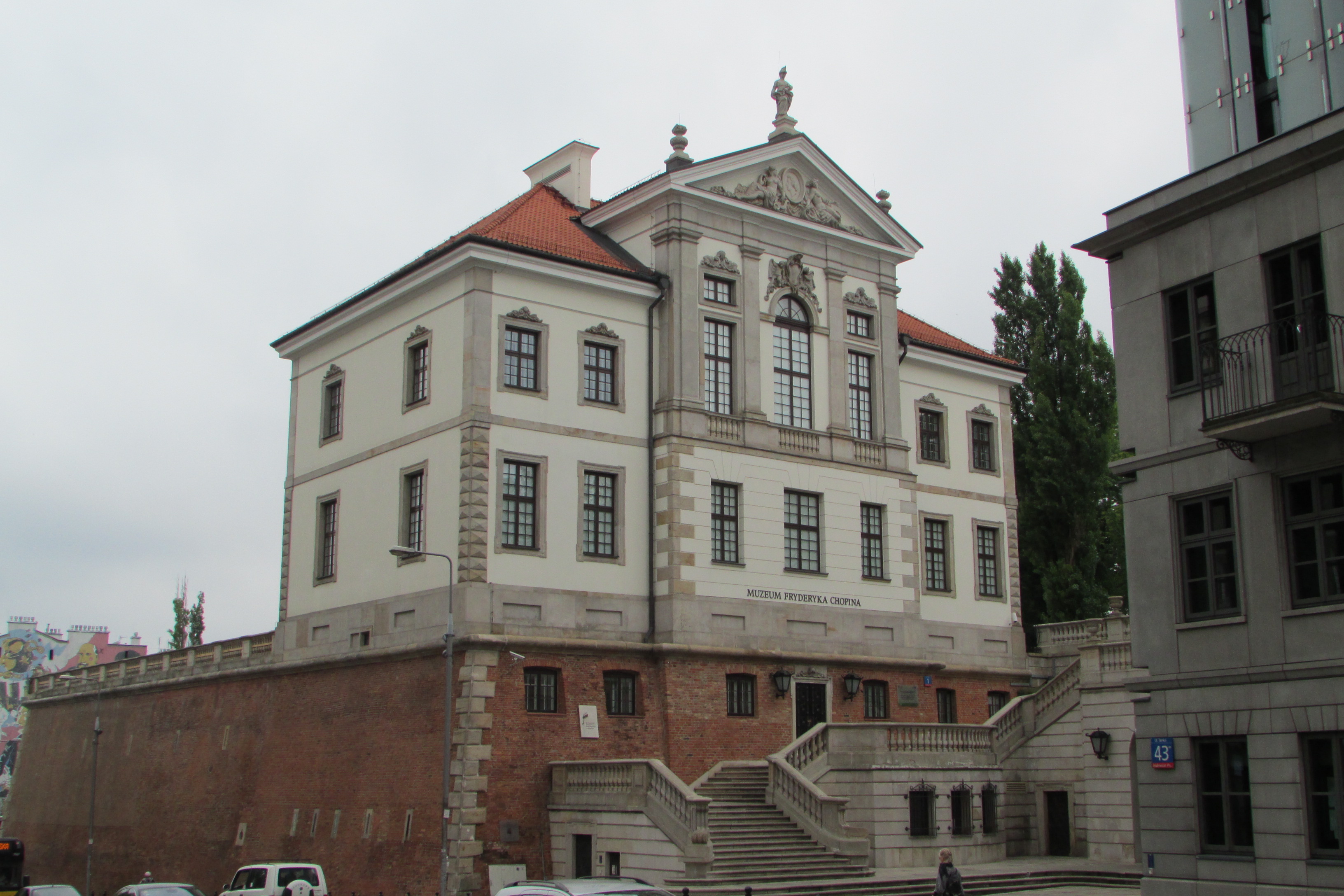
Walked to the Chopin Museum. On the way I passed a bench, opposite the house where his sister used to live. The bench played music, which I thought was rather cool! The museum was a pretty building, previously a palace, built above the road. There was a park, with the institute of music next door, so people were walking their dogs to the sound of piano playing. The museum was shut. I was quite pleased actually, as generally museums are boring, but I sort of feel obligated to go sometimes.
Walked back to hotel. Went into the Church of St Joseph. It was dark, with oil paintings, candles and icons. There were people praying, so I thought I had better not take photos. Though it was tempting as apparently the organ was previously played by Chopin each Sunday.

IMG_4766 Chopin Museum

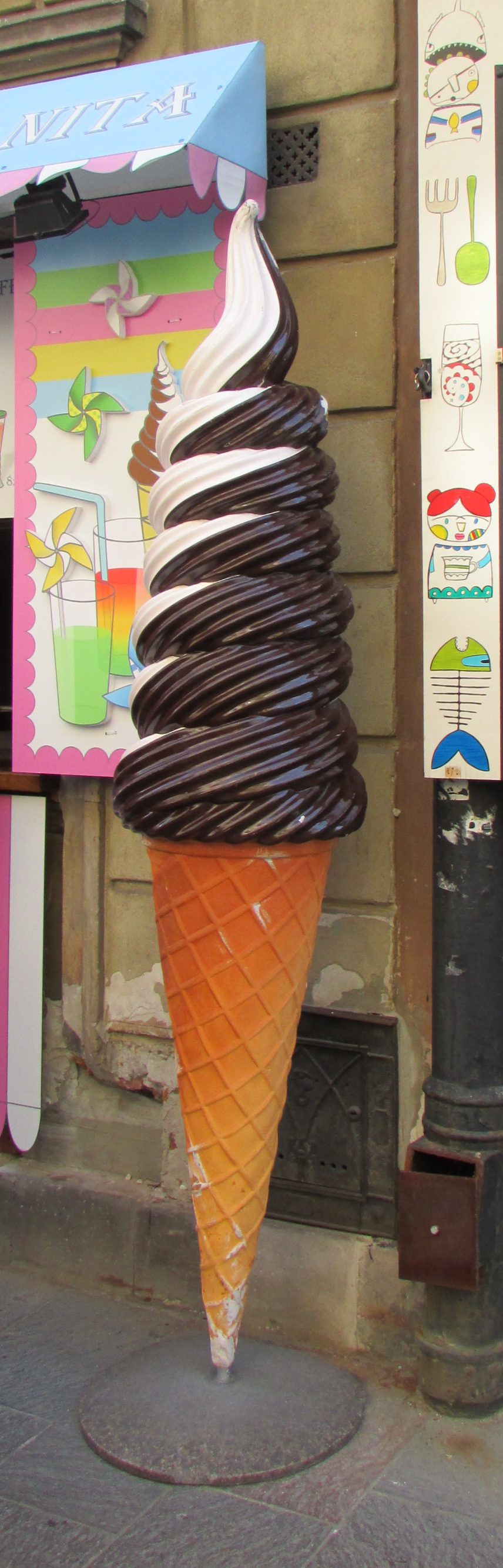
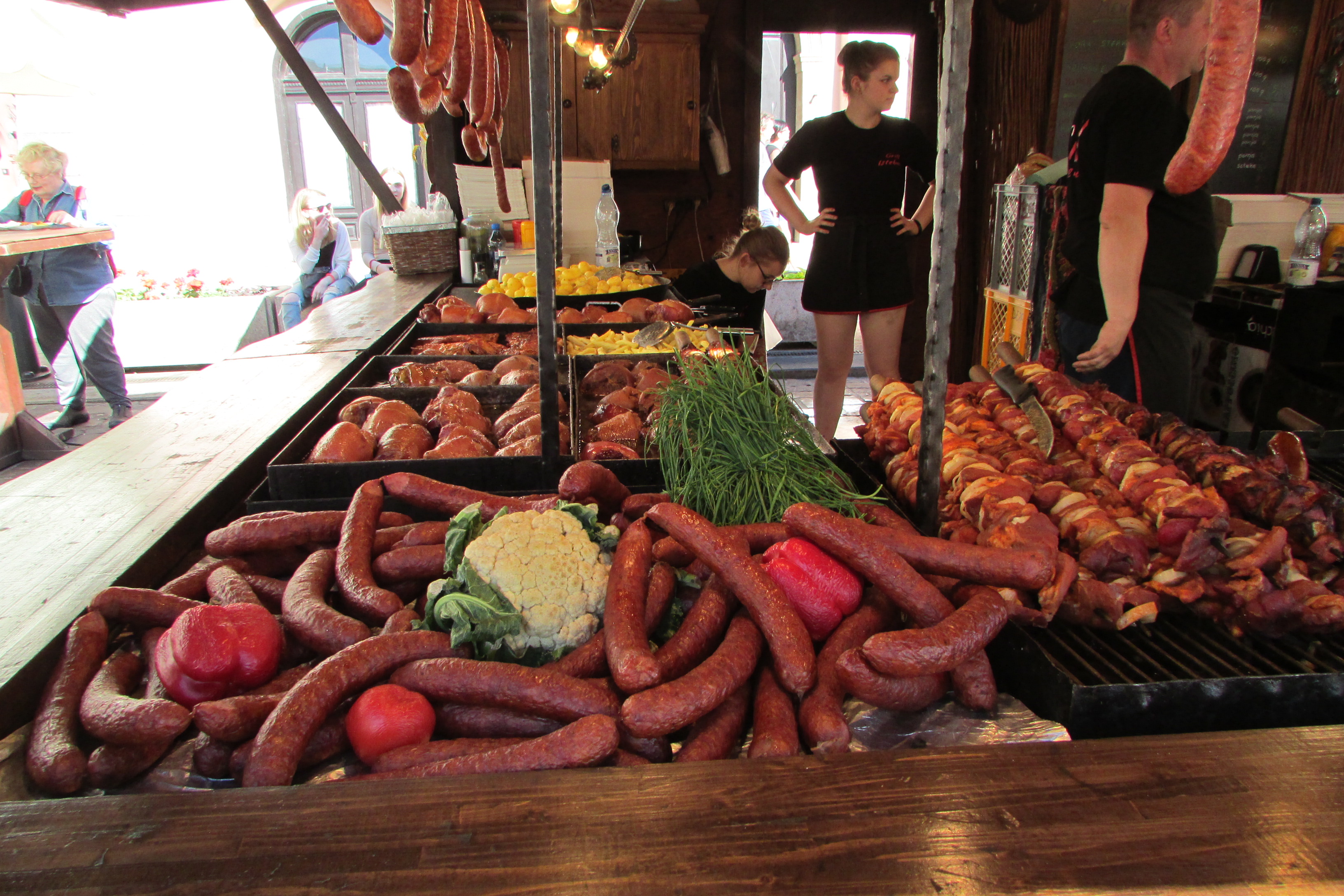
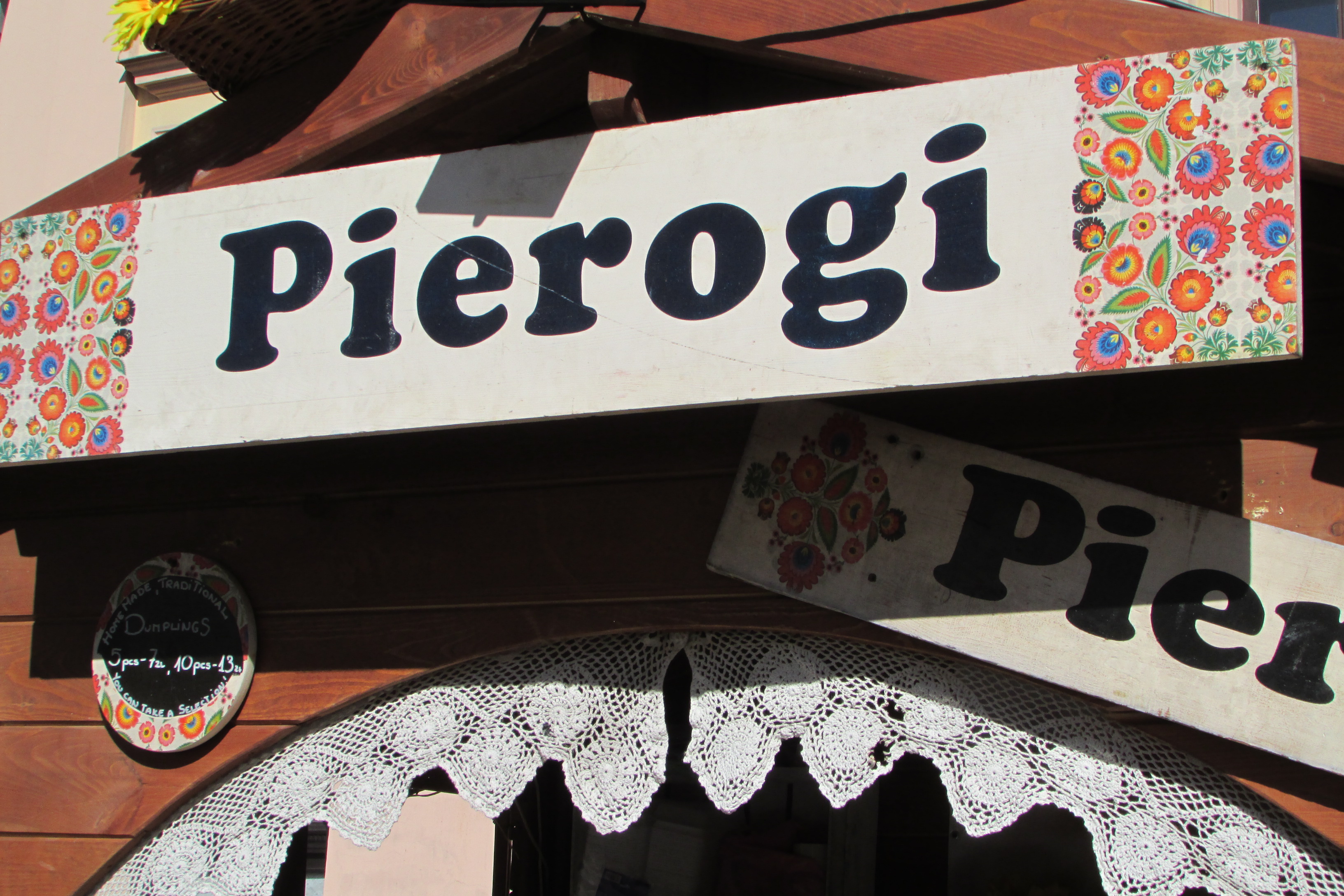
Food in Poland seems to be okay – a bit like in Germany (sausages and cabbage) but with more taste. Lots of places sell pierogi (sort of like Chinese dumplings, stuffed with sauerkraut, meat or potatoes or with fruit or cheese.) Tall ice cream cones also seem popular, and breads and pretzels and pastries. And of course vodka (spelt ‘wodka’!) We also saw lots of people buying glasses of beer, with a red drink in a wine glass which they poured into the beer. I assumed they were adding shots, but apparently it was just fruit juice. (I was told this by a waiter, not one of my sons, so it is probably true.) They also eat pickled herring. The signs for the lifts are: WINDY/ELEVATOR – I am hoping the ‘windy’ bit is a translation and not an adjective.

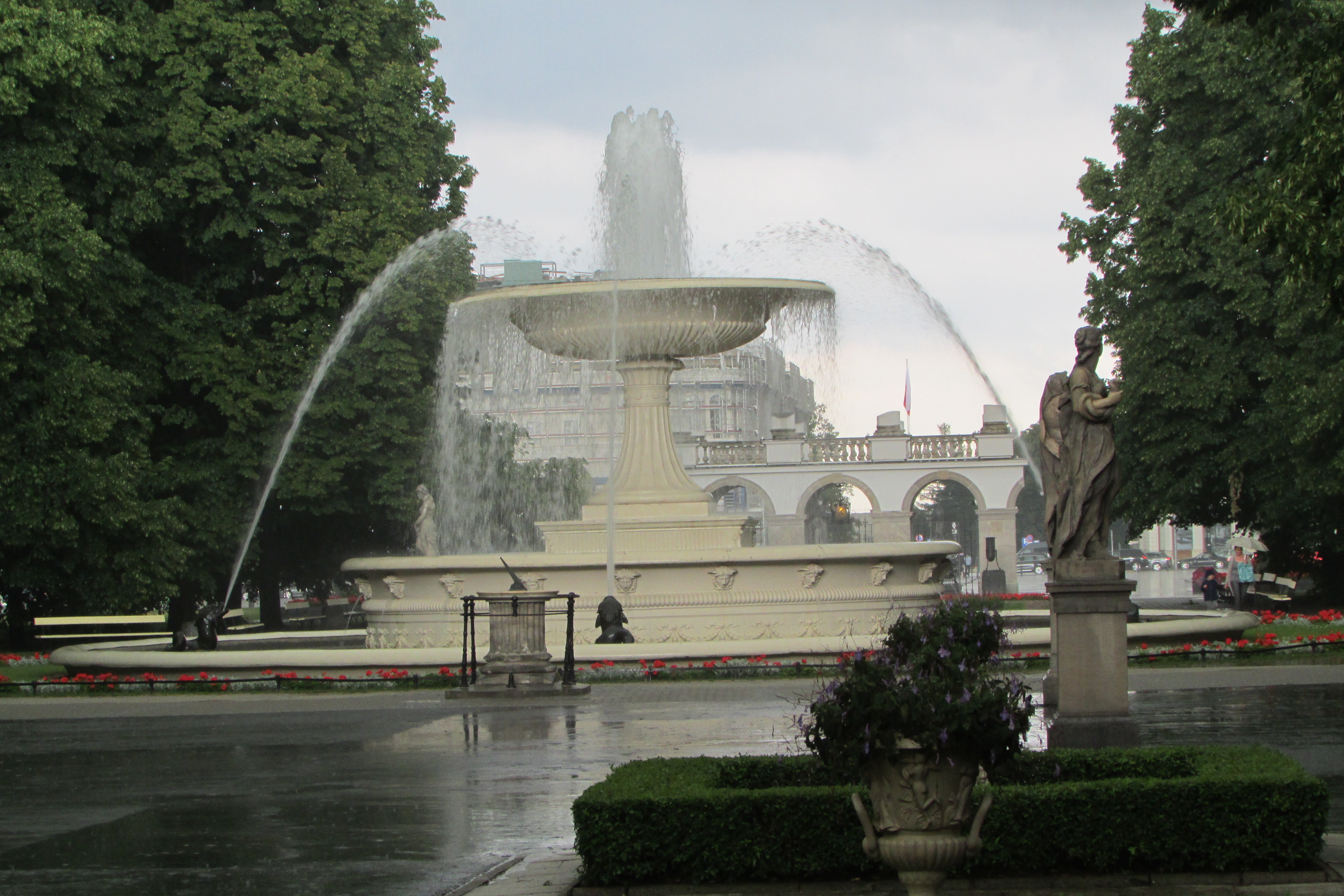
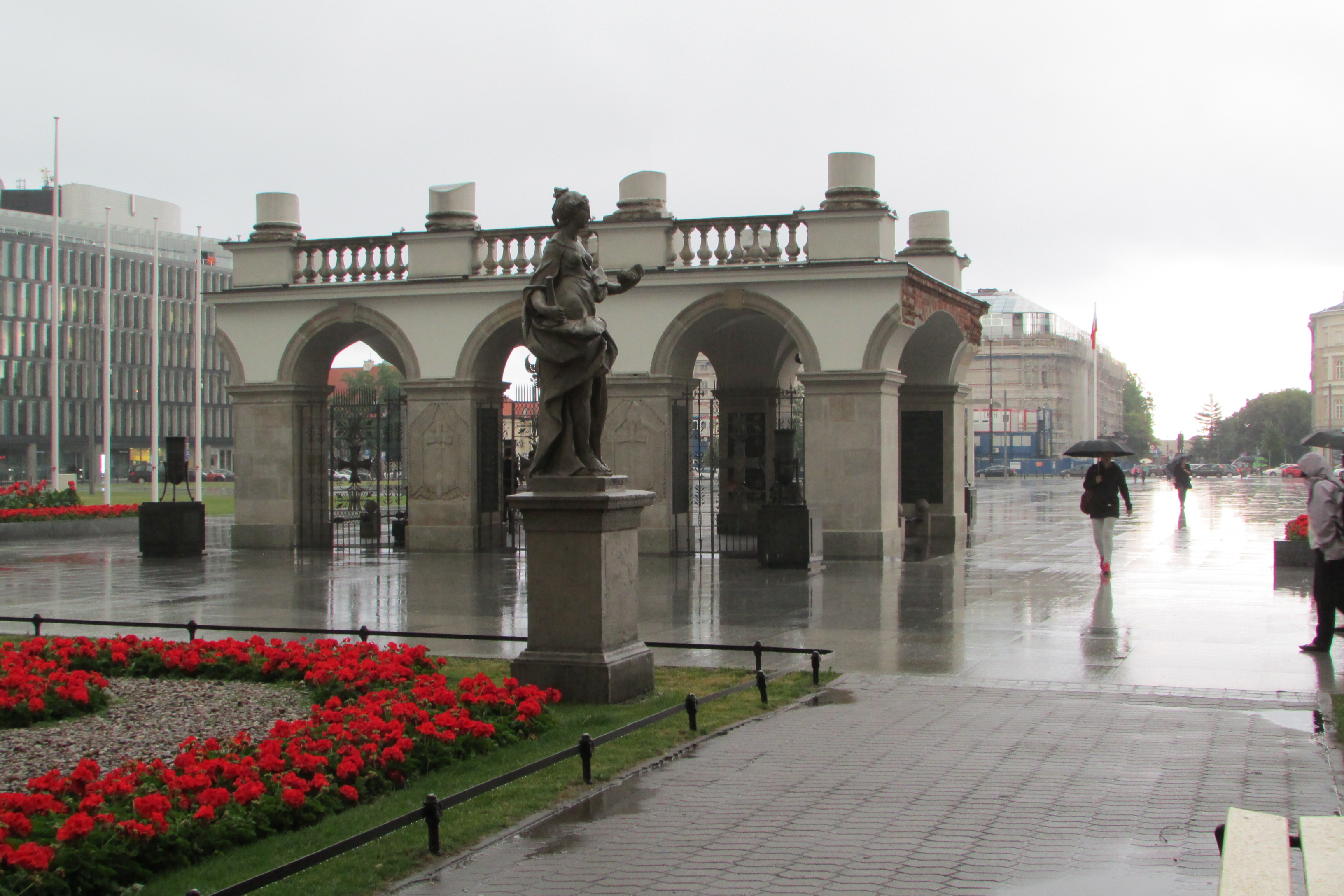
In the afternoon it rained. Grey and damp, like English rain, but still warm, too hot for a coat. I walked through a big park, Ogrod Saski. I walked past a giant cross and the tomb to an unknown soldier, which had a fire pit burning, flowers and two soldiers on guard. The park was nice, with statues and a fountain and paths through flower beds. However, the paths did not lead to where I wanted to go, it was like being in Ikea, walking miles when you know that where you want to be is just in front of you. Part of the problem was the tram line, which ran down the side of the park, so you couldn’t leave in the corner you wanted to. Walked a long detour, made it out eventually.

IMG_4771

Walked up to Plac Bankowy (Bank Square). Previously, this had a statue of the founder of the Soviet security service and the square was named after him. When Poland left the Soviet Union, they got rid of the statue and returned the square to its original name.

I feel this sums up Poland. They have had their identity snatched from them so many times – when heavily bombed during WW2, when the Jews were killed, when it was joined to the Soviet Union. Each time, afterwards, they have rebuilt the things that were important to them, held on to their history. I think that to start again so completely means they are probably a very strong nation, one to admire.

In the evening, we ate again in the square opposite the royal palace. There was lots of excitement as the Chinese president was arriving. The square was full of Chinese dancers, people waving flags and security men.

IMG_4784 The security men were easy to spot as they wore black suits with white shirts and sunglasses (even though it was evening.) Like the cast from Men in Black.


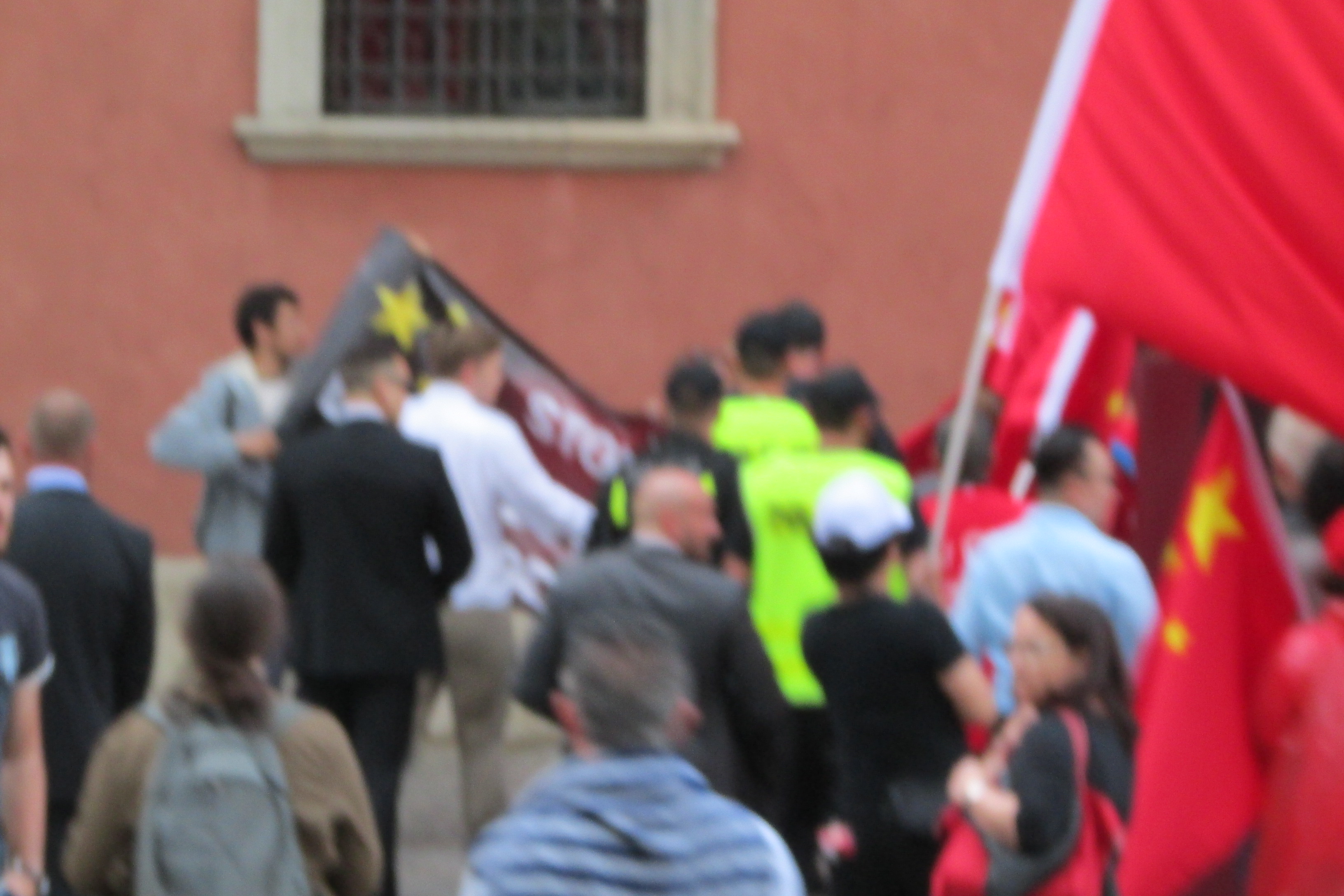
Some Chinese girls were also eating in the restaurant, so I chatted to them. They said that coming to wave flags was compulsory – they had been told they had to. It was interesting to watch how the crowd was managed. Some protestors arrived and they weren’t removed, but their banners were quickly hidden by people with giant Chinese flags who stood in front. When Xi arrived, his car came in a cavalcade of security vehicles and whisked quickly into the palace. The people who had stood for hours didn’t even see him.

Poland has been fun to visit and is very different to how I had expected it to be. It is clean, attractive and has good summer weather. Definitely a good destination for a weekend away – and much cheaper than Paris!

xxxxxxxxxxxxxxxxxxx

IMG_4789 IMG_4794IMG_4749 Excited Chinese people

IMG_4772 Fountain in the rain


Old photos showing the level of destruction in the war.

IMG_4745 IMG_4744

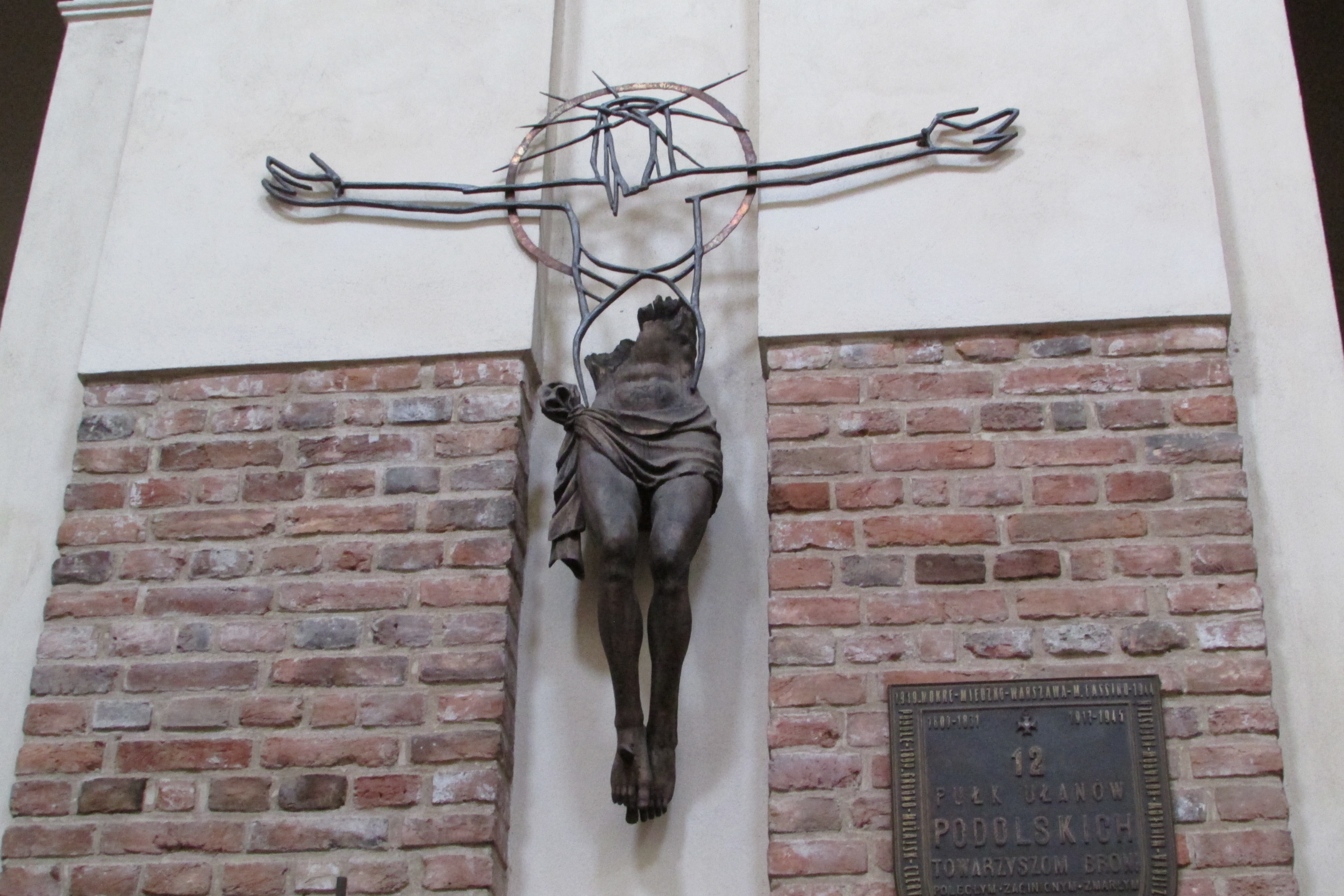
IMG_4730 A crucifix, which is partly the old one,

then a modern repair post war.


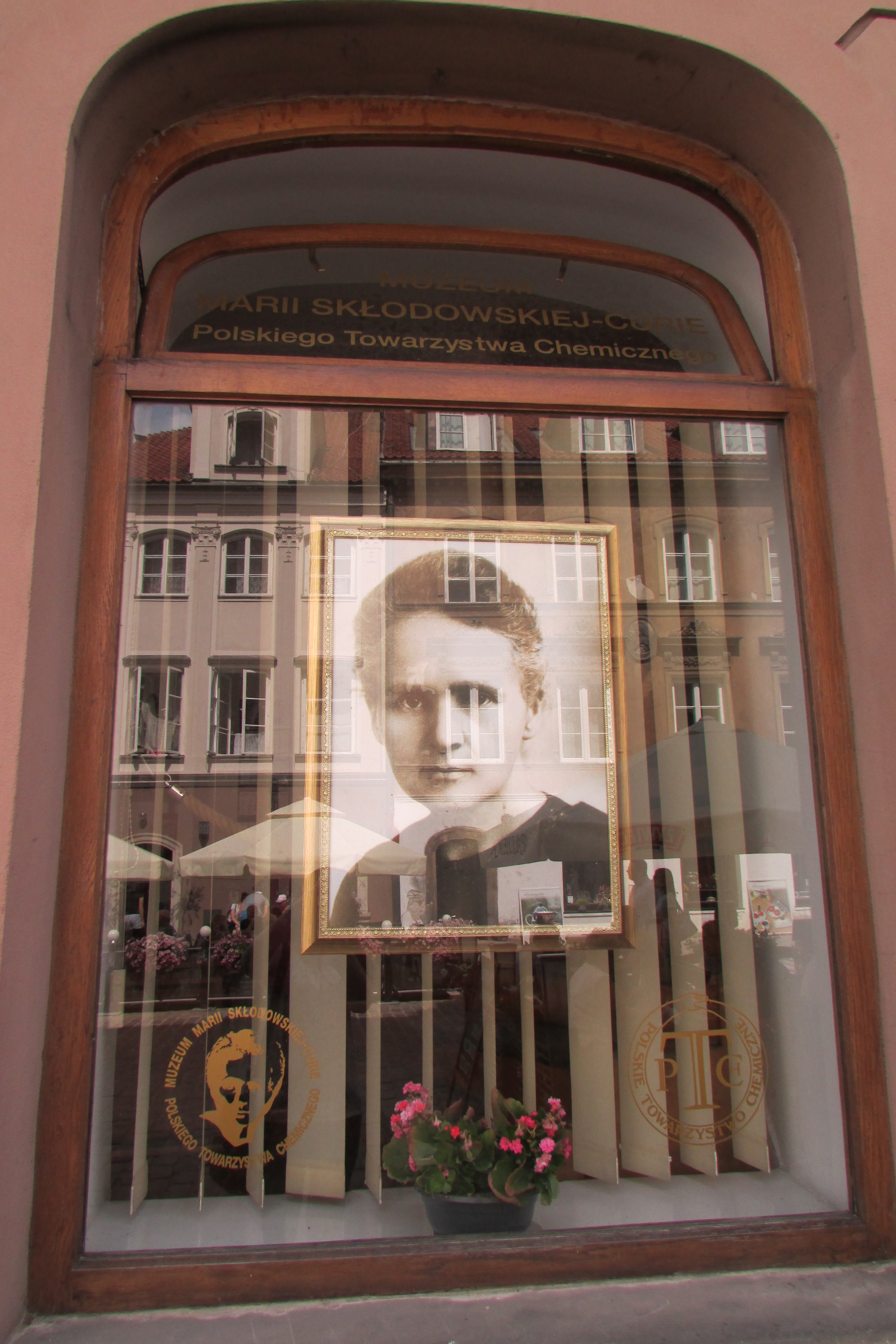
IMG_4727 IMG_4722 Marie Curie lived in Warsaw

before moving to France.

(Clever lady.)


IMG_4717 The city gate.

IMG_4715 There were lots of these ice cream cones.

I was dying to try one,

but wasn’t sure if they would be made with local water.


IMG_4741 Local beer. Very nice.

xxxxxxxxxxxx

Thank you for reading.

If you enjoyed this, why not sign up to follow my blog?

anneethompson.com

xxxxxxxxxxxx

Krakow, Poland – A Holiday Diary


IMG_4647

Poland was unexpected. Why has no one ever told me what it is like? Husband had a work trip in Warsaw, so we decided to come to Krakow the weekend before, have a romantic weekend. Before I came, I had this image of post Soviet Union countries all being very similar – lots of flat roofed concrete buildings, all very ugly and sinister. I came to Poland for the experience, to see with my own eyes what I had imagined. It turns out I had imagined wrong!

First we flew to Kraków. We flew with easyJet, which I quite like actually. Check-in was quick (you did it yourself but there were people to help if you got stuck) and you didn’t pay for anything you wouldn’t use. I paid £6 on board for a cheese roll and a drink. It was a nice cheese roll.

We arrived in Kraków and got a taxi to the hotel. I was interested to watch the city through the taxi window – was more Bruges than Tower Hamlets. There was a river with floating restaurants, a castle, cobbled streets, lots of cyclists.

IMG_4574 IMG_4582 IMG_4622

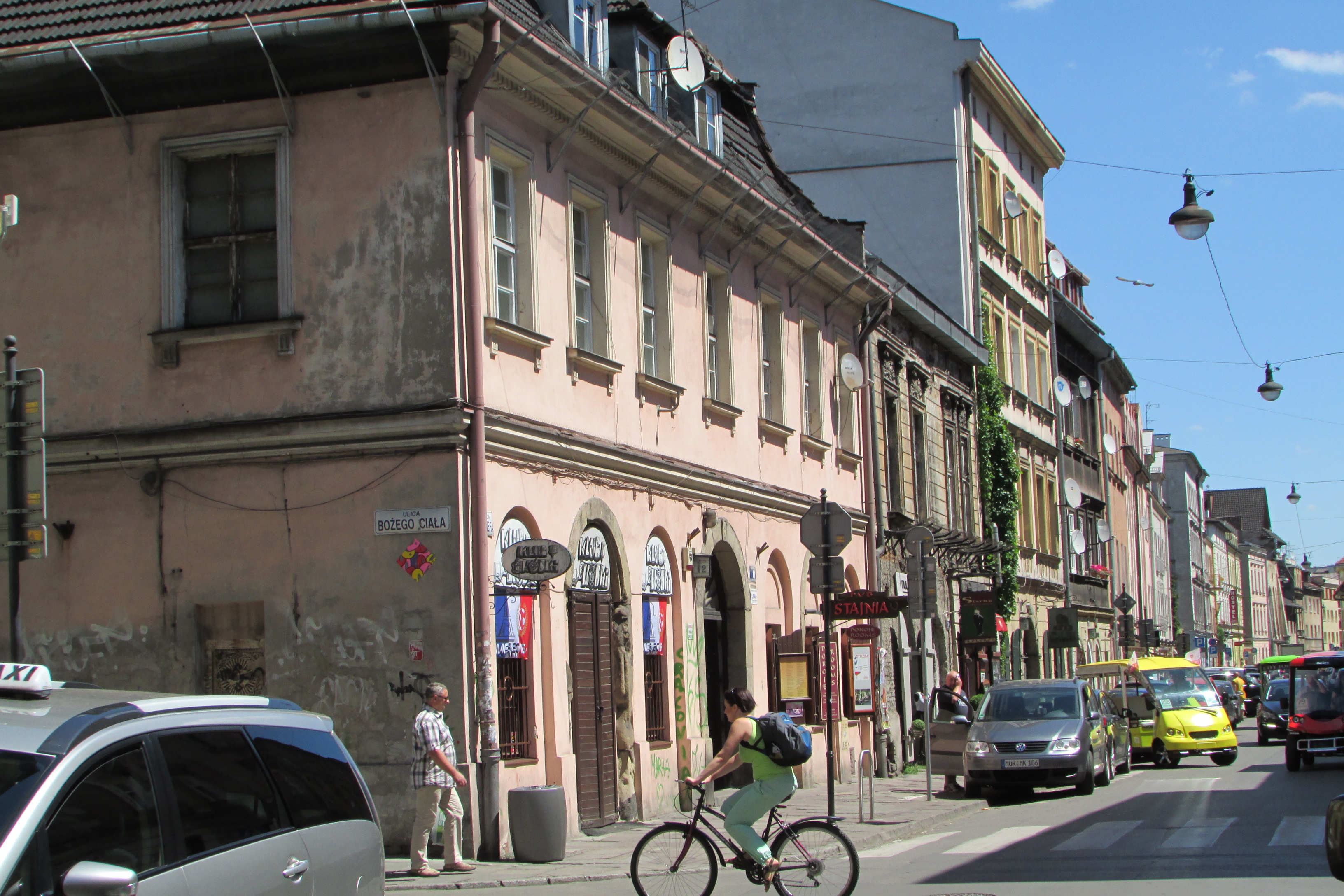
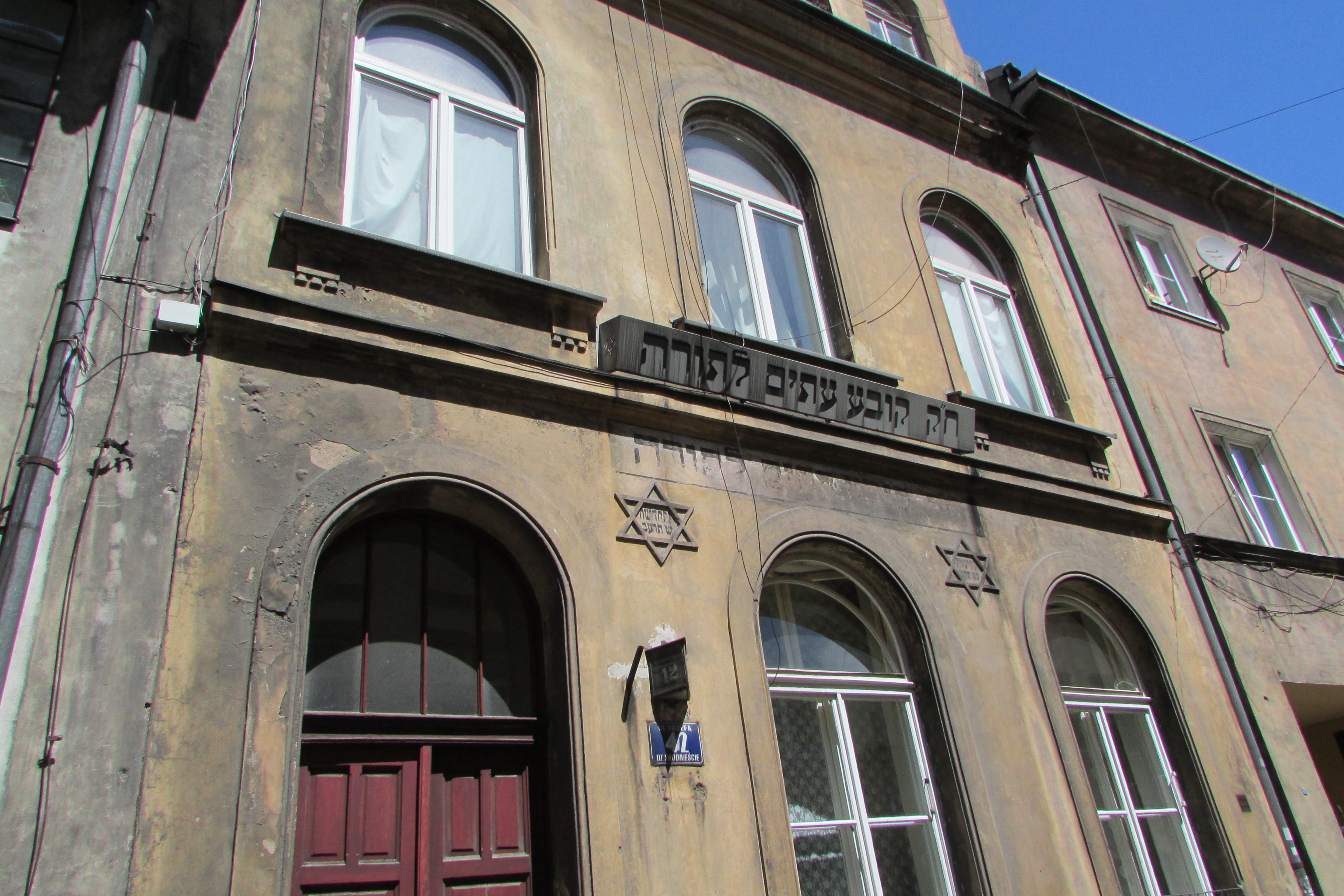
The following day we walked around the city. I wanted to go to see where Schindler’s factory was (as in Oskar Schindler, who saved so many Jews in the war.) We walked through the Jewish Quarter- saw lots of old buildings, houses with window boxes of flowers, synagogues, Torah schools. Before the war, a quarter of Poland’s population was Jewish.

You could then walk across the bridge, over the river – the same route that the Jews would have had to walk when they were told to leave the Jewish area, their homes, and go to live in the ghetto.

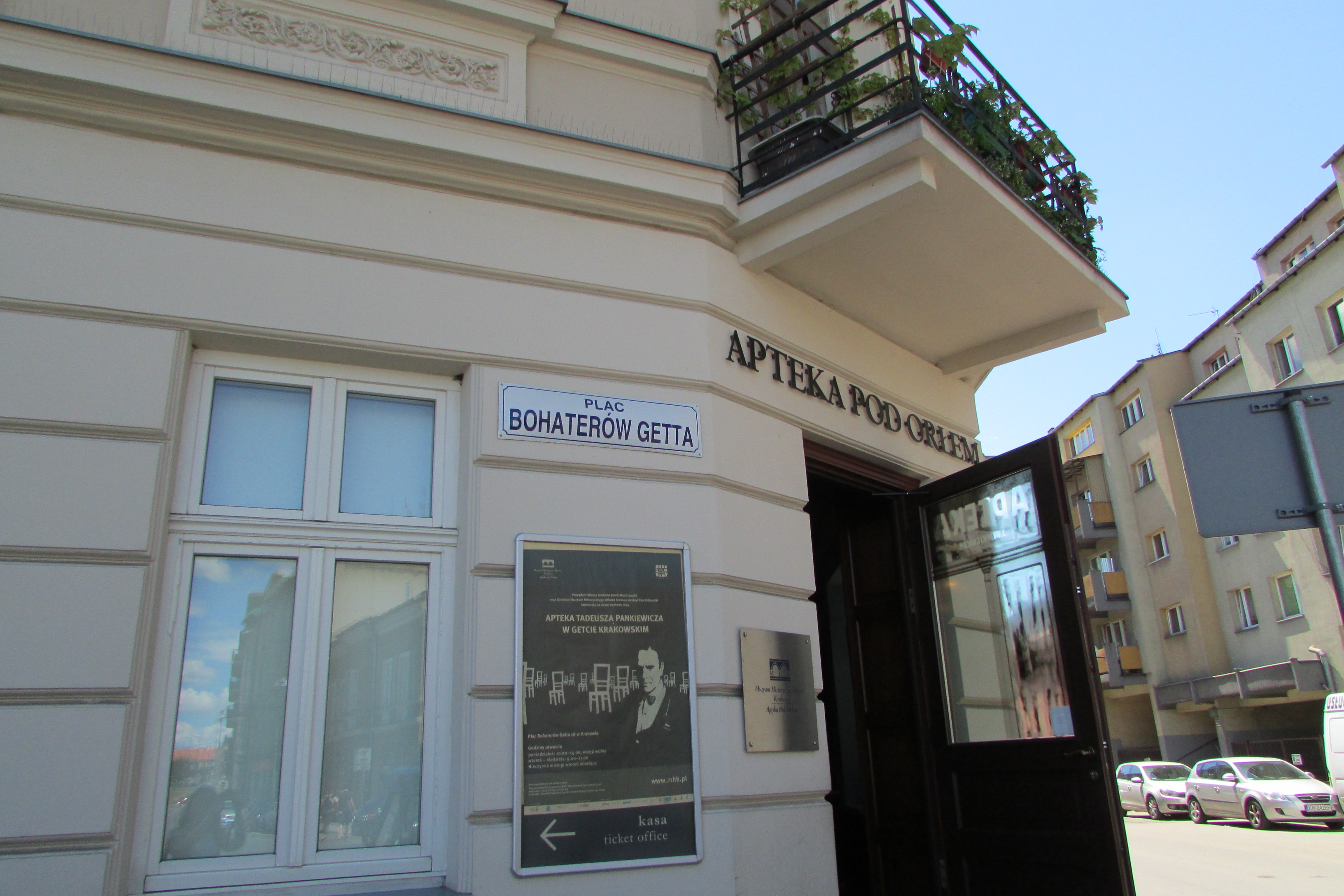
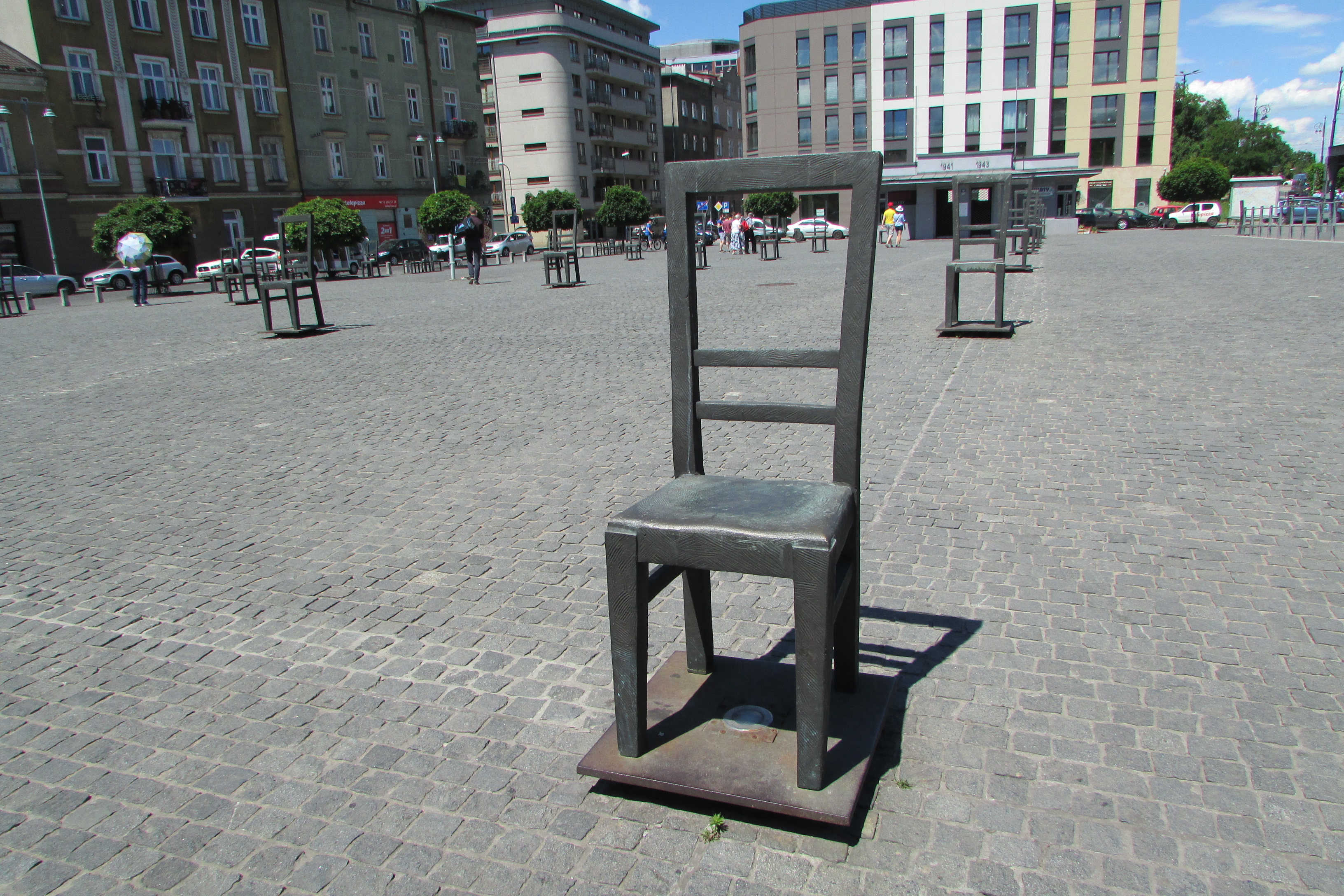
There were about 20,000 Jews squashed into a few streets. Obviously the fences had gone, but many of the streets were still named Getta and you could see the old chemist shop, which is now a museum. The square, where people were sorted – allocated into houses or trains to the camps – now has statues of giant metal chairs. Empty chairs to show the lives that were stolen. Some of the chairs were normal sized and near the tram stop. Husband sat on one. I worried this was disrespectful, but apparently the sculptures were planned like that, to show that anyone could have been taken.

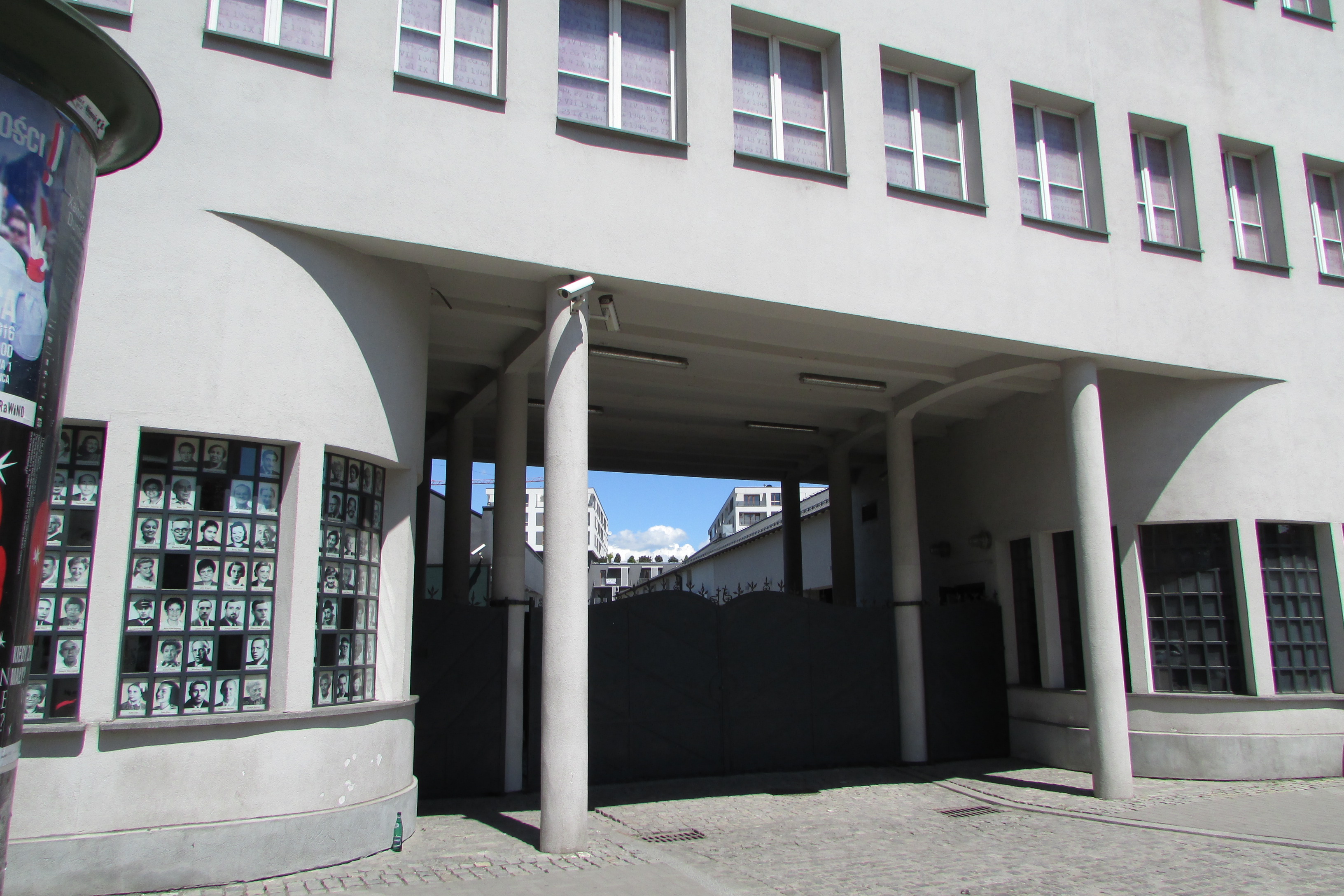
Schindler’s factory, a few minutes walk away, was just a factory. Here there were lots of concrete buildings. There were photos in the factory windows of the Jews who had worked there and the inside is now a museum and an art gallery, which I didn’t fancy looking at (not very keen on museums.) I picked up a leaflet about a tour to Oswiecim (which is better known by its German name of Auschwitz.) Decided visit would be traumatic, not really the right thing for romantic weekend away with husband, better to go as a separate trip in the future.

IMG_4586 IMG_4588 IMG_4594

IMG_4600 IMG_4602

IMG_4609

Went to old part of Kraków. This is beautiful. Cobbled streets (glad I wasn’t wearing heels), horse and carriages, ornate churches, weddings (with the bride and groom wearing very synthetic clothes which looked almost like costumes), Prussian architecture, trams, sunshine. There were little markets full of breads and pickles and crafts. Really, it was SO like going to Bruges at Christmas time, but with sunshine!

The churches were dark, full of candles and gilt and oil paintings. I’m not sure what they were used for during the communist reign, when religion was outlawed.

There were street entertainers, ice creams, people with designer dogs. And always, just under the surface, in the back of your mind, the city’s troubled history. So much suffering. I don’t know how long it takes to forget things like that.

anneethompson.com

Thank you for reading.

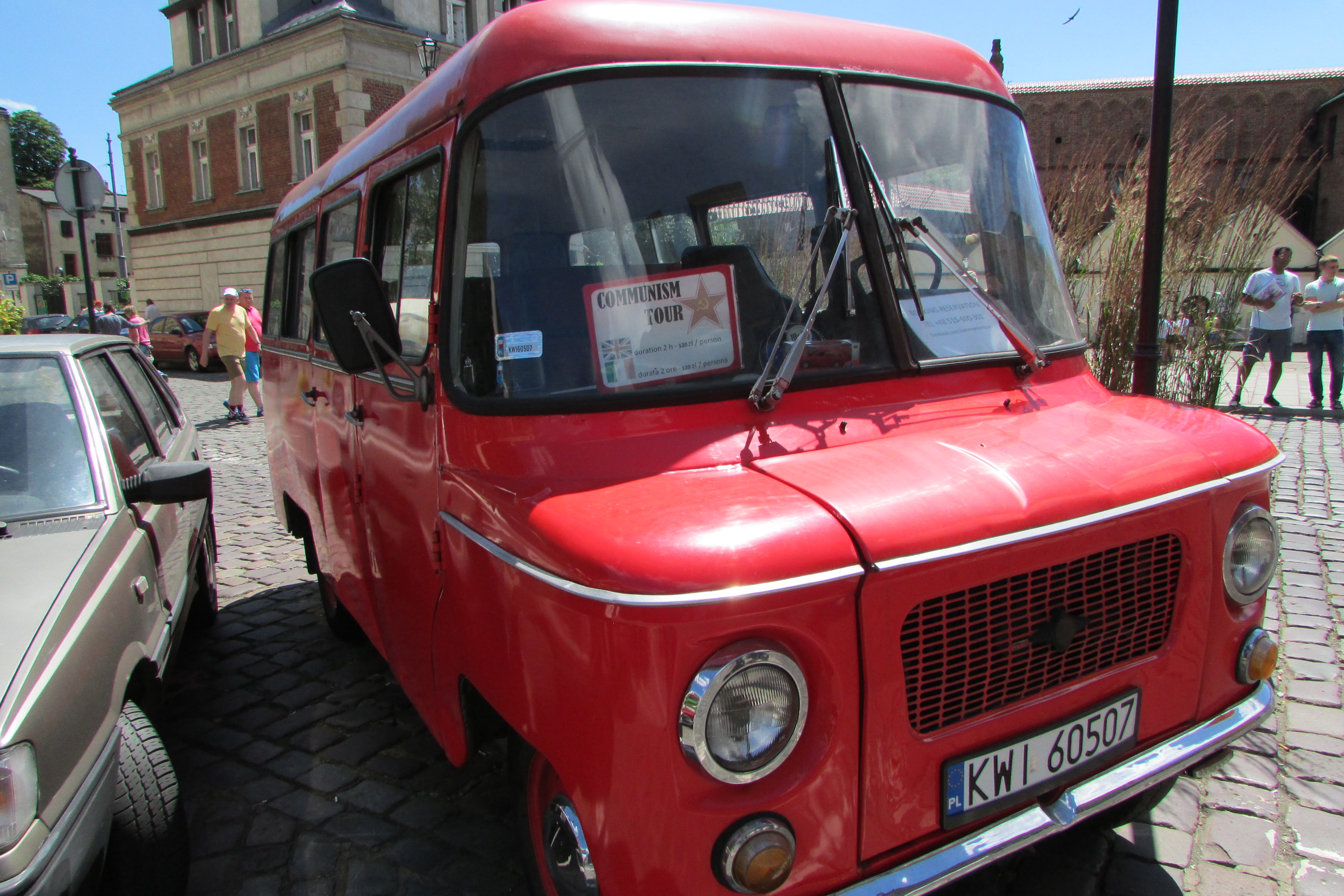
IMG_4591 You could go on a ‘Communist Tour’!

IMG_4612 This dog waited a year for his owner (who had died.)

IMG_4648 People-watching in one of the squares.

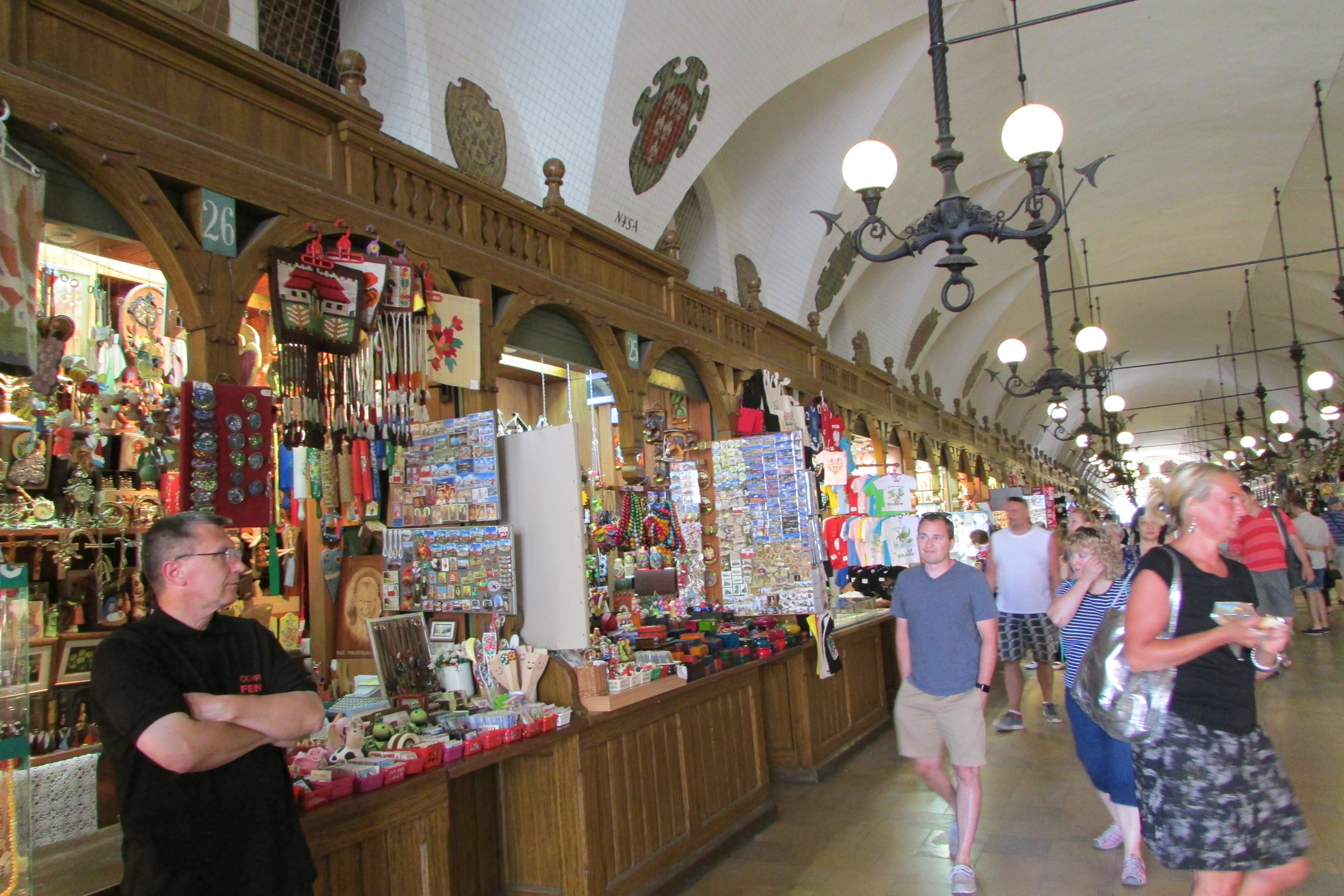
IMG_4677 IMG_4675 IMG_4674 IMG_4672 IMG_4671 Wonderful markets

IMG_4665 IMG_4663 IMG_4661

Cloth hall – which didn’t sell cushion covers….

xxxxxxxxxxxxxxxxxxxxxxxxx

Helpful Europe train advice at:  http://www.seat61.com/

xxxxxxxxxxxxxxxxxxx

If you enjoyed this, you will love my new book: The Sarcastic Mother’s Holiday Diary.
I have always written a diary on holiday, so last Christmas, I decided to find all my old diaries and blogs, and make a book for my children. However, several other people also asked for a copy, so I have written a public version – it’s available on Amazon and has been described as “The Durrells meet Bill Bryson”!

Why not buy a copy today? I think it will make you laugh.

The US link is here:

https://www.amazon.com/Sarcastic-Mothers-Holiday-Diary-ebook/dp/B07N95281F/ref=sr_1_1?ie=UTF8&qid=1549015525&sr=8-1&keywords=the+sarcastic+mothers+holiday+diary

The India link is here:

https://www.amazon.in/Sarcastic-Mothers-Holiday-Diary-ebook/dp/B07N95281F/ref=sr_1_1?ie=UTF8&qid=1549015429&sr=8-1&keywords=the+sarcastic+mothers+holiday+diary

The UK link is here:

https://www.amazon.co.uk/Sarcastic-Mothers-Holiday-Diary-ebook/dp/B07N95281F/ref=sr_1_2?ie=UTF8&qid=1549014970&sr=8-2&keywords=the+sarcastic+mothers+holiday+diary


Letter to a Sister – Lunch Club


How was your week? I cooked at Lunch Club. Usually I make a syrup sponge, but I thought I’d try something different this week, so I used tinned pears instead of syrup and added some ginger to the sponge mixture. I was a bit worried about cooking tinned pears – they might have turned to mush in the oven. It was okay. I thought it was a bit lacking in taste, tinned pears are a bit bland, but it wasn’t horrible, which is the main thing. I might try marmalade next week.

I cannot tell you how much I dislike cooking dinners for large numbers of people. However, Lunch Club is something special, and I always come home happier than when I went, even though it’s also really hard work (as you know – I believe you told me that if you ever agree to help again I should shoot you!) This week the ‘kitchen team’ were mainly men, ranging in age from about 65 to almost 80. That says it all really!

Each week we produce a healthy meal for forty people, and they pay £3:50. Some weeks we are an efficient productive team. Other weeks I feel like I have wandered on to the set of a Dad’s Army film.

I am by far the most stressed member of the team. Maybe when you have lived through a war and survived, it seems less important if the potatoes don’t cook on time. I am also the bossiest. The kitchen is inspected regularly for hygiene, so we have check lists of things to do. I am always nagging people to wash their hands ( even if they have just washed them when they used the loo, they have to wash them again when they reenter the kitchen.) They now tell me whenever I see them, “Yes Anne, I washed my hands.”

Whoever is cooking buys the food, then arrives at the church early to start preparing. Gradually the rest of the team arrive, some by bus, some via ‘Dial-a-Ride’ and some walk or drive. Everyone is pleased to see each other, so it’s quite a social time. It’s also the time when we hear about ailments. The team are mostly not young, so it’s not coughs and colds – they will quite casually mention that they “had a minor stroke in the week” or “had bit of a heart attack so had to call an ambulance.” I am always amazed how they seem to take in their stride, to carry on with life as soon as they feel well enough.

They also laugh a lot. At some point, before the ‘oldies’ arrive (who are actually no older than the team some weeks) we have a quick prayer. This is always more enthusiastic when I am the cook (need all the help we can get!)  When I got there this week, one of the team had rolled up his trousers to show some injury, which led to a general discussion of scars until I called them to order and suggested that we should get on with praying. Slightly worried as to where the conversation might lead. Like I said, I am the bossy one.

This week one of the church members popped in with his little boy. The oldies love to see children. They are, I have noticed, quite competitive with how many great-grandchildren they have. I can’t really chat to them when I’m cooking (too busy trying to not burn anything.) But when I’m not the actual cook, I love listening to them, they have so many tales about growing up during the war, living in a world that has changed so much.

I love how enthusiastic they still are, how they will arrive excited that dog-racing has started in the next town, or there’s a new club they can join, or even a new knitting pattern has arrived. Their obvious enjoyment of life makes me realise that growing old doesn’t have to be scary, there are still deep friendships and loud laughter. Especially laughter. Friday lunch times are always some of the happiest, and most exhausting, hours of my week.

Take care,
Love, Anne x

PS. Going on a trip to Poland. Never been there before.

Why not sign up to follow my blog? Then you won’t miss reading about my trip!


xxxxxxxxxx
Thank you for reading.

anneethompson.com

IMG_2422

xxxxxxxxxxxxx
Letter to a Sister – Bruce Springsteen


IMG_4572
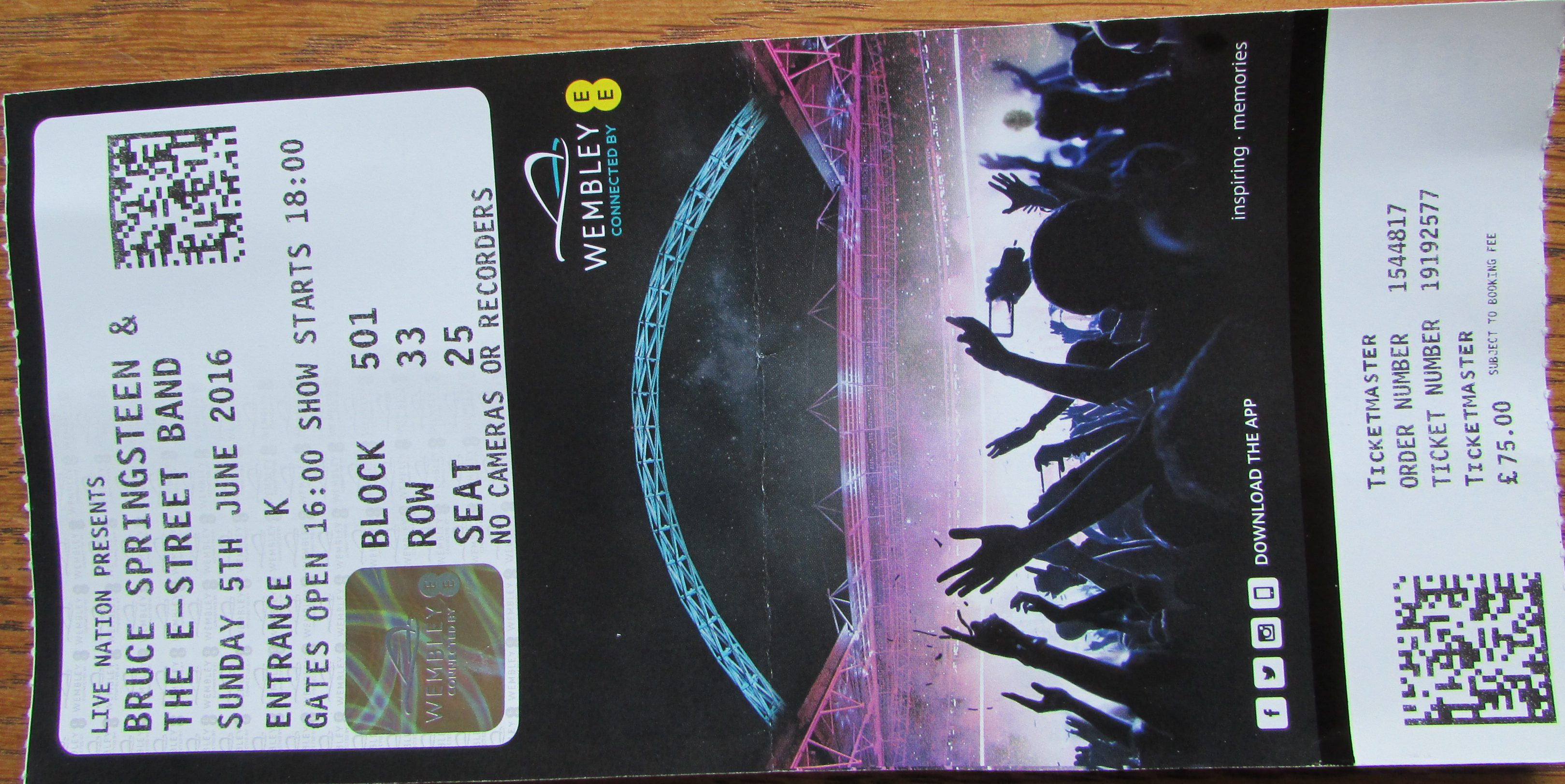
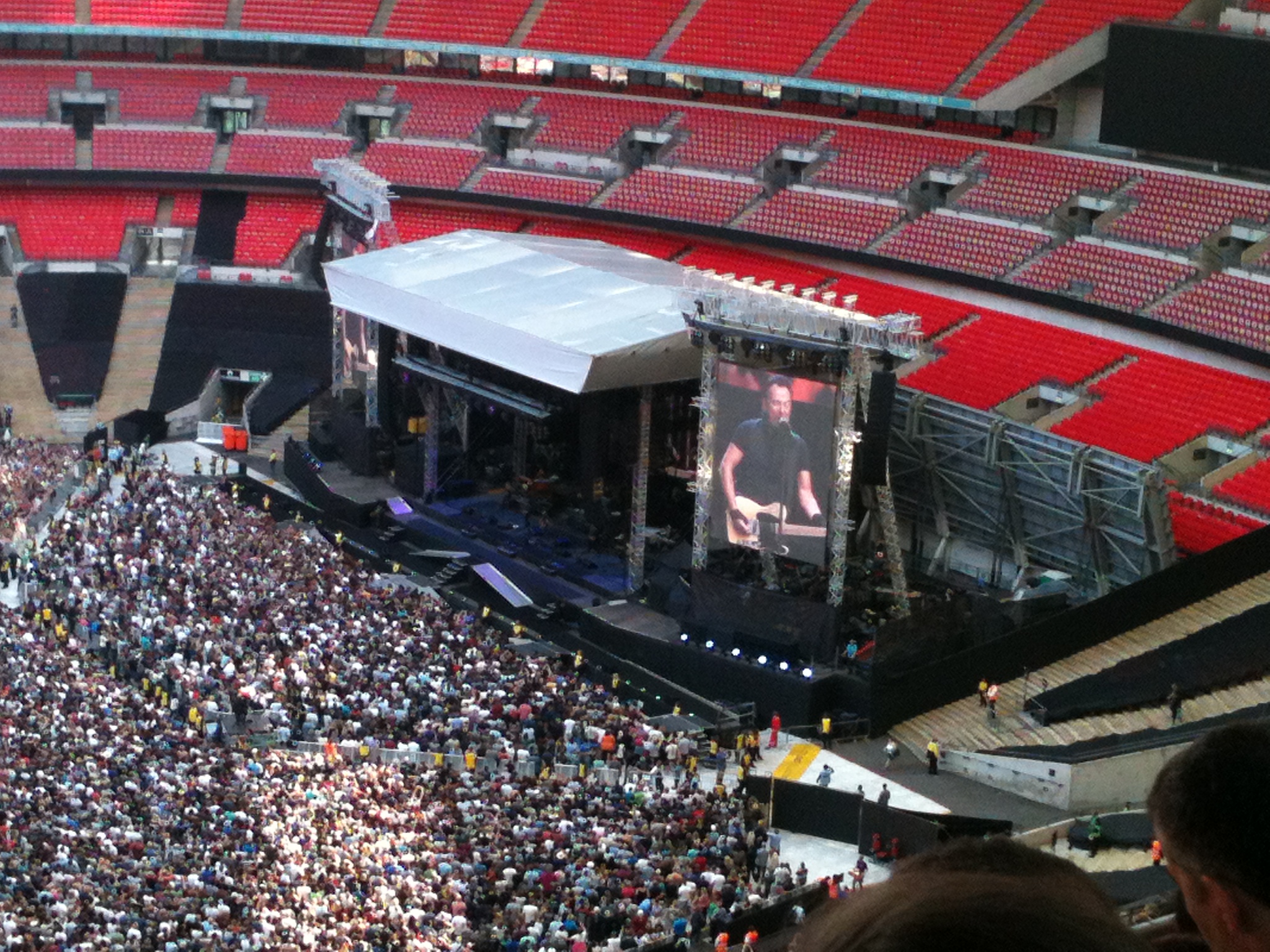
How was your week? Mine was busy, culminating in watching Bruce Springsteen at Wembley.

Now, I don’t know about you, but I haven’t actually been to many concerts. Maybe something to do with being Minister’s kids, or perhaps we were just incredibly sheltered growing up (those two are not mutually exclusive, of course!) But whatever the reason, I seem to have missed out on a lot of the ‘basic teenage stuff’ that most people experience. My only concerts prior to meeting Husband were at Christian music festivals or Cliff Richard (no comments please…)

So, when Husband (who had a relatively ‘normal’ upbringing) suggested we go to watch Bruce Springsteen, I was somewhat fuzzy as to who that actually was. Husband made me listen to a CD. I commented it was a pity he’d had a sore throat when recording it. Husband raised eye-brows at my ignorance. We went to the concert.

Arrived at Wembley tube station and got directed to stadium. There were lots of men shouting, asking if anyone wanted to sell tickets. As we neared the stadium, there were other men shouting, asking if anyone wanted to buy a ticket. I thought it would be helpful to tell buying men about the selling men we had seen earlier – husband told me to just keep walking.

Entered stadium. Security involved removing lids from our water bottles. This seemed wrong, I wondered if the security men had been confused by their instructions – I failed to see how bottle lids could be a danger to public safety. Husband informed me it was to increase sales of the stadium’s drinks, and to just keep walking.

Found our seats. They were not perhaps the best seats. I was glad I didn’t suffer too badly from vertigo and wished I had brought my binoculars. Or a telescope. We looked down over a sea of grey heads. We weren’t the oldest people in the audience….

The concert started only slightly later than scheduled. It was plenty loud enough. Unfortunately, the person responsible for switching on the big screens forgot for the first song. We could hear it, and see indiscernible people the size of ants moving on the stage. They then switched on the screens, which was better, but we could only see Bruce, not the band. It would’ve been so much better if they had used the big screens above the stage, so those of us in the cheap seats could’ve seen the whole stage enlarged. It was hard to ‘catch the atmosphere’.

Having said that, Bruce Springsteen is undoubtedly a talented performer. He had lots of audience participation, sang for hours, involved a whole range of musicians. Most of the audience knew all his songs and sang along. The people standing on the pitch were dancing, some of them completely absorbed in the music, oblivious to the staff pushing wheelie bins around and selling food and drink. And no one suffered a coronary or stroke. The woman in front of us was taking photos of the screens on her mobile – one for each song. Each one looked identical to me. But you could see that for many, it was a special occasion, something they had looked forward to. It was rather nice.

From your sister – who is perhaps not exactly a ‘rocker’ but who quite likes being with people who are..

Take care,
Love Anne

IMG_1930

xxxxxxxxxxxxx

Thank you for reading.

If you enjoyed this, why not sign up to follow my blog?
anneethompson.com

xxxxxxxxxxxxxxxxxxxxx
You can read my sister’s letter at:

http://ruthdalyauthor.blogspot.co.uk/2016/06/hiring-car-letters-to-sister.html

xxxxxxxxxxxxxxx
Letter to a Sister – Bird Brain


So, a few disasters this week. I’ll gloss over them quickly. First was on Monday, at Aunt and Uncle’s Golden Wedding Anniversary. It was a lovely event, saw most of the extended family, food was beautiful, everyone seemed happy. I felt somewhat of a plonka, having taken the “Dress Code: Sixties” bit to heart. Thought I ought to make an effort. Most other people had taken the “optional” bit to heart. Felt rather silly in mini dress and false eye lashes. Especially as there were a few non-family guests present, who possibly thought I usually dressed up like an ageing drag queen.

Next disaster was Wednesday. After a couple of days of high winds, the tree outside our bathroom window had scraped roof tiles onto the ground. The tree acts as curtains – we don’t have nets at that window – but those branches needed to be trimmed before they did more damage. Husband then phoned trusted builder to come and repair hole in roof. Which he did. Early on Wednesday. When I was just about to have shower in now uncurtained bathroom. That would have been good information to know in advance…..

Lets move on to some animal updates:

Before we went away, the sitting duck hatched her eggs. Ducks are generally terrible mothers – they have a tendency to sit somewhere the ducklings can’t reach them, or squash them by mistake. She had nested in a big plastic crate (nicely rat proof) so I lifted out the eleven hatchlings and put them with the mother into the dog cage in a corner of the aviary. She was furious with me, but I did manage one photo:

IMG_4406

They were sharing the aviary with the earlier two ducklings. The mother hissed at them whenever they went near, so I had to keep them separate. This wasn’t difficult, as really all they wanted to do was be with the chicks that they’d been raised with. They wandered up and down the edge of the aviary, cheeping at them. It was hard not to put them back together, but I know it would cause big problems later.

The big chickens (nasty, nasty, creatures) kept attacking the new chicks. They will be so much safer if they manage to form a unified flock, so I don’t want to move them out. Instead, I positioned lots of crates so they had areas they could escape to when attacked, and hoped for the best.

When we returned from Sri Lanka, I couldn’t believe how big they all were. They were, unexpectedly, all still alive (the house sitter did very well.) The chicks are now small chickens. They have still not exactly ‘bonded’ with the existing flock, but at least they’re not being attacked. They’re also copying them, sitting on the crates at night as an attempt to roost.

IMG_4570IMG_4562

The big ducklings look full grown. As soon as their wings feathers have grown, I’ll clip them and put them on the pond. You only clip one wing – it’s like having your nails cut, it doesn’t hurt. But they won’t fly if they’re lopsided, so I can shut them onto the pond at night and they can’t sleep on the bank and be eaten.

The eleven ducklings are also much bigger. Am pretty sure the mother stole one of those eggs – there’s one completely black duckling, very beautiful.

IMG_4564

Looking after the birds helps me forget about publishing – publishing a book is a LOT of hassle – nowhere near as much fun as writing them. I was hoping that Hidden Faces would be in the bookshops in July, ready for the summer holiday readers. That looks unlikely now, more likely September. Which might mean fewer sales, or might mean people will enjoy it and then buy it for someone else for Christmas. Hard to know. I am trying to be patient, to remind myself that God helped me write this book, if he wants people to read it then editors, typesetters and printers won’t ruin the time plan. But at times I want to scream!

Take care,

love, Anne

The Ghosts of La Recoleta


She came to us after Mass.

We had watched the people leaving the church, the men pulling on gloves, the women buttoning coats against the chill June air. Older women, dressed in black, tightening their headscarves. Always a good opportunity for some money, using all that guilt, that longing for a better world, that recognition that there might be a God. So we pulled the thin blanket tighter, sat upright on the newspaper, stared into their faces, held out our hands.

Most people looked away, embarrassed by our youth, repulsed by our smell perhaps. Wishing we were invisible. But some looked, even if only to shake their heads. Perhaps to wonder why we were there, who our parents were and where they might be. A few gave money, coins we grasped in our dirty chipped-nailed fingers, slid into pockets, saved for later. Then the woman came.

She stood for a moment, deciding. Searched our faces, considered walking away, dismissing the thought, the belief, the commitment. But she had already decided really. The choice had been made, while she stood before the icon, while she lit the candle, while she allowed herself, for one brief second, to truly seek her God’s face. So she leaned towards me, worried that she might be seen, asked if I was the eldest. Did we sleep here at night? Did we have no shelter now it was winter?

I indicated that I was in charge, suspicious of her motives, nodded slowly, not wanting to commit, ready to deny it in a whisper. For shelter, I glanced upwards, at the high concrete overhang. Not that it was much shelter. When it rained, the water would find a way through, run in rivulets along the broken paving slabs, often soaking the newspaper we lay on for warmth.

Sometimes we used one of the abandoned theatres opposite a faded villa, the weathered gargoyles scowling at us as we pushed through a gap in the boarded up door. But it was always full of empty bottles. It was safer on the street. The cold was less of a threat than the drunken adults who lurked in the shadows of forgotten buildings.

When she told me to come, it was so faint, I barely heard her. The muttered address, the specific time, all whispered in a hurry. Hopeful perhaps that I would mishear, arrive too late or in the wrong place. That she could absolve her conscience by having tried whilst failing to deliver.

I thought about it all day. We sorted through the litter bins in Plaza San Martin, hopeful a wasteful tourist may have thrown away food. Or a bereaved relative, come to find a name on the wall of names, losing their appetite, throwing away their lunch. We watched the fat birds perched on the statues and wished we were them, could fly over the city, up to the sun.

When I told the others, sitting on the steps, looking back at the old clock tower, they wanted to go, to try our luck. What did we have to lose? There might be some food involved. So we went.

It wasn’t far. We left our blankets folded in their place, pushed back against the shop front. So we could come back later, our shelter would be reserved. If it rained, dry space would be hard to find.

We stayed on the main road, away from the broken roofed station, past the memorials and the park. It wasn’t an area we frequented, too full of tourists for the police to turn a blind eye. Too many rich people with carefully made up faces and stomachs full from the parilla. We followed the road, the black and yellow taxis speeding past, the occasional lorry slogging through the city from the pampas, stacked high with produce to sell.

We waited outside, loitering under the giant gum tree, its branches spread as wide as its height. We were early, not wanting to miss something that might be good. Or might not. But we could run if we needed to, back to the anonymity of the disused tracks.

We watched customers leaving the French cafe, the taxis waiting for fares in the little square, the stall holders packing up their wares. When the square was empty, only the pigeons left to find stray crumbs, she came. Hurrying across the faded grass, anxiety in every limb, every glance. She stood at a distance, checked we were unobserved, beckoned us over, turned and hastened back inside. We followed.

Afterwards, we could never be sure why we had. Why had we trusted her, risked walking through the arched entrance, let her pull the gates closed behind us, turn the key in the lock? Let her lead us past the map that guided visitors, through the wide doorway, onto the pathway beyond. Hidden by high stone walls, unseen.

We stood there. Five of us. Ragged and hungry and alone. No one to miss us. No one to care. No one to even notice.

We stood amongst the dead. On every side, the stone booths of the rich and famous protected their remains. Pointed roofed cathedrals, statues of angels, marble shelters. I knew this place. I knew the bereaved visited and the curious. People came to see the statues, the monuments, the plaques. They sought dead relatives, famous writers, the final resting place of Evita.

Beyond the perimeter, reaching towards the sky were the windows of tall buildings, like many eyes watching. An old man approached, as ancient as the tombs, stared at us, smiled a toothless smile, nodded at the woman. She turned to me, all business. Confident now we were unwatched, no possible witnesses.

“You came. Good. I wasn’t sure if you would. I must leave soon, I cannot be late home. But this is Juan. He works here, cleaning the graves. You can stay, it will be sheltered. There are blankets – and food, I can bring more each day, I will leave it somewhere in the evenings, when I lock up to go home. You can use the public washrooms, for water, but you must leave them clean. There must be no sign of you. You must be invisible,” she spoke in a rush, a rehearsed speech.

She paused. Not wanting to say it but knowing that she must.

“You can stay, but… in the daytime, when the cemetery is open, you must be hidden. Juan will show you, there is a place, below ground, where one of the coffins was stored. You can sleep, in the day, when there are people.

“At night,” she continued,”when the gates are locked, you will be free. You can run and play and be safe.”

She stopped, unsure now. Her eyes on my face, seeking reassurance, needing to know that this was better. That to have shelter and food and safety was better than the streets. But I didn’t know.

True, it would be easier to care for the little ones, good to escape the weather, the hunger, the predators. And it wasn’t the dark that scared me. Or the restricted movement in the day.

I looked into her eyes, saw kindness and concern. Knew she wanted to help.

“But,” I whispered, “but, what about the ghosts?”

She knelt then, placed two warm hands on my shoulders, peered straight into my eyes.

“You don’t need to worry about them,” she said. “You are the ghosts now.”

And so it was.

Juan led us to some rusted iron gates, unlocked the chain and they creaked open. He told us that this was a good shelter to choose, there was a cat who slept there, who would keep the mice away. We filed inside, over dead leaves that had blown inside, down steep stone steps to the tiny cavern below. There was a shelf – cleaned now, stacked with blankets, and I wondered briefly where Juan had moved the remains to, which coffin was now in the wrong vault.

Then I busied myself with blankets, helping to settle the little ones, to stop them eating all the food we had been left. Juan showed us how to loop the chain back through the gates, so they would look secure, so none of the visitors would attempt to disturb us.

We lived in the cemetery. We ate the food she left for us each evening, we slept on dry blankets in the safe shelter below the ground. Sometimes we would hear Juan, he often swept near our vault when there were tourists, a careful guard, covering any noise we might make, ever watchful.

But best of all, when it was dark, we would run and laugh and play. The high buildings outside added their lights to the stars, watched as we pretended to dance the tango in the city of the dead. We learned how to be children again.

Sometimes, when it is very dark, people walking past La Recoleta, fancy that they hear voices from within the high walls. The sound of laughter carries on the wind, and they hurry away, telling themselves they are imagining things, that the dead don’t giggle. Which is right. Dead people do not laugh nor dance nor play. But we do. We are the ghosts of La Recoleta.

xxxxxxxxx
Thank you for reading.

anneethompson.com

IMG_4193


xxxx

Saving Time…. A Letter to a Sister


Do you ever wish you could bottle time? Take a memory and seal it up, ready to get out and savour again whenever you needed to?

I remember wishing that I could, when the children were small. I would watch R concentrating on painting or cooking or a story, know that she was completely, one hundred percent happy, and I would wish I could store it up for her. To save those secure, carefree toddler days for when she was an anxious teenager or a stressed out adult or whatever. I have never asked her if she ever wished I could have, never asked if she needed one of those memory bursts. I just know that sometimes I would have liked one myself.

So sometimes I catch myself trying to absorb moments. I see something or experience something special and I want to bottle it, capture it for later. Trips abroad often provide those moments. Perhaps because I have time and space to notice them. Sri Lanka certainly provided a few – you might have detected a little enthusiasm when I described seeing the elephants in my last blog! But there were many others, some of them just lasted a second. Like smiling at a young child, sharing the international language of parenthood with a stranger. Or watching a pelican, clumsy and awkward as a clockwork toy.

I would even save some sad memories. Feeling the rain as I stood next to Dad’s grave, surrounded by the family’s shared grief. It was real. In a world so full of artificial, of pretence, real is important. There is life. There is death. There is God. There is a lot of weird and wonderful in between….

There was one moment in Sri Lanka, on the way to the airport. We slowed for traffic lights and the scene was so foreign, so alive. It told a thousand stories and I wanted to be able to paint it or photograph it, though neither would do it justice.

Try to imagine it for a minute. It only lasted a minute, sixty seconds. The traffic is slow and our car creeps forwards. There are people crossing: a man carrying coloured crates, someone with three sacks stacked on his shoulder. Women elegant in saris, boys sauntering in jeans, a man with no legs wheeling his chair up the road against the tide of traffic. There are beggars waiting for the red light so they can stand, silent, beseeching with empty eyes next to car windows. Small shops with tired workers, rubbish blown against the walls, bright signs with curly symbols I can’t read. And the traffic – lots of buses, patterned paintwork, inside the seats had crocheted covers under protective plastic, bright, hot, uncomfortable, with arms and faces leaning out open windows. Aggressive drivers, loud horns, pushing through the traffic scattering pedestrians and tuktuks. And tuktuks, multicoloured, personalised with cushions, flowers, pictures, beads, whole shrines stuffed in the front. Some ferrying tourists, others carrying families. Can you see it? All that life. Impossible to capture, yet very real. It all mattered to someone.

Sometimes life whizzes on.

I hope you have some wonderful moments this week, something you wish you could bottle. Even if only for a minute. Try to notice if you do.

Take care,
Love, Anne

xxxxxxxxxxx

Thank you for reading.

If you enjoyed this, why not sign up to follow my blog?

anneethompson.com

IMG_4559

xxxxxxxxxx