Deflation


Deflation

Image

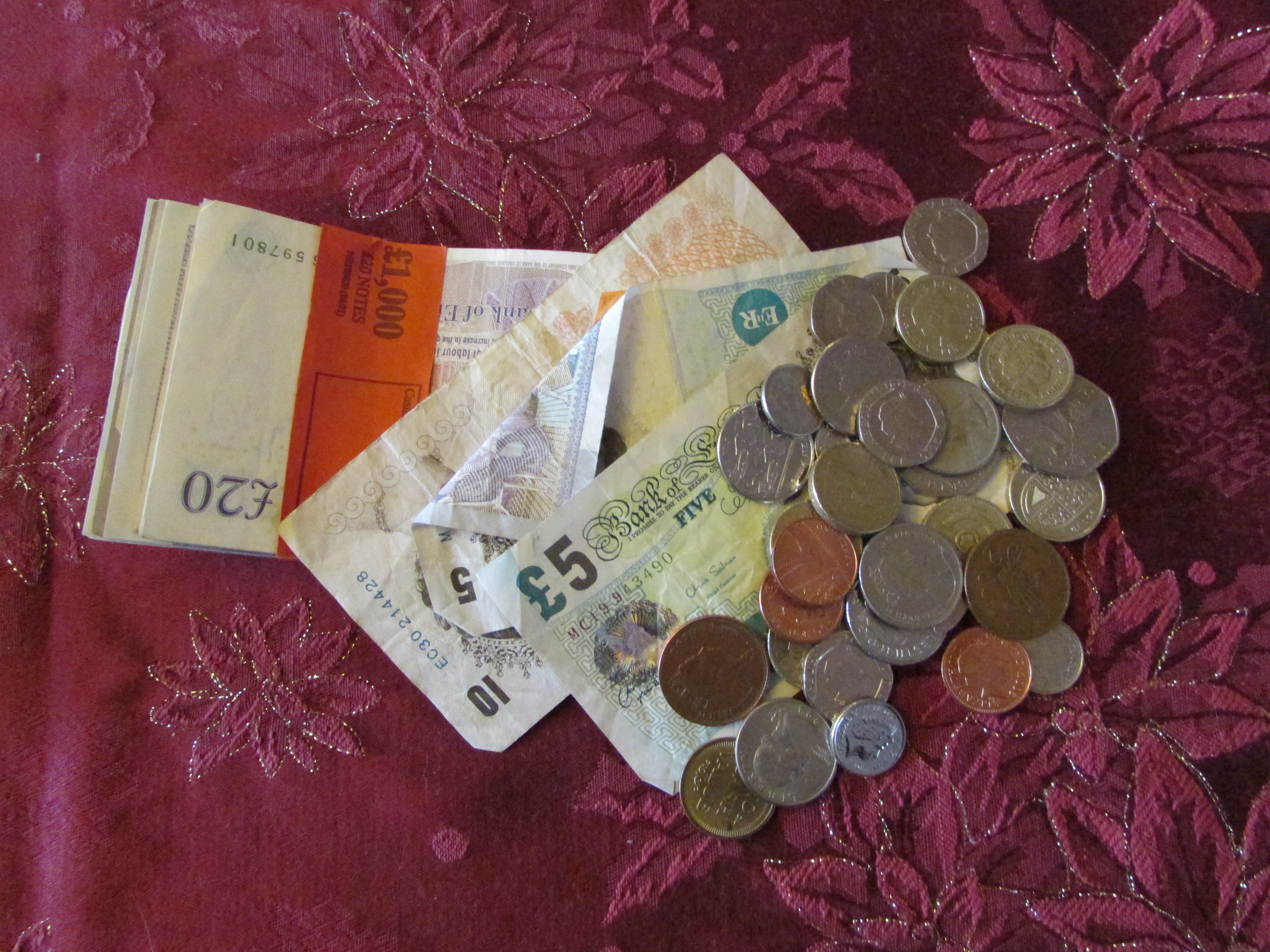
 This week, the Bank of England announced that inflation is now negative – this is known as deflation – for the first time since the early 1960s. This means that buying basic goods is getting cheaper rather than more expensive. This is good right? It means we all save some money? Let’s have a look.

     Firstly, what has caused this deflation? Inflation is often driven by the price of oil. So much of both manufacturing and our every day lives are dependent on fuel, that a change in oil prices affects everything. If oil goes down in price, almost everything else does too. In the last six months, crude oil has halved in price.

     So, what has caused this? Why has oil, a commodity which cannot be made but only extracted and refined, suddenly become cheaper? Oil is produced by very few countries and many of them are in the middle East, including Saudi Arabia. Now, Saudi Arabia has deliberately increased the amount of oil it is extracting and selling. The oil markets are like any other market (see the article on the Swiss peg). If there is lots of oil, then the price goes down.

     Why though, would Saudi Arabia increase their supply? They have halved their income from $100 per barrel to $50 per barrel. Why would they do that? Good question! No one actually knows (apart from the Saudis I guess.) However, there has been lots of speculation and there are two different likely reasons:

     Possible Reason 1: Due to oil prices being so high, people had become very inventive at finding ways to not buy oil from Saudi Arabia. They started trying to find their own oil. One method is through fracking, removing oil from shale (in your own country). Fracking is expensive but if it is cheaper than buying oil from Saudi Arabia, then it is worth doing (unless you live above where they decide to it of course!)

      Now, Saudi Arabia sells a lot of oil to the US, they are not happy that the US is becoming self-sufficient with its oil production. If therefore, Saudi Arabia reduces the price of oil, just for a little while, just until all the new fracking companies go out of business, then in the long term, it will be better off. They can then raise the price again, having bankrupted all their competitors. Is this why they have increased production? Not good for the US frackers (I need to be very careful how I write that word!)

      Possible Reason 2: Depending on your political/religious viewpoint, some of the dodgiest regimes in the world are completely dependent on selling oil. (Places like Russia and Iran.) The most effective way to defeat a regime is thought to be economic – people who cannot have what they want to have are generally dissatisfied, dissatisfied people try to change their government. Up until now, sanctions against these countries have been less than effective because they both have oil. That oil is now worth less (because Saudi Arabia has flooded the market, so to speak.) This will put a lot of pressure on those regimes. The US will like that, so maybe Saudi Arabia is acting in unison with the US.

     Let’s go back to the original question, is deflation good or bad? Governments, on the whole, do not like deflation, they think it is bad for the economy. If everyone is spending, moving money around, that is good for the economy. If companies are investing (buying new equipment) then that too is good for the economy. However, if people see prices coming down, if they know that if they wait for a month, that new television will probably cost less, then they delay spending money. Delayed spending means less money moving around, which is bad for the economy. Therefore governments like to have low inflation. Now, this present deflation is probably going to be fairly short in duration and will not plummet too far, so it will make very little difference. It is an interesting occurrence though and shows what a completely connected world we live in.

A financial article is posted every Saturday.

Letters to a Sister 5


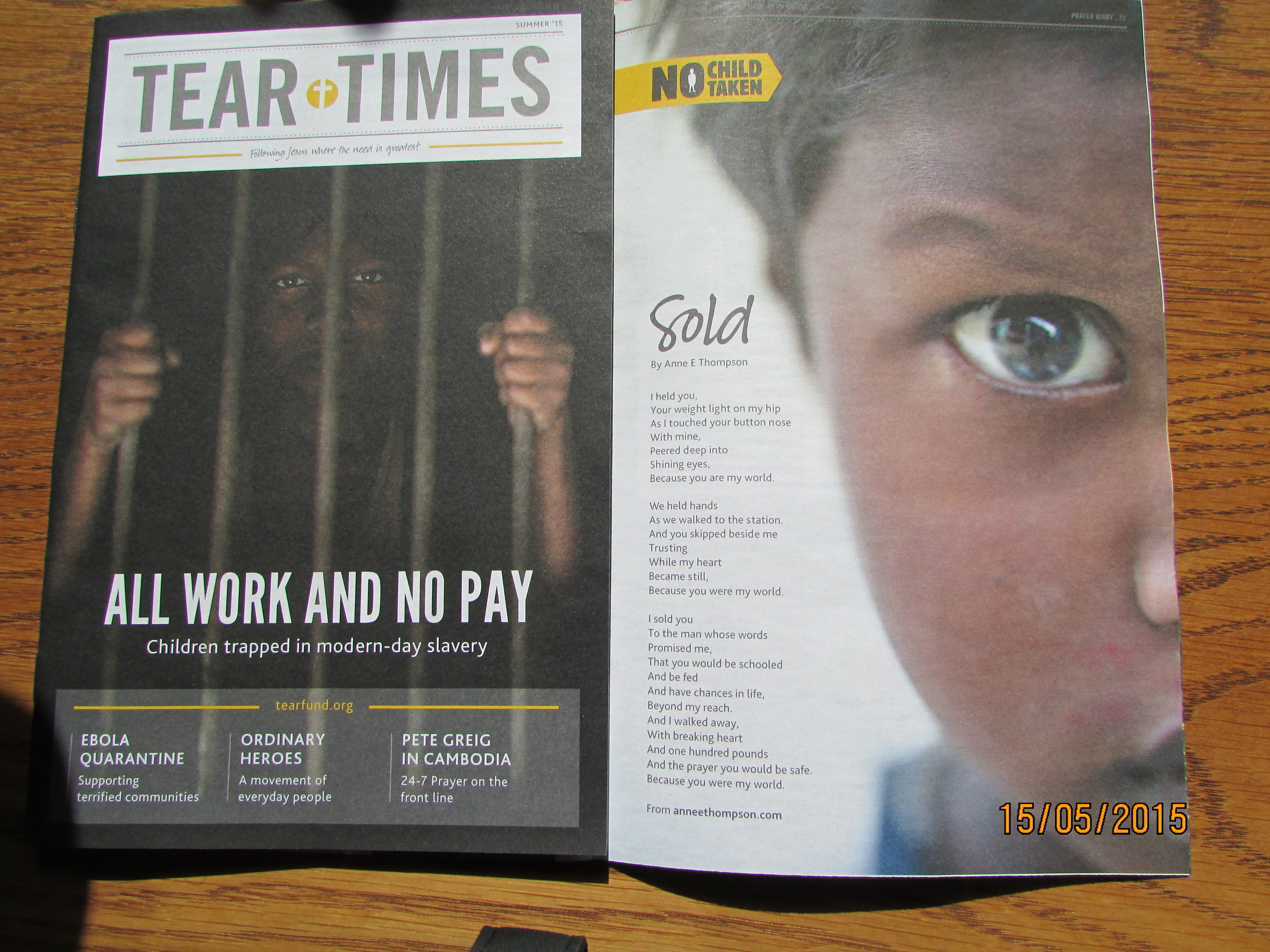
Very excited, one of my poems was ‘spotted’ on Twitter and has been printed in Tear TimesIMG_2312You can order a copy (family heirloom) at : tearfund.org (they’re free)


For David’s birthday, his sisters gave him a voucher for a champagne cream tea at the races. Decided to use it on Saturday. Was fun. We arrived about two, having missed lunch due to eating big breakfast. Wondered how we would manage to drink a whole bottle of champagne mid afternoon. We managed surprisingly well.

The race course was nice. Not really used to race courses, so no idea what to expect. We had a table in a pavilion, which we could leave to watch the races and then come back to (for more champagne.) On way to the track passed a group of musicians who never seemed to be playing and a stand selling ‘Hand Pulled Pork’ which made me giggle. (I blame it on the champagne, but honestly, WHO thought that was a good name for something people would want to eat????)

Liked watching everyone. All the women seemed to be dressed up in high heels and fancy dresses and fascinators. I do not get the point of fascinators – they are fascinating because they look very difficult to keep from falling off! I had my best trousers on but fear I may have looked like I had come straight from sorting out ducks and kittens (because I had.)

Anyway, I had reminded David that Great Grandad had been involved with building the race course at Huntingdon, we had Dick Francis and Josh Gifford on our family tree, etc, etc. First race, I picked a horse. Told David it had odds of 9:1.
He then pointed out that actually that was its weight. It came second. Next race chose with confidence, telling him the weight. It lost, of course. Then we texted lucky niece and asked her for her tip – that lost too. Was great fun watching though.

Tea was nice. We had a Romanian waiter. I asked him which part of Romania he came from, he told me Eastern Europe. Maybe I was slurring by this point.

I used the Ladies before we came home. David pointed me in the right direction and I managed the heavy double doors just fine. Room very crowded with lots of women touching up their make up and combing hair. Did not use elbows to reach the sink (would’ve been rude.) Wondered who thought ‘bubble gum’ was a good perfume for liquid soap.

Thanks for sending the pot pourri. I’ve put it in a pretty china dish in the downstairs bathroom. Not sure why the whole world now thinks that’s a good place to fling the empty toilet roll insert.

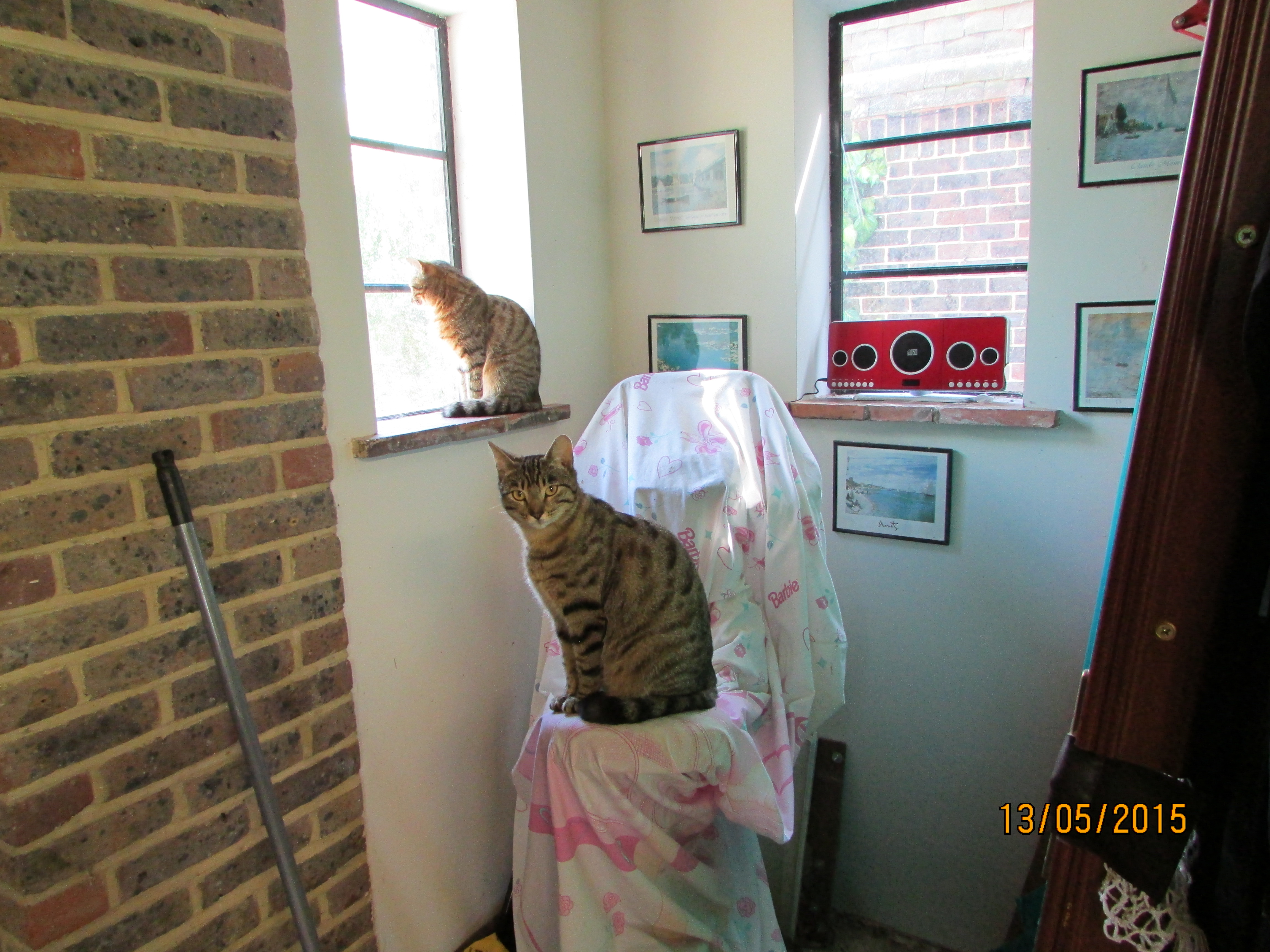
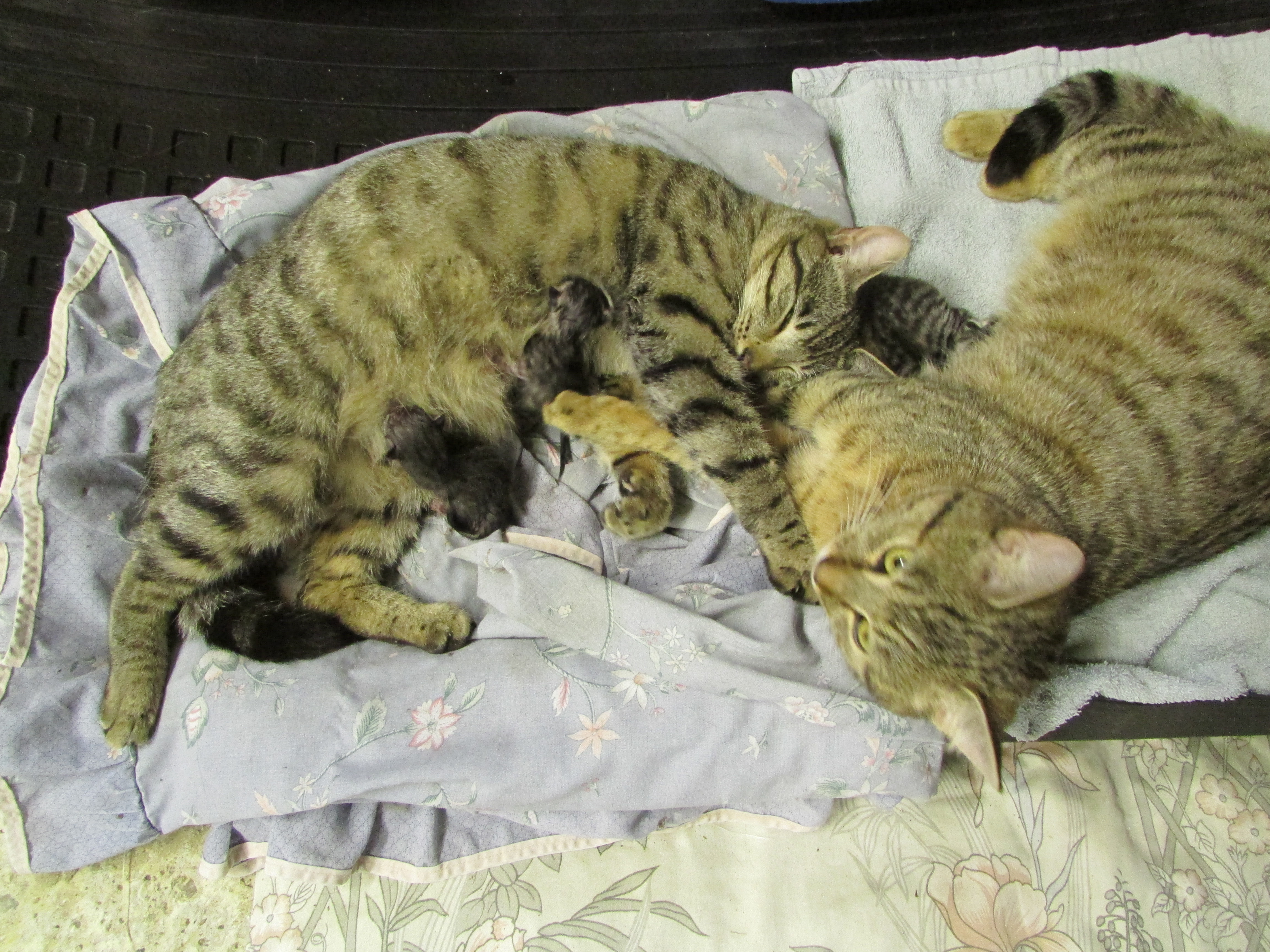
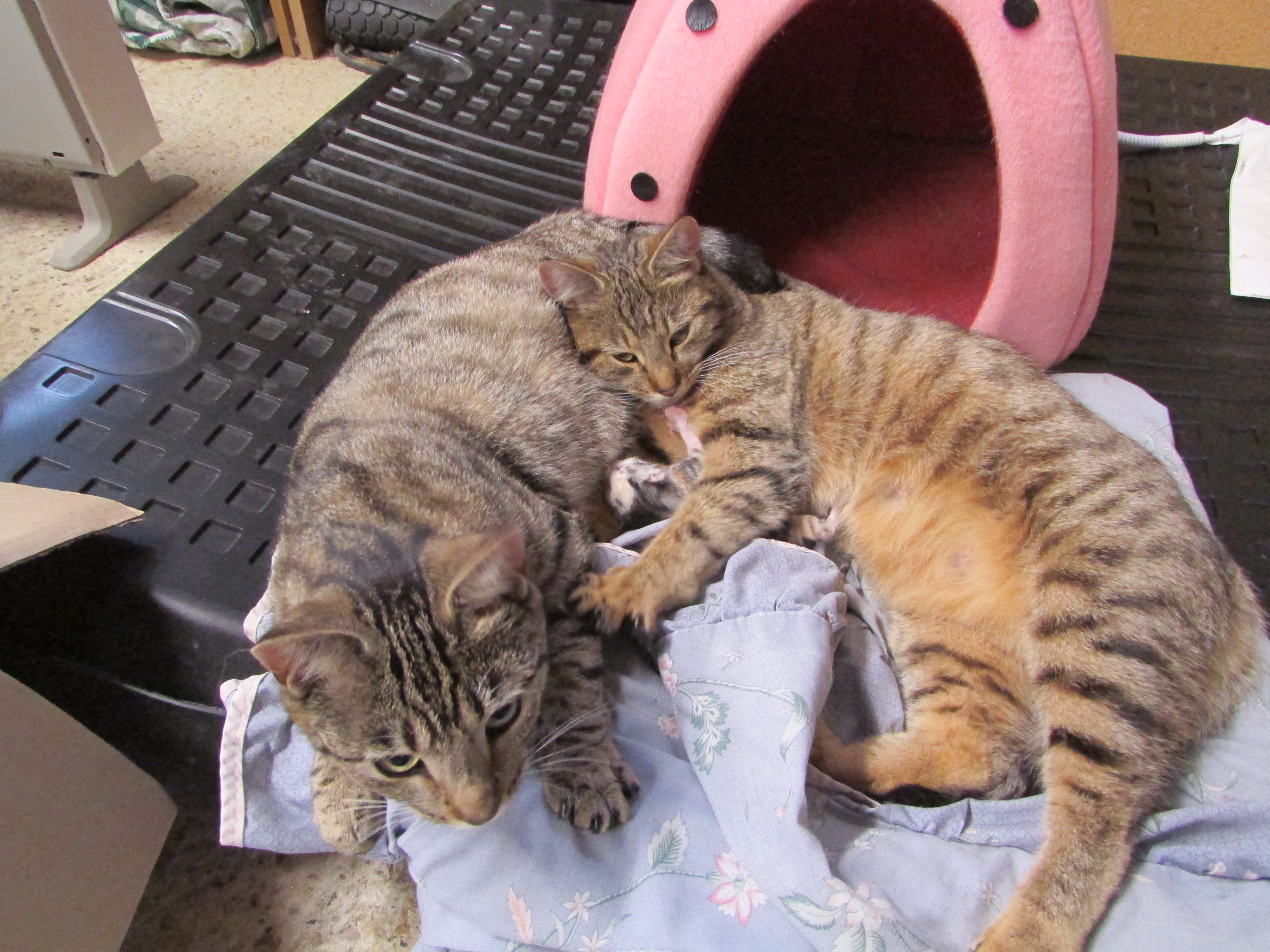
My animals are doing well. The silver call ducks have just hatched. Mother keeps sitting on them still (glad there is one good mother in my household) so getting a decent photo is near impossible. Milly and Molly continue to be terrible mothers and only really notice their babies when I go in and put them back together. All four kittens continue to thrive, I feel despite rather than because of their mothers.

Talking of mothers, I took our mother to the supermarket yesterday. She went to one of the ‘self check out’ tills before I could stop her. Immediately, an assistant came and stood next to her, helping her check out. Think that tells a story in itself.

Take care,
Anne x

IMG_2295 IMG_2304

IMG_2300 IMG_2298

The Swiss Peg (Nothing to do with Clothes Lines)


The Swiss Peg

In January 2015, the Swiss Central Bank de-pegged the Swiss Franc. Within a few hours, the amount of euro you could buy with Swiss francs decreased by 20%. What does this mean and why was this significant?

Let’s start at the very beginning (in the words of a famous song.) In the global society that we live in, people want to buy and sell stuff between countries. That means, buying things that use different currencies. For centuries now we have had exchange rates, which decide what one currency is worth compared with another. They determine how many euro you can buy with your pound when you go on holiday.

Who decides what the exchange rate should be ? Who decides how many euro you will get for your pound (or dollar or yen) Well, in most Western countries the exchange rate is set by “the market”. Every day the banks match up buyers and sellers of currency across the world and that decides the price, ie the exchange rate. People want to change currency for a number of reasons, pushing and pulling the exchange rate up and down. For example, maybe millions of Americans want to come to the UK to watch the Olympics, that will put up the exchange rate – they will get fewer pounds for their dollars. But at the same time, Apple might bring out an exciting new iphone that everyone wants to buy, that will raise the price of the dollar, making it even again.

We can see how the foreign exchange markets work by looking at ebay. Pretend you want to sell your VW beetle lego model on ebay. If you set the price too high, no one will want to buy it but other people who own a lego VW will see it and decide that they want to sell theirs too. There would be too many sellers and no buyers and the price would start to go down. The opposite is also true. If you put your lego model on ebay at a low price, no one else in the lego community would think it was worth selling theirs. Then lots of buyers would bid for your model, which would push the price up. At a certain point, other lego bods would decide it was worth selling their models too and the price would stabilize. It finds a natural level.

Now, some countries do not want to be part of the free market, so they control their currency. The government sets a price and their currency can only be bought and sold at that price. It reduces the amount that other countries want to trade. (In recent years, this has happened in China and the old USSR.) Or, sometimes a dictator will decide to set the price of their currency too high (in recent times, this happened in Zimbabwe) then people decide to just ignore it and an illegal black market is formed.

In the open market place prices are also affected by fashions, rumours and what people think will happen in the future. So, when the Conservative government won the last election, whatever your own personal views might be on that, the international market thought that the UK was worth more and the price of the pound went up by 4%. Nothing had changed, we didn’t suddenly have great weather and become a tourist destination, it was just that people’s view of our economy changed and that altered the markets. It reflects what causes most changes in the exchange rate. It is more about optimism and fashion and less about physical things, real economy or cash flow.

In the last five years, there have been lots of worries about Europe. There have been worries that some countries (Portugal, Ireland, Greece) might collapse and the Euro might go down in value. In comparison, the Swiss franc has looked very stable, very safe and so its value has gone up. That’s good for the Swiss people right? Well, not necessarily. It means their foreign holidays will be cheaper. But if they are an exporter, wanting to sell their chocolate, watches or knives abroad, then it makes their goods more expensive, fewer people will buy them. For the Swiss, their core industries are their exporters (if you have forgotten what that means, read the article about the European Union.) Therefore, too high an exchange rate is generally bad for Switzerland.

So, the Swiss government decided to do something. In 2011 the Swiss Central Bank set a target maximum price for Swiss francs, they said they would act in the markets so it would not go above a certain rate. This is called pegging. They agreed they would always sell Swiss francs at a certain price, so no one would go elsewhere and buy them at a higher price, therefore no one bothered to try and sell them at a higher price. The bank then had to actually sell francs at the declared price (to make it real) so it was regularly buying other currency (which it stored.) Now, because they were a strong, trusted bank, saying they would buy other currency, which kept the Swiss franc below a certain price, everyone believed them. This continued for several years.

Then, in January 2015, they announced that they were removing the peg. The exchange rate changed by nearly 20% in a morning, the biggest one day change in a single major currency for decades. Wow.

Letters to a Sister 4


I can’t remember if you have the same holidays as us? Anyway, last Monday was a Bank Holiday in the UK. Mimi (amazingly) managed to sell her car. Think she was a bit sad to see it go. She rather liked having a big pile if cash though! She then, rather worryingly, asked, “Will banks be open today?” I told her there was a clue in the name! Also a bit surprising as she works in a bank. Clearly that Law degree was worth every penny.

Also, Molly had her kittens. Somewhat of a surprise, as I was just thinking about moving them inside ready for my guessed due date of end of May. I found her on a high shelf in the workshop with two almost dead kittens (which didn’t make it) and one feeding.

Milly has not yet produced but seems uncomfortable. She’s a bit smaller than Molly so am guessing a few days later. I moved them all into the garage. Molly is a pretty useless mother. She is fed up with the kitten and just wants to curl up on her own somewhere. Milly is very uncomfortable and just wants to hug Molly all the time, squashing the kitten in the process. She also keeps trying to steal the kitten – perhaps she thinks if she can steal that one she needn’t go through the whole birth thing herself. I tried putting Milly somewhere different but Molly got very upset so decided having them together was the lesser evil. Think these two missed the ante natal classes and the ‘instinct’ bit obviously missed a generation. Will be a miracle if that kitten survives.

It does bring back memories of having babies, not that I remember very much. I think we are designed to forget most details so that we have more than one baby and don’t warn our daughters never to have children. I can remember when I had my second one commenting, “Oh, I remember this pain now.” Can’t remember much else. Am pretty sure though that I remained calm and glamorous throughout.

I do recall David, busy husband, not having time to read any of the million books that I gave him in preparation. Then, when I was in labour he said he would start reading one. He chose a 1950s book and read out, “Only the ignorant woman feels pain during childbirth.” I think I politely asked him to stop reading, it wasn’t helping.

Take care,
Anne xx

PS Milly had her kittens – three survived. She seems a much better mother than Molly who still regularly abandons her kitten for something more interesting. Amazingly it is still alive, though what being regularly sat on or ignored does for your self esteem remains to be seen. Perhaps it is ugly, some babies are. Do you remember Mum telling us the story of when Mark was born and Granny said, “Never mind, you can keep him covered in a shawl!”?

Having kittens is MUCH more traumatic than hatching ducklings. If a duckling gets stuck you can help and most of the time it is successful and if it’s not, well it is sad but there is no risk to the mother.
Have definitely given up on the idea of breeding puppies.
Am not sure that I want grandchildren any more either. All very stressful.

IMG_2243 IMG_2240 IMG_2235 IMG_2234

The European Union: A Benefit or a Hindrance?


The European Union: A Benefit or a Hindrance?
Anne E Thompson

IMG_1255

      In society, people have different economic roles. Some work for the government (nurses, teachers) and provide a service. Some work in the private sector (this just means ‘not government worker’ – sounds more complicated than it needs to!) In the private sector, some people provide a service (coffee shop worker, plumber) and some increase the stock of assets of the community. In other words, some people add something (farmer grows grain, factory makes cars.)

If we look at that last group, they increase the stock of assets in various ways. Some reap from nature (miners, farmers). Some create/make things (factory workers, writers of computer software). Some bring in wealth from other countries (tourist industry). Lets call these three groups “the core industries”. Remember, they are adding to what a country has.

In the long term, the prosperity of a country depends on these core industries. The people who provide services are important ( I am particularly fond of Costa coffee) but they just move money in circles. It is the core industries who actually add to what a country owns.

We have just had a general election. The politicians spent a lot of time discussing how they planned to move money around, to spread the wealth between rich people and poorer people. There was very little said about actually helping those core industries (the industries who actually add to how much is owned.)

Now, I am really enjoying watching Bear Gryll’s series The Island. I sit and shout at my television, giving them all lots of advice. The two groups spend a lot of time discussing who spends too long sunbathing, how much water they can all drink every day. However, none of them will survive unless someone actually collects the water or finds some food. In other words, they need some core industry.

We live today in a globally connected world. Within that world, the UK needs some core industries, something that it is really good at. We do not, compared to places like Australia, have great mining resources. We do not manufacture as well as the Germans. Our computer industry is not as advanced as the US. We do not farm on the scale of Brazil.

So what does the UK have? We are the world’s trusted market place. We have a sensible legal system, a stable government, a city that is geared up to helping the world do business. And we are good at it. The Chinese, the Russians, the Indians, they all trust the UK. This is the place where they trust they will be treated fairly, they want to conduct their business here. English has become the international language of business.

Now, if you talk to a German, they know that keeping Volkswagon, Mercedes, BMW, Porsche, Audi strong is important. They know that these are their core industries. If they go down, their economy will be in trouble. In the UK, most people do not seem to realise that our lawyers, insurers, bankers, traders, accountants (the people who operate that global market place) are our best core industry. The money they take from the rest of the world ripples down to the rest of us.

If we want to remain as the world’s market place (and remember, we don’t really have anything else that’s as good at increasing our country’s wealth) then we need to stay connected to the rest of world. We need as few barriers as possible.

In the last twenty years, the European Union has been a huge part of that market place for the UK. People from around the world use the UK as a gateway to trade with Europe.

It is clear, even to me, that the European Union is far from perfect. I think they have some silly laws and we have a problem with immigration. However, we need to be wise. These may be things we have to endure in order to protect our core industry. Leaving the European Union would severely damage our status as the world’s market place. The knock on effect of that would affect all of us.

If we think again of Bear Grylls, someone has to kill the pigs.

Letters to a Sister 3


Rats This week I have two problems, both rat related.

Now, as you know, if you live on farmland and keep poultry, you’ll have rats. Fact. We’ve always had a big brown rat around the pond. In fact, the first year we lived here, when we didn’t know what we were doing and the pond froze so the fox could walk to duck island and kill every single duck, James asked if he should still continue to feed the rat each morning. (He was young.)

However now, after two mild winters, they have become more of a problem. They get the eggs, they carry germs and will kill the young poultry when it first hatches.

So, last year we bought two farm cats, Milly and Molly, to live outside. Even if they don’t get the bigger rats, they’ll get the babies and that will keep the population under control. I didn’t spay them, figuring that a few cats outside would be fine, they can each have a litter and then I’ll get them all spayed.

Am pretty sure now that Milly & Molly are pregnant rather than greedy. Still no idea who the father is, but can definitely smell a Tom some mornings. Not pleasant.

Did some internet research to learn how I should be looking after them. Learned that sometimes cats can produce up to 8 kittens. Eight. Not really sure how I am going to mention this to David. Milly & Molly were perfect, the only two in the litter, born in a stable but handled regularly so not feral & used to a GSD. Perfect. I had assumed that as they were a pair, they would each produce a pair. Six kittens, living outside, helping to control the rats around the pond, ideal. I’ll have them all neutered after the first litter and we’ll all live happily ever after.

But eighteen? Oh dear. And whilst I can kill the odd cockerel ( especially after he has attacked me & is showing signs of aspiring to world domination) there is NO way I could dispose of a kitten. (I promise to send photos when they’re born – am guessing end of May.)

Can you advertise for good homes on fb? Have a feeling its against the fb rules, my account will be shut down by fb police. Oh the shame.

I will have to smuggle them into people’s homes. Perhaps I cd take them as thank you gifts when invited out for dinner. Can be gifts for all my nieces & nephews on their birthdays. House warming gifts? Could have a party & give them as leaving gifts/party favours. This clearly needs some thought.

My next problem is also rat related. Last Summer we had “Mr Rat” the exterminator, but then he was ill and stopped coming, leaving both a healthy rat population and some traps.

I, in my wisdom, decided to set some of the traps. They worked. I now have a rat. An alive one.

Now, it is one thing to employ a man to put down poison or to get some farm cats to kill the babies, it is quite another to be faced with a rat, perfectly healthy, looking through the bars of the trap at me. He has a little furry face and sweet little ears and cute pink paws.

He also screams the rat equivalent of death threats whenever I go near and tries to bite me through the cage. Clearly hates me. What to do?

Cannot bring myself to kill him, not face to face – plus not sure how. I can kill something quickly, before it feels fear, in an instant. But how do I even get it out of the trap without it biting me? Nor can I leave it to starve to death. Seems cruel.

So I am now feeding a rat and regularly topping up its water bowl. This is so not what I had planned.

When David gets home I will suggest he might like a drive into the countryside, away from other houses and farms and we can release it. I fear he will mutter. Will also be nervous that cage in car may not be as secure as I hope. Oh dear, big problem.

Maybe I can add it to the surprise kitten gifts…..Just be glad it’s not December or guess what you would be getting for Christmas……

Will write again next week.

Take care.
Anne xx

PS Mimi is trying to sell her car. She told me she has advertised on a car website but at the last minute she got worried about putting her mobile number on a public site. So she used a false number. Not sure she really thought that one through.

Which Aid Agencies Can I Trust?


Which Aid Agencies Can I Trust?

     Everywhere I look, people are collecting money for Nepal. Facebook, television, even kids in the High Street. But are all charities worth giving my money to?

     I recently heard of a US based charity who were responding to the devastating effect of AIDS in Africa. Millions of children were being left orphaned when both their parents died of Aids. In response, the charity collected money for an orphanage, which they built and fully equipped. Great, except that it remains empty. Africans do not put their children into orphanages, they pass them to ever distant family members. The charity wasted both money and resources.

     So, if I want to give to a charity, who can I trust? Who will use my money wisely? Here are nine important questions to ask:

     Do they have local contacts or partners in the regions where they work? This is where the charity above went wrong. A charity should have strong links with local people who can direct what the money is spent on. This does a couple of things: It means they will have proper understanding of the people they are trying to help. It also means that it will be sustainable – after people have stopped sending money the local partners will have gained skills and strengths so will be in a better place to continue to be effective.

     How efficient/effective is the UK end of things? Is it a well organised charity?

     How capable is the charity at assessing if a project is a ‘good’ one or a ‘bad’ one? Yes, some projects can be classified as ‘bad’. For example, a ‘bad’ project might use £1,000 to build five toilets in a village. A ‘good’ project will use that same £1,000 to train people from six villages so they can build their own toilets.

     Do they have good governance? Is there a strong, independent board? This is important to check strategy, keep staff accountable, appoint good leaders, etc.

     Do they employ quality staff? Are they properly qualified for what they are doing?

     Do they have a good return on their fundraising costs?

     Do they have a good performance record? So, do they have experience in what good development looks like and are they managing to achieve this in what they are doing?

     Do they measure and monitor what happens to the money? This one is really important. Anyone can collect and send money to an area of need but a wise agency will be checking that the money is spent where it was intended to be spent. Has that new school been built or does the mayor now own a mercedes? Who is actually going and checking what happens to the money?

     Is there good risk management? Places that need aid are usually a mess. There is often civil war, no social infrastructure, not a reliable banking structure, etc. Therefore, to provide aid involves taking risks. There will be a risk to staff (people get hurt/killed/kidnapped) and a risk of corruption. This cannot be avoided if agencies are to work in these places but the risk should be understood and wisely managed. For example, it might be decided that a bloke carrying £5,000 in a carrier bag is actually safer than transferring money through a dodgy bank. Whoever makes that decision needs to have a good knowledge of the risks involved.

So, how do I know where to give my money?

     It can all seem a bit daunting so here are some quick pointers.

     If you are donating a one off, small amount of money, go for a recognised name. I would recommend the members of the DEC. These are 13 UK aid agencies who work together when there is a crisis. They save time and money by making fundraising appeals together and spend it according to which of them is best placed to help. I have listed them at the end.

     For large amounts or long term support, it is worth doing a little research. A good starting point is the charity’s own website. You can also look at their annual reports and accounts (if these are not published, ask for them. If they refuse to send them, do not give them any money!) You don’t need to be an accountant, just look for these things:

     Fundraising percentage – how much of their money goes towards raising funds and how much to the people they claim to be helping? If it’s under 10%, that’s brilliant. 10% to 20% is about normal. Over 20% is a bit too high.

     How many staff members do they have in proportion to how many things they do? Now, you might think (as I used to) that fewer staff meant more aid went abroad – think again. If a small organisation are doing lots of different things, they cannot be checking effectively. Where is that money actually being spent? If an agency has ten or less people working for it, it should only be working in one country. A charity with ten staff members working in twenty three countries are merely campaigning and raising money. They cannot possibly be monitoring, checking how the money is being spent, building relationships, etc.

     Check the small print on the donation part of the website. Does your money go to where you think it does? You might be sending money for Ebola relief but actually, a percentage will go to administration or to other work in that region or be ‘unrestricted’ (which means the charity can spend it where it wants/needs to.)

     Now, all charities have overheads, workers have to be paid. But you should know how much of your donation goes towards overheads. Under 10% is excellent, 20% is reasonable, 30% is too high and shows they are inefficient.

     If you really want to help a charity, sometimes the best place to give money is straight to the ‘general/unrestricted fund’. Then when they raise money for specific appeals they can send all the money raised to the area of need.

     I would like to finish by requesting that you think carefully about where you give your money. Some charities have what I think of as the “Father Christmas” factor. They will show lots of emotive photographs of small children receiving gifts and you think “Ahh, how lovely.” However, does that work really help the people receiving the aid or does it mostly just make the donor feel good? Do we give so that we feel like Father Christmas, or because we want to help?

      Also, be aware that there is only so much money that is given to charities. If you give to a charity that is not wise, a charity that wastes a high percentage of the money by not checking how it has been spent, buying inappropriate goods, etc, then in effect you are taking that money away from a charity who would spend it wisely.

     Please give to people in need. Please give wisely.

DEC Agencies: Action Aid, Age International, British Red Cross, CAFOD, Care International, Christian Aid, Concern Worldwide, Islamic Relief, Oxfam, Plan UK, Save the Children, Tearfund, World Vision.

Letters to a Sister 2


Letter to a Sister 2

     Okay, so James suggested I join some facebook groups to advertise some of my articles. Good idea. Joined a German Shepherd Dog (GSD) group and then got lots of hits on my dog training article. Still good. Decided to join some more groups. Some are ‘closed groups’, so you cannot see any of the stuff on their timeline until you are accepted as a member. No problem, I thought, and joined a few. Ah. GSD also stands for ‘gender sexual deviation’. Saw some very unexpected photos. Thought they probably didn’t want to learn about dog training…….

     Not sure if Milly and Molly are pregnant or just enjoying their new food. At the end of May either we will have kittens or they will be on a very strict diet.

     Silver Call duck is nesting. The rats kept getting her eggs so she is now in a huge plastic crate with sheer sides. Male Call duck is sitting next to it in the hope she will emerge. (She only comes out at night to eat and swim – sensible duck!)

     Friday was the Lunch Club. The leader was away, so she had asked me to go round as people were drinking  their coffee, show them the menu and ask what they wanted to eat. Easy, you might think. The trouble is, I am usually tucked away in the kitchen, so I don’t usually see any of them and I don’t know their names. So, when I took their order, I wrote it next to their names and added a short description in the margin (wearing peach cardigan, dressed in red, that sort of thing.)

     All was going fine until some helpful person turned on the heating and they all took off their cardigans and jackets. There is something indistinguishable about a group of ladies with short grey hair all wearing home knitted jumpers. They looked identical. I kept asking people for the second time what they wanted to eat. They were confused, I was confused, the list was a mess. If I am asked to do it again (which I doubt) I will ask if I can put a small ink spot on their cheek when I have taken their order so I can keep track. Should go down well.

Hope all is well with you. Take care, Ax

Manipulation of the Financial Markets


Manipulation of Financial Markets

IMG_1956

This week, a bank was fined two and a half billion US dollars for manipulating Libor. There was also an English man who had his bail set at five million for spoofing Futures markets. What do these terms mean? What did they actually do that was so bad?

Let’s go to Rabbit Town. They have a big fruit and vegetable market. Jim has a stall where he buys and sells carrots. The market has a big carrot section, there are about fifteen other carrot stalls. Every day, the town publishes the average price for carrots. People use the Town Price when they are doing their deals. For example, the Rabbit Town school buys 20 carrots every day from the farmer and they agree they will pay the farmer whatever the published price is.

The town calculates the Town Price very carefully. They ask all fifteen stall holders what their price is for that day. They then take off the top two (most expensive) and the bottom two (cheapest) and work out the average of all the others. That then becomes the Town Price for that day. People do not have to use it, but it’s a helpful guide.

Now, Jim has two brothers. One brother is a carrot farmer and he sells carrots. The other brother owns a soup factory, so once a month, he buys carrots. Both brothers have contracts with other people and they have agreed to buy and sell carrots at the Town Price. They know that the price that Jim gives in to the town hall, very slightly affects what the Town Price is set at. When they have carrots to buy or sell, they go to see Jim and ask him to slightly move the price on his stall. Not too much, because he doesn’t want to be in the top or bottom, but just enough that it alters the average a tiny bit, moving it to be in their favour. Jim likes to help his brothers, so he agrees. Sometimes he even persuades his friends to change their prices a little too.

If carrots are interest rates, then Libor is the Town Price. It stands for London Interbank Offer Rate. It is the interest rate that banks use when they lend to each other.

Jim was meant to give in the actual price that he thought he could buy and sell carrots at, not a price that would help his brothers. Even though, due to averaging, it doesn’t change the price much, it is still corrupt. The fines given to banks who do this have been huge. Now, as Jim’s false price sometimes went up and sometimes went down, it is unclear how other people were impacted. The big fine does not seem to really correspond to the financial damage that was caused. We’ll discuss this a bit more later.

Let’s take a look at ‘spoofing’ now. What is it? Well, imagine Jim has loads of carrots and he wants to sell them to other stalls. He wants the price to be as high as possible, so he makes up a rumour. The rumour says that a big carrot buyer is about to visit the market and he needs lots of carrots. Jim then sends anonymous notes to all the other stall holders, putting in orders for lots of carrots. All the stall holders quickly put up their prices, ready for when the big buyer comes to town. Jim then quickly cancels the false orders, sells his carrots to them at the higher price and makes a nice profit. This is called spoofing. It is against the law in financial markets.

Let’s look at one other thing that might affect prices. Jim has some special carrots. They are bigger and more orange than all his other carrots. He keeps them on a special shelf and they are not the same price as all the other carrots. That is allowed – he can have a special price for special carrots. What he is NOT allowed to do, is to wait until a customer arrives and then change the price for what he thinks he can get. He cannot look at Mrs Bunny and think, “Ah, nice watch, designer handbag, new shoes, I will charge her fifty quid a carrot for my special carrots.” This might be what your plumber does (“Big house, that’s a £70 call out fee” or “Small house, old lady, that’s a £30 call out fee.”) but banks are increasingly not allowed to. It is called ‘price discrimination.’

Now, we can see that banks are expected to behave differently to other institutions. If a car company does something bad, even something which is negligent and causes people to die, they will probably be given less big fines than the banks. Why? Is this fair? Personally, I think it is right. I think that the fine is not related to the injury caused financially, but the injury that has been caused to the bank’s reputation.

Our society relies on banks. We need them to be completely trustworthy and so the standard set for banks needs to be higher than the standard set for shops or manufacturers or plumbers. The financial stability of a country depends on the banks, so we need stringent rules set in place to keep them honest. They used to have similar rules to other companies but that has changed and they are now much more tightly regulated. If the laws are clearly set in place and applied to all banks equally, I think that is fair. I want to be able to trust my bank. In the same way as I want to be able to trust my legal system.

There are some politicians who like to bash banks, who think that if they impose big fines then they will be elected to a higher office, they will personally look good. Personally, I think this is cheap and they are stupid. Don’t vote for them.

Letters to a Sister : 1


Ugh, yesterday was a horrible evening.

In the afternoon was Baking Club (a few teenaged girls come round, we bake something nice and have a short Bible study.) Anyhow, yesterday was very hard work. I was feeling hormonal (grumpy) and we ran out of time, so the Bible bit was really rushed and not very interesting. We are trying to make cupcakes for a fundraiser. The idea is that we will invite all our friends and family round for an afternoon in June, give them a cupcake and a cup of tea and collect donations to help stop child trafficking. We started making them yesterday – each girl made thirteen, twelve to go in the freezer and one to take home. But it took ages. In the end, they made the cakes and the icing and I said I would put the icing on later, when the cakes were cool.

They all made different flavours. Suzie made chocolate ones, with chocolate icing made using Nesquik. I iced them (they looked good) and put them in the freezer. James then wandered into kitchen, saw the remains (all over kitchen) and asked if I had bought new Nesquik because the stuff in the larder was out of date. I checked. It was. Bother.

Then had one of those struggles with conscience – checked ingredients and it was just sugar and flavourings, no milk powder, so it would be okay. Wouldn’t it? But what if it wasn’t and I made everyone sick? What if I killed someone’s granny? Decided was not worth the risk. Texted Suzie’s mum and told her to not let Suzie eat the icing, then scraped all the icing off all the other cakes. After ages, decided it wasn’t coming off very thoroughly, so I would eat denuded cakes and bake fresh ones tomorrow and never mention it to Suzie.

Took naked cakes to freezer in garage. Freezer completely full because one in kitchen has died. Then David arrived to ask if dinner was ready. Told him I was having a crisis. He offered to make space in freezer while I cleared up. I believe it is now all in alphabetical order. Super.

Jim started to cook dinner (macaroni cheese with bacon and leeks and chicken pieces – I  killed two of the cockerels last week.) I continued to ice the other girl’s cakes. Then Becky arrived home. Went to do her washing and informed me that dog had pooped all over utility room floor. Was not very grateful to her for telling me. She left and hid in room for a bit.

Finally, cleared up poo, cleaned up very messy kitchen, finished making dinner and fed all the animals.

Had big glass of wine.

Hope your evening was better than mine.

x