Ruth Days


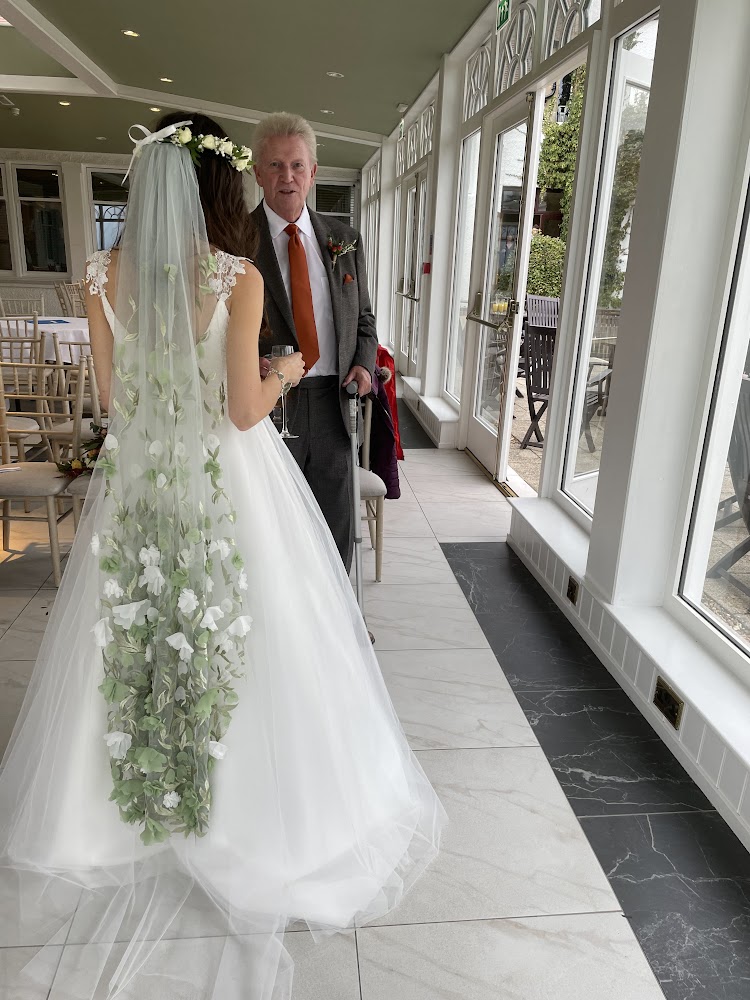
My sister came from Canada for a family wedding, so we have enjoyed some days out. When she was here last year, we followed a trail around London, looking for garish painted statues. It was unexpectedly fun, so when we saw there is a ‘Tusk Gorilla Trail’ around Covent Garden, we downloaded the map and set off. ‘Setting off’ involves more planning these days, due to train strikes (sooo much I could write here) but the day we chose was lucky for both trains and weather. (English summer weather could be a whole blog.)

We walked from Victoria Station, and avoided the millions of people who had come to see the changing of the guard at Buckingham Palace. I like walking through London with my sister—she’s a photographer (amongst other things) and she makes me notice things I wouldn’t see otherwise. The trails are mainly fun because they take you to streets you wouldn’t normally visit, so although finding ugly gorillas (they were very ugly) is not especially compelling, the side-benefits are definitely worth it. As we followed the map, we met a few other people (all with children) doing the same thing. We shared hunting tips (some were hidden in squares or shops, so not easy to find) and tried not to notice that we were about 40 years too old. Next time perhaps we should kidnap a child to take with us.

*****

Our next trip was to Wakefield Place. This time we took Husband with us. We knew there was a seed bank there—not the baby-making kind. They keep samples of millions of seeds (2 billion, to be exact) in a huge vault under the ground. Visitors can wander around the centre, which has information boards and glass screens to protect the scientists from the tourists.

Apparently, most seeds can be dried out, which preserves their life and keeps successive generations safe. However, some seeds die if they’re dried, so they need specialised storage facilities to preserve them. It is these ‘recalcitrant’ seeds that the seed bank are researching. When you visit, if you are lucky, as well as seeing the information boards, you might see a rare scientist, complete with white lab coat and gloves, studying things (I assume seeds) under microscopes. It’s not unlike visiting a zoo, though only the brashest of visitors would photograph them.

Underground (where visitors are not allowed) they keep the temperature at -20˚C (with a wind chill—produced by fans—of -27˚C). My sister, who teaches in Calgary, was unimpressed by this, as she does outside playground duty in temperatures of  -20˚C most winters. But perhaps the fans are what make it dangerous down there.

After the seed bank, we explored the rest of Wakehurst place. It’s very nice, with lots of different sections to the gardens. I loved the wild areas, especially the ‘Boulder Walk’ which had trees growing over rocks, with their roots displayed. It felt almost indecent, like looking up someone’s skirt. There were some art installations (I am the wrong audience for them) and a very nice teashop. Unlike some properties, I didn’t feel everything was over-priced and designed to fleece the unsuspecting tourist (an annual pass is £35). We shared a pot of tea for £3.50, and sat outside, watching toddlers roll on the grass. If I’d thought about it, we could have come here first and kidnapped a couple to take on our gorilla trail. Maybe next year.

***

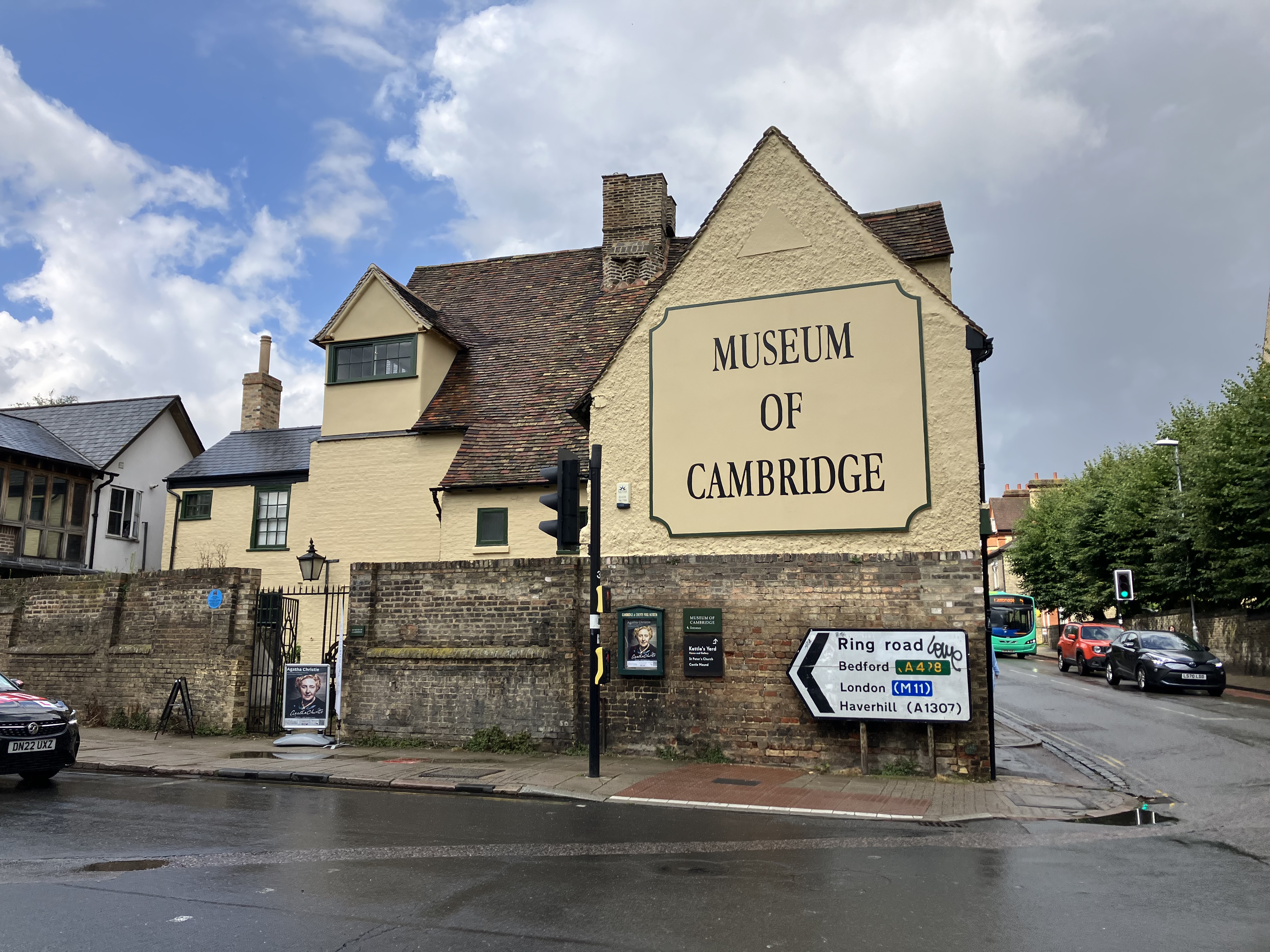
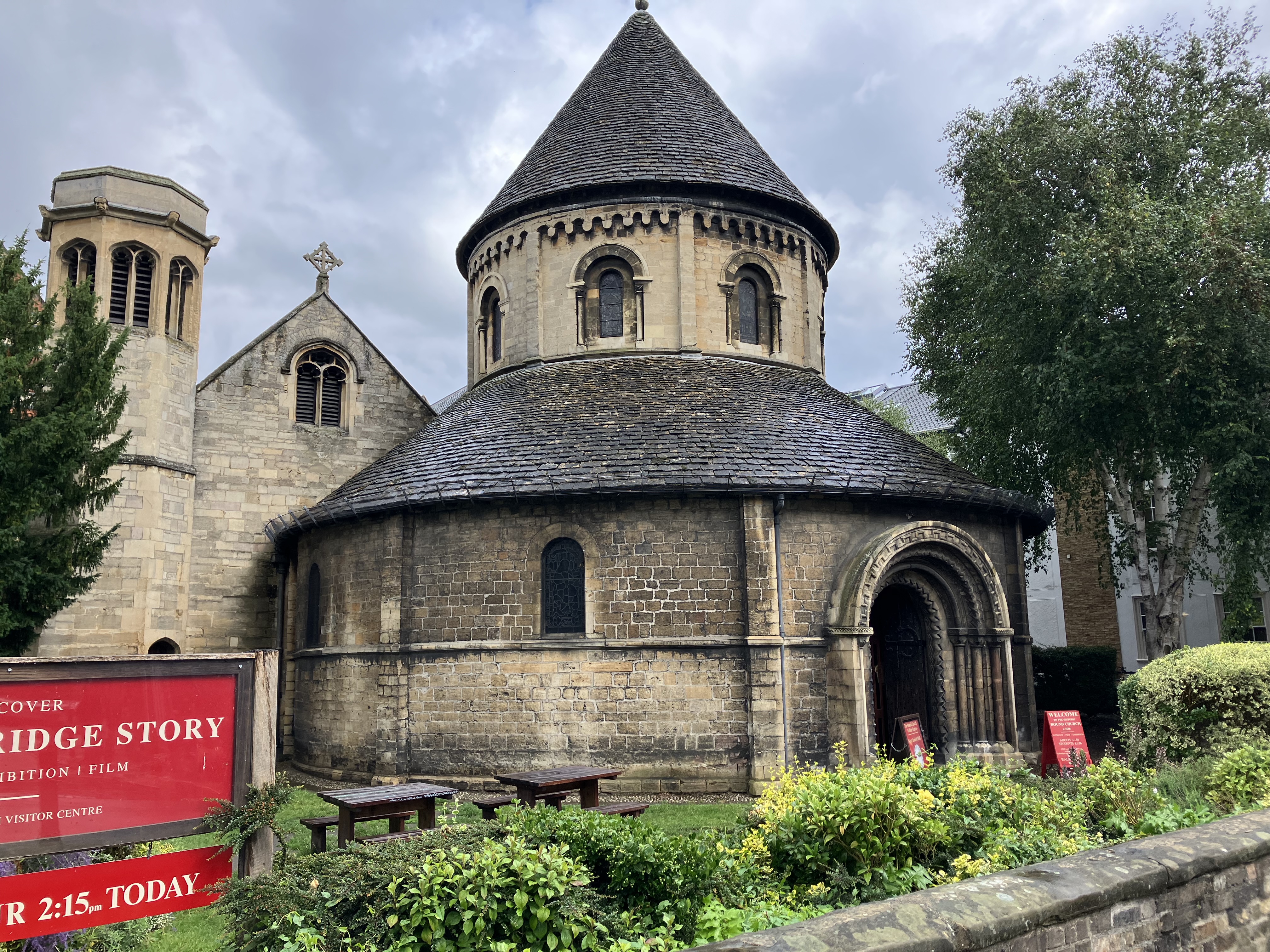
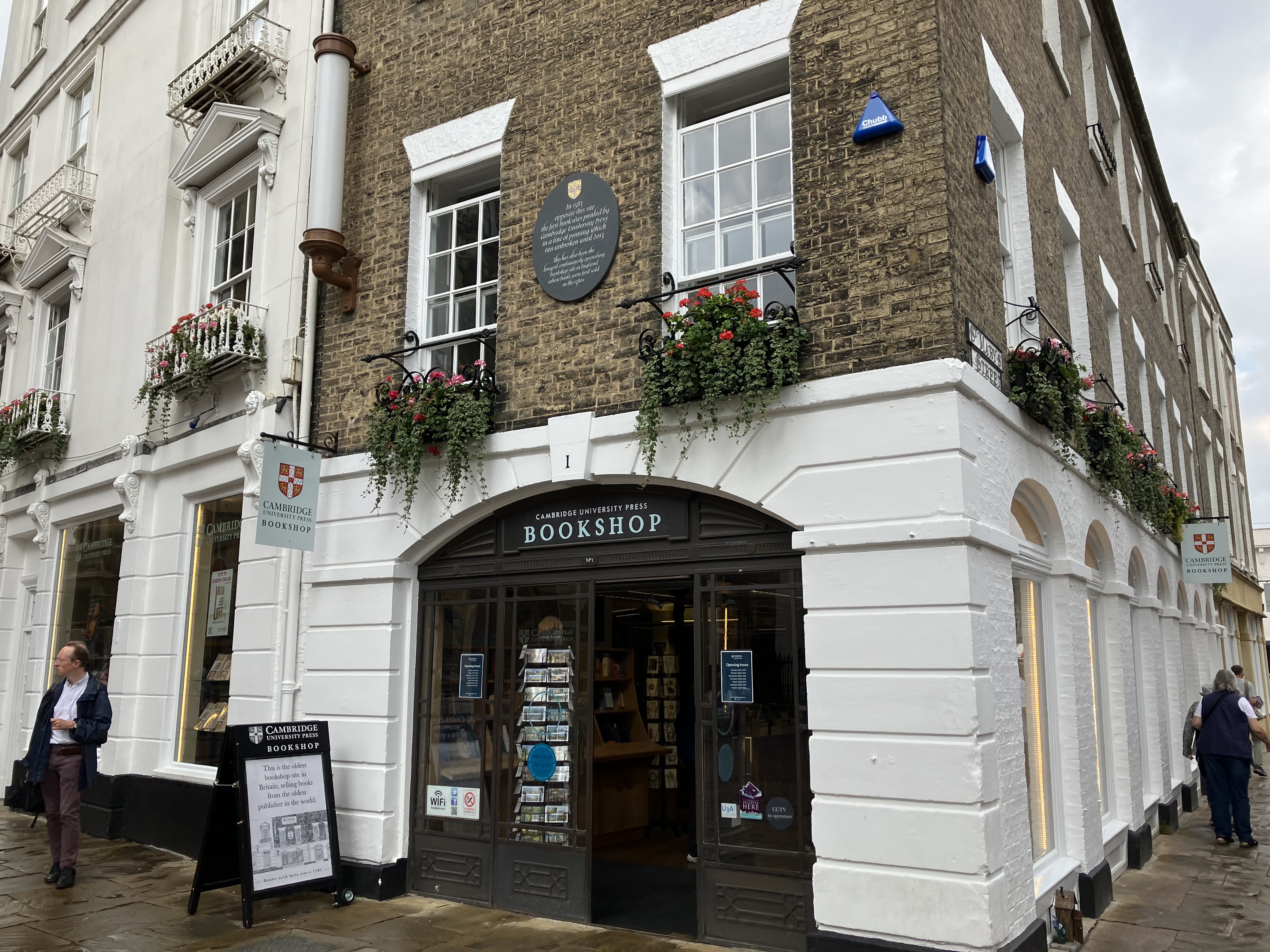
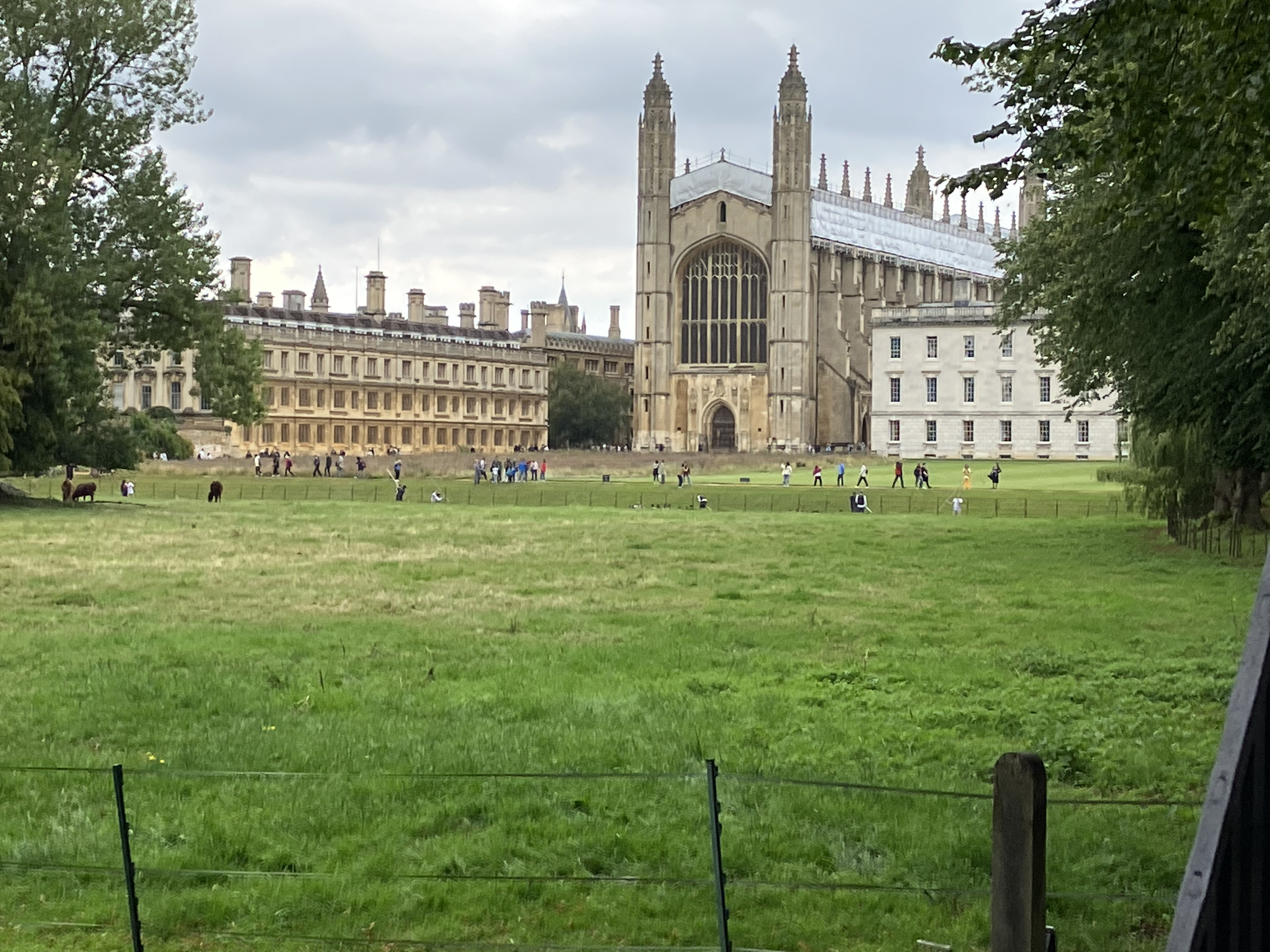
We are planning an outing to the beautiful city of Cambridge. I’ll tell you about it in my next blog.

Thanks for reading, have a lovely week.
Take care.
Love, Anne x

Thanks for reading.
Sign up below to follow my blog.
anneethompson.com
*****

Family Holiday Diary continued…


Near Porto, Portugal, July 2023

Tuesday

Went for a run, then a swim. People began to emerge at about 9, we left the house at 10:30.

Drove to Douro Valley, stopped in a little town (Pinhao) and parked somewhat haphazardly on a cobbled street. We found a nice little cafe: Princesa do Douro. Freshly made sandwiches, decent coffee, clean facilities and friendly service. We bought a Pastel de Nata which is a traditional tart, filled with something similar to egg custard. It was very tasty, wish we had bought more. Nice place to stop.

After lunch we tried to wander around the town, but it was too hot and Husband was too antsy, so instead we went to the boat place. This was more complicated than it sounds, as there are several different boat companies and we had booked online. Found the name on a building and went inside. We sat in the company office while they looked for our reservation, enjoyed the air-conditioning, looked at their photos, downloaded their app—then discovered that we were in the wrong company office, so left very quickly! Hunted for the correct company. Found it eventually and waited in line at the little jetty. Worried that people from the arriving coaches might take our places, but all was fine. We boarded the little wooden boat, and sat under a shady awning, looking at the view.

We had a one-hour cruise down the river, looking up at the vineyards on the hillside. Very pretty. The boat had shade, but it was still hot (didn’t need my cardigan). There wasn’t a tour-guide, so we just looked. It was pleasant, but I was happy it wasn’t longer than an hour. Some people were on boats that had come from Porto, and I fear this would be very expensive, uncomfortable and hot. But perhaps I’m wrong.

Drove back. Lots of winding roads, which I don’t feel G particularly enjoyed. It felt like a long journey home. The Douro valley is pretty, and it’s ‘a thing’ so you sort of feel obliged to do it when you’re here, but to be honest, a quick drive would have been enough for me. It was fun to see the tiered vineyards, and to spot the giant signs, like Hollywood signs, marking the different port manufacturers.

I got my mark for my proposal (68). Husband ate a nectarine and then got straight into the pool (these statements are not linked). J and F shared a tiny dessert (we had more, they must have wanted 1 ½ teaspoons each).

Wednesday

We ran to a little chapel, set on rocks at the water’s edge. According to Google, it is open for visitors, but the doors were locked when we were there. As the sea is the Atlantic, which has big waves at the best of times, I can’t imagine how it survives storms.

As we drew close, there were lots of school children arriving, so we slowed down (I am exaggerating) and dodged them as we ran along the boardwalk. Sections of the beach were cordoned off with ropes, and there were little tents where they put their bags. School on the beach must be a thing in Porto. I didn’t see any toilets, but perhaps they have an arrangement with a nearby restaurant.

There were also little tents hired by elderly people. They sat on deckchairs, watching the sea. Much nicer than the ‘meat market’ arrangement that I have seen on Italian beaches, where loungers are laid out with a couple of feet between them and no shade.

The beach here is nice, though probably not great if you like sea swimming, as there are lots of rocks. The sand is fairly soft though, so lots of people use the beach for sunbathing or walking. It has a nice family feel to it. After running, I walked back along the beach, paddling in the sea. There was a lot of sea weed, and a few shells, and some huge black sea-slugs–the size of my shoe–which looked like giant fruitgums. The weather was warm, though most days there was a strong wind coming from the sea, so it never felt hot. Definitely a fun place to have a holiday.

Thanks for reading. Hope you have a good week.
Take care.
Love, Anne x

Thank you for reading.
anneethompson.com
Sign up below to follow my blog.
*****

Portugal 2023


Family Holiday Diary

I am writing this in Portugal, in a rustic house near the coast of Porto. I can see a corner of the ocean as I write, a strip of blue glinting over the hedge between the trees and the house next door, and I can hear it, a steady sweep of waves over rocks providing a constant background to the dog barking, and the birds in the trees and the occasional car. In a nearby tree, a pigeon coos, and seagulls wheel over the garden in their screeching search for food, joined by the crow of a cockerel in a nearby garden.

We arrived yesterday afternoon. We should have arrived in the morning, as our plane landed soon after nine, but the owner had an electrician here (apparently) so it was not possible for us to arrive earlier—not even to drop our bags. After a 3:45 taxi, this was somewhat annoying, though everyone was polite (ish) when Husband told them the news. I noticed that he waited until we had landed before sharing.

It actually wasn’t too bad. We collected the hire cars—less hassle than usual, once we realised the system of getting seats in the shuttle bus before putting our luggage in the back, otherwise our luggage would leave without us (they need to rethink their logistics I feel). We drove (or to be exact, Husband and G drove, while J navigated despite his headache) to a fishing village near the villa. It was an exciting journey, with J doing his best to test G’s driving with lots of cobbled streets, and U-turns in narrow roads, and unexpected roundabout exits. (He claims it was due to closed roads and road works, and we believe him.)

We parked in a surprisingly convenient car park right next to the beach, which was guarded by an old woman under an umbrella who was collecting money for a saint. (Not quite sure which saint, or why the saint needed the money, but the old woman was diligent and shouted something foreign at us when we walked past without donating.) The car park was free. We knew this, because we very quickly ascertained that F speaks Portuguese that people here actually understand (unlike my Portuguese with is excellent but sometimes seems to confuse people) and we sent him off to read signs/ask random people whether there was a fee.

We left the cars and all our possessions except for the suitcase containing secret banking information that would cause the economy to crash if it got into the wrong hands, and walked along the prom.

The beach was wonderful—sand and rocks, fishing boats sheltering behind a sea wall while the waves crashed over it, green nets strewn over the sand, and a chimney way down the beach. No idea what the chimney was for—smoking fish? Alfresco dining?

It started to rain, which made things less pleasant. A friendly fish restaurant allowed us to shelter under their awning while they set up ready for a 12 o’clock opening. When they opened, we went inside. It all looked very nice, and possibly expensive, but it seemed we were eating there.

We had a round table between a display of very ugly fish arranged on ice, and a glass cabinet full of exciting-looking desserts. We were given English menus, and chose a variety of meals—sharing dishes between two was a thing, and they were priced differently. They brought bread and cheese while we ordered, and we gobbled it up pretty fast. The meals arrived in metal dishes, which the waiter served onto plates next to the table. Husband wondered if there were seconds (there were) and coped fairly well with having only a modest amount of food on his plate. Made it harder to plan mouthfuls I guess. I ate fried veg served with tomato rice—very tasty. Most people had fish in some form—J and F shared claws and legs and body parts of various sea creatures, which looked like a hassle to eat (one of them resorted to fingers before the end). We shared dessert and had coffee. F, being almost Portuguese, ordered a drink that sounded like Pingu, and he described as being a small white coffee, and it seemed to please the waiters (who probably get fed-up with inept tourists torturing their language).

We drove to the supermarket and parked. (This was not as easy as it sounds, we had a nice detour round the back of the shop.) I had a well-organised list, with difficult words translated into Portuguese, which I divided between the family. They all gave their list back to me, and told me they were going off to explore, so it was all just as chaotic as normal, with random things appearing in the trolley. I remembered to check the dishwasher tablets really were dishwasher tablets (because we washed crockery in de-scaler last year) and tried to look competent when weighing fruit and adding price stickers. M was very distracted by the stickers. We didn’t buy frozen stuff. We didn’t buy water (because the villa details said they had excellent drinking water).

Arrived at the villa. Very pretty, full of rustic furniture with beautiful grounds. The owner told us the water was safe to drink, but in a way that clearly conveyed that she would not drink it herself! Husband went out to buy some water. We allocated rooms—no one was sure about the very pretty room with a balcony because it was lacking doors—though I think we were all tempted. J and F bravely took the murder suite/separate annex. M had no air-con, so kept the door to the hall open. R co-opted the spare upstairs bathroom as her private shower room.

We walked down to the pizza place on the beach. The view was stunning. I was going to photograph the restaurant afterwards, but it looked too much like a public toilet from the outside, so I will wait and take one inside. They were very friendly, and the meals were delicious, though needed more salt. The blokes mainly drank big beers (served in those tall glasses that have a waist so look bigger than they really are) and the rest of us drank sangria (which involved more choices—in Portuguese—than I was expecting). It was delicious, and I could have drunk the whole jug. Very nice evening.

Today, I woke at 6:30, and waited until 7:30 before waking sleepy Husband and dragging him out for a run. We ran along the boardwalk, past several fat men and fully made-up women exercising next to the sea. Very lovely.

After a quick shower, we played tennis, and I learned that Husband is now almost as rubbish as I am. We changed the game to simply trying to get the ball over the net as many times as possible. It was fun, and I rediscovered muscles I never knew I had. Gradually the rest of the family emerged from their rooms. R took up her post lying next to the pool in the sunshine. M swam round the pool for a very long time. G went for a lonesome walk. We waited (for a very long time) while J showered, and then went for a walk with him and F.

The main coast road is fairly busy, and they have painted the pavement red, which means bikes feel free to whiz along them, and pedestrians don’t really have anywhere safe to walk—which seems like a silly idea. Parallel with the road, across the dunes, is the boardwalk (which is probably where pedestrians are supposed to walk). We walked to look at Galo Petisqueira restaurant, then joined the boardwalk. The beach is very pretty, with big waves and lumps of rock (but probably not a great place to swim).

Stopped at the little shop (open on Sundays, which was a surprise). Husband wanted some fresh bread (fresher than the stuff we bought yesterday) and some more water. No one here seems to speak English—it’s not a place for foreign tourists. Luckily, we have F, our secret weapon, who speaks very good Portuguese. He managed to negotiate that there were bigger water bottles in the store room. He also helped out when the woman was confused by Husband’s mime that he wanted 15 bread rolls. (Hard to know what she thought he meant—5 or 10?)

Ate lunch in the dining room. All agreed that we like this villa. Tried to plan whether we should do any excursions—and did not all agree. M want to do expensive cruise down the Douro valley, R fancies a wine tour, F wants to spend time in the city, I want to drink sangria at a beach cafe, Husband wants to build a dam o a river on the beach. (No one understands Husband’s choice, apart from the boys, who also want to. Genes are a funny thing.)

Males played ‘Small World,’ I read, R sunbathed. Then we tried another game of tennis, this time with M and F. I think we need to change the name of the game to ‘Sorry!’ We were fairly equally matched, but this is not a good thing. Dinner was at the pizza place again. We asked to sit outside, and they thought it would be fine to use a table for six and add a seat on the end. It was cramped. But the view was fabulous. People seemed to enjoy their meals better this time—and F chose very well, so we all intend to copy him next time. Three of us shared sangria, and R was the only one able to pour it without spilling it everywhere. This is now the second time I have shared my drink inadvertently with J (but it’s hard to feel guilty given the history).

I will tell you more tomorrow, we had such a lovely time.

Thanks for reading. Have a fun week, and take care.
Love, Anne

Thanks for reading.
anneethompson.com
Sign up below to follow my blog.
*****

Did You Know There Are Two Kinds of German Shepherd Dog?


I didn’t!

A Happy Young Kia

Ever since Kia died in January, I have missed her. This house feels very empty without a dog, but I needed to wait a while, so that I was emotionally ready for a new dog rather than trying to replace Kia. Because I can never replace Kia.

Kia was  German Shepherd Dog (GSD) and I don’t think I would want a different breed after owning one. I began to search the Kennel Club website, and I joined a few Facebook groups, and generally started to ‘ask around.’ I won’t be ready for a puppy until the winter, so I don’t want one immediately. This proved difficult, as most breeders breed in the summer. If necessary, I will wait until next year.

I am also fussy about the shape of GSD, as I don’t like the ‘sloping back’ that many show dogs tend to have. Someone told me that there are two strains of GSD: a ‘show’ strain and a ‘working’ strain, and as I wanted a straight-backed dog, I should look at the ‘working’ strain. I assumed this is what Kia was, as her back was straight. I was wrong.

We drove to meet a breeder of working GSD, and her dogs were completely unexpected! A ‘working’ GSD is almost like another breed, they are very different. The breeder taught me a little history:

GSDs were originally herding dogs in Germany, and a chap called Max von Stephanitz started to breed them for work. He chose dogs with good temperaments, high intelligence, and strength—because he needed them to be able to run for a long time.

These are very different to ‘show line’ GSD, which are the ones we tend to see. Kia was a ‘show line’ and therefore a big dog, with a fairly long coat, and distinct markings (a black ‘saddle’ and chestnut fur). The working dogs are smaller, and stockier, and they have short fur. Working GSD basically come in two colours—black or sable. They have lots of energy (think GSD on steroids!) and are confident—which means they are less likely to snap (because a nervous dog will snap when frightened). The police tend to use working GSD, because they need confident dogs to chase criminals, and a secure dog that is comfortable in schools surrounded by children.

The breeder I found mainly breeds dogs for the police and army—but they like males, and I want a female. I have seen videos of her dogs attacking people, and searching for hidden objects, and climbing over walls—but I wanted to check they weren’t aggressive. When we arrived, I was surprised by how small the dog we met was (about the height of a Labrador), and by how stocky it was (I am used to a lean GSD, this one was all muscle!) However, all the dogs were super-friendly and affectionate, and happily came for attention.

The breeder showed me a little routine with her dog – telling it to walk to heel (it was glued to her side) and then to sit while she walked away, then to run, then to lie down and wait. It was incredibly obedient (not like Kia) until the breeder came to remove the ball from its mouth. No way was that dog going to let her take its toy! They discussed it. (This was very like Kia!) I was rather pleased to see that even a highly trained GSD still has opinions, it will obey when it wants to.

I listened carefully to the breeder’s advice, because her dogs are very energetic. She said to read all the advice on Google—and then do the opposite! Apparently, a GSD should not be encouraged to play with lots of puppies, should not be exposed to lots of stimuli all at once, should not be petted by every child that wants a cuddle. Instead, they should be taught to be completely owner-focussed. Yes, they should meet other dogs—but their attention should be on their owner, not the dogs. They must learn to quietly walk past all distractions, watching only their owner. Then, when they are big scary animals, they won’t go bouncing up to scared people and terrify smaller animals—they will ignore them, and stay close to their owner. The breeder made her dogs completely dependent on her—even hand-feeding them, so they relied on her for everything, and it was in their interests to please her. They didn’t have eyes for anything else.

(There is a lesson here: Maybe if I was fully reliant on my God, all the ‘rubbish’ of life, all the trouble with people and politics, would matter less. I would still notice, but my focus would be on what is important.)

Luckily, the puppy I want does not yet exist, so I have plenty of time to learn how to train it properly. I need an obedient dog, who will help with my poultry (and not eat them!) I am considering training it as a support dog, so when I have one of my funny migraines and can’t see, I will have some support. More research needed. I will let you know what I learn.

Hope you have all the support you need this week. Thanks for reading.
Take care.
Love, Anne x

Thank you for reading.
anneethompson.com

Sign up below to follow my blog.

*****

Does God Have a Name? And Should We Say It?


When I started to learn Hebrew, I was introduced to ‘ketiv qere’ in ancient scripts. As I have explained before, Hebrew words have a basic 3-letter root, and a group of people (the Masoretes) added dots and dashes to represent verbs, so people remembered how to say them. However, some words were written (ketiv) one way, but should be said (qere) differently—so they added the wrong verbs. Therefore, God’s name, written YAHWEH,[1] has the verbs for ADONAI, so when people saw the word, the would say ‘Adonai’ even though the letters are YWH. As my Hebrew lessons continue, whenever we read YHWH, we say ‘Adonai,’ as a sign of respect. But should we?

In most English Bibles, whenever Yahweh is translated, they write LORD, all in capitals. So we continue the tradition even in Christian churches; the name of God is rarely said.

Where did this idea originate, and should it continue? I have been reading a book on the subject by Andrew Case,[2] and I will give you a brief summary. He begins by quoting Clines, who states that, ‘The personal name of God is Yahweh. It is a foreign name, quite un-English […]’ and he suggests that perhaps for that reason alone ‘[…] the name Yahweh must be preserved—lest it should ever be imagined that God is an Englishman. He is a foreigner now to every race on earth. The very awkwardness of addressing a God whose name is not native to one’s language in itself alerts us to the alienness of Yahweh to every god created in our own image.’[3]

To begin with, Yahweh is introduced by God,[4] and is used by the Old Testament writers. All the early books use the name freely,[5] sometimes it was even used as part of a greeting,[6] and it was used in oaths.[7]

This changed in the book of Amos. There was a terrible punishment, many people died, and they declared that they ‘must not mention the name of the LORD!’[8] However, this was not a new ‘rule’ it was more that they were so traumatised, so worried the same thing might happen, that they dared not approach God or even say his name.[9] Case suggests that due to this fear (which sounds a bit superstitious I think) they started to use alternative names for God, avoiding saying Yahweh.

The use of Yahweh in oaths/contracts was also banned in the Talmud. (The Talmud is the written form of all the verbal laws the Jews had, with added explanations so they were clear.) The Rabbis disliked that a written contract would one day be rubbish, and therefore banned the use of Yahweh on written contracts.[10] Case notes that this, and a later ban by the Essenes (who probably wrote the Dead Sea Scrolls) does not give a reason—they don’t say it is out of reverence for God’s name. However, it seems likely to me that this is the reason, as unlike in the Amos example, no other reason seems logical.

The Essenes then began to eliminate the name from their copies of manuscripts, sometimes putting symbols or dots in place of the letters. As I have written before, we don’t have any original manuscripts for our Bible, we have used various manuscripts (copies of copies of copies…) which means anything ‘corrupted’ by the Essenes (an early sect of ‘manuscript copiers’) continues today.

This continued to when the Septuagint (the Greek translation of the Old Testament) was written. Case (who is himself a Bible translator, so speaks with authority) suggests that when the Septuagint was written, they were so indoctrinated with the idea that they must not say the name of God, that it influenced their translations. Therefore, for example, the passage in Leviticus that says: ‘The one who blasphemes the name of Yahweh will surely be put to death.’[11] was translated in the Greek as: ‘The one who names the name of the Lord will surely be put to death.’ There seems to be no other reason for the change, as all the copies we have of the Hebrew use ‘blaspheme’ so it appears to be a deliberate change by the translators. (My understanding is that this happens a lot with translations—there is rarely a word-for-word equivalent with different languages, there is always a choice as to which word best fits the meaning. If translators hold a particular belief, it would be natural for them to use a word that upholds that.)

Case suggests that the Masoretes (who wrote the Hebrew version that I use) copied the convention of the Septuagint, and so added the vowels of Adonai to YWH. He also discusses how, over time, people would have begun to read this substitution as a name. Therefore, although people read ‘kurios’ meaning ‘the Lord’ in their Greek versions, after a while they would think of ‘Lord’ as a name, not a title. (Which probably most English speakers do today, when they pray to ‘Lord’ they are possibly not thinking of it as a generic title, but as a term specifically for God.

This is interesting, because his next point refers to the church in New Testament times—did they return to using Yahweh to address God? Well, no. Case says this is probably because in mixed Jewish/Greek congregations, the disciples were challenging all sorts of traditional thoughts, and challenging the idea of not using God’s name was probably a step too far. (Which to me, suggests that perhaps it is not important.) However, he does make an interesting point when he refers to the bit that says Jesus has ‘the name that is above every name’.[12] This ‘name’ suggests Case, would have been understood to be Yahweh. He thinks Paul was quoting from Isaiah 45:23, which uses ‘Yahweh’ but Paul has changed it to ‘Lord’ because that is the Greek custom. Case also points out that ‘Jesus’ in Hebrew is from ‘Joshua’ meaning: Yahweh is salvation.

There is further evidence that ‘Lord’ was substituted for Yahweh when Jesus quotes Deuteronomy 6:5 in Mark 12:30. He changes ‘You shall love Yahweh your God’ to ‘You shall love the Lord your God’ and he also adds ‘with all your mind’. Case thinks this is because the ancient Hebrews thought that everything was decided by the heart, whereas in Greek thought, there was a disconnect between heart and mind (so loving Yahweh with all your heart was insufficient, they needed to engage the mind too). Jesus therefore ‘tweaks’ a quotation, so the people understand the meaning of the quote. Thus ‘Lord’ is a substitute for ‘Yahweh’. Every time the early church read ‘Jesus is Lord’, they were really reading ‘Jesus is Yahweh’ which was completely radical!

My main concern when reading Case’s argument, is that he refers to ‘the personal name’ of God. Yet the name that was given, Yahweh, was NOT really a ‘personal name’. It’s a verb. The verb ‘to be’ which in the tense given means that God told Moses: ‘I will be whatever I will be.’ This, I feel, is more of an evasion than a name, more a telling humans that they cannot sum up God in a name, they cannot label him. The Old Testament writers took this verb and used it as a name. Should we copy their example? I guess the difference is that they were Hebrew speakers, so although they used the verb as a name, they would ever be aware that it was really a verb. We, however, see the word only as a name. Which potentially has dangers, but I’m not sure. Maybe it only has power. Maybe it has both.


[1] In case you missed my earlier blog: When the German theologians wanted to write this (Yahweh written with Adonai vowels) they ended up writing ‘Jehovah’ because ‘Y’ sound is written ‘J’ in some languages. Therefore, when you see the name ‘Jehovah’ you are reading a German attempt to write a wrongly-written Hebrew word, not a name that ever appeared in any Bible!

[2] Andrew Case, Pronouncing and Translating the Divine Name יהוה (UK: Independently Published, 2020). Although self-published, Case references his sources appropriately, and therefore is considered reliable to cite.

[3] David Clines, Yahweh and the God of Christian Theology: Theology Volume 83 (Sage, 1980)

< https://journals.sagepub.com/doi/abs/10.1177/0040571X8008300503&gt; p.324.

[4] Exodus 3:15.

[5] Psalm 135:13.

[6] Ruth 2:4.

[7] 1 Samuel 14:45.

[8] Amos 6:10.

[9] Suggested by Douglas Stuart, Hosea – Jonah: World Biblical Commentary (Dallas: Word Incorporated, 1987) p.364.

[10] Michael L. Rodkinson, The Babylonian Talmud: Original Text, Edited, Corrected, Formulated and Translated into English (Boston: The Talmud Society, 1918).

[11] Leviticus 24:16.

[12] Philippians 2:9 -11.

Growing Weed


Do you know how to grow weed? I don’t mean the type you smoke (which I understand involves bright lights and a criminal record) I mean normal weeds—the stuff that freely sprouts in your flower beds. I am finding it surprisingly difficult to grow.

Cat wondering whether grass tastes nice. It doesn’t!

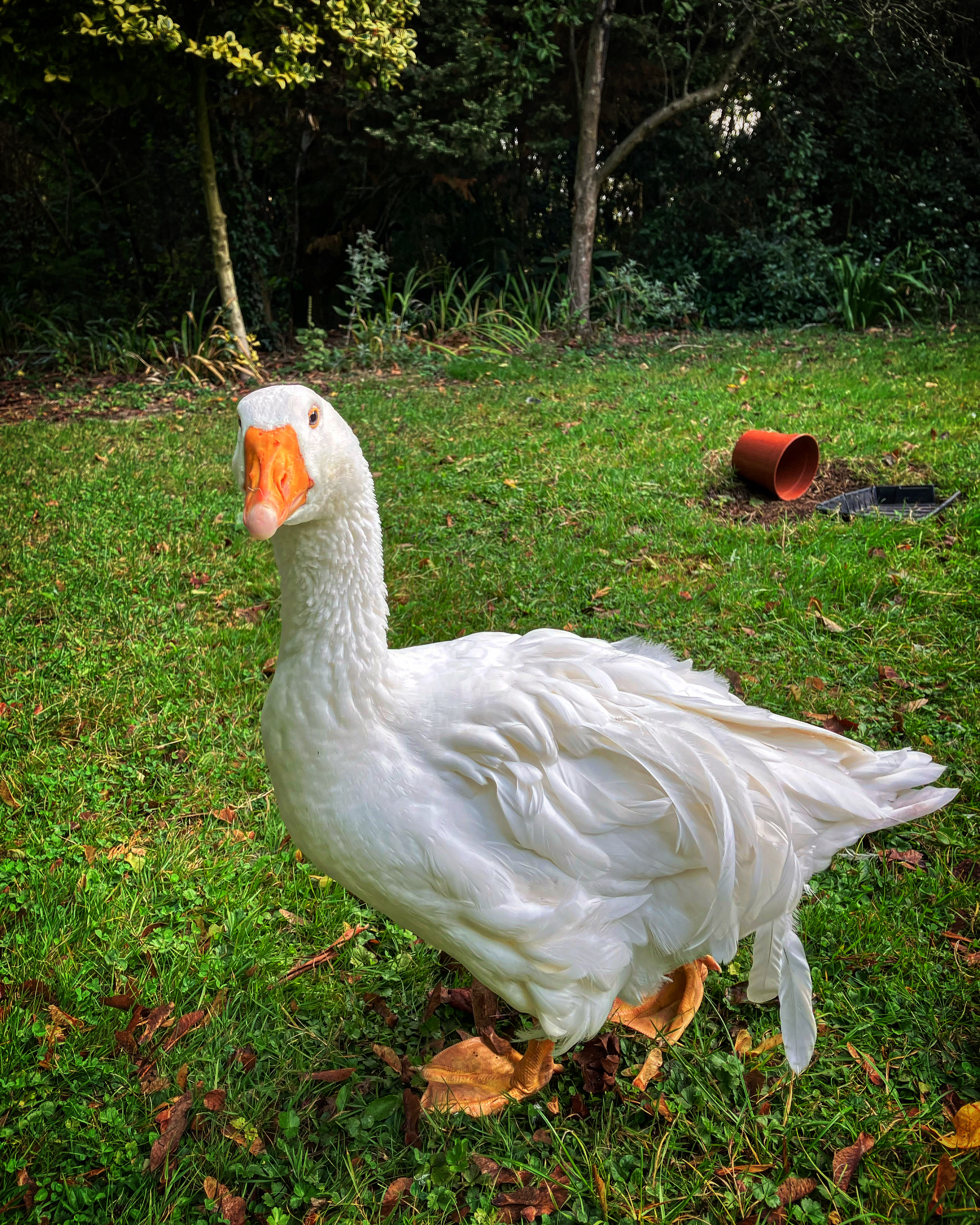
The problem is the goose I hatched (nattily named ‘Goose’). Goose eats grass and dandelions and other green weeds, and every day I let Goose out of the cage to wander around the garden, eating. But Goose is still too young to be allowed out alone, plus even when fully-grown the fox might kill him (might be a her) at night. Therefore, a certain amount of cage-time is necessary. But the cage is the one where I raised the ducklings, and ducklings turn everything into soup within minutes, so anything growing in there was quickly ‘drowned and mixed.’ The cage is devoid of green stuff. No weeds in sight.

Goose lives with chick, and chickens are also fairly destructive to plants because they love to dig up the roots hunting for insects. (I have some sad petunias that I replant every evening, when the chickens are away for the night. They have been dug up 5 times now.) Even though I have planted grass seed, I doubt if it will last more than a day.

Therefore, planning for when I am away for whole days, and unable to let Goose onto the lawn, I had the brilliant idea of having seed trays, full of grass, that I could lift into the cage for lunch. If I am away for a while, someone else can give Goose a daily helping of greens in a pot. I duly filled lots of seed trays and pots, sowed grass seed and a few bits of corn from their feed, and watered them lovingly.

Day 1. The chickens dug them up. I replanted them, and covered them in sacking, planning to remove it when the grass has grown.

Day 2. The cats (or gardener) removed the sacking, and the chickens dug them up again. I carried them down to the cold frame, and lifted them onto the shelves. They were heavy, so Husband helped with the high shelves.

Day 3. (A week later) lots of green was sprouting, but it was dry and we have a hosepipe ban. I asked Husband to lift down the trays so I could water them, and then replace them afterwards. There was a delay between the watering and Husband remembering to move them—the chickens found them, and emptied the whole lot all over the lawn. I said some bad words. Scraped everything back into the seed trays, and husband lifted them onto the shelves. No sign of anything growing now.

Day 4. (A few days later) Husband was feeling guilty, so kindly went to Homebase and bought some rolls of turf for me to cut and plant in the seed trays. I unrolled the turf, but only the edges were green, the rest looked rotten. Husband suggested it might turn green if left in the sunshine, so unrolled all the turf and laid it in a sunny spot.

Day 5. (A few days later.) After watering the turf for a few days, it still looked very rotten apart from the edges. When I checked beneath it, the grass on the lawn below had now died—I was now considerably worse off than before we started. Husband arranged for a refund from Homebase, I went back to trying to grow grass from seed.

And so it continues. Almost every day, any grass I manage to grow is either found by the chickens or destroyed by the cats. I have become obsessed—whenever I see grass going to seed in the fields, or dandelion clocks, I snaffle them back to the house and add them to my seed trays. Dandelions ( a Goose favourite) are particularly difficult—even when I dig up a small one from the garden, taking care to get the whole root, and plant it instantly in a pot of soil with plenty of water—it is always shrivelled by the next day. There are millions of the things in the fields, but growing them in pots is impossible. Who would have thought? I know I’m not much of a gardener, but I thought even I would be able to grow grass. Apparently not.

Thanks for reading. Hope you get your dose of healthy veg today.
Take care.
Love, Anne x

Do You Feel Old?


I ventured into London to watch my daughter’s choir. It was both enjoyable, and a learning experience (I felt older than most people). Here are some observations and ‘feeling older’ thoughts:

It is no longer possible to guess the age of women by their hair colour, as nearly everyone dyes it. However, there is a clear age-indicator in their shoes. At a smart event, women over 65 (I am guessing their age) wore high-heeled shoes; women 50 – 65 wear low-heeled shoes; women under 50 wear trainers. Even with floaty dresses, young women wear trainers—how wonderfully comfortable! I shall copy this.

Showing lots of flesh is the norm. I rather like the rule that you either uncover your legs, or your shoulders. It seems that some young women today feel comfortable uncovering practically everything! Perhaps this is good—they are clearly comfortable with themselves. But I’m not sure what messages it sends to the strangers they pass (some of whom will not be honourable people). Should we dress purely to please ourselves (in which case, I will throw away all outfits except for jeans and wellies) or should we be aware of how this affects other people? Is it rude to not dress appropriately, or is it freedom? And who decides what is appropriate anyway?

Men in jackets and ties is a rarity. On my journey, and at the event, the only jackets I saw were carried by girls from a private school, and worn by the porter on the door of the Ritz hotel. It seems jackets and ties are going the same way as bowler hats (which you see in the hundreds on old films, but rarely ever in real life today). This is, I think, okay — times change. But perhaps they should still appear for funerals? What do you think? Weddings? Posh restaurants? Important meetings? Again, it sends a message whether we want it to or not.

Young people are tall. Very tall. Okay, so not all of them are tall, but the tallest young people seem to be much taller than they were when I was young, and there seem to be more of them. Unless I happened to be in the same place as lots of models, which I suppose is possible as they were also beautiful.

Most people are completely oblivious to other people—lots of task-focussed behaviour. I don’t think the people who chatted loudly through the choir performances, or those who moved to take a photo and stood in front of people who were sitting, thus blocking their view, or those who let their litter blow away, were necessarily selfish people. I think they genuinely did not notice, they simply didn’t think about how their actions were affecting other people, they were busy focussing on what they wanted to do. Perhaps they achieve more than my generation did, or maybe they were rude. I blame their mothers.

A lot of people eat dinner very late at night. After the recital, we went to a nearby restaurant for dinner, and it was almost full, every table with noisy people enjoying a meal. This was long after the time I usually eat (let’s be honest, it was past the time I usually go to bed!) yet other people obviously eat at this time. I wonder if they need less sleep than me, or if they get up late too.

When we left London, which was even later than dinner (obviously) I was surprised by the number of people arriving at the station. Were they just beginning their night out? Did they live in London? Were they shift workers? I was too tired to ask (plus the family discourage me from approaching strangers to ask why they are there) but it was interesting. I wondered why they were there and where they were going. Perhaps I shall go back another time and follow them. (If I am arrested, please send help.)

Anyway, it was all very interesting, and I feel I should go into London more often, so I don’t completely lose touch with normal society—though I rather like my world of theology books and animals.

Hope you have a great week and encounter some lovely people, whatever their age. Thanks for reading.
Take care.
Love, Anne x

Thanks for reading.
anneethompson.com
Sign up below to follow my blog.

The World is Fuzzy


When I run along my lane, I always see a herd of deer nestling under a tree, a stag standing guard with his antlers against the sky. It’s a beautiful sight, and makes me smile.

Husband never sees this. Husband informs me that the deer are sheep, and the stag is a fallen branch from the dead tree. He is probably correct, as his eyes are better than mine, but I rather like living in a fuzzy world.

Unlike most people my age, who have gradually deteriorating eyesight, I lost most of my long-sight in a couple of weeks, when I had the brain tumour. I have not seen my feet in focus ever since. Maybe this is why I dislike wearing my glasses so much (I did have a brief flirtation with contact lenses, but we didn’t like each other much). I understand why people want to see—because it’s safer, and often missing details is a shame. But sometimes, in my opinion, living in a fuzzy world is okay. Certainly people are prettier. And younger. Needless to say, I rarely look in the mirror when wearing my glasses.

However, there are dangers in my fuzzy world. If I don’t wear my glasses when I leave the house, I misjudge corners and end up with bruises, or trip, or twist my ankle in holes. The lane is okay, because I have learnt every pothole (there are many) but anywhere unfamiliar requires glasses unless I want to risk pain.

All this made me think—I wonder whether all shortsighted people see the same thing. Would another nearly-blind person see deer in the field—or would they create their own fuzzy image? There is no reason to think we would all see the same imperfection, we would probably all make those brown splodges and the weird sticking-up shape next to the tree into something different, trying to make sense of what we can almost see, sort-of, if we squint.

Which makes me think about how we see God and Godly stuff. We all know that we don’t see God properly, because to see God would be too much for us.[1] Even things about God—most of the theology I have been studying—is slightly uncertain. We have the Bible, and our own experience, but we all come to slightly different conclusions because we don’t see clearly. We don’t properly understand because we are physical beings trying to grasp something beyond our understanding.[2] So whether you follow the teachings of Augustine, and believe in original sin, or if you believe like the monk Luther that we are saved by faith or whether like Origen you believe it will all be okay for everyone in the end—you cannot actually know. You can base your belief on what seems logical to you, you can choose how to interpret the Bible, decide who you trust, but you cannot know. Because when it comes to theology, we all have fuzzy eyes.

I think this is probably okay. I think this is how we were designed. But we do need to remember this. Because it is not okay, and it becomes a massive problem, when we start to tell other people that what we see fuzzily is, in fact, seen clearly. Sometimes it is necessary to grasp firmly the things we see clearly, and admit with humility that there is an awful lot that is fuzzy. Living in a fuzzy world can be comforting, but if I start to drive believing I don’t need my glasses, I become a danger to everyone.

Thanks for reading. Have a good week—and remember not to be too certain about things that are fuzzy for you.
Take care.
Love, Anne x


[1] Exodus 33:23.

[2] 1 Corinthians 13:12.

My Father


Yesterday, it was Father’s Day in England.

My own father died in 2006. Recently, when I told someone this, they said: ‘Oh, about 20 years ago then,’ and I opened my mouth to tell them, ‘No, 2006, just a couple of years ago,’ and then I closed it again. It feels like just a couple of years ago. I wonder if it always will.

What are the strongest memories of your father? When I think of Dad, the memories come in a jumble. His smell: Old Spice aftershave and Extra Strong mints. Whenever I smell those, I am zapped back in time, I can almost feel him. Radio Four playing too loudly on the car radio. His great belly-laugh, which was rare, but reduced him to tears (I especially recall this laugh when our dog emerged from a river coated in black mud). His delight when cooking a tasty meal—especially his gravy. His huge hands. His wonderful singing voice. His loud piano playing, especially when he was angry. His smart appearance—he nearly always wore a shirt and tie, and kept his shoes shiny.

 I also remember the feel of my dad. He was a great hugger, and I remember his hugs engulfing me. I also remember when I was little, pretending to be asleep in the back of the car so he would carry me upstairs to my bed. I think my sister did the same, and sometimes, as his heavy steps plodded upstairs with us, one of us would giggle, so I suspect that he knew we were pretending, but he did it anyway. Perhaps he liked carrying us as much as we loved to be carried. I never thought about that before.

When I shut my eyes, I see him in his white butcher’s coat. This is an odd memory, as he sold the business when his father died (I guess about 1979) and went to Bible College, and then was a Baptist minister until he retired. But mostly, to me, my father was a butcher. When we were little, we would sometimes ‘go to work’ with him. He had sandwiches and a flask of coffee, and he let us deliver orders to the homes where we would get tips, which was very exciting.

I also think of his carpentry skills. He liked making things, but if I’m honest, I was never too impressed with the outcome (I was a tough audience). He made fitted cupboards for me and my sister. It had a dressing-table area, and we left heated curling-tongs plugged in, and nearly burnt the whole thing down! (Not on purpose.) He also made toys for my brother, and he would sneak me into the shed before Christmas to show me what he was making, which made me feel very grown-up, and part of the surprise. When I had my own children, he made toys for them too—a platform for the train set is the main thing I remember because it was huge, and heavy, and impossible to tidy away in a cupboard. (Still a tough audience.) He helped one of my sons to make a wooden sewing box for me, which I still use today.

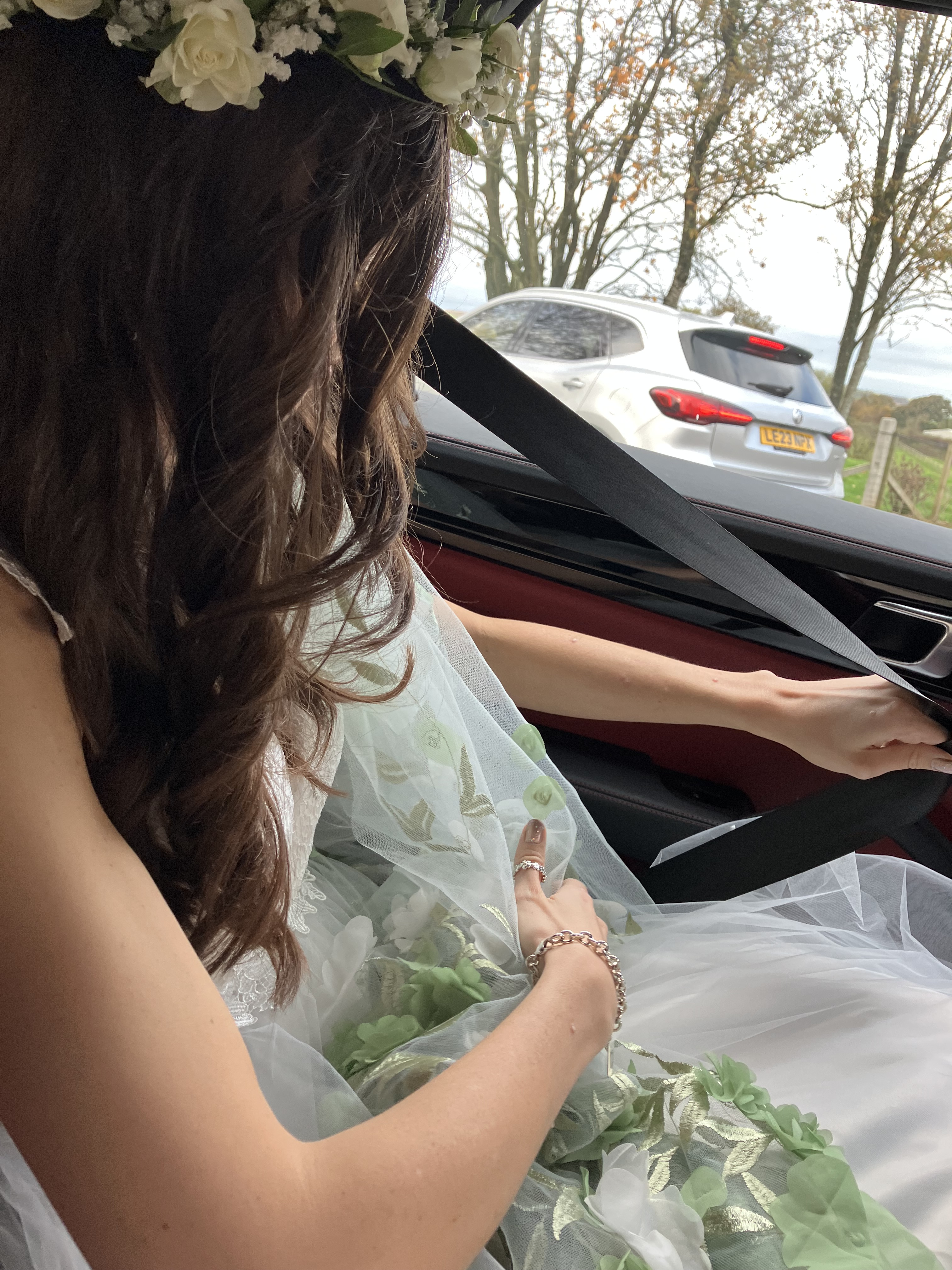
My father was a good talker. He spoke to everyone, and he gave good advice. One of the more serious conversations I remember with him was in the wedding car, on the way to my wedding. He asked me if I was completely sure that I wanted to get married, because afterwards, if it didn’t work out, I wouldn’t be welcome at home again. I mainly remember this because it was such bad advice!

I think most brides are stressed/over-tired/not rational by the time they arrive at the day of the wedding. Absolutely the wrong time to make a life-changing decision—especially one that would deeply hurt another person. No one deserves to be jilted at the altar. Better to stick with the decision made months before, when you are sane, and if things have changed, then sort it out afterwards and quietly get an annulment. But I understand why Dad said it. He was feeling protective, and wanted to say the right thing, and I suspect emotion took over, and he said what he thought he ought to say, rather than what was sensible. Which is another of my father’s traits—speaking from emotion. Mostly it was good, and I knew I was loved, even when we disagreed on almost everything through my teenaged years.

Finally, I think of my father as a grandparent. He delighted in his grandchildren, and gave them all the time that he didn’t have when we were young. I have never seen anyone as besotted with another person as when I watched my father playing with my babies. His pleasure was tangible.

I had a good man for my father. I still cannot quite believe that he is no longer here. I hope that you have, or are building, happy memories of your own dad. Life is short, and time moves quickly.
Thanks for reading.
Take care.
Love, Anne x

Anne E. Thompson
Thank you for reading
anneethompson.com
Why not sign up to follow my blog?
*****
A Week of Milestones


Hello, hope you’ve had a good week. Mine involved a crossing a few hurdles—nothing massive, but some were quite significant.

Firstly, my daughter moved into her new house. This feels very significant, as it’s unlikely that she will ever live with me again. She sold her flat a few months ago, so she and her fiancé moved in while they were between houses. I was hoping it might take longer than it did, but this week they completed all the legal stuff, and on Tuesday we visited their new house. It’s very nice, but I don’t envy them having to unpack lots of boxes and learn how to use new boilers and appliances. Moving is never fun. I will miss them.

The ducks also moved home. They are now fully feathered, so I started to put them on the pond (gradually, so the old ducks don’t panic and fly away). Each day, there was one less than I had put there the day before. It’s possible the fox was taking them, though it felt weird that it was only one each time—as they usually copy the established ducks and move to the island for the night. It’s also possible they have flown to another pond. Or are hiding. If they return, I will let you know.

It does mean I have an empty cage, which is very nice. Ducklings are mucky animals, and make a soup with anything they can reach. I cleaned out the cage, added some clean straw, and planted grass seed. Hopefully by the time Goose and chick are big enough to be outside, it will have some grass.

Roommates, if not exactly friends.

I have put the chick in with Goose. This is a risk, as it might get trampled. I have joined them for short periods, and watched, and a couple of times the chick was stepped on (much squealing) but nothing dangerous (like its head) so it survived, and is now alert to clumsy goose feet. The chick is completely desperate to be with the goose (it thinks it’s her mother) and was in danger of being hurt by trying to squeeze though the bars. It was actually in one of those plastic laundry baskets, within the goose cage, so close to goose, but safe. The clothes basket was left here by one of my moved-out offspring, so I hope they don’t ask for it back any time soon as it’s now rather grubby. Anyway, the chick is ecstatic that they are now together. The goose ignores her, because Goose thinks that I am its mother, and only wants to talk to humans—but it tolerates the chick, and I am still hopeful they will become friends. Maybe when they move into the outside cage.

Also, this was the week that I completed my dissertation proposal. This has been very stressful. I am not a planner, I am a ‘sort-it-out-when-it-happens’ person. I am very good at reacting to situations and averting disaster, not so good at sitting down and planning what chapters will be in a research project, and how I will find the resources for intelligent-sounding citations and (horrors!) writing a timetable of what I will do between now and April 2024. But it’s done, submitted, finished. I can now start the fun part of actually doing the research and reading some of those fascinating books.

I actually have bit of a problem with books, as I have developed attachment issues. I borrow a book from the library, spend hours reading it, enjoying the greasy pages and absorbing the words, feeling the weight on my lap as sip coffee and make notes…and then it ends…and I am supposed to return it to the library. But we have bonded. The book has become part of the fabric of my day, and I don’t want to abandon it to the unloving shelves of a dark library. So I renew it. Even though I have read it, made notes, finished with it—I renew it. I’m not quite sure how many times I can renew books, but I suspect I shall find out fairly soon. I do sometimes buy a copy to keep, but they’re not the same, they have shiny pages and they’re often too large, and they tend to cost a fortune (and sometimes the number of books arriving in the post is commented on). Maybe I will fill the now-empty duck cage with books that I have smuggled into the house. I can keep them in the grubby laundry basket.

Sadly returned…

Hope you have a great week. Thanks for reading.
Take care.
Love, Anne x

A little social interaction before the ducks moved out.
Anne E. Thompson
Thank you for reading
anneethompson.com
Why not sign up to follow my blog?
*****