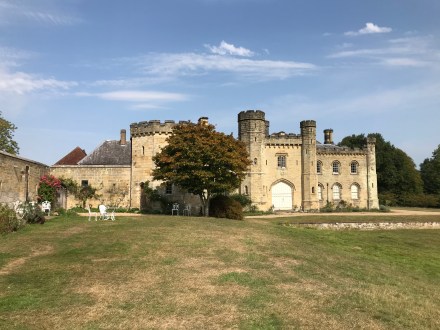
Another Week in 2020


Hello, and how has your week been? It was my birthday, so we tried to celebrate whilst also keeping to the current covid restrictions. Last weekend I met some of my children for a socially-distanced walk, and then we shared slices of cake in a carpark. It was lovely, but not as comfortable as sitting on sofas in a lounge.

On my actual birthday I was treated to breakfast a’ la husband, which was smoked salmon on muffins with poached eggs and hollandaise sauce, grapefruit halves, and chocolate money in gold wrappers scattered across the table. I felt very spoilt. In the afternoon I took my mum to Chiddingstone Castle, and we walked to the Chidding Stone (and got lost and ended up walking through a field of cabbages!) Then we ate the remains of the carpark cake before I went home.
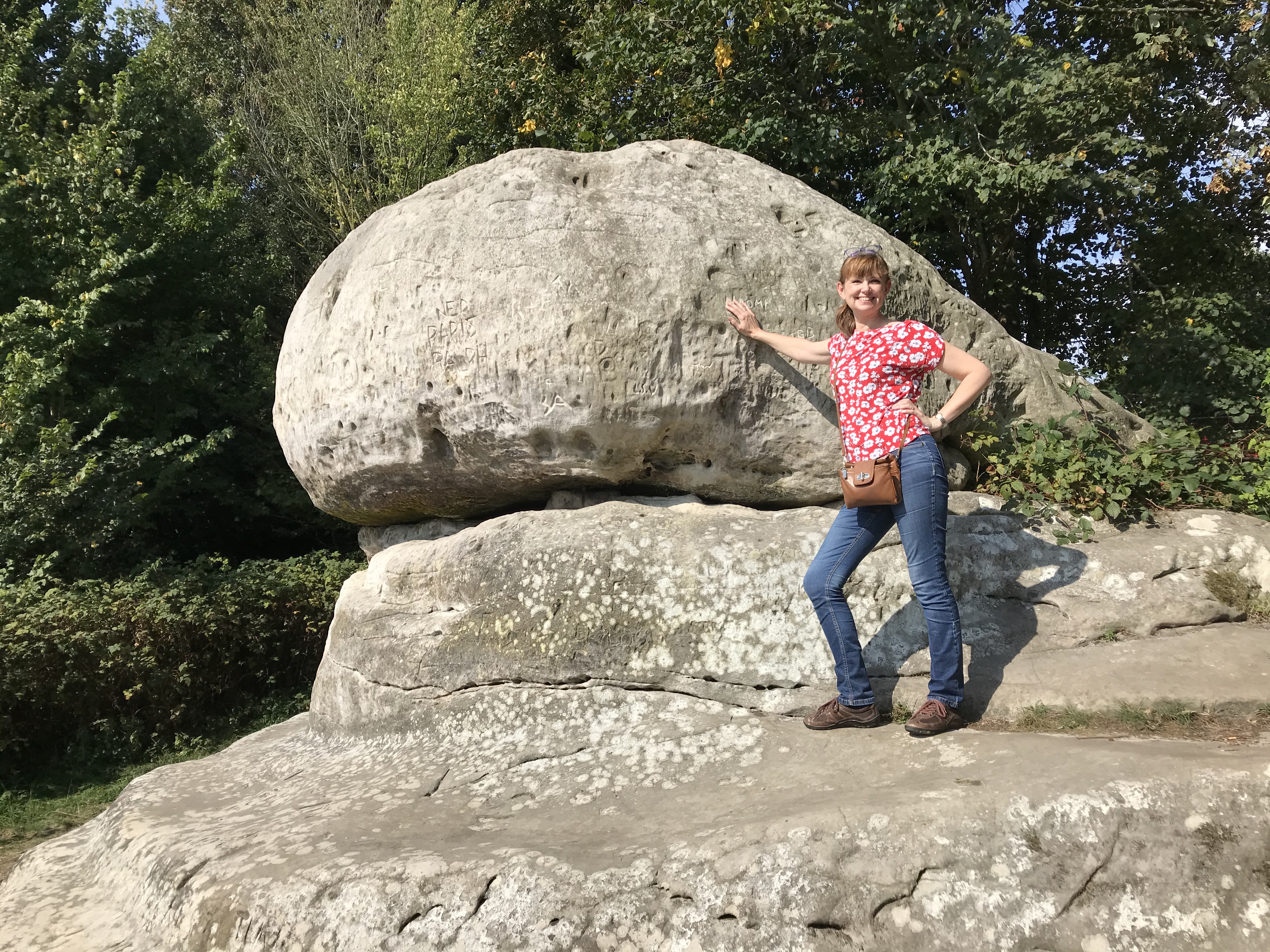
the ancient Chidding Stone
Chidding Stone

We spent the evening having a family quiz on zoom, where we each had prepared 10 questions. It was very funny, especially the round where we were presented with extracts from our family chat and we had to guess who had written them.

Have you put up your Christmas decorations yet? I noticed lots of houses were decorated in November, which helped to brighten the weird winter we’re having. I suggested we could do the same. We didn’t. Instead we bought our tree today, after a trip to the dentist. I hate going to the dentist, don’t you? Of course it was even worse this time with all the fussing about with hand-sanitiser and masks and not being allowed into the waiting room but freezing outside until the nurse came to fetch us. Actually being a dentist must be even worse — staring into all those germy mouths and wondering if covid is going sneak past your visor and make you ill for Christmas. Not a job I would relish.

Husband kindly drove me to the dentist, but this meant that he was also involved in the tree-buying decision. Needless to say, we now have a tree that is much too big for the space and we will spend Christmas peering at each other through the branches. But the house smells nice.

As if covid isn’t bad enough, I now have to avoid bird flu as well. Apparently there is another outbreak this year, and we all have to keep our poultry inside until it clears (it’s carried by wild birds, and keeping the chickens in their coop is the only way to avoid contact). They are all very grumpy, and try to push their way past me when I open the door to feed them. I’m sure they produce extra levels of poop when they’re locked inside in retaliation.

My Greek lessons continue to be fun and challenging in equal measure. I recognise more and more words in my Greek New Testament, though am still at the stage of saying: “I’ve learnt that word…but I don’t remember what it means.” Not yet very useful, but I am getting better. I have an exam in January, which is terrifying because December is plenty of time to forget absolutely everything learnt so far.

Another morning in my week is taken up with a Bible Study group that I belong to: BSF. It’s all online now, but mostly I like it because I am studying the Bible with a group of women who all live in my town. We do differ in our opinions, as some people tend to take the Bible very literally, and others place it very much in the context of the time it was written and then look to see how it applies today. This week we looked at the destruction of Sodom (lots to disagree about in that particular story!) However, something struck me for the first time.

In one of the daily questions, it asked why Lot didn’t want to leave Sodom. (A quick reminder: Sodom was a city of evil people who did things like gang-rape visitors, they ignored the poor and lived self-indulgent immoral lives, and God said he was going to destroy the city. But when Lot — a man who followed God — was told to leave, he didn’t want to.) Why would Lot not want to leave when he knew there was so much evil in the city? And then I thought, it’s like Christians today who don’t want to die. We know the world has evil things, horrible, unfair things happening. And we know that God has prepared a better place for us, that he will take us safely there when it is time for us to go. And yet when we think about dying, about leaving what we know –even though it’s not perfect — we’re not so sure that we want to go! We don’t want to walk into the unknown, even when we know that God can be trusted. We are a bit like Lot.

Reading the Bible

You can mull over that idea during the week — it will help to distract you from all the political debates if nothing else!

Hope you have a good week. Thanks for reading.

Take care.
Love, Anne x

In an attempt to keep warm during my morning run, I have started to wear my son’s old school rugby shirt and a bobble hat my daughter gave me. Husband informed me that I looked like a ‘Where’s Wally?’ cartoon which seemed harsh. But perhaps he has a point. . .

Keeping warm on my run, but looking a little like ‘Where’s Wally?’

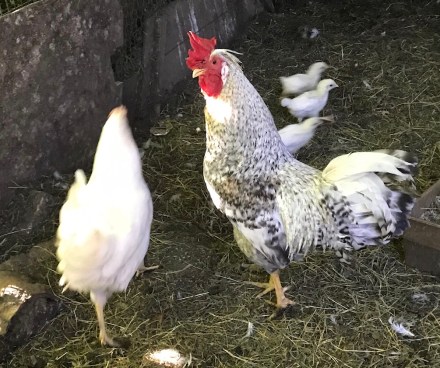
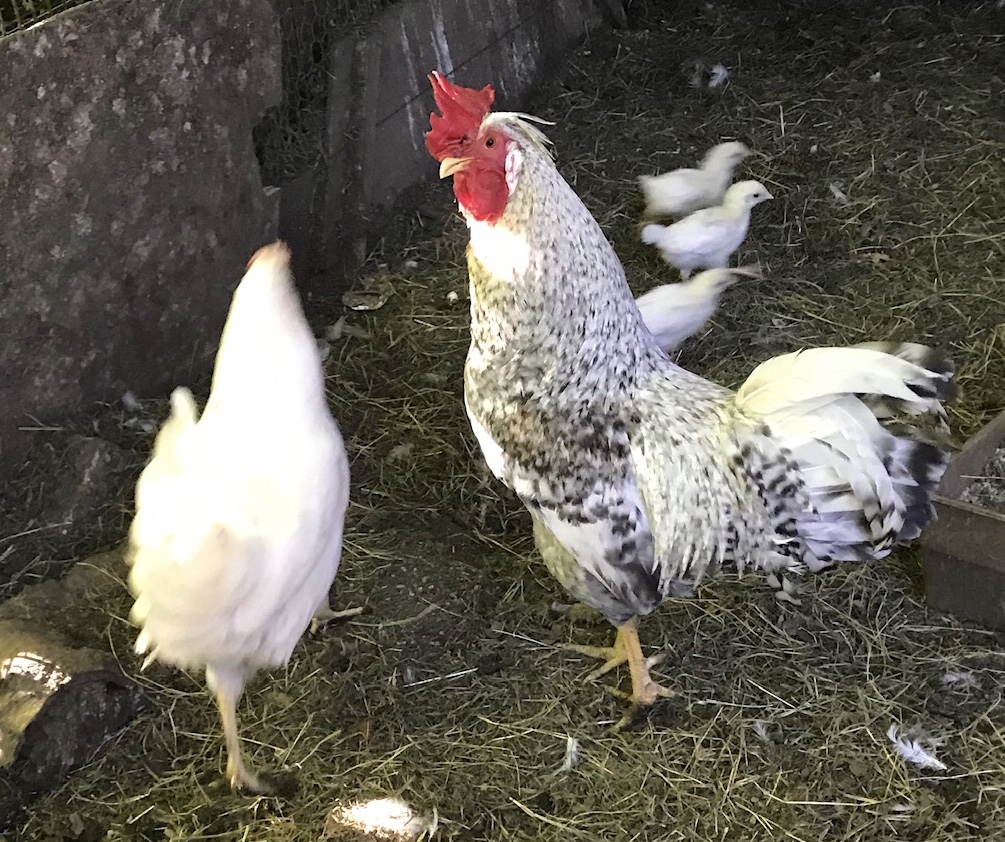
A Green Chicken and The Black Farmer


Green Chicken and a Black Farmer

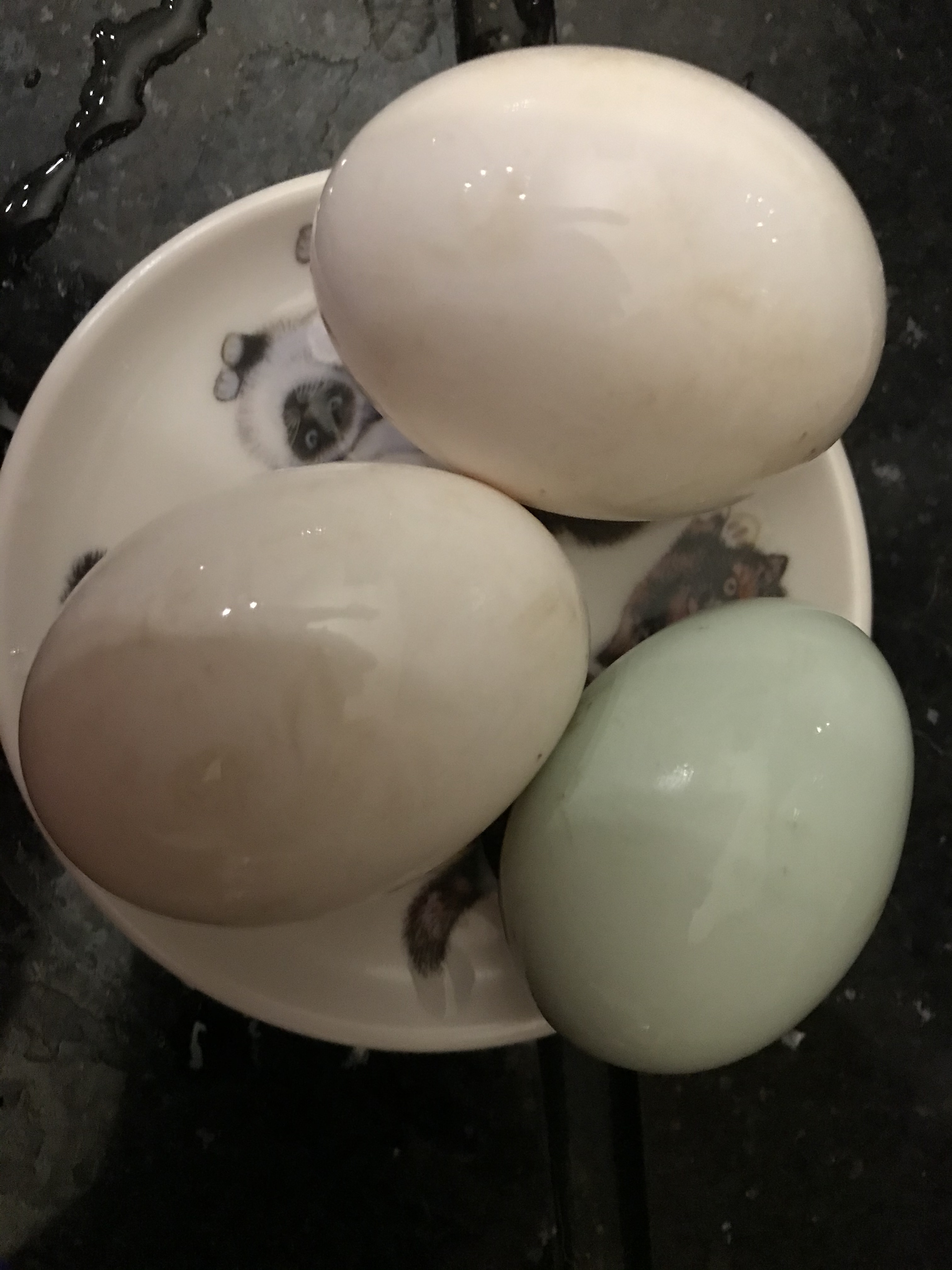
This combination resulted in blue eggs.

I have a few chicken-related things of interest to tell you. Firstly—very exciting news—the hens that I bred from my longbar cockerel and leghorn hen are now laying, and the eggs are blue. I was so hoping they would be, so I am very happy!

The first blue egg.

However, the green chicken from the title was not so good (but you must read to the end to understand). I had invited Mum for dinner, and was chatting (well, listening) and carving the chicken, when I saw what looked like a green pellet embedded in the breast. I dug it out, and it was soft, and green and looked as if it had been somehow injected into the chicken. I only buy organic chicken, so I was somewhat perturbed, and fished the wrapper out of the bin.

An unappetising green lump in my dinner!

The chicken came from The Black Farmer and there were contact details for their customer service, so I took some photos of the green lump and fired off an email, asking whether we would now die from eating green-pellet-poisoned chicken. (I didn’t actually phrase it like that.) I received a reply very quickly, assuring me that they do not inject their birds with anything like hormones, and asking me to send the lump. However, the following morning, before I had time to package the green lump (what a fun activity that would have been!) I received another email. The helpful customer services person informed me that further research had found that the lump was probably  something called Oregon’s/green muscle disease. It wasn’t harmful, and occurred sometimes in the muscles of chickens if they flapped their wings too much.

I checked online, and there were pictures showing exactly what I had found, as well as some photos where great swathes of chicken meat were green. It is something to do with the muscles not having enough oxygen, and I have no idea if it’s uncomfortable for the chicken but it looks horrid when you carve your Sunday lunch.

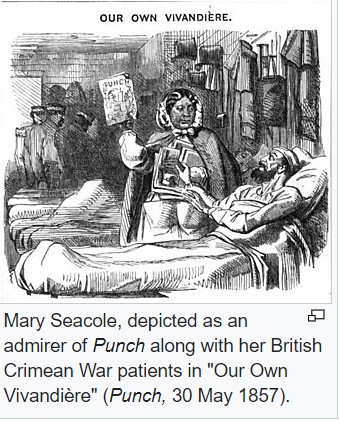
I was very impressed with The Black Farmer producer—they had replied promptly, done some research, and offered to refund my money. As we had already eaten the chicken and I was feeling pleased with the service I had received, it seemed unnecessary for them to send a refund, so I suggested they put it into their charity box. They support the Mary Seacole Trust, which I had never heard of. I decided to look up both The Black Farmer and Mary Seacole—because I was interested by what seems to be a very well-run company.

To my surprise, The Black Farmer is in fact…a black farmer! I had assumed it was simply a name, like ‘Green and Black’s’ (though maybe that is also run by a black man and a Martian). The farmer is called Wilfred Emmanuel-Jones (great name) and he was born in Jamaica and grew up in Birmingham, UK. He had various jobs, but when he was 40, he bought a farm in Devon. This is a man I can relate to, I wish I had bought a farm in Devon when I was 40. He seems to do lots of good things, like running a scheme for inner-city kids to experience farm life, and he has won awards. Plus he seems to run a very good business. You should look at his website—you will be impressed I think.

I had another surprise when I investigated Mary Seacole—why had I never heard of her?

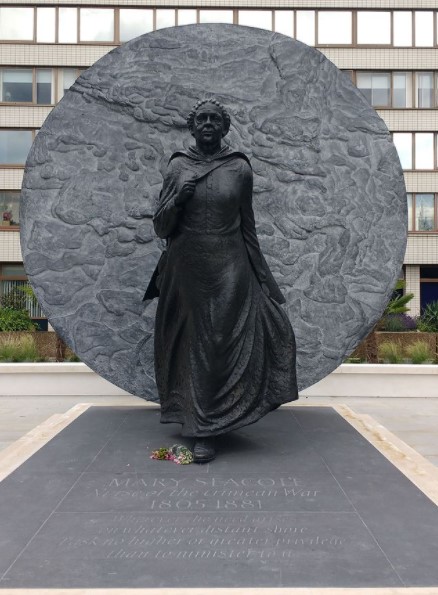
Mary Seacole was also born in Jamaica, then moved to England in the 1800s. During the Crimean War, she went over to help, because she had some nursing experience from her days in Jamaica. She opened an hotel near to the frontline, and nursed injured soldiers. Now, I knew that Florence Nightingale did that, but I had never heard of Mary Seacole. Apparently, she was very famous in her day, appeared in magazines and newspapers and was heralded as a hero. But after she died, people forgot about her. There is now a statue, set up in her honour, at St. Thomas’s Hospital in London.

I hope you discover some interesting facts this week too—and hoping all your chicken is free of green!

Thanks for reading.

Take care.

Love, Anne x

Anne E. Thompson
Thank you for reading anneethompson.com Why not sign up to follow my blog?
Look on your device for this icon (it’s probably right at the bottom of the screen if you scroll down). Follow the link to follow my blog!

Knowing God?


How can we know God? I believe he has given us several pointers: we see him in nature, we hear him in our conscience, and we find him in the Bible. God is bigger than we can imagine, he is truly good, completely dependable and he loves us enough to let us approach him, to ask for forgiveness and to show us the way to walk. We can trust God when all else lets us down.

When I was a child, I was taught that the Bible is God’s word. Fifty-odd years later, I would concur that this is true. But there is more to it than that.

The books of the Bible were first written in Hebrew (Old Testament) and Greek (New Testament). When books are translated, someone has to make decisions about which words to choose. So how can we know whether what we read is what was intended to be said? We don’t have any original copies of the original New Testament, we only have fragments of documents (many found in ancient rubbish dumps in Egypt!) These fragmented copies of manuscripts are not identical, so how to choose which ones are closest to the originals? Do you take the ones we have most of, or the oldest ones?

Originally, Greek was written all in capital letters, with no spaces between words. ITMAYHAVELOOKEDSOMETHINGLIKETHISTOEARLYREADERSWITHANABUNDANCEOFPOSSIBILITIES. Scholars have taken the lines of writing and added spaces—but how do they know where to put them? (A BUN DANCE ON THE TABLE or ABUNDANCE ON THE TABLE?) Sometimes the context is obvious, but not always. Then the words are translated into English. Many have more than one meaning, so which one is the correct one to use? For example, “In the beginning was the . . .” The word used in the gap can mean ‘word’ or ‘reason’ or ‘message’ or ‘matter.’ Different Bible translations have made different choices. I personally favour ‘reason’ because “In the beginning was the reason” sounds very logical to me.

Our understanding has developed over time, as more of those fragmented manuscripts are found. For example, people used to think that the different Greek words for love meant different kinds of love, and when Jesus asks Peter three times whether he loves him, he uses different words to mean slightly different types of love. I have heard several sermons preached about just this, the vicar wanting to show that Peter was offering one kind of love to Jesus, and Jesus challenging him to love him more deeply.

They made good sermons—but scholars now know that this is incorrect, and the two words were simply different ways of saying the same thing, with no change of emphasis. The books were written in ‘everyday’ Greek, and as more and more examples of writing from that period are discovered, so our understanding of how words were used has developed.

Then there is the personality of the authors. Mark used the Greek equivalent of slang when he wrote his book. For example, when he writes about putting new wine into old wine skins, he uses the word ‘throws’ so it could read: “No-one chucks new wine into old wineskins!” but our Bibles have made this more formal: no-one puts new wine…

Does all this mean we should not trust the Bible? No! When we read the Bible, we discover the living God, we see the magnificence of his power, we learn that he is truly good, and ever loving. But the Bible is not equal to God—nothing is. The Bible can help to guide us as we try to walk the paths God has set for us, but we should be cautious never to use the Bible as a weapon. We cannot read the Bible and think we understand everything there is to know about God, that somehow God can be contained in the pages of a book. A humble walk with God does not allow us to take phrases and words and apply them as rules for other people.

I find this a sober lesson to learn. I had thought that by learning Greek and Hebrew, I would know for sure what the original authors had written. But I can’t, I can still only learn an uncertain version of what they wrote. We do not know exactly what every word, or every sentence originally meant. I can tell you that after looking at the ancient Greek version I think I might know the meaning of a phrase, but I need to be cautious.

Does this mean that God somehow failed to protect his special message to Christians? I remember as an assertive teenager, defending the accuracy of the Bible, saying that although it had been written centuries before, surely God, who can do all things, would protect the integrity of his special book. And yet, it is clear to my adult self that this is not the case. Even as I read the books in Greek, I cannot be sure I am reading exactly what was written. Christians do not believe that God dictated, word for word, our version of the Bible to the human writers (unlike some other religions, as I think Muslims and Jews do believe their holy books were dictated).

I wonder if perhaps, this was always the intention. God knows how people love to make rules, to be certain of how people should live (usually so they can apply it to other people). Did God, in his great wisdom, allow us only an uncertain view of his revelations, so that whilst the Bible would help us, it was only by looking to him that we truly learn? Is one of the biggest mistakes of the evangelical church today the tendency to hold the Bible as equal with God? Only God is God, and unless we constantly look to him, we will make all sorts of mistakes when understanding what the Bible says.

Perhaps we should not be pointing at words and phrases in the Bible and using them as ‘proof’ of doctrine. (How many times have I heard Jehovah Witnesses and Christians arguing about whether ‘The Word was God’ or ‘The Word was a god’? Are either party sure they should be so certain of their translation?) Is the gift of tongues a personal gift intended for all individuals today, or was it intended only for public use in the past? Does God only accept people after they have asked for forgiveness for their sins, or is anyone who comes to God, whatever their motivation, accepted because Jesus died for all? Were the church leaders who proved that the Bible sanctioned slavery wrong? Are the church leaders who prove that the Bible condemns homosexual relationships right?

We can all examine these issues, weigh them against our beliefs and form an opinion. But beware those who are certain that they always know the answer.

We can only humbly bow before God, and accept that he is God.

Anne E. Thompson
Thank you for reading anneethompson.com Why not sign up to follow my blog?
Look on your device for this icon (it’s probably right at the bottom of the screen if you scroll down). Follow the link to follow my blog!
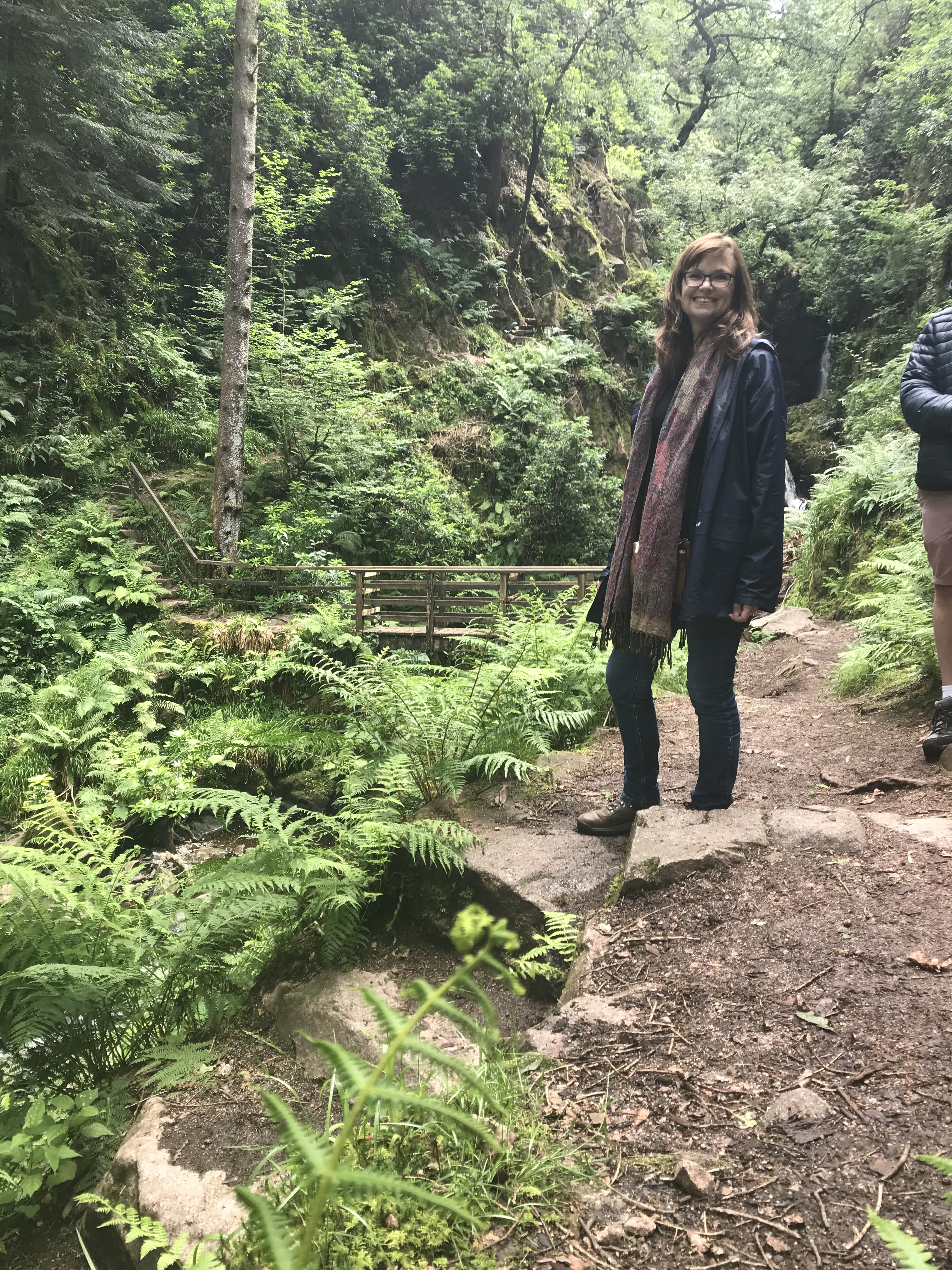
Stanley Grhyll Waterfall
I hope you have a great week. Take care. Love, Anne x

A Tortured Teacher


It is nearly 12 years since I last taught in a classroom, which is really weird because I still feel like a teacher. There are parts of teaching that I still miss—like standing in front of a room of stroppy 13-year-old boys and having them completely enthralled by what I’m teaching them. Or that wonderful feeling of triumph when the child who has struggled to grasp the essentials of reading suddenly ‘gets it’ and you know that they are off on an exciting journey of discovery and will never remember the agony of stumbling over words. There are those precious times when you know you are part of the stability that is allowing a child to grow up feeling secure, and the times when something funny happens and you can share a laugh with a whole room of eager individuals.

But there are the low times too. These are epitomised for me in recorder lessons.

I was a young teacher, in my first job in a village infant school, and the headteacher suggested that I could teach the recorder. There was no way to refuse such a suggestion, though I knew it would be awful from the outset. Teachers are not paid any extra for things like that, nor do they receive time away from their class to make up for the hour normally spent preparing for other lessons; they are simply expected to give up one lunchtime a week and teach a small group of children. At least, that’s how it was in my day.

The recorder lessons were advertised in the weekly newsletter, and the children began to return their parental-signed white slips cut neatly from the bottom. My heart began to sink. Let’s just say, it was not the most intelligent children who were returning their permission slips. I dutifully collected them all, ordered the correct number of plastic recorders and hoped the school might burn down before I had chance to actually start teaching. It didn’t.

Thursday lunchtimes are indelibly etched in my memory, and so are the children I taught. There were the twins—attractive children with vacant expressions. The little girl learnt fairly quickly, the boy never managed to do more than blow tunelessly through the mouthpiece. There was the child who was struggling to read, who stared in horror when I tried to introduce written music, and who lost every illegally photocopied piece of music I ever gave him, and the children who discovered with delight they could push the recorder into their noses and still play a tune, and the children who frowned with concentration while making the most ghastly noise imaginable. But there was one child who stands out above all others. We will call him Nigel.

Nigel was very sweet, and I rather liked his sardonic view of the world, but he was not what you would call an intellectual. He would arrive for the lesson, give me an open-mouthed grin, and fumble in his recorder bag for the screwed-up paper that was meant to be the notes to practise at home, but which often turned out to be an old shopping list or part of a comic. He seemed to feel that by bringing something on paper, he had done his part.

Nigel also had a real issue with his nose, which dripped continually. It didn’t matter how many tissues I gave to him, he always had a runny nose. Always. When he blew the recorder, half the air came out his nose, and large green bubbles formed. He was fascinated by these, and would stop blowing (the only good thing about the situation) to stare in glee at the slimy green bubbles growing from his nose.

Nigel was very disorganised. He never managed to bring the whole recorder to a single lesson. I believe it is now possible to buy a recorder that doesn’t come in pieces, but in those days we were stuck with recorders that came in three parts, and Nigel never brought more than two pieces to any lesson. Sometimes he only brought the lower sections (I never felt very inclined to lend him my mouthpiece). Worse was when he arrived with just the mouthpiece, which he would toot happily in time with the tuneless screeching that the group produced.

The absolute worst time was when the headteacher suggested (in that ‘it’s not really a suggestion’ way) that the recorder group should play a tune in assembly. I suggested in turn that they were not really ready for public performances. This was ignored, the big day arrived. I prayed even harder that the school would burn down, or that all the children would catch chicken-pox—but there they were, excitedly hurrying across the school hall to sit in a group at my feet while the rest of the school filed in for assembly. I introduced them, and told the school they could all try to guess the tune we were going to play. The recorder group stood. Nigel was at the end of the line, nose oozing, recorder clutched in damp fingers. The group played ‘Three Blind Mice’ and I managed to not flinch or worse, giggle, as they screeched their way to the end. A plethora of hands shot up, the whole school eager to name the tune.

“Was it London’s Burning?”

We were never invited to play in assembly again.

Those children must all be in their late thirties now. I hope they are all well and happy. I doubt any of them are professional musicians, but I do hope that Nigel has mastered the use of a handkerchief.

Thanks for reading.

Have a tuneful week.

Take care.

Love, Anne x

Anne E. Thompson
Thank you for reading anneethompson.com Why not sign up to follow my blog?
This is the story I always promised myself I would write ‘one day’ while I was teaching in an infant school. A light-hearted novel about 3 teachers.

****

Drinking Wine and Learning Greek Verbs…


As you know, I am studying Greek at Spurgeon’s College–which also trains Baptist ministers. I’m not sure if I’m a very good fit with the college, though I am absolutely loving the course.  On Tuesdays, there is a chapel service (all on zoom) which usually has an interesting speaker and music that’s not too terrible (I am not a great lover of most churchy music). Last week we were told there would be a communion service, and we should arrive at our computers suitably prepared.

The day arrived and started in a rush, as all my days tend to. I had my coffee and Bible time, went for a run, fed the ducks and cleaned out the chickens, then realised that I had forgotten to prepare for the communion service. We usually have half-finished wine hanging round the kitchen (because I don’t drink much, and unless it’s drunk with guests it’s left in the fridge for ages—Husband drinks beer). We had half a bottle of red wine lurking next to the microwave, I sloshed some into a big wine glass, grabbed some pitta bread left over from a curry, and hurried to my computer.

The chapel service was nice, and there was some liturgy for everyone to join in with. I left my mic off (it tends to boom nastily) but other people turned theirs on, and as I had set my zoom to ‘speaker view’ I had a lovely parade of faces, all different ages and colours, as people read the words. Then there was a prayer about the communion, and we ate and drank what we had brought. I had my eyes shut, and was mid-prayer when I had a horrible thought—as Spurgeon’s College is primarily a Baptist Minister’s training college, do they frown on alcohol? My eyes were shut, so I have no idea what other people were drinking, but as I lifted my large glass of red wine, I wondered—too late—if perhaps I should have disguised it in an egg cup or mug. I told myself that God wouldn’t care what I was drinking, it was my thoughts that mattered. But I didn’t take a second sip.

My glass of red wine sat on my desk for the rest of the morning. I had poured a generous glassful, and the service was in the morning, so probably not the best time to drink wine and have a productive day. However, after lunch, I thought perhaps I would finish it. I set up the ironing board, and went to collect my wine. Returned to find visiting son about to start a work zoom meeting. He told me that mothers ironing in the background did not look suitably professional, and mothers ironing while drinking wine was even worse. I moved to the kitchen.

The main problem with learning Greek is that my memory is less reliable than hoped. I am faced with lists of words, and I am supposed to remember the endings, but this seems impossible. I know how to remember things—you might recall I wrote a blog about how the brain stores data: https://wp.me/p5hYzv-1RL

However, this does not seem to apply to Greek words. I read them through at night, hoping desperately that my brain will absorb them, only to wake having completely forgotten them. It seems my brain only remembers all the things I wish it would forget, like the embarrassing time I said completely the wrong thing…or drank red wine with a group of teetotal trainee ministers…

To be honest, at times I feel real panic over my lack of memory. I have to remind myself that I am learning Greek so I can read the New Testament in a new way and the result of the exam doesn’t matter, not really, not compared with real life stuff. I have to stop the panic, because it spoils the fun, and learning Greek is fun, it’s exactly what I had hoped.

Yesterday, I was reading some of one of the books, and I came to a verb I recognised. Now, verb-endings are one of the things I have managed to learn, and I know that if the verb is linked to ‘we’ (we talk, we look, we eat) then the ending is ‘omen’ (but in Greek letters, obviously). I came to the part of the story which introduces Simon, and it said: “Simon, who we call Peter.” I must have read those words a thousand times in English, but reading the phrase in Greek, seeing the end of that verb, made the whole phrase seem very real, very personal, as if the writer was telling me about someone who he knew well—which of course he was! This is why I am learning Greek.

Thank you for reading. Have a good week, and take care.

Love, Anne x

Anne E. Thompson
Thank you for reading anneethompson.com Why not sign up to follow my blog?
Look on your device for this icon (it’s probably right at the bottom of the screen if you scroll down). Follow the link to follow my blog!

*****

Happy Walks in Devon


Son announced that Boris was going to make a speech, so we all sat in front of the television and waited. We (like much of the English population) waited for quite a long time because either someone was stuck in the washroom or they were discussing what to say, or the presentation wasn’t ready. Eventually Boris and his backup crew appeared, and another Lockdown was announced, beginning on Wednesday at midnight. Did that mean we had to go home early?

We pondered the ethics of pretending we hadn’t seen the news bulletin, whilst searching online for further details. Eventually we found details on the government website, which stated that people already on holiday did not have to return home early, but they did have to obey local lockdown rules wherever they were living. Phew! Holiday of basically enjoying the cottage with views and walks along the cliffs could continue.

I didn’t much enjoy one walk, which involved scrabbling up the side of a mountain/hill. It was very steep, and as I struggled to follow Husband (who always strides ahead and forgets he has a wife at times like this) I knew that I would never be able to walk down the same way. Walking down is much harder, because my knees hurt, and my eyes see the sheer slope before me and tell my brain that I am about to fall to my death, at which point dodgy knees give up completely and I am unable to move. But we were going up, so that wasn’t so bad.

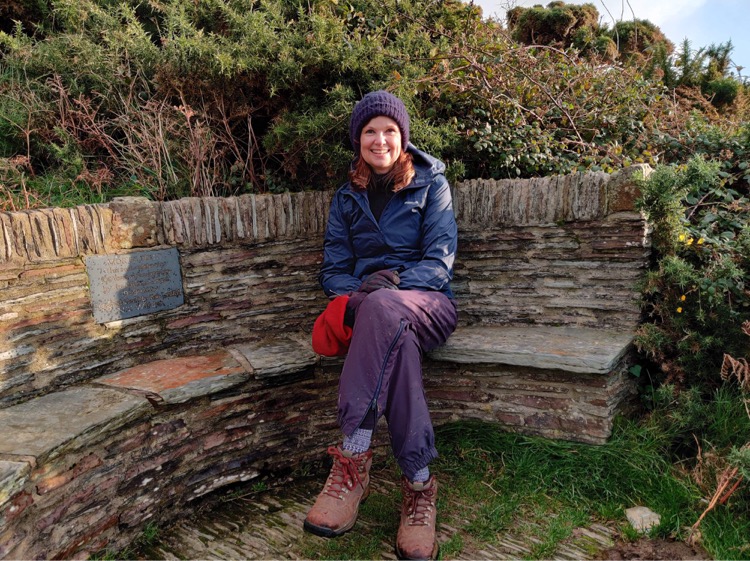
Unfortunately, when we got to the top of the mountain/hill, there did not appear to be an easy route down the other side. The way forward was just as sheer. I considered sliding down on my bottom. Then I noticed tyre tracks. There was no way a vehicle could have driven down those slopes, so even though the tracks went up, I followed them. The tracks led up the mountain, then curved back towards the town. We found an easier way down, and a curved round seat for wives with didgy knees to rest on.

My feet are not really this big!

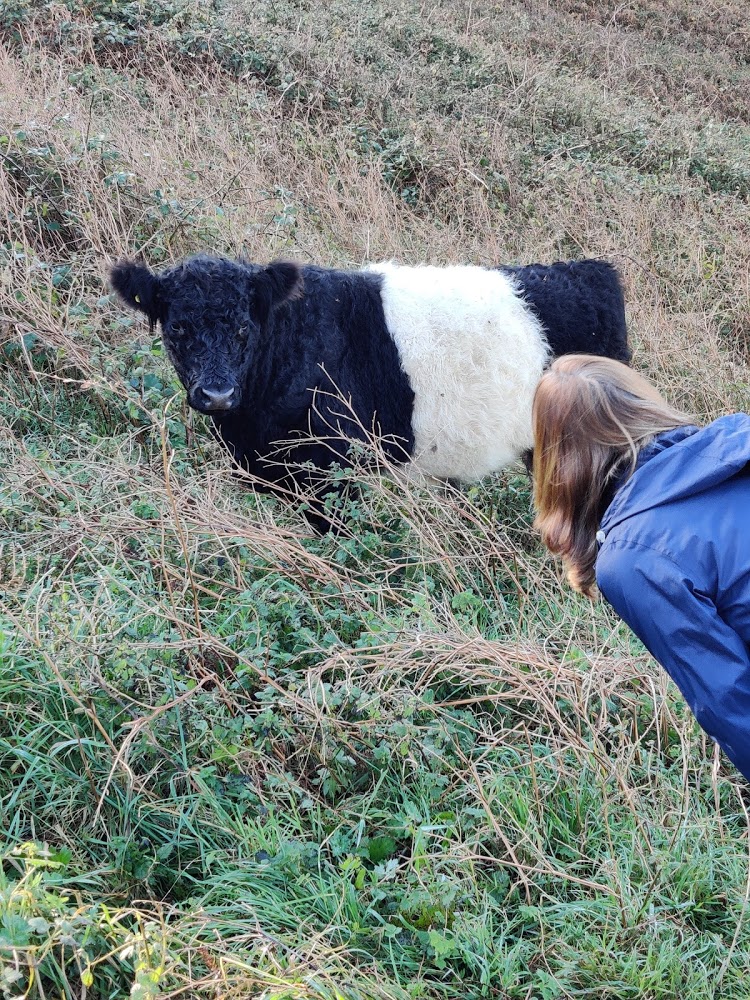
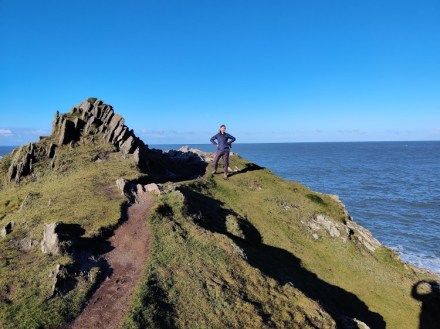
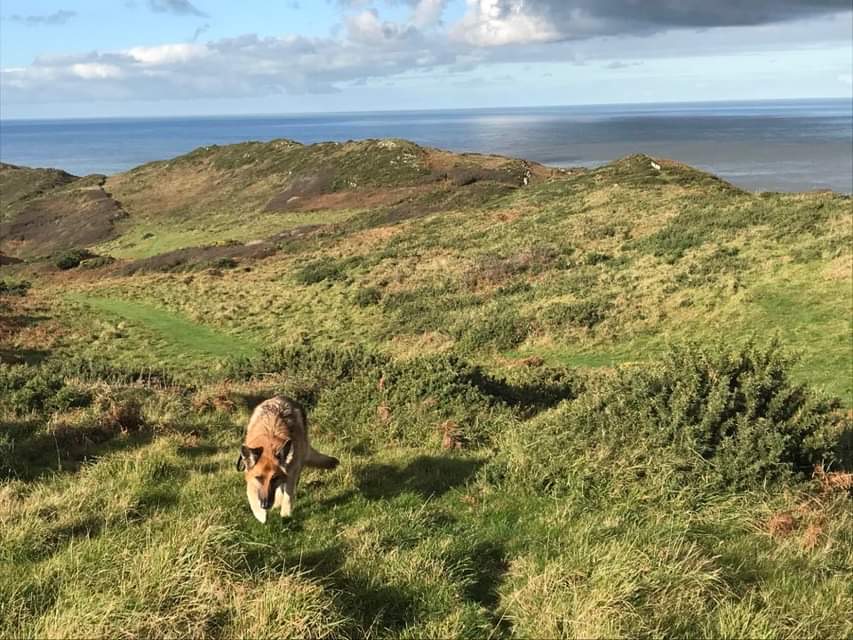
One lovely walk was to Morte Point. We left old dog at home (because her poor legs wouldn’t make it) and son at home (because he had to work) and set off along the coastal path. The first thing of interest we saw was a waterfall which should have been plummeting down the rockface, but due to the wind it was flowing up into the air and falling onto the cliff. It looked like very localised rain. There were also cows, the bovine equivalent of Shetland ponies as they had shaggy coats and they were short. I went and told them about my latest Greek lesson (because my family have refused to listen to any more interesting Greek facts).

Cow enjoying facts about Greek. It stayed for a remarkably long time before pooping and walking away. I think the breed is Belted Galloway. They all had a white ‘saddle’ and a shaggy coat.

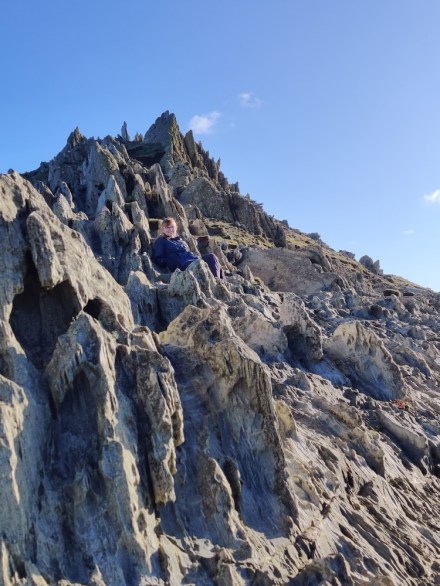
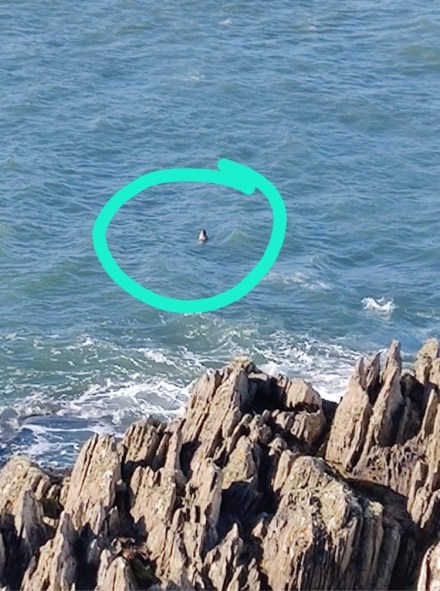
The walk to Morte Point was fairly easy, and although there were areas that the path went very near the cliff edge, it was possible to walk very fast and not look down, so even someone who doesn’t like heights managed it. I had read that there are often seals and cormorants on this bit of coast, but we didn’t see any on our first trip. Later in the week we returned with son, and there was a seal bobbing near the rocks, peering up at us, like a nosey Labrador puppy! We sat on rocks smoothed by waves, and looked out to sea. As we left, we saw two cormorants, drying their wings in the sunshine and ignoring us. They are quite big, black-winged birds, and I don’t think I have ever seen them in England before.

Further along the coast we saw foam drifting up from the beach. When I peered over the edge of the cliff, the sea was covered in bubbles of creamy foam, and when the wind caught it the foam floated up like bubble bath, to coat the cliffs above. There was a cove—Gunta Beach—that we could climb down to. We sat for a while, listening to the tiny waterfalls running down the cliff, and the sea whooshing over the rocks, and it was perfect.

Our last walk was to the lighthouse at Bull Point. It’s not possible to go into the lighthouse, but we could stand and look at it and imagine all the ships in times gone by that have crashed on the rocks below. It was built in 1879 and is one of those lighthouses that are very disappointing as a child, because all their height comes from the cliff, and they are squat buildings with a light rather than a tall slim structure like the ones in picture books.

On Saturday, we came home. The drive was very smooth because all the traffic was safely locked down at home. We will continue the lockdown safely at our own house. I hope you are safe too.

Take care, and thank you for reading.

Love, Anne x

Anne E. Thompson
Thank you for reading anneethompson.com Why not sign up to follow my blog?
Look on your device for this icon (it’s probably right at the bottom of the screen if you scroll down). Follow the link to follow my blog!
*****

Running Away to Devon


We decided to run away for a week before Boris announced another lockdown, so we filled the car with warm clothes ready for wet weather, and with food so we could avoid eating out, and drove to Devon with the dog and a boy.

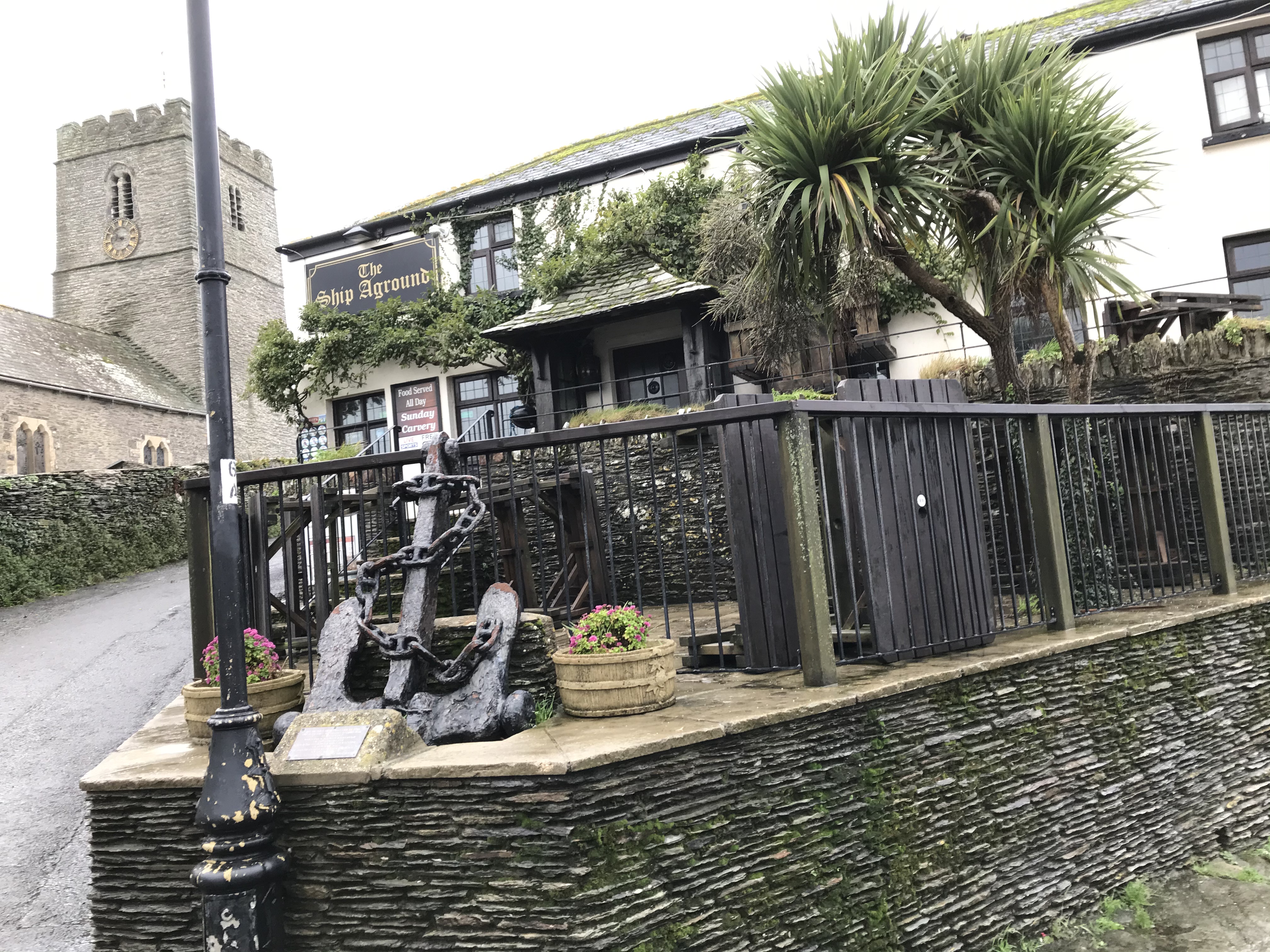
The Ship Aground Inn, Mortehoe
The Ship Aground, Mortehoe. Named after the ancient anchor retrieved from a wreck of a steamship that ran aground in 1914.

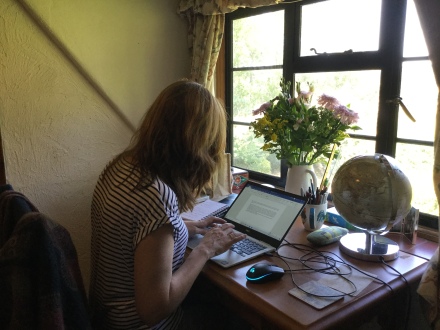
We’re staying in Mortehoe, a pretty stone village on the cliffs of North Devon. I brought all my Greek books and lists of words to learn, and the cottage promised internet, enabling me to continue my lessons whilst looking across a windy garden to the sea.

Trying to learn Greek vocab with a view of the sea from the window.

The cottage is fairly ugly on the outside, but the inside is warm and comfortable, and there are massive windows in every room, giving wonderful views of the outside. This includes in the ensuite bathroom, which I find slightly perturbing. There is a big bath in the centre of the room, next to a picture window. When I think of soaking in a warm tub whilst watching waves crash into the cove below, it’s rather lovely. When I think of soaking in a warm tub whilst on view to every unsuspecting walker on the North Devon coastal path, it’s less appealing! I checked from the garden, and the window is unfrosted, plain glass, giving anyone looking in a good view of the bathroom. A paradise for an exhibitionist.
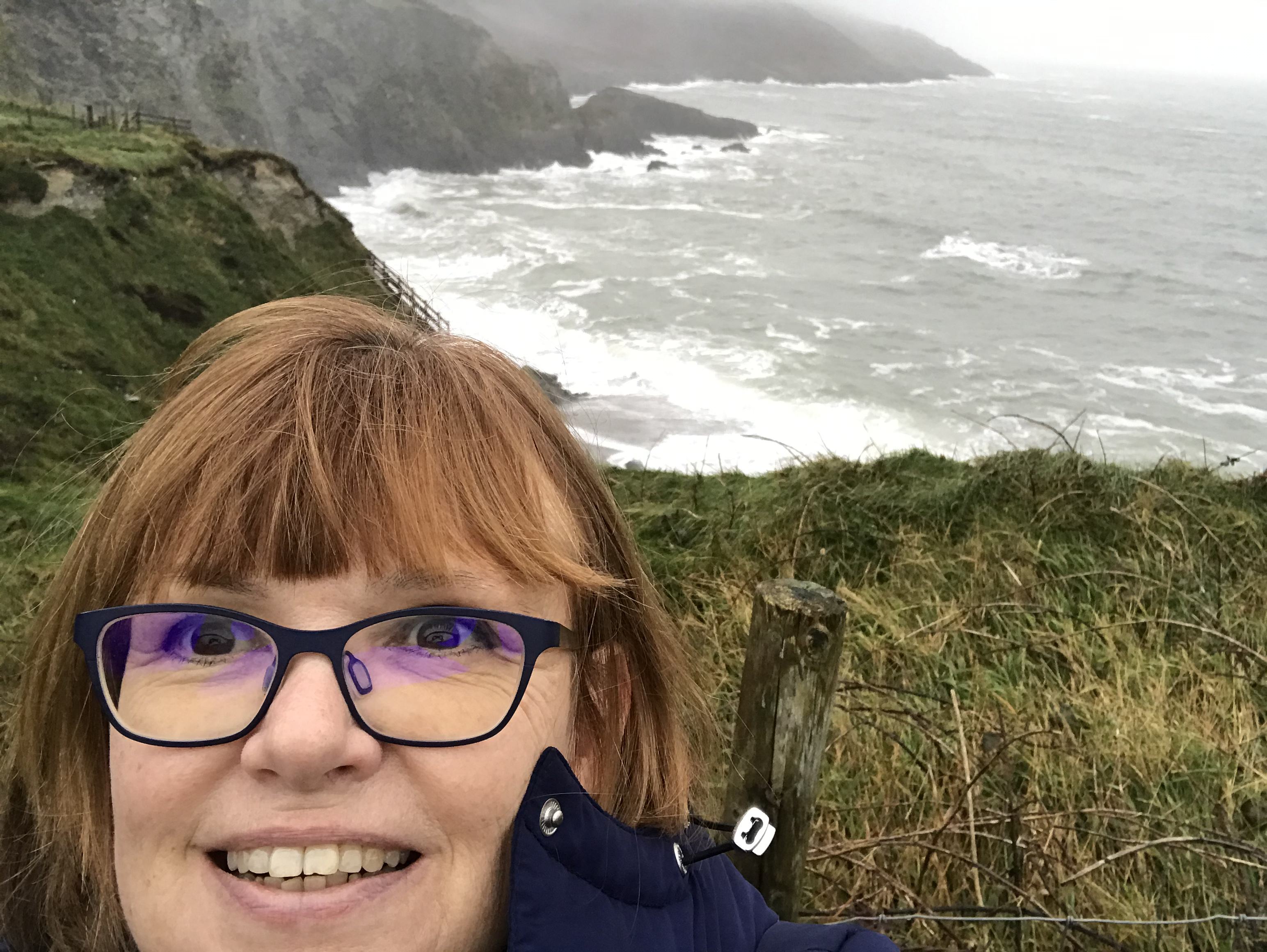
The cottage garden joins the footpath, and is a sheltered spot with flower beds and a palm tree. It has an outside tap for washing dirty paws, but I forgot to bring a trowel for clearing up poop (when you keep animals, you can never completely avoid the poop aspect).

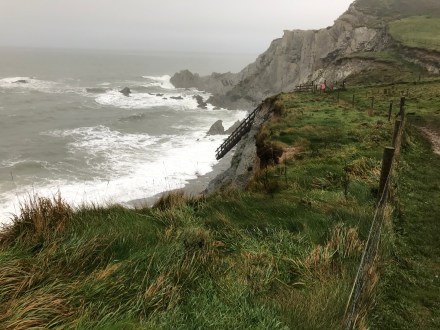
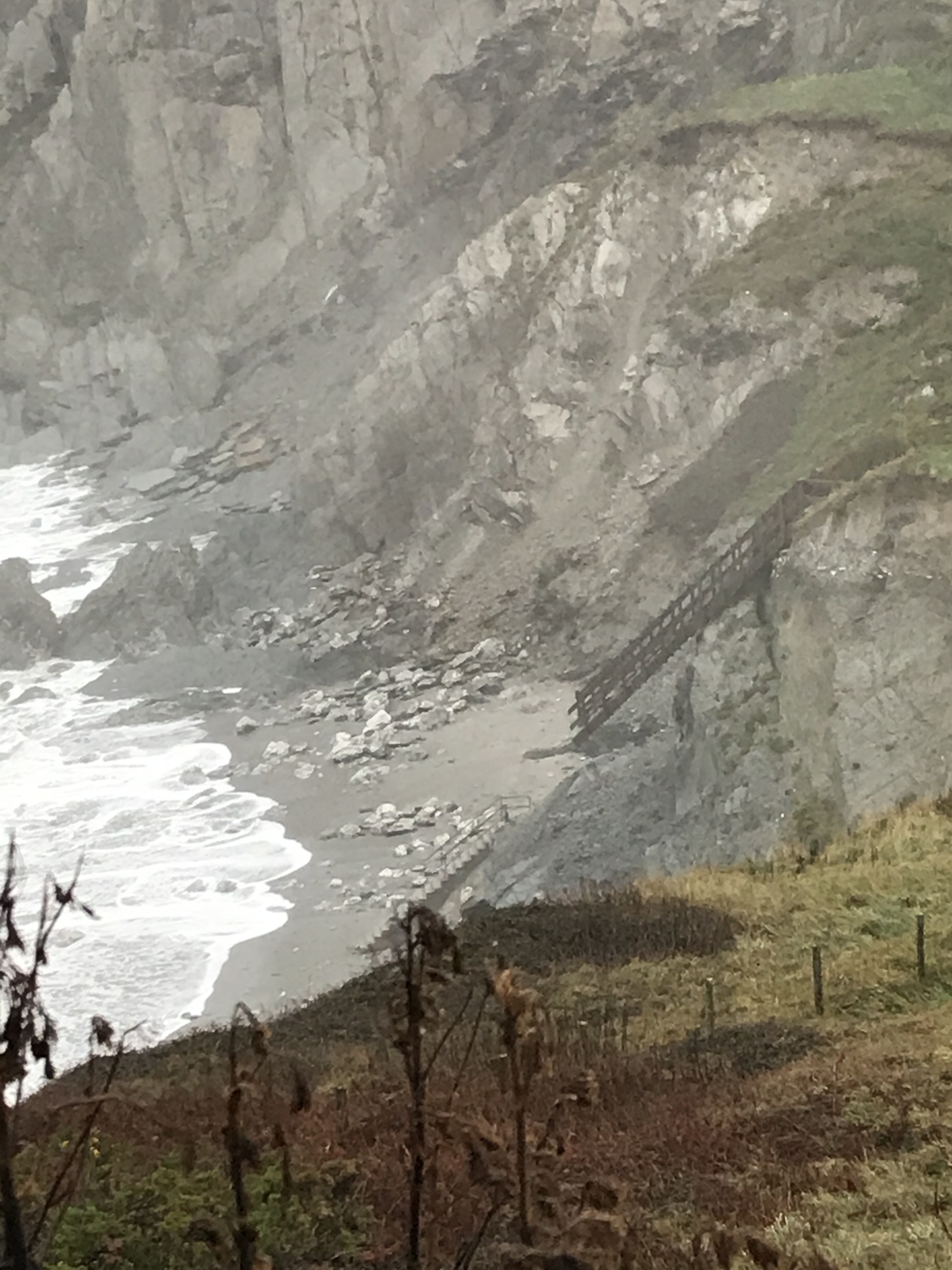
We took Kia for a walk along the cliffs. She saw the sea and set off along the footpath, straining on the lead. When we came to some steps, she suggested very strongly that we might like to visit the beach. But the steps had been washed away by a storm, and only the top and bottom steps remained, clinging onto the cliff in a futile attempt to look useful.

Cliff steps to beach.

There was no way to explain this to a persistent German Shepherd, so we dragged her back to the cottage.

Next stop was a trip to Tesco Superstores to stock up on supplies. The mist had crept up from the sea, and we drove through lanes towards the shop with Husband muttering about it being an unlikely place for a superstore, and was I directing him to a small garage Tescos? We turned into the carpark of a decent sized shop, grabbed a trolley, and started to collect things from the shopping list. I had hoped to live on Charlie Bigham ready-meals for a week, but there weren’t many, and we had to buy a few raw ingredients that I could shove into the oven without too much effort. Husband appeared at regular intervals with a selection of implements to use in place of a trowel for poop clearing. I didn’t think a wooden spatula or a plastic ice-scraper would work, despite their bargain prices.

Next challenge was trying to use the oven, which had unhelpfully been set to ‘automatic’ by the previous people, which meant that it was impossible to use until I had managed to turn it back to a manual setting (random pressing of pairs of buttons usually cures it—I have lots of experience in annoying church kitchens). We ate sausage beans and chips, which filled us up even if it wasn’t very healthy, and a Charlie Bigham’s sticky toffee sponge with custard.

Went to bed full and happy.


Saturday

Tried (in vain) to learn words in various declensions for my Greek lesson. I am writing them in different colours and making up silly sayings (“All the plural datives in the third declension like to sin —σιν”)—but to be honest, very little is staying in my brain.

Decided to take the dog on the beach for the afternoon and drove to Woolacombe Beach. Kia was ecstatic, and even forgot to snarl at all the other dogs in the carpark (anyone who owns a German Shepherd will understand this—the breed is not good with other dogs).

The carpark had lots of signs, saying that due to Covid there was distancing in place, and contactless paying, and certain restrictions. There was a queue waiting to go in (it was the final Saturday of half-term week). At the gate was a man, collecting money through the window of every car—sometimes having to lean across the car to reach the driver—in a very un-Covid-safe manner. I fumbled in my pocket for my crumpled mask (thank you Aunty Margaret) and put on gloves ready to receive the token given in return for the £3 fee. I don’t think it was possible to pay by card/phone. Cars were parked in every space, so I think the person putting up the signs had forgotten to explain them to the man at the gate (I did wonder if, in fact, he was simply a random man collecting £3 from every car and nothing to do with the carpark, but he did give everyone a token that lifted the barrier, so I am assuming he was legit!)

The tide was out, and there was a long expanse of wet sand and huge waves crashing onto the beach. We set off towards the water, the dog dancing next to us. We reached the rocks and Husband and son went closer to explore. I foolishly followed them, noticed a wave washing in, and ran back to the sand—but not in time. The sea lapped around me, filling my wellies and soaking my trousers while a family on the sand laughed. I turned to watch Husband wading through the water, even deeper than me, and son clambered onto the rocks. The dog looked bemused, surprised we were paddling with her. Emptied boots, tried to ignore soggy socks.

Happy afternoon striding through the wind, watching the surfers tackle the waves. Kia kept up for about 25 minutes, but then I noticed she was dragging one of her back legs—which is a sign she’s getting tired, so we turned round. I don’t mind her being old when I can see that she’s still happy and excited by things.

Rinsed out the wellies and filled the washing machine with soggy clothes, then sat down to write this before I put a ready-meal curry in the oven. Another happy day.

I hope you have some fun too this week—and manage to keep your feet dry.

Thanks for reading. Take care.

Love, Anne x

Anne E. Thompson
Thank you for reading anneethompson.com Why not sign up to follow my blog?
Look on your device for this icon (it’s probably right at the bottom of the screen if you scroll down). Follow the link to follow my blog!

********

Learning Languages


Three weeks into Greek, and it remains fascinating (whilst also being a challenge to learn lists of grammatical endings). So many of our English words are derived from Greek; often when I am trying to work out how to say a new word, I have one of those wonderful moments when I suddenly see the link to English. For example, I was reading something which I knew meant ‘throat’ and as I stumbled over the letters, sounding out the strange symbols, I gradually said: “la-larin-larinch. . .Oh! It’s larynx!”

Another wonderful example is the verb ‘to throw’ which is basically ‘ball,’ so when we play with a ball, we are playing with a ‘throw thing.’ This verb is used in the book of Mark, when he tells the story of Jesus explaining why he has chosen grubby fishermen and cheating taxmen instead of the established religious leaders. He says something about not putting new wine into old wineskins, and the verb in the Greek which is translated in my Bible as ‘put’ is actually that verb ‘ball:to throw.’ Which gives the whole story such a casual, over-the-top feel, doesn’t it: “Well, you wouldn’t chuck new wine into old wineskins,” has a different feel to it entirely.

There are lots of these snippets of truly fascinating facts, but there is also lots of boring learning. I am hopeless at learning charts of verb endings, which is why I could never learn languages at school. I think it becomes too mathematical. For me, starting with all the grammar rules is a problem, partly because it relies on memory and my memory is rubbish. Learning Greek is very different to how I learnt, when I decided to learn Mandarin.

Those of you who are new to my blog, may not know the story. Basically, from 2009, I had the most awful headaches/migraines due to a brain tumour which they wouldn’t remove because it was in the middle of my brain and removing it would cause too much damage. Being ill is incredibly boring, and when feeling completely useless after yet another day in a dark room struggling with pain, I realised that actually, whilst I couldn’t do anything, I could listen, which meant I could learn a language. So I started to listen to CDs and videos in Mandarin. I am not a linguist, and I never managed to learn French at school, but I decided that I would teach myself to learn Mandarin in the way that a Chinese child would learn, gradually acquiring more vocabulary and not worrying about the grammar. I bought some children’s books, and music, and learned things like “Mr. Mouse lived in a shoe,” and “I need an assassin who can kill without being seen.” Perhaps not really terribly useful for real life conversation but wonderfully easy to remember. I used all those long boring waits in hospital waiting-rooms to translate stories, and it occupied my mind and stopped me worrying about what the neurosurgeon might say. Gradually I absorbed the language. I tried to understand the meaning of the words and phrases without translating them into English, and as the written characters are very visual, and represent things not words, this was possible. I could listen to phrases and understand them, without consciously turning them into English. (Not much use if I want to ever sit an exam, but perfect for communicating–especially if I ever need an assassin!)

I wanted to practise, and learn some ‘real’ vocabulary, so I started to go into the local restaurants to teach English to the staff, which is where I learnt to ask for coffee with one sugar and all the language that real people actually use. As I could do very little at that time apart from Mandarin, I learnt quite fast.

I also joined a small class of parents at Jay’s school, and even now the teacher sometimes tells me that the language I have picked up from my friends in the restaurants is inappropriate in polite conversation. I think I speak very bad Mandarin with a strong yokel accent. But I speak enough for friends who speak no English to have coffee with me, and we chat about our children and in-laws and husbands in Mandarin. In fact, some of my very best friends speak very little English.

When the doctors did finally operate (and damage my brain because it was that or die) one of the things I worried about was that I would lose all my Mandarin. I didn’t—I lost other things, and I did forget lots of what I learnt, but the basic understanding remained.

So now that I am learning Greek, I want to use some of the ability I acquired through my casual learning, but it’s a very different situation. I need to learn the grammar this time, because I want to take an exam, but I know that staring at charts and lists is hopeless, so I have to put the words into sentences, and tell myself stories to make the words relevant. I want to be able to read the New Testament in Greek, but I will be tested on my knowledge of grammar–whether I know from the ending of the noun if it is masculine, past or future, the subject or the complement. It’s not easy, especially as my knowledge of formal English grammar is very weak (like my learning of Mandarin, when I was at school we learnt how to use the English language, not the structure of a sentence). Sometimes I struggle, but I am determined to continue.

I hope you learn someting interesting too this week. Thanks for reading. Take care.

Love, Anne x

Anne E. Thompson
Thank you for reading anneethompson.com Why not sign up to follow my blog?
Look on your device for this icon (it’s probably right at the bottom of the screen if you scroll down). Follow the link to follow my blog!

****

Punting in Cambridge


We went to visit Emm’s new house in Cambridge, and spent the afternoon on the River Cam in a punt. I like Cambridge, it’s one of the few cities I think I could live in—perhaps because it has cows. I’m not sure why it has cows, I assume it’s a hangover from old laws about grazing rights on common land, but they are there, in the centre of the city, wandering over footpaths and pooping on the grass as they mingle with students and tourists.

cows in Cambridge
Cows in Cambridge

Emm suggested punting before we arrived, so I put a spare pair of trousers and knickers in my bag. I remember punting. When I was a teenager, we lived in Letchworth, and regularly went to Cambridge with our church youth group. We would hire a few punts (it was a big youth group) and set off. The person punting always fell in (sometimes they were pushed). We always had water fights with the other punts, so our boats were returned full of water and the owner refused to return the deposit.

There was one time when one of the car drivers was pushed into the river, and lost his glasses. I remember people diving under the murky water, searching the mud for the lost glasses, but they were never found. The driver was unable to drive home, so someone with a provisional licence had to drive his car for him. That must have been terrifying! Having taught my children to drive, I now realise how scary it would be to have someone else’s teenager drive my car for me.

Once, I remember there were foreign girls with us (my sister says they were from Norwich, which they may have been—I wasn’t very good at accents in those days) and they got completely soaked and were rather upset, so we took them to a launderette and told them to strip, then we tumble-dried their clothes while they sat huddled under someone’s coat. I have no idea what the other people in the launderette thought. In fact, as I reflect on these memories as an adult, I have no idea why the youth group leaders were so willing to take us punting every year—it must have been a nightmare for them!

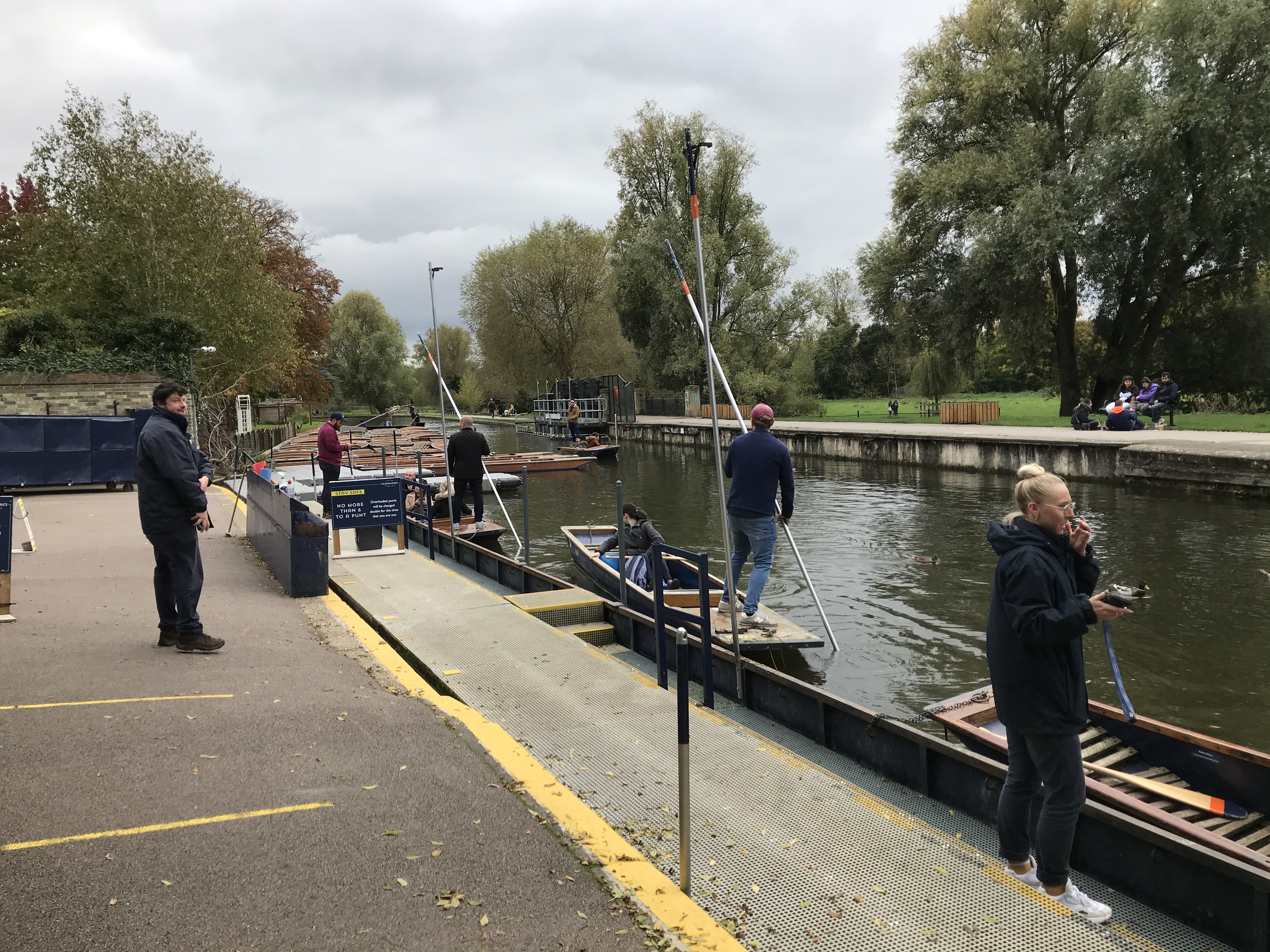
Anyway, last weekend we arrived at the punt hire place, and I was fully prepared with dry clothes, just in case. They were well prepared, with people wiping the boats and poles with disinfectant between each hire, spaced queueing, no cash payments. Such a lot of fuss Covid has created, but business has adapted.

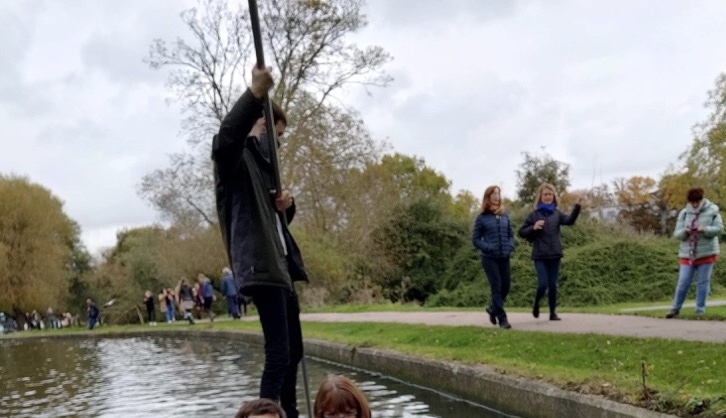
Emm decided that Jay would punt, even though he was the only person who had never previously been on a punt before. He listened attentively to the very brief instructions, and we set off with him muttering that the physics didn’t work, and the extremely narrow pole was not going to be sufficient. But it was, and he actually did very well.

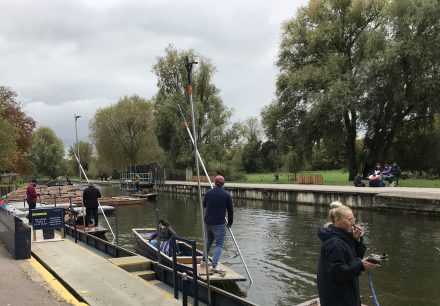
Punting is a skill (which I don’t have). In case you have never visited Cambridge (put it on your list for when Covid ends) I will explain. A ‘punt’ is a very shallow boat, which seats about 8 people in a sort of lounging position—good for beautiful blonde girls who want to trail their fingers in the water while sipping champagne. The person punting stands on the back, on a slippery-looking platform, and pushes a long thin pole into the mud below, then pushes forwards, hence propelling the boat. If the pole is placed on the left, the punt turns left; when placed on the right, the punt turns right. It turns quite sharply, and we passed several boats that were basically just turning in circles on the river. Sometimes the pole gets stuck in the mud, and tugging it out unbalances the punter. It’s easy to fall in, and you really do not want to fall in to the Cam—it’s not the cleanest river in the world.

The exercise is made more exciting by the bridges across the river. Some of these are quite low, and require the punter (not sure if that’s the correct term) to push hard before crouching in the boat to avoid being decapitated by the bridge. When you are a mother and your son is punting, this makes the activity less relaxing than when you are a carefree teenager.

Emm and Aitch also took turns punting, and no one fell in, and no one was decapitated, which was a good result. We had bought some of those little cans of cocktails from Tesco, so we stopped next to a quiet bank, and drank cocktails, and watched the branches trailing in the river and the ducks swimming past, and it was all rather lovely. Then we made out way back, under the low bridges, past the Chinese tourists who were still turning in circles, and returned our punt to the people waiting to disinfect it ready for the next party.

I hope you have a fun day today.

Thanks for reading.

Love, Anne x

Anne E. Thompson
Thank you for reading anneethompson.com Why not sign up to follow my blog?
Look on your device for this icon (it’s probably right at the bottom of the screen if you scroll down). Follow the link to follow my blog!

****

The Sarcastic Mother's Holiday Diary
https://www.amazon.co.uk/Sarcastic-Mothers-Holiday-Diary-ebook/dp/B07N95281F/ref=sr_1_1?dchild=1&keywords=the+sarcastic+mothers+holiday+diary+by+anne+e+thompson&qid=1603103026&sr=8-1
Now is an excellent time to read my travel book. Happy adventures from around the world. Available from Amazon.

More Greek Mishaps and Some Runaway Sheep


Quick Update

Hello, how has your week been? Mine has been extremely busy, and I’m not much enjoying the weather.

I am writing this after the first week of Greek lessons—so brace yourself for some more interesting facts.

Did you know, that originally Greek was written entirely in capital letters, with no gaps between the words? I have taught children who do this, and it doesn’t make for easy reading. Greek later evolved to be written entirely in lower case letters (I’m guessing because they were faster to write). At some point, someone had to go along and put gaps between all the words, which must have involved some decisions, as it wouldn’t have always been obvious. Therefore, even when I am reading the New Testament in ancient Greek, some of it may be different to how the original was written, which I guess means I shouldn’t be too ‘purist’ about the whole thing. Each individual word was obviously not meant to be held in absolute holy awe, it was not dictated by God, it was written by people and has changed over time.

A Greek Temple

I talk of reading the ancient Greek, but of course this is being optimistic, I am currently struggling with remembering the letter sounds and the rather dodgy punctuation. In a bid to help myself practise, I decided it would be a good idea to write the shopping list on the fridge door in Greek letters—not the actual Greek words (because I don’t know them) but the English words written in Greek letters. Good idea, I thought. Except it wasn’t. Husband (bless him!) decided to join in, but he didn’t fully understand the exercise and put all the things he wanted me to buy through a Google Translate app. My shopping list is now full of words that neither of us understand. His writing is bad enough when he’s writing English, so some of the words contain symbols that are not even Greek, so we have no way of knowing what they say!

During a lesson, someone asked whether Jesus spoke Greek. My reaction was that no, we know that he spoke Aramaic. However, I was wrong. Apparently, Jesus probably spoke mainly Aramaic (the language of the Jews of the day) plus he would have read Hebrew (because all Jewish boys learnt Hebrew). But at the time, Israel was under Roman occupation, and they would probably have spoken Greek—so when Jesus spoke to officials, it is likely he would have used the Greek I am learning. (I thought that Romans spoke Latin, but although that was the official language of Rome, most citizens spoke Greek, and even in Rome, Latin was considered the language of the ‘educated’ rather than the common language.) Isn’t that interesting?

I do still have some life apart from Greek, though trying to learn it is very time-consuming and I’m very glad I’m not studying a full theology degree when it would have to fit around a whole lot of other subjects. My learning only has to fit around writing and selling books, and sorting the animals. The animals have been annoying this week, because I planted some bulbs ready for spring, and the chickens saw the freshly dug soil and rushed over to dig them all up again. Most of the bulbs are now kicked into random places and quite a lot of the lovely compost I lugged onto the flowerbed is now scattered across the path.

I am still making sourdough bread, though my enthusiasm is waning as it tends to be very heavy and slightly odd-tasting. I have branched out this week into making naan bread, and attempted peswari naan. It involved liquidizing sultanas and almonds and coconut, and I forgot to shut the lid properly so my kitchen floor is rather gritty. Dogs, it transpires, do not like sultanas.

We have a new flock of sheep in the field adjoining the house. The owner didn’t raise them, and the field is quite big, and he is having trouble catching them (which he needs to do soon because there’s a ram with them, so they’ll be in lamb). He did have a sheep dog, but clearly neither the dog nor the sheep had read the manual on how they are supposed to behave, as the dog responded wonderfully to commands and whistles but the sheep still managed to charge all over the field. We went to help him, and tried to funnel them into a small area of pens. Sheep are mostly pretty stupid animals, and as soon as they got near to the pens they charged away again. I didn’t take Kia because although she’s great with herding poultry, I don’t trust her with sheep and they are big creatures when running straight at you—a charging ram could easily break your leg. We never managed to enclose the flock, so the poor owner will have to find someone more experienced to help. I’ve only ever helped round up flocks that have been raised by the owner, so they follow rather than run away.

I hope your week goes well. Thanks for reading.

Take care.

Love, Anne x

Anne E. Thompson
Thank you for reading anneethompson.com Why not sign up to follow my blog?
Look on your device for this icon (it’s probably right at the bottom of the screen if you scroll down). Follow the link to follow my blog!