Family Holiday Diary 2019 continued


Sunday 11th August

We are staying at the Intercontinental Hotel in Geneva. The day started with breakfast, which was superb, apart from the pancakes which tasted like they had come from a packet. Even Jay couldn’t eat them (and he eats everything).

I looked at the gym. (Looking is a good start…)

We did a free walking tour. These are always a bit varied, as it depends on the tour-guide. Some are excellent, but this one was a bit boring and it was hard to hear/understand the guide. He tended to use very flowery language and every sentence wandered off to the mountains and back before he made his point, which meant that my mind wandered off too, and didn’t always make it back in time to actually hear what his point was. However, we were shown all the most interesting parts of the city.

Some highlights were: the statue of Henry Dunant (who started the Red Cross in Geneva, and who campaigned for executions to be stopped, so his statue is on the old site of execution) and the cathedral and a huge statue of various figures who were big in the Reformation (the carvings were big too) and a cool model of the city, which was right at the top of the museum. Calvin was from Geneva, and we passed several austere looking churches.

I can tell you that Geneva is a clean city full of banks and clocks, fountains, and chocolate. It is expensive and clean and functional and ethnically diverse. It did not, to me, seem very friendly. Personally, I prefer the slightly dirty cities in Italy and France, full of smelly cobbled streets where you are suddenly surprised by a beautiful square filled with music.

We had a McDonalds, which cost as much as a three-course meal at The Ritz in London. My family had a very long debate about computers and I tried to work out how the code on the receipt worked for opening the door to the washrooms.

We wandered very slowly (my family moves at snail-pace) up to look at the water jet, which blows across the jetty when the wind blows (nice when it’s sunny).

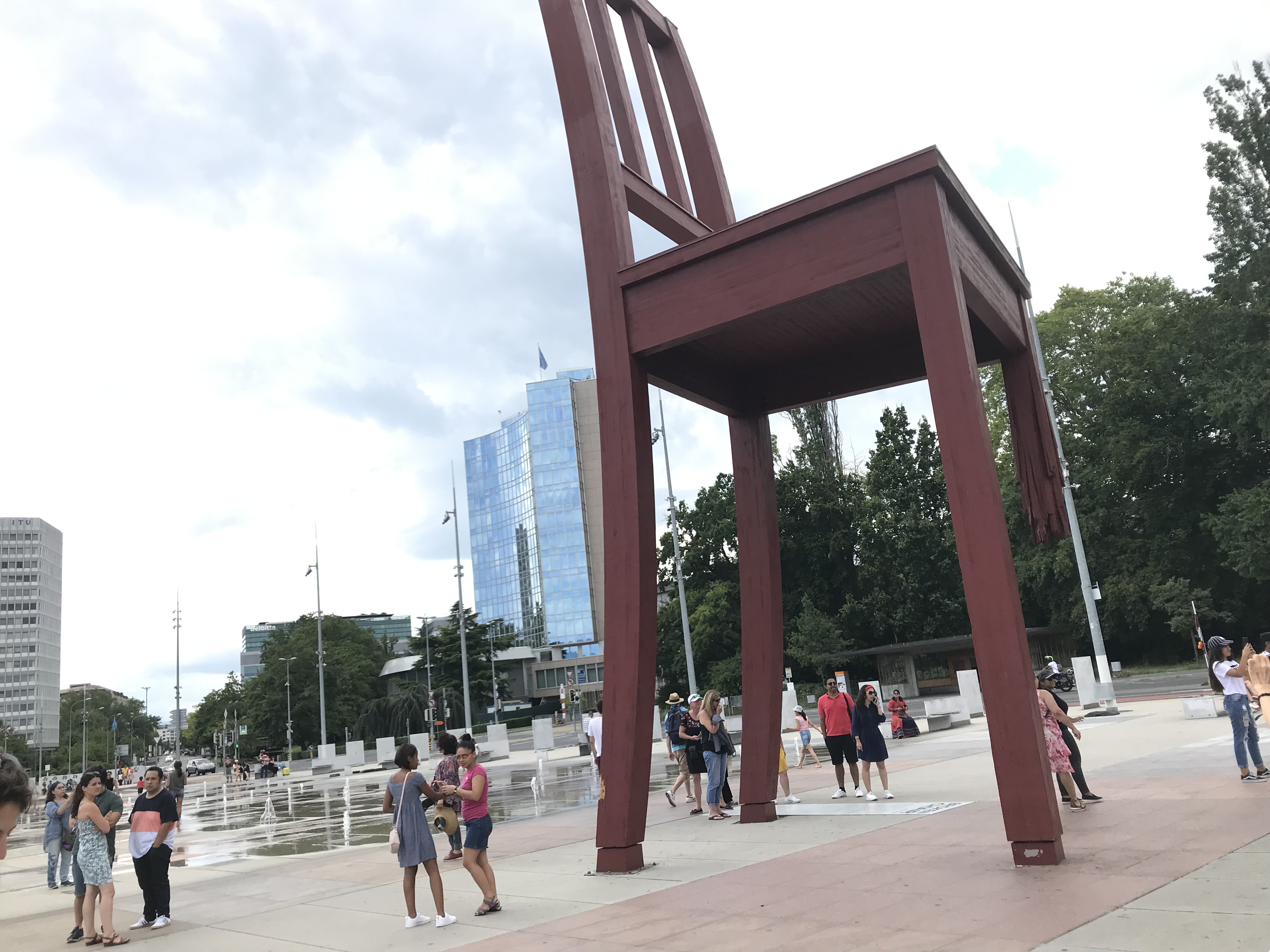
We caught a ferry across the lake and walked back to the hotel via the United Nations building. There are little fountains here, with children running though them, and a huge chair statue. The chair represents both stability and fragility—when the countries in the world work together, the world is a stable place, but we need to support the weaker countries or the whole thing could break down.


We ate dinner in Cafe du Soleil, which was away from the city centre and had more sensible prices (though I still paid the price of a bottle of wine for a single tiny glass). Best of all was the fondue, which they let us share (most restaurants will charge for every person who eats some). It was a mix of cheese and wine and was completely delicious. A very happy evening. I will tell you more about our trip on Monday–thanks for reading.

I hope you have a happy day. Take care.

Love, Anne x

Thank you for reading
anneethompson.com
Why not sign up to follow my blog?

Have you read my travel book yet? The Sarcastic Mother’s Holiday Diary. It will make you smile, and is a great gift for someone you love.

Funny stories about travel with a family.

UK link here

Geneva, Family Holiday Diary 2019


Saturday 10th August

We are all together for our family holiday, despite the best efforts of both British Rail who ground to a halt due to a power-cut, and the British weather which soaked everyone returning from work in London the evening before we flew. The taxi arrived at 5:45, we were all ready (something of a miracle with my family) and off we set for Heathrow.

Arrived at Heathrow and checked in. Breakfast in fancy restaurant (family enjoy spending Husband’s money) then went to gate. Flight delayed because they couldn’t find the pilot (seriously, this is what they told us—unexpectedly honest of them). Buses appeared and we worried a bus-replacement service was being offered, but they took us to a plane, so all was going well.

Arrived in Geneve about 2pm. So did our baggage, despite the best efforts of Jay who had cleverly left his luggage labels from a previous holiday attached to his bag. We found a taxi big enough to carry five people plus bags and went to Intercontinental Hotel. Paid taxi a year’s salary, plus money for carrying our bags (this is a thing, apparently). Checked into rooms.

Our room is wonderful, with a view across Geneva towards the river. It also has a Nespresso machine, and I am rather partial to Nespresso machines (whilst never wanting to own one, because then it won’t be a treat).

We were given free bus passes at the hotel, which I believe is available at all hotels, and covers travel around most of the city. We caught the number 5 bus, and went to the city. We saw a big old clock, walked next to a river, and saw the lake, which is lovely.

In the lake is a sort of fountain, which is not particularly pretty but is very big and is a feature of Geneva (in case, like me, you didn’t know—though I am told by my family that actually, everyone in the world apart from me, knows this). Anyway, the fountain/jet was originally something to do with hydro power in a clock-making factory, but the high pressure needed to be released, so once every day, they would send a jet of water into the air. This gradually became a tourist attraction, and then a feature of Geneva, so now it’s there permanently. Except, sometimes, it isn’t.

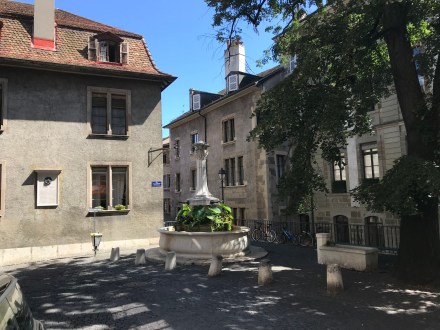
We found a big park, with a big fountain, which was pretty. It had a chubby Chinese boy playing in it while his mother shouted at him. Geneva does fountains rather well—there are lots of them. There are also lots of Chinese tourists, and we found another million of them posing in front of the flower clock, which is another feature of Geneva. It is a big clock, made out of flowers (you could have guessed that really, I expect).

We looked at a few restaurants but they were all very expensive. Geneva is expensive. It is even more expensive than Milan, which until now I had thought was the most expensive city in the world. We ate dinner in Vapiano, which apparently is a chain and very well-known (I had never heard of it). It was very nice, and you could stand and watch while they cooked your food (pasta dishes). I had a very nice ricotta ravioli with garlic and chilli sauce, all ordered in my very bad French. It was rather fun.

Caught a bus back to the hotel, and glimpsed fountains and a giant chair as we passed the United Nations building—something to visit another day. Went to bed exhausted but happy. Geneva seems like a nice city, even if everything is hideously expensive. It is very clean, and safe, but I’m not yet sure whether it is friendly. I will tell you more tomorrow.

Hope you have a nice day.

Take care.

Love, Anne x

If you enjoyed this, why not buy a copy of The Sarcastic Mother’s Holiday Diary? An interesting holiday diary which will make you smile, a great book to relax with.

Funny stories about travel with a family.

UK link here 

U.S. link here

Jews in Latvia


The Jews in Riga

When I was in Latvia last week (that’s a fun sentence to write!) I visited the Jewish Museum. Riga has several monuments and memorials dedicated to the Latvians who died during the 1991 barricades, but there was little reference to the Jews who died during the Nazi occupation. I found directions to the Jewish museum in the guidebook, and set off.

The museum is in a tall building in the Art Nouveau section of the city. The door was locked, and I had to be buzzed inside by a lady in a booth—perhaps even today the Jewish people are unsure of their safety. The museum is in a Jewish Centre, where you can also sign up for Jewish dancing lessons, and language courses.

The displays were all in glass cases (not an attractive museum to visit) but I was given an audio guide in English, which helped. The guide was rather long-winded, and the man speaking was rather pedantic, but there was a fast-forward feature, so I gleaned what I could from his descriptions and muted the other bits (be nice to do this in real-life sometimes). The museum is Jewish, and I guess any museum is likely to have a bias. Whilst what happened to the Jews was unforgiveable and too horrid to properly grasp, I’m not sure if the pre-war Jews were all quite as perfect, fully integrated and wonderful as the museum portrays. It felt a little like when you attend a funeral, and you don’t recognise the person everyone is describing because they sound like a saint but you know they could be an awkward individual when they were alive. Is that right, or should we be more honest? I don’t know. We like our victims/heroes to be perfect and our villains to be completely evil, but life is not like that.  Here is my understanding of the history of Jews in Riga, based on what I saw:

In the early 1900s, the Jews were poor, but rather clever at business. An example was given of a merchant who could initially only afford to employ 3 men, and two years later due to clever business skills he owned 3 factories. However, there were limitations on their social status, and they were only allowed to work in certain areas.

In 1905, during the revolution, there were attempts to suppress Jewish people, and many left the Baltic region at this time.

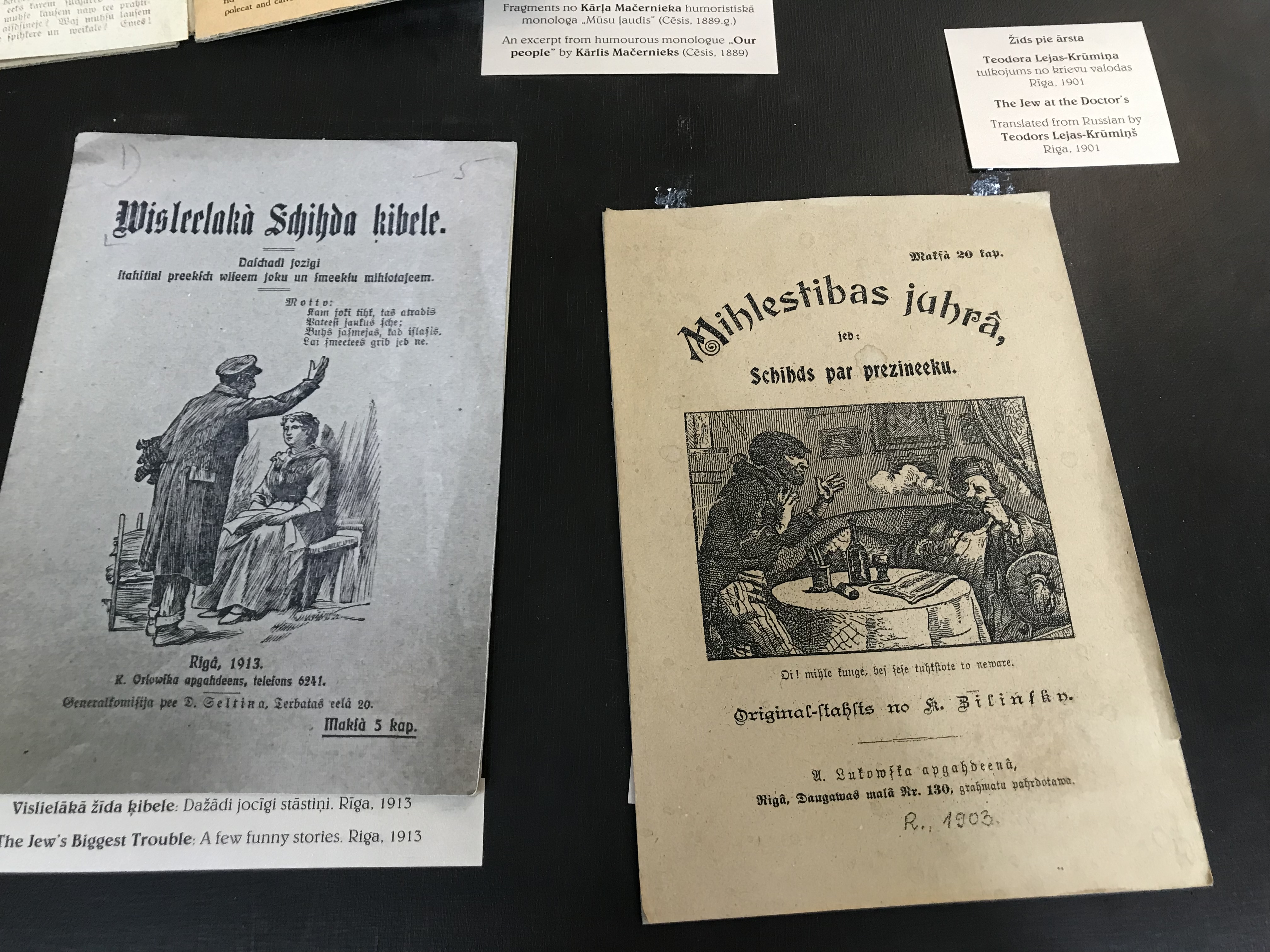
The Jews were part of society, but they were seen as inferior. Literature shows the Jew as a figure of fun, they are portrayed as slightly dim and generally unhealthy and dishonest. They were laughed at, though not particularly disliked. Jews often appeared in children’s stories as a travelling peddler, a thin man with a big nose, who would try to trick you if you weren’t careful.

In 1918, during the Latvian fight for independence, Jews signed up to fight. The Bolsheviks, known as ‘The Red Terror’ were violent and unfair. In 1919, many Jews joined the army, some as young as 15 years old. The museum had medals, showing the awards Jewish soldiers had received for bravery, though it didn’t state what percentage of Jewish men joined the army.

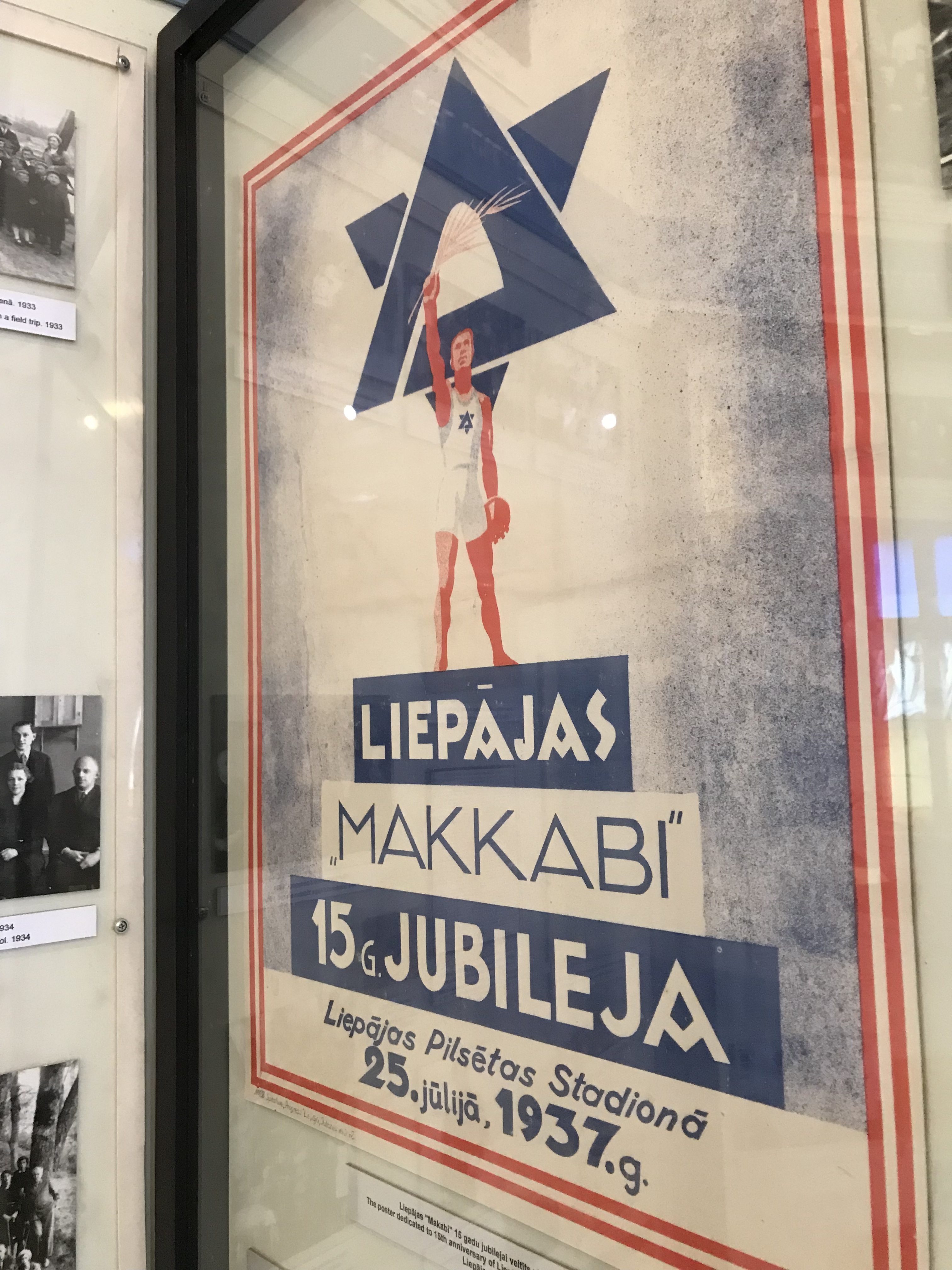
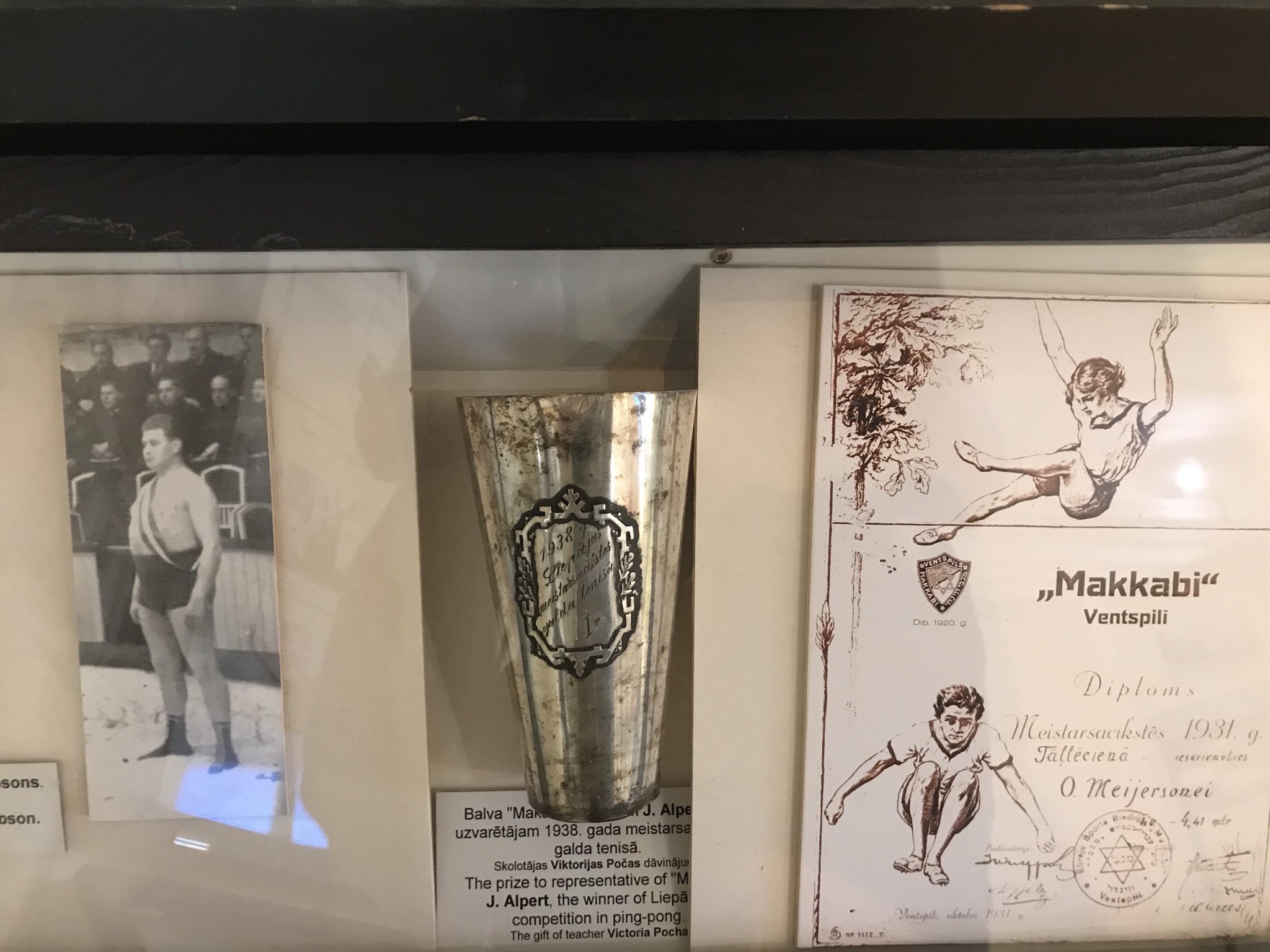
In 1920, rumours began to spread that the Jews were against the new Latvian nation. There were reports that Jews had refused to fight, that no Jews had joined the army, that they were not truly part of Latvia. The Jews attempted to combat this by publishing their own newspapers, in Russian and German as well as Yiddish. Jewish students set up clubs (fraternities) to balance those that were anti-Semitic. Jewish business flourished in free Latvia, and Jewish people owned banks and businesses (though the anti-Jewish cartoons were still around). The Jews took part in sports, to try and dispel the idea that they were physically weak, and set up competitions and tournaments.

When the Nazi party took control of Germany, people in Latvia boycotted German goods in protest. Many Jewish refugees arrived in Latvia, trying to escape the Nazis.

In 1940, the Soviets entered Latvia. All Jewish societies were closed and some Jews were deported to Siberia. Then the Nazis arrived, and the horrors increased.

In August 1941 a Ghetto was set up in Riga. All Jews were forced to leave their homes and live in the Ghetto. Synagogues were burnt—sometimes when filled with people trapped inside. Propaganda depicted the Jews as weak, ugly, thick and greedy. It was said they refused to be part of society, they hid their wealth, they were the cause of all the troubles. The Nazis tried to turn Latvian citizens against the Jews, and they became outcasts.

By the autumn of 1941, the Ghetto had been emptied of all Jews apart from men deemed strong enough to work. Everyone else had been murdered.

The museum even has films of Jews being shot (after being forced to run into a pit). The Nazis were so sure of their absolute supremacy, that they would never be held to account, that they filmed and photographed the killings.

Somehow, seeing these photographs was harder than seeing the ones when I visited Auschwitz. Perhaps because the people were well-dressed and healthy. I found it more shocking, to see attractive teenaged girls being killed, rather than the gaunt pictures of starving people in the camps—it’s always easier to relate to people who look like the people around us, I suppose. And that is the point—these people were like us. They would have been good people, and not so nice people, and some who were kind and others who were rude, just like us.

One display case showed the passage from Psalm 22, used by Jews to express their agony: “My God, my God, why have you abandoned me?” These are familiar words for Christians, but in the later context of the crucifixion.

In 1943, the Ghetto was emptied of men, when they were sent to the death camps. The Riga ghetto was then divided, and became a stopping place for Jews from other countries who were on their way to the camps in Germany and Poland.

I was interested to read that there had been some Jewish resistance to all this. Some people smuggled weapons into the ghetto, hoping either to escape or to at least die with dignity, defending themselves. There was a big escape attempt from the Riga ghetto, but most escapees were later caught and shot, and 80 other Jews were shot in punishment. However, some Jews did manage to escape from the ghettos, and from the death marches.

One area of the museum was dedicated to people who had helped the Jews during the war. Not everyone believed the propaganda, not everyone sided with the Soviets and the Nazis. Some people were brave enough to risk their own lives, and helped Jews to survive. (Would we be wise enough today, to resist the messages in social media, to be able to discern what is actually true?)

In 1940, it was estimated that there were 95,000 Jews living in Riga. In 1945, it is thought that only 1,000 were still alive.

There is a big memorial, in a forest, in memory of the slain Jews. One day, I hope to visit it. Perhaps by remembering the horrors of the past, we can help to ensure we don’t repeat the same evils today.

I recently read a novel, which examines the idea of national bias, set amidst the more recent conflict between Zionists and Palestinians. I’ll tell you about it on Monday — why not sign up to follow my blog so you don’t miss it?

This is my final blog about Latvia for now. Next time we visit will be in the winter, I’m so looking forward to seeing the city with snow.

Live well today.

Take care,

Love, Anne x

Anne E Thompson has written several novels and writes a regular blog each week. You can follow her blog at:
anneethompson.com

A laugh-out-loud book about travelling the world with a family. From India to South America, and across most of Europe, this book has been described as “The Durrells meet Bill Bryson”!

A great book to read on holiday, and you can read it for free if you have a kindle! Available from a Kindle near you.

U.S. link here

UK link here

Comparing Riga and Warsaw


Central Market, Riga

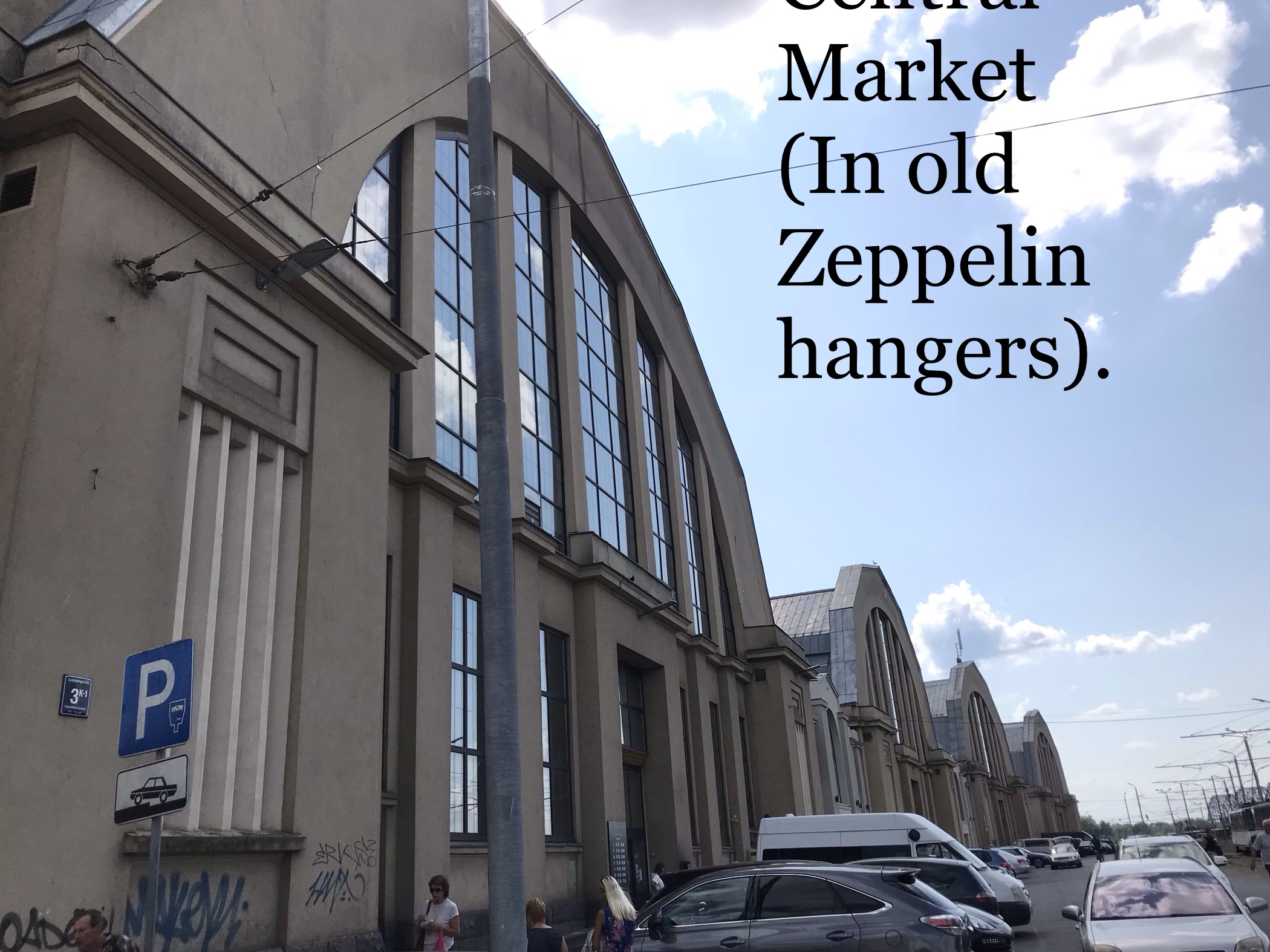
I do like a good market, so when we were in Riga last week, we set off to find Central Market. It is slightly beyond the old town, and you walk under some major roads, and through some fairly dodgy-feeling areas, so I’m not sure that I would walk there on my own. It’s probably as safe as places in other cities, but there were an uncomfortable number of young men standing at corners, staring.

The market is in several huge Zeppelin Hangers (which had previously housed Zeppelins). Before you arrive at the main market there is a big market outside, with stalls selling clothes and hardware and flowers.

The inside market is mainly food stalls. We wandered around, staring at gigantic fish, and arrays of flatbreads, and mountains of olives. There were tables, and people bought things to eat there, sipping strong black coffee and discussing politics.

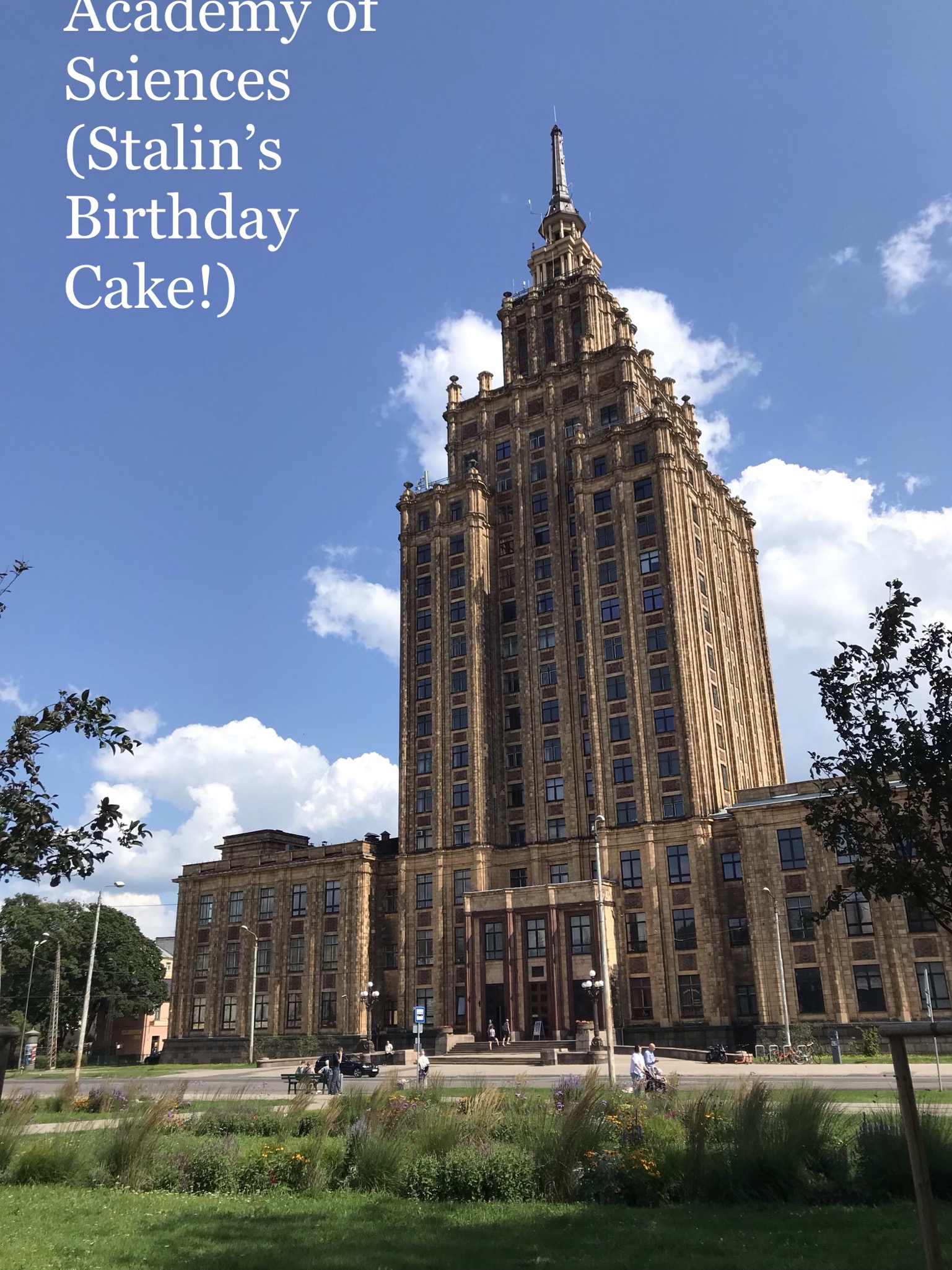
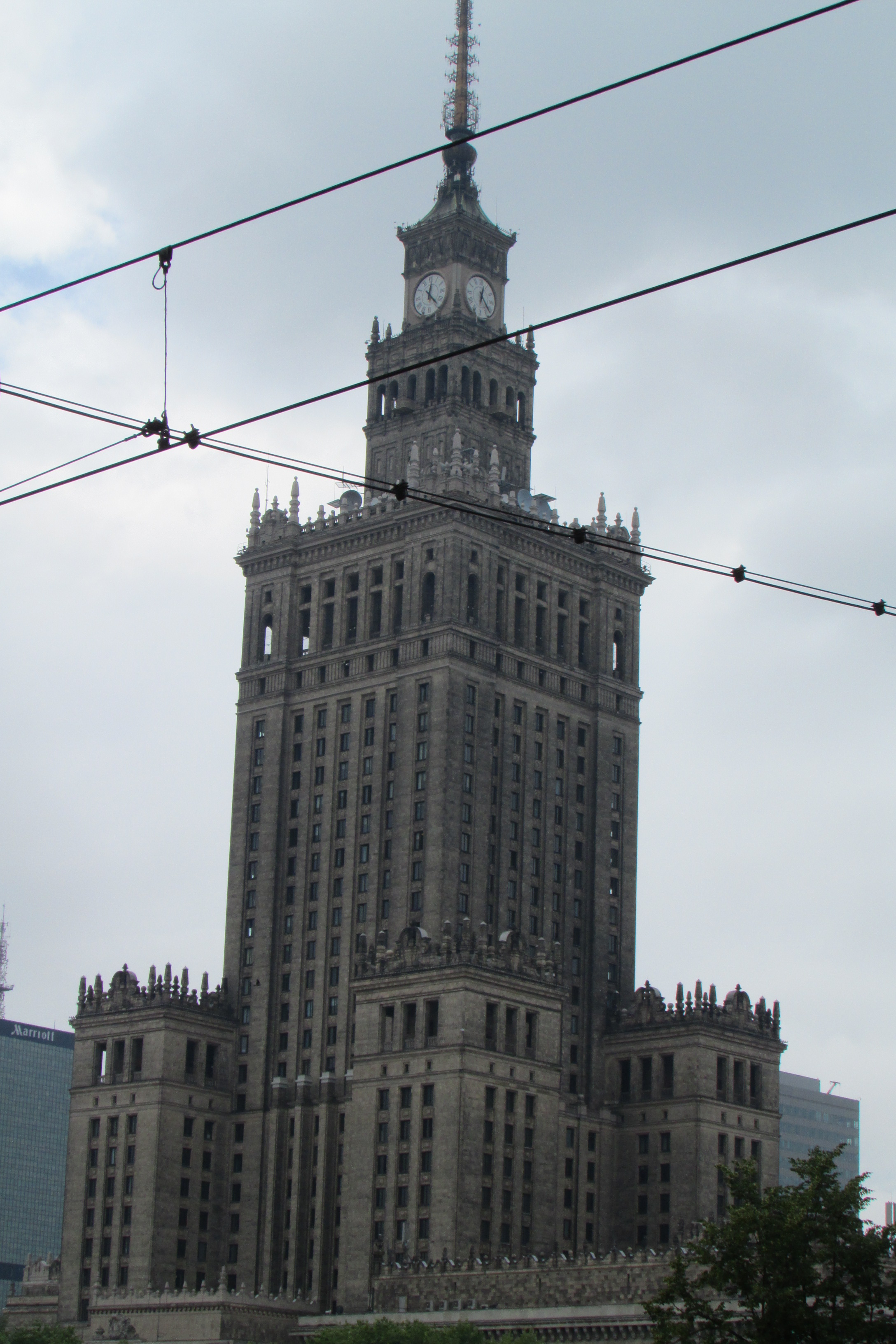
As you leave, you can see the tower of the Academy of Sciences looming above you. This gave me a strange feeling of deja vu, as it’s almost identical to the tower we saw in Warsaw. They even have the same name, as the local people in both cities refer to the towers as “Stalin’s Birthday Cake”. Both were built in the 1950s, both are resented today by local people as being an unwanted reminder of Soviet rule, both are too big and expensive to simply demolish.

We took the lift to the 15th Floor, where there’s an observation deck. I wasn’t hugely reassured when Husband reminded me, as I stepped into the lift, that it was an example of 1950s Soviet engineering; but we didn’t plummet to our deaths. The observation deck sways, but if you don’t mind heights, it’s probably a good place to visit (it costs 5 euros each, so not cheap).

The tower in Riga.

The extremely similar tower that looms above Warsaw.

Actually, there is a lot about Riga that reminds me of Warsaw. Both cities had suffered during the war. Both cities had lost most of their Jews (in 1940, there were an estimated 95,000 Jews living in Riga. In 1945 there were an estimated 1,000 Jews remaining. More about this in a later blog.).

Both cities were heavily bombed during the war, and have rebuilt the old part of their cities, so they are now delightful places to visit, with fine examples of ancient (though rebuilt) architecture. Both cities are still coming to terms with their Soviet past. However, both cities are also welcoming, and people mostly speak excellent English. I enjoyed my visits immensely, they are both worth seeing if you ever have the chance. And of course, both cities have a very good local beer!

Thanks for reading. Enjoy your day.

Anne x

A laugh-out-loud book about travelling the world with a family. From India to South America, and across most of Europe, this book has been described as “The Durrells meet Bill Bryson”!


Have you read a copy of my travel book?

Amazon Link here

Exploring Riga Old Town


Exploring Riga Old Town

Husband was working in Riga (Latvia) so I had tagged along for the ride, and we spent the second day exploring the Old Town (clue in the name!) It is full of pretty squares and interesting buildings, and although much of it was rebuilt after the war, they have preserved the historical feel of the city. It’s a nice place to be. We walked through the park which runs alongside the river, and into the pedestrianised zone. We passed Powder Tower (see yesterday’s blog) and saw The Swedish Gate, which is the only remaining gate from the old city wall, and was built below someone’s house — not sure if they were pleased, somewhat inconvenient to have people traipsing below your house I would have thought.

We arrived at St. Jacob’s Cathedral, which has a monument outside to remember the people who died in the 1991 barricades (more about this in a later blog). St. Jacob’s Cathedral is a red brick building, built outside of the original city wall. It has a cupola on the south side, which once held a bell—not to summon people to prayer, but to let them know that an execution was taking place in the city. The bell is no longer there. I am assuming the executions are also a thing of the past.


Opposite the cathedral is the Parliament building (some discussion with Husband about Riga’s flag—I can tell you that it’s red with a white stripe down the middle, and he was wrong. Just saying.)

During World War II, the building was the headquarters for the SS officer responsible for killing the Latvian Jews, gays and Roma. Later it was used by the Supreme Soviet of Latvia. This is an example, repeated around the city, of buildings which were built to look pretty, and later used for a variety of horrible things, and have now returned to simply being buildings. Latvia has a tangled history, and there are traces left wherever you go. I wonder if it’s better to not read any guidebooks or visit any museums, and to simply enjoy the beauty of the place in the sunshine and leave the ghosts in the past.

Around the corner from St. Jacob’s Cathedral is a hidden cafe in a courtyard, which claims to be the most romantic cafe in the world (good marketing strategy!) It offers free hugs at the counter (so I’m guessing it’s run by the church). There was also a Christian bookshop, and I bought my mother a scarf. Riga has lots of linen goods and knitted goods, probably because in the winter it’s usually snowy. This is the city to visit if you want to buy a warm hat that your family will mock.

There are three houses, known as The Three Brothers because they each have a distinct architectural style. Two men busk outside, playing music that the locals recognise and sing along to (I saw them there on several occasions). This means everyone has very confusing photographs, as they are of “The Three Brothers” but they show only two men.

Next on our tour was Dome Square. (To be honest, it wasn’t a very good ‘tour’ as it was simply Husband following a route on a map, regularly waving towards interesting buildings and informing me: “There’s a thing!”) Dome Cathedral has a cockerel on the spire, and the building is lower than the square, as they have raised the land since it was built, to stop the area flooding. (Not sure if this means the cathedral now floods instead—hopefully not.) There was a young girl playing a violin outside. She was very young, and played extremely well, and was receiving a lot of money, as almost everyone passing threw something into her violin case. There are a lot of buskers in Riga, many of them young, most of them excellent musicians. It’s rather lovely to wander around, looking at interesting buildings while accompanied by music.

A laugh-out-loud book about travelling the world with a family. From India to South America, and across most of Europe, this book has been described as “The Durrells meet Bill Bryson”!

Riga has several squares, and many churches/cathedrals. The next square on our tour had a very interesting building: the House of Blackheads—so named because it was a guild for foreign merchants, and their patron was St. Maurice (who was black). I began to realise that many of the buildings, built in the 1500s and 1600s, show how affluent Riga had once been. It was an important trading port, full of rich merchants, and the architecture reflects this. Further from the centre, the buildings were once beautiful, but are now faded, and sometimes derelict, whereas the ones in the centre of the old town have been rebuilt since the war. It must have been a magnificent place a few hundred years ago, and it is still pretty today. You should visit before it becomes too busy. It’s up to you whether you take a guide book and learn about the past, or simply enjoy what you see today.

Tomorrow I will show you some more pretty buildings which have rather nasty history (like the old KGB headquarters)—why not sign up to follow my blog so you don’t miss it?

Hope you have an interesting day.

Take care.

Love, Anne x

Do look at my book: The Sarcastic Mother’s Holiday Diary

Travel with me to Zambia, Malta, Brazil, and explore local traditions while seeing the sights. An amusing collection of diaries, in the style of
Bill Bryson meets the Durrells.

Available from an Amazon near you.

UK Link

Riga in the Summer


Riga in the Summer

Riga is the capital city of the little country of Latvia, and I visited it last week, when Husband was working there. I have never visited Latvia before (I am loath to say that I didn’t even know that Latvia was across the Baltic Sea from Sweden, between Estonia and Lithuania—because that makes me look ignorant!)

Latvia has had a chequered history, belonging at different times to Sweden, Germany and Russia, and more recently being part of the Soviet Union. I had no idea what to expect from the city, but “ex-Soviet Union” musters images in my mind of austere buildings and ugly sculptures; so the pretty architecture and sunny parks were a pleasant surprise (I’ll mention the sculptures later…)

We arrived on Friday, and caught a taxi from the airport. A word of warning here: Taxis in Riga have their prices printed on the outside of the rear door, and there is quite a lot of variation in the price/km charged. There doesn’t seem to be any regulated pricing or official taxi rank at the airport. We chose a taxi with a similar price/km to others we could see, and set off. Husband (who notices these things) realised that the price that was showing on the metre, did not tally with the price displayed outside; you need to keep an eye on what you are being charged. (However, whilst this might be useful information, I have no idea what you do with the knowledge. Next time I am in Riga, if the taxi driver has an over-priced metre, I do not feel inclined to confront him and be dumped in an isolated spot with no transport. But at least you’ll know if you’re being ripped-off and can withhold the tip!) Note, we were later informed by the hotel that we had paid an inflated price. The red taxis (Red Cab) and the lime green taxis (Baltic Taxis) are much cheaper, and cost about .70/km (not 1.99/km, which is what we paid). They park slightly further away from the main exit door at the airport.

We were staying in the AC Hotel, which is an easy walk from the old town. It was okay—I’ve stayed in prettier hotels, and the rooms were as tiny as New York hotel rooms (ie they fitted a bed, but not much else). However, at about £80 a night, it compares to staying somewhere like a Premier Inn on price, and it was much nicer than that!

We set off for a walk to the old part of the city (about 15 minute walk). There was a park, complete with a river and bridges, and outside cafes. There were also lots of people on scooters. These can be rented (information according to Husband, so might be rubbish) and are left and found in random places around the city. They whoosh past you at unexpected times, and must, I imagine, be uncomfortable on the cobbled streets, but they were popular. Very popular.

The park also gave us our first taste of Latvian sculptures, which were as bad as I’d feared. They mostly have the whole cubist-looking Soviet Union chunky-art look. Apparently (read the guide book afterwards) many were put up during the Soviet rule, and many of the ones honouring Soviet people have since been removed. But the ones of famous Latvians remain, staring grimly at tourists, reminding us that the city has not always been a happy place. (Apologies if you actually like the style of Soviet sculptures, perhaps it’s an acquired taste. Everyone looks like Stalin to my eyes.) We did see some more pleasing sculptures, but the dominant ones were very ugly.

We found the Freedom Monument (called Milda—not sure if that’s her real name) and a woman was busking. During Soviet rule, there was a large statue of Lenin facing the monument, and people were not allowed to place flowers on the monument. Leaving flowers on monuments seems to be a thing in Latvia.

The main street through the old town is pedestrianised, which was good, as although there are crossings at the other roads, you are supposed to wait for the lights to go green, and they took hours. Latvians are very obedient about this. All the streets seem to be cobbled, which is probably helpful in the winter, when there’s lots of snow, but means you need to leave your heels at home.

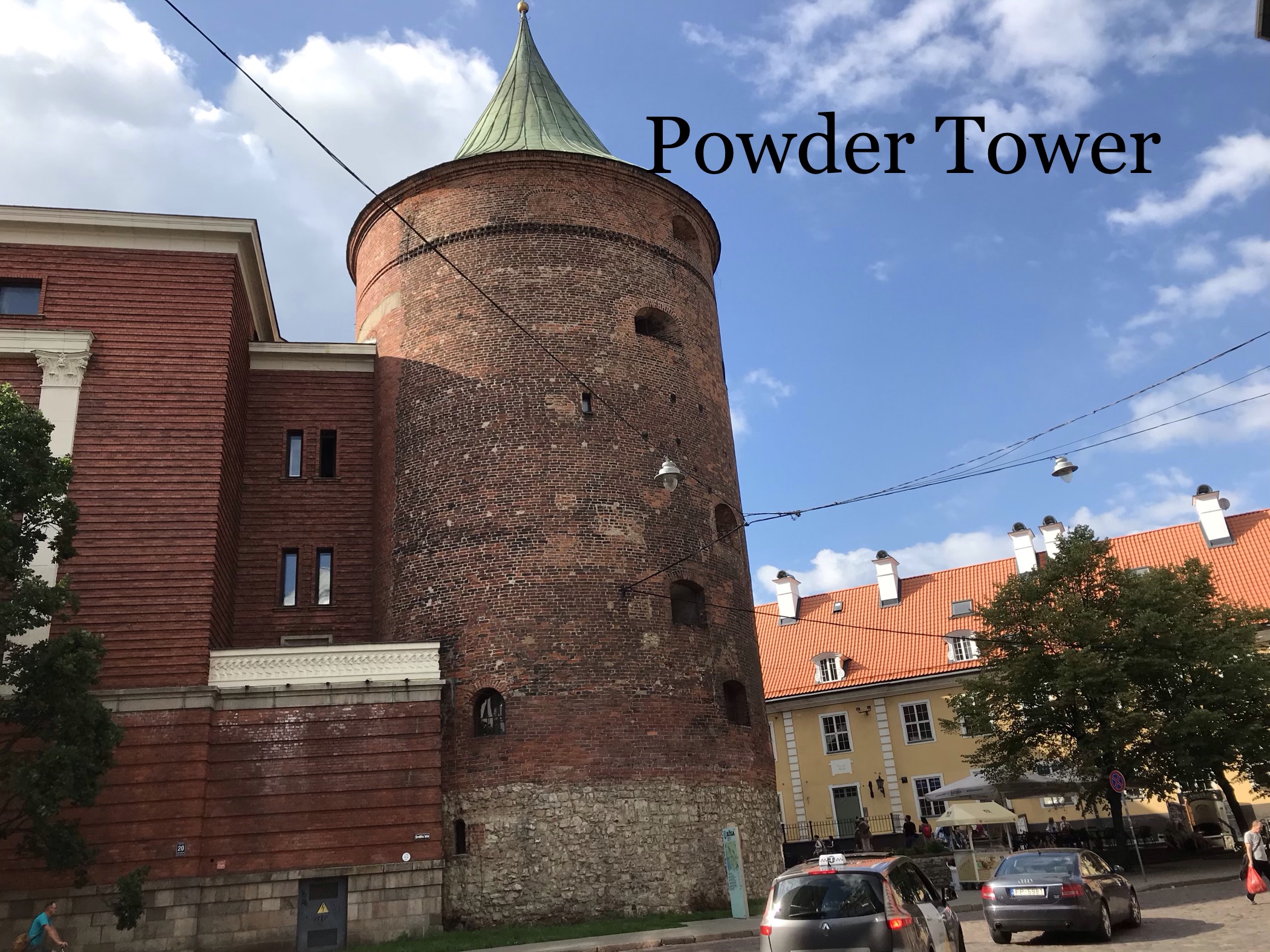
We had coffee and beer next to the Powder Tower, which used to hold gunpowder and is now the war museum. Riga has a lot of museums. The outside of this one is interesting, because you can see cannon balls embedded in the walls, from an ancient battle.

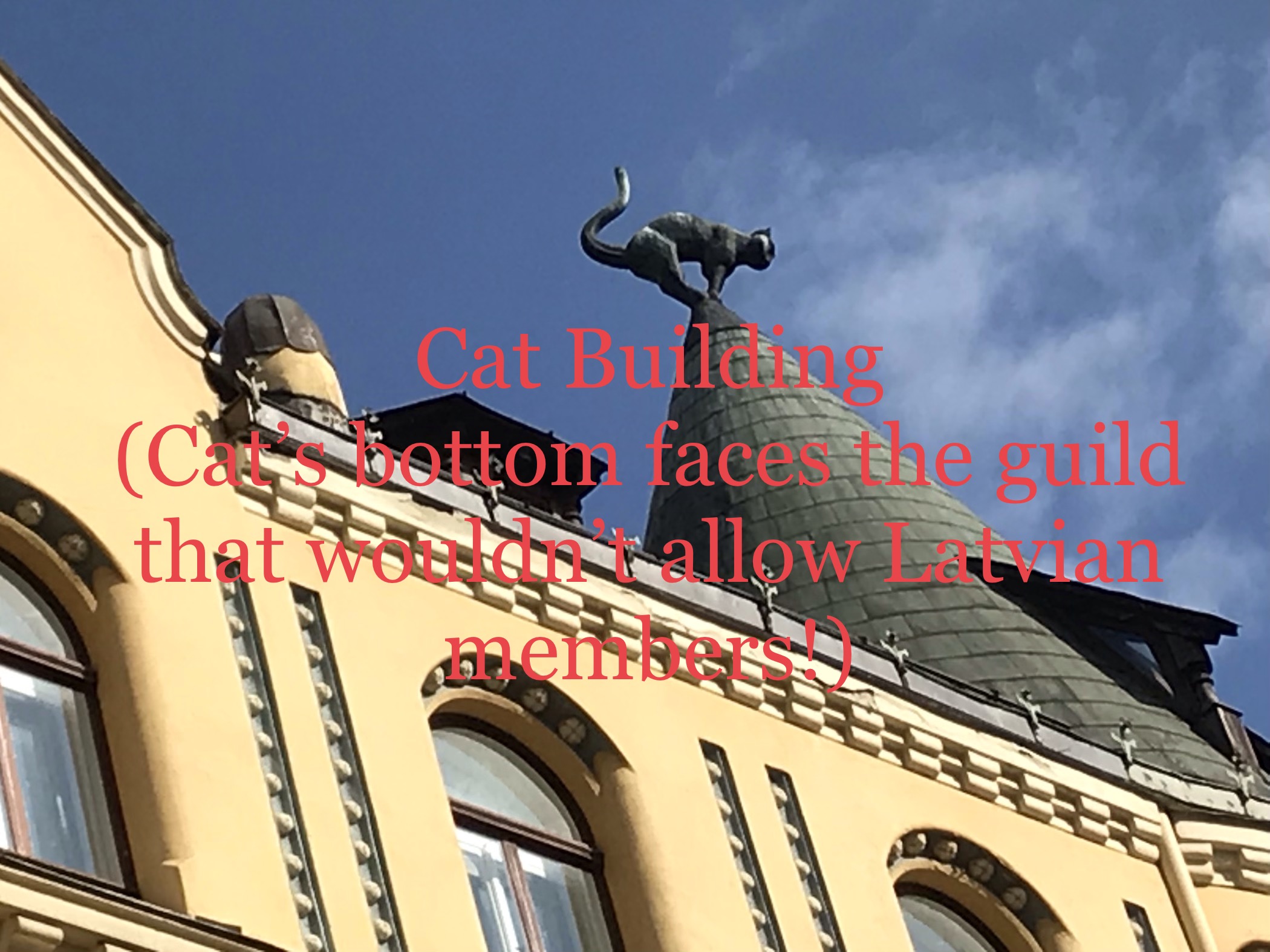
Found ‘Cat House’. This was owned by a merchant who was told he couldn’t join one of the guilds, as it was only open to Germans. He placed two cat statues on his roof, with their tails raised, and their bottoms pointing towards the guild! Later, when the guild finally accepted him, he changed the cat’s position, but they are still on the roof. Many of the souvenirs in Riga have cats on them.

We walked back to the hotel, past lots of churches (Riga has a lot of churches) with scooters whizzing past us, watching our footing on the cobbled streets and waiting many hours at the pedestrian lights.

Riga is very pretty, especially when the sun is shining. I will show you more tomorrow–why not sign up to follow my blog so you don’t miss it?

Thanks for reading.

Take care.

Love, Anne x

anneethompson.com

Thanks for reading.
You can follow my blog at:
anneethompson.com

A laugh-out-loud book about travelling the world with a family. From India to South America, and across most of Europe, this book has been described as “The Durrells meet Bill Bryson”!

If you enjoyed this, why not read The Sarcastic Mother’s Holiday Diary?

Available from an Amazon near you…free if you have a Kindle. A travel diary to make you smile. Buy your copy today.

UK Amazon link

The Queen’s Gallery


Leonardo da Vinci

Leonardo da Vinci

I was invited to a lecture about Leonardo da Vinci at the Queen’s gallery, so I dug out some smart clothes and blagged a lift to the station with Husband. The gallery is a short walk from Victoria, and is tucked behind Buckingham Palace. I looked at all the people waiting, but none of them looked like my group, so I went inside and spoke to a very nice young man, who suggested I loiter in the shop and he would find me when everyone arrived.

The lecture was held in a private room above the gallery. A table was laid with white cups and saucers, the cups had gold rims (like the cups we were served with at St James’ Palace a few years ago). There were silver coffee pots and teapots, and a plate of biscuits. The Queen has very nice biscuits.

While drinking coffee, I chatted to the man who was giving the lecture, Martin Clayton. He was a quiet, intellectual sort of chap, very knowledgeable about Leonardo, and in charge of the collection. I asked if they ever lent the collection to other galleries, and he said they do—which must be a nightmare to organise, and I doubt if he sleeps while it’s in transit. Nothing can be replaced if it’s spoilt, I would hate to be responsible for such momentous work. Apparently, someone from the Queen’s Gallery always travels with the collection, but even so, must be terrifying.

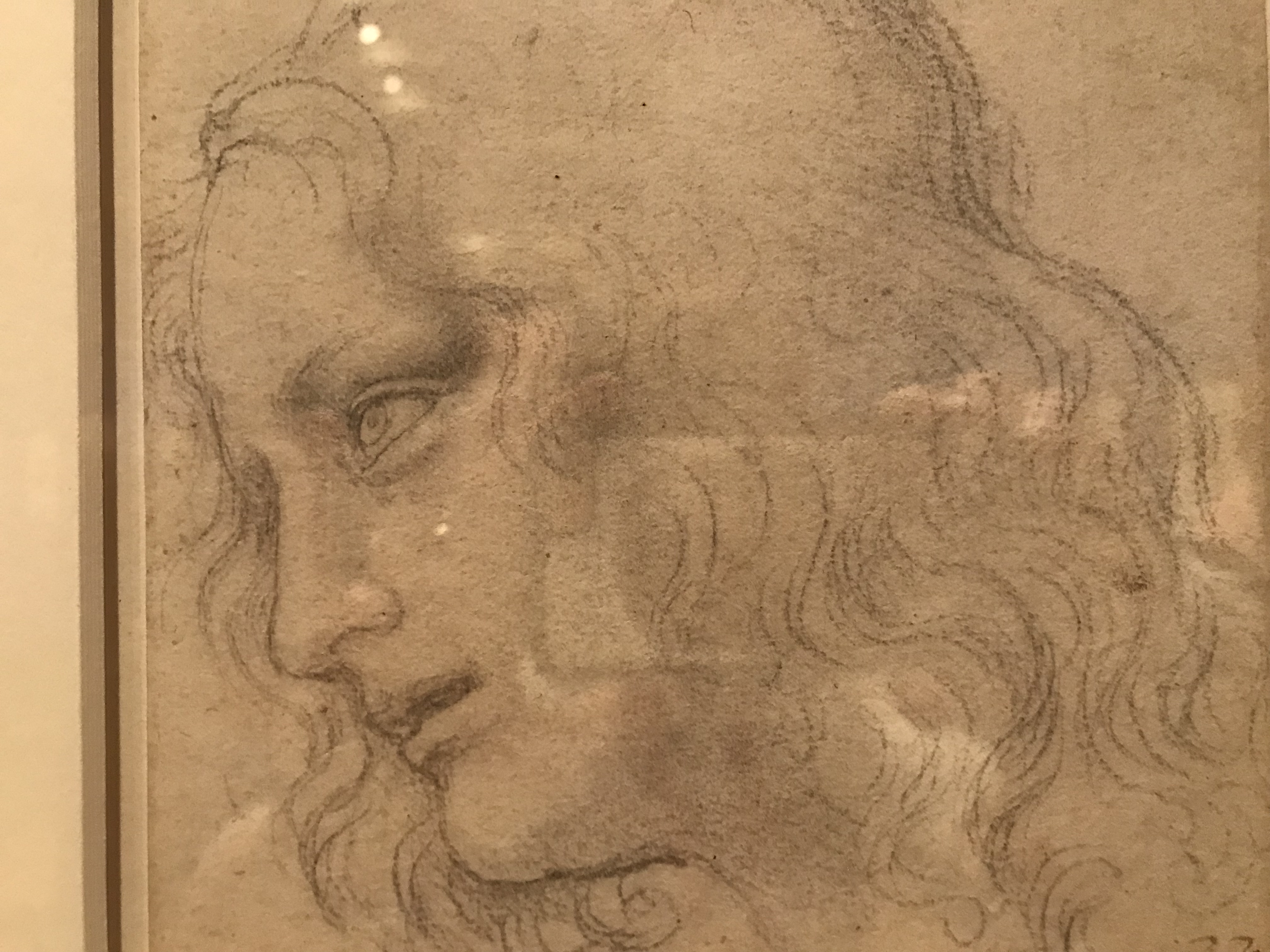
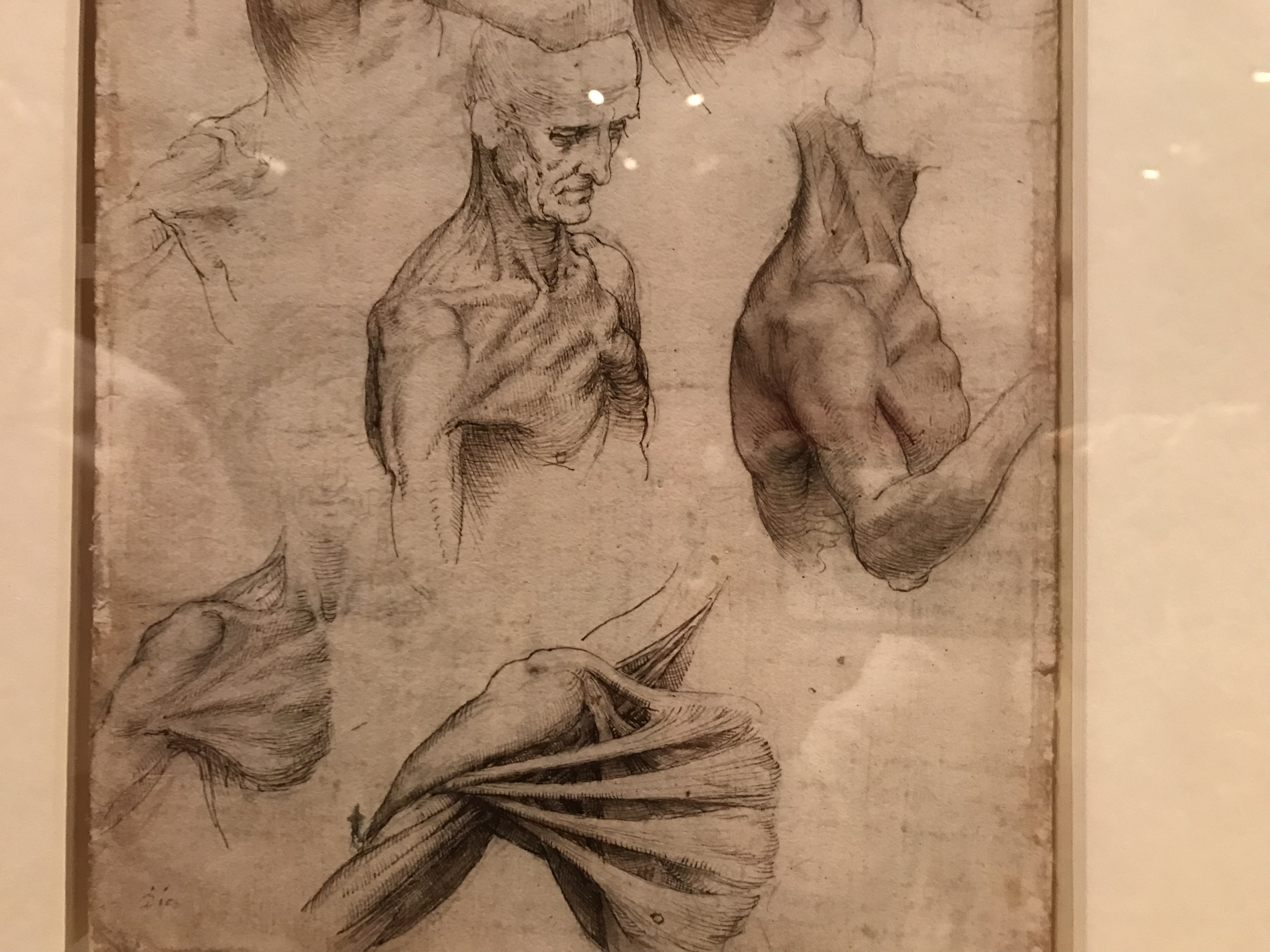
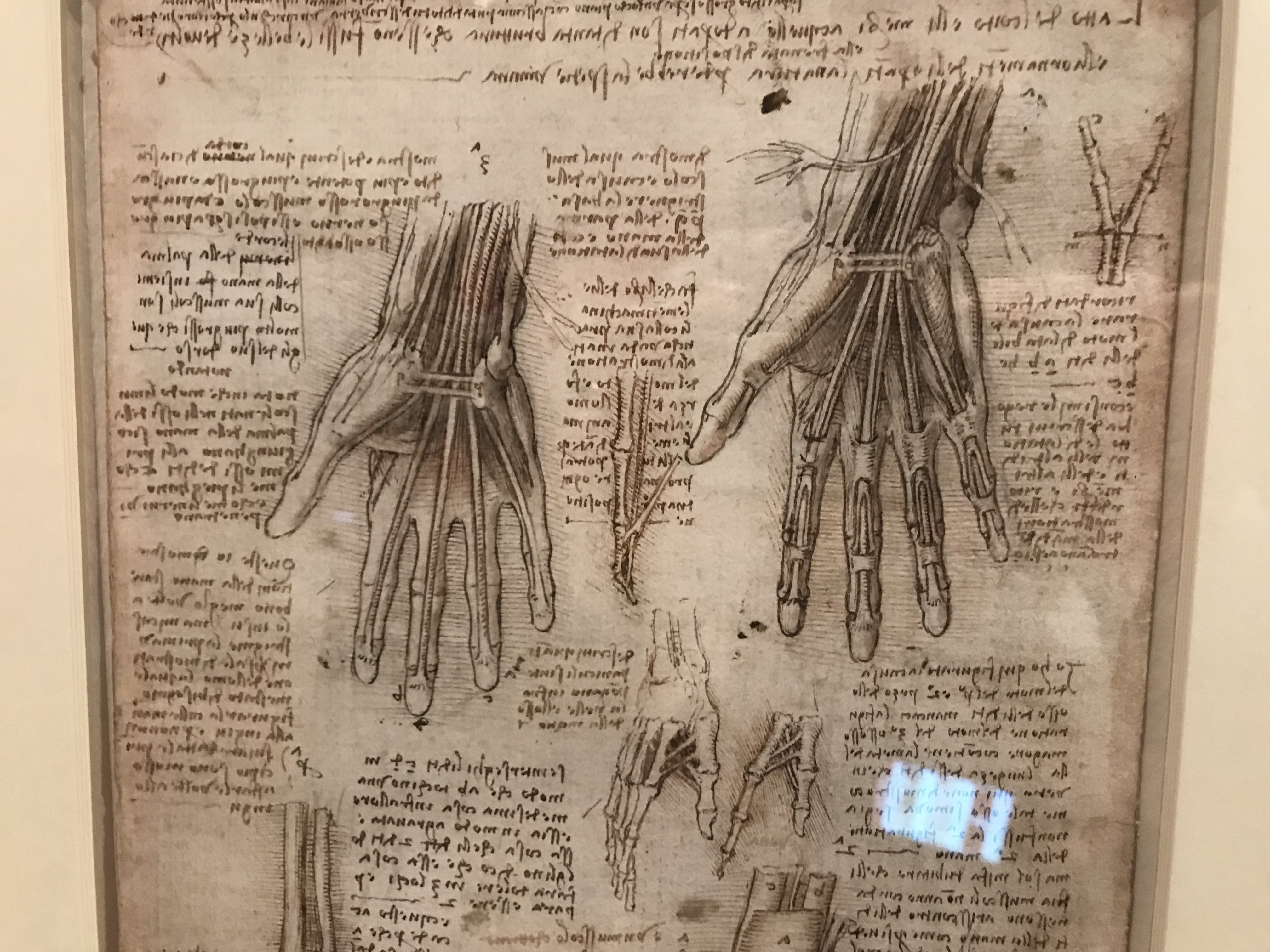
The lecture was fairly short but interesting. Leonardo was born in Vinci in Italy (the “da Vinci” bit means “from Vinci”, it’s not part of his name) in 1452. He was illegitimate, so unable to go to university (but that doesn’t seem to have held him back at all). He was primarily an architect and designer, as well as making sculptures and the occasional painting. He produced copious drawings for all his work, and it is mainly the drawings that have survived. In 1472, printed books were gradually becoming popular, which led to paper becoming an everyday commodity rather than an expensive luxury. For the first time, artists could afford to experiment, to make drawings that would later be discarded. Leonardo drew using a quill pen and ink, and by metal-point (which is when paper is prepared with a thin layer of bone, and is then scraped with a metal point—it produces a brown line-drawing).

Leonardo was left handed, and because it’s harder to push a pen than pull it, he wrote backwards. His writing is very neat, and goes from right to left (perhaps we should teach children today to do this, if they are left-handed. It’s possibly easier.)

Leonardo was fascinated by how things worked, including the human body. Many of his sketches showed the internal organs of bodies, and he dissected dead bodies to find out how the muscles were placed, the chambers of the heart, etc. Much of his work was way ahead of his time. (Personally, I am suspicious as to where he found all his bodies. Some of the drawings, such as those of lungs, are very detailed. I would have thought that lungs collapsed soon after death, so how did Leonardo manage to find so many recently-dead bodies to cut up? Just wondering…)

On 2nd May, 1519, Leonardo died. He left his work to one of his students (he never married, and Martin C suggested he may have been gay). Many of his drawings were bound into a huge album, and this was given to the king in 1670. It has belonged to the Monarch ever since (so the Queen owns them, but only as the ruling Monarch, she cannot sell them).

We then went to look at the exhibition. Apologies for all the reflections on the photos–galleries seem to be unable to have lighting that does not reflect on the glass covering the pictures. Perhaps it’s something to do with preserving them, so they don’t fade, or maybe they need to update their lighting systems.

If I’m honest, I do not really like Leonardo da Vinci’s art. I can see that it’s clever, and his drawings of dissections are very interesting, but I don’t find I have an emotional response to his paintings. I find his people all have a sort of androgynous look to them—the men look effeminate and the women look masculine. I have never seen anything by Leonardo that is pretty or exciting or sad or passionate; they are the sort of highly detailed, very talented, drawings that you might see in an A Level biology portfolio. Even his more famous paintings, like the Mona Lisa or The Last Supper, are not really paintings that make me feel something. Do you like them? Honestly?

Thank you for reading.

Have a good week.

Take care.

Love, Anne x

anneethompson.com

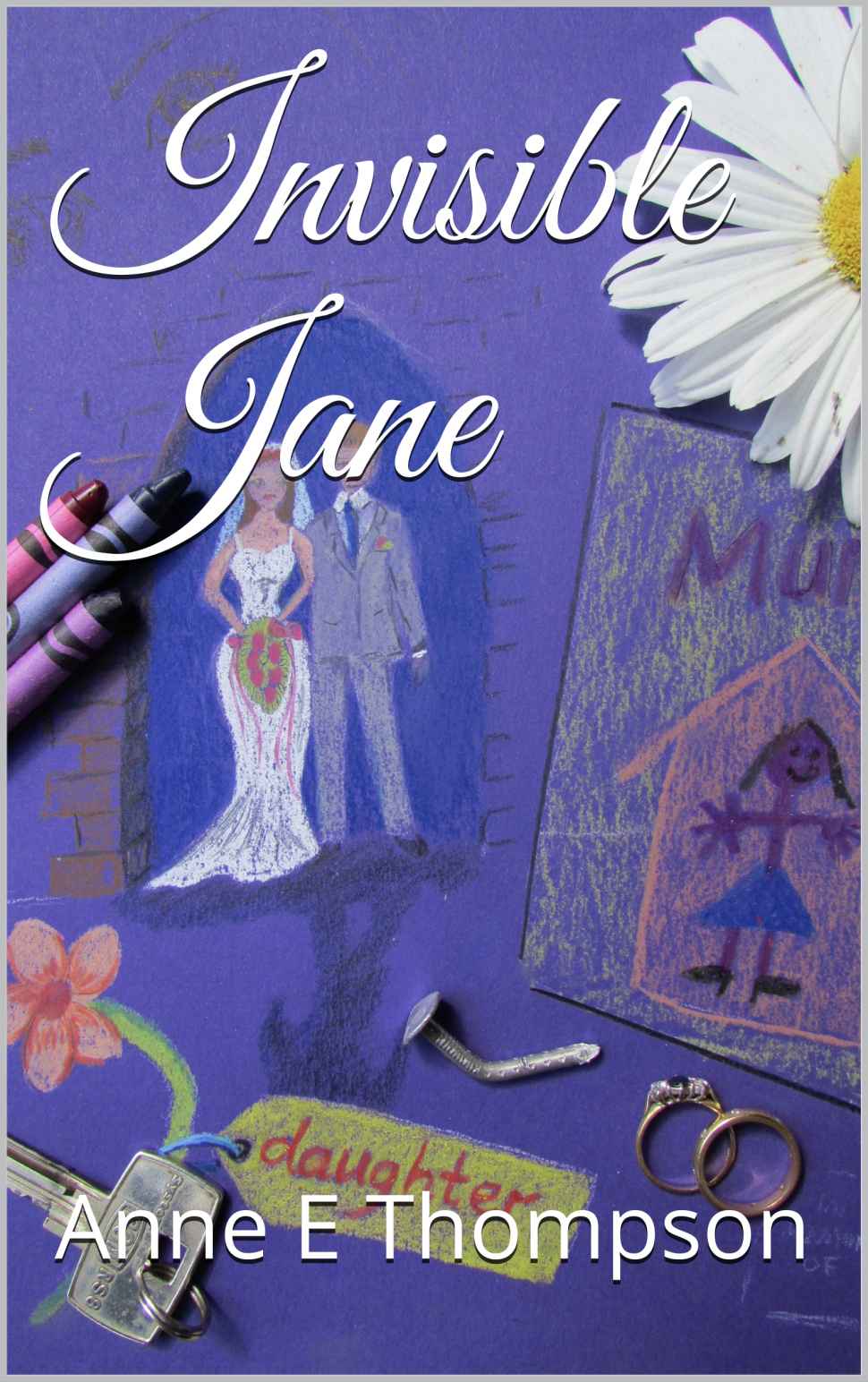
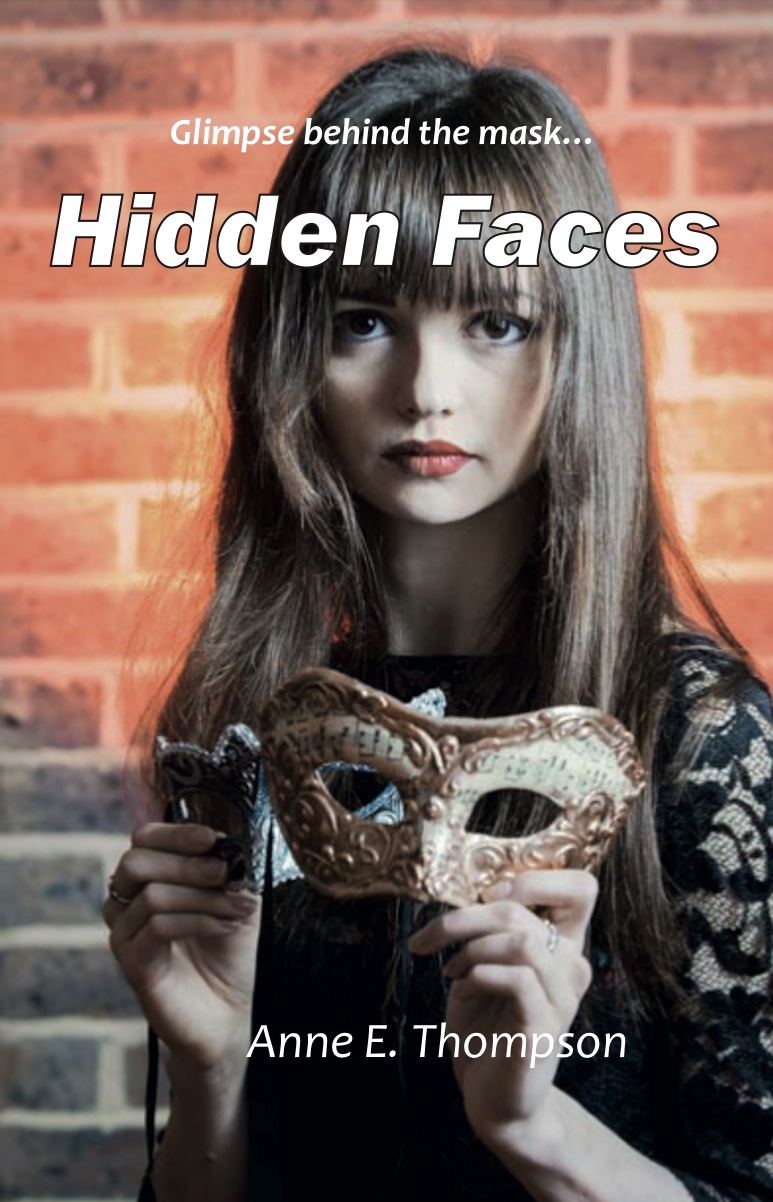
Now is the time to sort your summer holiday reading. Why not take a look at one of my books? Available from an Amazon near you…

A hilarious family saga set on a farm. Being a parent has no end-date, as Susan discovers when her adult sons begin to make unexpected choices in life.
A warm-hearted, feel good novel that will make you smile.

A laugh-out-loud book about travelling the world with a family. From India to South America, and across most of Europe, this book has been described as “The Durrells meet Bill Bryson”!

What if…a happily married woman falls in love with someone else?

This is the story I always promised myself I would write ‘one day’ while I was teaching in an infant school. A light-hearted novel about 3 teachers.

A fast-paced, gritty thriller. This novel tells the story of Joanna, a psychopath, and her mother; because every killer has a mother…


Travel with Clara from an English town to the slums of India, and see how someone bad can achieve something amazing.
An exciting, fast paced novel.
CLARA – A Good Psychopath?
by Anne E. Thompson.
Buy a copy today, and prepare to become engrossed in a whole new world.

An exciting novel, set in the near future. One family shows how they cope with driverless cars, new laws, and schools run by computers.

This tells all the things I wish I had known when first diagnosed. A helpful book for anyone with a potentially terminal illness. It shows how to find a surgeon, how to cope with other people’s fears, how to not be defined by an illness. It also has a few funny anecdotes – because even when you’re ill, it’s good to laugh.
Available from Amazon (you can get it free if you have a Kindle).


An Escape Room in Cambridge


For Husband’s birthday, I gave him a voucher for an ‘Escape Room’—you know, those places where you go to be locked into a room, and then you solve various puzzles until you manage to escape (or you fail miserably and they throw you out because your allocated time has finished). I thought it would be fun if we did one as a family.

Of course, the most difficult part was finding a date when all the family could actually meet, but once that was achieved we were fine. Last Saturday we set off for Cambridge. The second most difficult part was trying to find a parking space in Cambridge, but we even managed that eventually.

We started with lunch in an Italian. I know my family have a tendency to ‘debate’ so I envisioned an afternoon listening to them ‘discuss’ the solution to the puzzle. I therefore decided to drink wine for lunch (I did have some lasagne too, but the wine was the bit that mattered.) After lunch there was a further challenge as we attempted to keep Husband with us while we tried to find where to go (he has a tendency to stride ahead, unaware that the rest of the group is unable to cross the road).

I began to relax once we actually arrived at the Escape Room, feeling that the most difficult challenges were over.

The room was not at all what I was expecting. For some reason, I expected a room, set up like a lounge, with sofas (where I could snooze off the wine) and a table of puzzles for my family to argue over. However, we were met at the entrance by an actor who explained the world was about to be hit by a comet, and then shown into a small room which resembled a cupboard, with a locker (locked) and a desk with a computer, and several posters on the walls. We then attempted to save the world.

In case you’ve never done one of these rooms, you’re not actually locked inside (so you can leave to use the loo or if your family becomes too argumentative). There were also several different aspects to the challenge, so people could try to solve one part, without having to collaborate too much with the rest of the group, and there was no necessity to persuade the rest of the group that you knew the solution, you could simply get on with your own bit—which worked rather well for my family. The puzzles were pretty perfect for us—there were some tricky ones, which it took several people to solve, but it was lots of fun. There was, surprisingly, no heated debate at all, and the whole thing was really good fun.

Oh, and in case you’re wondering, we did manage to save the world…

We visited the LockHouse Games escape room: link here

Thanks for reading, I hope your week has some fun times too. Next week I’ll tell you about my evening listening to random choirs in the shadow of zombies.
Take care,
Love, Anne x

While we were there, I was able to give the family copies of my latest book: Ploughing Through Rainbows. I wanted to write a happy book, so decided to write about a family on a farm, and as I wanted it to be a funny book, I gave the farmer four sons. However, there are also some gritty issues in the book, as it also shows how the mother, Susan, copes when one of her sons tells her that he is gay. Susan is a Christian, and the book shows her journey as she explores what parenting involves when faced with this news.

Please buy a copy, and tell someone else about it. It’s available from an Amazon near you, as both a Kindle book and a paperback. Links below. Thank you x.

paperback link

kindle link

India link

US link

Visiting Auschwitz


Visiting Auschwitz

We followed a long line of coaches and minibuses, alongside the disused railway line, to the car park. It was a huge car park, with hundreds of people. Our guide went to park, and we went in search of washrooms.

The washrooms are in the basement of a brick-built building—we stand in line on stairs which wind downwards, the walls are grey, the steps are concrete, surrounded by people speaking various languages—we pay 2 zloty to the women at the counter—we file into the clean but over-used cubicles. There are lots of people, everyone sombre, all sort of waiting for what comes next on our tour. Which has faint echoes of the past with the immense difference that we are here voluntarily, and only our emotions are at risk.
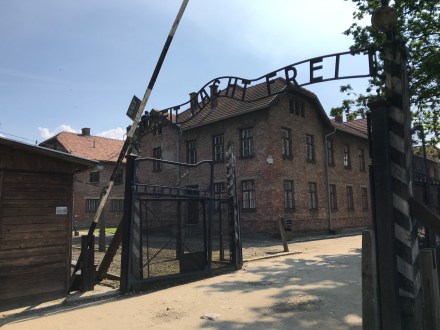
We are at Auschwitz 1 (there were two camps—I’ll explain later). This camp has the iconic gateway, with ‘Work Makes Free’ welded above it. We walk through the gate, into the camp, and look around. My first impression is that there are trees (were there trees when it was a prison, or have they been added since it became a museum?) and that it is relatively small—when you stand in the centre you can see all four corners. It reminds me of a students’ hall of residence, which is perhaps not surprising as it started life as a barracks for Polish soldiers, though was extended by the Nazis.
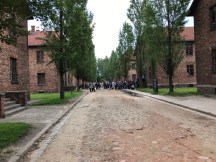
Auschwitz is the German translation of Oswiecim, a small town in Poland, which before the war had a population of about 70% Jewish Poles. It was chosen because of its position, in an area of forests, near good resources, with excellent transport and several large industries (which could be supplied with workers). The Nazis turned the barracks into a prison, filling it with anyone who was deemed to be an enemy of the state (so initially, mainly Polish people who were resisting the occupation, and later gypsies and Jewish people). It was designed as a work camp, with the prisoners sent out of the prison to work, marching to the nearby factories. As the war progressed, the inmates were gradually starved, abused and finally executed.

Auschwitz is now a museum, and although it’s possible to visit alone, there is more opportunity if you have a guide. When we arrived, we had our bags checked (you can’t take much more than a bottle of water and sunglasses inside) and were given headphones. These connected to a microphone which our guide spoke into, making it easy to hear him, so there was not a general cacophony of noise with various guides all trying to out-shout each other. It also meant that when I wanted to simply think and absorb what I was seeing, I could turn him off (though that probably wasn’t the plan). We did though have to follow the route that the guide chose.

We were taken to the extermination block: Block 4. We filed inside, squashed on all sides by people from around the world, a murmur of other languages, cameras in hands, bags slung on shoulders. The building smelt clean, but of bodies—a bit like a school. The stairs were dipped, worn down by thousands of feet—but during the war, these buildings were relatively new, it is tourists’ feet that have worn things down.

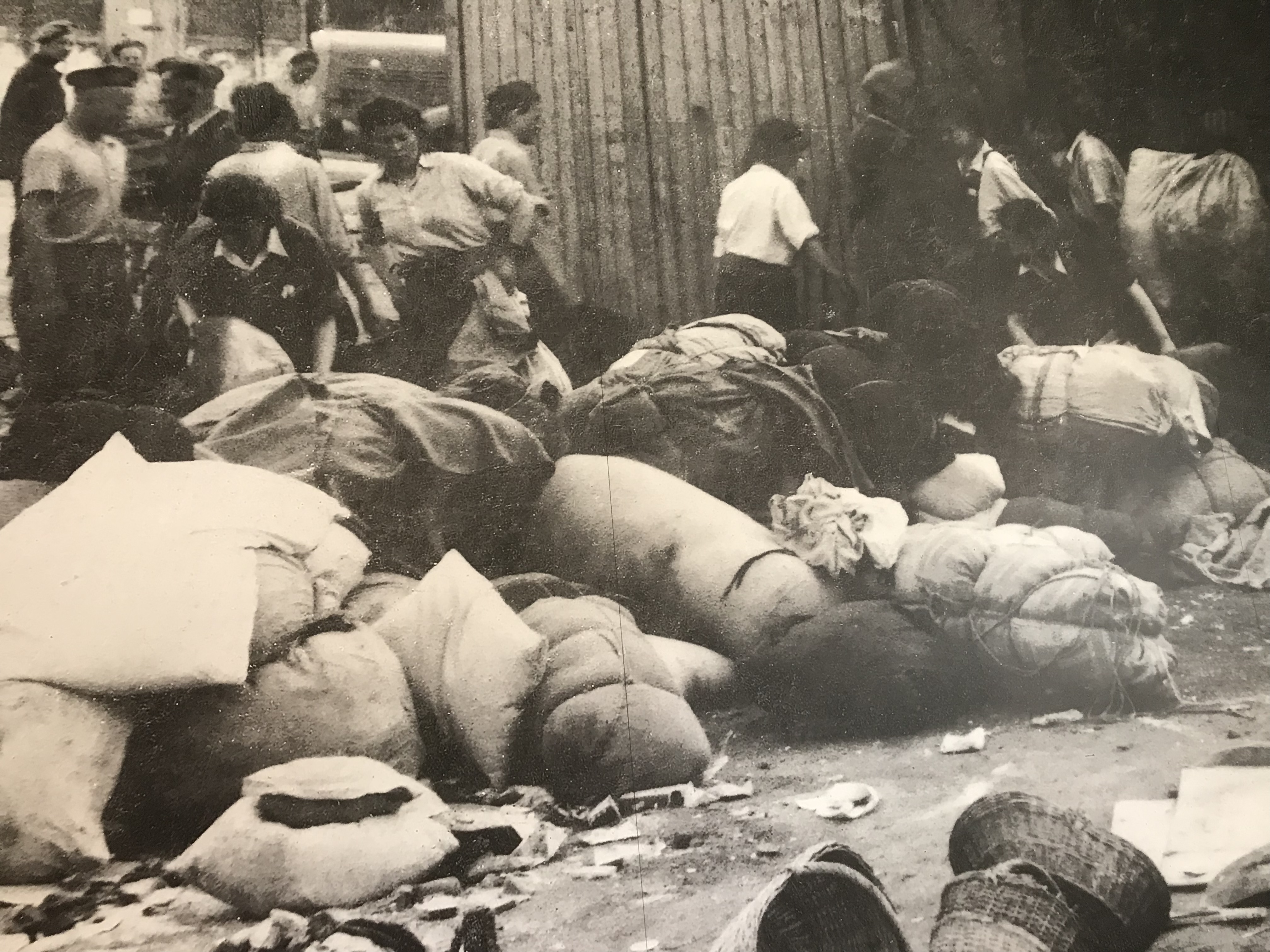
The block has been set up like a museum, with display boards and signs and maps and photographs. (The photographs were found by chance, by a little girl after the war, and were taken by German photographers.) The map showed how people from all over the occupied world were sent to Auschwitz. In 1942, the inmates changed to being mainly Jewish, and it became a death camp. The numbers are so big they begin to lose their meaning. The local town became full of German families, moving into the area.

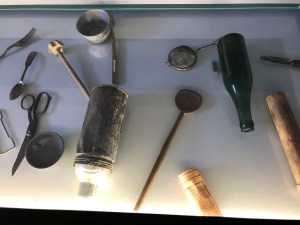
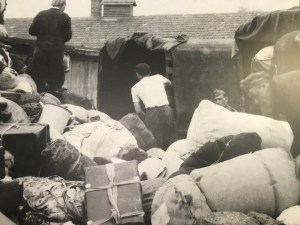
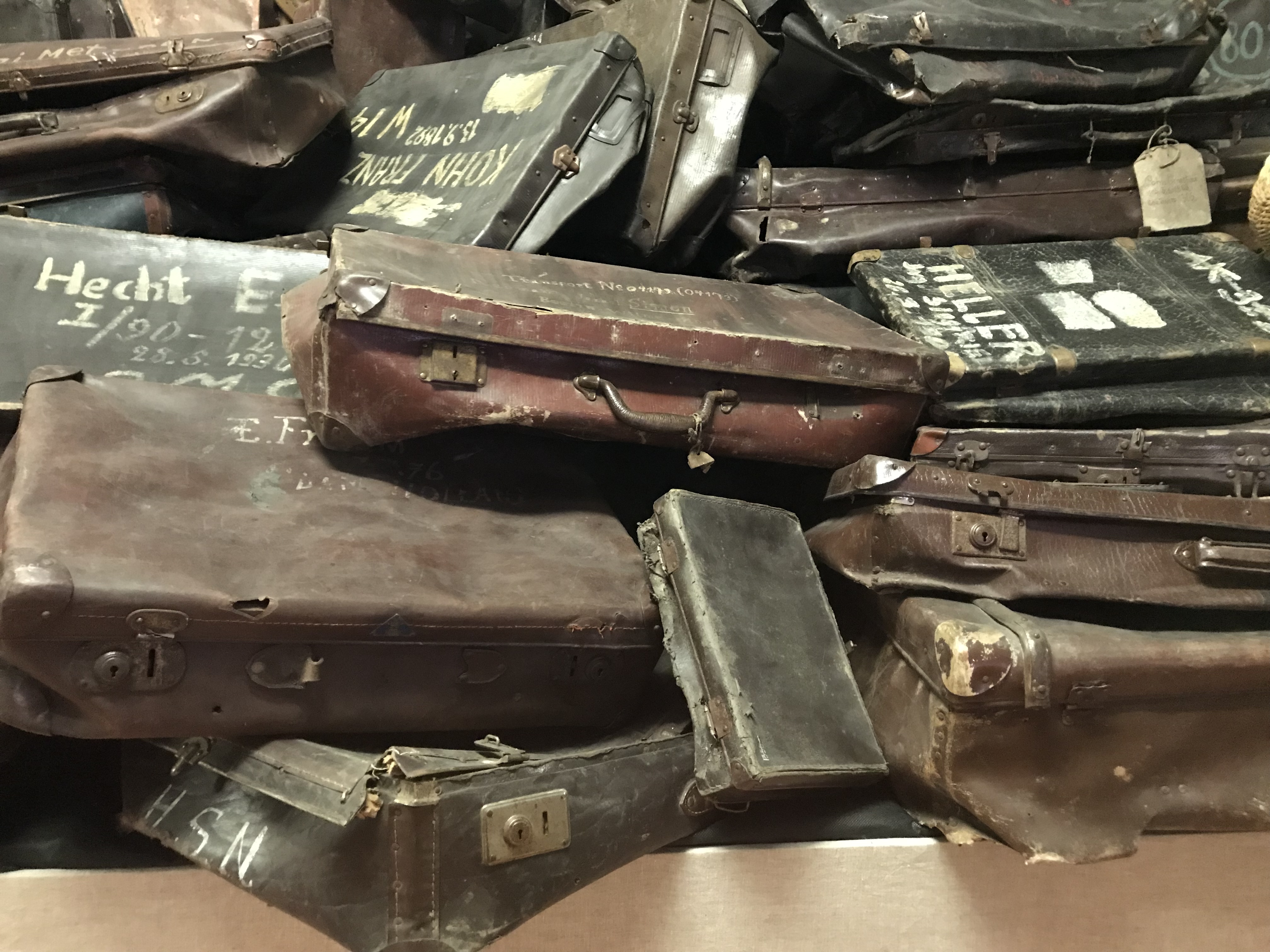
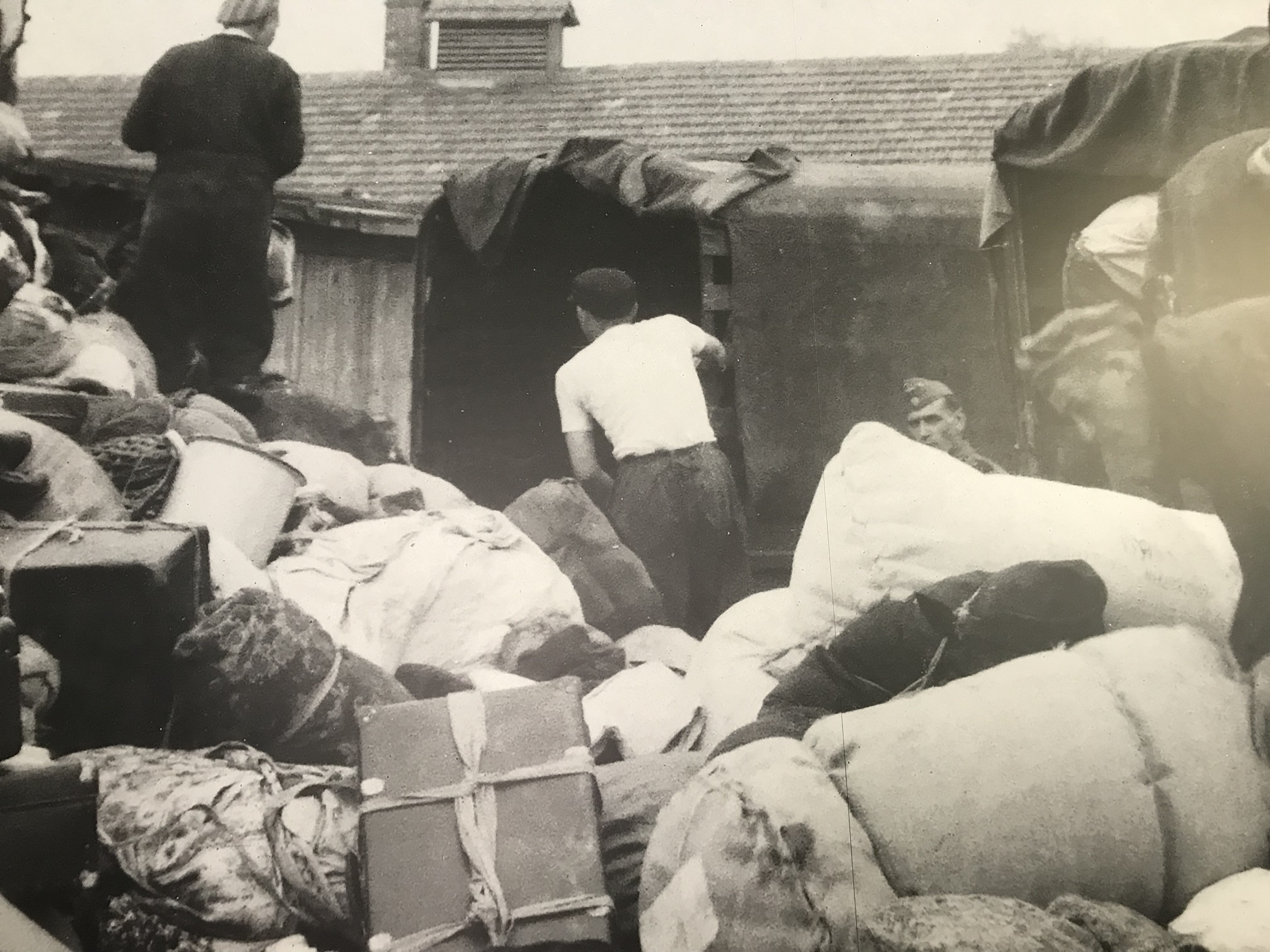
The displays explained facts from both prisons (Auschwitz 2 is much larger). It showed how the Jewish people had been told that they were being relocated, and they paid to buy tickets to Auschwitz. They were told how much they were allowed to bring: up to 25kg of stuff, and we saw displays of their possessions. What, I wonder, would you pack if told to relocate with only what you could carry? There were scissors, and rolling pins, pots and cutlery. On arrival, people were told to leave their bags and go to be disinfected. We saw heaps of their luggage, briefcases and baskets. There was another display of their clothes—a child’s clothing was displayed in a glass case; the clothes were handmade and I wondered who had knitted the socks, who had sewn the trousers? Another display was heaped with shoes, most of which looked faded and dusty, but you could still see fashionable sandals, and fancy heels, and children’s shoes scattered at the front. The inmates were shaved, and there was a display of their hair, faded grey now, and matted with time, so it more resembles old wool than human hair. It was used to make blankets and socks for the war effort. There was a display of crutches and false limbs, which made you realise the scale of the operation, and made you wonder how it felt to relinquish these last, necessary, items. There were shaving brushes, and hairbrushes, and brushes (like my dad had when I was young) for polishing shoes. One display was given to prayer shawls.
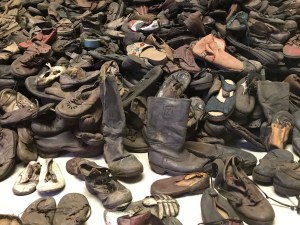
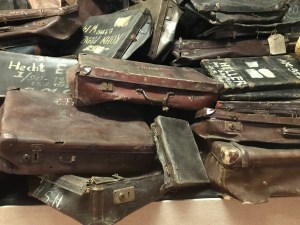
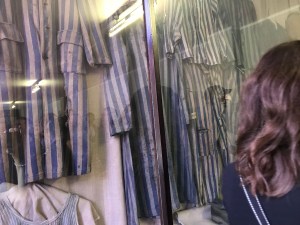
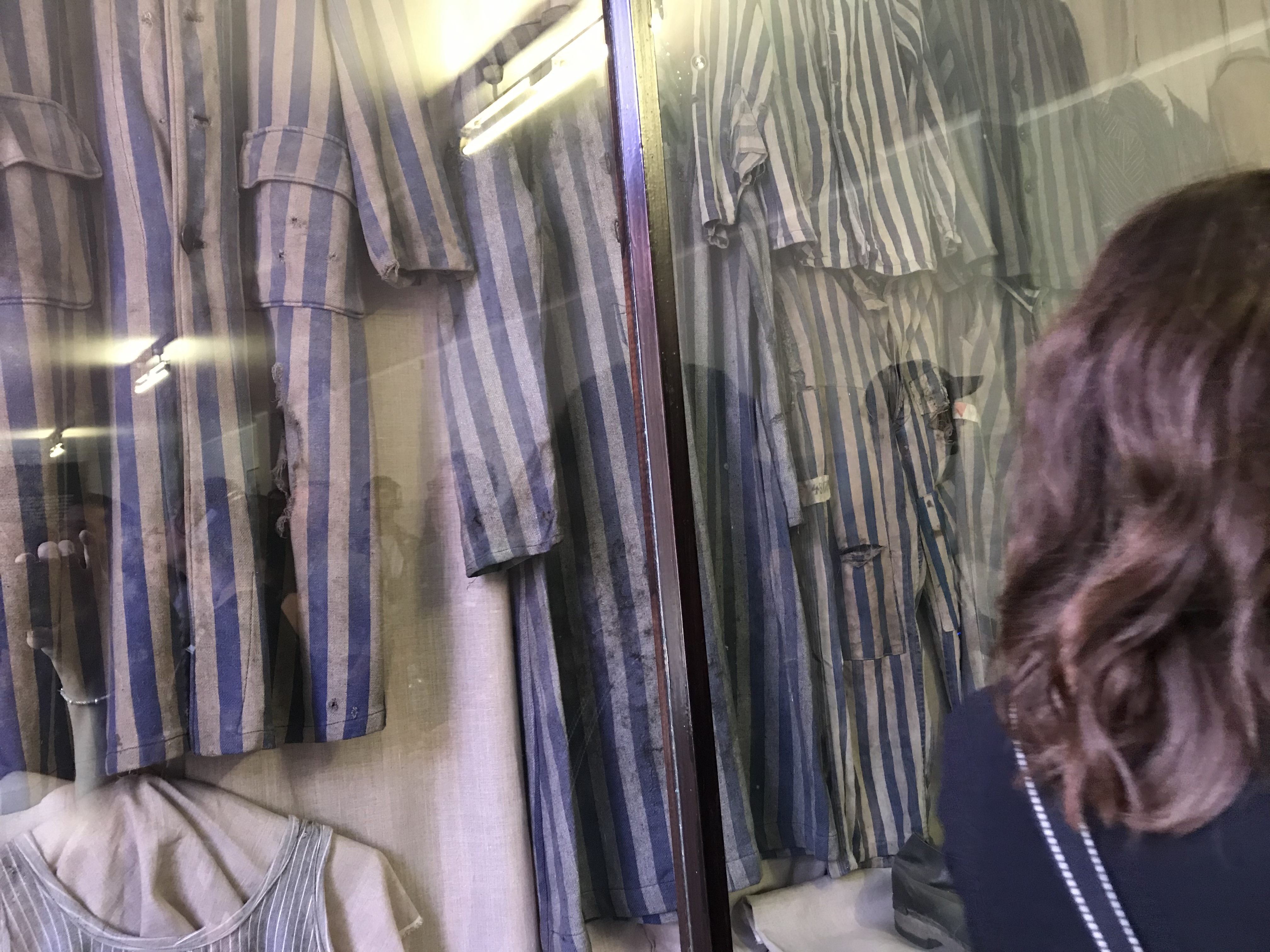
After being shaved and showered, the prisoners were given uniforms—the blue striped pyjamas that we recognise from films. This was their only uniform, so if they couldn’t wait to go to the washrooms (only allowed toilet visits morning and evening) or if it got muddy, it stayed dirty. I guess that dirty, stinky, people are easier to dehumanise.

When they arrived, they gave their profession. It was best to be something useful (like a welder, or jeweller, or cook) rather than useless (like a lawyer or accountant—they were sent off to do hard labour).

We were taken (not my choice) to the ‘judgement block’. Some of the things were heard about were horrid, so I shan’t repeat them. We saw the wall where people were shot (I believe the original wall was destroyed, so this was reconstructed in the same place). This now has flowers and candles, with the Israeli flag flying behind it. People paused for a moment, some crossed themselves, couples held hands, people bowed their heads as if praying. It’s in a sunny courtyard, and we could hear birds singing, and the crunch of footsteps, and the murmur of guides’ voices. Then we walked, though the open wooden gates, away.

The next block was the one which I found the most affecting. It was simply showing home-movies, taken before the war. As the images flickered on the walls: a child learning to ride a bike, a family swimming, a school concert—you remembered that the people who died here had lives which were not so dissimilar to our lives today. This did not happen hundreds of years ago in a strange land. This was Europe, less than a lifetime ago.

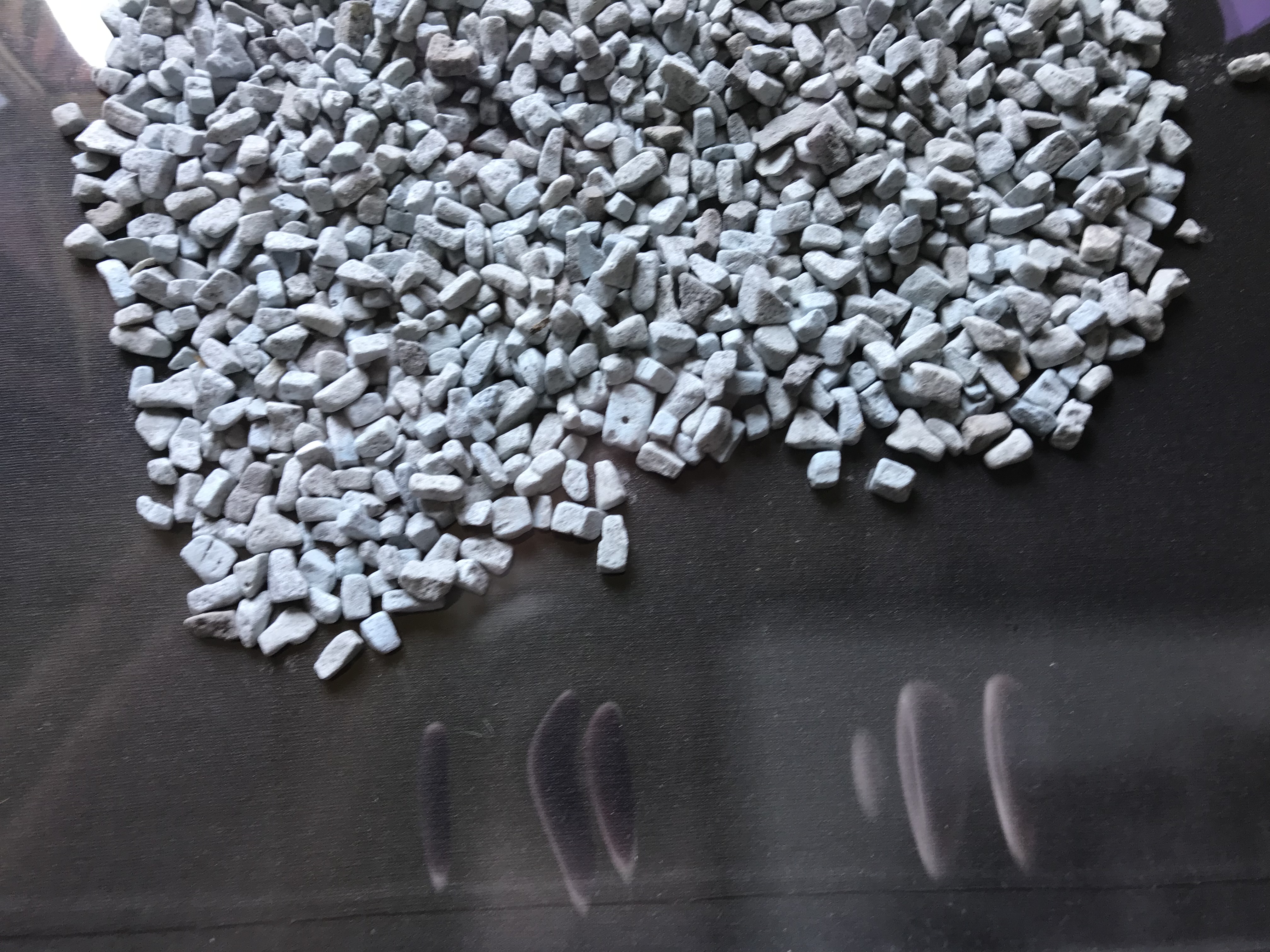
Auschwitz 1 was where the first experiments with gas were undertaken. Zyklon B was used before the war, as a disinfectant. It is blue/grey pellets, and was sent to the camps in tins. I won’t describe how the Nazis refined their techniques, because it was horrible, but they eventually built a concrete gas chamber, and it still stands today.

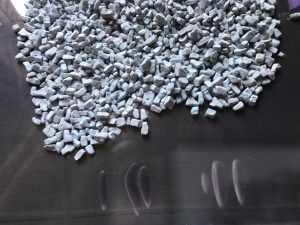
As we were about to enter, our guide pointed out the corner of a house, next to the camp. This is where Rudolf Höss lived with his family. I cannot imagine raising my children in such a place (clearly what the book The Boy in the Striped Pyjamas was exploring.) We looked at the flat-roofed concrete building used as a gas chamber, and went inside.

There was an outer room, where people would undress (because undressing a corpse is difficult). There were drains in the floor, it was dimly lit, everything was concrete. We shuffled forwards in the line of people, into the main room. Concrete floor, concrete walls, concrete ceiling. There were scratches on the walls (don’t think about it) and drains in the floor and holes in the roof where the gas was added. I expected to feel upset, or claustrophobic, or frightened, but I didn’t. If it reminded me of anything, it brought back memories of changing in a damp concrete changing room at the swimming pool at Letchworth—not a nice place, but still just a place. I didn’t feel the echoes of the people who had gone before, I don’t think their ghosts have lingered.

Then we walked into the area used as a crematorium. There were rails and turnstiles on the floor for efficient moving of heavy bodies, and large brick-built ovens. As we stood, in silence, thinking, a woman started to weep; the only sound was of her sniffs. I touched her arm, and she clung, briefly, to me, needing the comfort of another human. I have no idea whether we speak the same language, but we are both human, and that was all that mattered—which is sort of the point of visiting this place, trying to grasp how humans could lay aside their humanity so easily. One of the saddest things I saw was the photographs of the Nazi soldiers; they were young people. They didn’t look evil, they just looked like the young people who I know and love. How could this have happened?

We went to Auschwitz 2. I will describe it for you tomorrow. Why not sign up to follow my blog so you don’t miss it?

anneethompson.com
Kraków


We were in Kraków for the Dragon Festival. I didn’t even know there was a dragon festival in Kraków, so in case you are as ignorant as me, here is a little history:

Long ago, in the caves under the castle, there lived an evil dragon. The people weren’t too keen on this, as it ate their sheep and children, so they wanted someone to kill it. One day Krak, a lowly shoemaker, managed to entice the dragon to eat a sheep full of gunpowder, so the dragon exploded. The king was so pleased, he allowed his daughter to marry Krak, and they lived happily ever after in the castle on the hill. The people settled around the base of the hill, and this became the city of Kraków (I have been unable to verify certain facts).

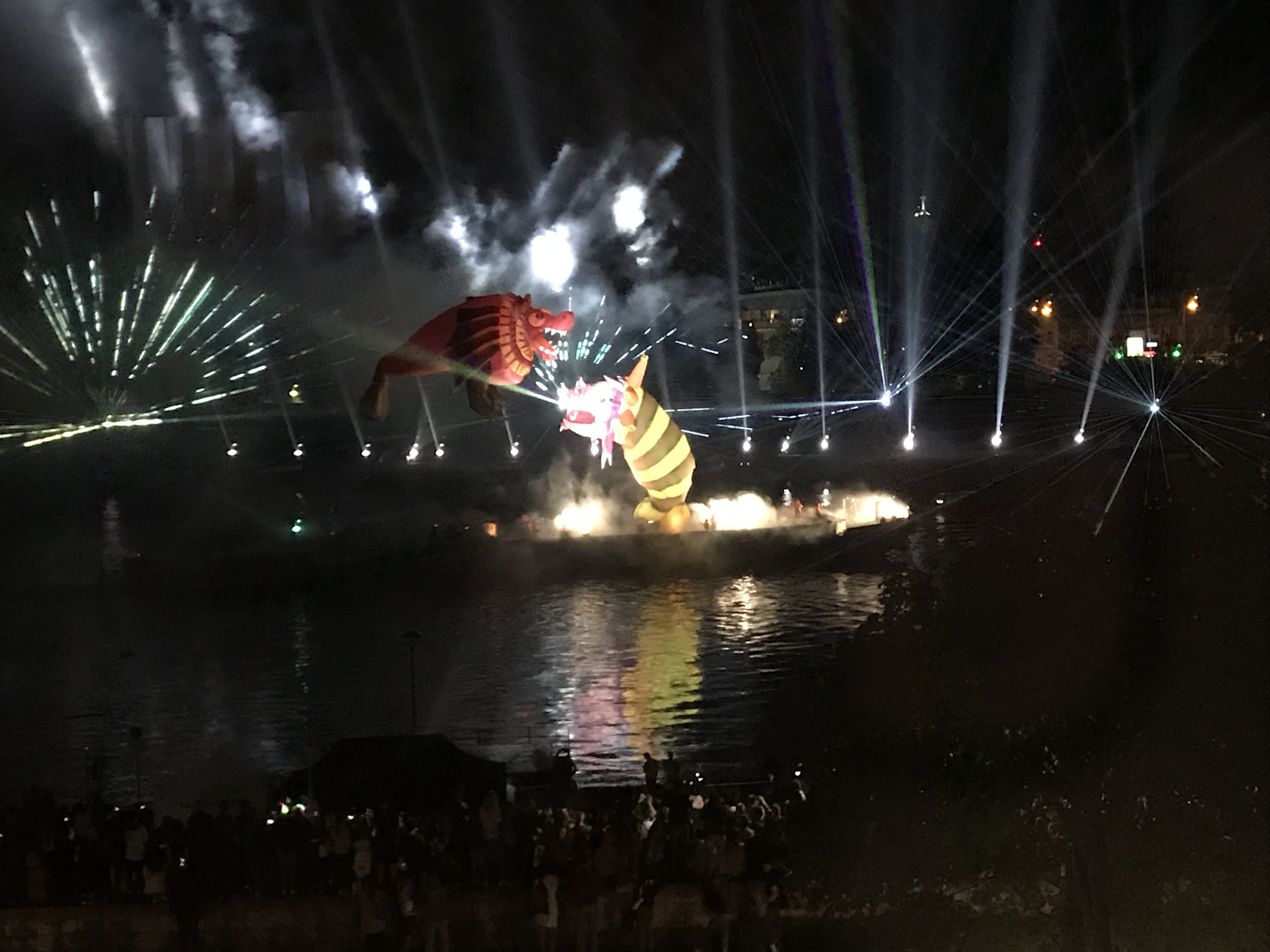
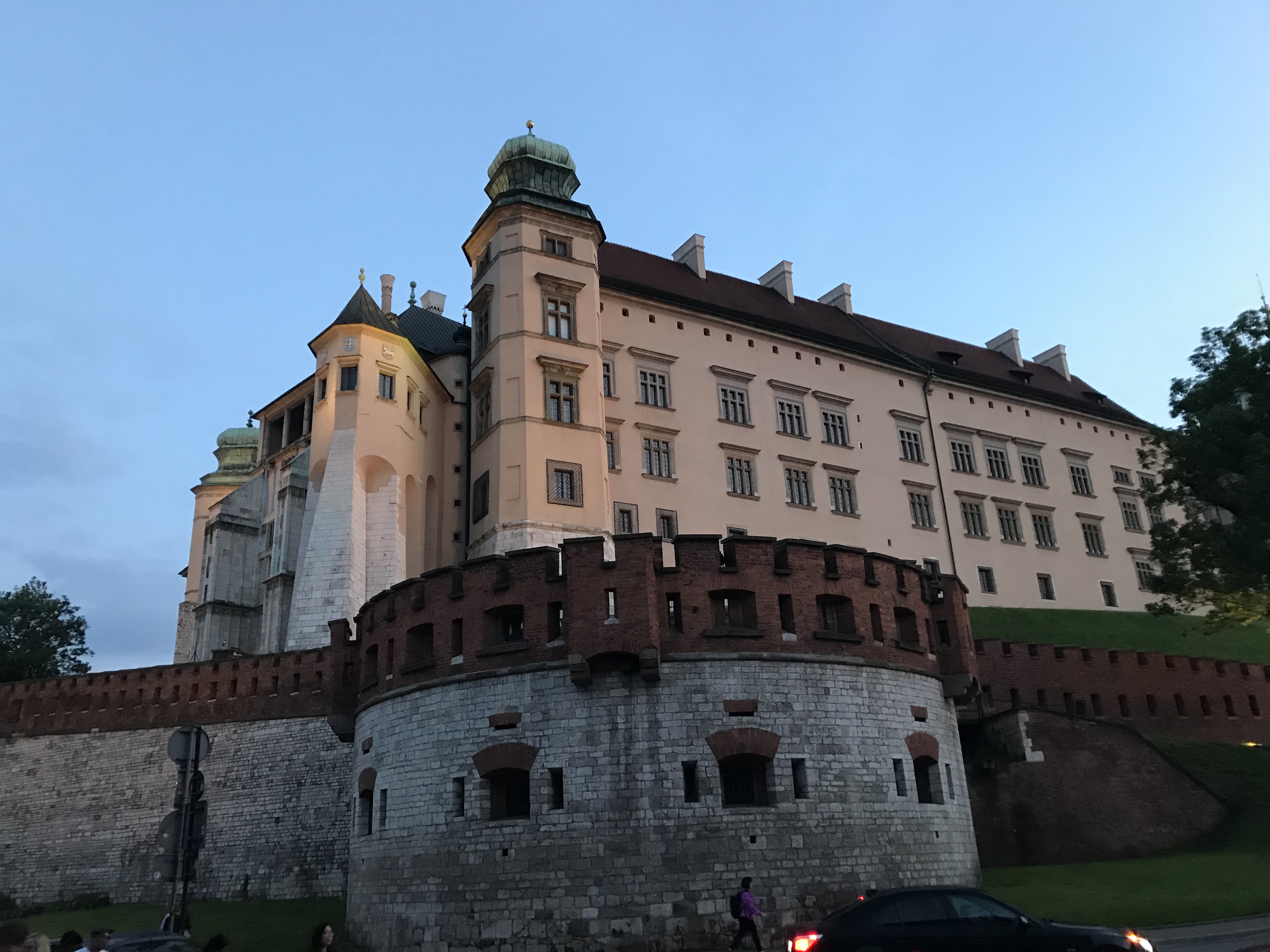
Each year, the city has a festival. There are fireworks across the river, and lasers, and giant dragon balloons, all accompanied by music. As our hotel was just opposite the river, we had a fabulous view, which was all rather unexpected and great fun. The next day, hoping to do some research, I walked up to the castle. There is a statue of the dragon, which breathes fire at certain times (I managed to just miss it in my photograph) and you can see his cave behind, which proves the story must be true.


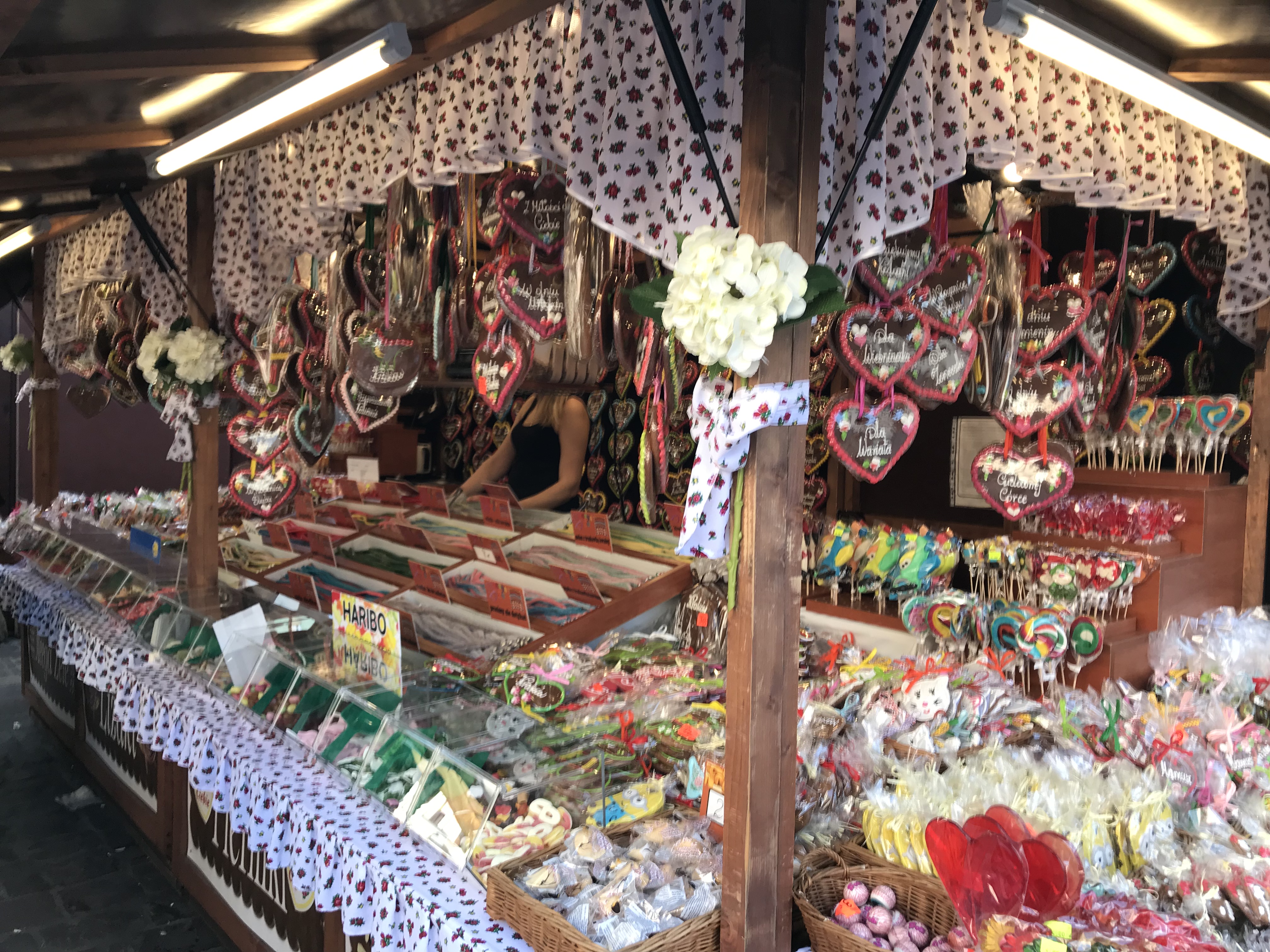
I love Kraków. We walked through the markets, and bought donuts to eat (traditionally, these should be filled with marmalade, but we chose the plain sugar ones). The buildings are beautiful, there weren’t too many stag-dos, and the sun was shining. Eating is easy, as everywhere seems to be very clean, and cheaply priced, and friendly. We had a traditional meal at Sasiedzi one evening, when we sat under vines in the courtyard and ate by candlelight. The following night we ate at Galicyjska, which was a lovely restaurant in the cellar. It was beautiful, and my only wish was that we had bought Son 2 so he could finish all our leftovers!

The real reason for our trip, however, is rather more serious. We have planned a tour of Auschwitz. I’m not sure what to expect really, I will tell you tomorrow.

Thanks for reading.
Take care,
Love, Anne x

You can follow my blog at
anneethompson.com


Have you seen my latest book? The Sarcastic Mother’s Holiday Diary by Anne E Thompson

Why not have a quick look at it now? Available from Amazon.