More Travel


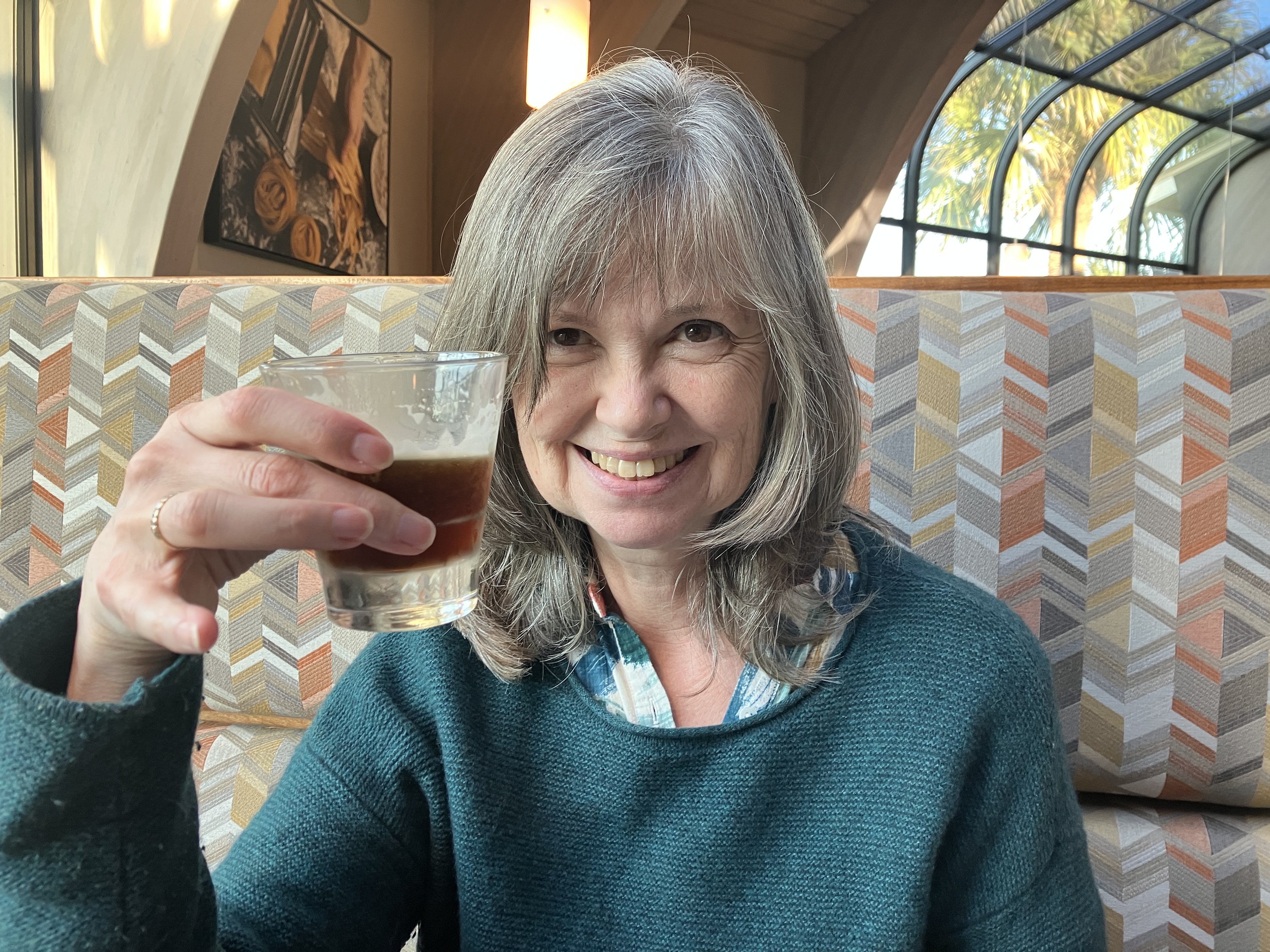
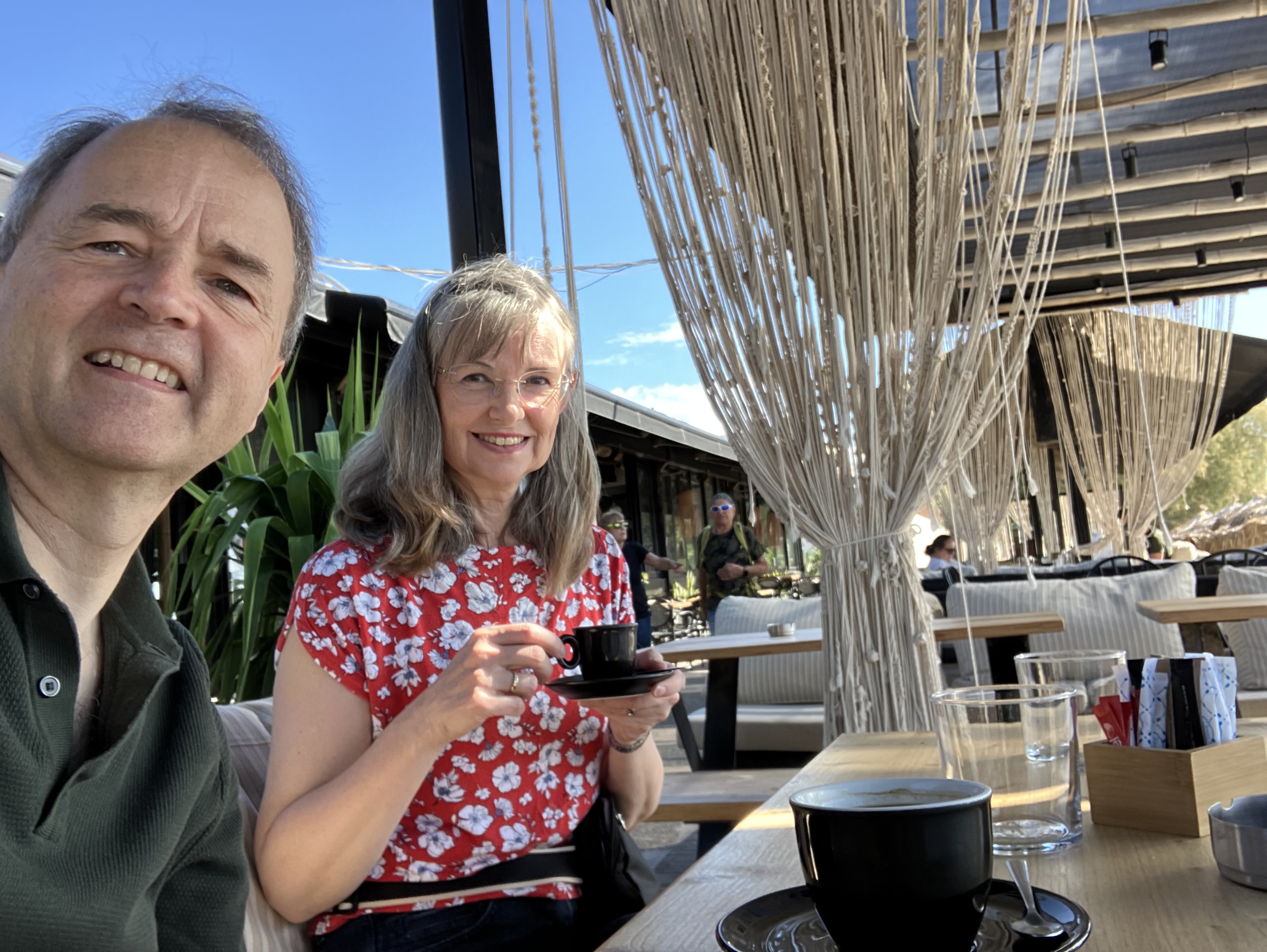
After Sanibel we drove to a motel in Brooksville. I can’t tell you anything about Brooksville. We stayed in a Fairfield Inn (always reliable) next to a busy road. When we went for our morning run I was not worried about alligators (my usual fear when running at dawn in Florida) but we did inhale lots of car fumes. Other than that, it was good. We ate in ‘Glory Days,’ a sport’s bar, which is less seedy than it sounds. It served delicious espresso martinis, in proper glasses, so I was happy.

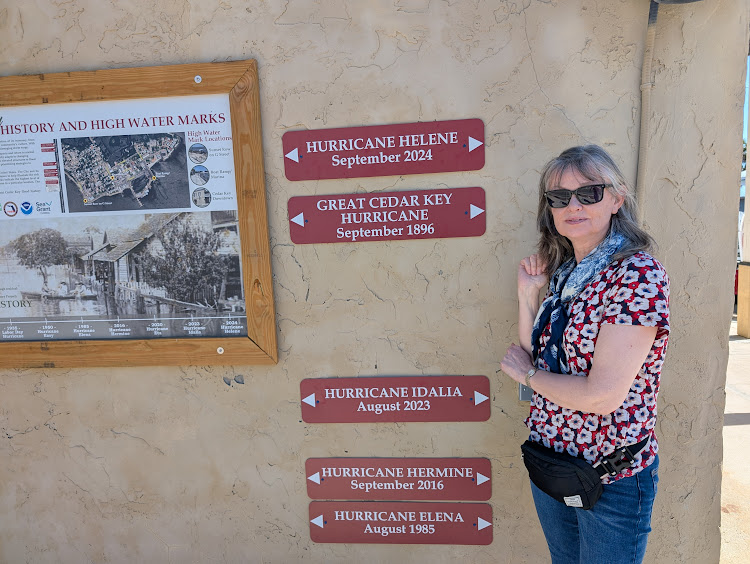
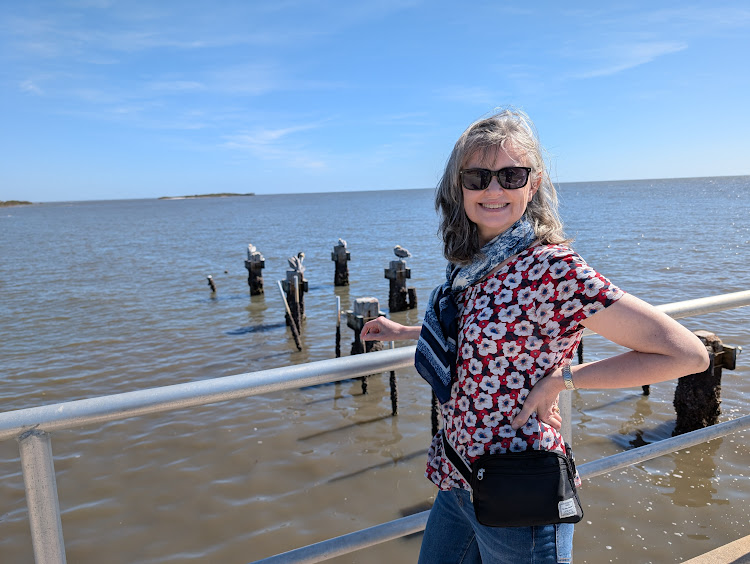
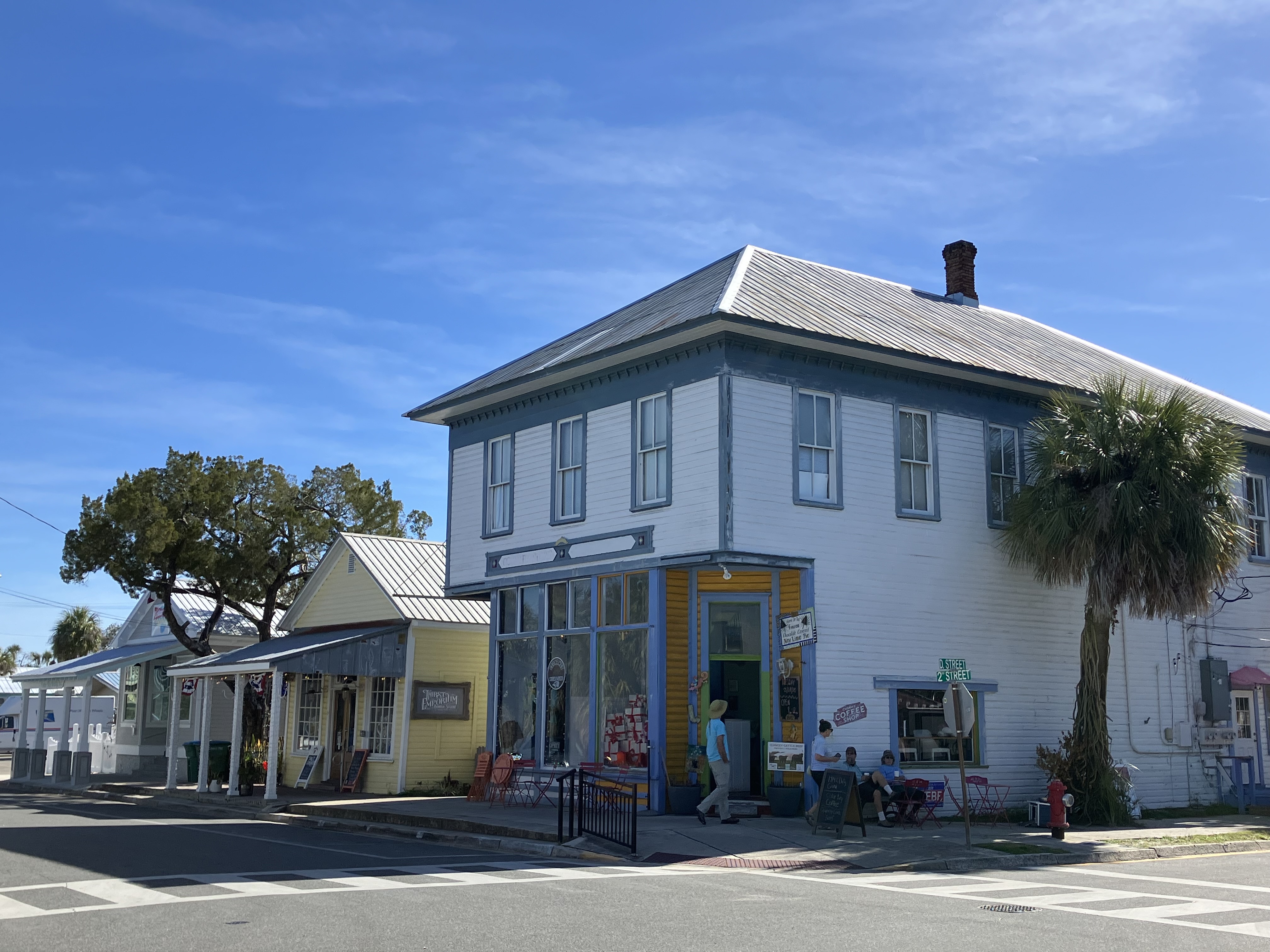
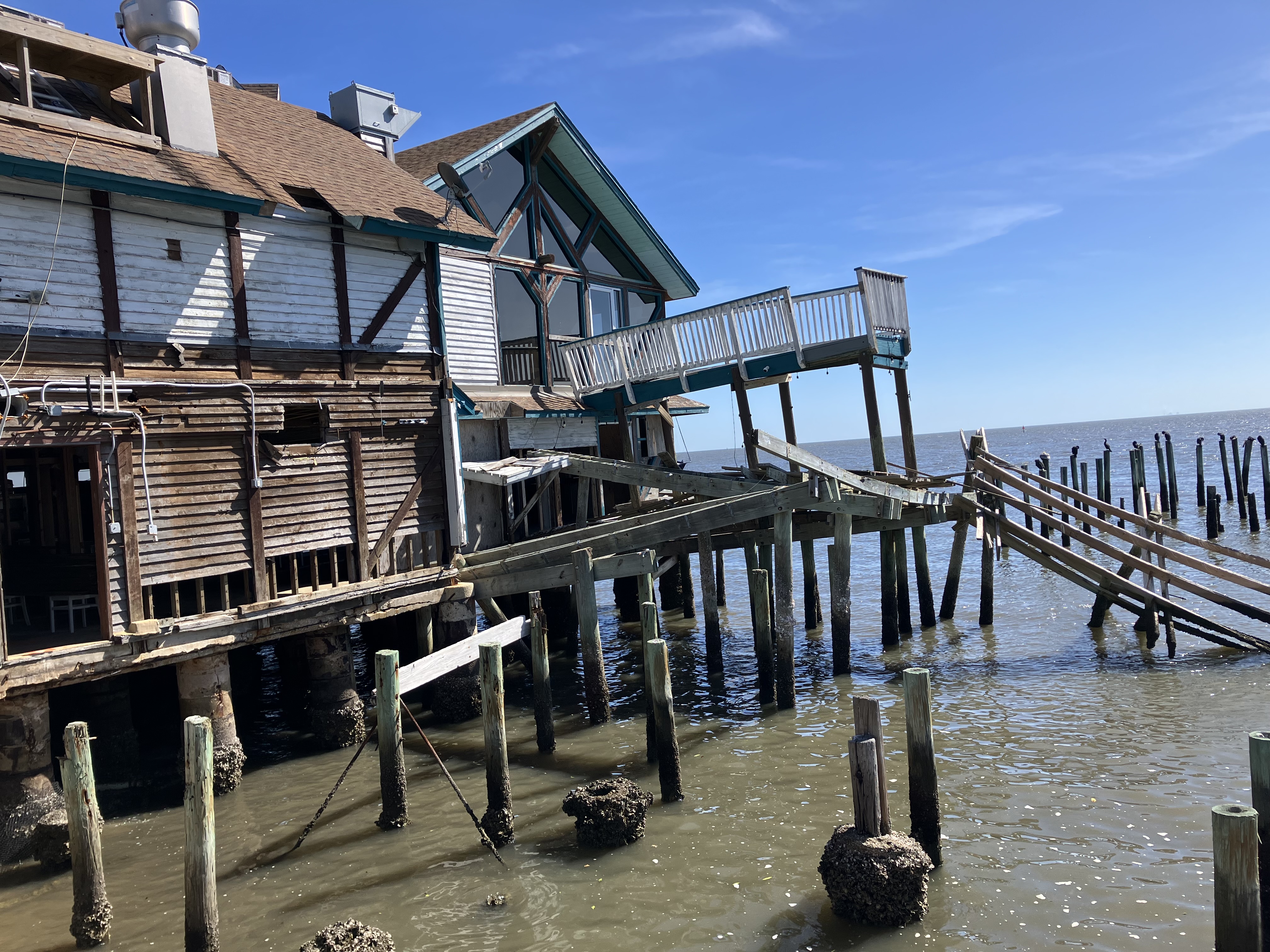
The following day we drove to Cedar Key. This is a small town, on the coast. It has pretty houses and huge trees full of spanish moss, and a LOT of tourists! It has had its share of hurricanes, and there were still signs of damage from Helene, which hit in 2024. The houses next to the coast were built on stilts. Pelicans had moved in to sunbathe on the vacant stilts, left sticking up like the skeletons of the demolished houses. Some of the buildings looked very unstable, although they were still being used so I am assuming (hoping) they are safe. It’s a very sweet little town, and I think it would be fun to stay overnight in one of the houses perched over the water’s edge. Maybe we’ll come back here on our return drive.
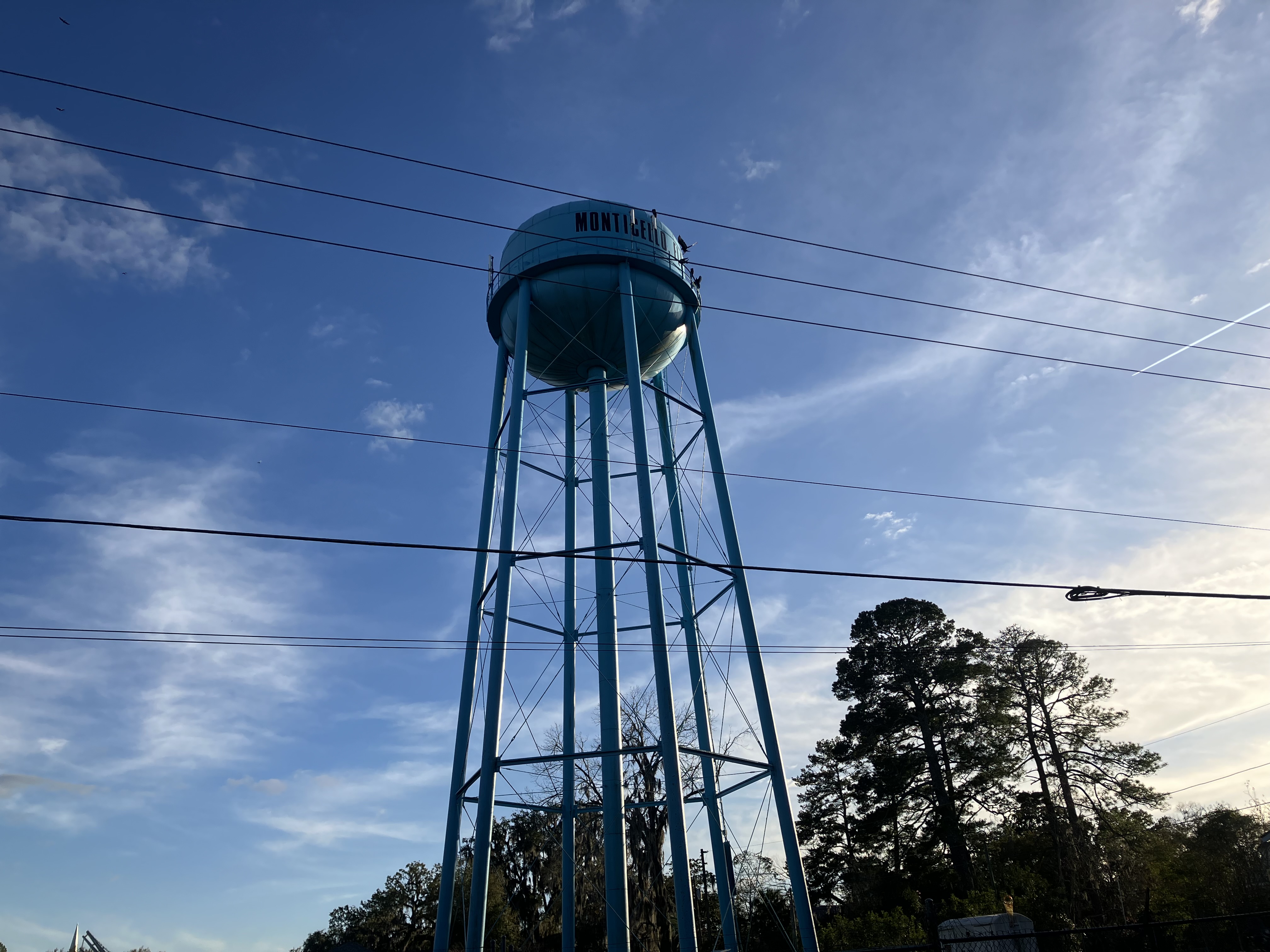
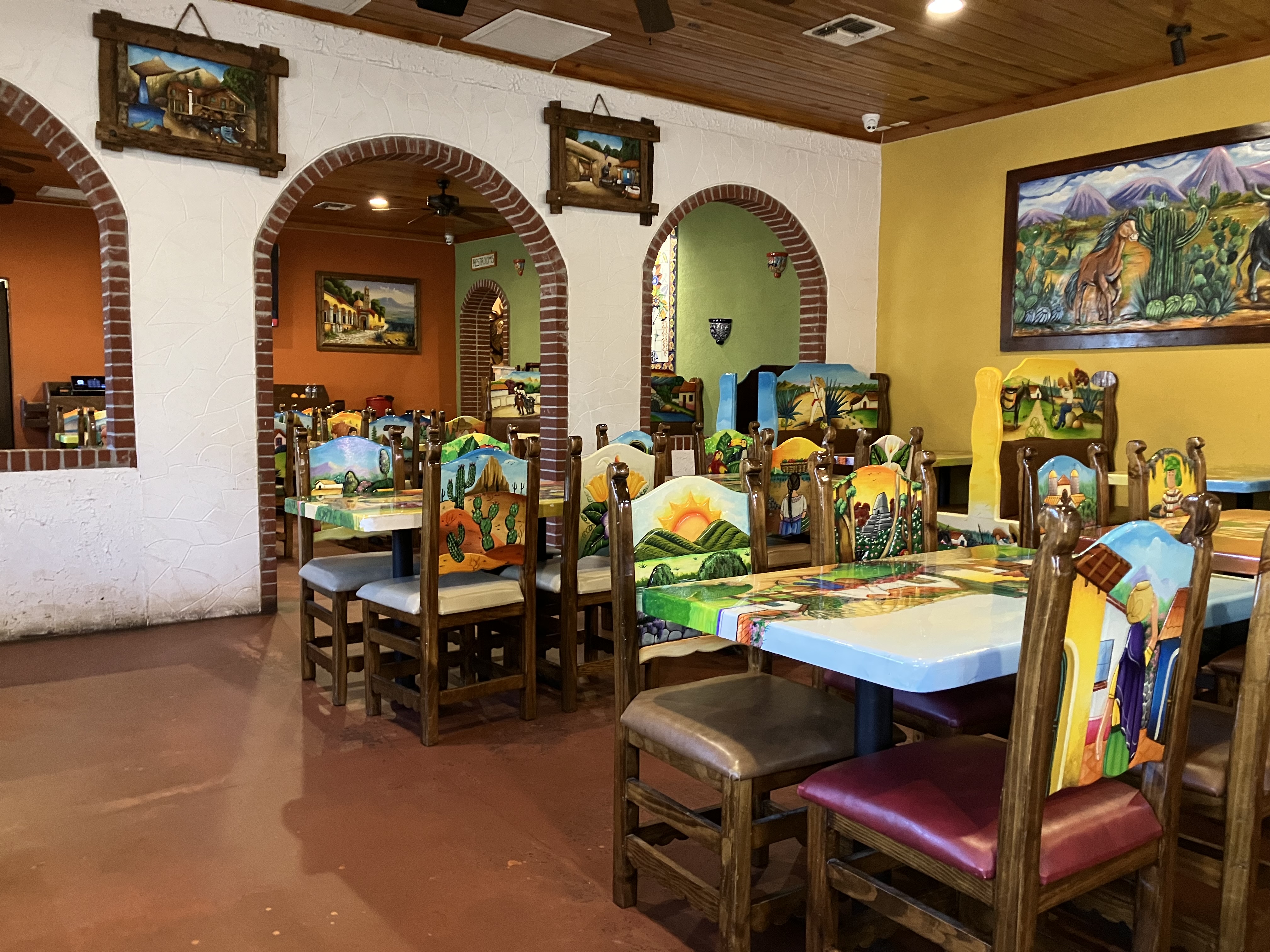
We left the coast and drove to Monticello. This was another quick visit, although we had booked an Airbnb so stayed overnight. The town was quiet. Very quiet. There was not even a grocery shop (just a few groceries at a petrol station and a market selling local veg) nowhere to buy fresh milk or bread. But there was a Mexican restaurant, so we ate there. I have never been to a Mexican restaurant before. I tried a margarita. Delicious, like slightly melted lemon sorbet. I thought it wasn’t alcoholic, and nearly ordered a second one. Glad I didn’t—definitely had alcohol, just bit of a delayed reaction.

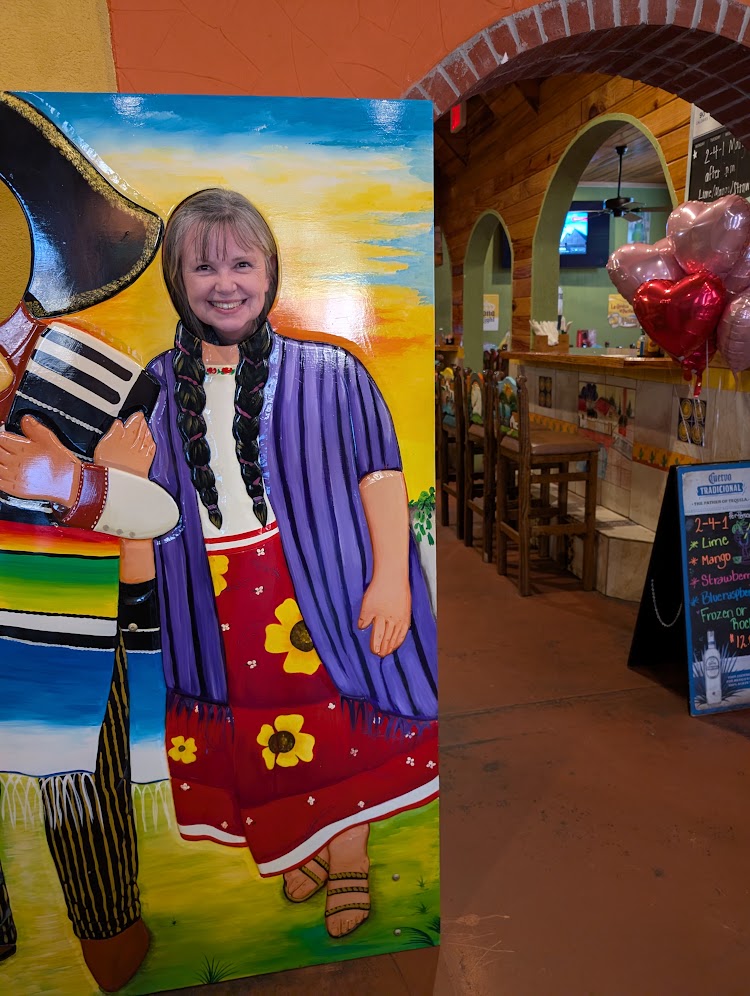
We were the only customers (because we’re on an early clock still) but they were very nice to us, and the food was good. The restaurant was painted with scenes from Mexico (I assume—have never actually been to Mexico, so I guess they may have just been random countryside scenes). We enjoyed it.
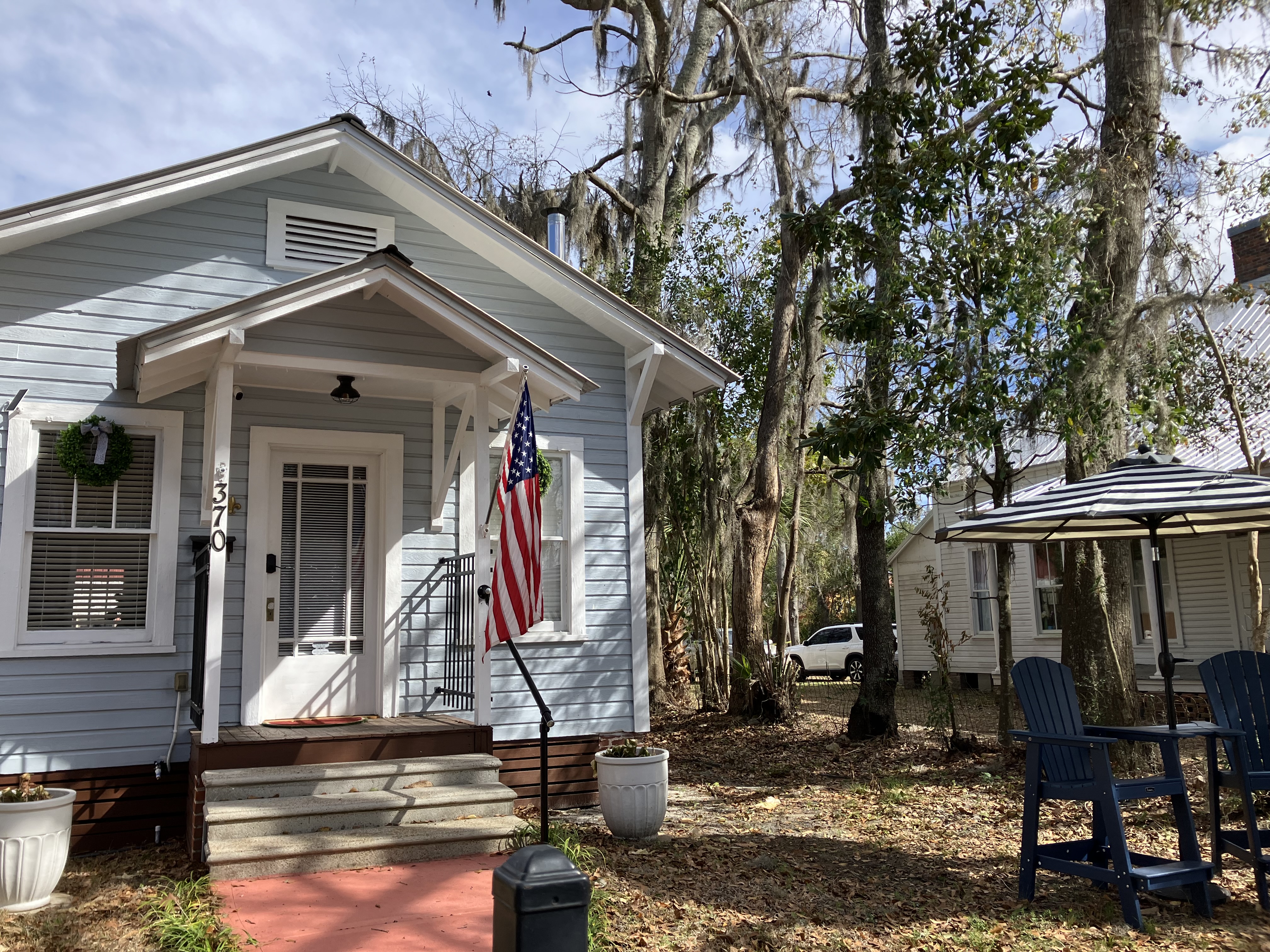
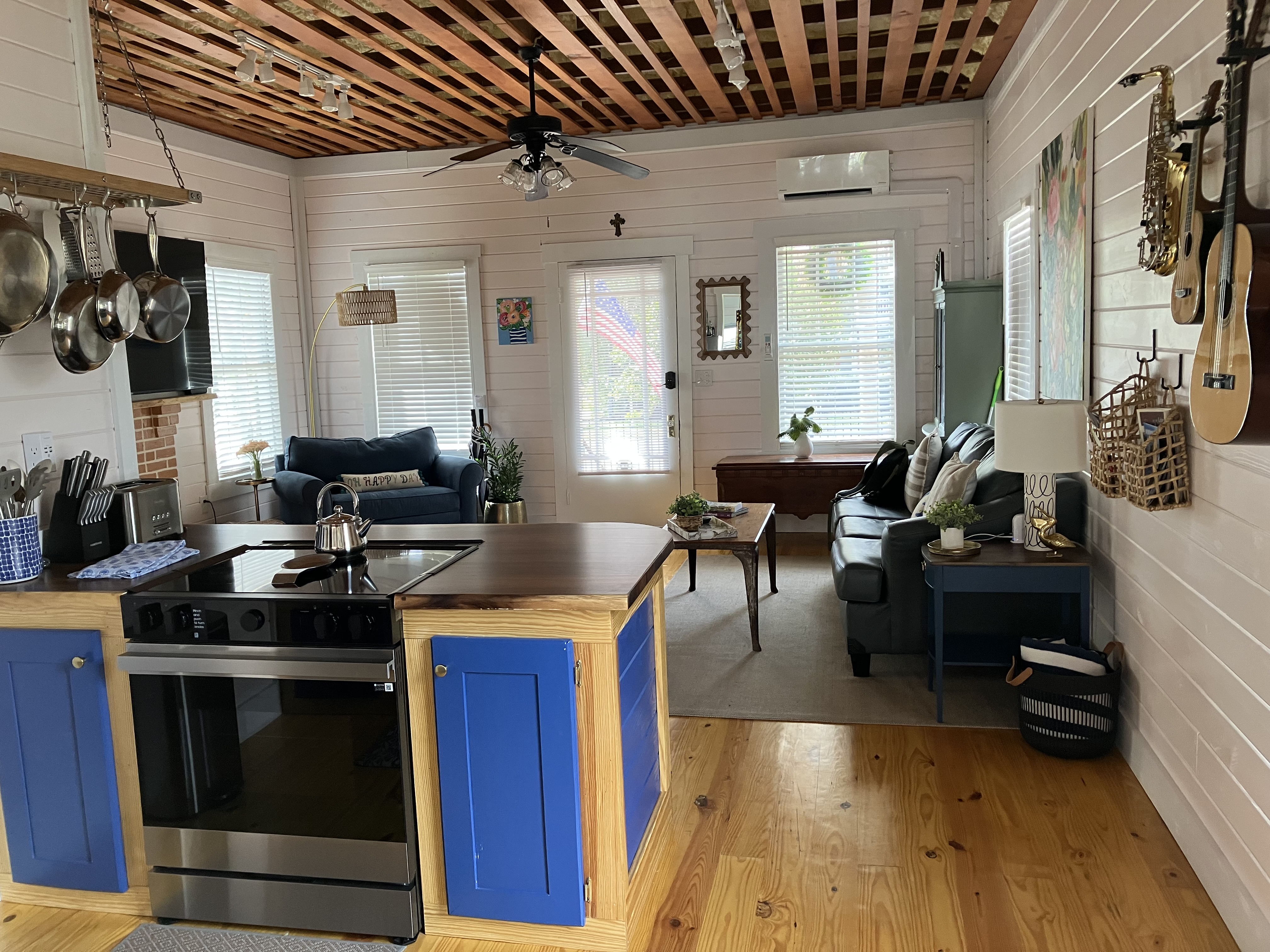
The Airbnb was unusual. It was basically a single room, with a bathroom added to one side, and the conservatory turned into a bedroom. It was pretty, and convenient, and scrupulously clean. The owner had left beers and water in the fridge for us (I certainly didn’t need any beer!). It was right next to the main road, so quite a fretful night every time a lorry whooshed past, but for one night it was fine.

Woke tired. Decided not to run (which is a shame, because running in a strange place is always fun—it makes me feel like a local). We packed the car and drove away. It was a long drive, through Florida, across to Alabama. Next stop was Dauphin Island.

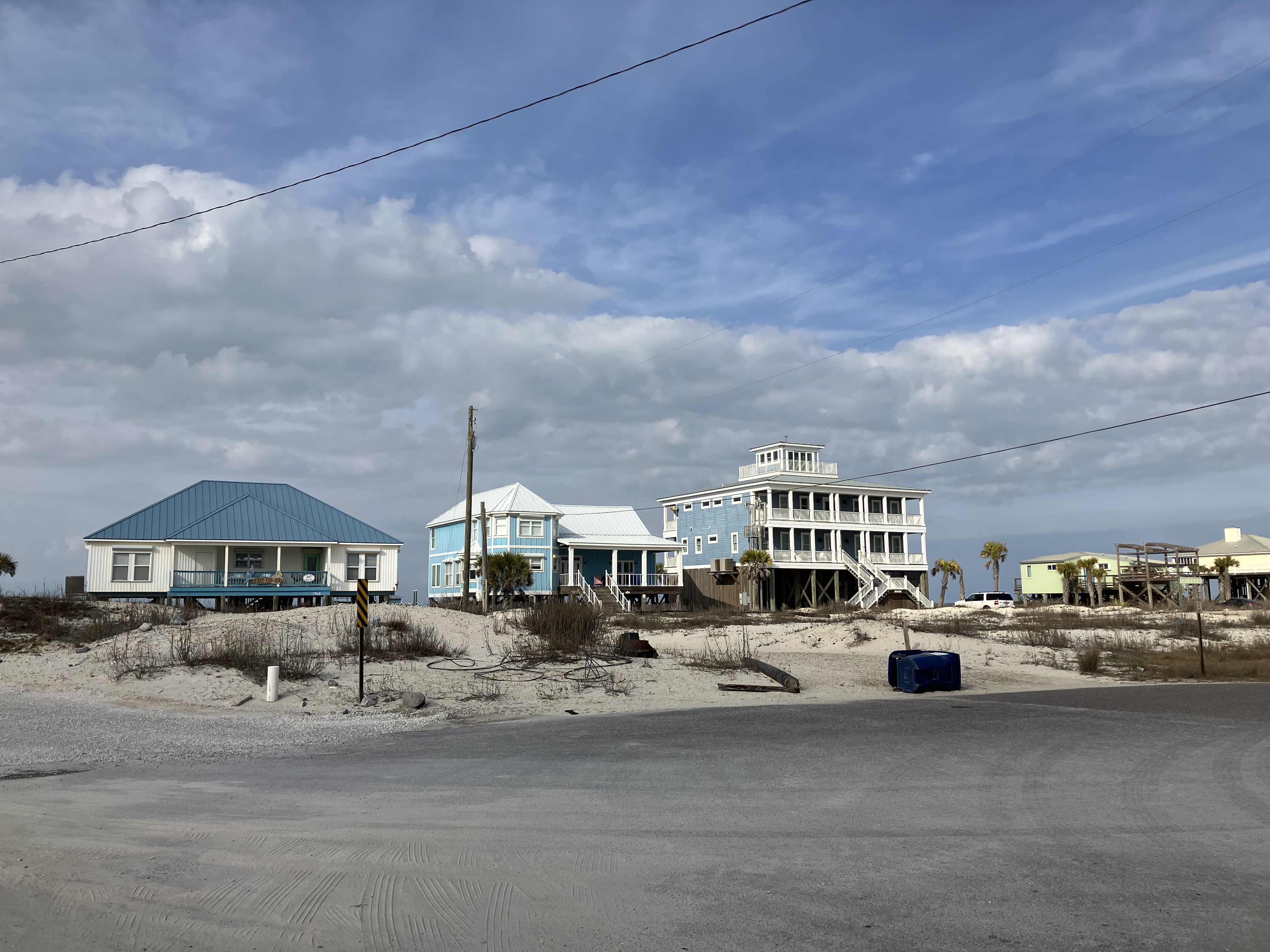
Dauphin Island is another place that gets demolished when hurricanes hit. To combat this, all the modern buildings were built on stilts. As we drove across the bride to the island, you could see the pretty wooden houses perched on their stilts, overlooking the coast. On the horizon were the hazy outlines of oil rigs. The island was pretty—similar to Sanibel (lots of tourists on bikes, well-kept roads, white beaches) but different due to all the houses on stilts.

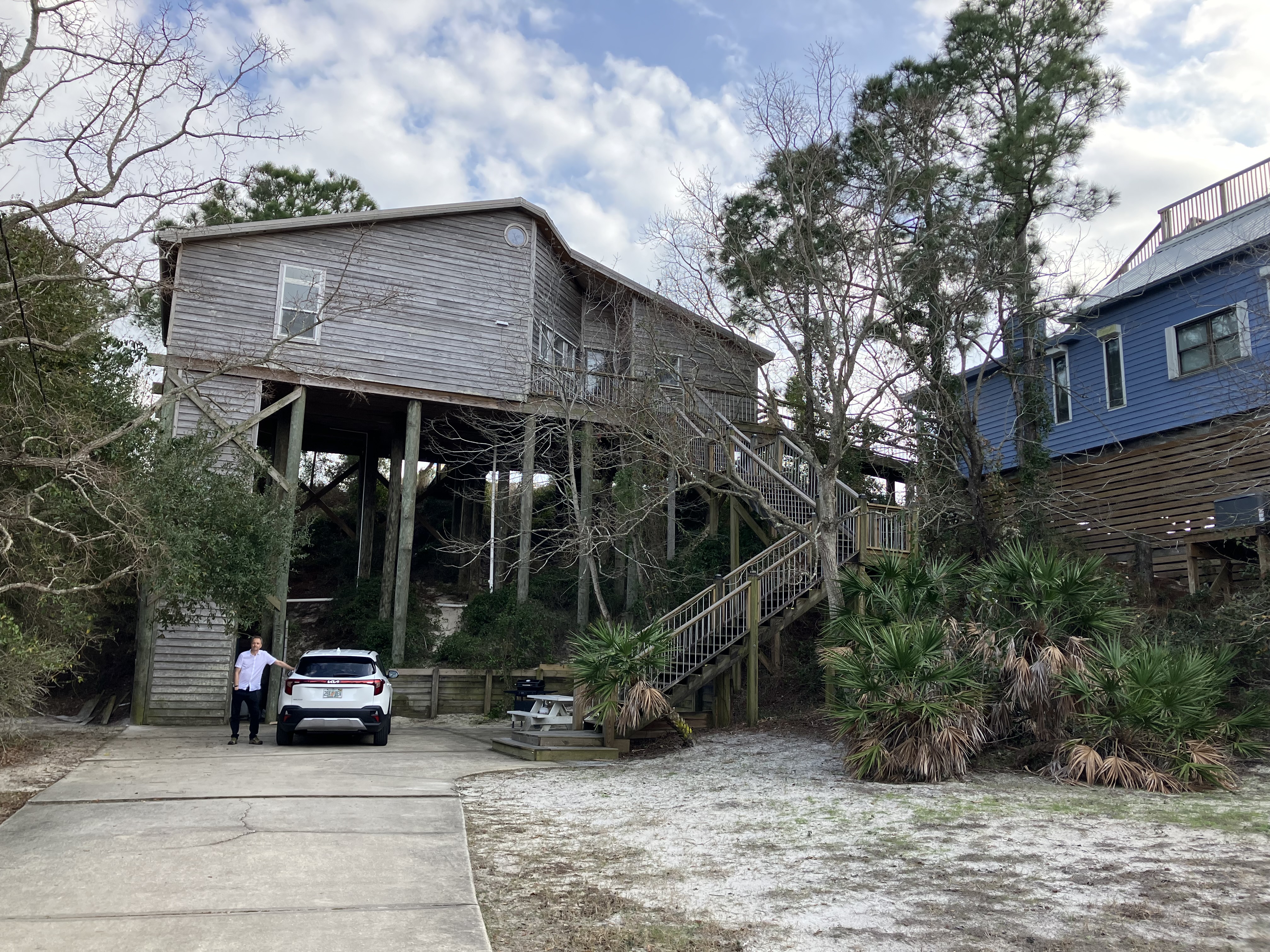
We were too early for our Airbnb, so had lunch at a fish restaurant. The staff were very friendly, said we were welcome to hang around until our house was available. We shopped (had to leave the island to find a grocery store of any size, and I wanted yogurt). We drove to the house. It was unexpected—it was built on top of the highest stilts ever! Walking up the steps was quite a feat for someone who doesn’t like heights!

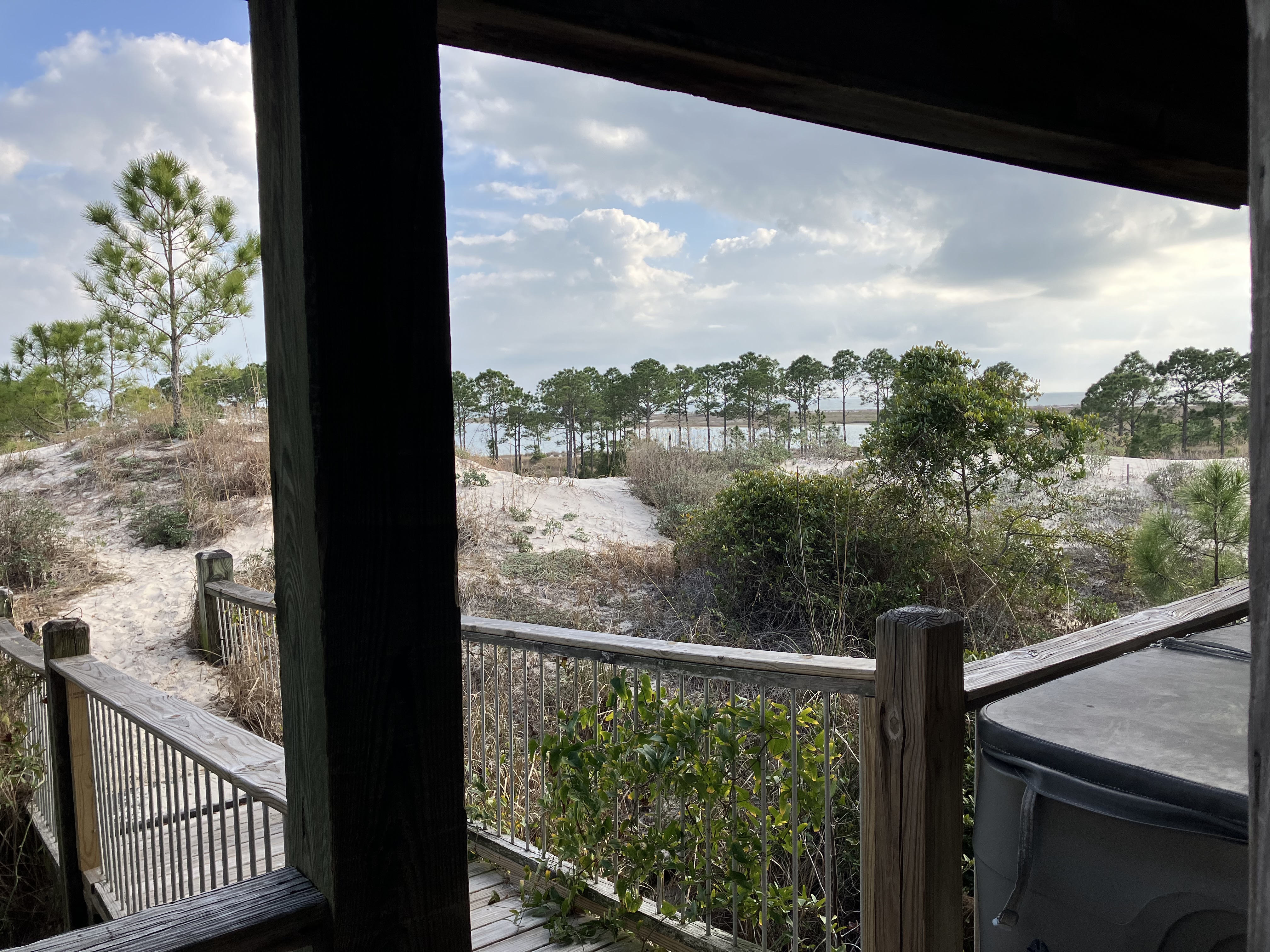
The back of the house rested against sand dunes, and behind the trees the sea glinted, so it was a nice place to stay (once you had climbed the scary steps). Not sure I would feel safe there on a windy day. There was a washing machine, so I emptied our suitcases and washed everything. Nice to be clean.
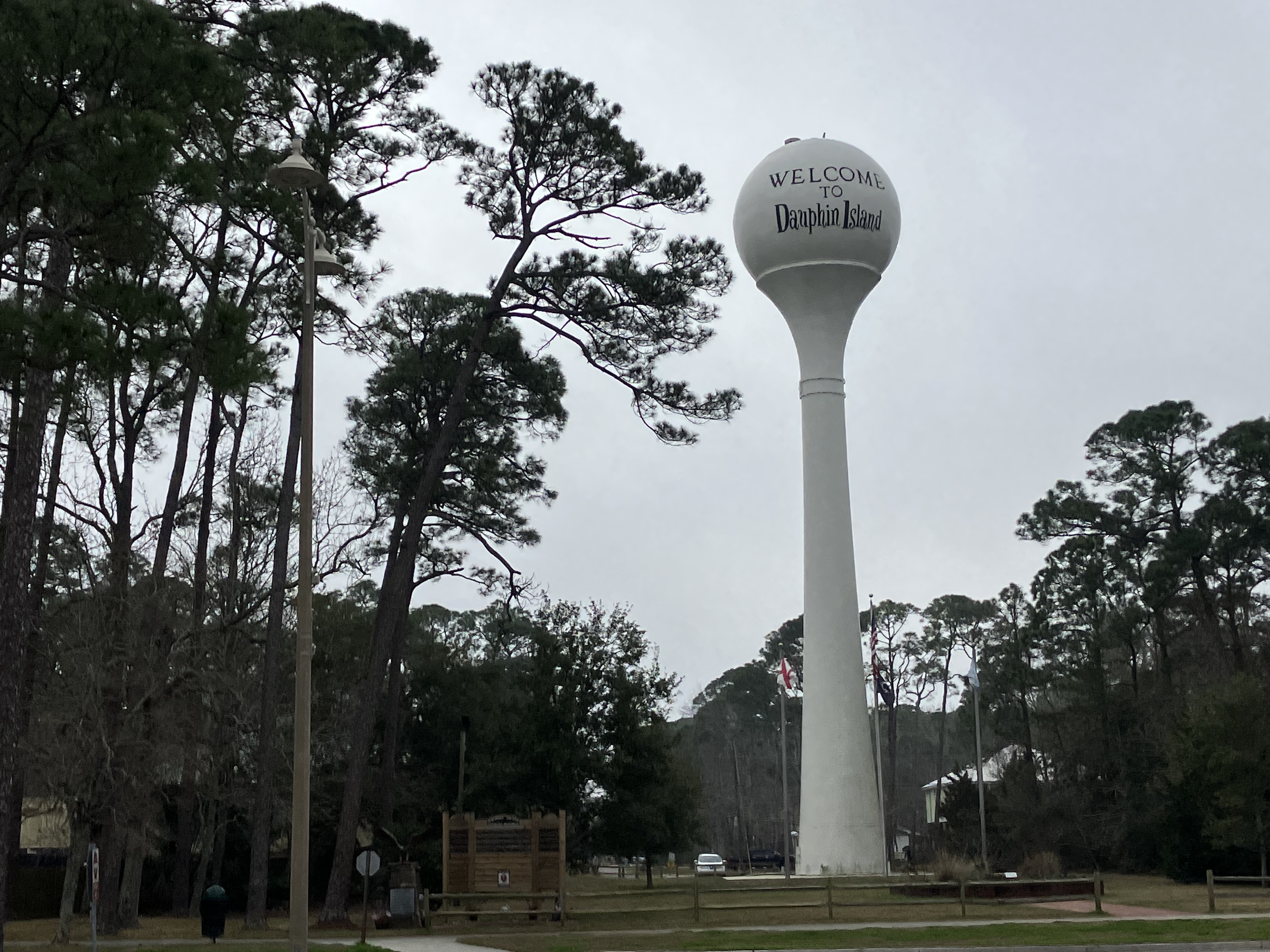
Before we left, we ran through the town. It was lovely, big trees shading the roads, birds singing, very peaceful. Then we loaded the car and set off. We drove through Mississippi, into Louisiana, to New Orleans. 

Hope your day goes well. Thanks for reading.

Take care.

Love, Anne x


anneethompson.com
*****

A Reluctant Traveller


But Husband had other ideas. Husband talked about the Florida sunshine, the ease of living in a country with diners, and clean motels, and empty roads. Husband yearned for another road trip. He talked about being retired, having more time, what was life for if it wasn’t to be enjoyed?

So I relented. I chose the books I couldn’t live without for a few weeks, and then put half of them back on the shelf because I couldn’t lift my suitcase. After a few hard work days of sorting animals and house, we caught a flight from Heathrow and flew to Orlando.

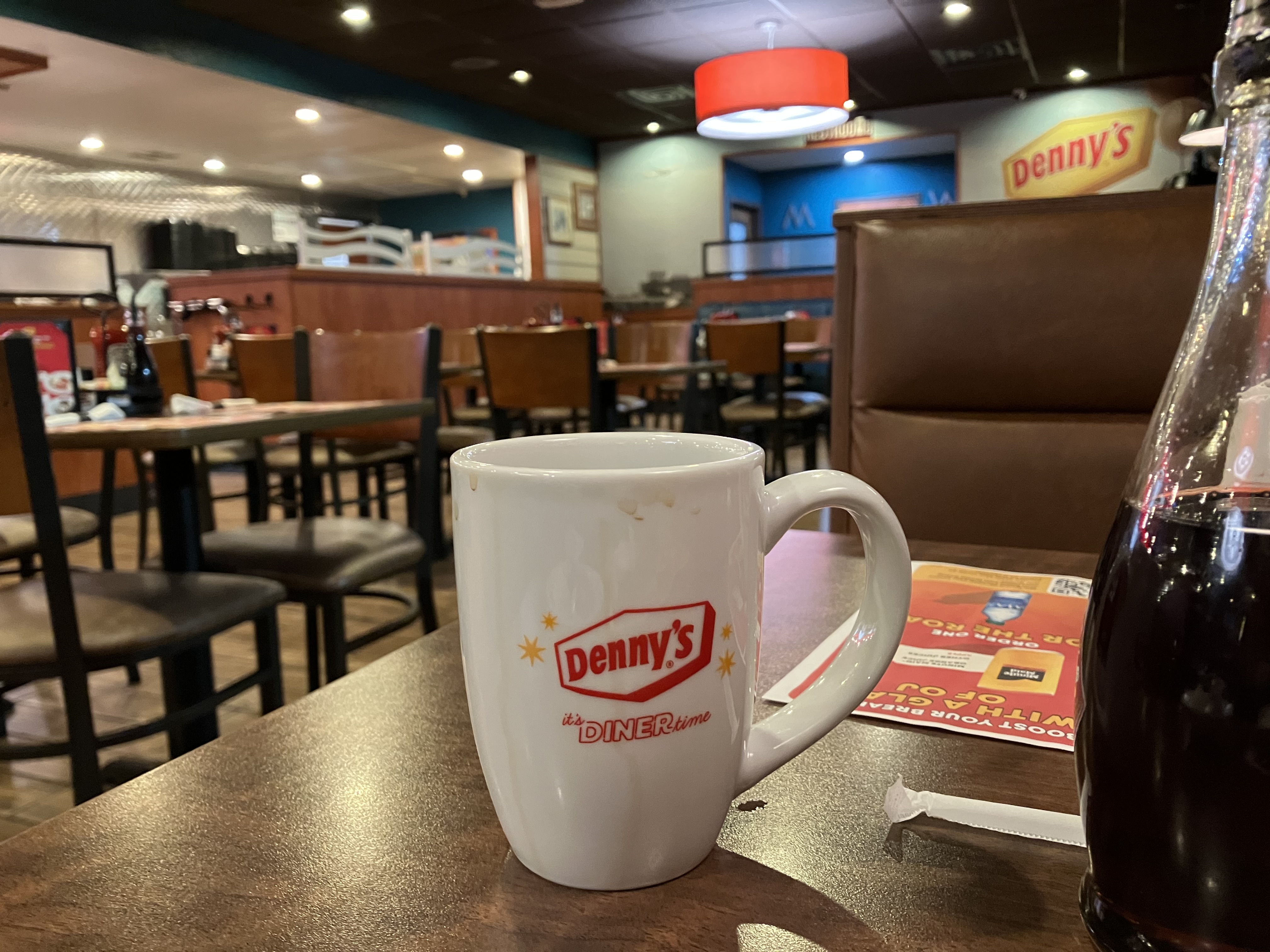
The flight was mainly full of families visiting Disney. The flight attendants wore Mickey Mouse ears. When we landed, the border guards did not wear false ears, but the mood was the same—they were friendly and welcoming, gave tips about which roads to use. Nothing threatening at all. Maybe other airports are different, but I did not find any change at all to arriving in the US, despite the news coverage. Our first breakfast was at Denny’s—a typical diner, one of the things I love about travel in the US. Food is so easy, service is friendly.

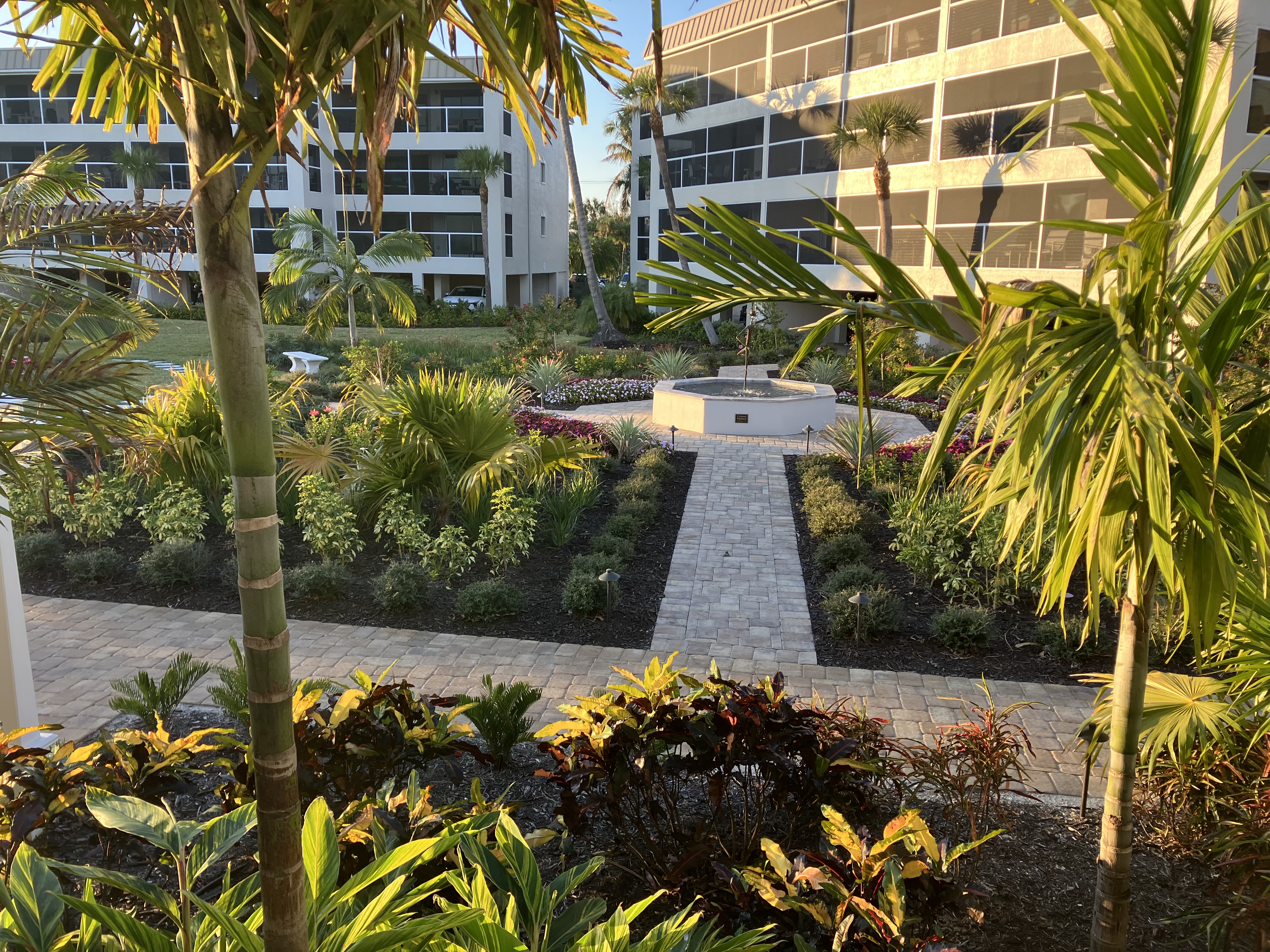
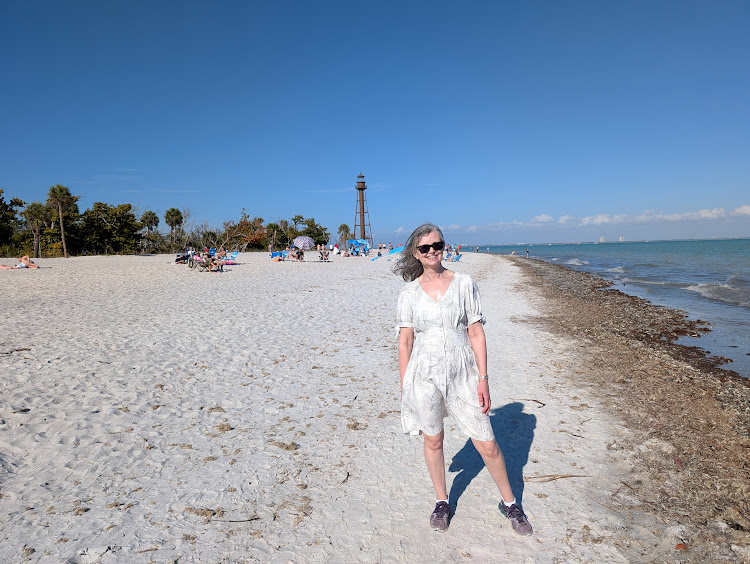
We collected a car and drove to Sanibel Island. This is always beautiful. We had a few days adjusting our clock to US time (slightly, we stayed on an early clock). We strolled along the beach, I spent some time studying and enjoyed not having to sort animals or cook/clean anything.

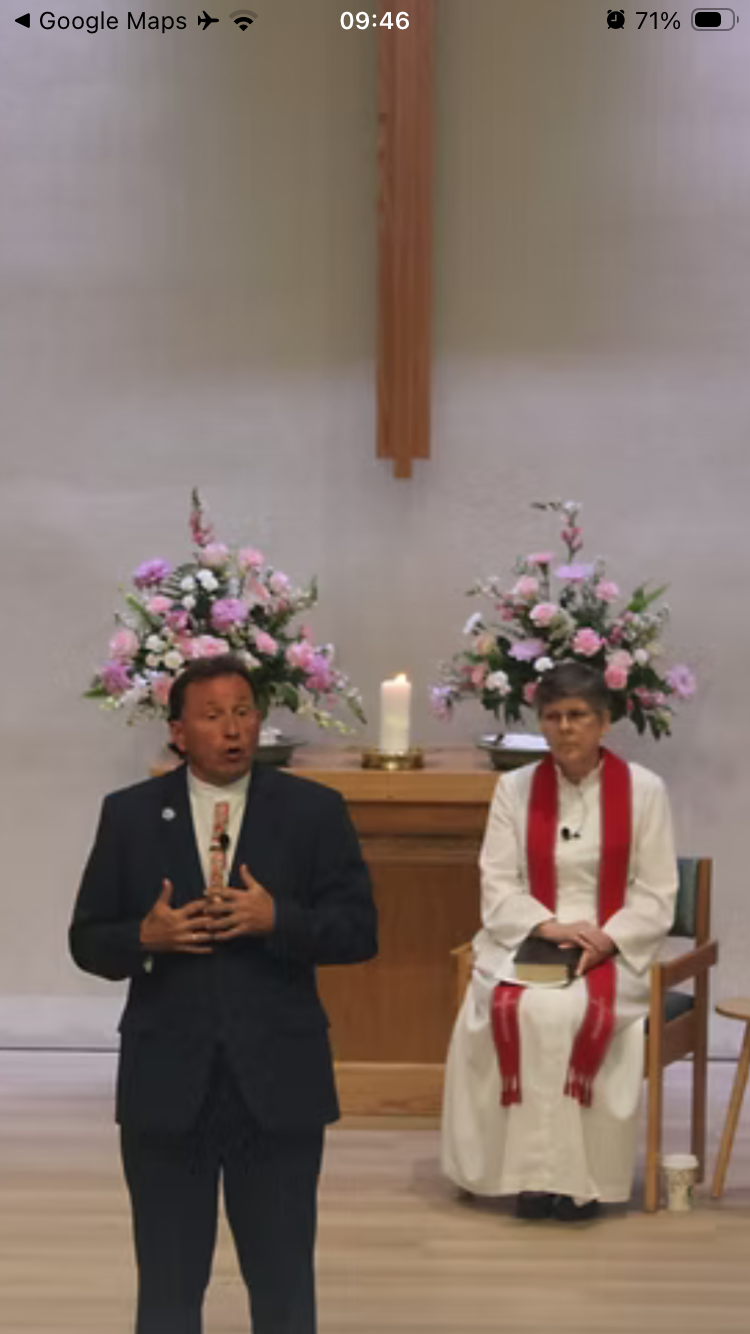
On Sunday we went to church. I looked online, and nearly chose the Community Church, because that was the oldest on the island, and it looked easy. Instead we attended the Congregational Church, which turned out to be excellent. Since being at college, my theology has changed slightly, so I was expecting there to be things I disagreed with, but I was raised a Baptist, I know how to ‘be’ a Baptist (and Congregational churches are basically the same). I chose this one because the website said they welcome everyone, and specifically listed race, gender preferences, marriage status—everyone was welcome. I like this. Some churches, in their statement of faith, choose to state that they are against gay marriage (and whatever they believe, this never strikes me as a welcoming thing to write on their website, which is usually the first indication of their church ethos).

The photo online: were flower hats compulsory??

Husband came. I wore jeans (may as well test the welcome anyone thing) and it was easy to find and park. Churches in the US are sometimes like shopping malls, although this one was normal sized. They had a brass band—excellent start. They had a choir—also excellent (although I don’t think people had to audition to be a member). The sermon was by the minister, and surprisingly I didn’t disagree with anything he said! He obviously keeps up with the latest developments in biblical studies, and did not feel constrained to keep to the fundamentalist line (like who authored certain books). It was also very welcoming. 

As well as attending different churches, I also want to compare espresso martinis in different places. The one I had in Sanibel was very average, especially as it was served in a tumbler, and half the fun is in having a pretty martini glass.

After a few days we left Sanibel and drove to Brooksville. The plan is to spend a few days driving north, round the pan handle, visiting places like Dauphin Island and New Orleans, heading towards Texas. We’ll see how far we get before we need to head home.

Thanks for reading. I hope the things you dread turn out to be good. I’ll let you know about the other places we visit.

Take care.

Love, Anne x

Holiday blogs are always written at the time, but posted later when I am home.

anneethompson.com

*****

A Walk in Ierapetra


Husband announced he was taking me on a walking mystery tour. I didn’t mind the walk, but I didn’t especially want a mystery tour. Plus I had read all the same guidebooks as him, so I felt I knew it would be one of the few ‘sights’ in Ierapetra. But he insisted, and off we went, hat to keep sun out of eyes, sensible shoes for walking, nice bit of sea air, bit of a grumpy attitude.

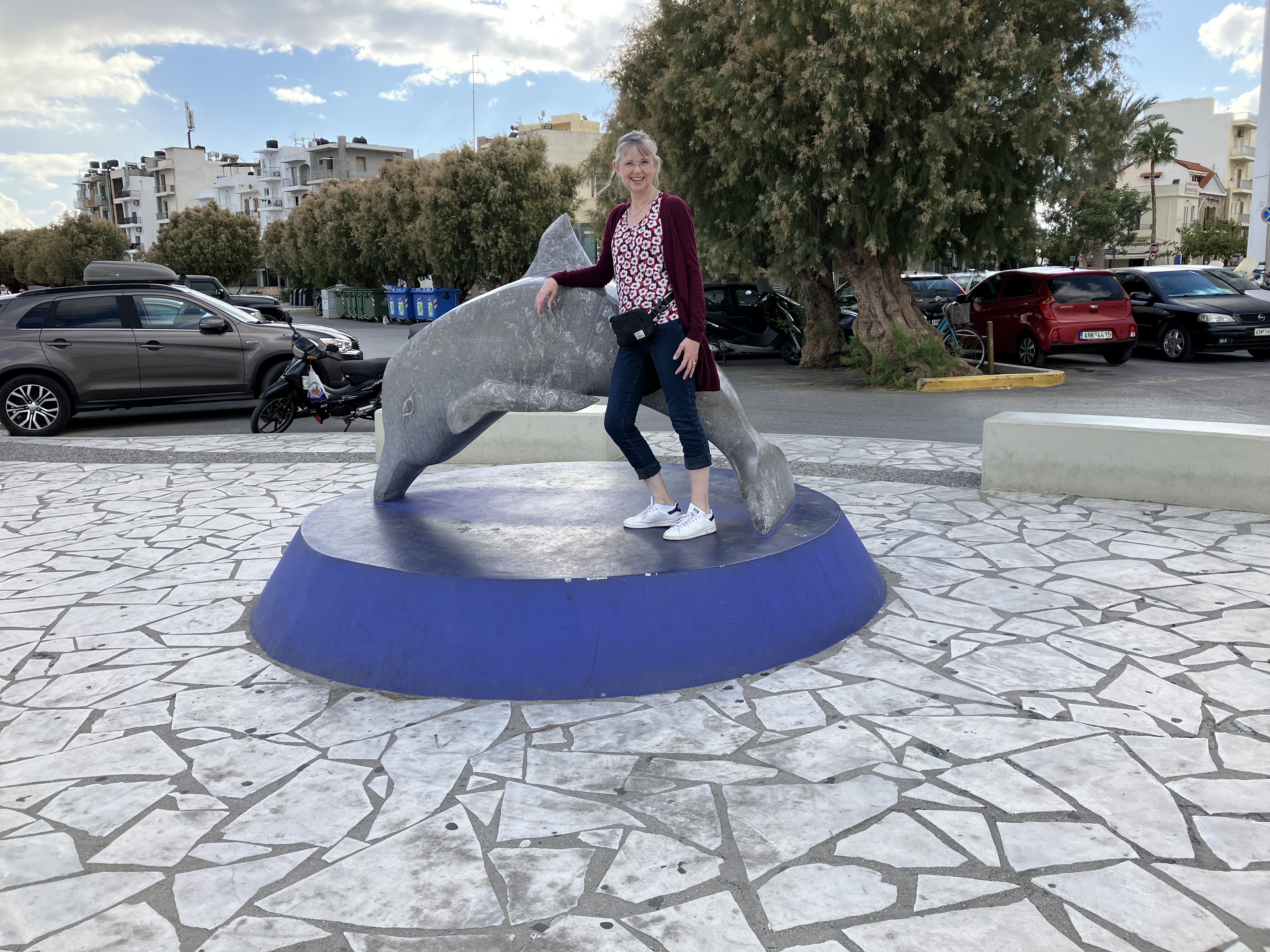
The first stop was an ice cream. Very nice, I cheered up. I had a ‘Twix’ cone, and walked along the waterfront trying to not let it drip, wishing Husband would not take photos of me while I ate (so maybe still a bit grumpy).

I wondered where we were going, as all the interesting things are situated in the old town. There is the fort, which we run to every morning. Not likely to be that—I am not especially interested in forts. There is also Napoleon’s House, which I was quite keen to see, but when we reached the turning, Husband said we should keep walking. That also ruled out the museum.

We walked to the fort, then turned inland, towards the highlight of ‘the mystery tour.’ It was, if I am honest, disappointing. What had looked online in Google maps like a beautiful garden with a big house next to it, turned out to be what looked like a go-kart track next to a school. I later investigated, and it was actually a bike track, set out to teach traffic rules for cyclists. (The Greek equivalent of the Cycling Proficiency Test.) I could tell Husband was a bit flummoxed by how ugly his ‘beautiful garden’ turned out to be, so I wasn’t as sarcastic as I might have been. It was just a broken fence, with a race track needing some care, a few weeds growing in the dust. Not much of a highlight. 

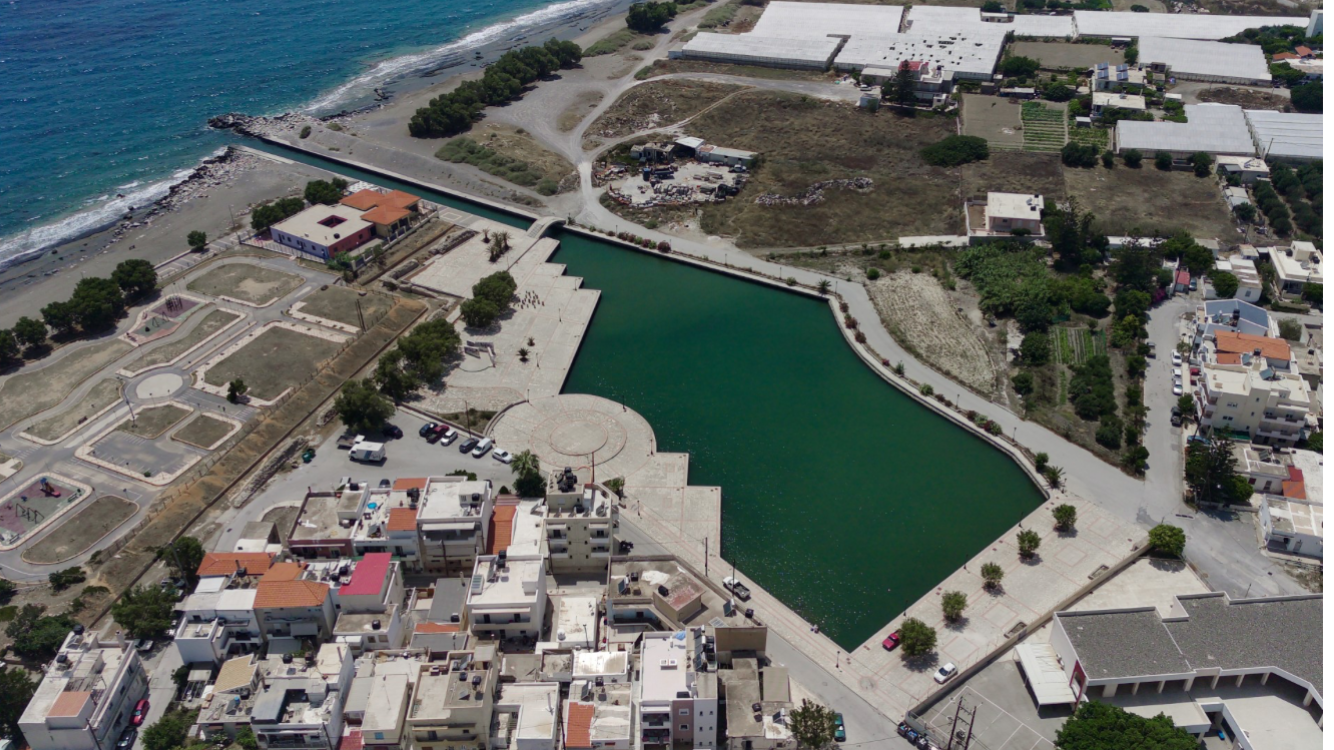
However, behind it, hidden out of sight, was a more interesting feature. There was a deep, narrow canal, that led away from the sea, to a small lake. There were the remains of walls (looked Roman to my uneducated eye) and lots of fancy walkways, a coffee shop, art forms, a playground, and a lone fisherman. It was clearly disused, but at one time had been significant. But what was it? An elaborate lake for model boats? Too big for that. A disused swimming pool? Too deep and dangerous for that. A port? Not possible, as there was a bridge over the canal, so no boat would be able to enter from the sea. A mystery, even if an unintended one.

When we got home, I spent a long time trying to discover what we had seen. Other blogs described Napoleon’s House, the Museum, the Mosque, the Fort. Nothing about a weird lake next to a deep canal and Roman walls. And then, just as I was about to give up, hurray! I found it.

It had changed significantly from the original size and shape, but at one time it had indeed been Roman. It was a maritime theatre, the site of a Naumachia. The Romans had used it to reenact battles on the water, forcing slaves and gladiators to battle on the lake, while they watched. Hence the deep canal from the sea, the Roman walls, the lake. Obviously over time the size and shape of the lake has changed, but I’m guessing it was too big and deep to completely remove. There were no signs, just some cryptic maritime artwork on a wall. But how interesting. I wonder why it hasn’t been turned into more of an attraction.

We walked back, past Napolieon’s house (apparently he stayed the night here, incognito, leaving a note revealing his identity to be found the following morning). People were smaller in those days. I wonder if the Roman theatre was still a feature in Napoleon’s time, or if he missed it too. Strange how history is in layers of time.

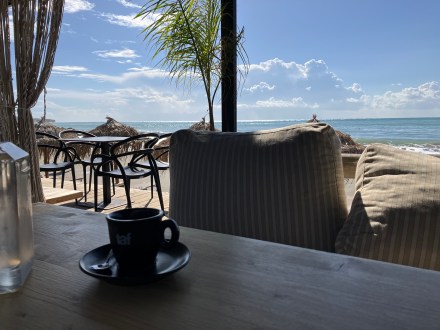
We finished the walk with another coffee next to the beach. In my experience, Crete involves eating a lot of yogurt, and drinking lots of good strong coffee (not together, obviously). Nice afternoon.

I hope you have an interesting week (and are less grumpy than me). Thanks for reading.
Take care,
Love, Anne x

Visiting Spinalonga—‘The Island’


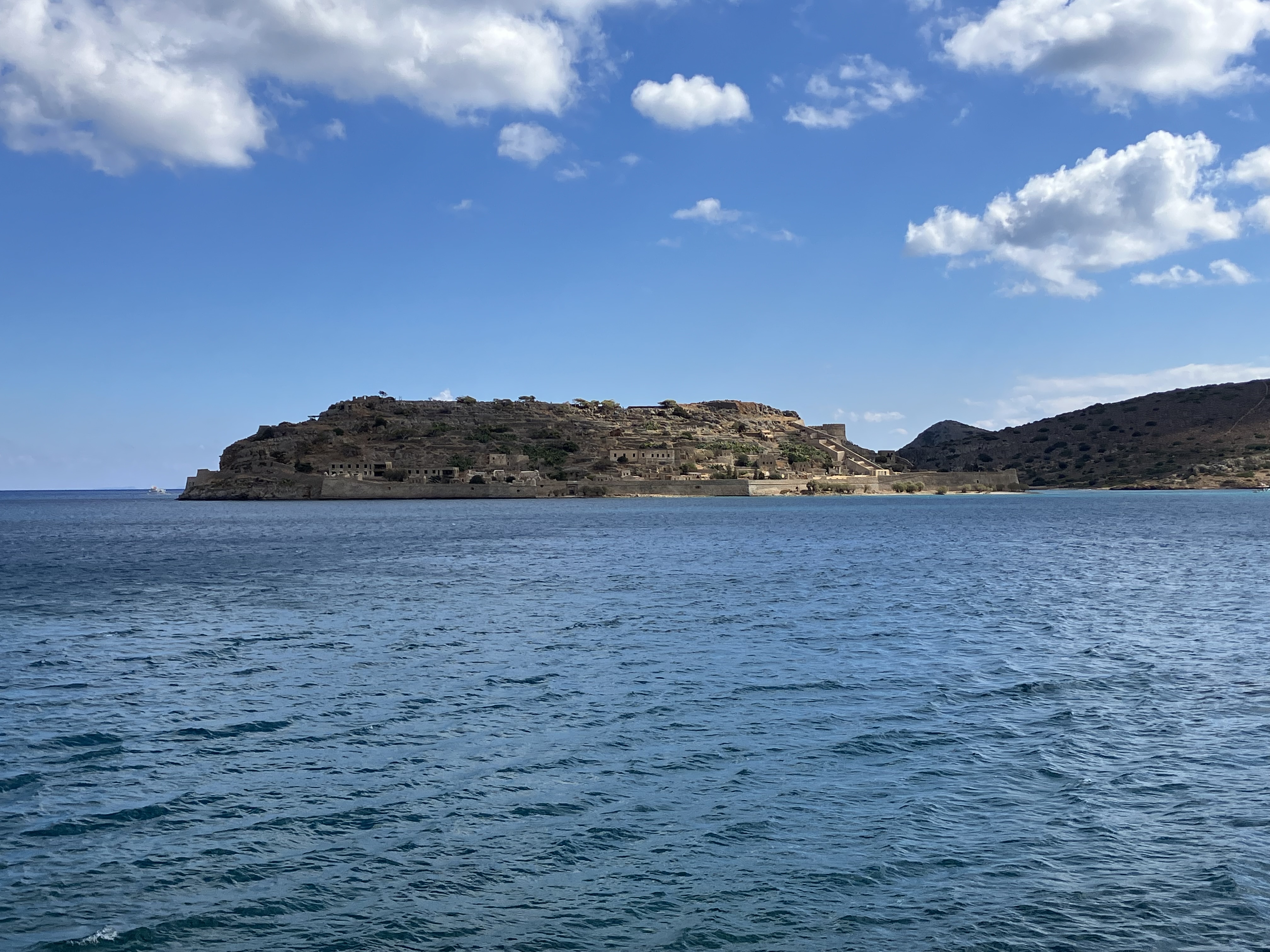
Several years ago, I read The Island, by Victoria Hislop. Although her writing isn’t really to my taste, I find her books interesting, and The Island described a leper colony, off the coast of Crete. I thought it would be interesting to visit.

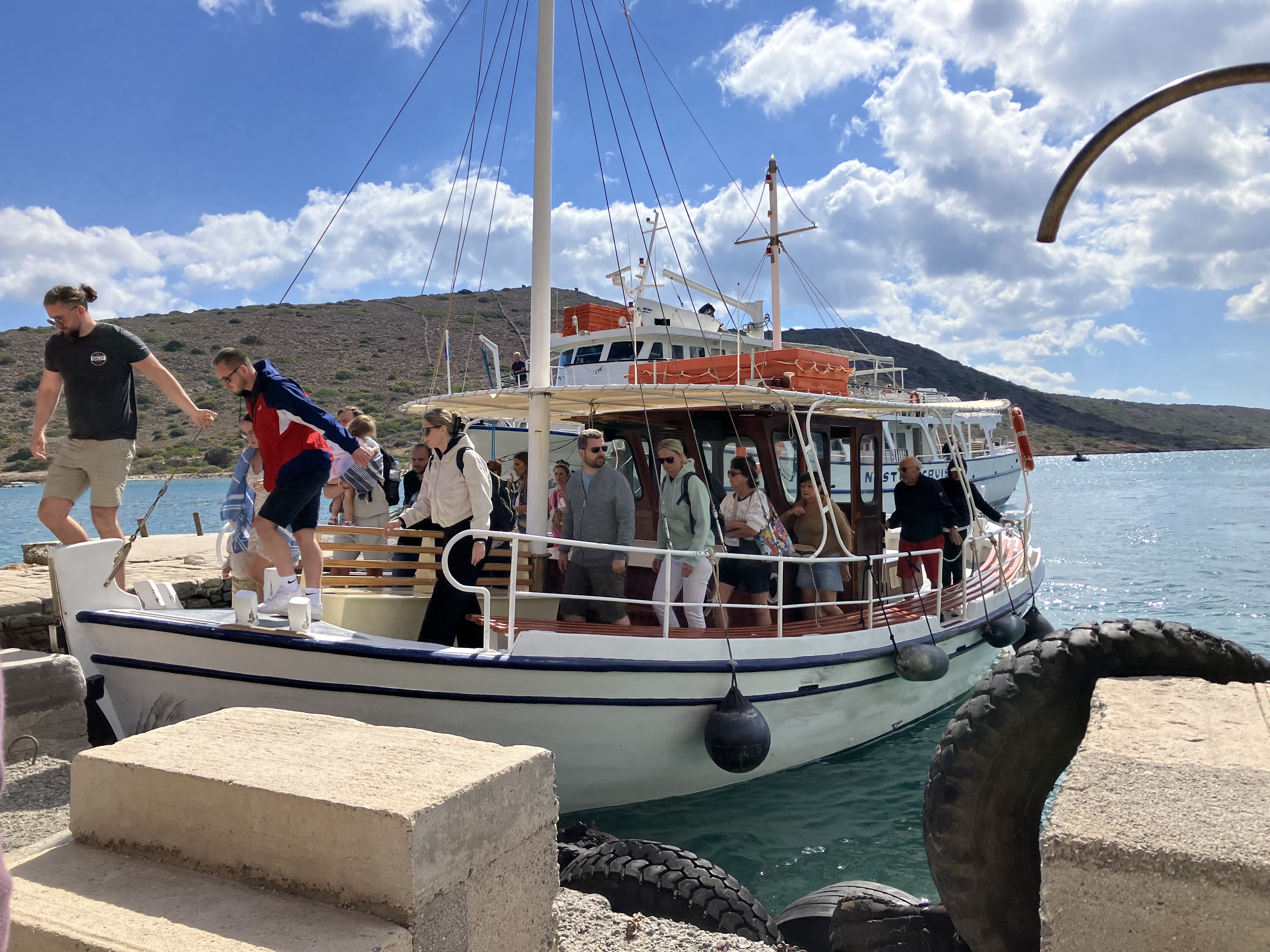
We’re staying in Ierapetra, on the south coast (which is sunnier in October) so I shoved a jumper in my bag, and we headed North. It’s possible to catch a ferry from Plaka, which has free parking, so we drove there. The parking was free, the ferry cost €12 for a return ticket, which seemed reasonable, and the ferry ran every 45 minutes. We had just missed one, so we bought a ticket and then wandered up a pretty street while we waited. I needed a coffee and a washroom, so we bought some coffee (very good coffee) from The Pine Tree tavern. The washrooms were very clean (I think everywhere in Crete is very clean) and an espresso and an Americano both cost €2.50–which is as cheap as we have found.

The ferry arrived, we found seats, there was a short wait while it filled with passengers. The ride was very short. We came to a small harbour, with ferries from several other places. There was a ticket office. I don’t know why, but I had assumed the ferry included entrance to the island. Rookie error. It cost a further €20 each to go onto the island. I felt slightly cheated, which makes no sense because I would probably have paid €30 for a ticket on the mainland, but somehow the 2-stage payment felt like a trick. Next time I will do better research. A very vigilant woman was checking tickets at the entrance, and insisted on tearing them in half (even though I had wanted to keep mine—it cost me €20!)

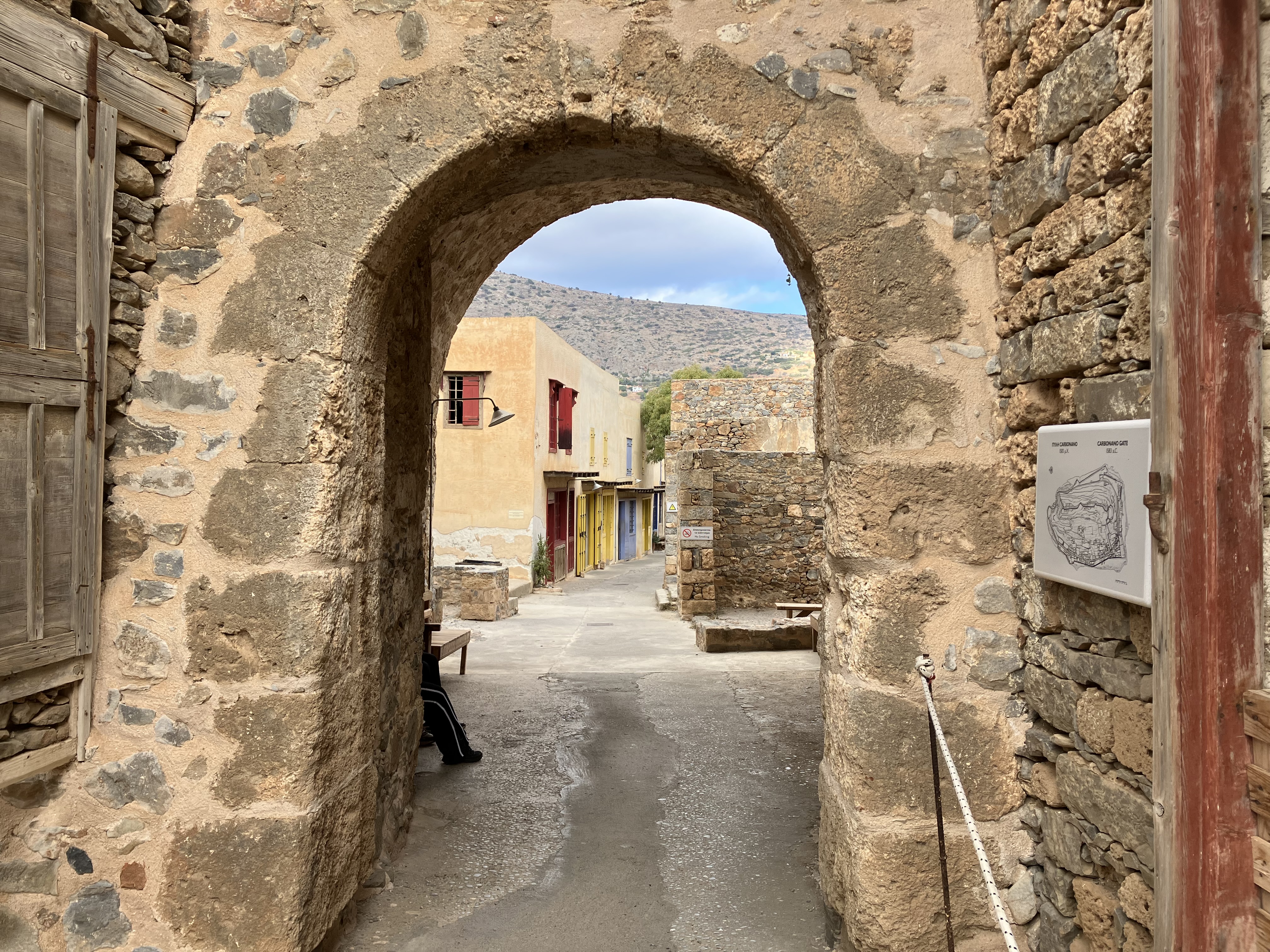
Spinalonga is a popular tourist destination, and it was busy. This didn’t especially spoil it—it was still just about possible to imagine the patients who were taken there in the early 1900s, who managed to survive until their illness defeated them. It was originally a fort, and they destroyed parts of the structure (to the horror of archeologists!) to build a settlement. I read that it became a community, and people even married and had children while living there. The novel I read was not, apparently, overly factual (I think it muddled some events, which happened in different times) but it’s fiction—it’s not meant to be a travel guide. I think Hislop describes places better than she describes people, and I recognised some of the buildings described in the book.

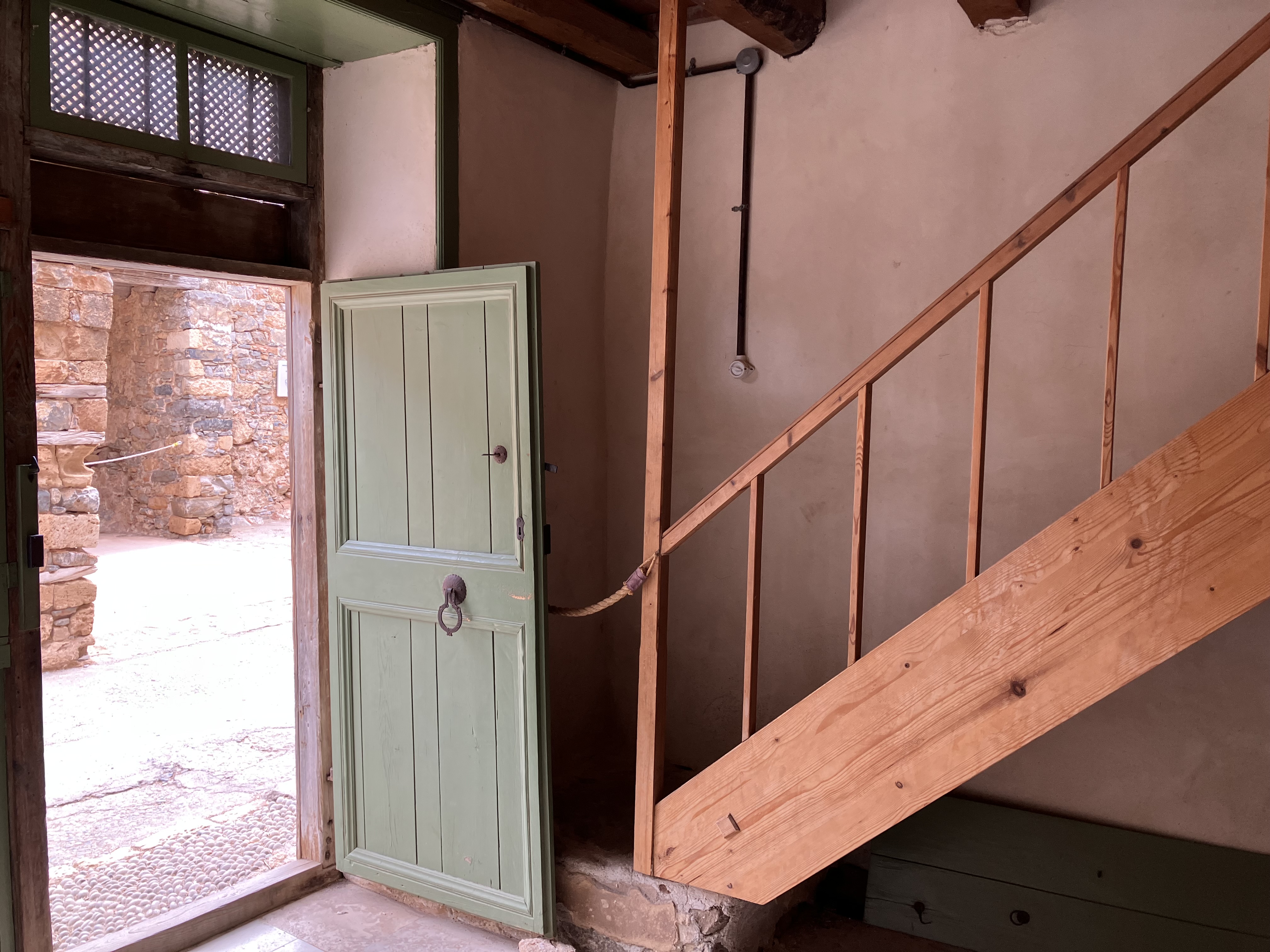
I cannot imagine how it would feel to live so close to the mainland, yet be unable to ever visit. If you were a strong swimmer, you could probably swim across, it’s not far. To be forced to live in isolation, to have to restart you life amongst strangers, must have been unbearably hard. As I read the signs (most were about the fort, but there were a few facts about the leper colony) I began to realise how strong those who made the island better must have been. Some of the people made a community, improving buildings, seeking to enforce a structure to life. As I wandered through their tiny houses, and looked at the uncompromising blue of the sea, I realised that there is a lesson for all of us. Life will always have tough, nasty, times. We choose whether we will fold into ourselves and wait to die, or pick up the pieces that are left and try to make something positive.

We caught the ferry back to Plaka and ended up at the wrong harbour! It was fine, as the town is very small, and we wandered along the main road and decided to find some lunch. We chose The Carob Tree because it had a table of old men drinking coffee and staring at the world, and I firmly believe that local old men know the best places to visit. We were not disappointed. 

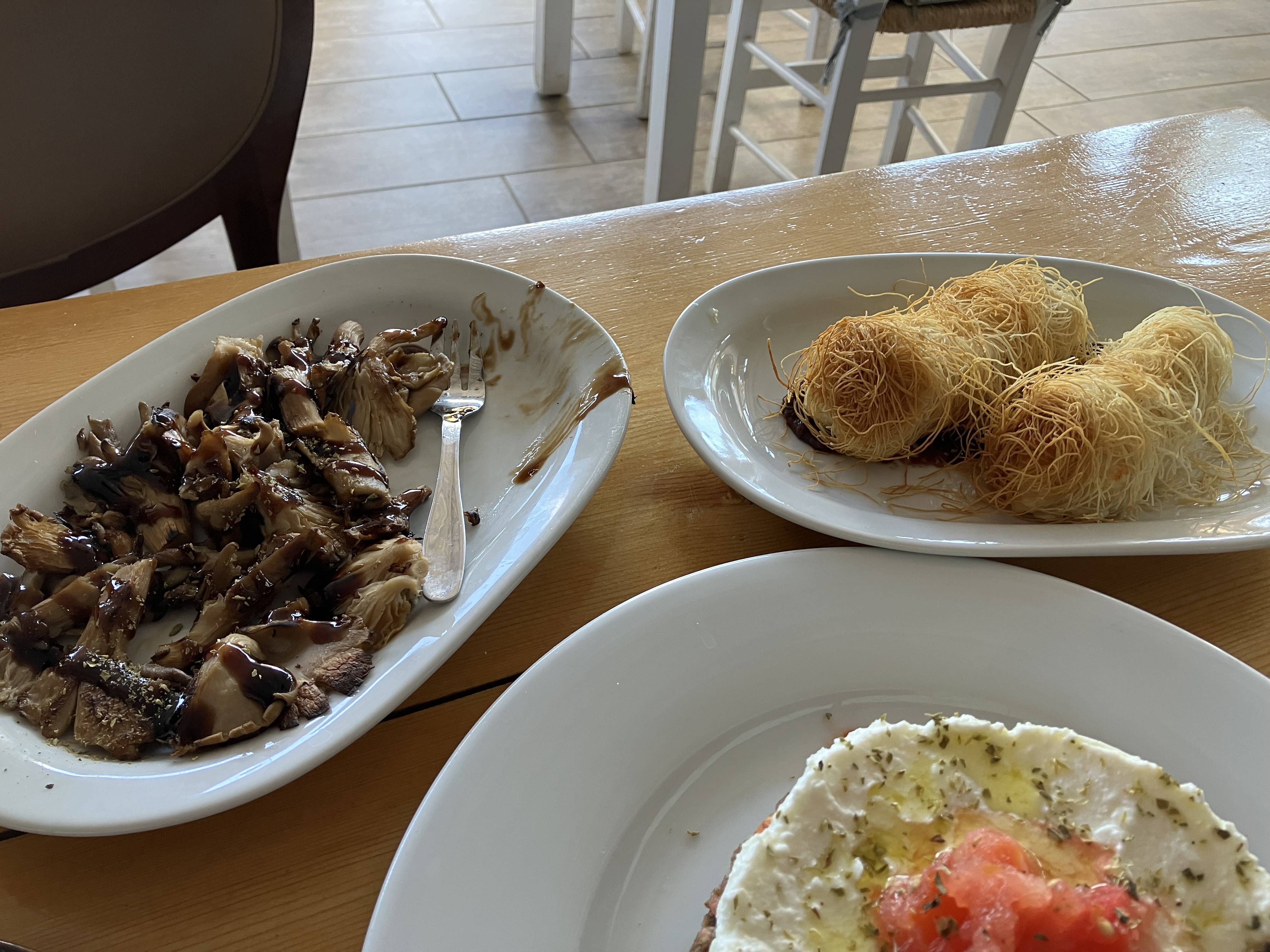
We chose a selection from the appetisers menu, with more coffee and a bottle of water. The Cretan Cheesecake turned out to be bread and carob bark, mushed into a sort of cake, with a local cheese and chopped tomatoes on top. It looked very pretty, tasted rather sour, and is definitely worth trying. My favourite was Graviera kantaifi, which was goat’s cheese baked in crispy shredded pastry, served with olive jam (which did not taste like olives—I don’t like olives). It was rich, and hot, and delicious.

We sat inside (near the old men) and watched the world drive past. At various points a van stopped outside, blocking the view, delivering fresh fish, or vegetables, or bottles of gas. It all felt very real and interesting.

I hope you have a good morning too. Thanks for reading.

Take care.

Love, Anne x

More Crete: What is a Tamarisk Tree?


We are a short walk from the supermarket, which means we can buy things as we need them and don’t need to do a major shopping trip. It’s difficult to find some items, as we know no useful Greek (although I do recognise the letters). Some packets have several languages, which helps (but finding dishwasher salt was a challenge). 

The toilets are like the one in Turkey—you can’t flush paper. Which makes for an unpleasant bin-emptying job each day. Today all the water also stopped, which wasn’t great (not so much because we needed water at the time, more because we wanted to know it would be restored before too long).

We went for a walk around the old town. This was, from what I could see, not very old, other than a church which at some point had been changed into a mosque. There were some lanes, and lots of houses had pots of plants outside, which was pretty, but the buildings themselves are all very ‘rectangles-of-concrete-painted-white’ in style. Which is not so much to my taste.

The people are friendly. We walked past a little church with three old ladies sitting on a bench outside. They called us over, and tried to guess which country we were from, chatting to us in Greek (which we didn’t understand). They smiled a lot.

We then passed a cafe full of old men drinking espressos. My kind of cafe. We stopped, and ordered two espressos (which was good of Husband, who doesn’t like espressos but does like joining in). 

Friday

After a couple of days in the villa (Husband had interviews and I was tired, so it suited both of us) we decided to venture beyond the town. We drove along the south coast, to Monastiri Kapsa. The road was empty, only occasional cars passed us, it was very easy driving—even I could have managed it. The towns we drove through were all similar: concrete blocks painted white, the odd tree struggling in the rocky soil, a few shops, kids on bikes. Mainly lots of concrete, but lots of houses have big terracotta urns outside, filled with plants, which contrasts with the general ugliness of the place and makes it almost pretty. I realise this is very subjective, and many people would find Crete beautiful. But I like trees, and there are very few— mainly rocks and scrub. It is a very brown island.

At one point we passed a herd of goats, being shepherded by two men—no shirts, long grey beards, tanned bodies, fat tummies. The goats were sheltered in a cave on the hillside. I don’t know what they managed to eat, there wasn’t much growing, but they seemed happy. (I think goats are like ducks, they always look cheerful and slightly naughty. Maybe I should keep a couple.)

The monastery, when we reached it, was set on a high rock next to a gorge. I don’t think it was open for visitors. There was a little beach, with people swimming (not much in the way of costumes) and a few tired trees. The gorge was deep, and there was a goat track through the middle, but we didn’t walk it (too lazy). We drove back to the apartment for lunch.

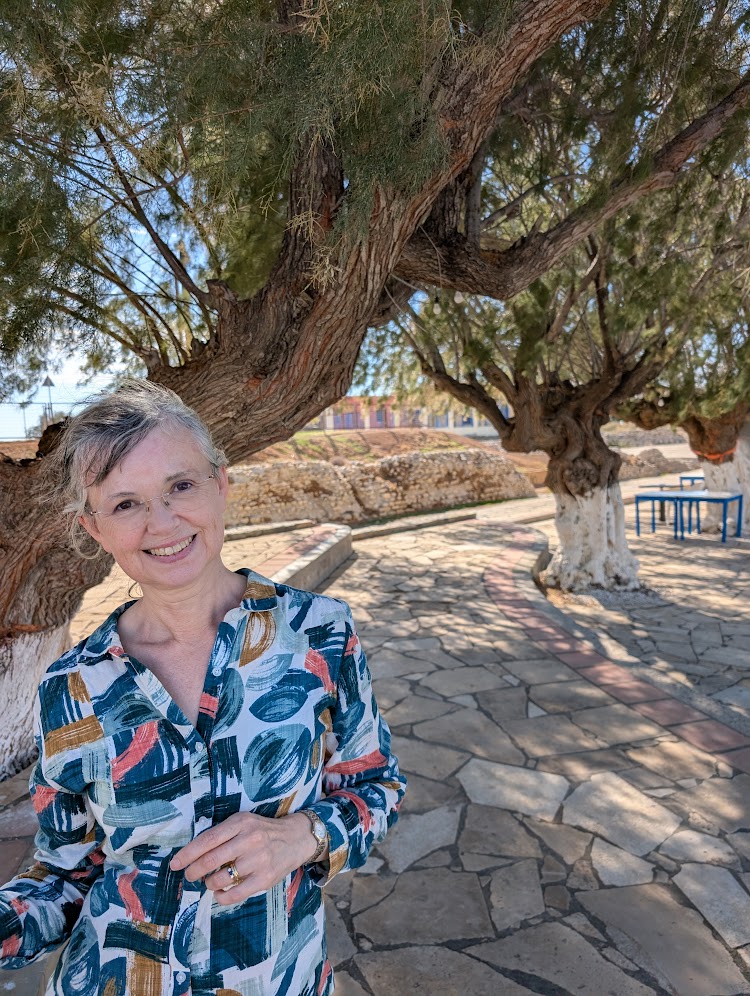
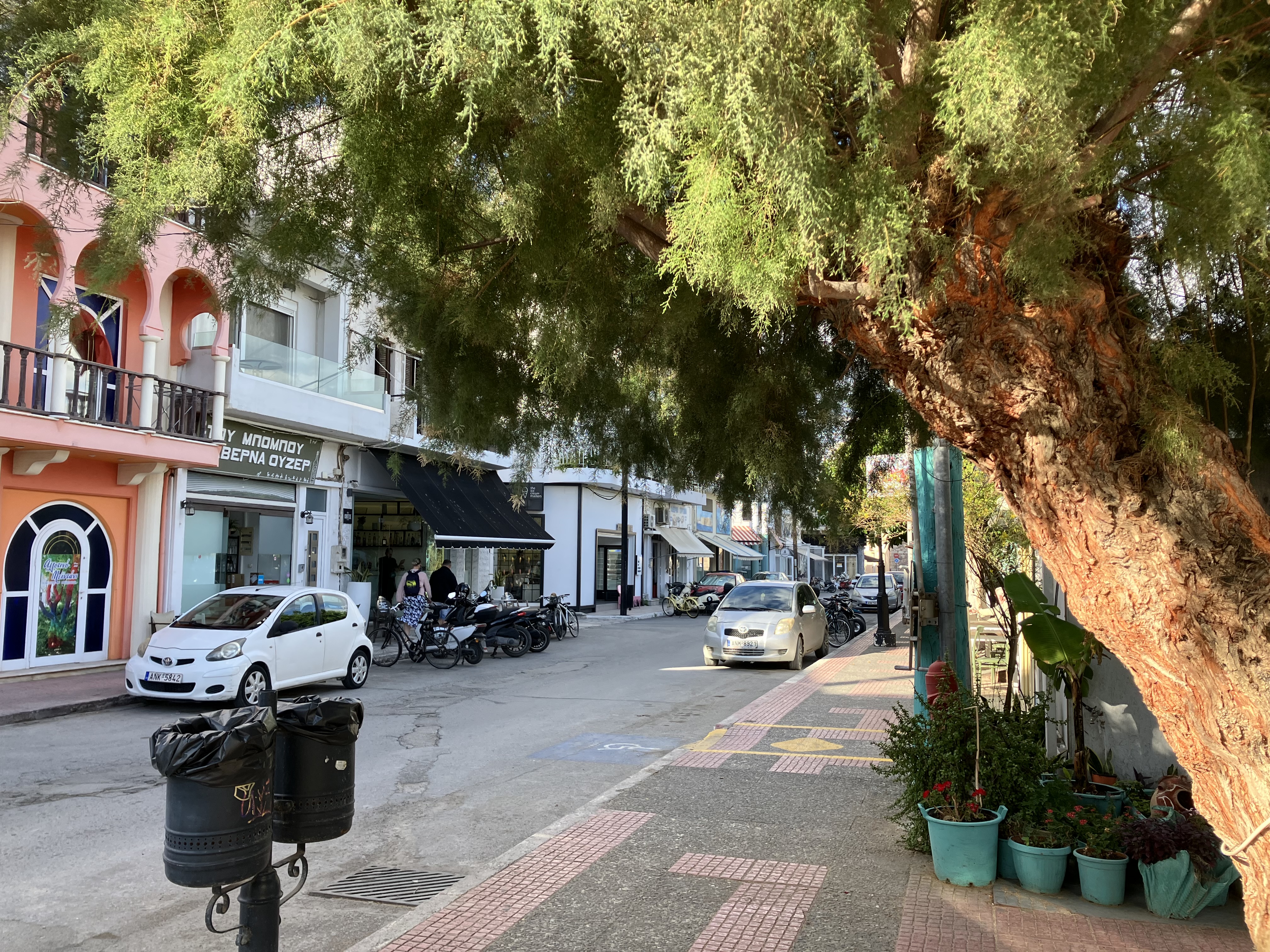
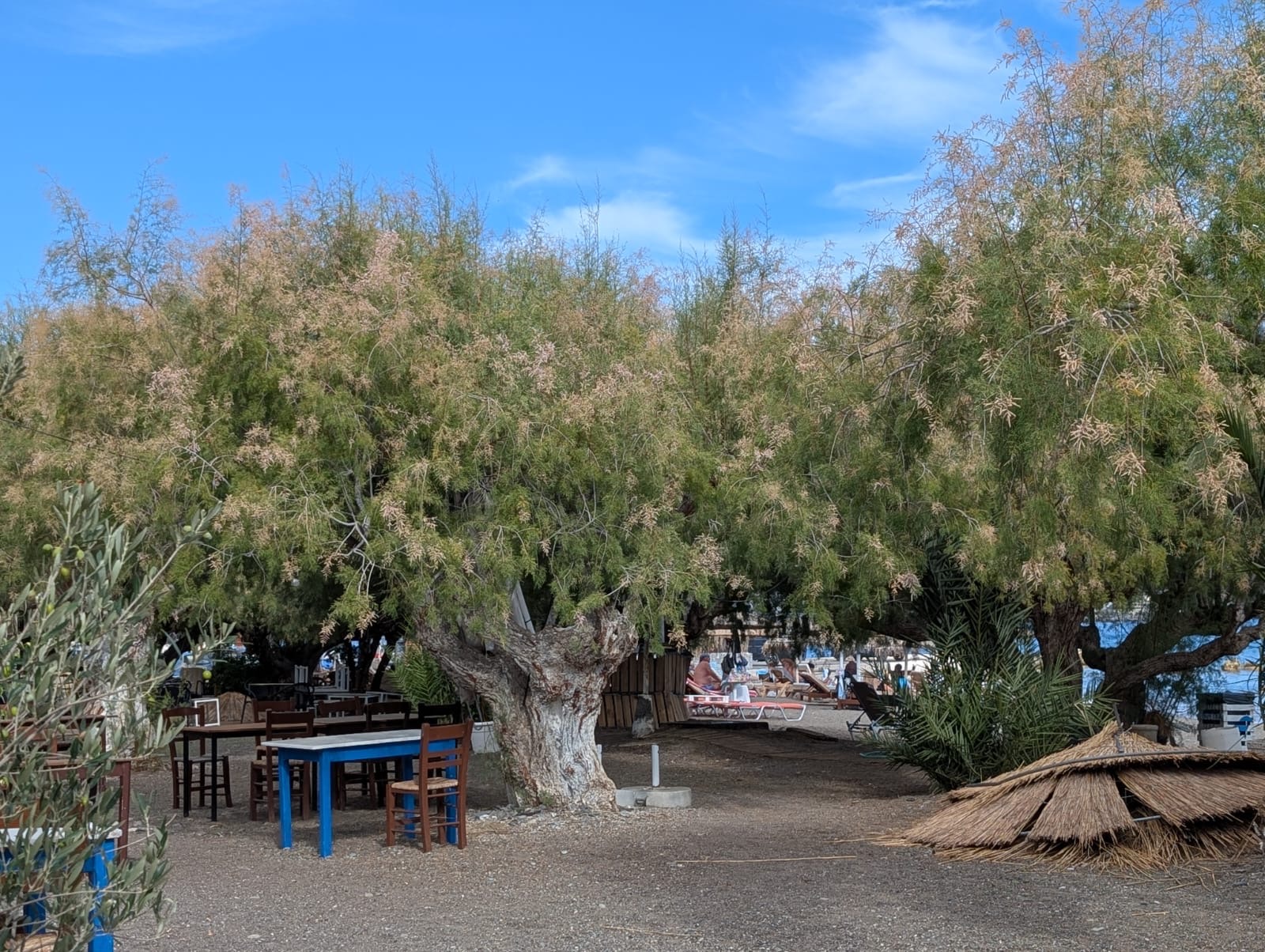
We strolled back to the ‘old man cafe’ this afternoon. They have the best coffee, and they bring it with a bottle of water, which is a nice touch. As we sat there, looking at the beach, I wondered what the twisty trees growing on the beach are. If you open the camera on the Google search bar, it will photograph things and then suggest what they might be (I have never used ‘Google search’ before—it’s rather helpful). The search results suggested they were olive trees, which they are clearly not. It also suggested they were tamarisk trees, which matched exactly. I found this very interesting. 

Tamarisk trees are mentioned in the Old Testament. They are able to survive in salty soil, and they deposit the salt in their leaves, which then fall and make the surrounding ground salty—so other plants never grow near them. They are therefore used metaphorically for Israel, which was called to be a nation separate from other nations in the ancient world. It was fun to see them, with their twisty branches and bubbly cork-like bark and delicate foliage.

It often takes me a day or two to properly see a new place, and I like Ierapetra. It has a nice mix of tourists and real life. It’s not (to my eyes) pretty, but it has some interesting plants, and lots of friendly people. The pace is relaxed. It’s also very clean—there is no litter, the streets are cleaned regularly, and whenever I have used public toilets they have been spotless. If it wasn’t for the dodgy drains, it would be perfect.

I hope you see the good things around you today. Thanks for reading.

Take care.

Love, Anne x

anneethompson.com
******

October in Crete


Crete October 2025

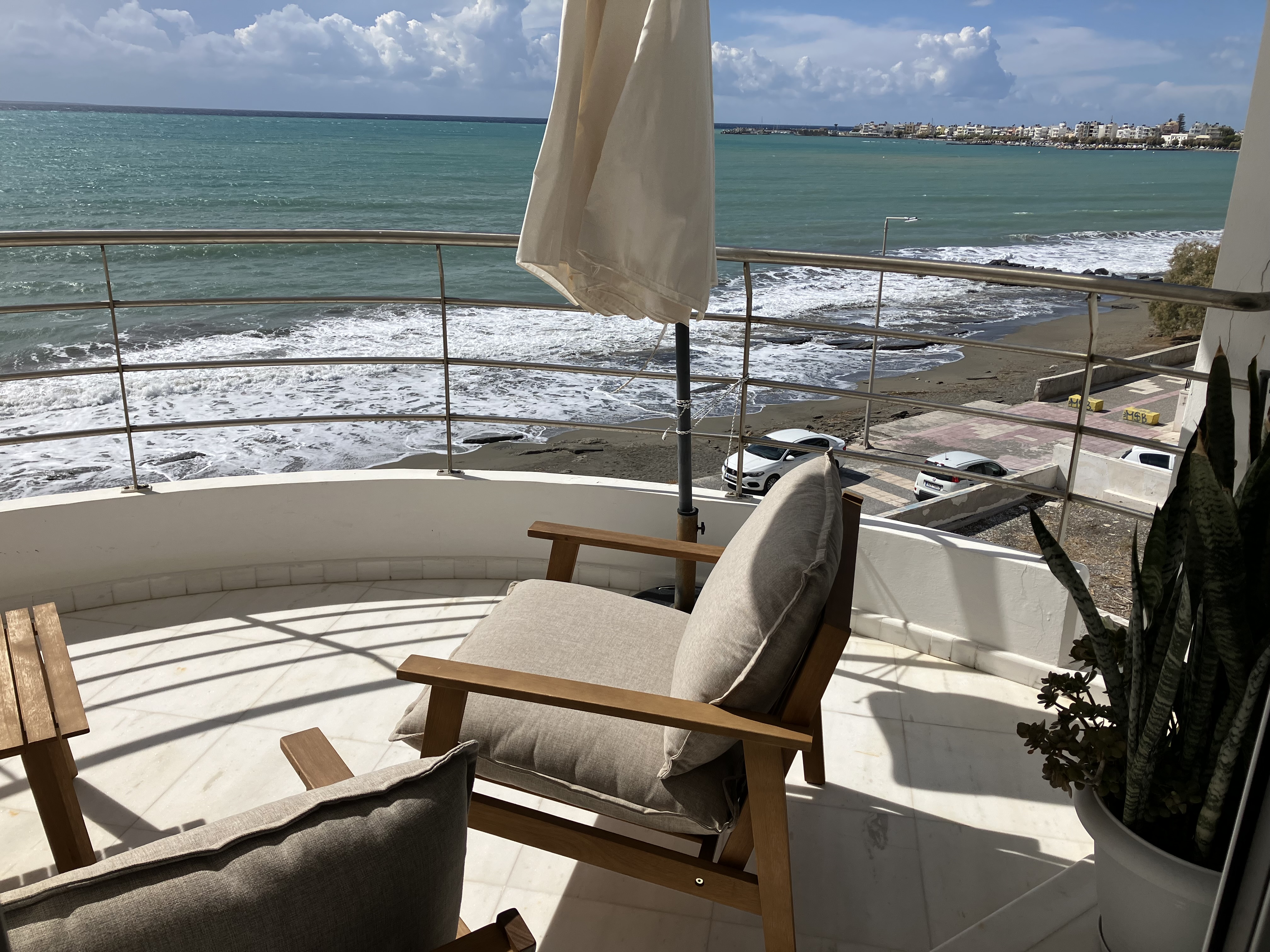
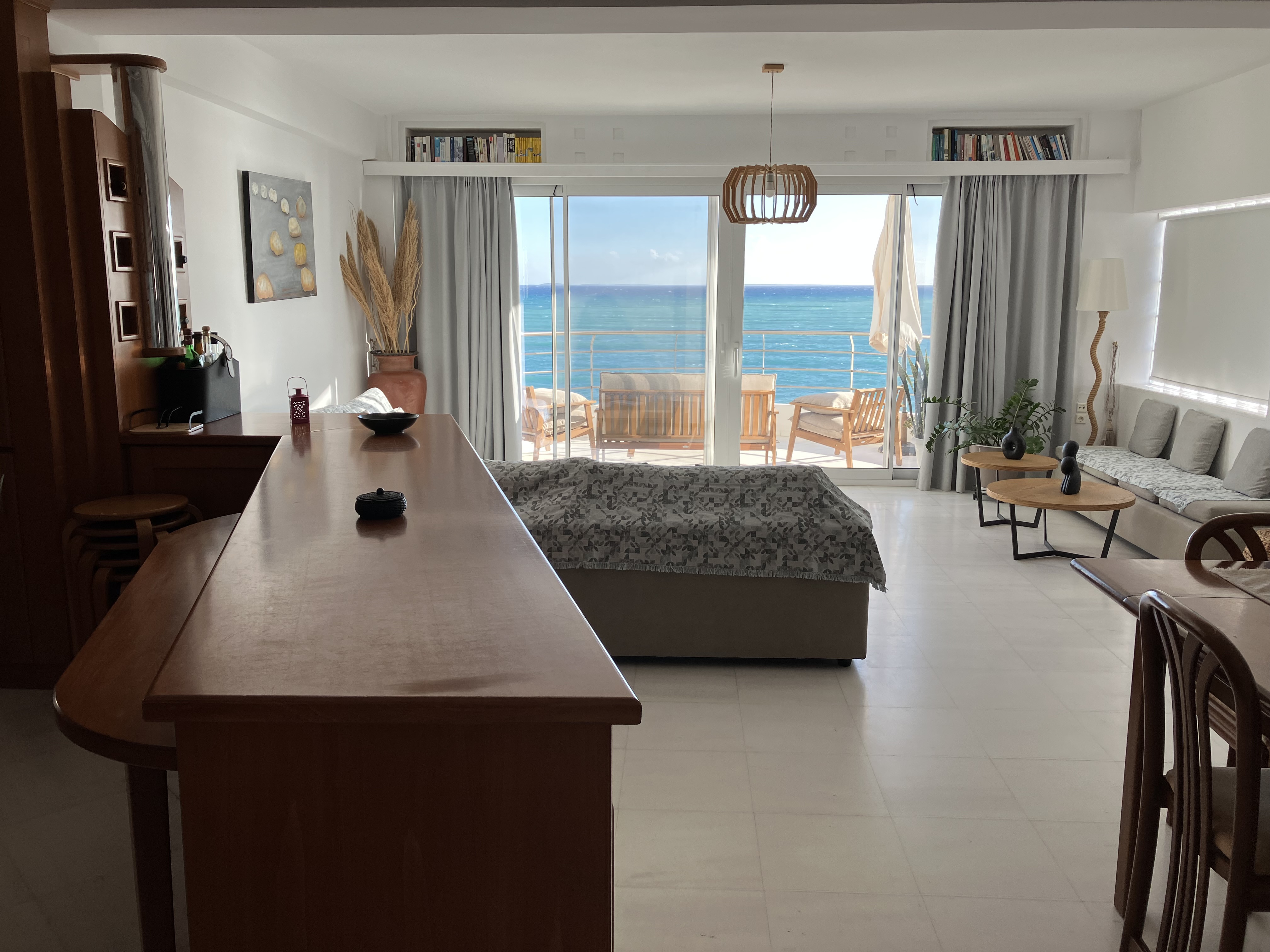
We arrived yesterday. The taxi arrived at 4.30 (I didn’t book the flights) and all went smoothly, so we arrived at the apartment early afternoon. We flew to Heraklion and drove down to Ierapetra on the south coast. The town feels slightly rundown, with white buildings and broken pavements, lots of cats and small shops selling beautiful trinkets. A first impression, so possibly will change. The apartment is right on the coast, with a balcony overlooking the sea, and a short walk to a strip of restaurants. There is a lot of touristy things (restaurants,  tourist shops, beach chairs) but mixed with real life—-a school, a few small businesses, a decent supermarket. I like it. The weather today is sunny (was stormy yesterday, when we arrived) with a fierce wind coming off the sea. I have not yet seen any mosquitoes, but the guidebook says they exist, so I am being cautious.

We have escaped for a holiday. I am hoping to do nothing. I want to read novels, nap, walk along the strip next to the beach for dinner, watch the sunset from the balcony. Husband has other plans, and a list of interesting places to visit. We shall see what happens. The one place I do want to visit is Spinalonga island, because I read the novel, The Island by Victoria Hislop. It used to be a leper colony (until surprisingly recently—leprosy was not a thing that died out thousands of years ago, it exists even today in places that don’t have easy access to antibiotics).

I am also reading a book of Greek myths by Stephen Fry, so I shall smatter my blogs with interesting ancient factoids. (I find it interesting how the Greek myths overlap with myths from Mesopotamia. For example, chaos is a feature of both, and gods vying for control over chaos, and over each other, as well as their reactions to mortals.) When various gods were sorting out the pecking order, Zeus was a baby god, hidden in a cave on Crete (not yet sure which one, but I feel sure it will be labelled somewhere.) He was raised by a goat, and as a toddler god, he snapped off a horn by mistake, This filled with wondrous foods, which is where the cornucopia, the ‘horn of plenty’ comes from. (This will always remind me of Beefeater restaurants in the 1980s, when we had less money and agonised whether we would eat the free ice-cream or pay extra for a Horn of Plenty dessert!) But back to Zeus: After he was a fully-grown god, and had defeated the other gods to be the most powerful, he needed to sort Atlas, who was a super-strong god. So he gave him the task of holding up the sky, to keep it separate from the earth. Over time, the strain was too much, and he evolved into a mountain (the Atlas mountains) and gave his name to a great sea (the Atlantic). People were so grateful (because no one wants the sky to fall down) that whenever they drew maps, they drew a little picture of him (holding the world, even though he actually was holding the sky). Hence an atlas. (More fun facts from Mr Fry to follow! ) I will let you know if we find Zeus’s cave.

Today we have just run along the path next to the beach, and wandered to a nearby coffee shop. So perhaps my restful holiday will actually happen after all. We shall see. I hope you have a peaceful week, whatever you are doing. Thanks for reading.

Take care.

Love, Anne x

Disappointing Downton Abbey


Disappointing Downton Abbey

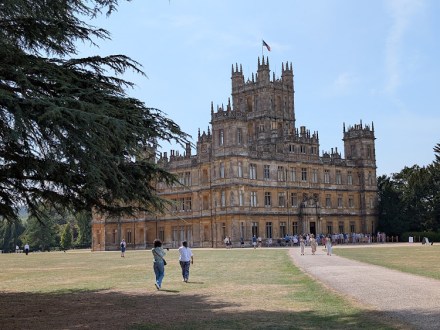
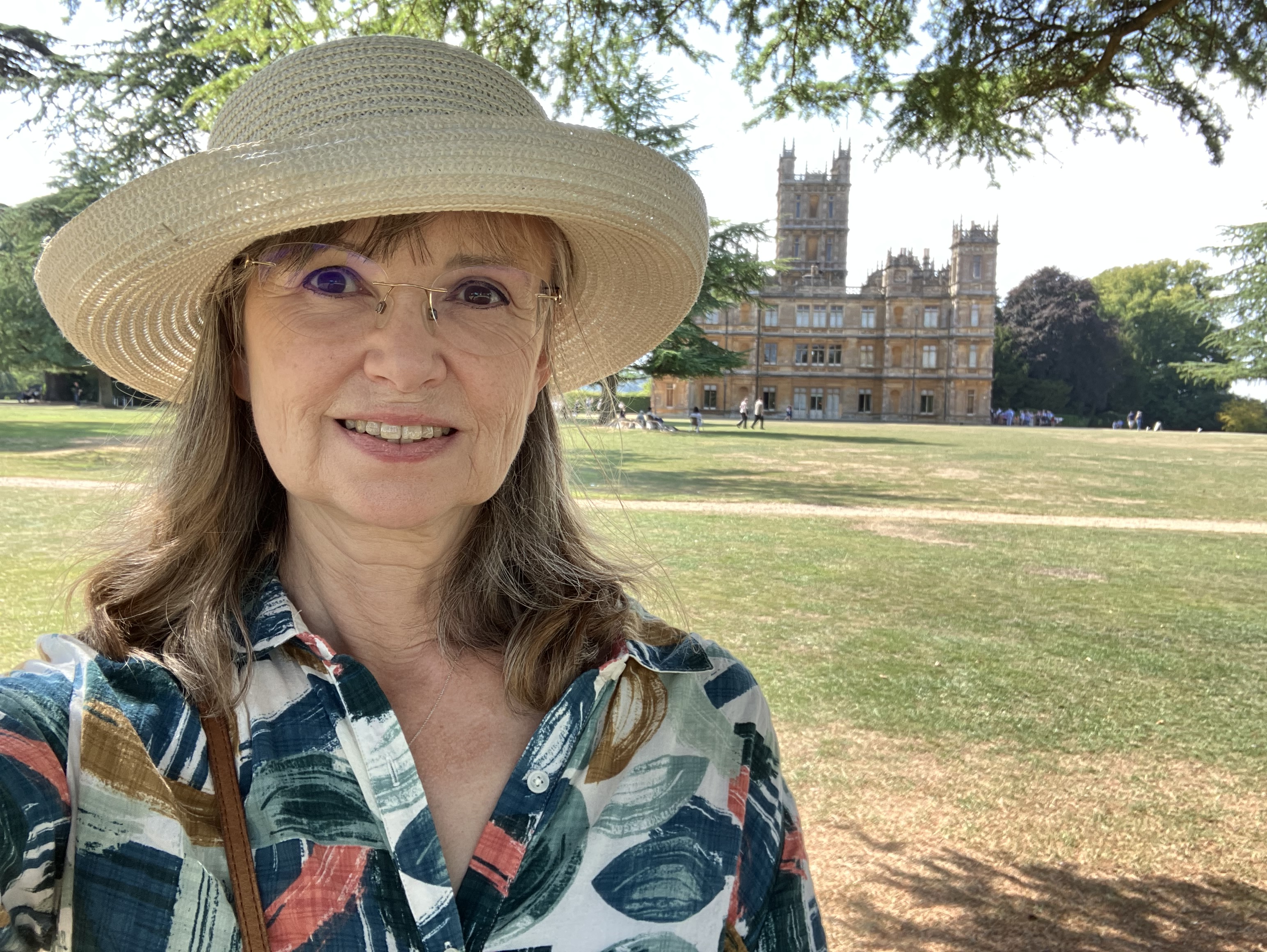
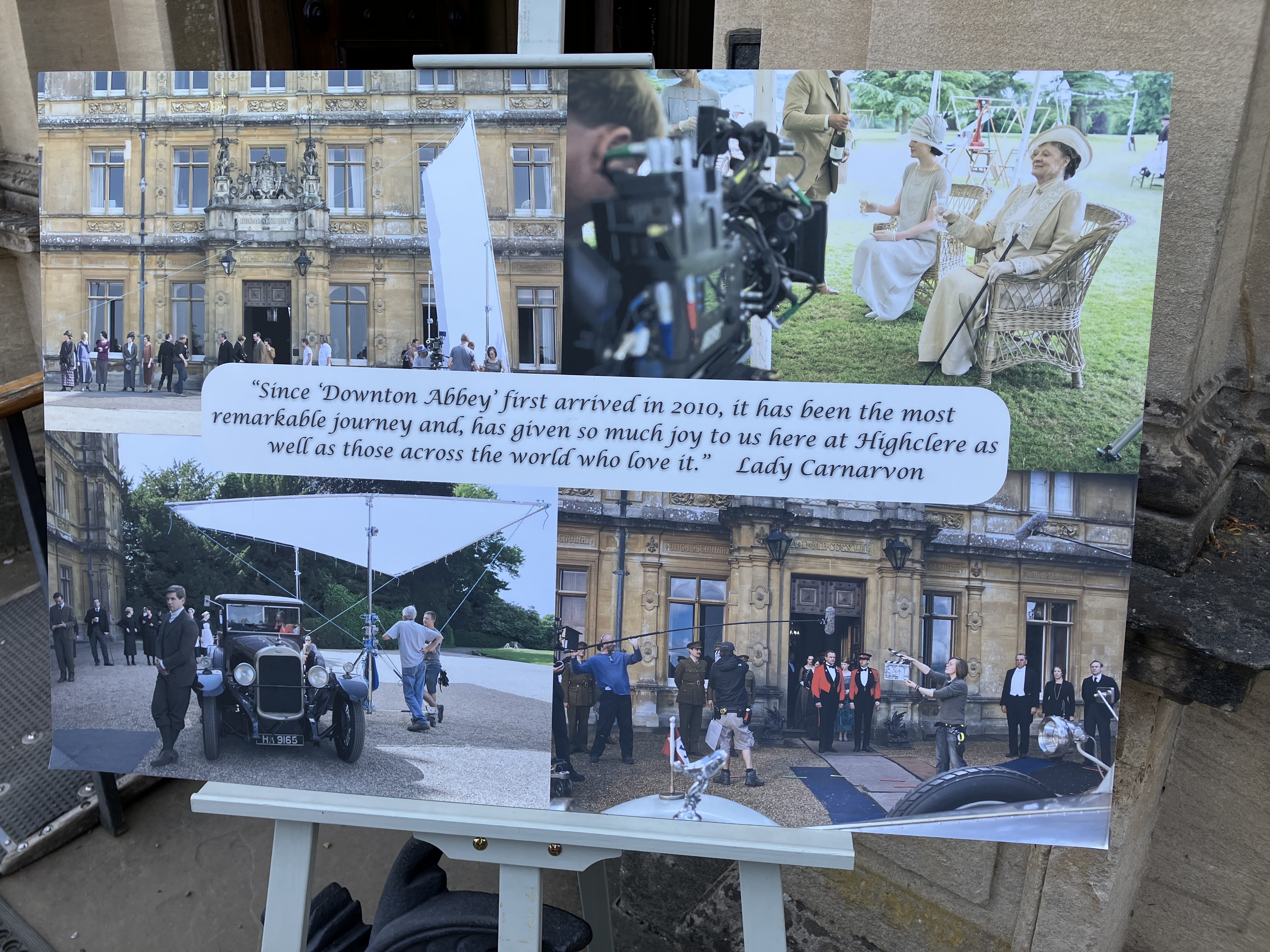
My sister Ruth is staying, and we bought tickets for Highclere Castle, the film location for Downton Abbey. The tickets were bought online, and there was lots of information about Downton Abbey, with photos of the actors in the house. We wanted to visit the house because we have watched Downton Abbey, we wanted to see the filmset, to take a selfie in the library, to enjoy seeing in real life what we had enjoyed watching. We were not especially interested in the Earl of Carnarvon (who owns Highclere House) nor in seeing another stately home. I felt the website reflected this, it was aimed at fans of Downton. We therefore paid our £22 for tickets to the house and garden. We decided not to pay £75 for a picnic (no surprise there!) although we wondered about taking our own picnic, if the weather was nice.

The day arrived, and off we set. We had booked lunch in a nearby pub instead of taking a picnic. This turned out to be a lucky decision. The reality of Highclere Castle is rather different to the enthusiasm of the website.

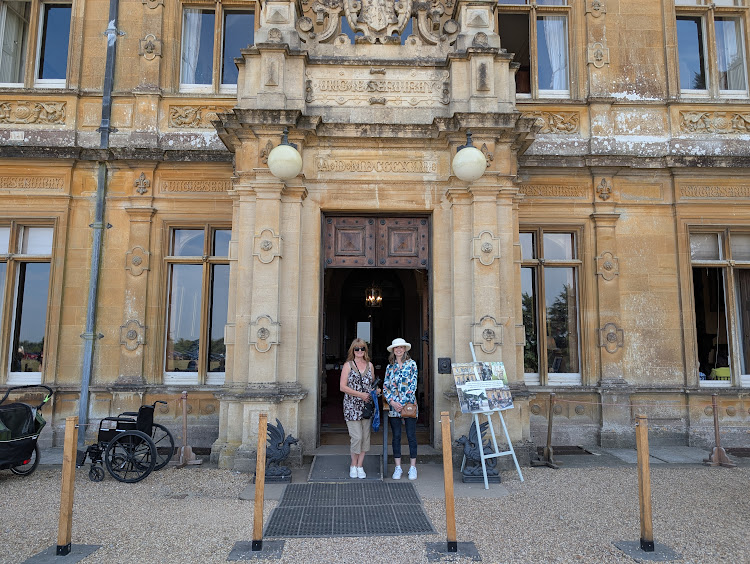
Now, to be fair, the grounds are beautiful, and we had fun posing for the iconic view in front of the house. Everything was clean, there were washrooms and a giftshop and a tearoom. However, it was very much geared up to be Highclere House — not Downton.

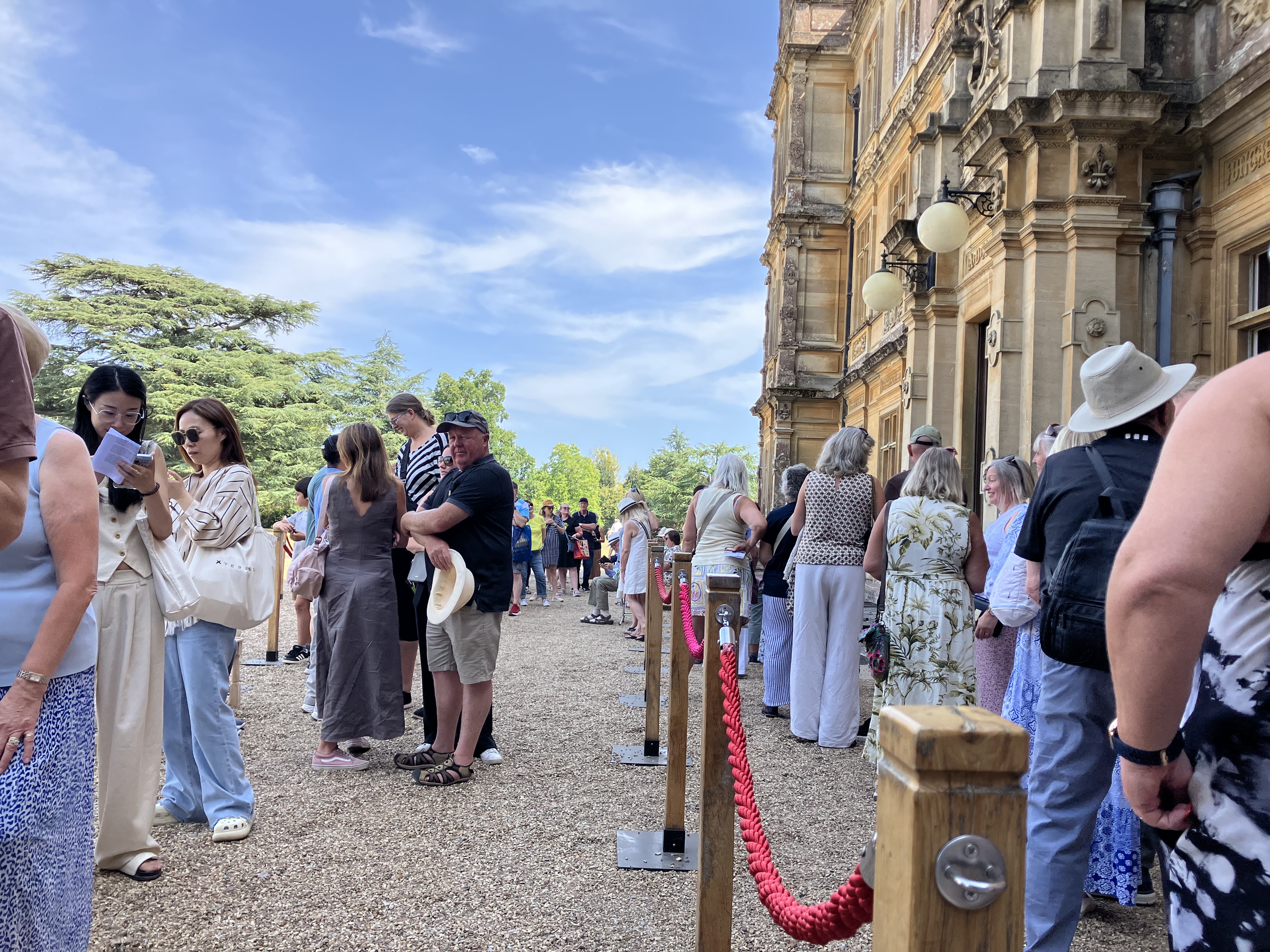
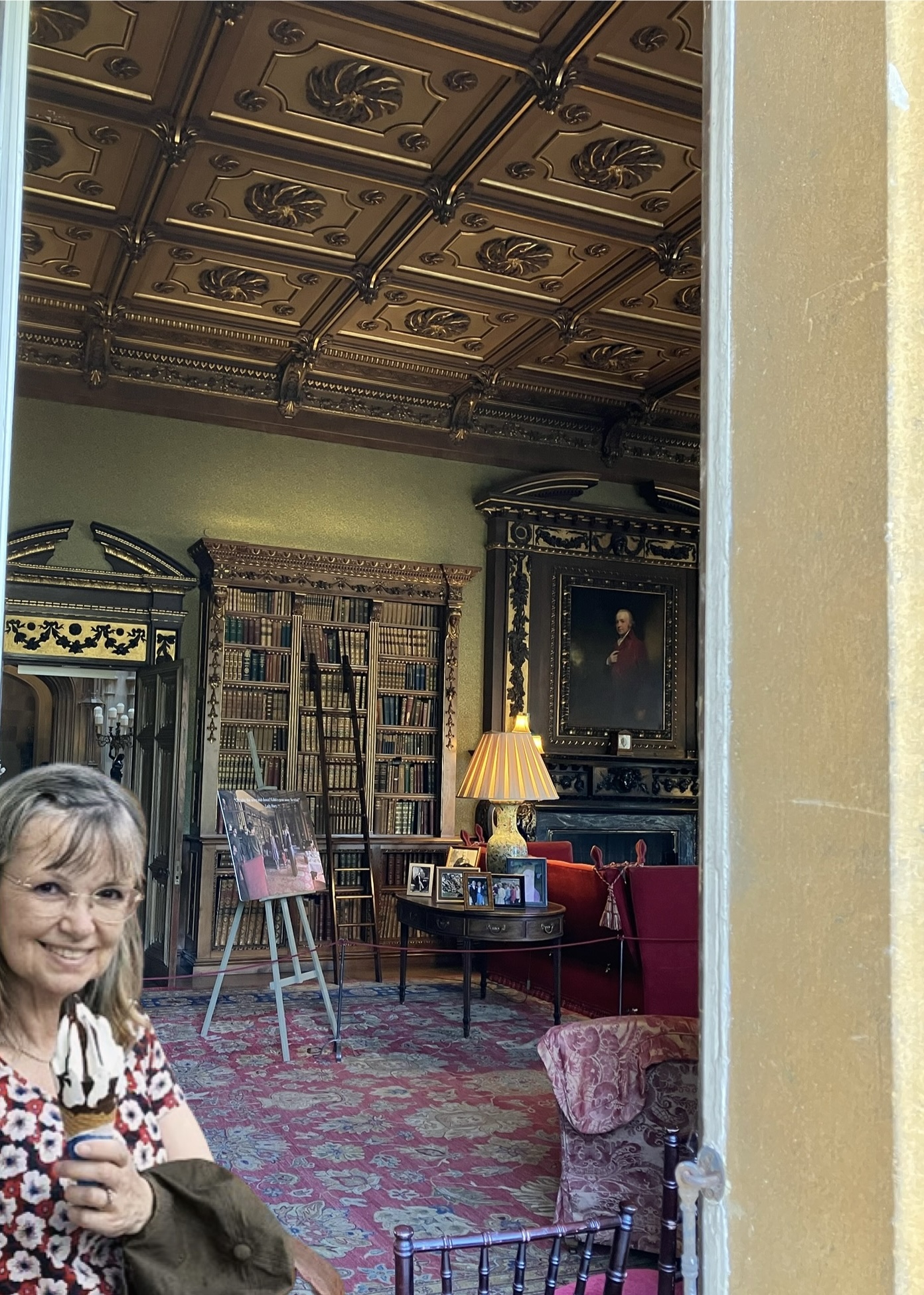
My main complaint, and I feel it’s valid, is that no photographs could be taken in the house. I can forgive the rather rude women standing at the door who insisted (as if we were 12 years old) that we kept our phones in our bags. I can forgive the long queue even though we had timed tickets (the time made no difference) and the rather ‘herded’ method that we were trooped through the house. I understand why most rooms were cordoned off, and we could only peer from the doorway. The number of photos of the family was a little odd, because I assume very few people were there to see Highclere, we all wanted to visit Downton—that is what we paid our £22 for, that is what the website sold us. I understand that it is the Earl’s family home, but visiting his house is not worth £22 to me (or I suspect most other visitors). He had sold us a visit to a film set. He gave us a visit to his house.

But we wanted a selfie, standing in Downton Abbey, and I feel that to deny us that was almost false advertising. It was mean. I checked online, and after all the Downton hype, after clicking on the page to buy tickets, I managed to find a tab that stated no photographs were allowed. It was definitely nowhere near as obvious as the numerous signs (and strict ‘guides’ who basically seemed concerned only with policing the policy). It felt like a trick. I was also somewhat bemused to find that they also do not allow picnics (despite selling them) though they do allow them to be eaten in the car! Again, it felt the website was misleading.

I am sure it costs a vast amount of money to maintain a stately home. But Highclere Castle seemed to be presenting a false image to encourage visitors. If you enjoy visiting stately homes, I expect you will enjoy it. If you want to take a selfie in Downton Abbey, or picnic in the park—then I suggest you save your money.

We spent a happy journey home downloading photos of the interior of the house from their website and adding photos of various family members. I hope you enjoy them.

Thanks for reading.

Take care,

Love, Anne x

These were the photos we were allowed to take:

**************
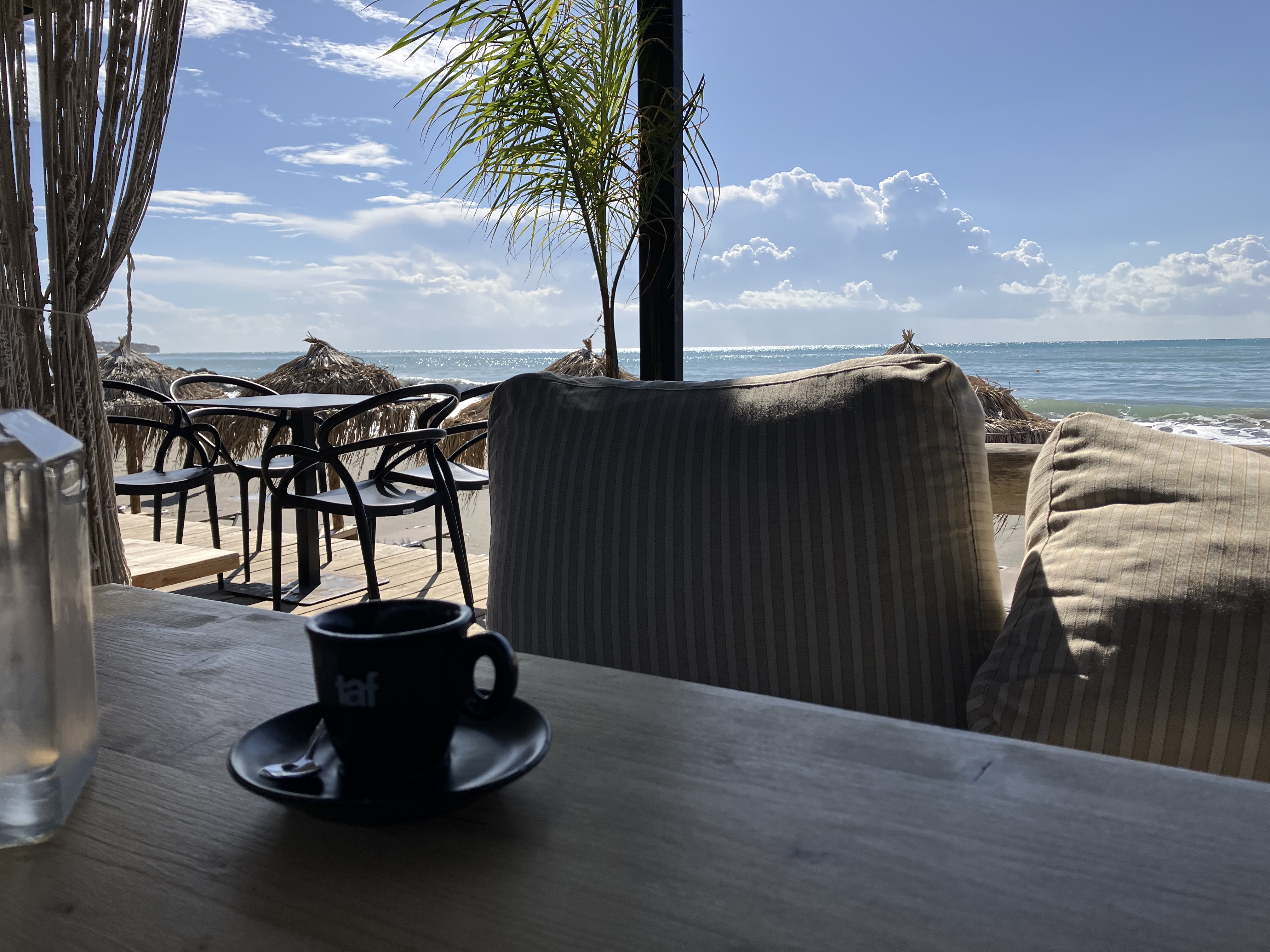
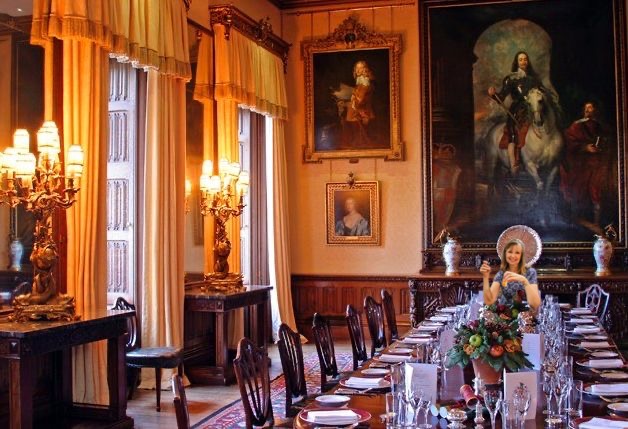
The photos we were not allowed to take:

I added the family members using clever phone. Therefore I have the photos of us in Downton Abbey–but not taken during the visit, which was a shame.

Thanks for reading.
anneethompson.com
********

Husband in Denial


We have been married for a very long time, it has been mostly good, but undoubtedly I have changed during this time. If you are a long-term reader of my blog, you will notice that I have changed since I first began writing—for a start my hair is a different colour. I am aware that I have changed because when I meet people who I haven’t seen for a while, they do not recognise me, and I have to tell them to imagine I have black hair and am thinner—then they usually remember me. However, I am not sure that Husband always notices or remembers that I have changed. Often this is good. But when we go for walks, especially long walks in Italy, this can cause challenges. I don’t find adventures as relaxing as I once did.

Yesterday we went for a walk around a mountain lake. It was beautiful, not too far to walk, no danger of getting lost because we could see the whole perimeter. Lovely—but not without challenges. The first challenge was the lack of facilities—older bodies mean weaker bladders, and whilst this is not a problem for men, it makes for a slightly uncomfortable walk for women. 

Then there was the ground, which was boggy in places where the snow was melting on the slopes. It was very pretty, with steams of water flowing into the lake, but not so easy to navigate in my not-waterproof trainers. There was quite a bit of leaping over stepping-stones, which with my lack of co-ordination and balance is a challenge. (I blame this lack of co-ordination/balance on the brain surgery, but if I am honest, I was never exactly athletic. I did read somewhere that people should practise standing on one leg while cleaning their teeth, to improve their balance. This means I fall over a lot when cleaning my teeth). But it was fine, the stepping stones were not too far apart, they didn’t wobble, my feet stayed dry and I was quite impressed with how far I can still jump.

But then we encountered an area that was basically swamp, with no dry ground at all. It was caused by a large area of snow halfway up the scree slope which was melting fast. The ground above the snow was dry, and Husband suggested we should walk up the slope, along the line where the top of the snow met the scree, then down the other side. It was bound to be a disaster, but I decided it didn’t look too difficult, off I set.

I walked up the scree, next to the heap of snow. As we approached, marmots (groundhogs if you’re American) scampered off and dived into their burrows. How cute. The terrain grew steeper, and less easy to walk, but we were nearing the top of the snow. Husband is very good at offering his hand for the more difficult parts, and he usually goes first and suggests the best footing. But somehow I managed to be slightly higher than him, and I started to slip, and needed to use my hands to avoid falling. I just needed to climb slightly further. My face was now right next to a marmot burrow, and I felt I could hear them watching, just out of sight, gnashing their teeth inches from my cheek. Not so cute. I climbed higher, level with the top of the snow now, maybe we could walk along it? Husband tested the footing and slipped—no, snow is too slippery to walk on in trainers. I searched for hand/footholds in the scree. There was nowhere to secure myself, I started to slip whenever I paused, I needed to keep moving sideways. Husband told me to wait while he found a route. I told him (very calmly, no panic at all) that I could not. If I kept still I slipped. I started to make my way back to where we had started. Sharp thorns were sticking into my fingers, my feet were skidding, there was an Italian man below shouting ‘Allez!’ which might have been nothing to do with us, but it added to the stress of the situation. I crawled/slipped//skidded back down to the swampy land. Avoided being attacked by marmots (they were probably laughing). Found a big rock and sat on it, waiting for Rambo Husband to join me. He went off in search of an easier route. There wasn’t one. We were halfway round the lake, and decided that perhaps this was as far as we could get. Walked back to the car. More of an adventure than hoped, but it was very beautiful.

We drove up to the San Bernado Pass, into France. Stopped for coffee and crepe (and washroom—yaay!). This bit I enjoyed.

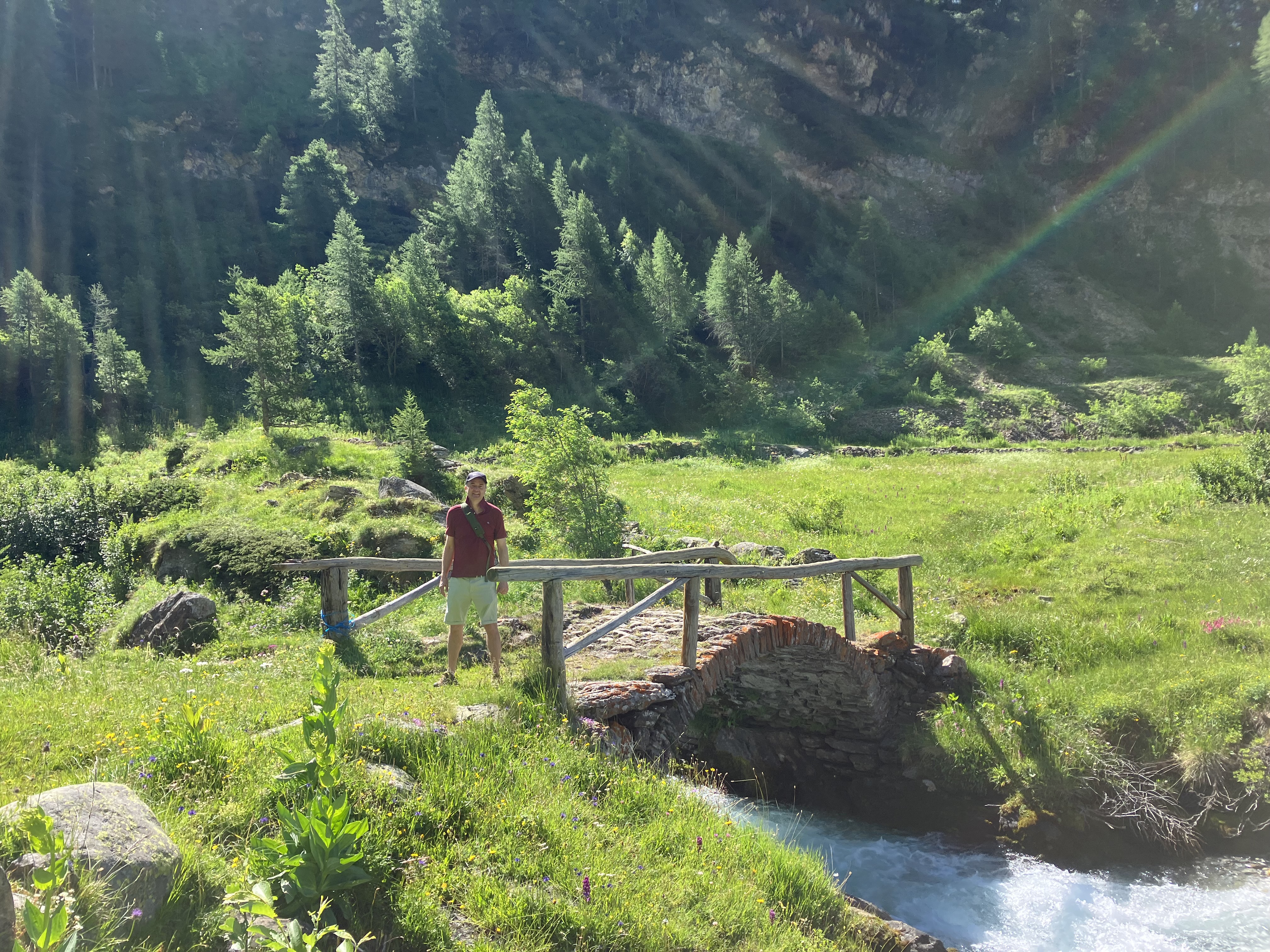
Today Husband suggested another walk in another valley. I said I did not want any scrabbling, off we went. We drove into the mountains, and walked into the valley. Gushing rivers with little bridges, meadows full of flowers, very beautiful. The path wound upwards. Not so good, but okay so far. Then the ground got boggy, more melting snow, more jumping across stepping stones. Then, while perched on stepping stones, we noticed cows—frisky ones—walking up the hillside towards us. Worried we might get trampled. Noticed a thin blue line of electric fence and felt safer. Under the fence dashed two large dogs, barking loudly, hackles raised—felt less safe. I kept my arms tucked in, and spoke sternly, telling them to stay down (hoped they understood English). They circled us, but didn’t approach. A farmer further up the hill heard the noise, called the dogs. Husband asked if we were okay to walk, he replied with a thumbs-up, we continued. The electric fence crossed the path. It was nearly too high, but managed to step over it (held onto Husband for support). Then a little further on there was another wire—this one was too high for stepping over, so we crawled under it, hands and knees on the gravel. Old back protested, took some nurofen. 

The rest of the walk was very beautiful, with stone bridges over bubbling water, and flowers and mountains, and all boisterous cows secured behind wires. But I felt a bit worn out. I do like walks in beautiful places, but I prefer less adventure. And definitely less scrabbling up scree or under fences. Being upright is very nice at my age. I don’t mind being older—I actually do not want to do the things that I did in my forties, I don’t want more children or to be worried about a career or to be planning to move house. Mostly I like being older. But as I cover my cuts with savlon and top up my nurofen for my aching back, I realise that I do not quite keep up with Husband anymore. I now prefer my adventures in books. I think I will take charge of planning the walks in future. They will involve only walking.

I hope you survive your day. Thanks for reading. Take care.

Love, Anne x

Happy Thoughts


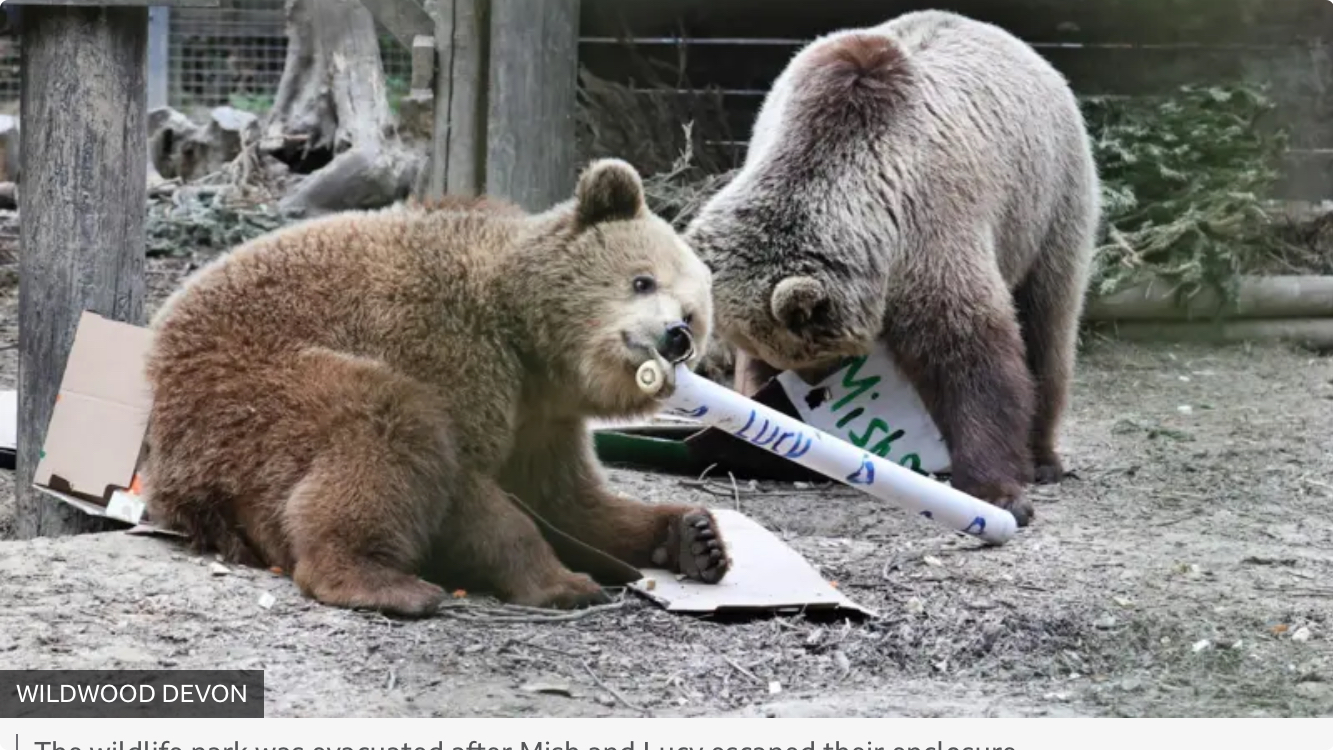
Today I was cheered by something I read in the news. In Devon, two young bears had escaped. The zoo quickly phoned the police (standard procedure) and ensured all the staff and visitors were safely secured into buildings. When everyone was safe, they set about capturing the bears. This sounds fairly easy. Apparently, the escaped bears went straight to the food storage area, ate a week’s worth of honey in two hours, then went back to the cage to sleep it off. I love stories like this. Who doesn’t love a good bear story?

Image from BBC website.

I feel we need some cheering news at the moment—the rest of the world seems very insecure. I understand that Europe has become very popular for holidays this year, because no one wants to visit America due to Trump’s stringent  border controls, and the Middle East is not looking safe right now.

Europe is nice though, and currently safe and welcoming (with variable food and weather, depending on which country you visit). We followed the trend and visited Italy. So far (two days in) it has been pretty perfect—though we did have bit of a worry the day before we travelled.

We had booked an Airbnb, which we have used several times, and they have always worked out well for us. This one was in La Thuile, which is our favourite place in Italy, and you will remember we have visited a few times in the past. However, the day before we were due to travel, the owner of the apartment contacted us, saying that the cooker was broken, so we were being offered a different apartment, further up the road. This was a worry, because La Thuile is in the Italian Alps, and a ‘bit further up the road’ might turn out to be up a long track, up a mountain, a long drive from anywhere. We asked for more details, and said that as we did not plan to cook, we didn’t really mind if the cooker didn’t work. Not much in the way of reply. Then some videos arrived, showing the new apartment, and directions so we could check the map. It looked fine. When we arrived it was fine, and the previous apartment was covered in scaffolding and had workmen renovating it. It looked to be rather more major than a faulty cooker! 

Another unexpected thing was our favourite restaurant, where we usually eat every night, was shut. No info on the website, no response to phone calls. We tried our second-choice. They replied saying the season has a break in June, they reopen at the end of the week. Unexpected. We walked down the hill into town. This was the day we had arrived, after a 4am start, and a long drive from Turin airport. I was tired and hungry (but still pleasant, good company, completely reasonable, as you can imagine.) We found a restaurant that looked nice, booked a table for 7pm, when it opened, walked up the very long hill to our apartment. I napped.

At 7pm we went back down the hill to the restaurant. We were seated in a sort of cavern, with an arched ceiling, and given good red wine, and tasty food, and all was very good with the world, Well, with our little bit of it. Felt very happy as we made our way back up the hill/mountain (felt steeper than before) to our apartment.

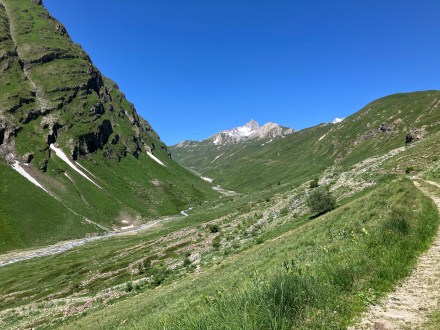
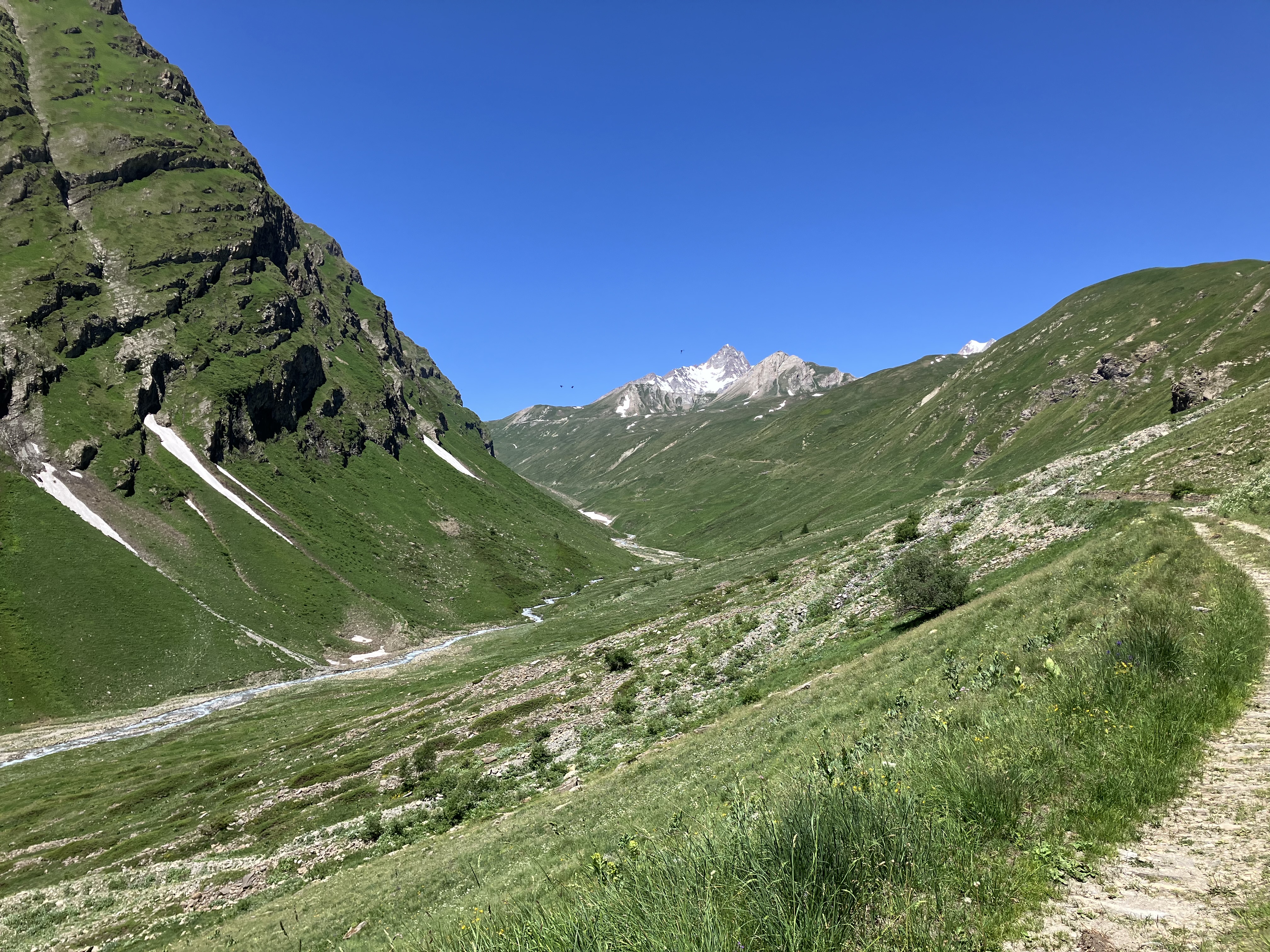
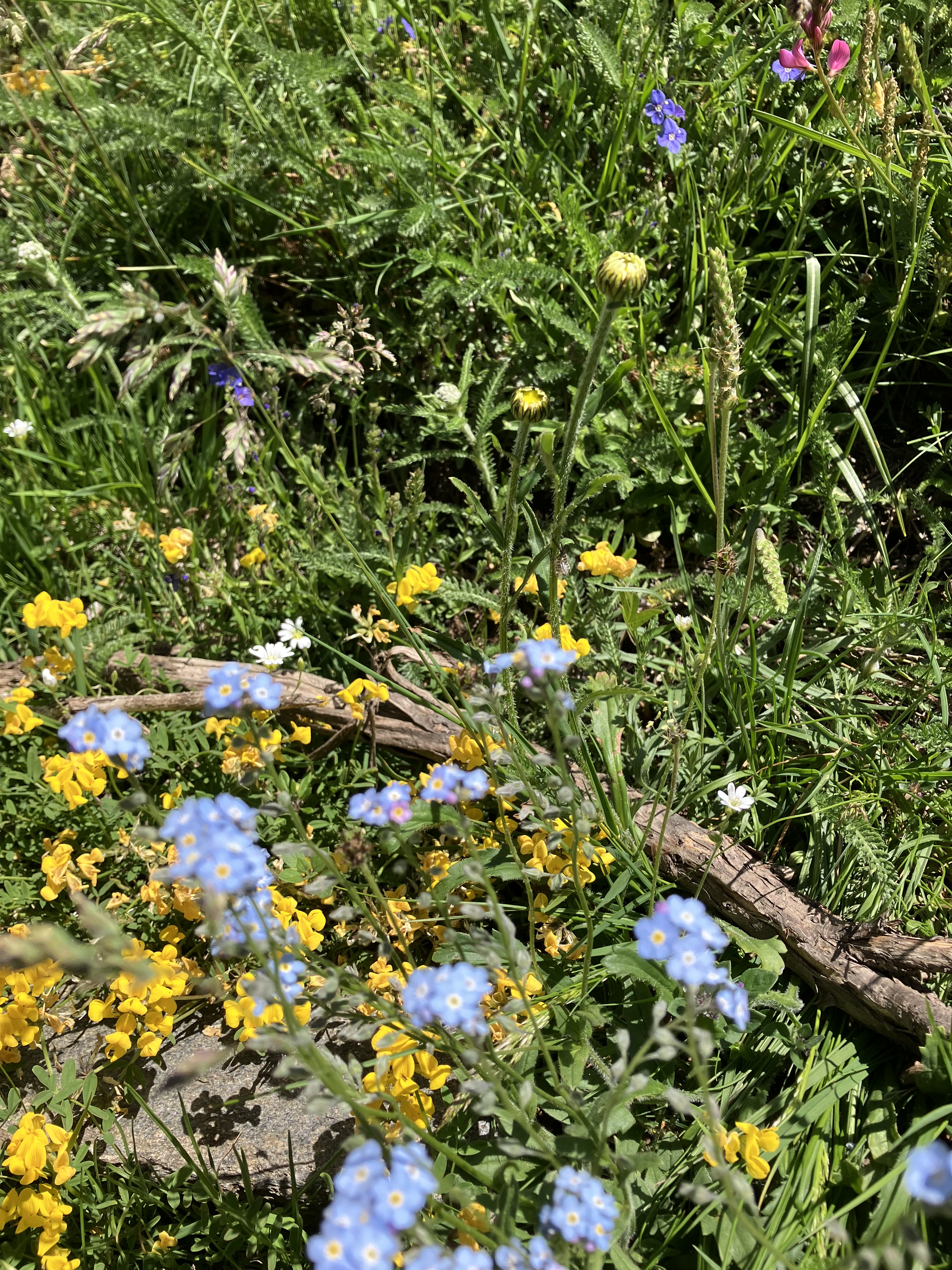
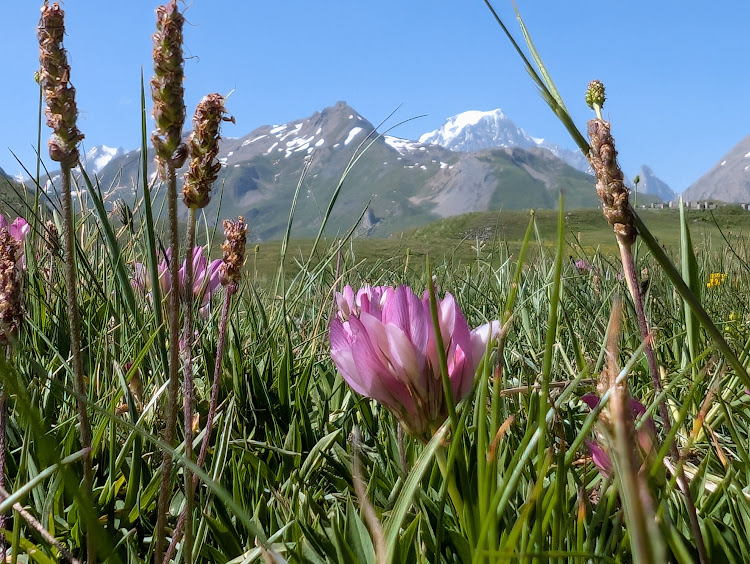
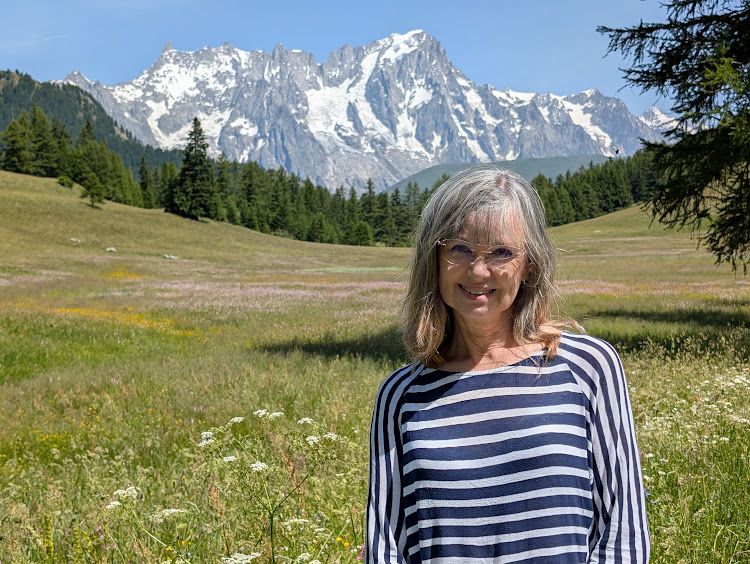
I woke this morning to a view of the mountain, white with snow, and the blue blue sky. I notice how beautiful the world is. We went for a walk, along Rte 12, which is, without doubt, the most beautiful valley in the world. The sun was shining. There were butterflies and spring flowers, and cows with bells clonking on the mountainside. The air was clear, We walked for a couple of hours, This is why we came. At one point there was snow, which had slipped down the hill, covered in mud but still white underneath. It was icy, hard to scoop into a snowball. The path was wet with snow melting further up the mountain, and the waterfalls, which will be tiny springs in August, were racing foamy white torrents that rushed down to the valley.

At one point there was a rumble, distant, a deep shudder. Was it a plane flying high? Thunder? An earthquake? Noticed there was ‘smoke’ from the mountain on the other side of the valley and at first I thought they must be mining. Then I realised it was a rock fall, stones rolling down the mountain (probably due to melting snow), I was more watchful after than—didn’t fancy a rock on the head!

A lovely day, in a beautiful place. It’s good to remember that beautiful places, and good food, and cute animals, exist even when it seems like the world is going bonkers. Humans have not managed to ruin everything, there is still some wonder in the world.

I hope you find something to cheer your week too. Thanks for reading. Take care.

Love, Anne x

Visiting The Saatchi Gallery


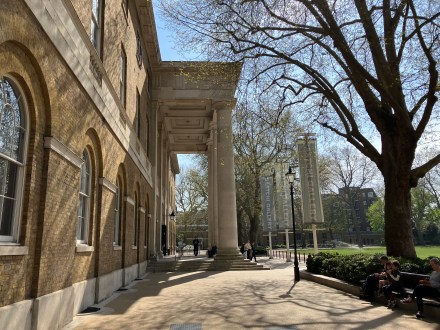
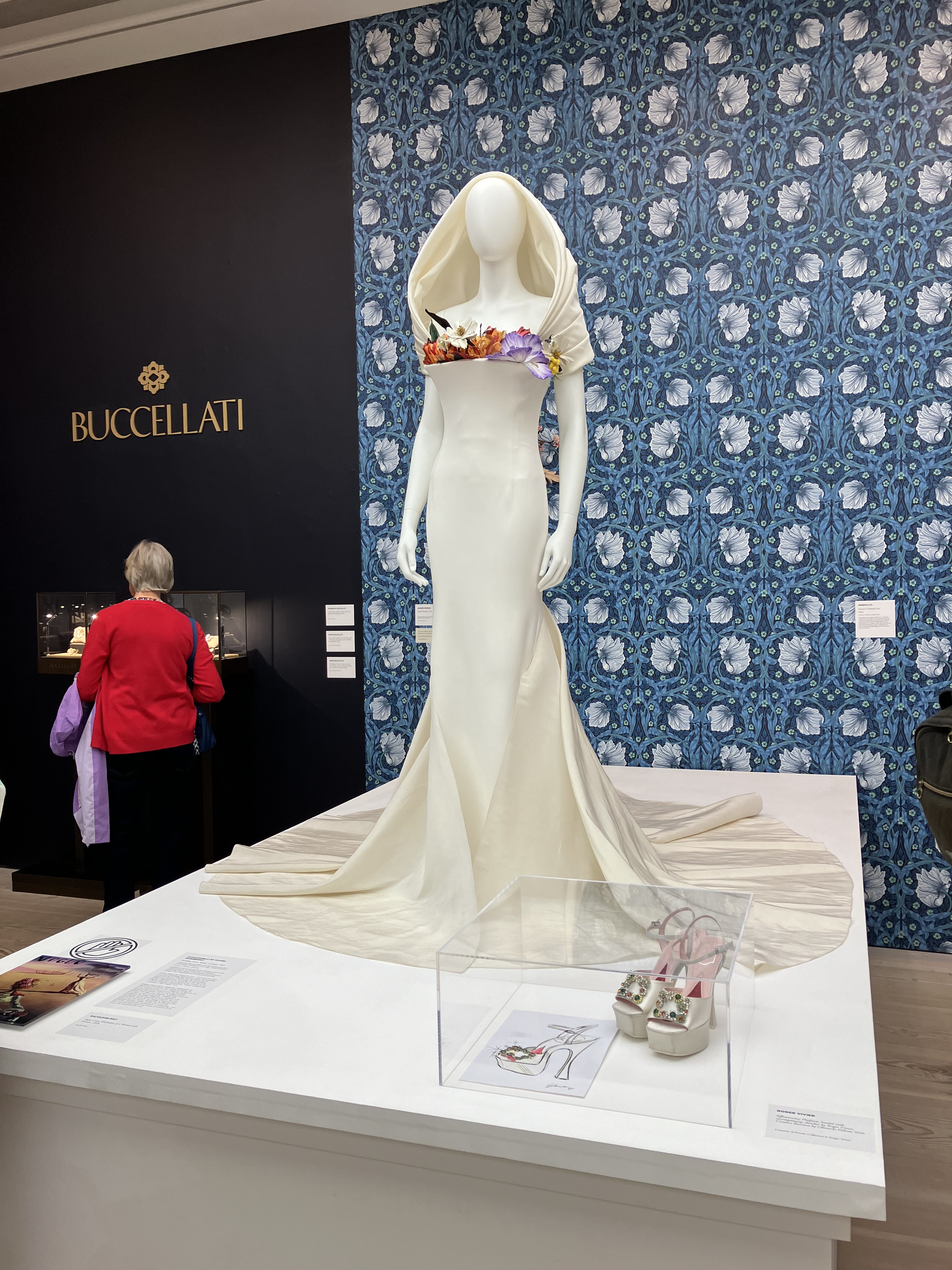
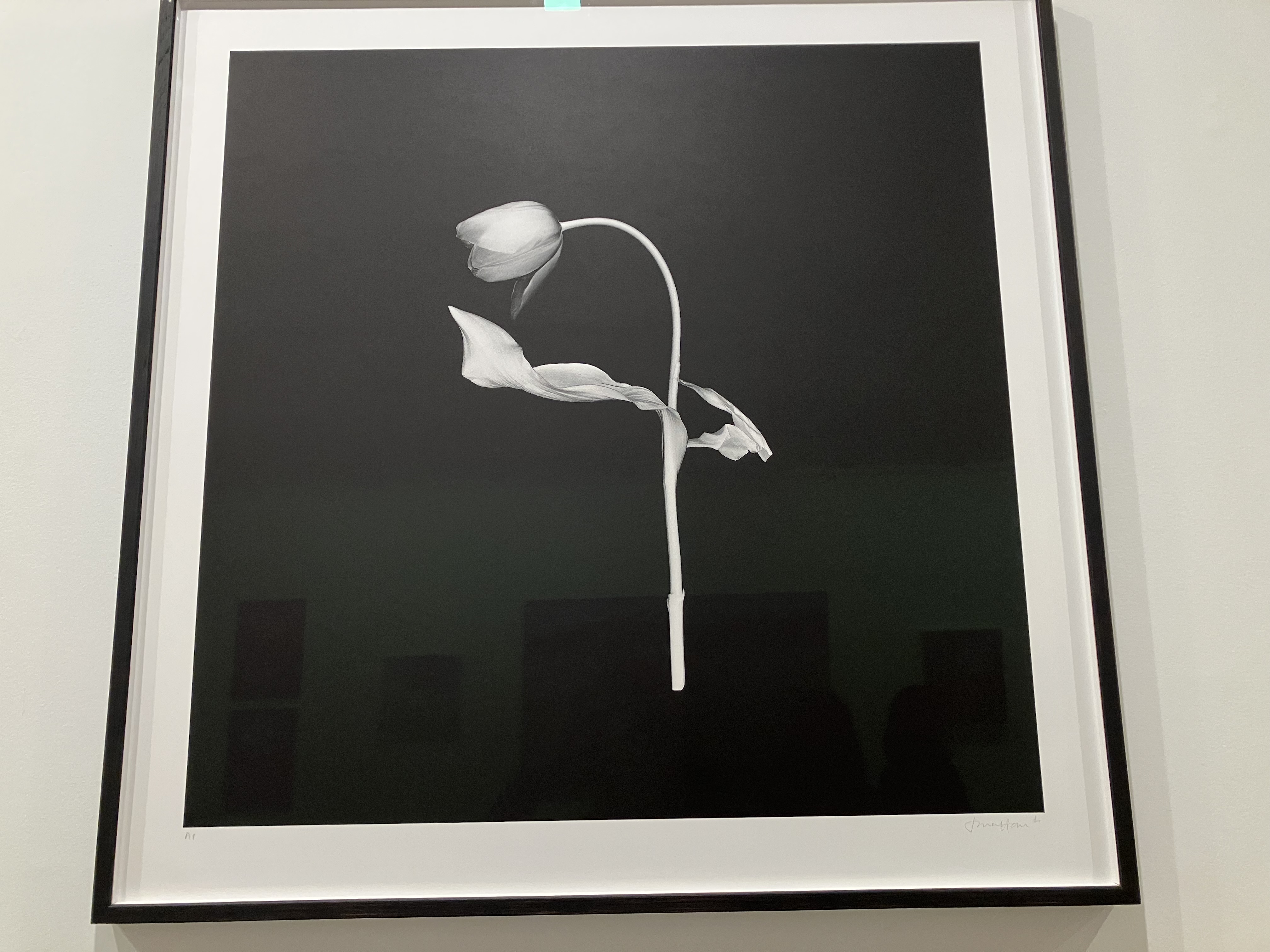
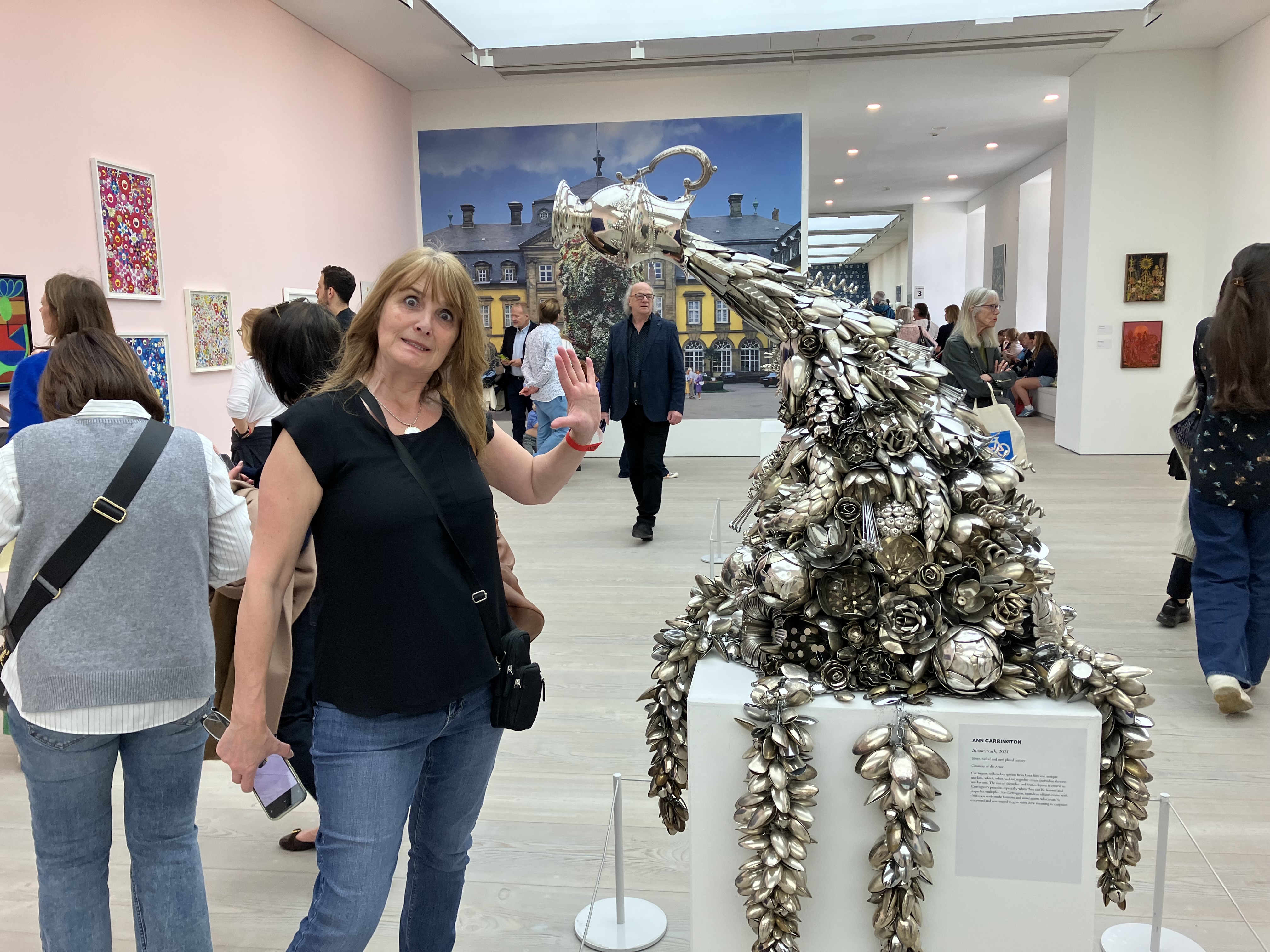
We went to the Saatchi Gallery in London, to see their exhibition, Flowers: Flora in Contemporary Art and Culture. It’s there until 5th May, and worth the visit if you have time. My sister was visiting from Canada, and we thought it would be a fun day out, so we caught the train to Victoria and walked to the gallery. As soon as we left the main road the volume of traffic dropped, and we could have been in a country town—birds singing, flowers in window boxes, pretty houses clustered in Mews. I love walking through this part of London, it’s peaceful and beautiful, and full of history. We walked for about 20 minutes, then walked through the archway at the entrance to the gallery gardens and discussed whether we should have prebooked tickets. We hadn’t, and there was a queue for people who had pre-booked, and I wondered whether we would shortly be on our way home! But all was fine. I don’t know if it’s usually busier, but we bought tickets at the entrance and went inside immediately. (The tickets are £18 plus a £2 donation which would be hard to avoid; or £10 if you’re over 65 or a student.)

The gallery is open from 10 til 6 every day, and the nearest underground (in case it’s raining) is Sloane Square.

The flower exhibition is wonderful, and not at all boring (not even for me, who is not actually very keen on paintings of flowers). The first view was Van Gogh’s Irises which is huge, and purple, and full of Spring. It was placed on the wall, behind a sculpture of his Sunflowers. I am interested to know two things: 1. What is the correct way to pronounce his name? (I am English, so say ‘van-goff’ but my Canadian sister says ‘van-go’). Any Dutch readers, do tell which is correct. 2. Is the Saatchi painting the original or a copy? I went in circles online, and couldn’t be sure of the answer. It’s lovely, whether painted by—or inspired by—Van Gogh (/ff/o).

There were sculptures, and fabrics (and a small boy who had worn a flowery jacket and who looked as if he was part of the display—but wasn’t). My favourite was a painting, beautifully realistic but with long straight drips, which dribbled across the canvas and over the mount to the frame. It was bright and beautiful and incredibly clever, and the sort of painting you could stare at for hours.

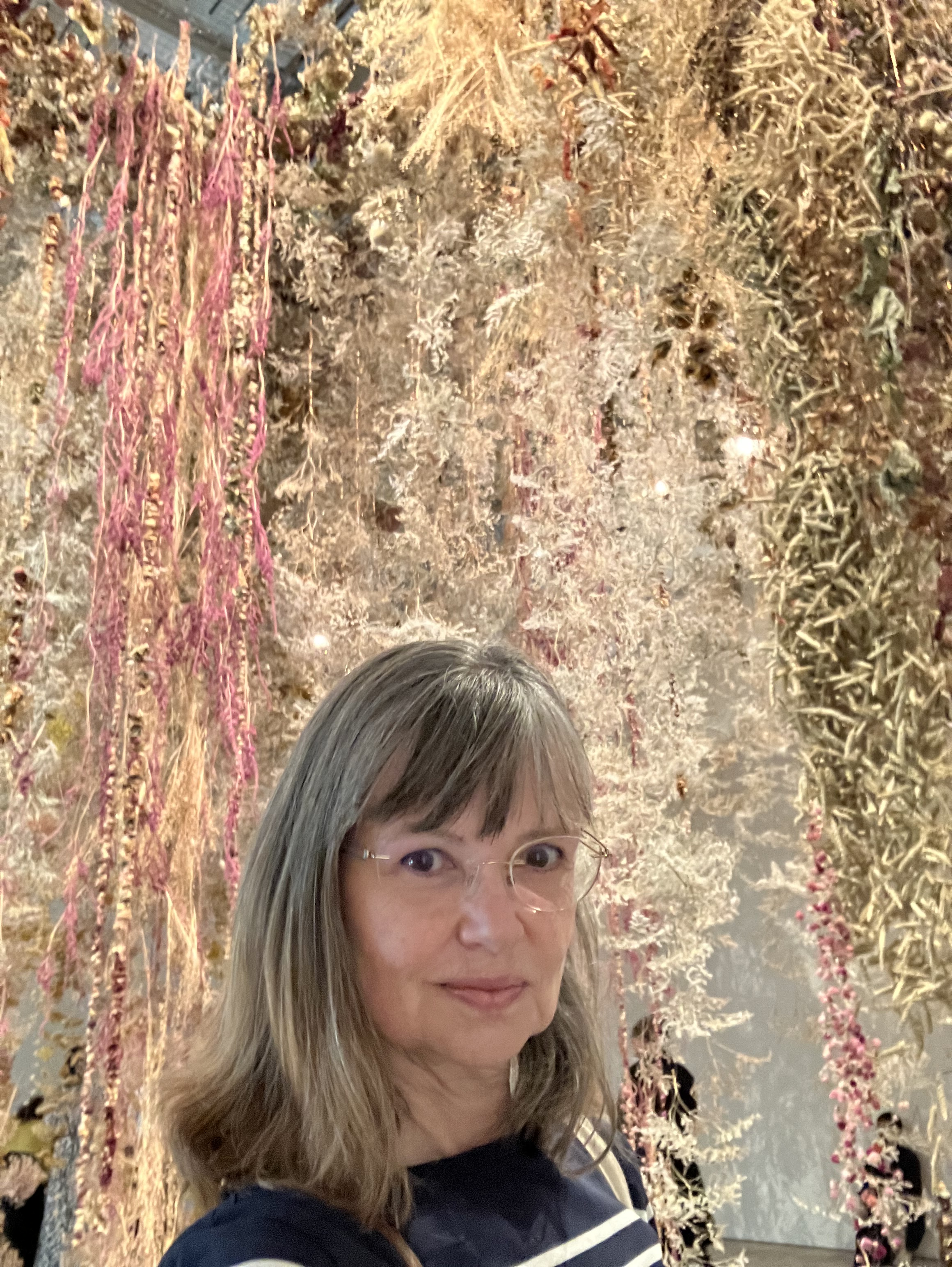
Another highlight was the Rebecca Louise Law room (which had inspired our visit, as we share uncles even though we are not related). I have seen her work a few times, but this was different as it filled a whole room. It was like a gigantic upside-down tree, made from dried flowers, and we could walk through the upside-down branches, and stare up to the upside-down trunk, and it was clever and calming and brilliant. (It was also full of people taking selfies!) My pictures do not represent it properly, you need to visit if you can.

After enjoying the gallery for longer than expected, we went to a small Italian restaurant and ate lunch in the sunshine. Altogether a pretty perfect day out.

I hope you have a perfect day too. Thank you for reading.
Take care.
Love, Anne x

PS. If you are Dutch, please let me know how to say ‘Van Gogh’ correctly!