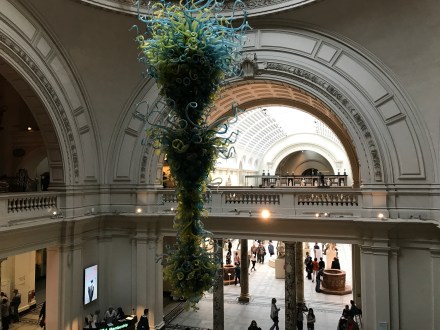
Looking for a Story at the V and A


I wanted to visit the Victoria and Albert Museum, and as Husband had a day off, he suggested we go. Next time I’ll go on my own.

I have a few wisps of stories in my head at the moment, and one is set in the past. As my knowledge of anything historical is pretty much limited to slushy films and novels, this might prove something of a problem. I want to write about people living in another age, but have no idea what they wore, ate with, sat on, etc. So I thought the V and A might be a good place to start. I could look at a few artefacts and decide whether it was even plausible to set a story in a past century.

The V&A is walking distance from Victoria Station, so we had a nice walk, past interesting statues, very posh mansions and pretty mews. I love walking through London. Then it began to rain. If you plan to visit a London museum, do not go on a rainy day. It is full of people with umbrellas who are more interested in being dry than looking at the exhibits.
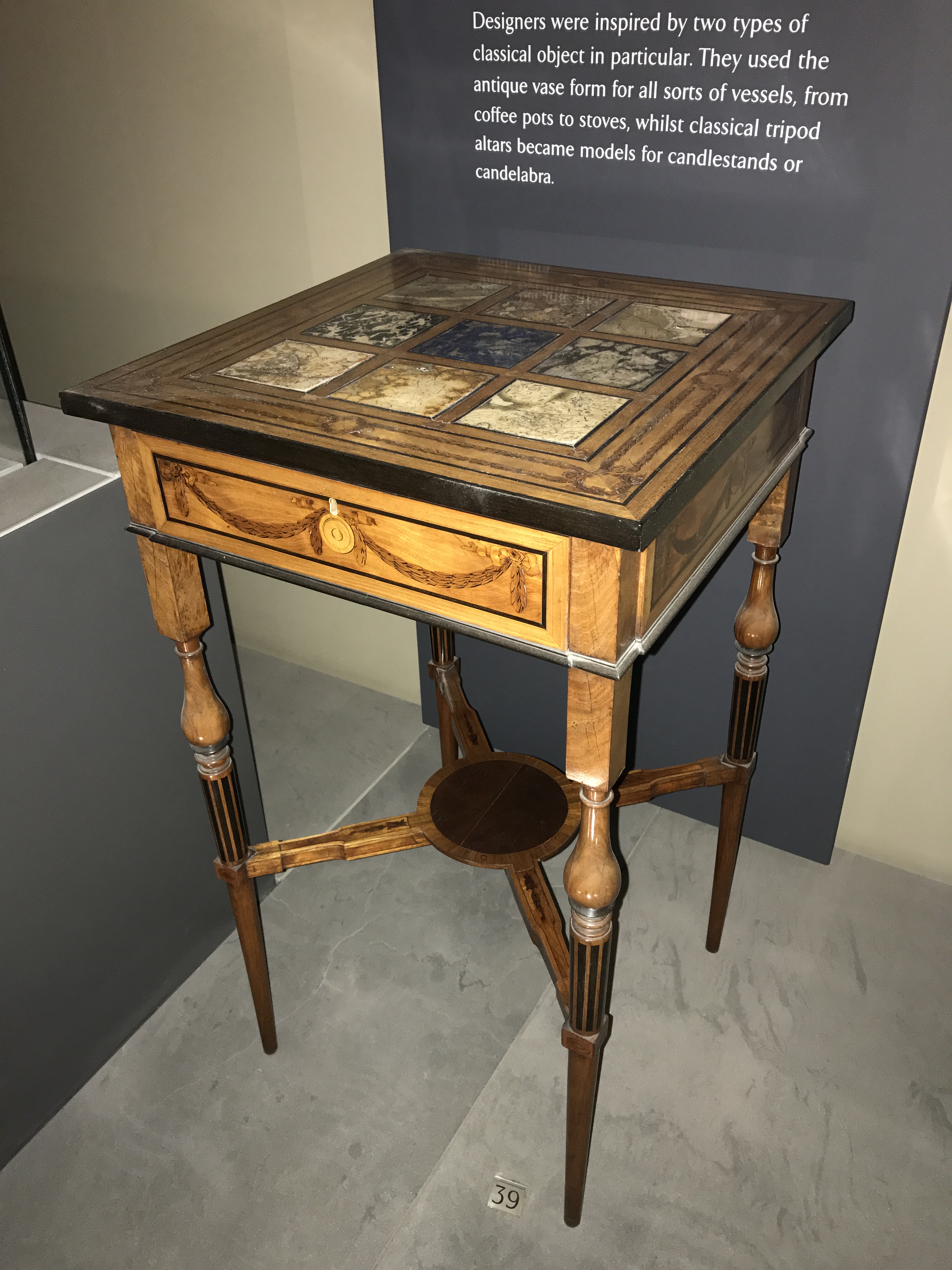


Husband needed to make a phone call, so I dumped him in a coffee shop and went up to the second floor. There was some lovely 1700s furniture. I was quite taken by a little table with spindly legs and inlaid wood. It had side panels, and one was a drawer, and I could see someone might hide something in there. The table would be in the corner of a room, partly hidden by swathes of curtains (did they have curtains in 1760?) and a young woman would hide something in the drawer and lock it.

There was also a cabinet, called a commode, patterned with scenes of a Chinese garden. Perhaps the girl would hide the key, dropping it into one of the Chinese urns before rustling away. (Did they wear clothes that rustle?)
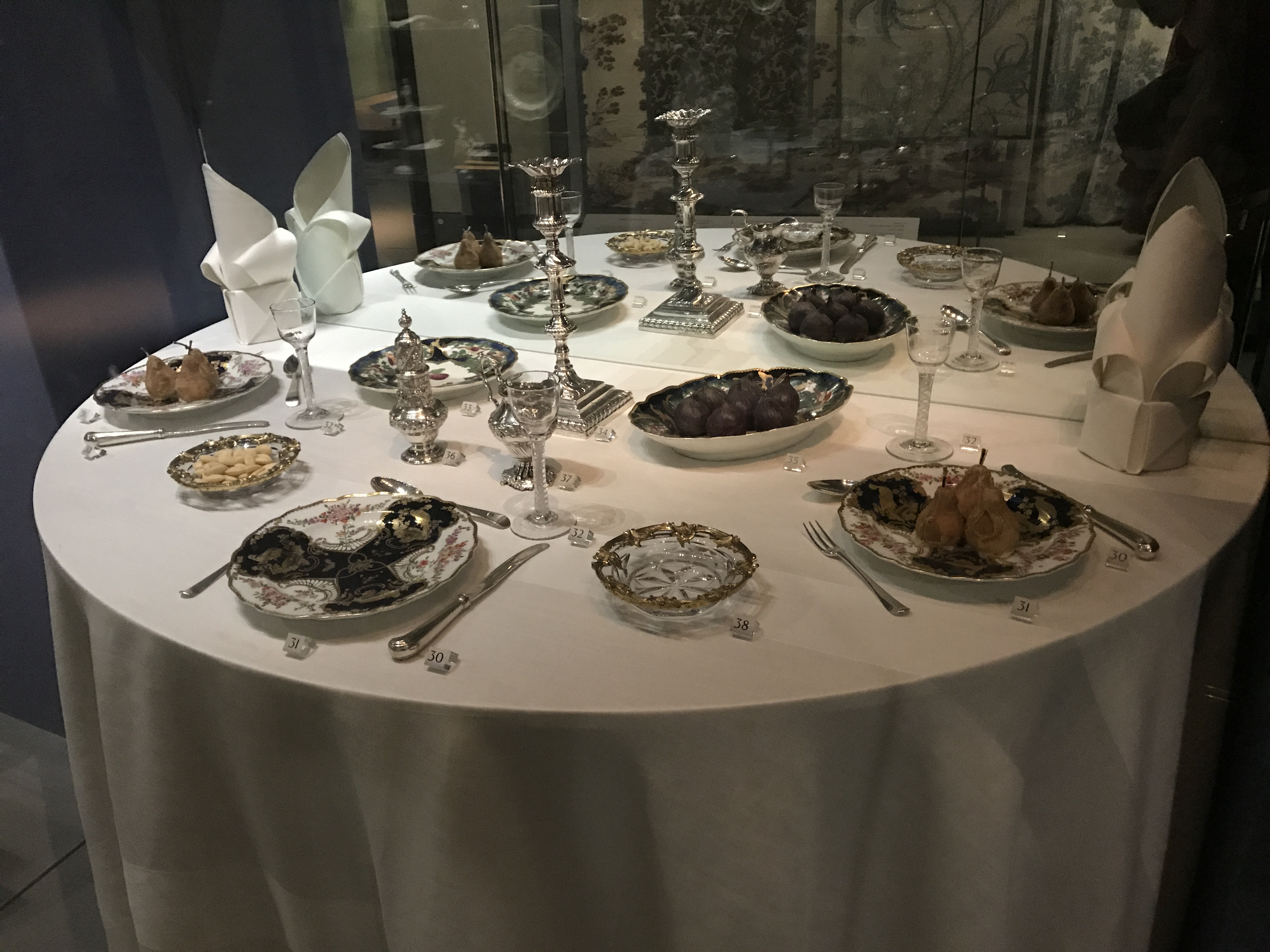
There were tables, set for dessert, showing food that was served in those days. People had just begun to buy cutlery, so guests didn’t have to bring their own; and food was served in courses. Desserts were fashionable, (the word is derived from the French ‘desservir’ meaning ‘unserve’ because the main food had been cleared away.)

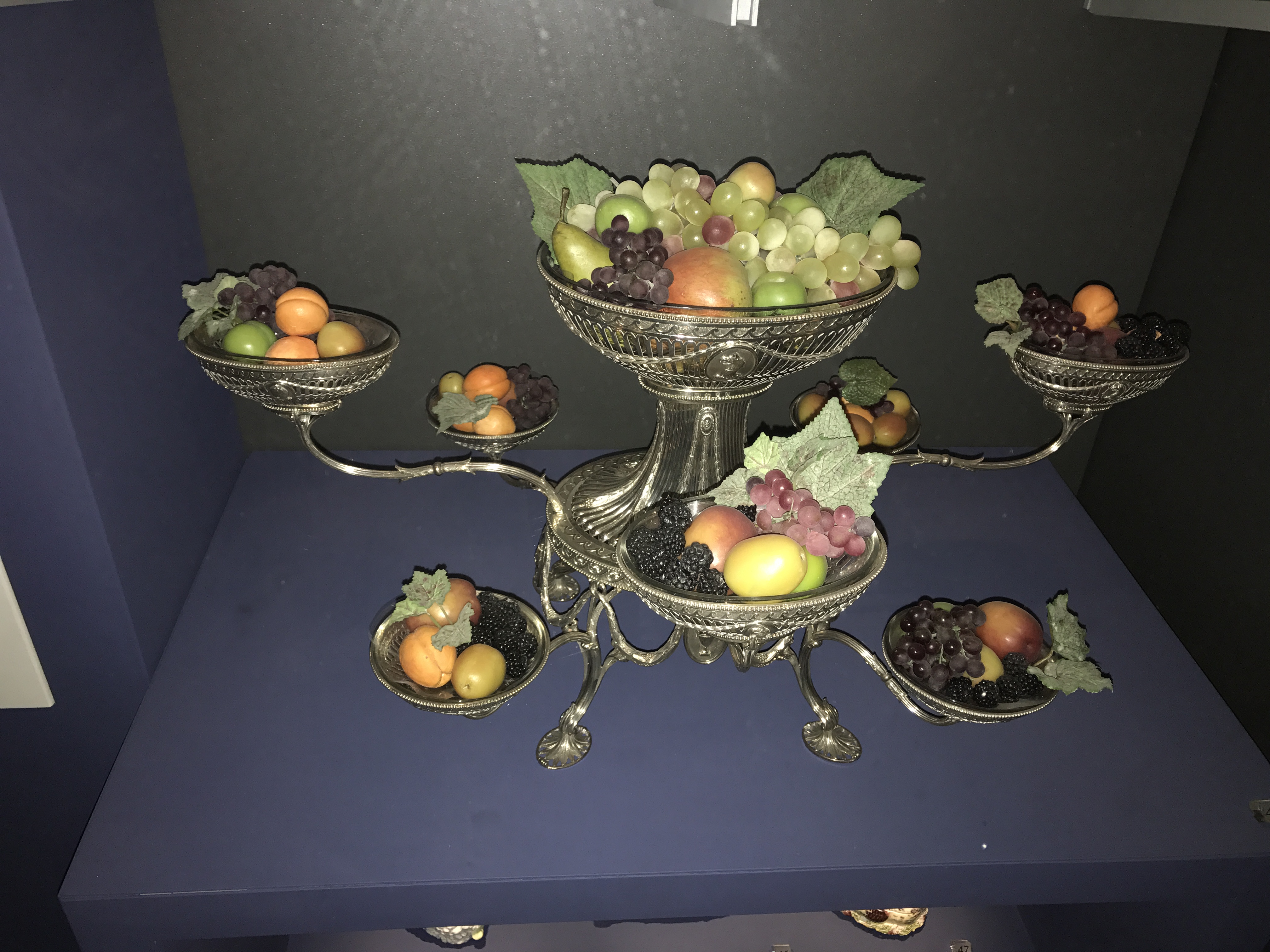
I could see my young girl, glimpsing the complicated stand designed to hold sugared fruits, as she passed the dining room. (Did they have dining rooms?) The people would be drinking wine, having moved on from the traditional ale and now importing wine from abroad. She would be fascinated by the slender decanters, stored in the sideboard and produced only when there were guests of note. But who would be eating? Did men and women eat together? And were meals usually in the evening, or at midday?
Grumpy Husband joined me, and began to say (loudly) that, “the museum is actually just full of very expensive tat. It should be renamed ‘The Museum of Tat’. And how does someone get their stuff accepted by the museum? Everyone has stuff they don’t want to throw away, but they don’t really like – weird gifts and things collected on holidays. Clearly if you are Royal, you can simply shove it all in a museum and pretend it’s interesting.”

I suggested Husband sit in a chair and play a game on his phone, then I walked on.

There was some furniture designed by Thomas Chippendale (1718 – 1779). Perhaps my story house could have a couple of chairs, designed by Chippendale and chosen from his furniture catalogue. The grumpy husband of the house could moan, not liking that James Rannie, a Scottish man, backed Chippendale financially. In 1707, there was the Act of Union, which made Britain a single nation, joining England, Scotland and Wales under a single parliament and monarch. Grumpy Husband (in the story) could be cross about this, feeling it was a mistake, and therefore resentful when his wife suggested they buy furniture associated with a Scot.

Perhaps later generations of my story could live in 1870. Fruit from abroad was imported, and my character, an awkward young man, could agonise over how to eat it politely. When faced with an array of fruits, he always chose a banana, which he did not particularly like, simply because it was easy to peel with a knife and fork, and could be chopped into pieces and eaten delicately.

I could have the militant lady of the house, presiding over her tea-table. Millie the servant had laid a large tray of cups and saucers and silver pots, ready for the mistress. She removed the embroidered tea-cosy, and poured for her guests, offering milk or lemon. But did they serve tea with milk and lemon in those days? And who would be invited to tea? And did the maid stay, or leave when tea was served?

I clearly need to do lots more research before I write my story. Perhaps I will write it first as a serial on my blog, then I can write it as I learn snippets of information, like I did when writing Counting Stars (which I later rewrote as a complete book.) I will find some books and look online. I sort of have an outline for my story – am just not sure if I can learn enough facts to flesh it into something realistic.

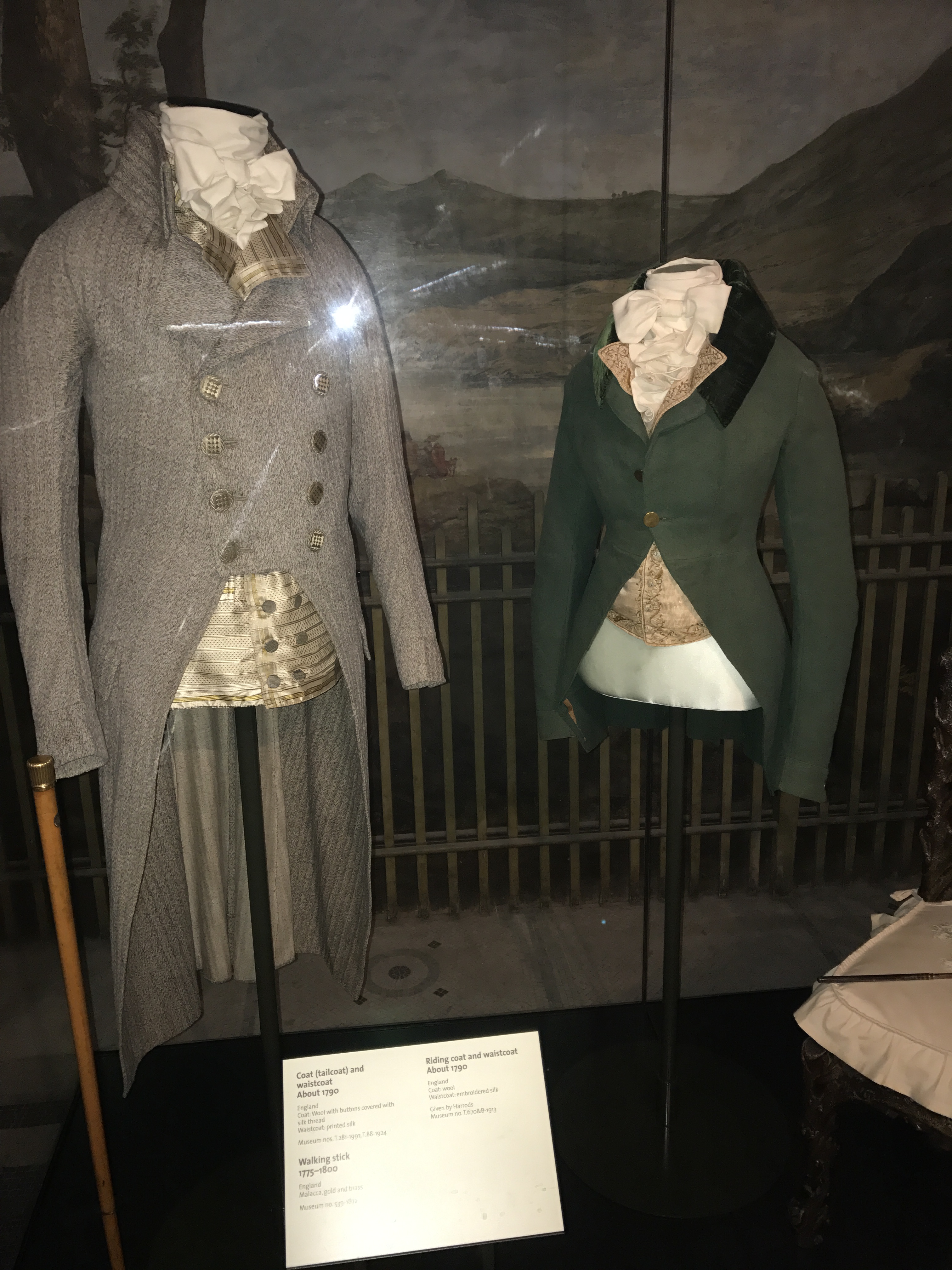
We had a quick look at the displays of clothes before we left. But there were too many people avoiding the rain for me to stand before a glass case and imagine how it would feel to actually wear those corsets and layers of cotton.
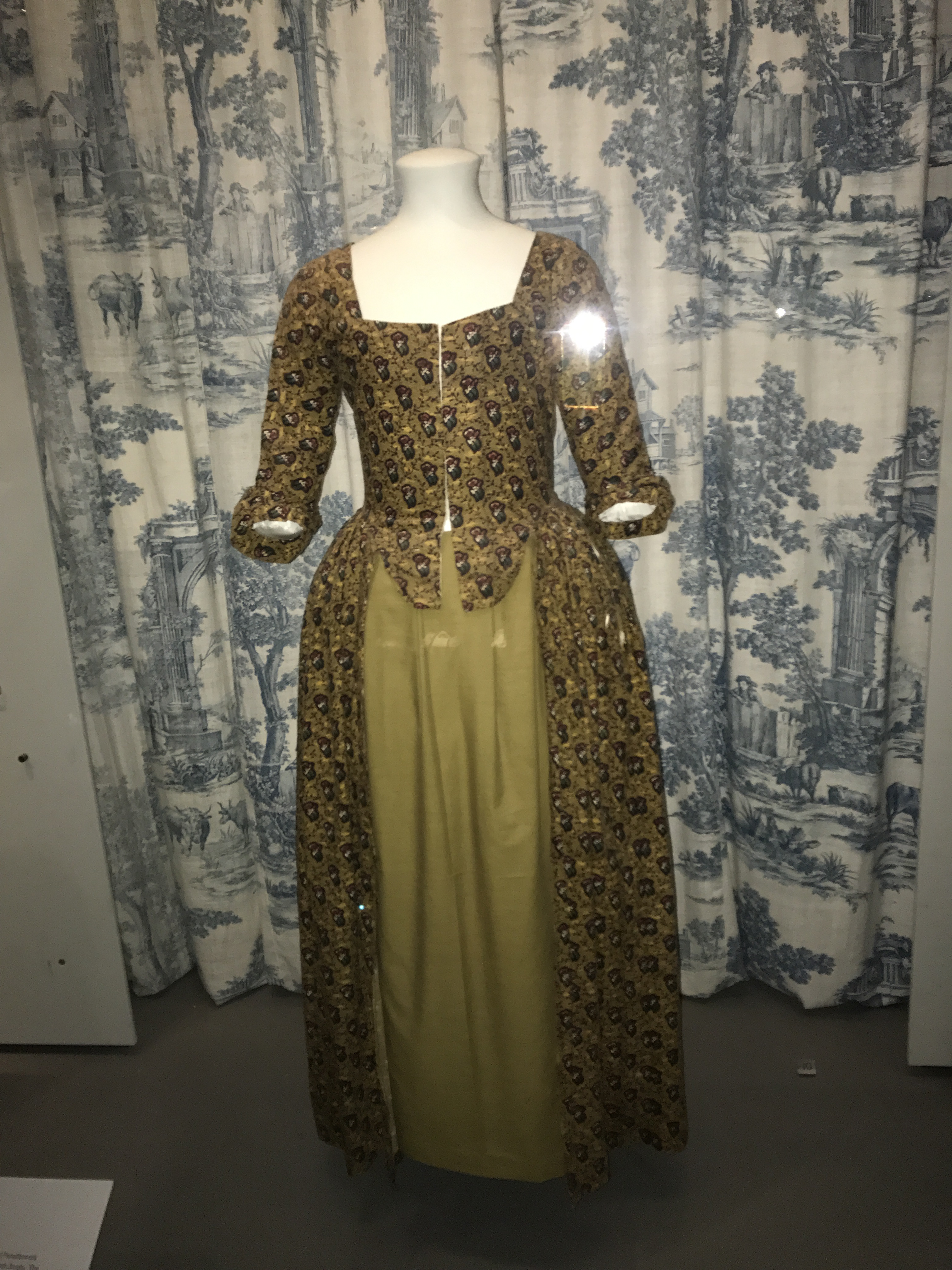
 

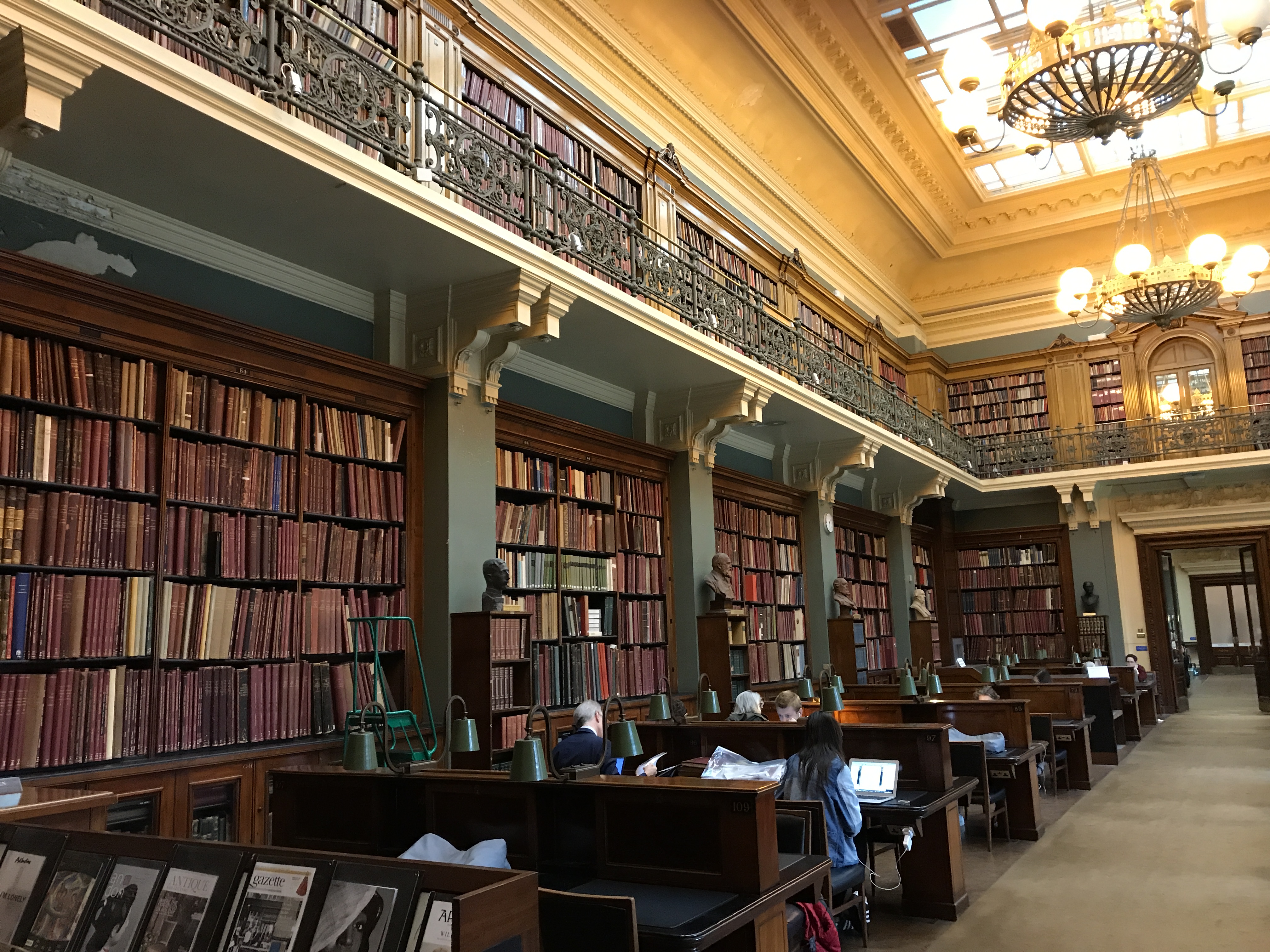
I rather like the V&A. Husband is sort of right – it is an eclectic mix of stuff, but it’s interesting. There is also a wonderful reading room, and a hall full of statues, and even a paddling pool for sunny days. I will definitely return. Perhaps after I have done some research so I know more of what I’m looking for, and I can use the exhibits to imagine how my characters would have lived; I can see textures and sizes and think about the comfort of things. I will go on my own….

Thank you for reading.

If you want to read the finished version of Counting Stars, my novel set in the future, the UK link is below (though you can buy it from whichever Amazon is local to you.)

xxx


Smelling Like Marilyn….


Ah, the problem of what to wear. I had been invited to London, which is pretty much a foreign country as I go there so rarely. I knew the day would involve some walking, then a lunch in a posh dining room – so what should I wear? I was fairly confident muddy jeans and wellies weren’t appropriate. Perused wardrobe and began sorting outfits. In the end, I was restricted – in both senses of the word – by finding clothes that actually fit. My weight tends to fluctuate (joys of being an older woman) and I’m having a ‘fat tummy phase’. I eventually leave in a too-tight skirt and a silk blouse that gapes. I carry heels and wear flats. I so wish I was a man sometimes.

Arrived in Grosvenor Street, where we were meeting, on time. Nice walk from Victoria. We then met our guide, Cindy, who gave us a quick introduction. The plan was to visit a few shops in Savile Row and Jermyn Street – tailors to the rich and famous. No, we weren’t shopping (phew) we were having a tour. It turned out to be very interesting.

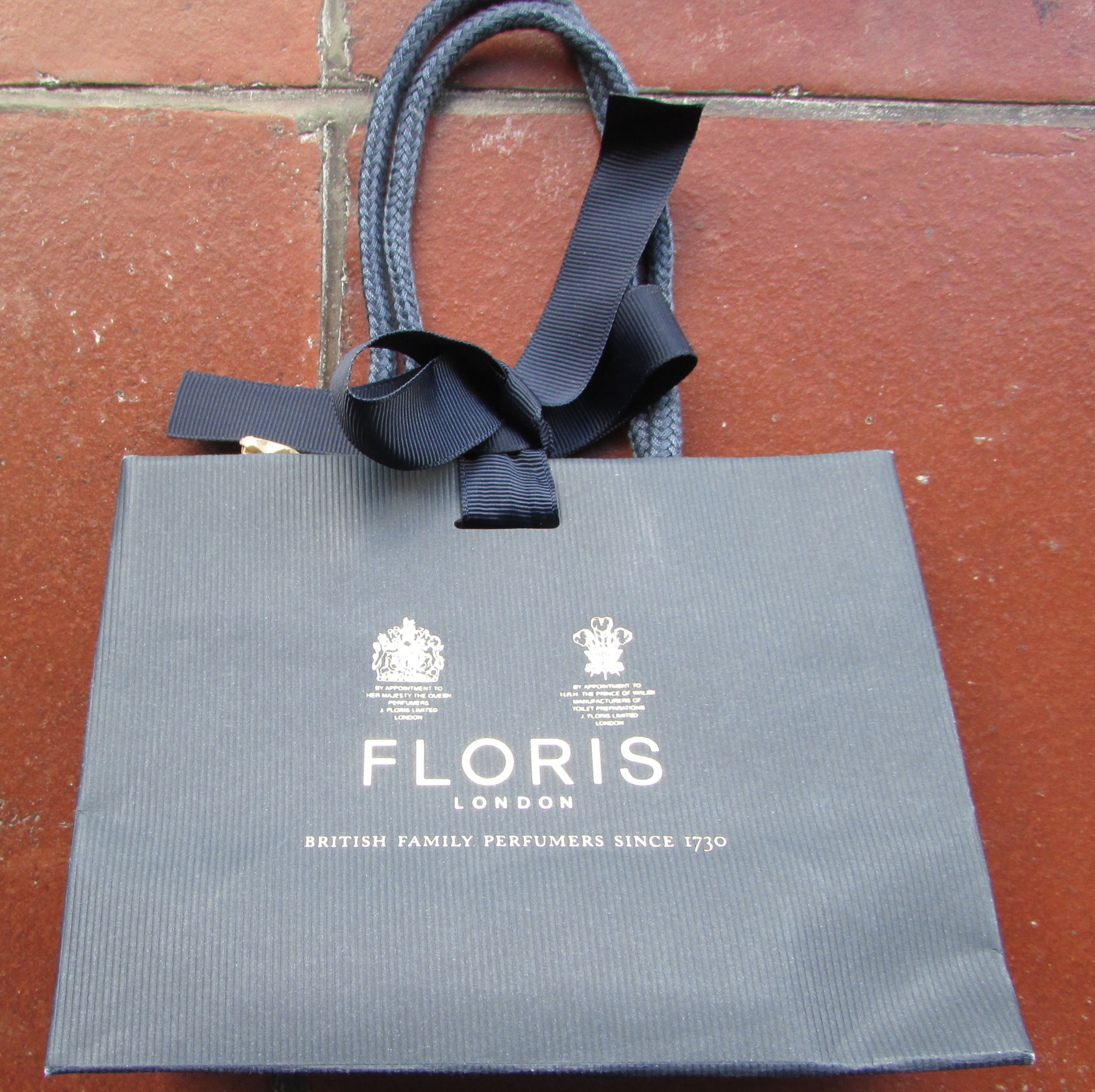
First stop was Floris, one of the oldest perfumeries in the world (apparently). We met Edward, who is the 9th generation of his family to own the shop. They have 17 royal warrents, and we saw the ledger showing the perfume the Queen orders (she pays by cheque or postal order). We also smelled the perfume that both Winston Churchill and Eva Peron wore (I didn’t much like it).

We were invited into the back room, where a lady with lilac coloured hair described the bespoke service the shop offers. As we stood in the old, low ceilinged room, surrounded by glass cabinets from a former age, I felt like I’d walked into a Harry Potter film and was choosing a magic wand.

For a mere £450, you can have a 2 hour appointment with Madam Lilac Hair (not her real name) and design your own perfume. She used lots of phrases like “main notes” and “complementaries” to describe the process, which starts with 60 different bases.

The perfume should be kept in a box, and preferably in the fridge. It should last for a year, after which time, the alcohol base starts to ‘go off’ and smell bad. (I didn’t tell her that I have perfume from about ten years ago).

As we left, I was chatting to the guide about the perfume Marilyn Monroe wore. She sneaked me into a side room, opened a drawer, and sprayed some on my wrist. How exciting! I feel very desirable now….

We then popped to Turbull and Asser in Jermyn Street – the makers of bespoke shirts for royalty. They showed us how they use patterns drawn on brown paper, which are then sent off in “shirt bags” (which are really just big envelopes) to a factory where they are digitalised. Their customers include Charlie Chaplin, Churchill, and a certain American president who asked for them to be made without the label, so no-one would know they were made in England!

All the shirts are cotton, and they don’t glue the fabric to the stiffener in the collar, as apparently this shortens the life. (Someone needs to tell Mr M&S that. Or perhaps they have…) It costs £255 for a shirt, but a new customer is expected to order at least six.

Next stop was Gieves and Hawkes (pronounced with a hard ‘g’). They make both made-to-measure and bespoke suits. (Made-to-measure is fitted onto a basic block, and the customer then has it fitted and chooses the fabric. Bespoke begins with brown paper, cut into a pattern.) A bespoke suit starts at £6,000 and will take 12 weeks.

We were taken upstairs to the archive room. Glass cases ran along one wall, filled with the red coats and gold helmets of the Queen’s bodyguards. They make, maintain and fit the uniforms. We were allowed to hold a helmet, which was surprisingly light (it’s made from brass and coated in gold, with a gold filigree pattern moulded on). We were told not to take photographs (shame) as they would be fired. The red coats are made from a heavy wool cloth, so it doesn’t warp when the epaulets and sword are added. They must be boiling hot to wear, and summer is a busy time due to garden parties and state visits (the next one is a visit from the Prime Minister of Spain). The uniforms are worn 12 times a year, and you have to be a rank of major or above to be body guard to the Queen.

Our final stop was Huntsman, who make hunting clothes. It was the shop that inspired the film “Kingsmen”. We arrived in the reception area, which had heavy leather chairs, newspapers, chocolates and drinks, and peonies in a vase. All very dignified. Below us, 14 people were working in the basement, making suits for people like Nicole Kidman and the royal family.

Actually, these places aren’t called ‘shops’. A little history: in 1666 there was the great fire of London. Afterwards, everyone was very keen to blame the French (English people still like to blame the French for everything. It’s not considered racist, though I’m not sure why. Perhaps because they once beat us up and we have very long memories.) Anyway, King Charles II wore French fashions, lots of frills, and this was politically a bad move. So he switched to an English made suit, which included a waistcoat. Yep, the first three-piece suit was apparently Charles II’s fault (even though Husband assures me only Germans wear waistcoats today.)

Anyway, following this, the coffee houses grew up. Men met, and instead of getting drunk, they became stimulated (all that caffeine) and began to plan insurance companies and such like. They regularly met their friends for coffee, and discussed business; but sometimes, someone would arrive who they didn’t like. So they created a membership system – hence the birth of gentlemen’s clubs. As lots of men were gathering in a fairly small area of London, there also grew up brothels (a surprising number for the area under discussion.) The place then became almost exclusively the domain of men, and women of a certain profession. As the men walked between the clubs and the brothels, they went along Jermyn Street, so it became the place that high class tailors set up shop. They then wanted to expand, into Savile Row, but that was an exclusive residential area, which didn’t want tradesmen. So the tailors had ‘houses’, not ‘shops’. Not everyone was invited to buy from them, and at one time, you needed two letters of introduction before a tailor would see you.

However, I found everyone to be charming and helpful, and very happy to show us round and explain things. I expect it was because I smelled like Marilyn….

xxxxx

Thank you for reading.

If you enjoyed this, why not sign up to follow my blog?

anneethompson.com

London : Sayings and Stories


A friend called and asked if I’d like to join her on a guided walking tour of London. It was organised by Sevenoaks School, so we were slightly bemused as we’ve had no links with the school since our sons left nearly 5 years ago. However, we haven’t seen each other for ages and it sounded quite fun, so we signed up.

We met near Tower Bridge. Our guide was a nice man, short, carrying a briefcase and umbrella (he looked like the accountant in The Untouchables, but I didn’t mention it.) I was worried he might stick the umbrella into the air for us all to follow – at which point I would’ve left – but it stayed safely in his bag. He was actually very interesting, he remembered a huge number of facts, and told little stories as we walked around. The walk took 2 hours, mainly because we walked very slowly. I thought I’d tell you some of his stories, about the origins of sayings. They might, or might not, be true, but they were interesting.

Near the Tower of London, is the spot where they executed people who were not considered royal enough to be killed within the walls. There were a few plaques, one of which commemorated the husband of Lady Jane Grey (but I’ve forgotten his name. I would not make a good guide!) Lady Jane Grey was queen, after Henry VIII, for 9 days. After this, Mary (Henry’s daughter) rode into London and had Jane locked up in the tower. Hence the saying, “a nine day wonder”.

We also passed the pub, ‘The Hung, Drawn and Quartered’. It’s possible the owners have very bad grammar (paintings are hung, people are hanged). However, on the side is a plaque with a quote from Samuel Pepys, which includes the same words. So perhaps it was Pepys who had bad grammar and the publican was being ironic.

We passed Bakers Hall, owned by the guild of bakers. When they used fire-heated bread ovens, they got it to temperature, then shoved a piece of elm across the opening, to keep the heat in. This was the “stop gap”. The underside of the loaf would be covered in ash, so that was sold cheaply to the poor. Only the rich could afford “the upper crust”.

We went to a small lane, called Lovats Lane (used to be called Lovers Lane). It was very narrow, and led away from Eastcheap (which is where the meat and fish were sold). ‘Cheap’ was the word for ‘exchange’, or a market. In the past, horse-drawn wagons would have used the lane, going from the river to the market. It would be difficult to pass as it was so narrow, and often the wheels would touch and get stuck. Sometimes though, they touched but managed to keep going, hence the saying, “touch and go”.

We walked down to the river, just below Monument (great tall monument which my son has walked past many times without ever noticing! It’s a monument to the great fire of London). Next to St Magnus the Martyr church, you can see the remains of previous London Bridges. There is a lump of wood which was from the original Roman London Bridge. There is the stone that replaced the wooden bridge, which was destroyed in 1014 when London was attacked, and gave rise to the song, “London Bridge is Falling Down”. There is also the stone from the bridge that was replaced in the 70s because it was too narrow. Apparently we sold it to a chap from Arizona who bought the wrong bridge, as he thought he was buying Tower Bridge. Easy mistake. I was quite surprised the current bridge has only been there since the 1970s, I had assumed it was older.

We walked towards St Paul’s Cathedral, passing other guildhalls on the way. All the guilds used to take part in the Lord Mayor’s Show each year. It was held on the Thames, hence each guild entered a “float”. Two of the guilds constantly argued about their position in the procession, so it was decided they would alternate each year between the places six and seven. Hence the saying, “at sixes and sevens”.

We came to Cheapside, which was where in the past you could buy a piglet. So it didn’t escape, it would be sold, wriggling, in a tied sack. Sometimes the dishonest farmer would substitute the pig, and you’d get home, open the sack, and find not a piglet but a cat. If you checked when at the market and opened the sack in the market, you would “let the cat out of the bag”.
During the reformation, Westminster Abbey, which was catholic, was emptied of everything valuable. At the time it was called St Peter’s. The poor people didn’t gain from this though, as all the icons were carried to the anglican church, which happened to be St Paul’s. Hence, they “robbed Peter to pay Paul”.

We went behind The Old Bailey, and peered through some gates to where you can see a wall, which is all that remains of Newgate Prison. Prisoners to be executed would have a last confession to a priest (called shrift), but as they were deemed to be going to Hell anyway, the priest wouldn’t waste too much time on them, so they would receive “short shrift”. They could then have one last drink in the pub on the way to the gallows – hence “one for the road”. The cart that carried them was called a lurch, hence you could be “left in the lurch”. Anyone who didn’t go into the pub to drink was left “on the wagon”.

There was one guy (name escapes me, I’ll call him James) who was stuck for a few years in the debtors prison. He got to know many of London’s criminals. When he was released, a new law was passed, increasing the penalty for buying stolen goods. This meant few people wanted to buy them, and the price went down. James figured that the people most likely to want to buy the stolen goods, were the people who had had them stolen. He therefore set up a system whereby, if you were robbed, you could go to James with a list of stolen goods and he would find them and sell them back to you. When the items were reunited with the owner, James put a cross next to the robber’s name. Sometimes James discovered a robber hadn’t been honest with him, and so instead of buying the goods and selling them back to the original owner, James would tell the police where to find the robber. When that happened, he put two crosses next to the robber’s name. Hence, the robber was “double crossed”. Eventually, James himself was caught and hanged. (But not hung, because he wasn’t a painting…..)

xxxxxx

Thank you for reading.

xxxxxxx

If you enjoyed this, you will love my new book: The Sarcastic Mother’s Holiday Diary.
I have always written a diary on holiday, so last Christmas, I decided to find all my old diaries and blogs, and make a book for my children. However, several other people also asked for a copy, so I have written a public version – it’s available on Amazon and has been described as “The Durrells meet Bill Bryson”!

Why not buy a copy today? I think it will make you laugh.

The US link is here:

The India link is here:

The UK link is here:

xxx
A Trip to London with Aunty Ruth


Letter to a son….

I hope you’ve had a nice week. I went to London with Aunty Ruth. She wanted to see Lincoln’s Inn and Grey’s Inn (because I sent her the books by C J Sansom, which are murder/mystery books set in the 16th century. The main character, Shardlake, is a lawyer who works at the Inns.)

We got the train to London Bridge and then walked up, past the Bank of England and Guildhall. We got a bit distracted at Guildhall. I told her about going to a function there and we decided to see if we could break in, so I could show her the really cool hall. We went into the art gallery bit first, because I thought we might find a route through into the hall. This was free and had some fantastic paintings. I was a bit surprised to see a miniature version of one of my favourite paintings – The Execution of Lady Jane Grey by Delaroche – do you remember me taking you to see the big version in the National Gallery? (We went when you were small enough to be persuaded to do things that I considered ‘good for you’.) Anyway, apparently Delaroche did this tiny painting first, as a sort of practice attempt.

IMG_3907There wasn’t a route into the hall but a nice security man told us that actually, we were allowed into the hall, we just had to use a different entrance. We found the right door, had our bags checked, and went into the hall. There’s a plaque on the wall that tells you about some of the famous people who had their trials there – people like Anne Askew (a heretic), Lady Jane Grey, and Henry Garnet (part of the Gunpowder Plot.) A lot of history, makes you think, to realise that it was real.


IMG_3903Something which I assume isn’t based on reality are two statues of Gog and Magog, who were two giants who fought Brutus on the site of Guildhall.


After Anne Askew’s trial, she was carried on a chair to Smithfield Market to be burnt. (She was carried because she couldn’t walk due to being stretched on a rack when tortured.) She was only 25.

We walked up to Smithfield Market to see if there was anything marking the spot where people were executed. (It’s very lucky that Aunty Ruth shares my interest in this stuff. Perhaps we had a weird childhood.)

IMG_3911Smithfield Market is a meat market, it has been one for centuries. There was nothing to show where they actually killed people, though there was another plaque giving information. It’s where William Wallace was hung drawn and quartered (you have seen the film, Braveheart, with Mel Gibson.)

It is also where people could sell their wives. Apparently, a few centuries ago, getting a divorce was very difficult, so men would take their wives to Smithfield Market and sell them! I assume that’s where the term ‘a meat market’ comes from (when talking about nightclubs or places with lots of available women.)


We then had a very nice lunch in Carluccios (email, in case you want to go there, is: smithfield@carluccios.com ) It was very relaxed and the food was good and we spent a very long time just chatting about when we were little. Aunty Ruth started with a coffee, but then she has been living in Canada for a long time now, so I guess some oddities are bound to appear.

IMG_3738We did finally make it to the Inns. Aunty Ruth was slightly nervous about just walking into places that had ‘Private’ and ‘Do Not Enter’ signs but I assured her that it would be fine, we could just apologise and leave, they don’t execute people anymore in the UK. I told her to try and look like either a lawyer or a criminal, so people would think we had business there. She took lots of photos, which rather spoilt the image. (Actually, according to the website, it is open to the public at certain times. But it was more fun when she thought we were trespassing.) It really is an amazing place, brilliant buildings and peaceful gardens right in the middle of London.

Walked back to London Bridge and got the train home.

Saw some lambs when I drove her back from the station – first ones I’ve seen this year. The sheep from the field next to the house have been moved, so Kia is a bit more relaxed this week.

The rats have destroyed FOUR duck eggs. Am very annoyed, I really want some more ducklings this year. I don’t know what to do now, whether to collect them (eggs, not rats) and hatch them in the incubator. But that is a month of incubating plus about a month of keeping them warm at night and I’m not sure if I am definitely here for a two month stretch. I might ask the boys in Sunday School if any of them would like to ‘baby-sit’ some ducklings in their garage for a week if I go away.

Take care,

Love, Mum xxx

PS. When you wash your duvet cover, remember to do up the poppers first, then it won’t fill up with all your other washing. I do realise that there is a bit of an assumption there. If washing your duvet cover is not a regular event, I don’t need to know…

PPS. Please try to eat some fruit/vegetables.


xxxxxxxxxxxxxxxxxxxxx
Thank you for reading.

My sister’s letters can be found at:http://ruthdalyauthor.blogspot.co.uk

xxxxxxxxxxxxxxxxxxxxxxxxxxx
If you enjoyed this, why not sign up to follow my blog?

anneethompson.com

IMG_3896

xxxxxxxxxxxxxxxxxxxxxxxxxxxxxxxxxxxxxxxxxxxxxxxxx

A Long Walk in London


IMG_3747

I love London, it is my favourite city in the world. I love the mix of old and new, the history that’s hidden in every corner, the millions of lives that have been so intensely lived during such different circumstances.

I have always disliked the London Underground but it’s convenient and safe, so I often used it. Then, one day I caught a train from Monument to Bank, got lost in the tunnels trying to find the exit and came back up the steps at….. Monument. I realised that the stations were somewhat nearer than I had thought. In fact, central London is quite small, you can walk to most of it.

This is a walk that I do fairly regularly. It is long (I walk fast and it takes me two hours) but hugely interesting. Wear comfortable shoes, don’t carry anything heavy and leave teenaged boys at home (they walk very slowly and moan a lot.)

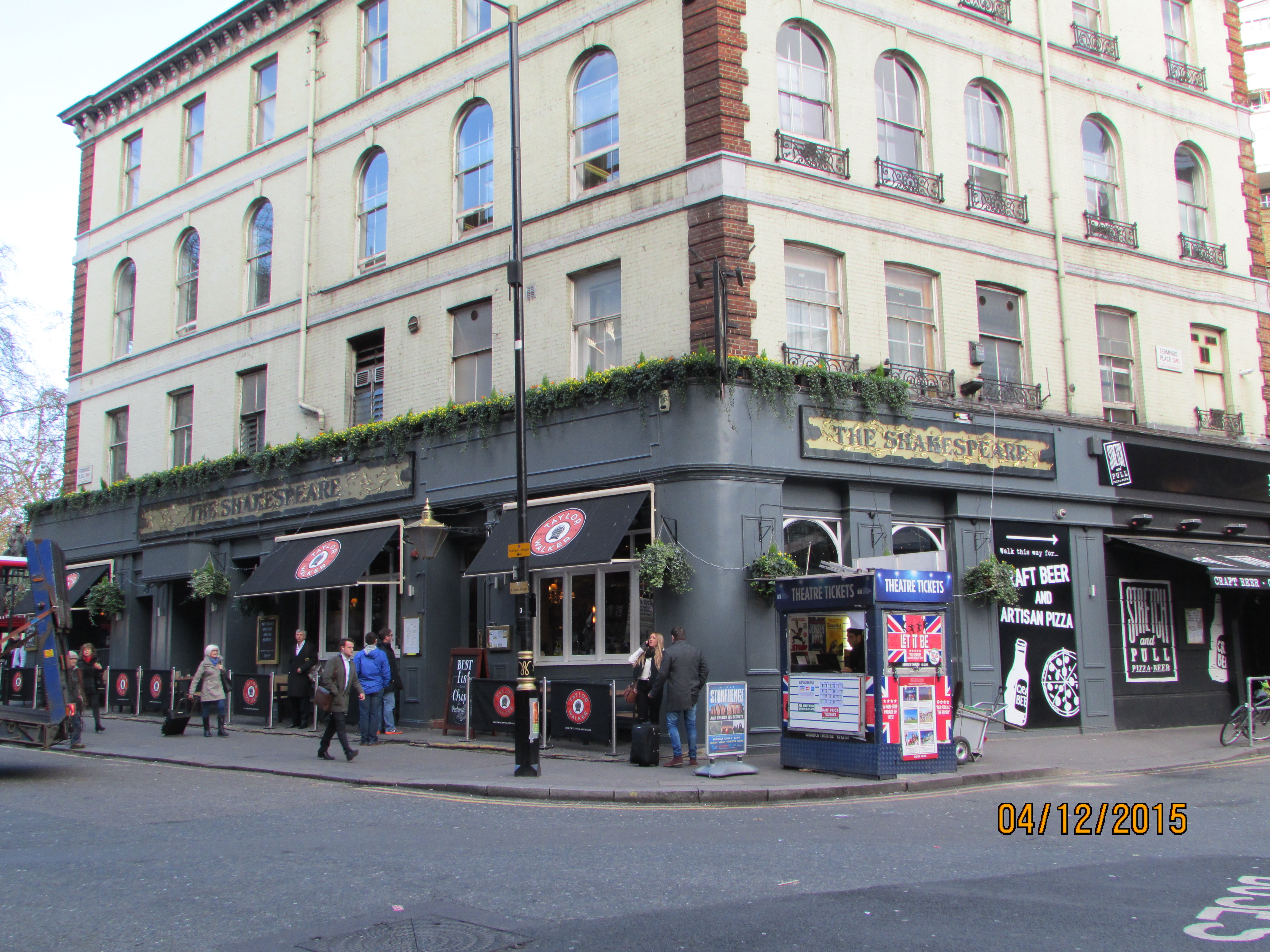
The walk starts at Victoria station, named after the road it’s on, which is in turn named after the Queen. When you leave via the main exit, you will see the Shakespeare pub. If you ever get a taxi to Victoria, ask them to drop you at The Shakespeare – it’s much quicker (and therefore cheaper) than being taken to the taxi rank at the station.

IMG_3684 IMG_3685

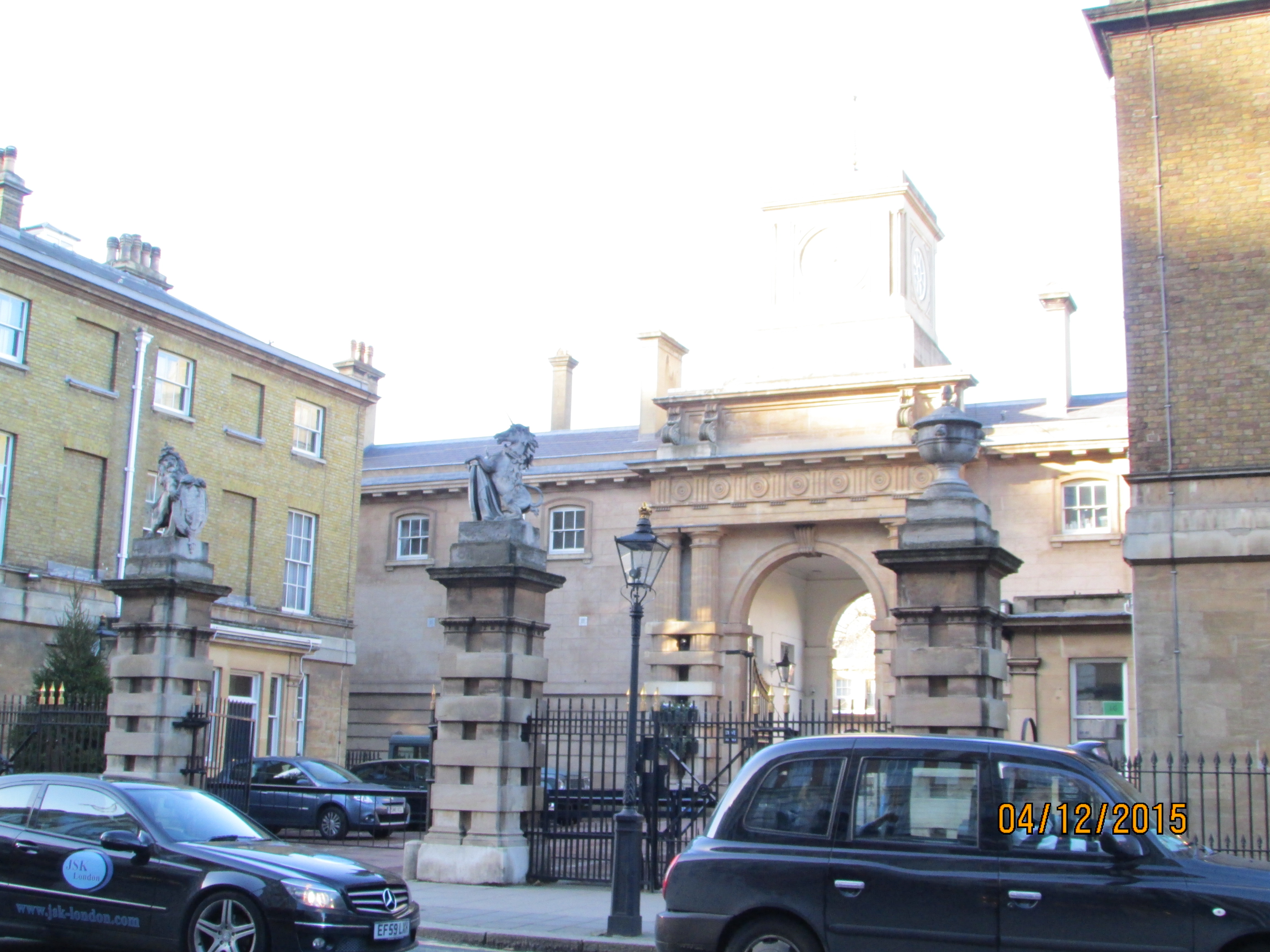
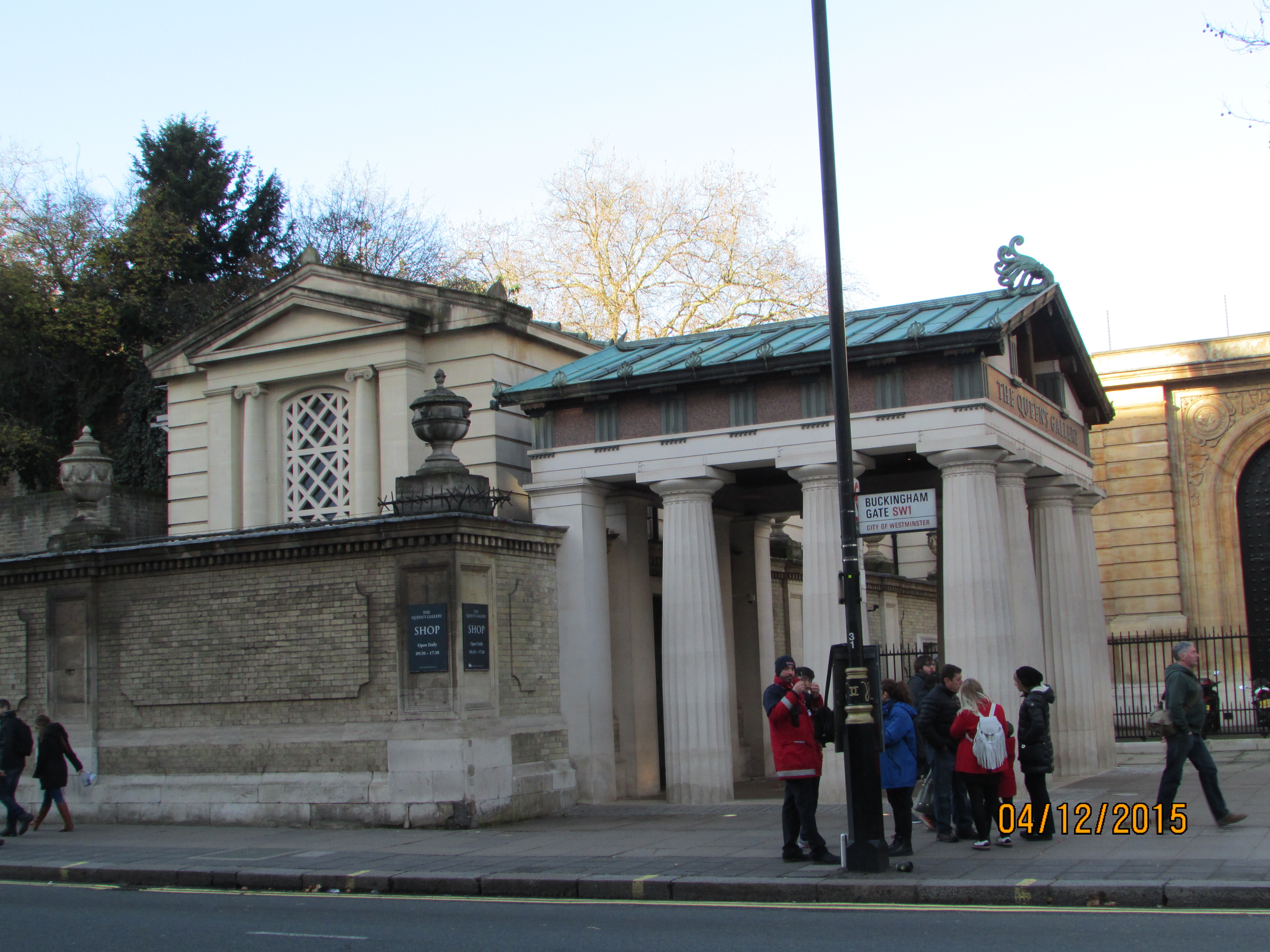
     Walk along Buckingham Palace road. You will pass the wall that encloses the Queen’s house, then some entrances, including the entrance to her gallery. The gallery is nice if you like that sort of thing.

IMG_3686 IMG_3688 IMG_3691

IMG_3687 IMG_3689 You’ll pass wonderfully touristy gift shops and the Buckingham Palace gift shop.

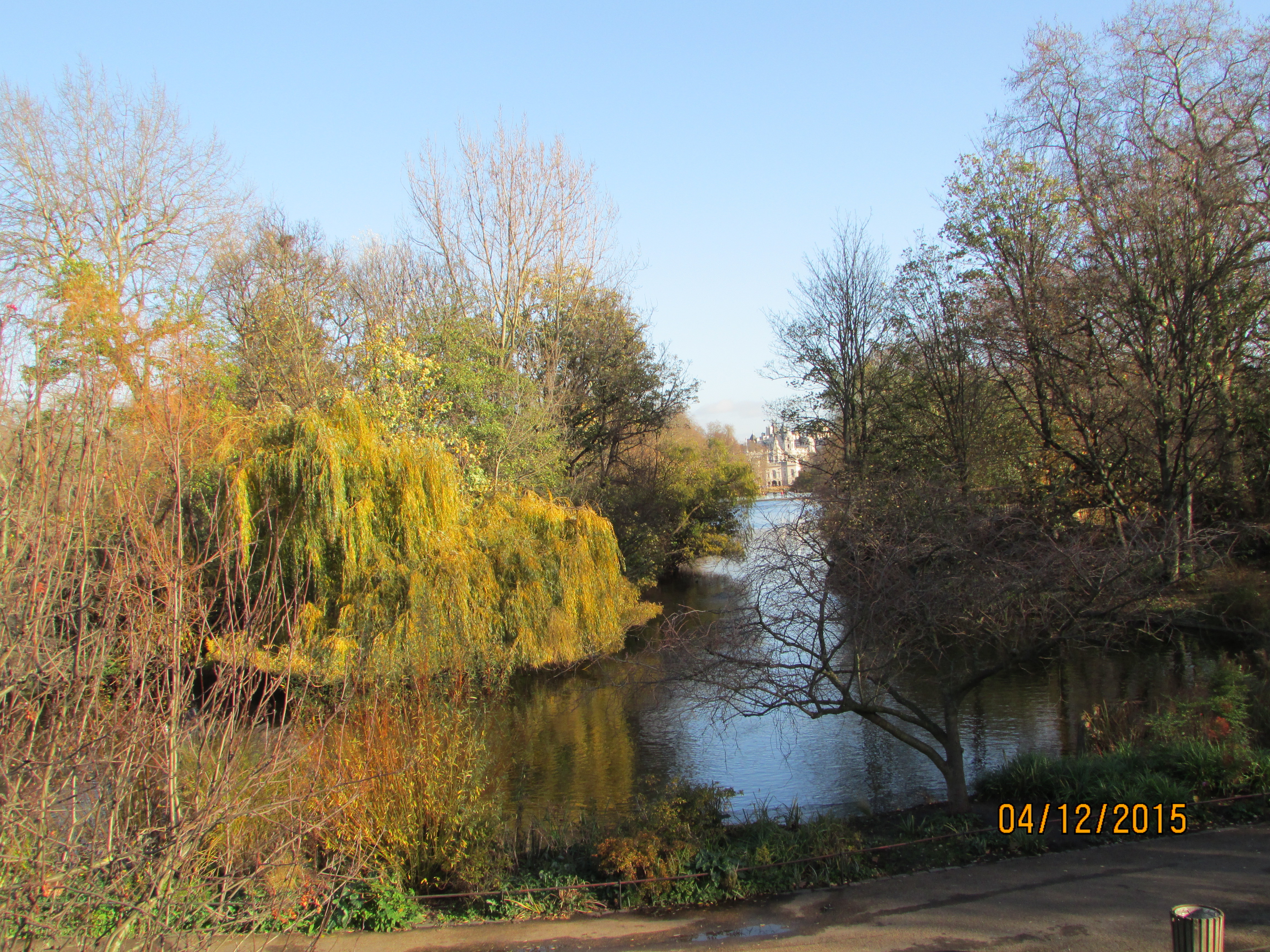
      You then arrive at the junction with Birdcage walk and The Mall. My tip here is : use the pedestrian lights. Most of London has pedestrian lights but they are slow and if you know which direction the traffic is coming from, you can cross much quicker on your own. However, at this junction, the traffic moves very fast, from multiple directions. When you are half way across a multi-lane road, it is a bit scary to see a fast approaching car. Have a quick look at Buckingham Palace and St James’s Park, then walk along The Mall.

IMG_3698 IMG_3697

You could walk through the park, which is nice (it has ducks and a pelican that we once saw eat a pigeon. Yes, really.) But it is slower and The Mall is nice and wide and you can look at the posh houses on the other side of the road.

IMG_3702One of these is St James’s Palace, where Prince Charles lives some of the time. He seems to be having his roof fixed at the moment poor chap, never nice having the builders in.


IMG_3703If you look across the park, you can see the London Eye and Big Ben in Westminster (which reminds you again how small London actually is.)


IMG_3704

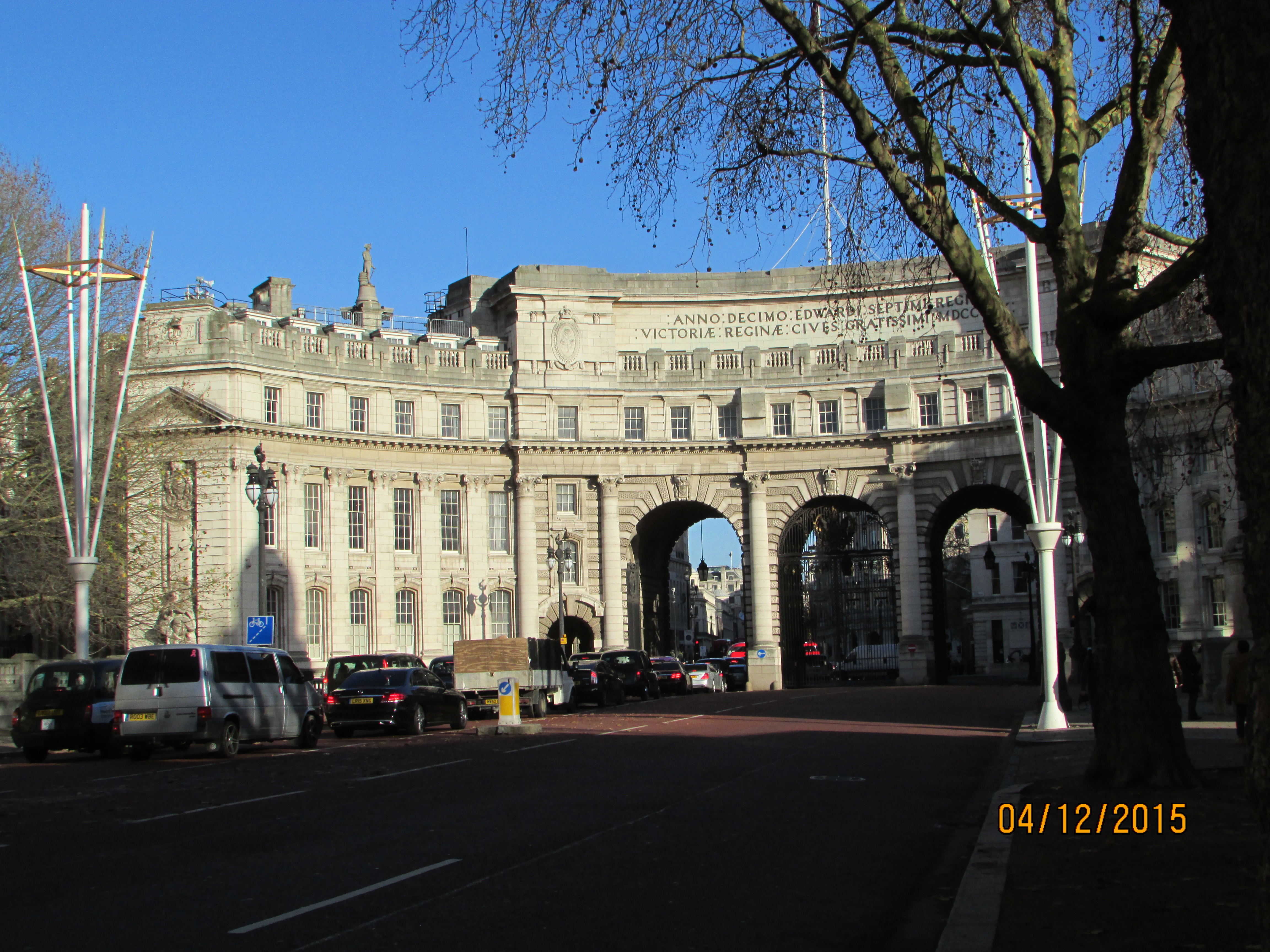
You will then arrive at Admiralty Arch. I have told lots of tourist friends/relatives that this is Marble Arch. It isn’t, though it is an arch and it does appear to be made of marble. It used to house government buildings but has now been sold to be a hotel.


IMG_3705Through the arch, you will see Trafalgar Square with Nelson’s column and fountains and giant lions.


IMG_3708 The lions are harder to climb than you might think.


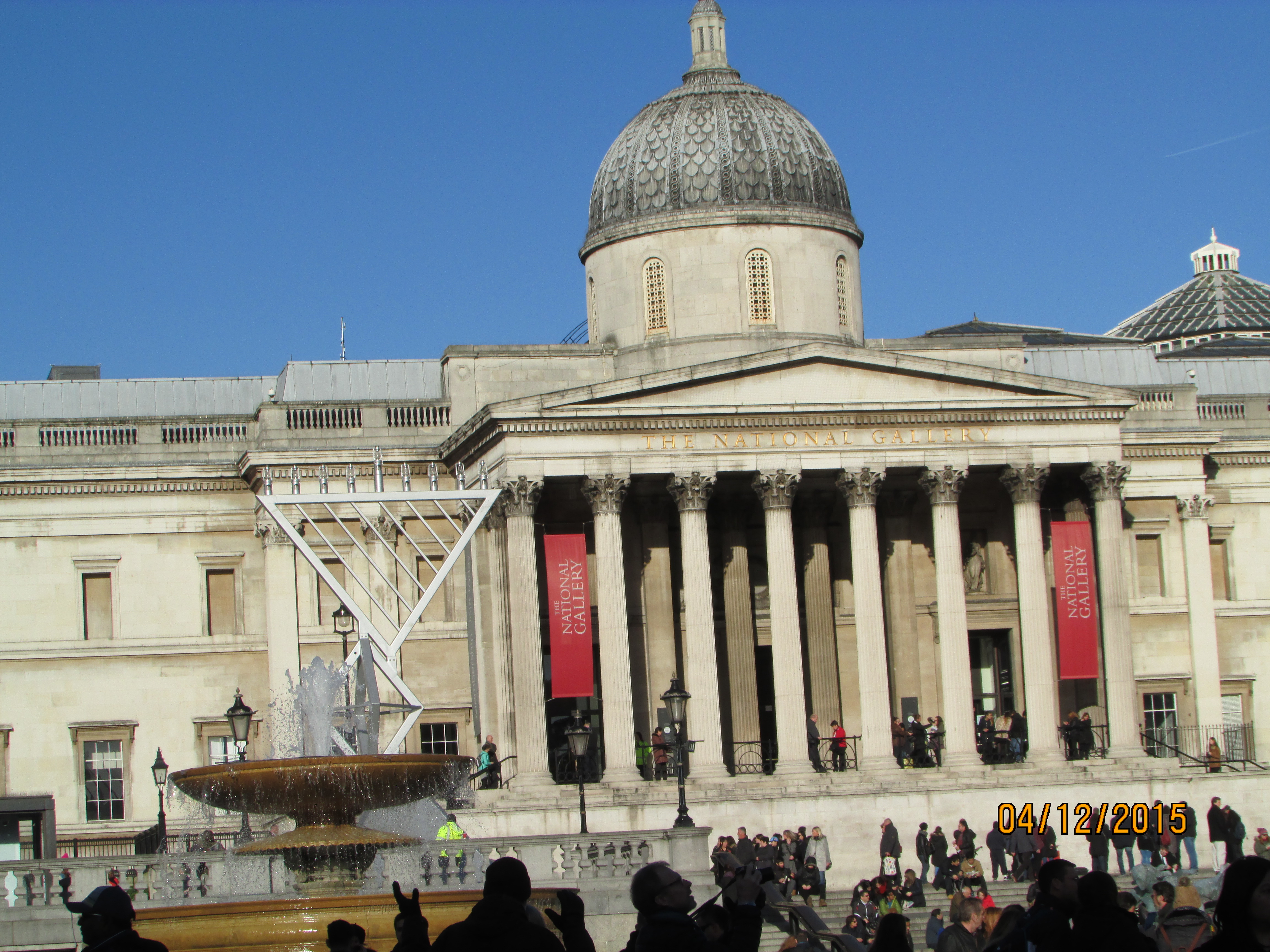
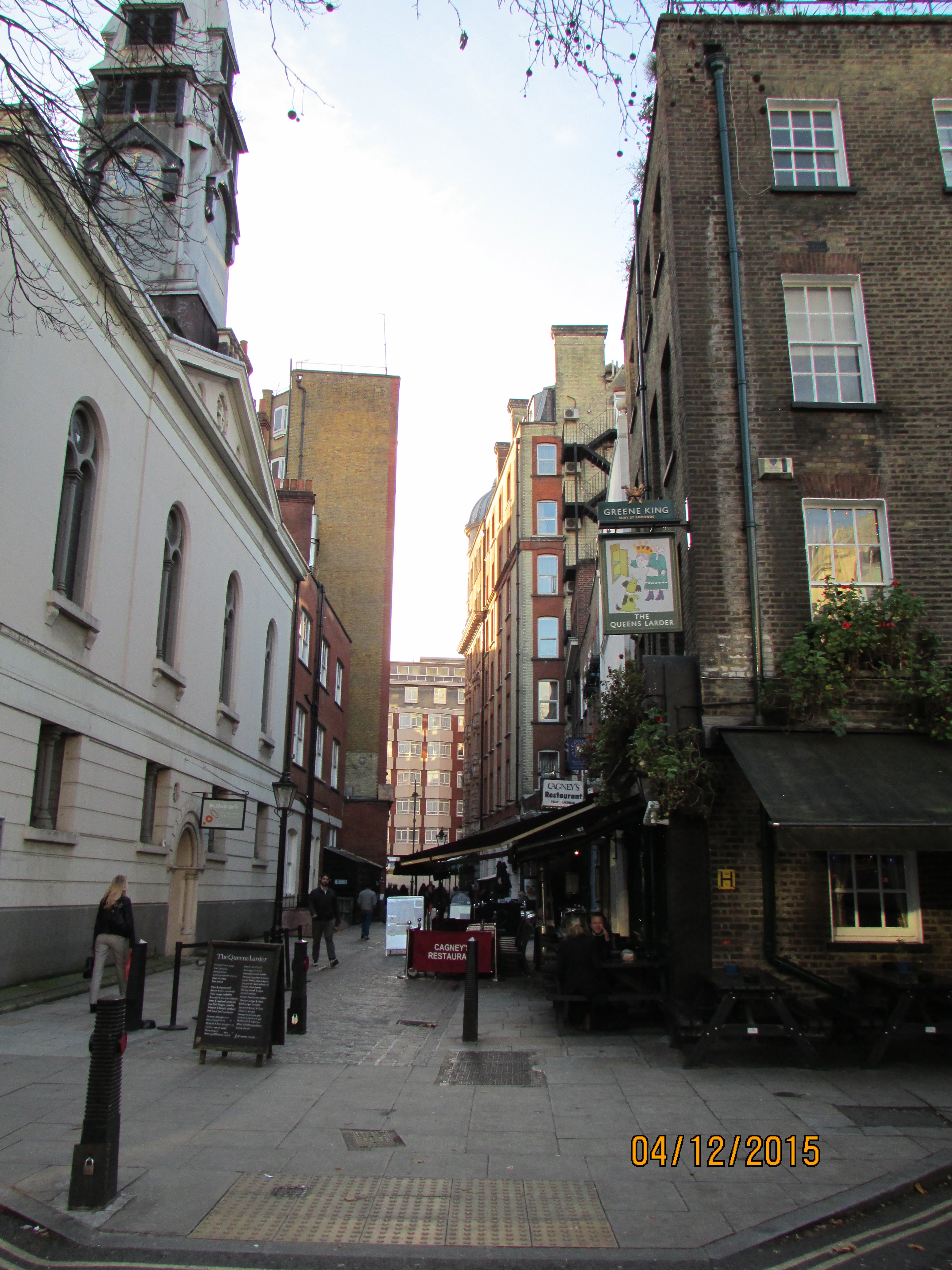
IMG_3707Across the square is the National Gallery. This is a wonderful place, with free entrance and fantastic paintings (and toilets and coffee shops.) Walk diagonally across the square, heading for the large white church you can see on the right. This is St Martin’s. You will now be in Charing Cross Road.


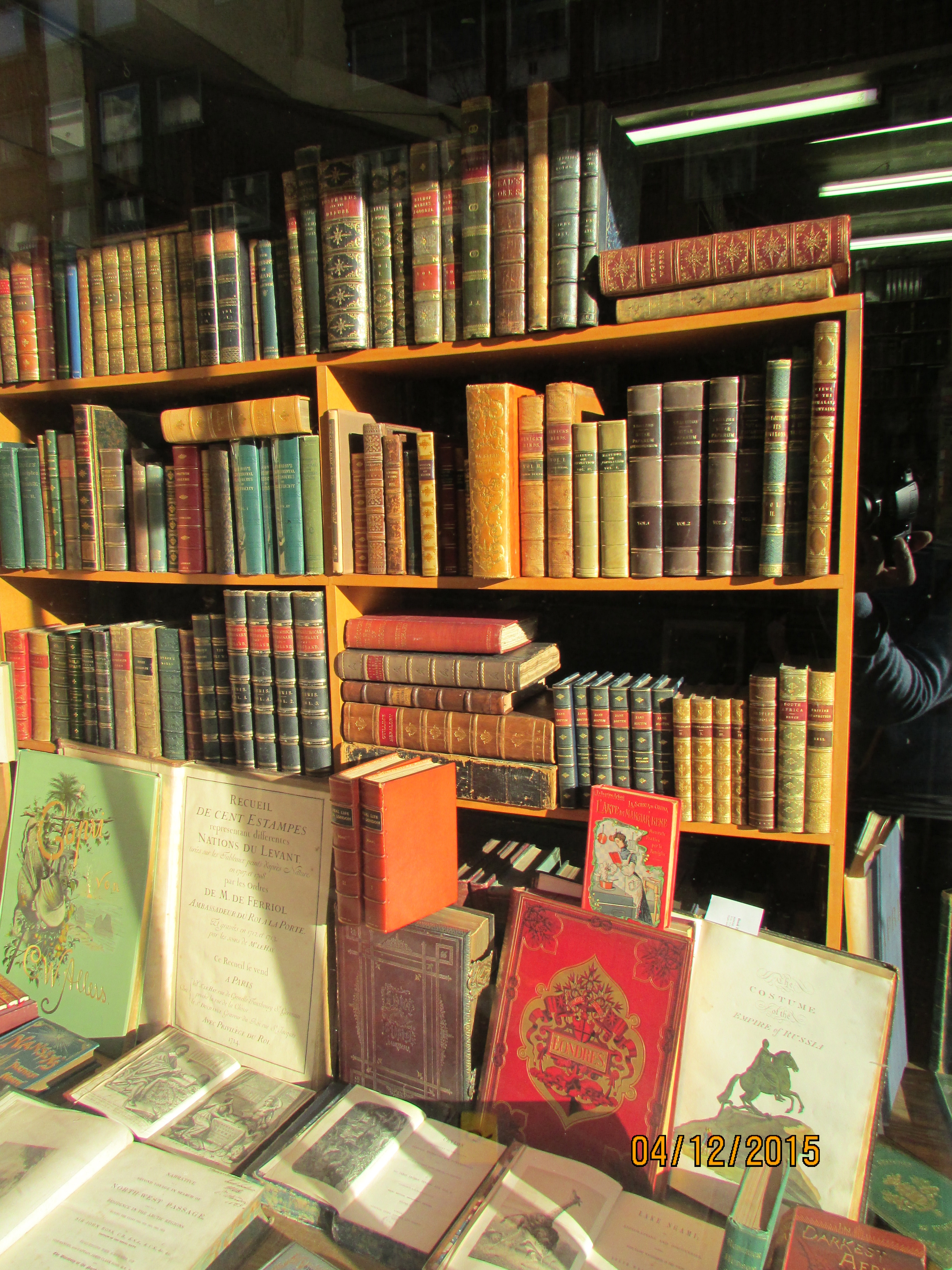
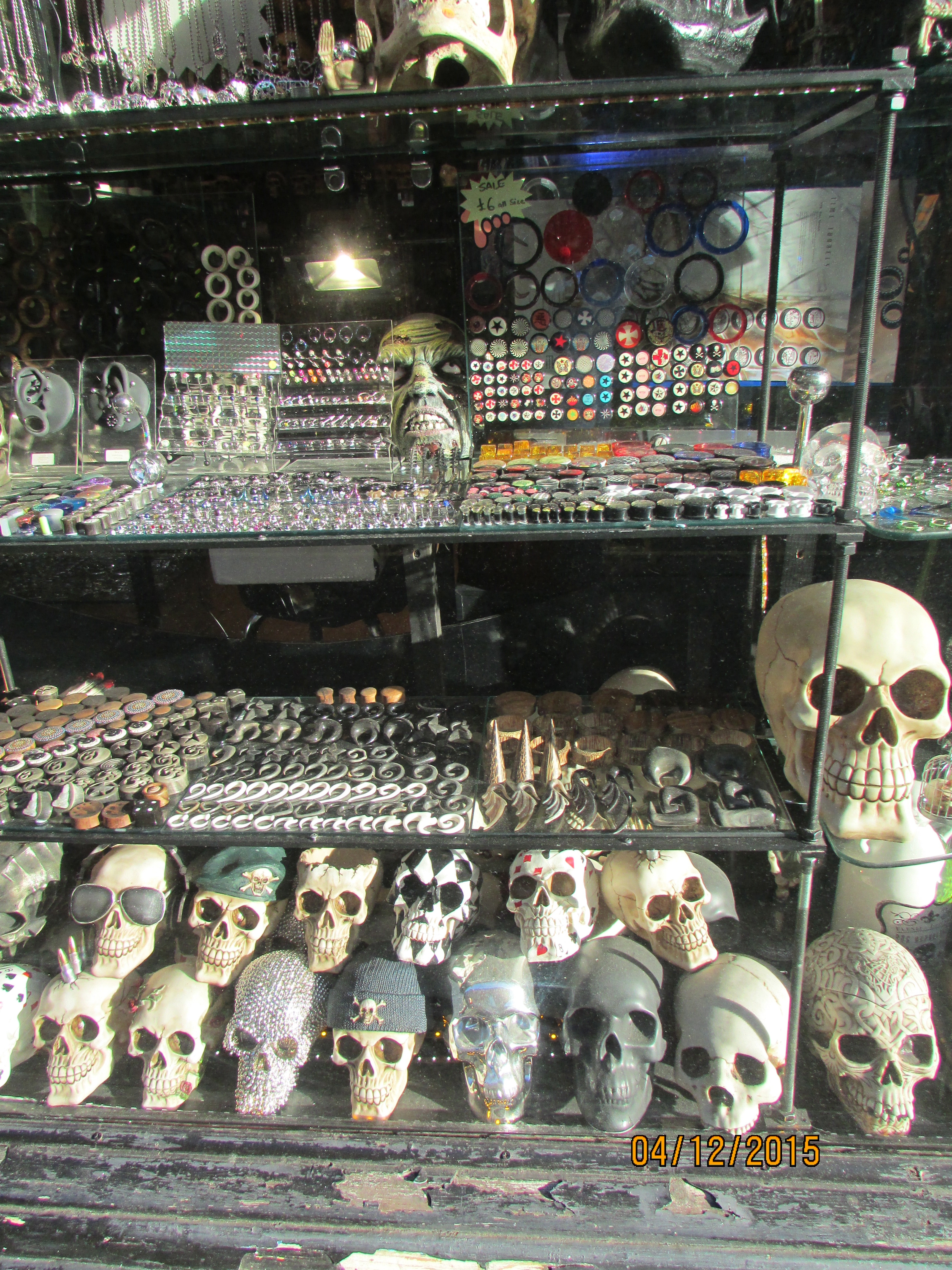
Charing Cross Road is my favourite road. It has really interesting shops: old books, posh clothes that nobody wears and weird stuff. As you walk up the road, on the right is Covent Garden, on the left is China Town. I always think of Little Newport Street as the entrance to China Town (because they used to have a good Chinese bookshop there.) You will see lots of Chinese script as you walk up Charing Cross Road.

IMG_3712 IMG_3713 IMG_3714

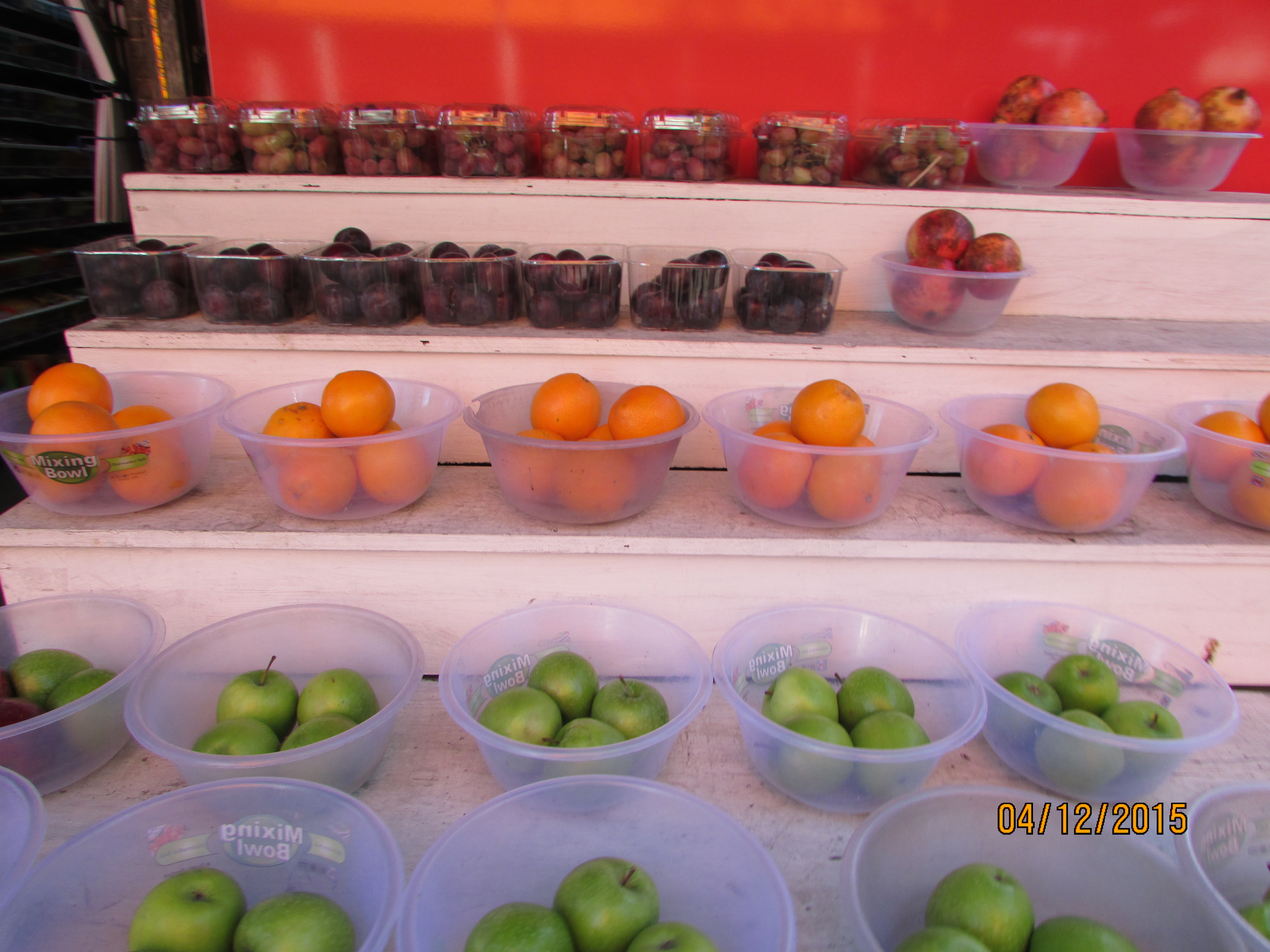
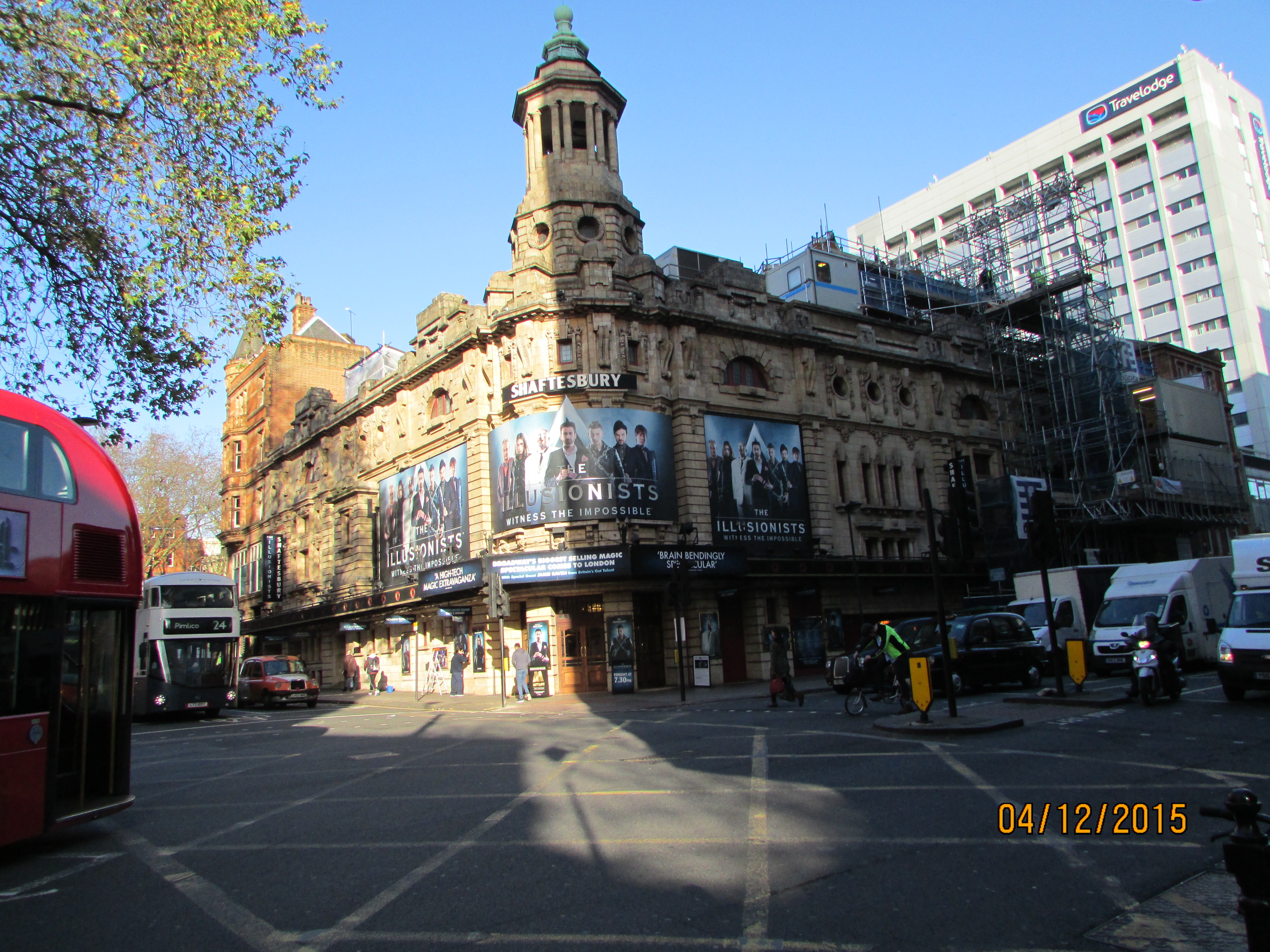
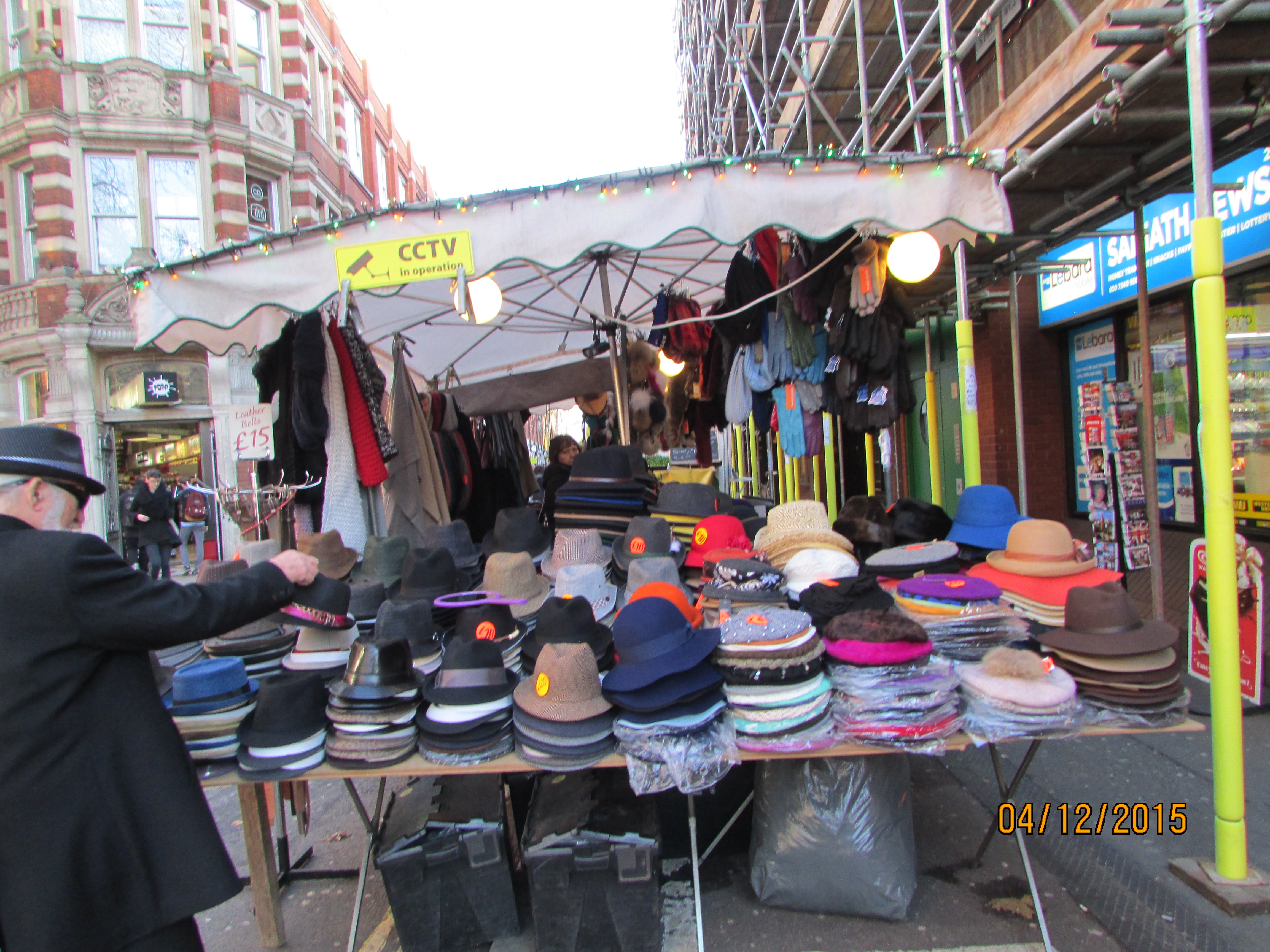
Turn right when you get to Shaftesbury Avenue, then cross High Holborn onto Bloomsbury Way. There are theatres here. There are less people and the buildings are a mix of offices and old churches. There are a few enticing lanes with nice cafes, the shop that always has bowls of fruit outside and some cheap grocery shops. There is also the hat stall (which always seems to be there.) Useful, one never knows when one might need a bowler hat.

IMG_3717 IMG_3719 IMG_3720IMG_3716

You will pass Bloomsbury Square (good place for a sit down in the summer) which is just in front of the British Museum. You will then arrive at Southampton Row. Turn left and walk up about 300 yards, past just about every chain of coffee shop and a Pizza Express. You will then arrive at a little lane, Cosmo Place. Walk along here to Queen’s Square. This is a small garden full of benches dedicated to people who I assume were treated in the surrounding hospitals. You are now next to Great Ormond Street children’s hospital and the Neurological Hospital (should you wish to pop in for a quick MRI.)

IMG_3724 IMG_3727

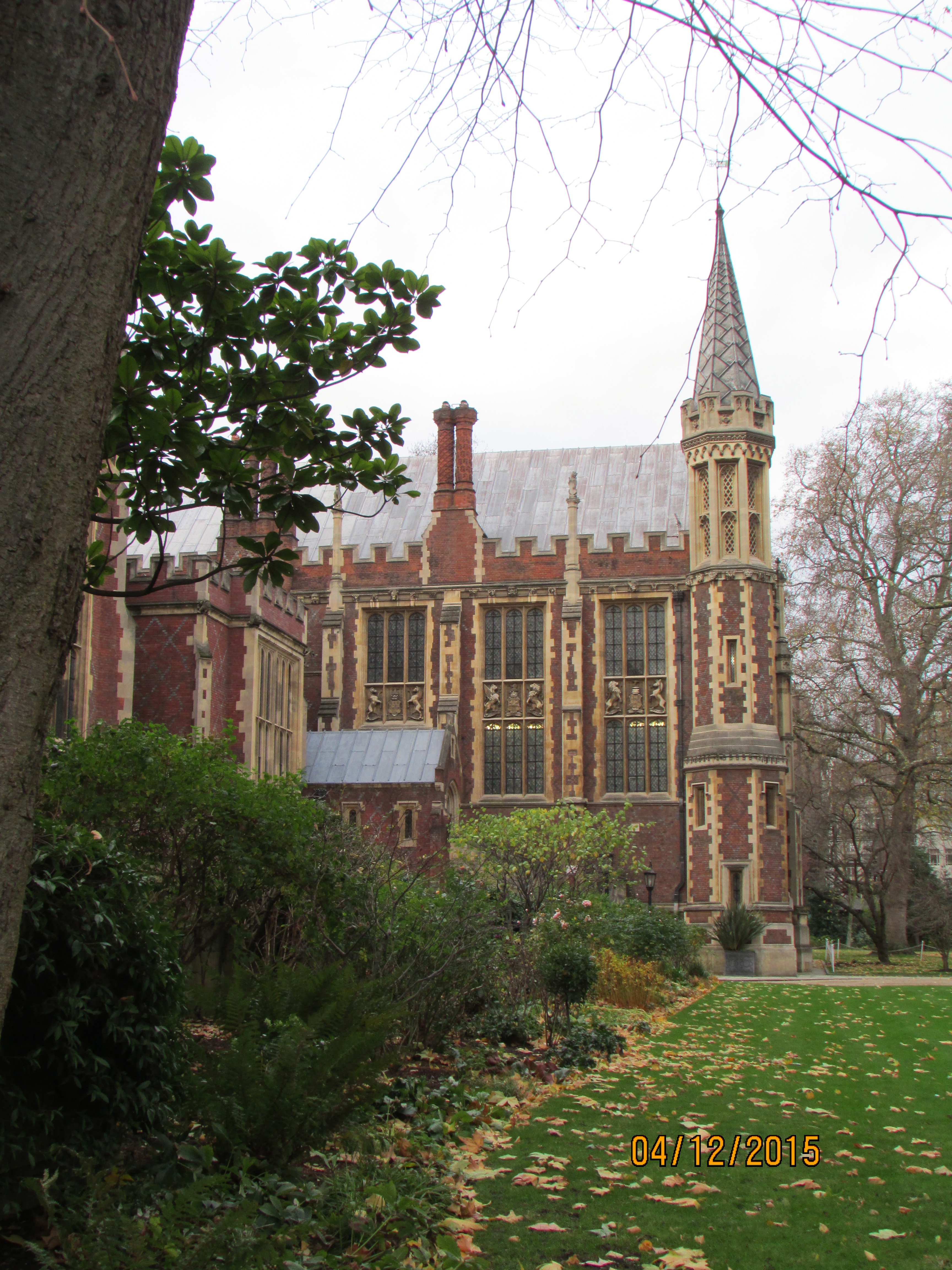
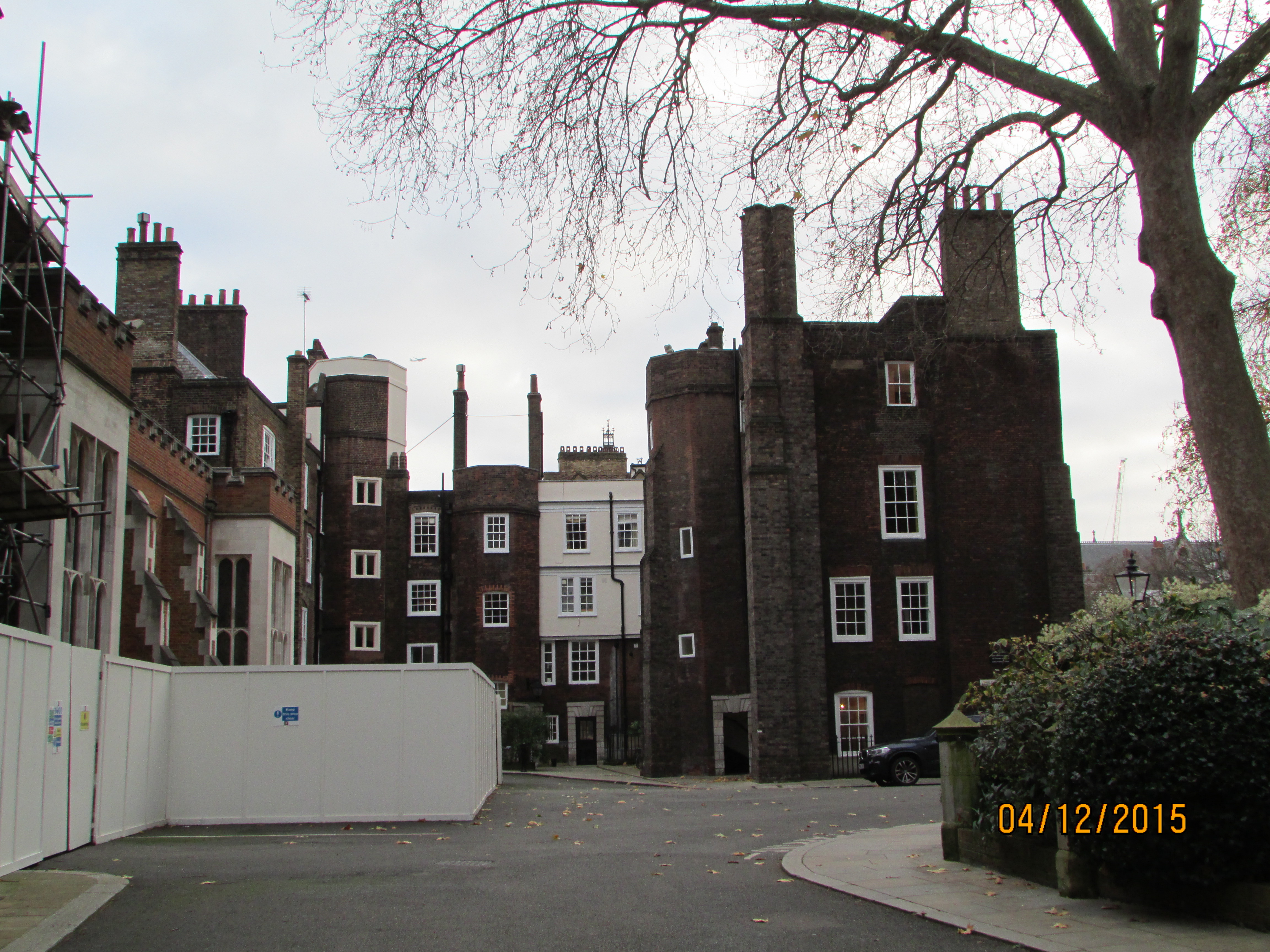
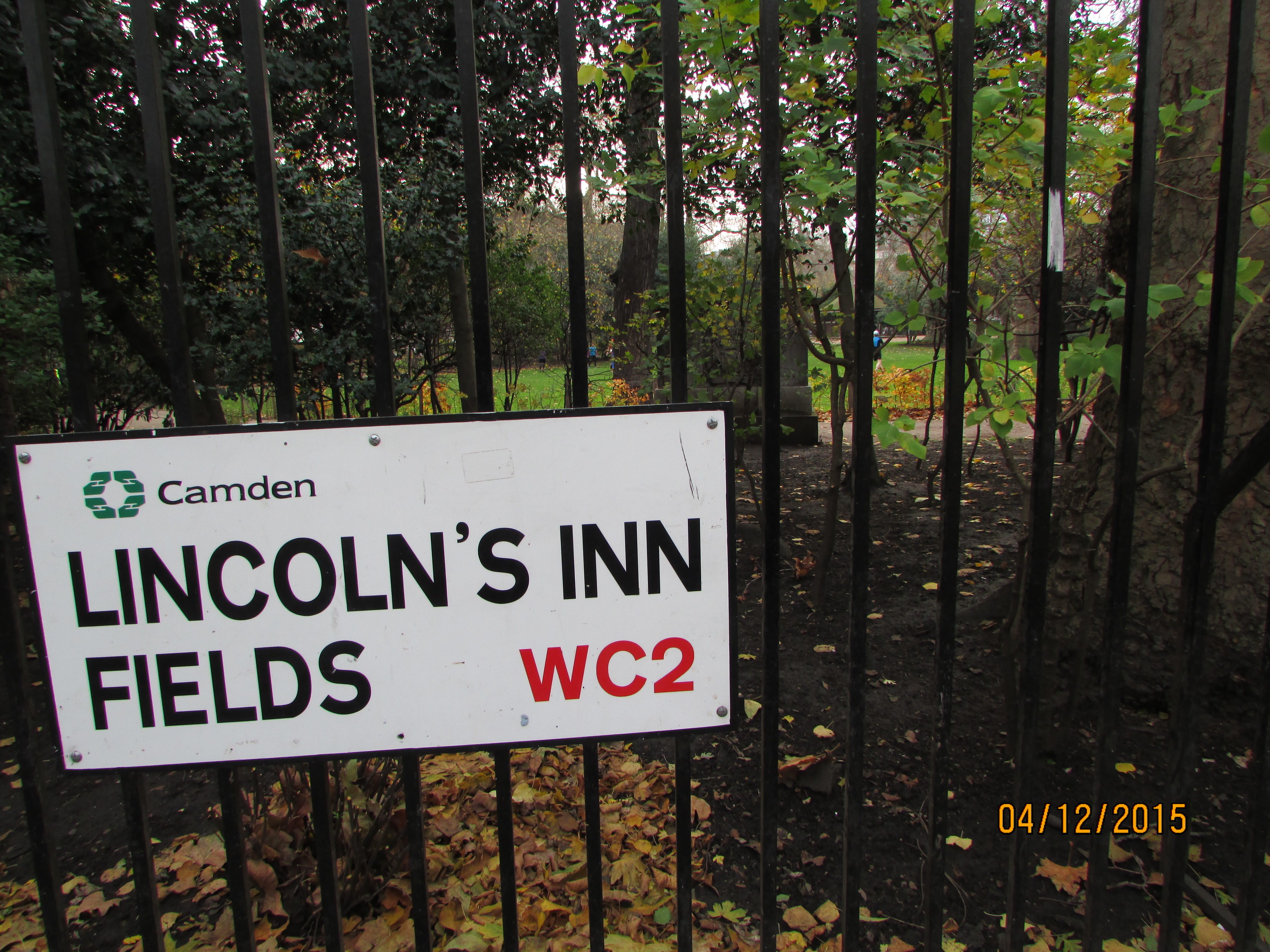
Walk down Old Gloucester to Theobald’s Road, then straight down Proctor Street to High Holborn. You are now in the legal part of the city. Turn left. As you walk along High Holborn you will pass lots of alleyways leading to the Inns. If you have read any of C J Sansom’s historical novels, you will love this place. My favourite is Lincoln’s Inn Fields. You can wander through the gardens, looking at the buildings, knowing they are pretty much unchanged since the days of Henry VIII. There are signs saying “No Public Right of Way” but I tell myself this refers to cars and just walk in and no one has ever stopped me.

IMG_3734 IMG_3735 IMG_3736 IMG_3737 IMG_3738 IMG_3739 IMG_3740

As you continue along High Holborn, you get a real feel for London. Really old stuff next to really modern stuff with new stuff being built. The fingerprints of history. Holborn Viaduct is a tangle of old and new. It is also near to Smithfield Market (slightly North) and St Paul’s cathedral (slightly South) if you want to make detours.

IMG_3746You will pass a dragon boundary mark. These mark the original gates into the City of London, which is also called The Square Mile. It can be quite confusing for visitors – the City of London is a small area within London, not the sprawling mass of the whole city, which is also called London…..


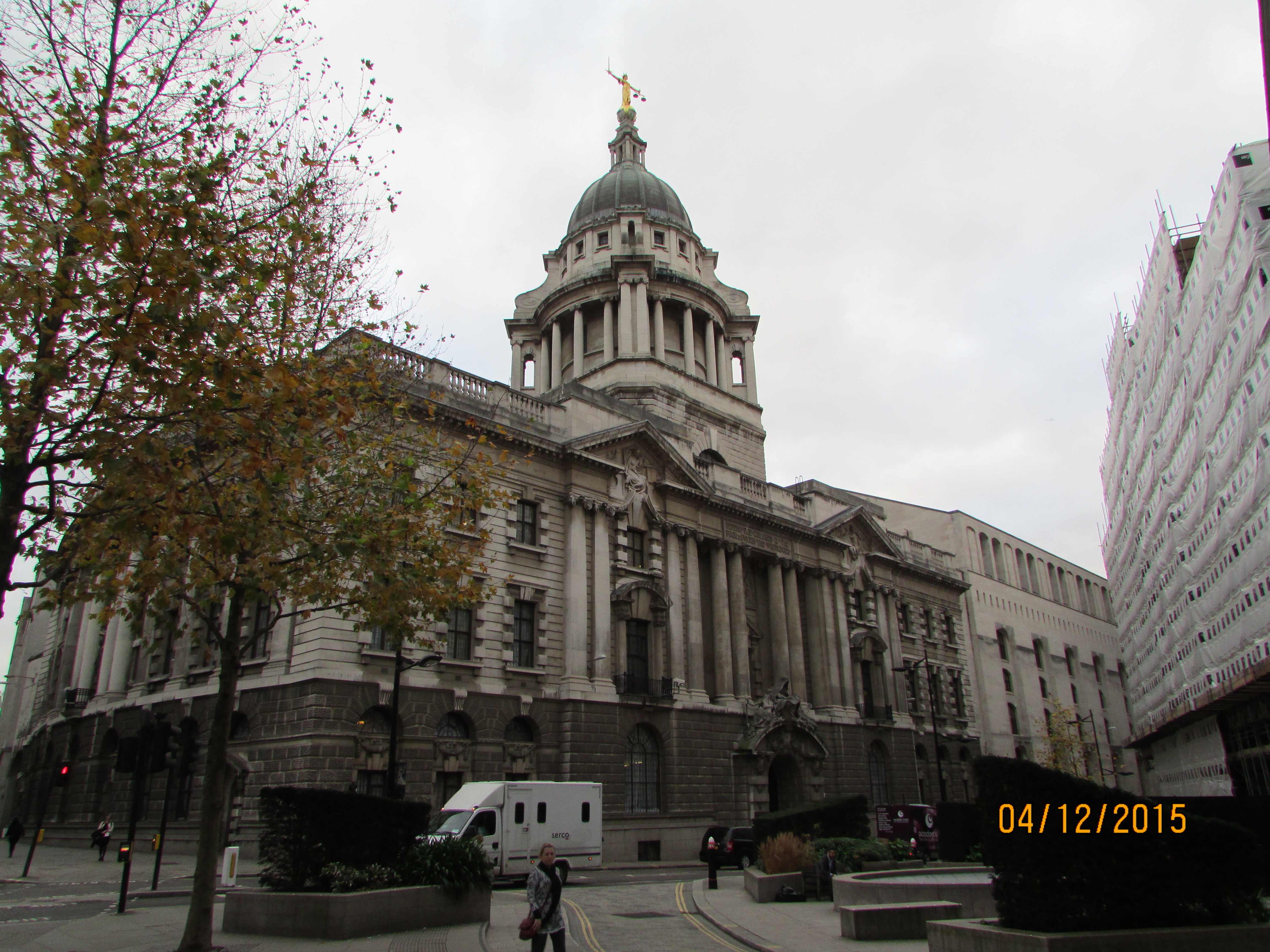
You will pass the end of the Old Bailey, the Central Criminal Court built in 1673. Before they had gas lights, they used mirrors to reflect the light onto the faces of the accused so they could watch their expressions. They also placed sound boxes above them to amplify their voices. There is a viewing gallery where you can watch cases being tried (it is nothing like ‘Judge Judy’ on television. No laughing and very tense. Real people in real trouble.) It was built next to Newgate prison, which was demolished over a hundred years ago (but still appears in historical books and films.)

IMG_3761 IMG_3762 IMG_3763

IMG_3765Turn left up King Edward’s Street to Gresham Street. You could nip up to London Wall. Here you will pass stretches of the original London wall, built by the Romans.


IMG_3766

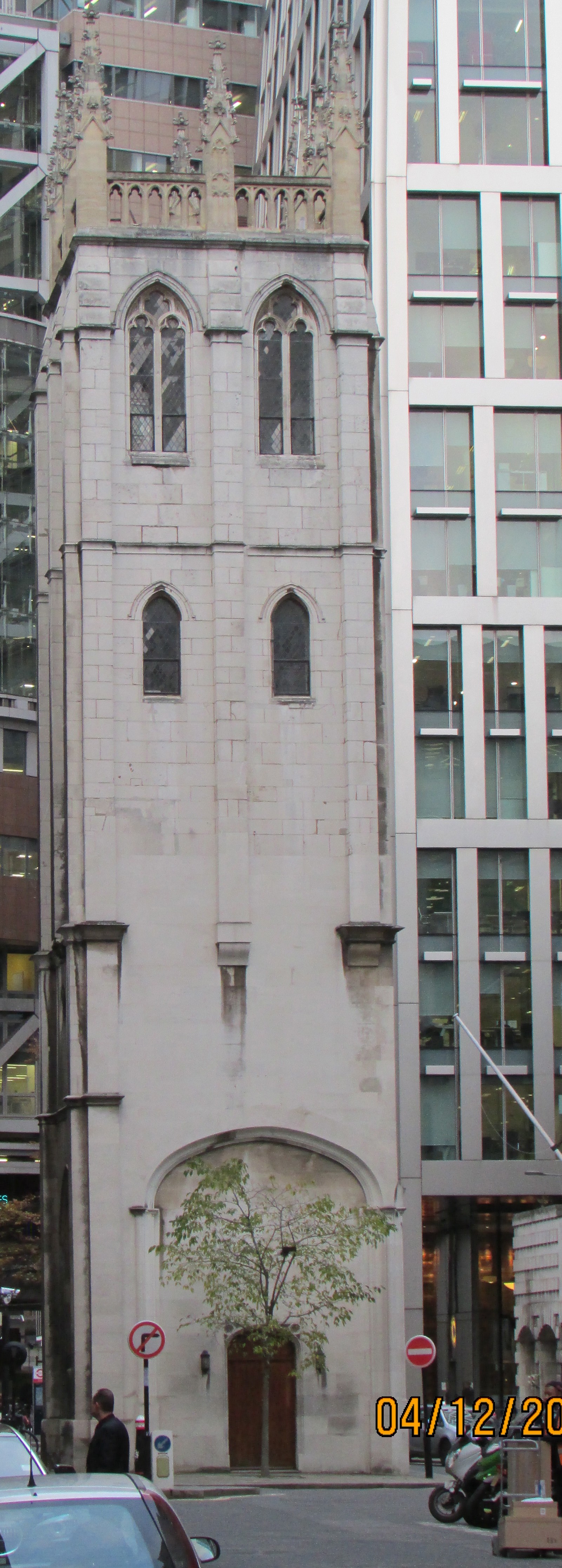
You will also pass Wood Street, where you can see Rapunzel’s tower. This is where she let down her hair so the handsome prince could climb up and rescue her. It has stood here since the days when this was covered in forest. (Actually, it is the remains of St Alban’s church, which was rebuilt after the great fire in 1666. It was designed by Sir Christopher Wren and then destroyed by a bomb during WW2.)


IMG_3770You will pass Guildhall, which is used for ceremonial rites. I went to a ceremony here once and the Lord Mayor of London came, escorted by Pikemen and Musketeers (which was somewhat unexpected but quite interesting.)


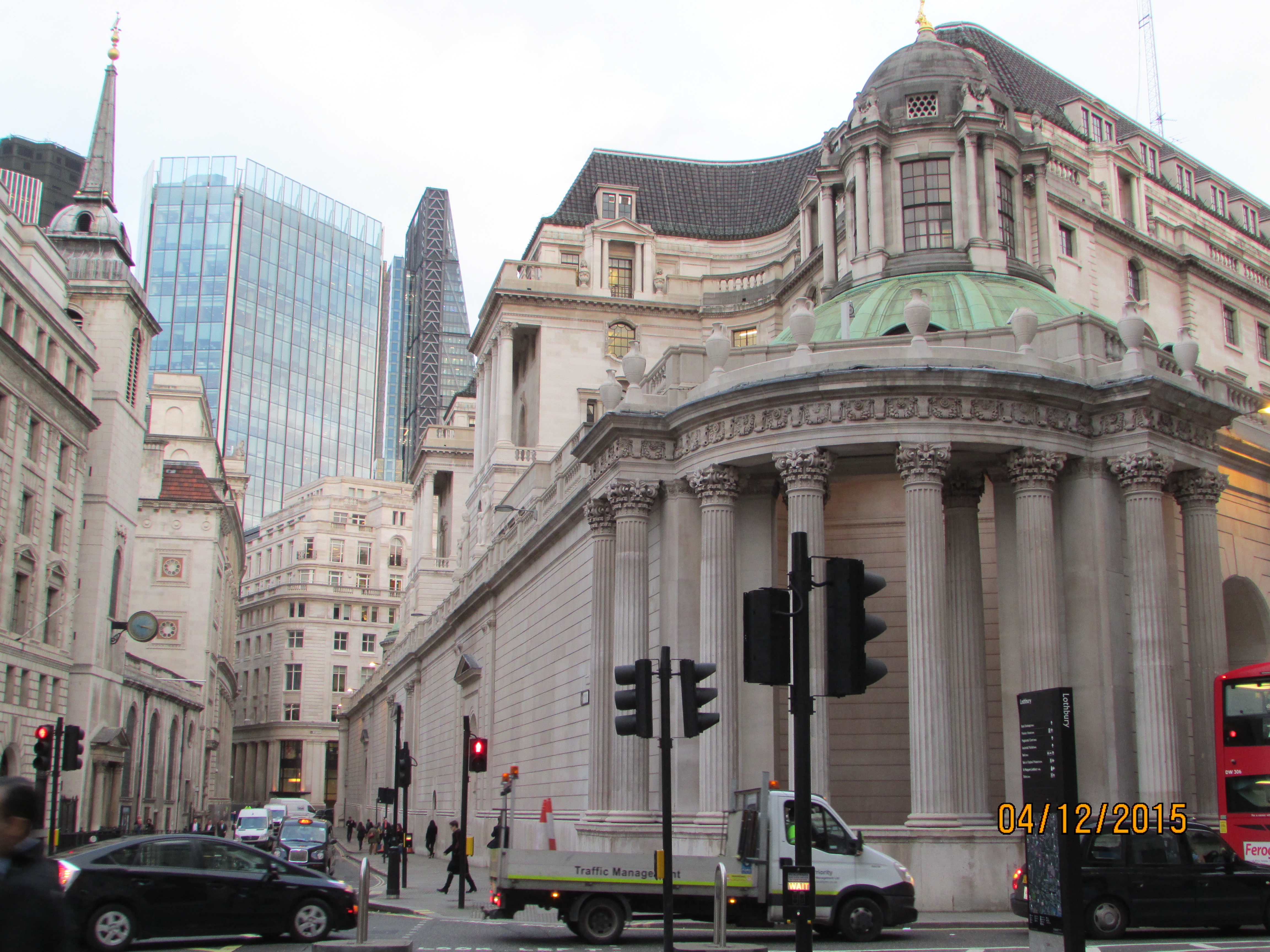
IMG_3773 Turn right down Princes, past the bank of England (a lot of gold in there) and onto King William Street.


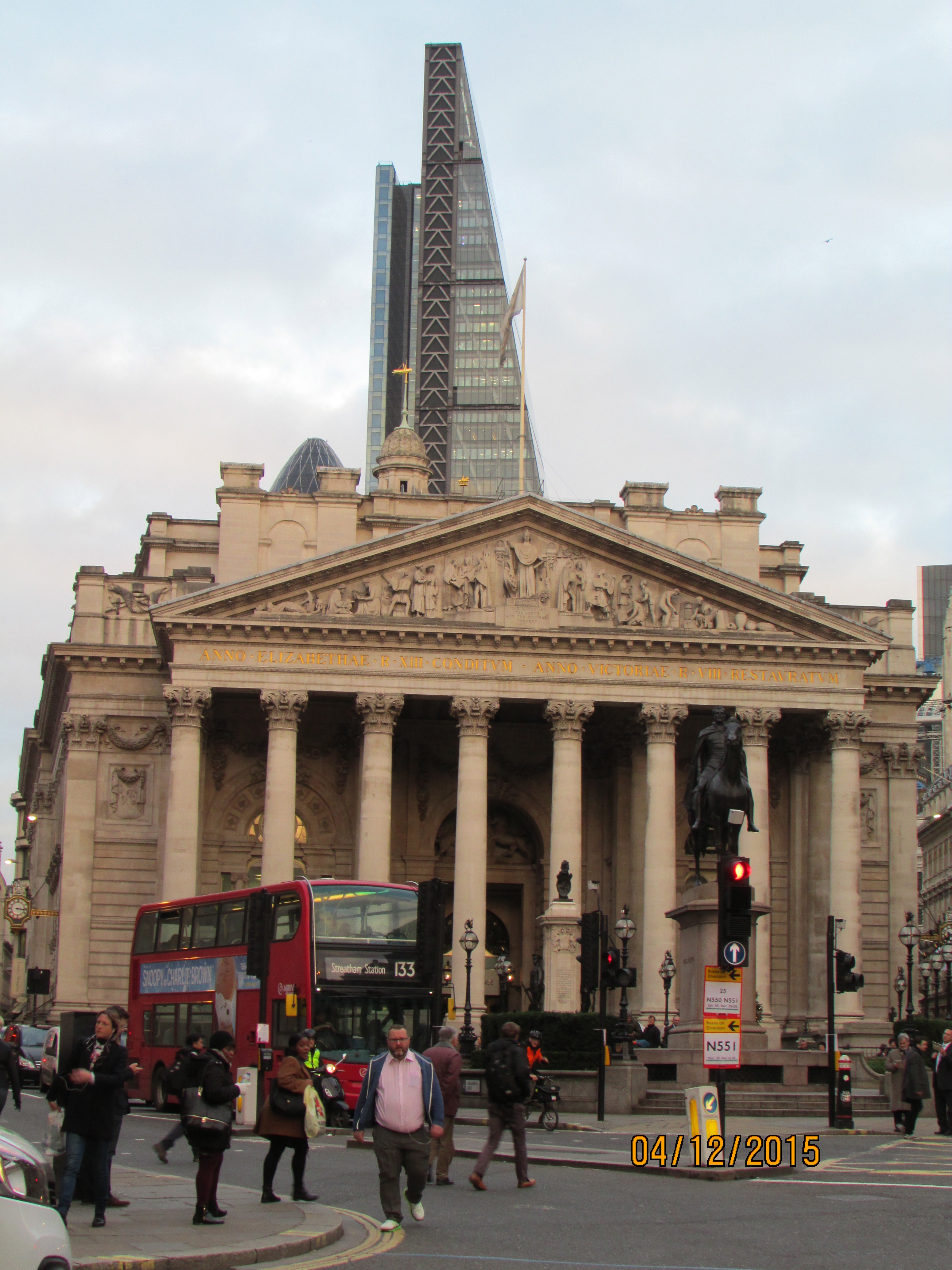
IMG_3774You will pass the Royal Exchange, which has posh shops and coffee places. I once went in there to try on expensive shoes (which I didn’t intend to buy) and I saw Brad Pitt when I came out. He held the door open for me. I expect it meant a lot to him. Opposite is Mansion House which is where the Lord Mayor of London lives (but I didn’t see any musketeers on guard. Perhaps they were in disguise.)


IMG_3778At the bottom of King William Street is Monument. This was designed by Sir Christopher Wren (busy chap) to commemorate the Great Fire of London. You can go up it, if you like heights, but you have to pay.


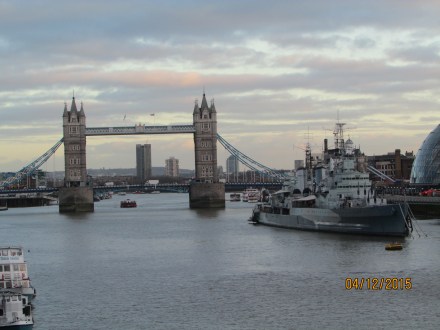
Walk across London Bridge and finish your walk at London Bridge Station. On the bridge you can look down the river to Tower Bridge, see HMS Belfast and the Tower of London.

So much history, all waiting to be explored. It’s a long walk, but there is so much to see you could easily add some cafes and take a whole day.

IMG_3779 IMG_3784

xxxxxxxxxxxxxxxxxxxxxxxxxxx

IMG_3786 This is the spike, just outside London Bridge Station,
used for catching parachutists in the last war.
(My children never believe me when I tell them that.)


xxxxxxxxxxxxxxxxxxxxxxxxxxxx

Thank you for reading.

If you enjoyed reading, why not sign up to follow my blog?

xxxxxxxxxxxx