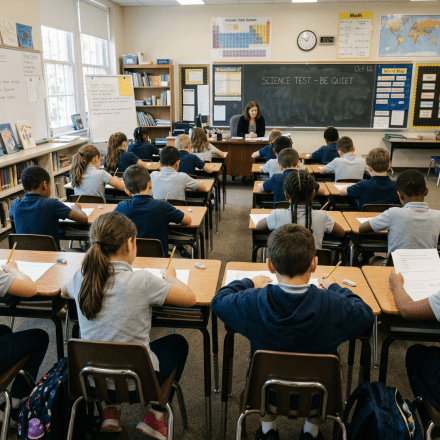
I loved teaching. I enjoyed being with children. Perhaps because they were mostly uncomplicated, and very honest, and you could be uncomplicated and honest in return. If they felt cross, they didn’t try to hide it. If they liked or disliked something, it was obvious, there was no pretending. I like that.
But, occasionally, there was a child who was different. A child who was very manipulative, not a team player, completely unmoved by their impact on the other children, very determined to get their own way. As a teacher, you learnt very quickly to spot these children, and to keep an eye on them. They were not to be trusted. ‘What you see is not what you got.’
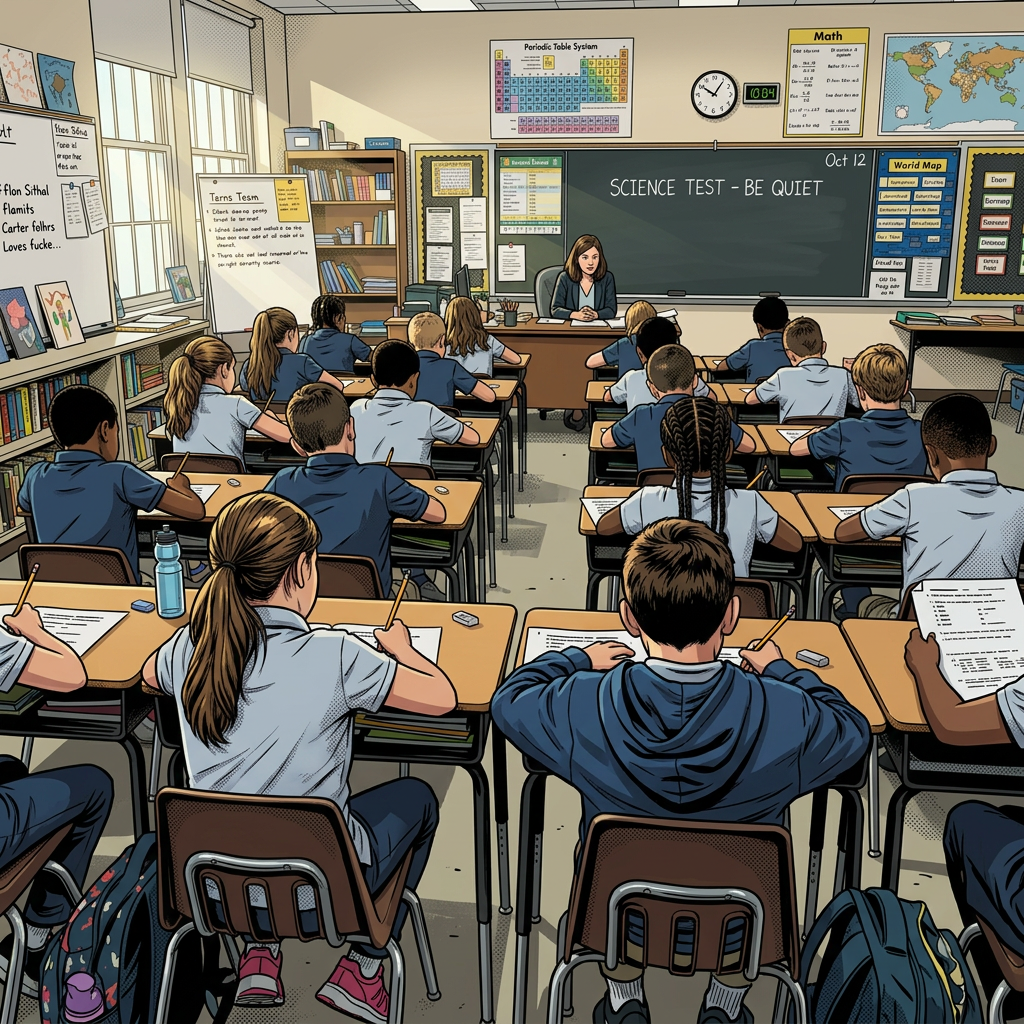
These children did not believe they were part of the class, the rules did not apply to them. They were sneaky, and tried to avoid being caught misbehaving–passing the blame onto someone else if they could. They would also create distractions. Some children were unsophisticated, if they wanted to divert attention from something they didn’t want you to see (like that they hadn’t learnt the words for the spelling test and therefore had answered incorrectly) they would just yell. Or throw something. Or hurt another child. Anything to divert attention from what they hoped you wouldn’t see–because these children do not like to ‘fail’.
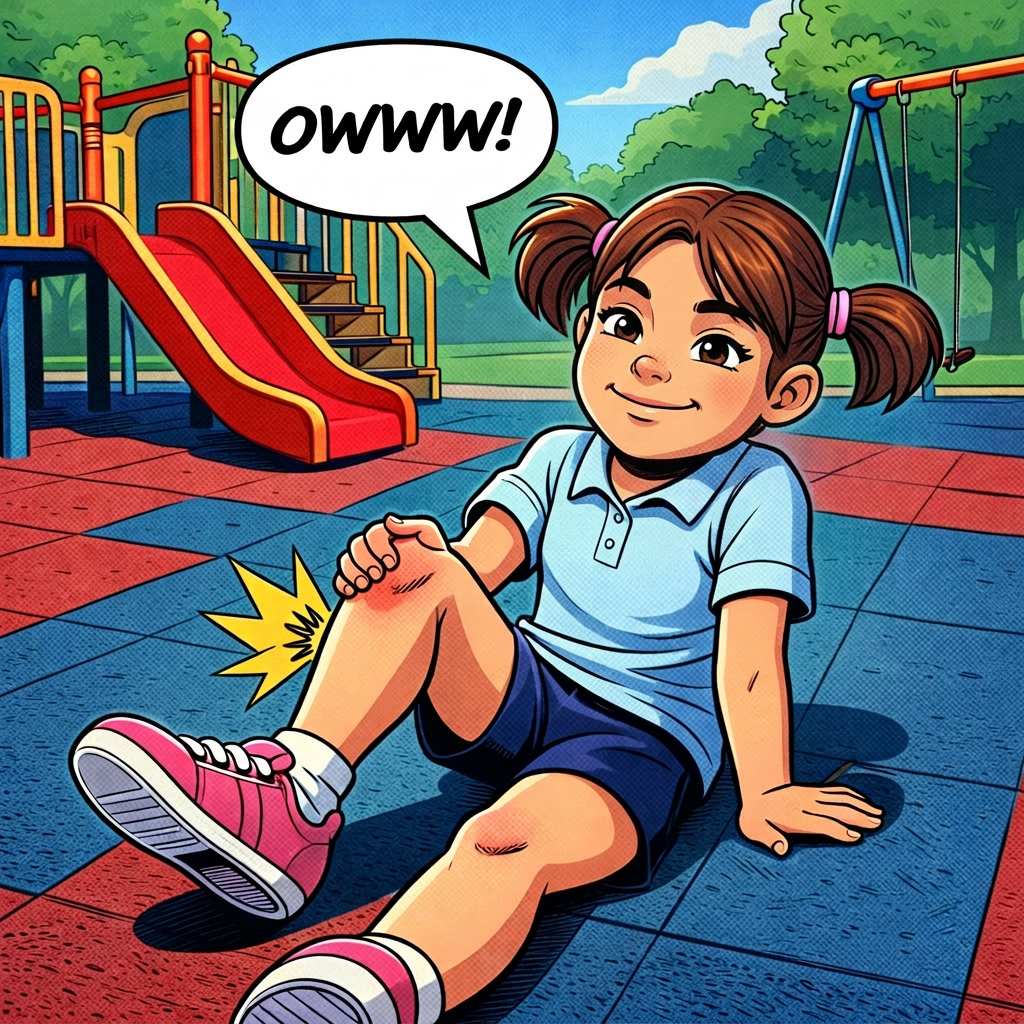
But some of them were more sophisticated, they would create a phantasy, perhaps get another child involved. Perhaps they would ‘fall over’ when walking to the playground–and it would be because ‘Julie pushed,’ not their fault. And then they would be very brave, very forgiving of Julie. As a teacher, you learnt to notice things. The ‘fall’ would look slightly staged. They would ‘recover’ a little too quickly. They might respond in a pre-prepared way: ‘If I hadn’t been told to walk to the playground, and you had let me play in the classroom, this would not have happened.’ There would be something a little ‘off’ about the situation and their reaction. As the teacher, you would try to be aware of what they might be trying to avoid, the reason for the theatrics. As a teacher you would try to not be fooled by the performance. You might ignore the fall (which would anger them) and instead help them with learning spellings. You would try to notice what was actually happening.
But I am describing a situation in the classroom. What is more worrying is when I meet or see these people as adults, perhaps as leaders. When they still don’t think the rules apply to them. When they still try to avoid the consequences of their actions by creating a diversion. One which is convincing, yet there is something a little ‘off’ about the situation. Something which makes you wonder what the truth is. I have learnt to listen to my feelings, if something feels ‘off’ it probably is.
In the classroom, these children can be helped–although I am no expert here, and some need specialist help. But they can learn to control their selfishness, they can learn that there are consequences for breaking rules, they can learn not to hurt other people. When they reach adulthood, I’m not so sure… But I’m a teacher, I can only really talk about in the classroom.
I hope your interactions this week are with people who know how to behave. Thanks for reading.
Take care.
Love, Anne x


