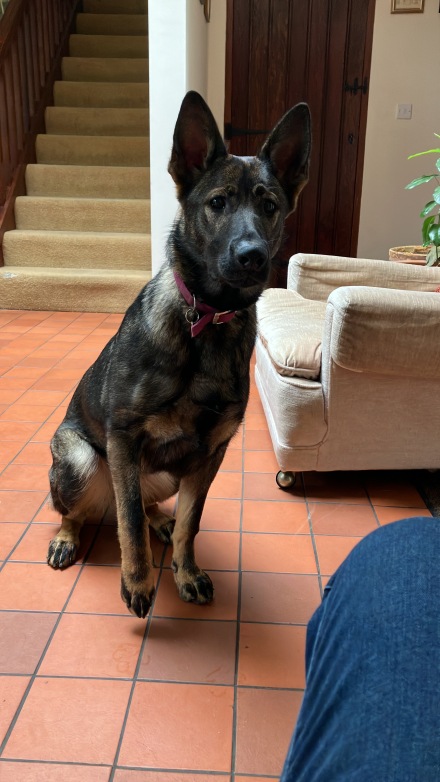
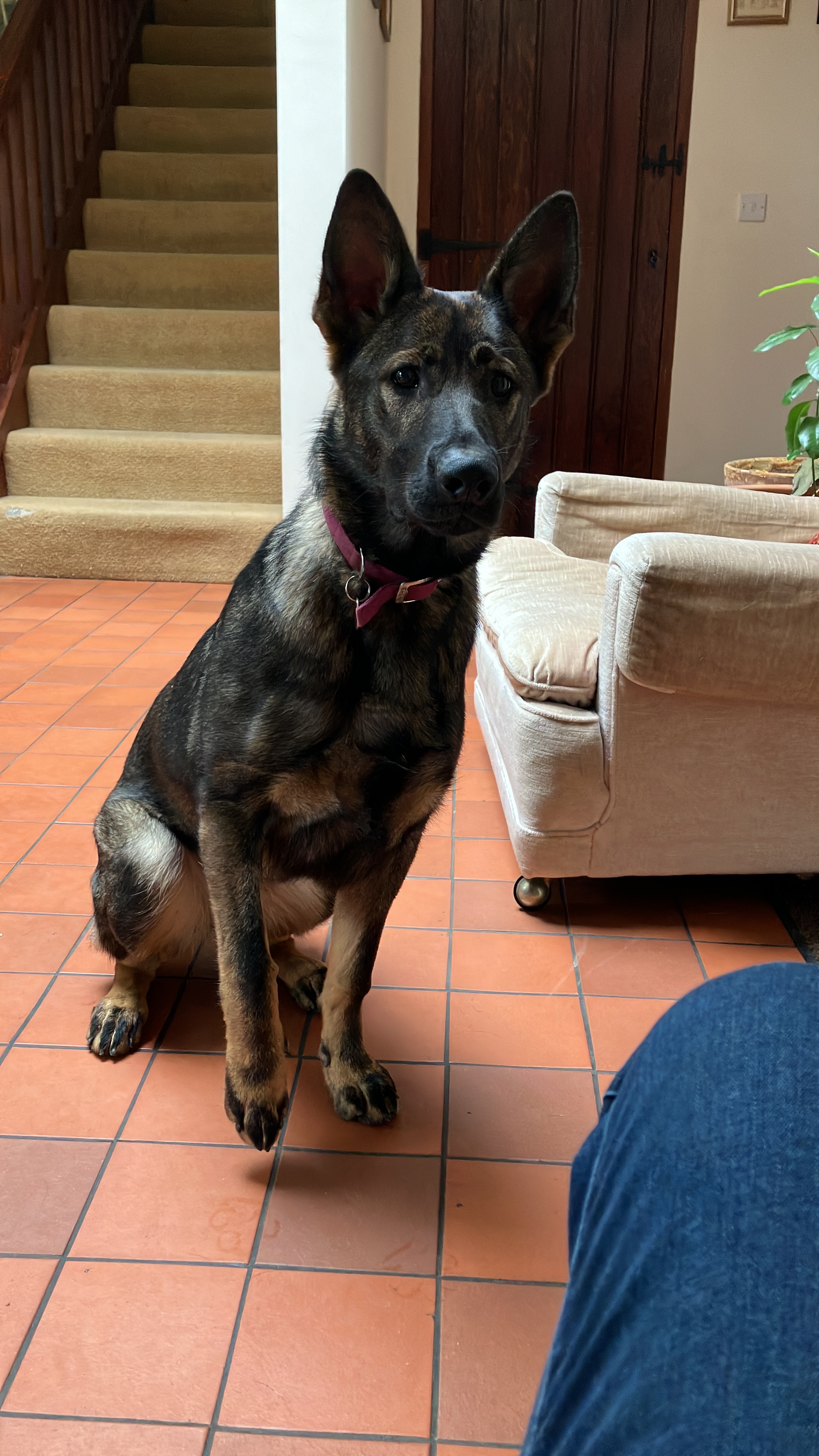
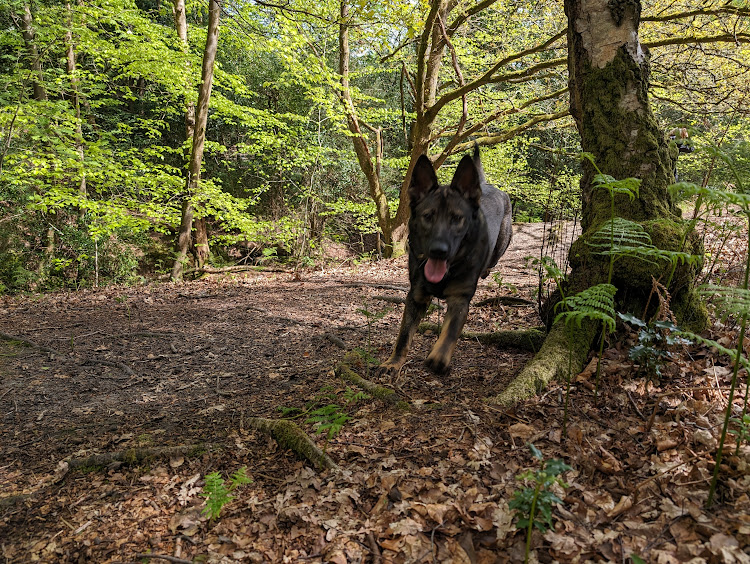
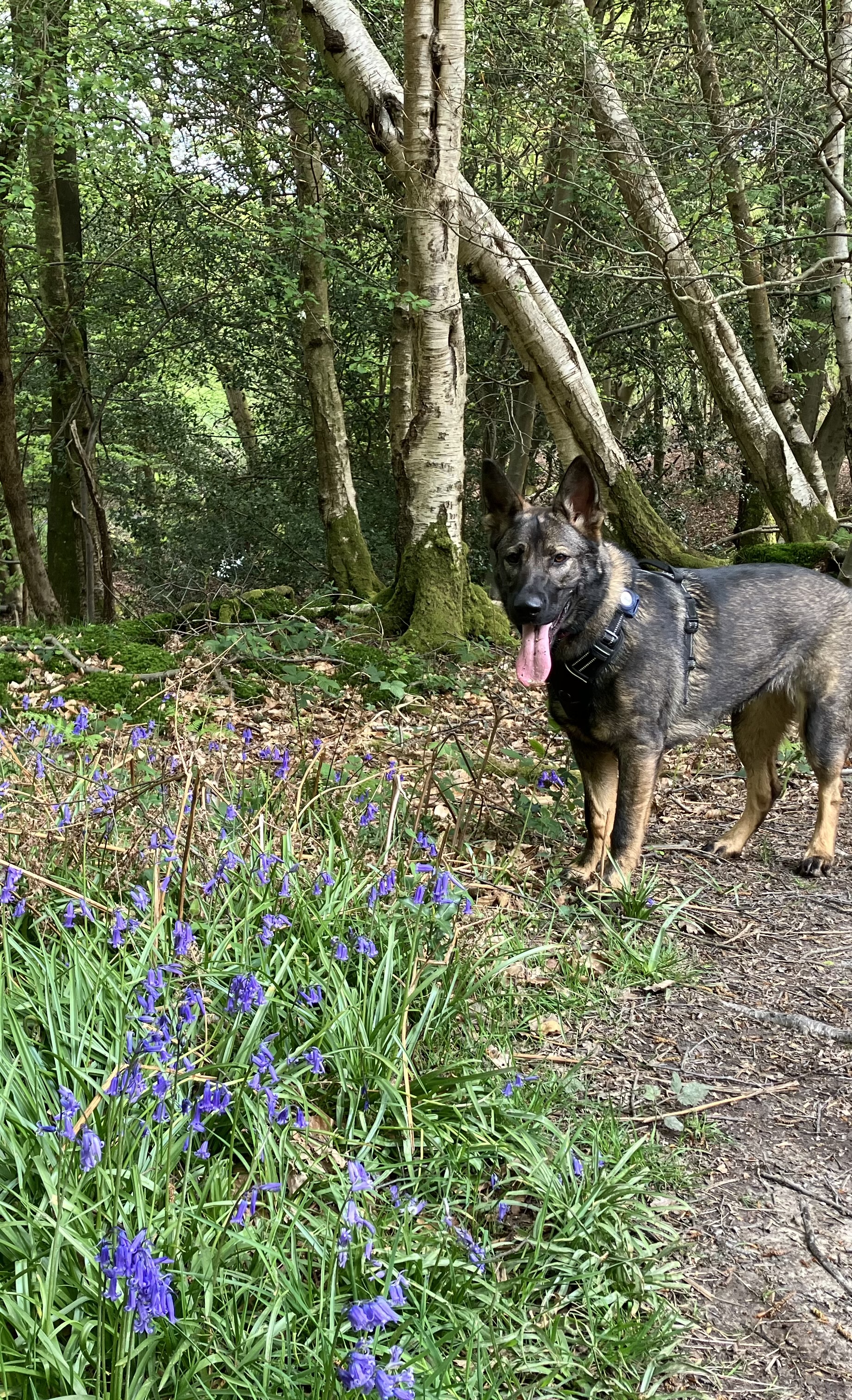
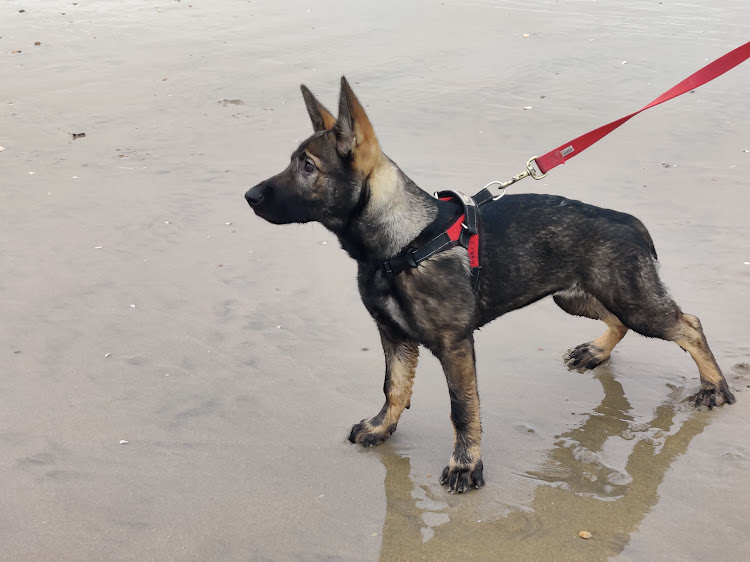
Mad Meg Nearly Kills Me


We had a great day on Tuesday. I drove to East Grinstead (Meg is still refusing to jump into the Mini, which is a real pain, she is very heavy to lift). Parked, and walked 10 minutes along the High Street. Meg lurched towards cars when we were right next to the road, but the High Street has a slightly raised path, a couple of metres from the road, and she ignored the traffic there. We were meeting a friend, and arrived early, so we sat at a table outside in the High Street. There was another dog, who Meg noticed, but she then settled down and was peaceful.

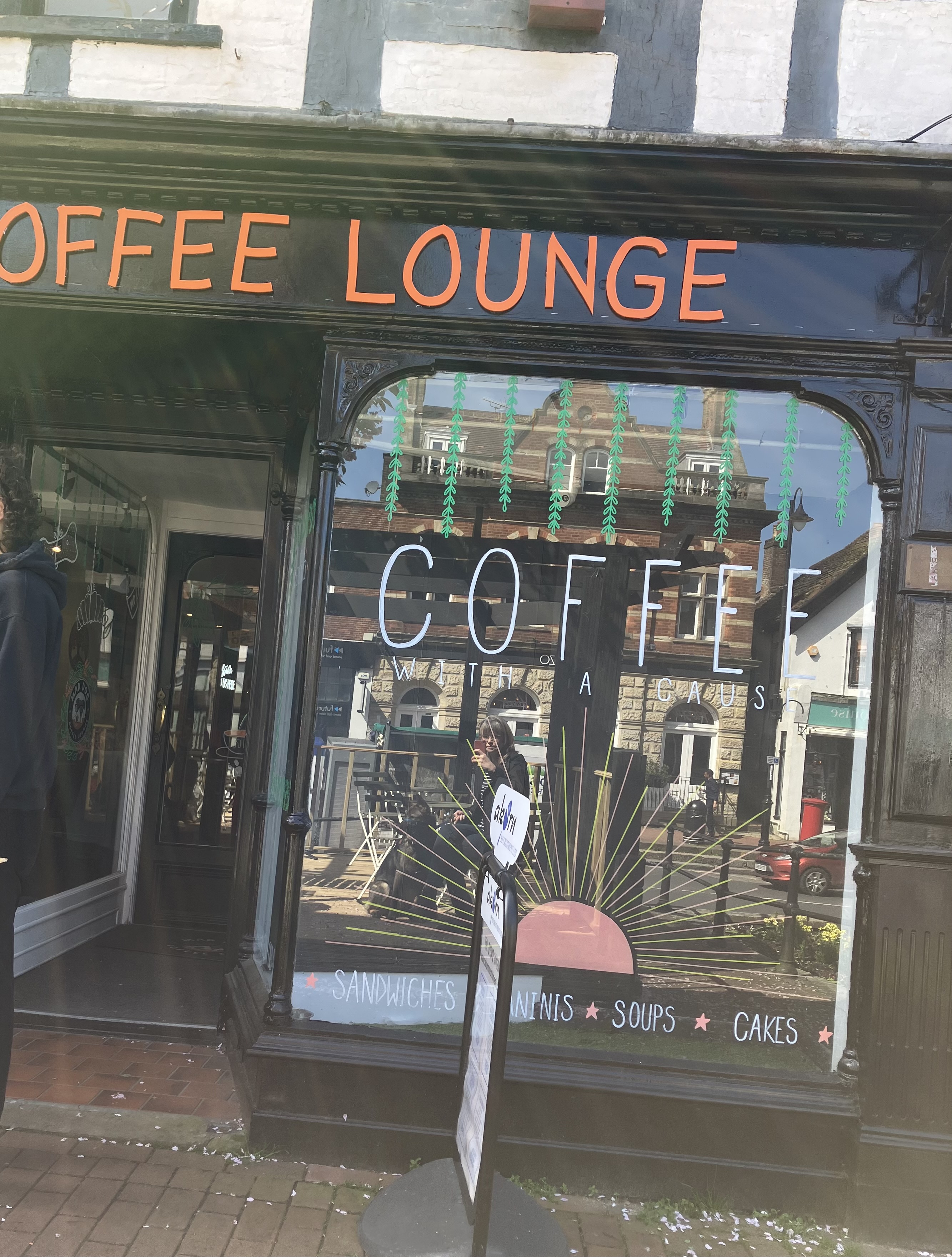
When my friend arrived we went into the cafe (the Mad Dog Cafe—appropriate name!) Meg, for some reason, baulked when we were inside and refused to walk any further. No idea what spooked her. We were next to a table, so sat there. Meg settled on the floor with her chew. She barked, briefly, at a woman carrying a tray, and at a baby shaking a toy. Other than that, she was very well-behaved, and I plan to return.

It was Puppy Classes in the evening. There was a new dog, a 10 month old poodle (a big one) and he barked at everyone. Meg responded initially, but then ignored him. It was fairly crowded this week, with puppies of all sizes, and she did very well, sitting and lying and walking in close proximity to lots of other dogs. Only dug one hole this week, so a success. (The class is in the sand school of a stables and we usually arrive to perfectly flattened sand, and leave to a mass of craters that Meg has dug.)

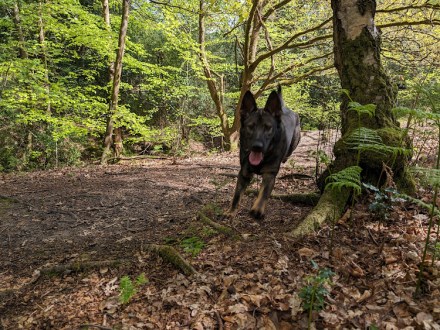
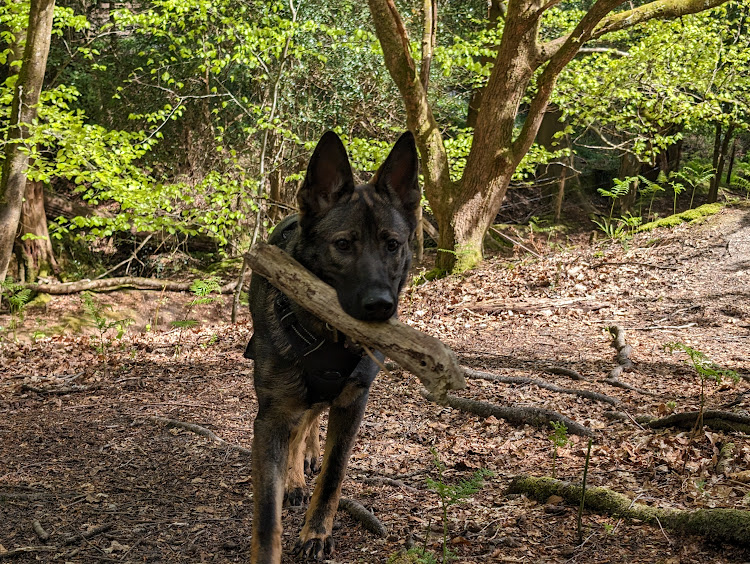
Yesterday was not so successful. I was feeling tired, so exercised her in the garden. During the afternoon I bent to pick up a stick, Meg dived for it, ran straight through my legs, and knocked me flying. Luckily I didn’t bang my head on a nearby tree, but I sprained my knee and ankle, and got a few bruises. While I lay on the floor, winded, with my glasses next to me, did Meg care? Not a jot! She bounced around with the stick and was in danger of trampling me. So much for the idea that dogs are attune with us and empathise with our emotions. I suspect if I had been knocked out, she might have eaten me! Hobbled back to the house for Nurofen and bandages.

**

My ankles are healing well (tight bandages, rested and raised—usually does the trick). I haven’t risked running yet, but yesterday I took Meg for a walk to the stream. This was such hard work. The main road has been shut for several weeks, due to a collapsed drain, which means there has been very little traffic. It is now open, and lots of cars zoomed past us—Meg lurched at every one. This is very disappointing, I have tried so hard to desensitize her to traffic. I’m guessing we made a mistake when she was little, in allowing her to pull on the lead. It’s now a real problem, and trying to make her walk to heel is futile. The best I could do was make her sit, before each car reached us, and held her on a tight lead, with one hand on her head (not sure if that was for comfort or because I was so angry with her I needed to be pushing her down!) There were many cars, it took a very long time to walk the 100 metres to the field entrance.

Once away from the road, I released Meg, and she ran into the field, hunting for sticks and sniffing smells, and always keeping relatively close as I marched away. There’s something about walking fast that is a great releaser of tension—for both of us I suspect. I’m sure if I couldn’t walk fast I would be taking anti-depressants.

Unfortunately, the happy walk was interrupted as soon as we rounded the first corner. A collie was there, called Leo, with his owner, and he was nasty. (I mean the dog was nasty, the owner was simply incompetent, I assume, as a nasty dog should not be loose where other people walk.) He snapped at Meg, who has never met an unfriendly dog before. He then pounced at her, and she yelped—I don’t know if he bit her or just frightened her. She ran off, back into the first field, and Leo followed. I could see her through the gate, she was watching me, but not daring to pass nasty Leo, who was baring the way. I called her, and Meg started to come, but Leo lurched towards her again. I asked the owner (in my very snotty schoolteacher voice) to ‘Please put your dog on the lead because he’s frightening my dog and she daren’t come back to me.’

Incompetent owner shouted, ineffectually, at Leo, and managed to move him further away (though still didn’t put him on the lead). I was furious. Meg is a German Shepherd dog, and they are known for being unfriendly towards other dogs. Meg, however, has a very sweet nature, and will happily ignore most dogs. It only takes one encounter with an aggressive dog to spoil this. I’m really hoping that Leo-the-nasty-collie will not cause Meg to be defensive whenever she sees another dog.

We marched off, round the field, releasing our tension. By the time we returned to the road, with all the whizzing traffic, I had recovered enough to cope with mad Meg trying to catch every car that passed (every single car). Arrived home exhausted.

Hope you have more success with the difficult things in your life–hopefully we will get there eventually. Thanks for reading.
Take care.
Love, Anne x

Thank you for reading. anneethompson.com *****

The Pathway to Applying for a PhD


Hello and how was your week? Do you have any changes in the near future?

The change facing me at the moment is the end of my MA course. I have received the mark for my dissertation (and was very pleased with it) and as soon as it has been validated by Manchester University, the final grade will be set and I will graduate. Which for me, is rather unsettling. I am not a person who relishes more time for housework, so I need to decide what comes next in life. I have loved studying, and would love to continue, so I am writing a proposal to work towards a PhD. I will let you know whether anyone accepts me. My current college works with Manchester Uni for Master’s level awards, but is not currently accredited for PhD awards.

I have not been in the academic world for very long, so before I could apply, I had to discover the process. There is a way to do everything. This may not apply to other disciplines, but this is how a PhD in Theology works:

Firstly, I have to decide what to research (a PhD is a research project). I am meant to ‘contribute to the discussion’ so unlike my MA, which could be simply a review of other scholars’ work, I have to bring something new. This is fairly difficult, because although I am fully expecting to think of something original as I do my research (my brain generally  finds different avenues to other people) until I start, I don’t know what I will discover. Therefore much reading around topics is required, trying to find an area of interest.

Having decided on a topic, the next stage is to see what studies have already been undertaken. It would be difficult to research a completely new field, with no literature to evaluate. As I read, I start refining my ideas, listing relevant literature, deciding on the direction of my research.

The next (massive) stage is finding a supervisor. Basically, during a research project, you have a supervisor who gives good advice and keeps you on track. They need to be interested in your subject, and be willing to work with you. My current supervisor (for my MA) suggested some suitable scholars. I now have to approach them, briefly outline my project (like a sales pitch) and ask if they would be interested in hearing more. At this stage I don’t say much about me, I simply outline my research idea.

If they are interested, and have time for another PhD student, they will ask for more details. I then send them a more formal proposal, outlining what I consider to be the main issues, the sort of literature that’s available, a vague general direction for my research. If they like all that (here’s hoping!) they will then agree to supervise me . . . if the university accept me.
The next stage is to apply to the university. The supervisor will help with this, telling me how to shape my proposal so it covers the areas the university requires. I apply directly to the university (who expect me to already have a supervisor in place). My understanding is that whilst the supervisor needs to be interested in my project, the university is interested on whether my project will gain the funding it needs, and whether I will complete it in three/four years. (Finding funding is another step.) Both these factors affect their stats, and universities are primarily businesses. If they have students who start but never finish their PhD, that reflects badly on their reputation.

If the university accepts me, then I will be exceedingly happy, and I will disappear into a frenzy of study. But there are several steps, so we will see. I will let you know. I hope your own plans are going forward. Thank you for reading.
Take care.
Love, Anne x

Thank you for reading.
anneethompson.com
*****

More Meg


I have started to take Meg with me wherever I go (that allows dogs). We have walked round the market (stressful) the garden centre (surprisingly good) and the Four Elms shop (excellent behaviour once through the scary sliding doors!) I also take her, when appropriate, when I go out for coffee—I carry a chew and an old towel for her to lie on (not that she does lie on the towel, but it shows willing). She has been to Mum’s a couple of times—the first time was a nightmare and I spent the entire time stopping her eating the carpet/rug/draught-excluder/flower arrangement. The second time was better, and we had a nice chat (me and Mum, not me and Meg) while she (Meg, not Mum) chewed her chew. She does have the snake draught-excluder on her hit list though, and looks for it whenever we visit.

Always fully alert and ready to bounce.

Today we took her for coffee in The Garden Coffee Shop (Four Elms). We walked in, and Meg jumped up to look out of the window, put her paws on a seat, tried to join other customers at their table. Not too professional. We got her into a corner, and she settled down with her chew. Every time new customers entered, she stood up and barked at them (not sure why, no one else had a dog). Then gradually she relaxed, and we had some time to actually drink coffee and chat. After about 30 minutes she grew restless again, so we paid and left. I’m hoping that over time, this will be relaxing for all of us. At the moment, it’s a work in progress.

While the main road near the house is closed (and there is less traffic passing) I am walking Meg to the nearby stream each day. She is still super reactive if a car passes, but we only have a short stretch next to the road, and once in the field she is fine. I have no idea what will happen when she sees a deer, but I don’t think she can run to any roads even if she chases it. The good thing about the walk is that she has to wait at the gate when we leave, so it’s easy to put her back on the lead. She has become very naughty at being caught when it’s time to go home, so I can only take her to places with a barrier that stops her.

7 Months
I talked to ‘dog-trainer-Sue’ about taking Meg on a train. She advised me not to take her to a station initially, as it would just scare her, and to practice things like going through sliding doors, and walking through the underpass tunnel in Oxted. We practice the sliding doors at the garden centre, and Meg is completely fine with them now. But trying to go through the underpass had the same reaction as the tunnel in Instow—full brakes, and not persuadable! We have walked up and down the ramp a few times, but I’ll need Husband to help me get her through the underpass

We went to Cambridge, and took Meg. I took her on a long walk first, so she didn’t need physical exercise. We shoved her into her crate in the boot, and drove (2 hours) to Cambridge. I then walked her for 10 minutes, just to loosen up her joints, and offered her a drink (which she didn’t want). Then back into the crate while we looked around a prospective house to buy, and then drove home. She was great, and I think she just slept or chewed her chew. (I keep the chew for ‘special’ occasions, like when we’re out and I need her to be confined.) Though she did stand up and bark on the QE2 bridge! I don’t think she likes heights. When we got home it was evening, and I worried she might be full of energy, but she seemed tired, and was happy to go to bed. I guess she must have been alert and watching during the afternoon.

Today we took her to the pub. It’s a 45 minute walk, which is slightly long, but I’m hoping it won’t hurt occasionally. She was terrible whenever a car passed us, but we can cope with terrible now. In the pub she settled under the table with her chew, and was completely engrossed unless someone approached the table—when she barked at them. I think she was worried they might steal her chew. It wasn’t as relaxing as when we leave her at home, but I’m hoping that things like this will become routine. It’s easier to occupy Meg if she joins me for my activities rather than having to do things exclusively for her. After a quick lunch, we walked back home. I was tired, she was still bouncing. Such is life.

Thanks for reading. I hope you have things sorted this week.
Take care.
Love, Anne x

Without a doubt, we would fail this exam.

****
anneethompson.com

Life


Hello, and how has your week been? Life usually has lots of good things and difficult things–and as long as I remember to notice the good things, I can cope with the difficult stuff. At the moment, I am noticing lots of good things.

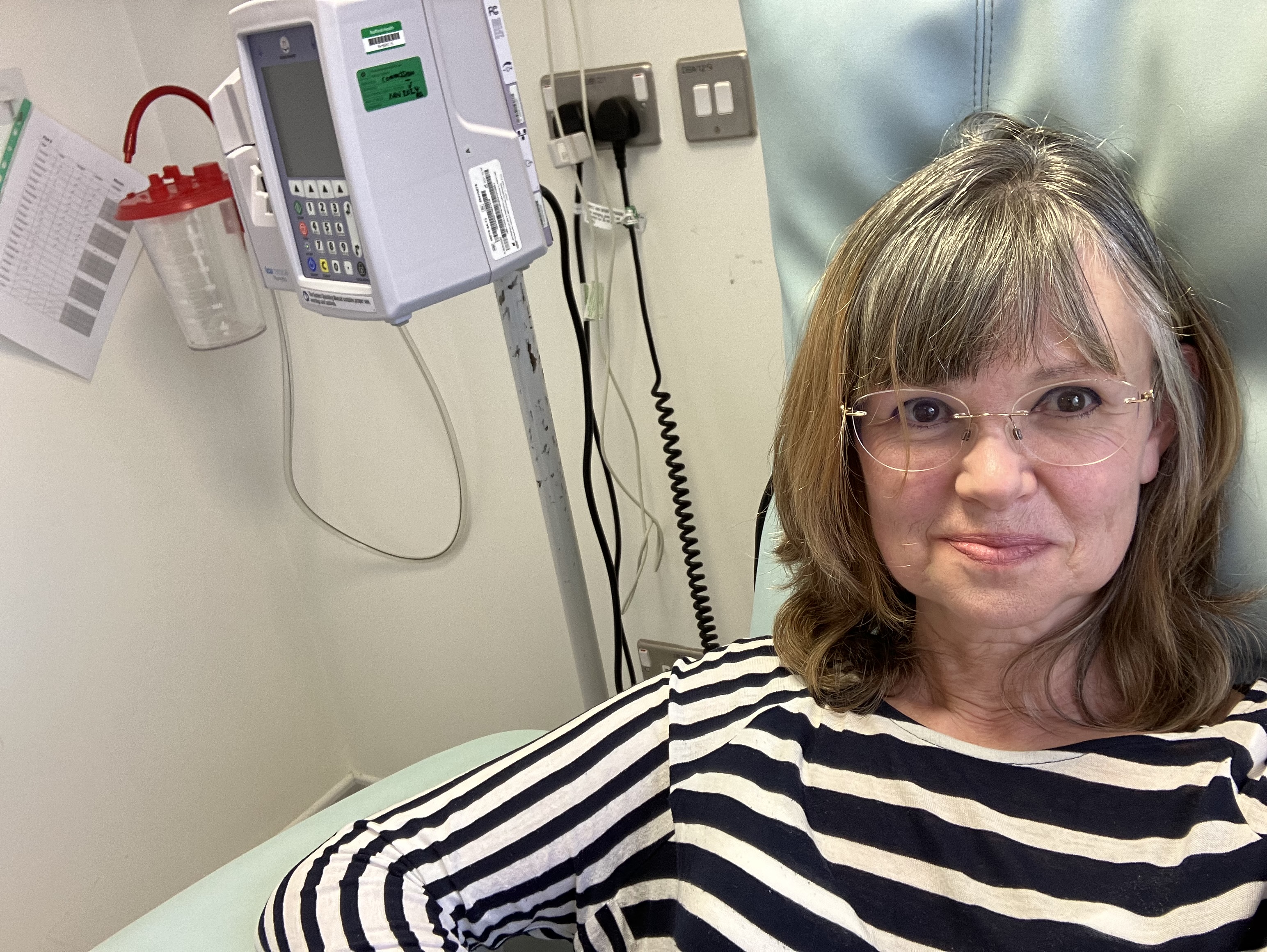
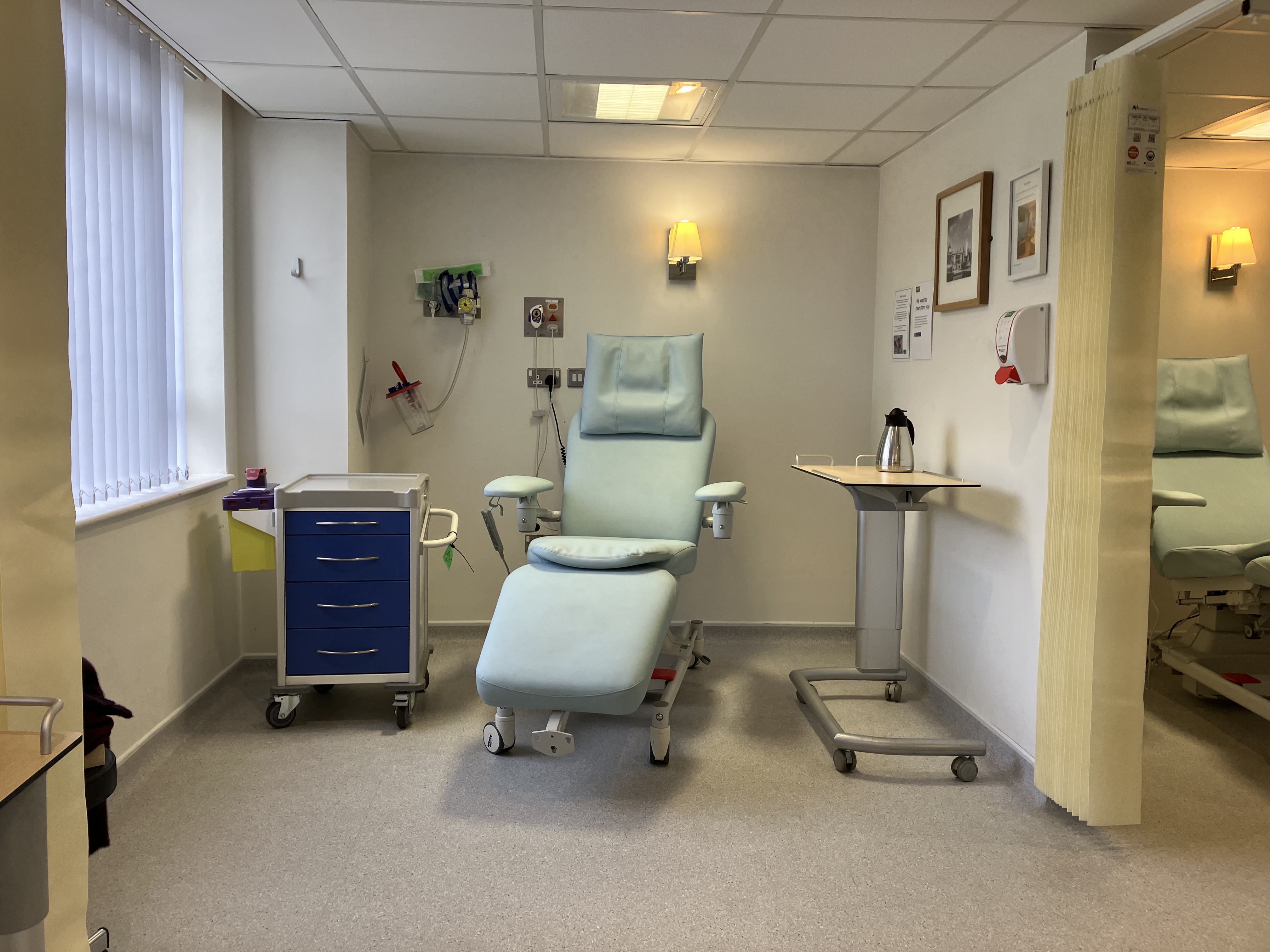
The main thing I’m thankful for is my health. I have now had the results from the heart and liver scan (actually, they seemed to check just about every internal organ!) and all is good. No iron deposits were seen, so I can start having venesections and that should prevent any future trouble. I also had my most recent blood test at the hospital where they’ll do the venesections, and it was a very good experience. Unlike the nurses who often take blood or put in a tube (usually related to scans for the brain tumour) this nurse quickly found a vein and didn’t leave my arm looking like I had been in a fight. The hospital space is also very nice, with big comfy chairs to relax in (ready to stop wimpy people like me fainting!) and staff who were really kind, and very reassuring. I came away feeling confident that venesections are something that will soon become ‘normal’ and I felt so grateful for the medics and feeling safe in a hospital (when I know that in some countries, this would not be my experience). I sneaked a photo to show you— not sure if taking photos is allowed in hospitals so don’t tell anyone. I don’t yet know when the venesections will start, but I am ready!

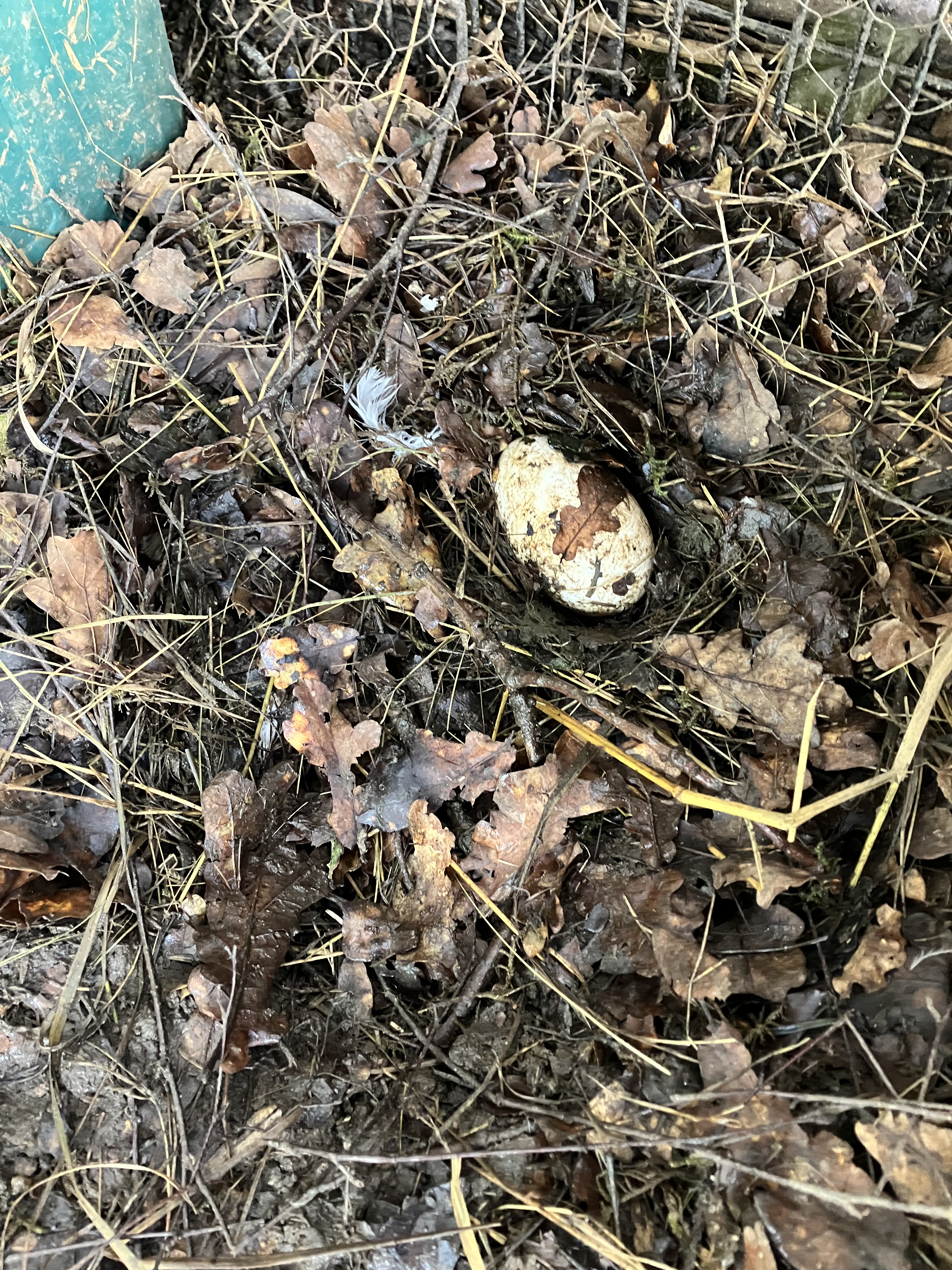
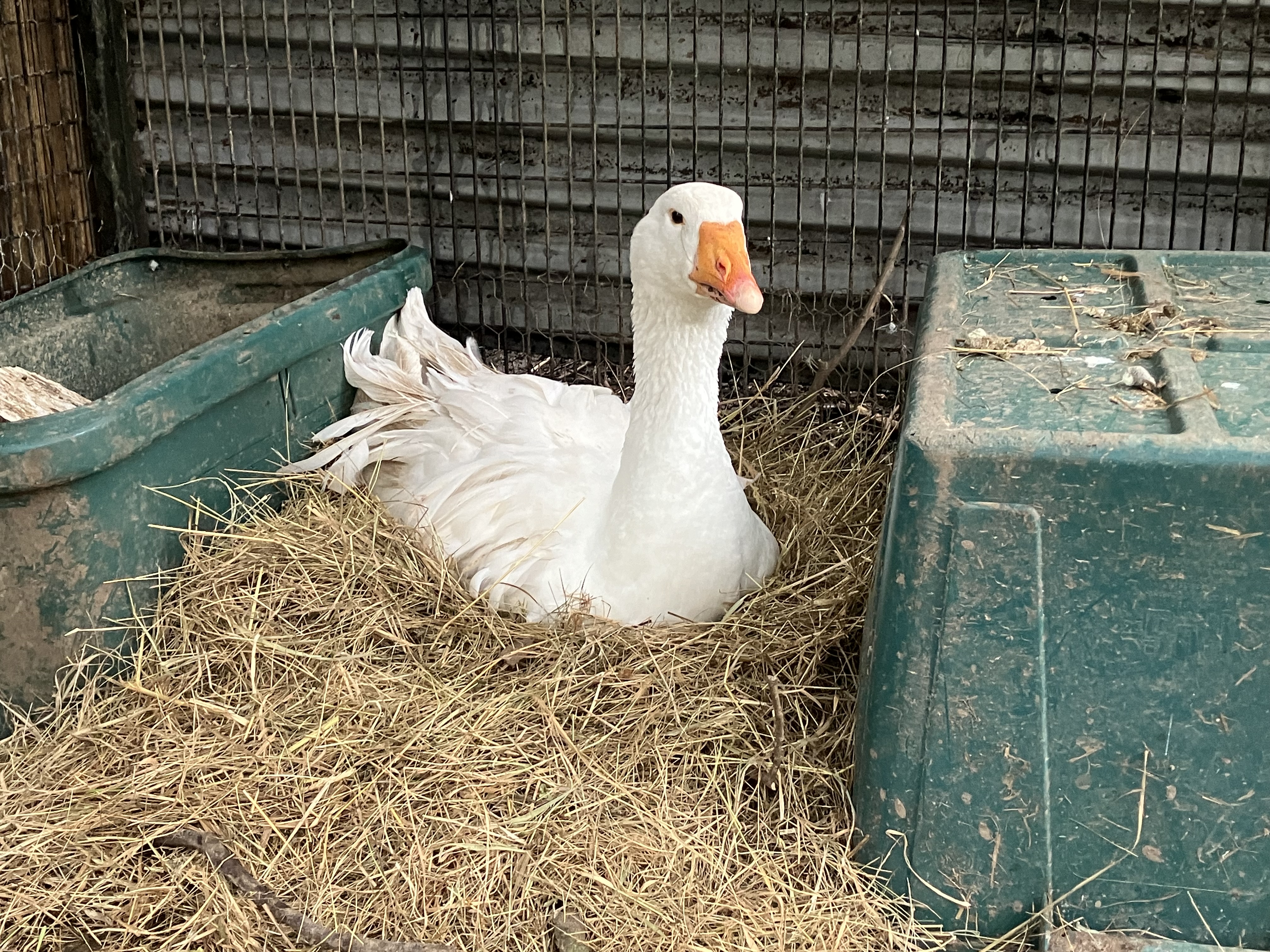
It’s also Spring, and that is a wonderful time of year. I love all the colour, the warmer weather, the busyness of insects waking up and birds nesting and lambs in the fields. Goose decided to sit on her nest (the better one she made, with hay stolen from the chickens–not the rather pathetic 6 sticks thrown on the ground affair that she started with!) I had collected her eggs as she laid them (just 8) as I was hoping she wouldn’t go broody, but she did. I left her with one egg, and have given her a couple of fertile chicken eggs from my old black hen (because she might die soon and she lays lovely big brown eggs). I have also found a few random duck eggs abandoned on the bank, so I have given her those. She seems to accept anything, so we’ll see what hatches. (It won’t be her own egg, as that’s infertile.) Probably she’ll step on the hatchlings and squash them, because she’s very clumsy, but we’ll see.

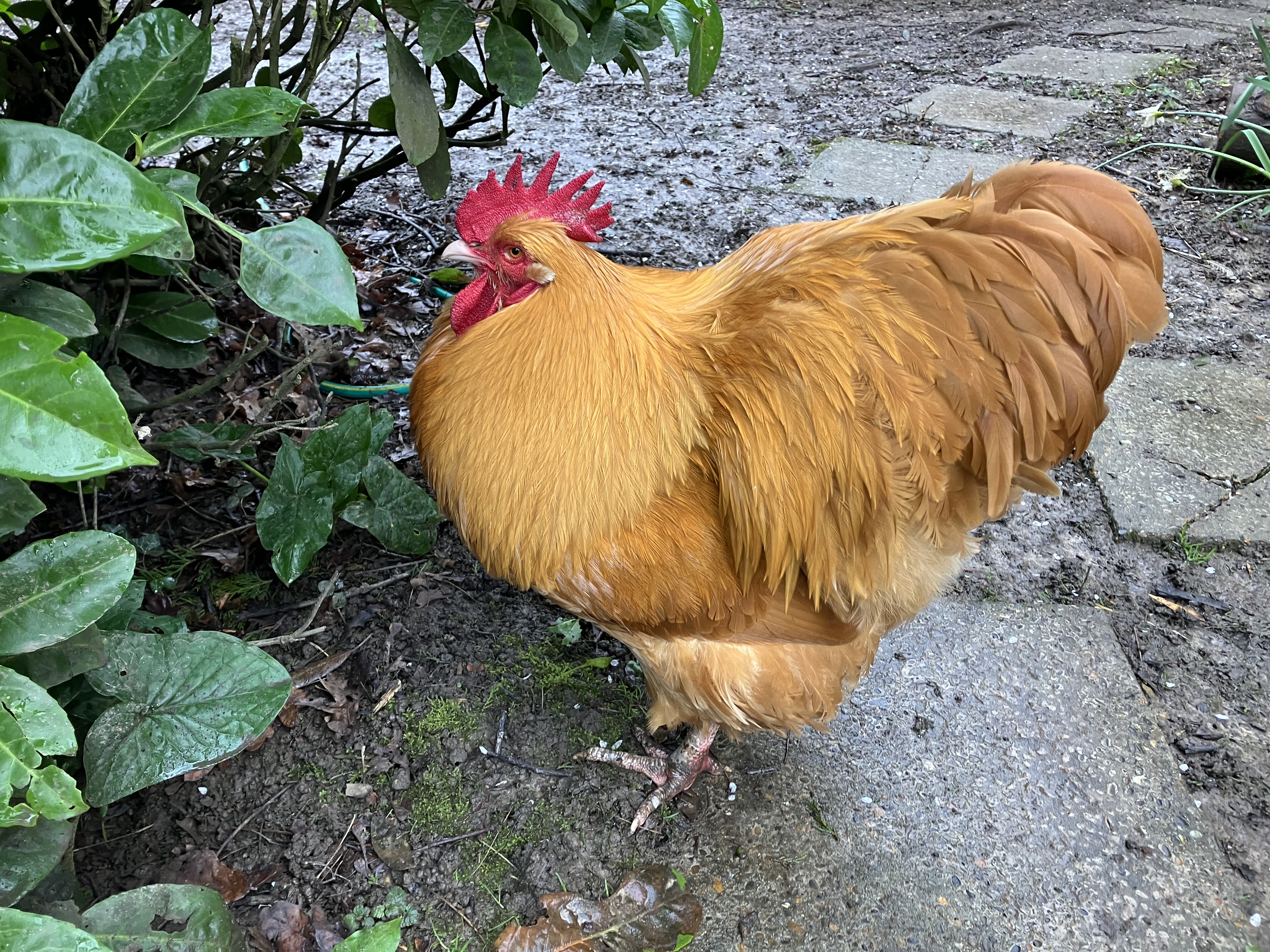
Maverick, the cockerel, is being a pain. He’s obviously full of Springtime hormones and has started to attack people when they go in the garden. I pick him up and carry him around, but other people are less happy doing that, so he has to stay locked up when we have visitors. The thing is, he’s so beautiful, and at night he snuggles onto the nest with Goose (who he thinks is his mother) which is so cute, and I don’t think I can get rid of him. I’m hoping he will calm down again after Spring.

My other news is that my dissertation has been submitted. I now wait 8 weeks for the mark, and that’s it, my MA is complete. I have started to read about cognitive linguistics, which is really interesting, and hope to write a proposal about death for a PhD. (I think the evidence in the Old Testament shows that death of an individual is a good thing, and was always part of God’s design — otherwise a ‘tree of life’ would never have been a thing. Losing someone else to death is definitely bad, and taking a life is bad, but dying oneself is, I think, good. Otherwise when God killed innocent people–like King David’s baby son–he was acting badly, which is not the nature of God.)

There has, of course, been a fair amount of nasty things too. Friends dying, sad funerals, bad news, family being unhappy, and housework — always there is housework, which is very irritating.

Hoping your week has a balance of good things to help you cope with the rubbish that happens. Thanks for reading. Take care.
Love, Anne x

A Normal Week


Hello, and how are you? Have you had a good week? Mine was very mixed–which I guess is normal (and as I get older, I am aware that ‘normal’ is very precious!)

My main emphasis has been my M.A. dissertation, which is so nearly finished and ready to submit, but not quite. I have a feeling the ‘not quite‘ stage might last a very long time. I am currently proofreading, and checking things like spellings and references. Every time I discuss the work of another scholar, I have to write a footnote, so my claims can be checked. The first footnote has to have their name, and all the information of the book/paper/article, plus the page number. Subsequent footnotes can just have the author’s name and the page number. My problem is that over the months, I have edited my work and various citations have moved around my document, so the first footnote (with all the picky details) is now near the end, and a later footnote (with no details) is near the beginning. I therefore need to check that the relevant information is attached to the correct place, and this takes much longer than you would think. However, despite interruptions from the puppy and Husband and life, I feel as if I am almost there. Hopefully it will be submitted this week. I will then have completed my course, which seems to have whizzed past in a flash. I would love to continue, and maybe study for a PhD, but we’ll have to see if anyone will take me on (I am pretty old now).

The week has also been dominated by medical appointments–both taking my mum for checks, and sorting my own. Medical appointments are always a hassle, and in my experience they are often cancelled at the last minute–especially MRIs for some strange reason. I was supposed to be having my routine MRI to check the brain tumour hasn’t grown back (no reason to assume it has, but they like to check regularly, just in case). But then, after I had worked out train times and arranged for Husband to look after the animals, it was cancelled. Apparently the machine has broken. This has happened in the past (last time I was actually on the train when they called to cancel). Are MRI machines particularly fragile? Do they break often? (Or, slightly cynical view, do they bump non-urgent cases to make space for urgent ones and prefer to give an excuse that cannot be argued with? I would prefer they were honest if this is the case–I would happily forgo my session in the crash-rattle-tube if someone needs it more.) I also had a blood test cancelled, which was slightly stressful as I truly hate having blood tests, and I was actually on the way when they called to say they couldn’t find the paperwork so not to come until next week. These things happen.

Some fun news is the Goose is definitely female, and has started to lay eggs. She made a pretty pathetic nest by pulling a few sticks into a heap, and laid an egg on top. This has improved over the week, and she has now stolen all the hay from the chicken’s box and made quite a decent nest. I don’t have a gander, so the eggs will be infertile, but she seems happy enough. I started to take the eggs as she laid them, but then one day I lost her. When I searched the garden, I found a new, not very professional, nest hidden behind the oak tree, with Goose sitting on 3 eggs. I had to pick her up and put her back in her cage, before the fox found her. I have now left her with one of her eggs and a chicken egg (which might be fertile). I think the goose eggs will make nice rich cakes. We scrambled one, and the yolk was very large. One egg is about the size of 3 chicken eggs, with a very tough shell.

My only other news is that I have bought a new coat. I hate shopping, but it has been so wet, and it always pours with rain when we go to the woods. There is a woman who I sometimes see in the distance, who has a very long flowing coat that reaches her wellies, and I have been coveting it. Today we went to a garden centre that has lots of equestrian stuff, and there were long, flowing coats for horse-riders. I do not ride, but I rather fancy looking like I do, so I bought one. It’s wonderfully practical, with a hood and pockets and reflective stripes for wearing in the dark. I shall swoosh around the woods looking like I have lost my horse, with mad dog in tow. Perfect.

Hope you have a good week, with not too much horrid stuff and a few little treats, so you can feel that life is ‘normal.’ I also hope it rains (it probably won’t rain for months now, and I won’t be able to test my coat).
Thanks for reading.
Take care.
Love, Anne x

anneethompson.com
*****

Epiphany


Hello, and how are you? Christmas has finished, the decorations are (mostly) down, and the Christmas tree is in the chicken cage (because apparently the needles have lots of nutrients that are good for poultry). It was also Epiphany on Sunday.

In my church, Epiphany marks when the wise men visited Jesus—I understand other churches give it different significance. The story of the ‘three kings’ is one I find difficult; it grates on me. Perhaps it’s because it is the part of the Nativity story that is more legend than biblical ‘fact.’ Though to be frank, much of what is discussed, sung about, portrayed and celebrated at Christmas is quite a stretch from the Bible story.

No one even knew how many kings there were until the sixth century, when someone in Alexandria wrote a Greek manuscript about them. Their names sound definite, but were added to fit the image, not part of the biblical account. They certainly would have arrived much later in the Nativity story, Jesus was probably a toddler given the response of Herod—perhaps Jesus even spoke to the kings, or played with them. My two-year-olds would certainly have not been passive during such a visit.

Somehow, the story in the book of Matthew (chapter 2) doesn’t quite fit with my image of a lowly birth, and it leaves me with lots of questions—did the neighbours not notice the arrival of rich travellers, and did they just forget about it afterwards or was there a big fuss? What happened to the gifts? How much gold was actually given, and did Jesus keep it, or did his parents spend it? Was the myrrh ever used to anoint Jesus? Was the frankincense kept until Jesus died, and it used to embalm him when they wrapped the body? And what happened to the ‘kings’? Did they return home and forget about Jesus, or did it change them, did they tell people (like the shepherds did) and did they even understand what happened?

There are also lots of questions about how they got there—they ‘saw a star’ so I presume they were astrologers, reading the stars to understand the world—which seems distinctly dodgy and in fact, they nearly caused Herod to kill Jesus, which suggests they shouldn’t have been relying on their predictions. It wasn’t until someone looked ‘in the Scriptures’ that they found Jesus. Why did God stop them returning to Herod but allowed them to go to Jerusalem in the first place—when it resulted in the death of so many babies? Were the dead Jewish babies just collateral damage? Is that not horribly cruel, and surely not justified by simply fulfilling a prophecy?

However, the story is in the Bible, so I feel I must take it seriously. It is there for a reason. (I was challenged recently, when struggling to decide if a text was ‘true’ and I was asked whether, if the Bible is God’s word, its purpose is to provide ‘true’ accurate facts like a diary or history book, or whether its primary purpose is to change me.) It surely matters not what we know about the story, but rather what we learn from the story. What does it show us?

*It shows that Jesus’ birth was a global event, not restricted to the locality of his birth. *Even foreigners could worship him. *It coincided with ‘something big’ in the universe. *There is a lot in Scripture about God loving the poor, but this is an example where rich people could bring something of value as part of their worship. *God is able to use ‘supernatural powers’ to ensure we hear what is really important—so going to the wrong place was allowed by God (though don’t ask me why!) but returning to Herod afterwards was clearly stopped, and the astrologers were in no doubt which way to travel.

These are things I can learn from. God did not confine himself to the Jews. God uses poor people and rich people to further his kingdom. I don’t need to worry about ‘not hearing’ God—if something is important he will make it clear.

I still have lots of questions, but perhaps I need to focus more on what I can learn, perhaps I mainly need to ask: how might this change me?

Thanks for reading. Have a great week.
Take care.
Love, Anne x

anneethompson.com

******

Feeling Down?


Hello, and thank you for starting the new year reading my blog.

I had written a perky little blog, full of chat and giggles–but actually, when I thought about it, it felt like lying. Because at this time of year, after all the work of Christmas (yes, I know it’s fun, and special, but it is also lots of work) I always feel down. It’s the anniversary of my father’s death, the weather is usually grey, and I am deeply tired. The core of me is sad. I want to crawl into bed and stay there until Spring. But I can’t. Life goes on.

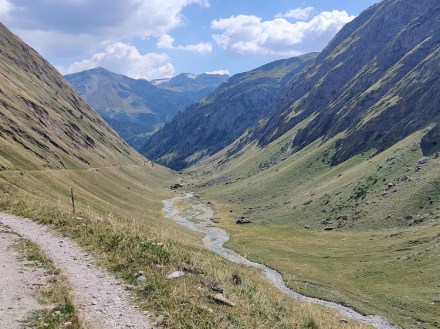
So, if you share these feelings–if you too struggle a bit after Christmas–know that you are not alone. Understand that no one can feel happy all the time, and the low times are part of us just as much as the enthusiastic times. Know that it will pass. Because everything passes in time, even the bleakness. And sometimes, when we look back, we realise that the valleys are as beautiful as the mountains.

Thanks for reading. Live your week well, because however you feel, we only have one life and living it well matters.

Love, Anne x

The valleys can be as beautiful as the mountains.

anneethompson.com
*****

A New Puppy


Meg’s Diary: First Day

We drove to near Northampton to collect Meg. You might remember from an earlier blog, that I was looking for a German Shepherd puppy, and learnt that working gsd are a very different strain. They are shorter, stockier, and generally have less health problems and nervous issues—so they are less likely to react badly due to fear. They also tend to have more energy/focus, which I worried might be a problem (as I don’t have sheep to be herded, only a few poultry) but we requested one, and I started reading. ‘Being calm’ was going to be an important lesson.

When we arrived, all the puppies were outside, in a pen. All my worries disappeared and I realised that I really really wanted a puppy—or maybe several! They were gorgeous, full of life as they chased each other and played with an empty milk carton and tried to leap the fence to say hello. Nearly all of their ears were up (a show strain gsd has floppy ears until they are several months old) and they had stocky little legs and nice straight backs and you could tell they were going to be strong dogs.

I asked to see their mother—because that seemed sensible. She was still lovely, though looked more tired than when I had seen her previously!

The breeder recommended Meg, as I had asked for a darker sable, and she knew I didn’t want a pup who was ‘very driven.’ Not that any of them looked particularly calm.

We paid and put her in the car. (£2,000 in case you are interested—a big increase from the £450 we paid for Kia when she was a puppy—but comparable to other reputable breeders. You have to divide that between 16 years, and then it’s worth the price.) The price covered her first vaccine and worm-course, a chip to identify her, and half a bag of dog food. I thanked the breeder (because she had sold me the best thing ever) and we left.

Meg started to cry as soon as we left. I really wanted her on my lap, but I wasn’t sure of the law/view of breeder (and gsd breeders are very fussy, and will refuse to release their puppies unless they are certain the new owner will be sensible). However, I also felt that the two-hour trip would be a good bonding time. So we stopped (like naughty children, as soon as we were out of sight!) and I transferred the puppy onto my lap.

She was easy to control, and I had piles of towels to hand in case of accidents, and I hoped she would just sleep. She didn’t. But she was settled, and she snuggled into me and watched Husband drive. A couple of times she was sick, but I am pretty nifty with bags after years of baby-vomit, so it was fine. By the time we arrived home, we knew each other.

I took Meg into the kitchen and put her on the floor. She ran round, knocked over a plant, tried to eat the plant, tried to eat me when I started to clear up. She has super-sharp claws and very pointy teeth. A friend had kindly leant me a puppy-pen. The first time we put Meg in it, she leapt at the sides, managed to get half-way up, and tried to leap the rest of the way. I worried she might either fall backwards, or climb over—either way she would be hurt. Husband managed to find a super-large crate at Argos, meant for a Wiemaraner but perfect for an energetic gsd puppy.

The first night, we did as the breeder had suggested. When we went to bed, we put Meg into a small crate, turned off the lights, left her. She cried, barked, sounded like she was being murdered, and then fell asleep. I slept within earshot. When she woke (2am) I went to her, didn’t turn on the lights or speak, took her in the garden to pee, returned her to the crate. She made a fuss, but fell asleep after about 10 minutes. When she woke again (4:30) I repeated. I got up at 5.30, and we started the day (I am usually up at 6ish, so that was fine). Whenever Meg toileted outside, she was praised and given a treat. She’s really clever, and we only had two accidents in the house. She cannot be left alone for a moment (unless she’s in her playpen-crate, which I don’t want to use too often). She seems very happy. I am exhausted.

Thanks for reading.

Take care.
Love, Anne x

***

Can You Name the Character?


Quiz

  1. Who lost their home, possessions, children during a wager between God and the accuser, and were then ignored by God?
  2. Which prophet determined the outcome of a battle?
  3. Which unarmed, untrained civilian killed the head warrior of the opposition in a one-on-one encounter?
  4. Who was forced into a position of subservience, due to their talents rose to a position of authority within a foreign palace, and then used their wisdom to save the Israelite people?
  5. Who was the longest follower of Jesus, who never deserted him, and was there at the crucifixion?
  6. Whose action was stopped in the wilderness, and they then named God: ‘God who sees’?
  7. Name a child used to further God’s plan.
  8. Who defied the authorities to save the life of God’s people?
  9. Who were Mahlah, Noa, Hoglah, Milcah, and Tirzah?
  10. Which story in JOSHUA 15:16-19 is repeated in JUDGES 1:12-15? Why is it important? How often have you heard it mentioned in church?
  11. What characteristics make a good leader?


    Answers
    1. Might be Job, but actually it’s Job’s wife.
    2. Deborah (Judges 4:9)
    3. You might have said David (against Goliath) but actually it was Jael, a housewife who hammered a tent peg through the man’s head! (Judges 4:21)
    4. Esther
    5. Mary, his mother
    6. You might think Abraham, when he was going to sacrifice Isaac, but actually it was Hagar. (Gen 16:13)
    7. You may have said Samuel, but it was Miriam—Moses’ sister.
    8. You may have Rahab in Jericho, Michel with David, or the Midwives in Exodus. Brave women, who risked their lives to defy the authorities.
    9. Numbers 27, daughters of Zelophead who asked for share in inheritance—radical protestors! Their story is told twice, and (unusually) they are named — but did you know who they were?
    10. The story of Caleb’s daughter. Yet she is rarely mentioned.
    11. Strong, leads from the front, not afraid to make mistakes, sense of direction, decisive, task-focussed, sense of gravitas? These are ‘masculine’ characteristics. Feminine leadership is about consensus, working as a group, collaboration, listening—Eg. Mo Mowlan in Ireland. Either gender can lead using either style, so Margaret Thatcher led with a ‘masculine’ leadership style. If groups are listing certain criteria when looking for leaders, they might be introducing bias.

So, how many answers did you know? When I did the quiz with a class of 12 year old’s, they all named different men in the Bible (It was an RS lesson, so they knew they all were in the Bible.) The point is, the answers are all females, yet they are rarely preached about, and often we don’t even know their names. At college, we have been studying feminist theology—so what is it? Some definitions are:

“Feminist theology is a theological movement primarily within Christianity and Judaism that is intended to re-examine scriptural teachings on women and women’s roles from a woman’s perspective. Feminist theology attempts to counter arguments or practices that place women in inferior spiritual or moral positions.”

Ann Bock:Feminist theology, the study of God with special attention to women’s experience and their struggle for equality and justice, can be approached from at least three different perspectives: feminist theology as story, as history, and as traditional concepts and categories of academic theology. Each has its strengths and weaknesses, but all together, in combination with one another, they offer us a more complete picture and understanding of feminist theology”.

When using story, there will be a triangle between the author/story/reader When looking at history, we look at how women have been treated/recorded—Eg. Phyllis Trible wrote a well-known book, ‘Texts of Terror’. The treatment of women can be examined in history, and then evaluated—do we want to continue/copy the behaviour? How can it be addressed? If you look at some of the ‘terrible’ texts below, you will probably agree that no, we don’t want to treat women like this today.

Some texts that abuse women:
Gen 19:8 – daughters offered for rape
Numbers 30: 3-5, 6-8, 12-13 A man could overrule a woman’s pledge.
Numbers 5 A jealous husband can abuse/poison his wife to ‘prove’ her innocence.
Deut. 21:11-13 You can take a female captive as your wife, but first degrade her.
Deut. 22:13-30 Also chapter 24 Females were possessions, therefore ‘adultory’ was a property violation. A wife could not take action against her husband.
Exodus 21:7 A man can sell his daughter as a sex slave
Exodus 22:18 Female sorcerer should be killed (but not a male one???)
Judges 11:31, 34-40 Jephthah kills his daughter due to a bargain he made with God.

The problem with these texts is some men, in some places, use them to justify abusing women. This is never right, and we should all be helping to enable women to have value, to have a voice, and to have the same rights as men. I saw in Brazil, on a Tearfund trip, and in India, that people in poverty sometimes have an in-balance of gender power, and women have less justice than men.

I understand why ‘feminist theology’ is a thing, though I see problems too. There is a danger that some texts are disregarded as too misogynous, when we should be looking to see what we can learn from it. It also, like ‘liberation theology’ is in danger of creating ‘an other’ (men) and it is always dangerous to blame a whole group for all problems. I also dislike being put into a box, and I resent having a label, so most of these ‘theologies’ irritate me.

What do you think? Thanks for reading. Have a good week and take care.
Love, Anne x

Next week I will introduce you to Meg. Why not sign up to follow my blog so you don’t miss it?

anneethompson.com
*****

Talking to the Homeless Man


Hello and how was your week? In college, we have been looking at Liberation Theology in Hermeneutics. Don’t stop reading! These are fancy names for simple ideas—as most jargon turns out to be. Hermeneutics simply means looking at how different groups interpret the Bible—what is their bias when they read? (We all have a bias, even if we aren’t aware of it.) And what are they looking for when they read, what sort of things do they emphasize?

Before the lecture, we were given a task: Speak to a homeless person. I thought this might be too difficult, as there are not generally homeless people begging where I live, but I was wrong. When I went to the dentist, there was a man begging next to Morrison’s. He had a sign: ‘I am hungry. God bless you.’ As a marketing device, I thought it was rather effective—nothing confrontational, stated the need, offered a reward. I decided that after the dentist, I would pop into Boots and buy something for lunch, then chat to him. I felt quite holy about this, feeding the hungry is something the Bible talks about lots. It did, of course, go wrong, because I am not as holy as I like to think. But first, I will tell you about Liberation Theology.

Liberation Theology started in South America in the 70’s (I think—possibly earlier, but that seems to be when the loudest voices appeared.) It looks at what the Bible says about inequality, and poverty, and people who are oppressed, and it encourages people to fight this. It teaches that everyone is equal, and God has a special love for the poor, and poor people often have a clearer view of who God is. Therefore, the rich should give financially to help the poor, and they should also listen to them and learn from them. It is not the benevolence of the greater person giving to the lesser, but rather a fair sharing of resources, and those with less having a voice, and teaching ‘life lessons’ to the rich.

In many ways, I agree with the teaching. However, there is also a Marxist element, a stirring up of trouble, encouraging people to protest, which I don’t see in the Bible. It creates ‘an other,’ a group of people who are ‘different’ and who therefore can be hated, and I think that is dangerous. That’s what the Nazis did with the Jews. Encouraging poor people to blame ‘the rich’ is not okay. I think the Bible should be applied to ourselves. So yes, if we are wealthy we should seek to balance resources (and everyone living in England is wealthy, when compared to those people in the world who have literally nothing—no furniture, home, food). We should be sharing what we have—it doesn’t belong to us, it comes from God and we should be using it wisely. However, the poor should apply the Bible to themselves too. They should be seeking to change, to become who God wants, too—not reading it to apply it to others. The Bible is meant to change us, not give us a stick to bash-up others.

But back to my homeless man. I went to Boots, and chose some food. Not easy, as I didn’t know his religion, and whether he would eat meat, and the only vegetarian sandwiches looked horrible. I bought some sandwiches, and some juice, and some water. Then I had the not-so-clever idea of buying some vitamin pills, thinking that I was only helping for a single meal, but with vitamins his health would improve for the next month. Stupid idea.

I returned to the man, gave him the food, and asked where he was from. Then I tried to explain that the vitamins should only be eaten one per day, and they would be dangerous if more than one was taken each day. I worried that he might not understand this complicated English, so I tried miming, and was feeling very stressed as I repeated, several times, that more than one was dangerous, only eat one a day. I realised I was basically telling him off, and he was looking rather worried by this ranting woman. I wondered whether I should remove the pills, but thought that might turn into a scuffle, given how badly this was going. So I left.

I realised, walking away, that I had not even asked his name. I certainly hadn’t listened to him, or shown him any real respect; I had simply tried to enforce what I thought was good for him, and I had done it badly. This I suspect, is often the problem with trying to help—it becomes interfering, or is not done wisely. This is why I prefer to give to a professional organisation, rather than an individual. I trust Tearfund to feed the poor on my behalf, and not to end up shouting about vitamins being dangerous!

I hope you do better today than me, and may you be spared encounters with stressed middle-aged women! Take care. Thanks for reading.
Love, Anne x