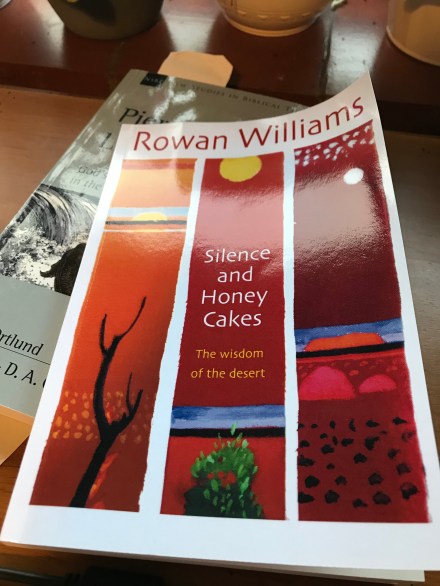
Book Review: Silence and Honey Cakes


Silence and Honey Cakes

By Rowan Williams

Early on in the Christian religion, after the books of the New Testament had been written and the message spread abroad, some people wanted to explore their relationship with God in detail. These were the monks and nuns who set up communities in the Egyptian desert, from about 350 AD. We still base lots of our theology on what they decided (so, you might think that you learned about ‘original sin’ from someone in your church, based on the Bible, but that was one idea which was introduced by one such monk).

The monks/nuns lived in communities, and their ‘spiritual life’ was connected to their ‘physical life.’ Although they removed themselves physically from contemporary society, they lived amongst other monks and nuns, and were dependent on each other. They considered their spiritual welfare to be closely entwined with other people. For example, one monk stated that he tried to focus entirely on his own sin, because then he would never be tempted to judge anyone else—how could he complain that dinner was burnt if he always had in mind that he had broken a plate yesterday? (Seems like a good rule.) They also talked about ‘putting the neighbour in touch with God’ which to be honest I don’t really understand. How can they claim to focus on this when they seemed to live in such remote places? I assume their ‘neighbour’ was restricted to other monks, which is rather limited. Though some monks were visited by people seeking advice, so maybe those were the ‘neighbours.’

They do seem to have been a very tolerant bunch, very accepting of differences. They spoke about people following different vocations, and that a life spent praying was no better or worse than a life spent mending shoes, if that was what you had been called to do. The book is named after the practices of two monks, one who worshipped God with silence, and another who worshipped by eating honey cakes with his visitors. (I know which one I would like to be.)
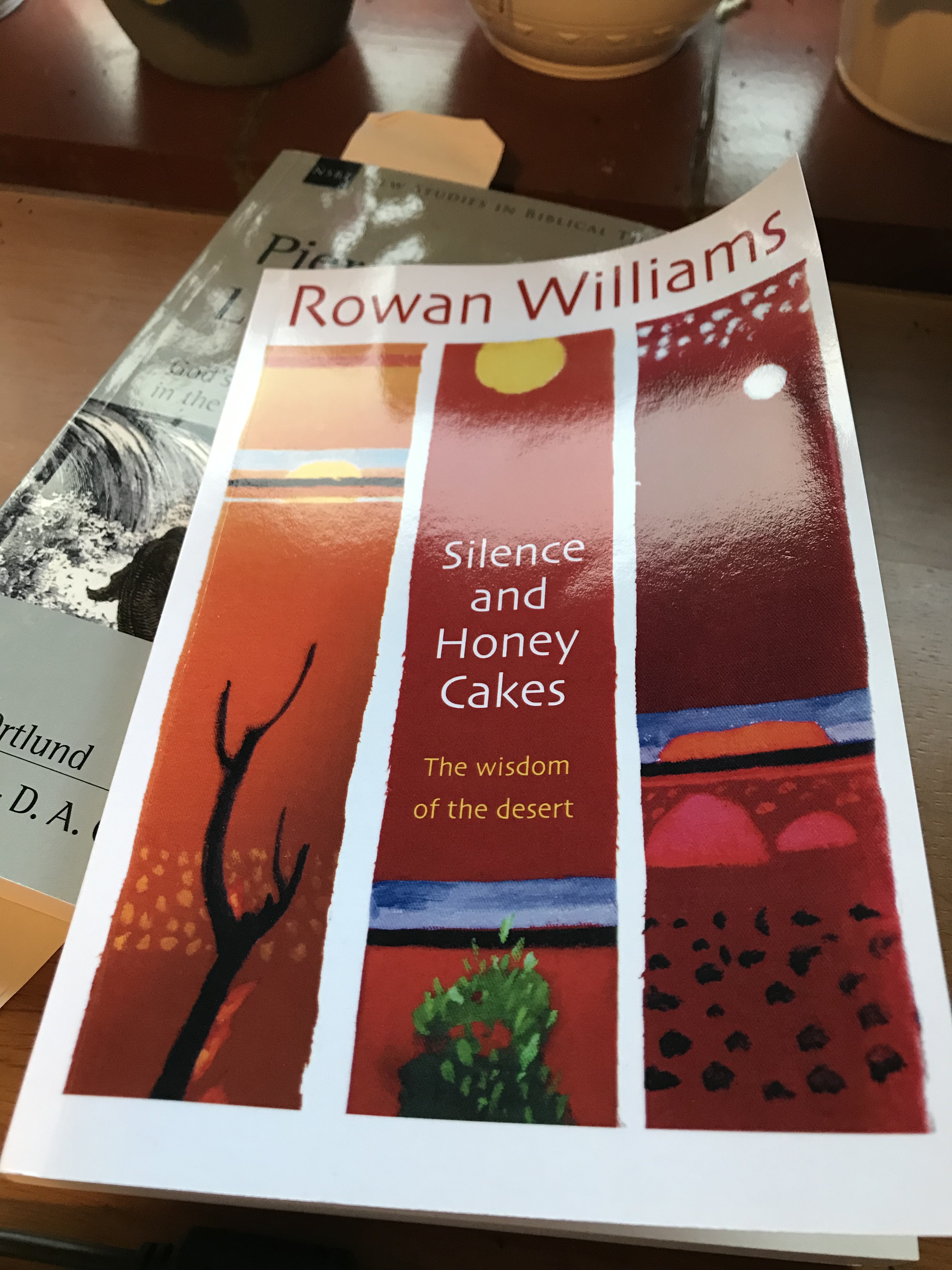
They also had great names! The book describes ‘Moses the Black’ who was from Ethiopia and before he was a monk, he was a highwayman. Another was ‘John the Dwarf’.

I think I might suggest we devise similar names at college for our fellow-students. I shall be ‘Anne the Old,’ as most people (including the lecturers) are younger than me.

In addition to giving each other names, the monks were also answerable to a mentor. This seems like a slightly dodgy idea to me. I can understand why they believed having a human to confess to, someone to be completely open with and to take advice from, might make people more accountable (because let’s be honest, although we say that we confess directly to God, how many of us do, diligently, every single day?) However, I think the risk of abuse, of the mentor taking wrongful control, or representing their own view rather than God’s, is too great. I know some modern churches have a similar idea, but it’s not something I would want to be part of. I don’t think I trust another human with those things.

They spent time considering some of the knotty problems of Christian theology. For example, when Jesus was in Gethsemane (praying in the garden the night he was arrested) did he have the option to change his mind and escape crucifixion? If he did then he cannot have known the limitations of humanity, and being trapped in a situation of temptation. If he didn’t then how could he be fully God, who is unrestricted? It might sound a bit silly, a bit convoluted, to us today. But it was the tackling of such issues, and the finding of sensible answers, that provides the basis of much of our theology.

(In answer to the above question, they decided that the ‘will’ cannot be separated from the person as a whole. Therefore, Jesus would always ‘choose’ what was right. In the same way as a mother feels intensely protective towards her child, and if a gunman was to burst into the room, in theory she could choose to hide, but in reality, she would throw herself in front of her child to protect them, because that is her nature. Choosing to abandon her baby would be impossible.)

The book discusses what is ‘personal’ as opposed to what is ‘individual.’ It gives examples of people who lived lives in tune with their own personalities, without necessarily striving to be different. ‘Self’ was not something to be flaunted, ‘different’ was something natural, not something militant. I think they were not trying to ‘find themselves’ but rather trying to find who God had created them to be. Sometimes what I read sounded like navel-gazing, a bit too much looking inside and not enough looking to God, but it’s hard to understand a lifestyle from a book written centuries later. Certainly they were on a quest to find truth—the kind of truth I wrote about a few weeks ago. ( https://anneethompson.com/2023/02/06/should-politicians-tell-lies/  )

The book considers several more ideas that arose from the desert monks/nuns. It’s a little book, but it took a while to read because I needed to keep pausing, pondering the ideas presented, deciding whether I understood them and whether I agreed with them. It’s worth the time spent; if you see a copy, I suggest you read it.

Amazon link:
https://www.amazon.co.uk/Silence-Honey-Cakes-Wisdom-Desert/dp/0745951708/ref=sr_1_1?crid=165TVHJDMS27O&keywords=silence+and+honeycakes&qid=1676559026&sprefix=%2Caps%2C60&sr=8-1

Thanks for reading. I hope you have something as sweet as honey cakes in your day. Take care.
Love, Anne x

Anne E. Thompson
Thank you for reading
anneethompson.com
Why not sign up to follow my blog?

*****

Another Day in Funchal, Madeira


Winter Break in Madeira

Day Two

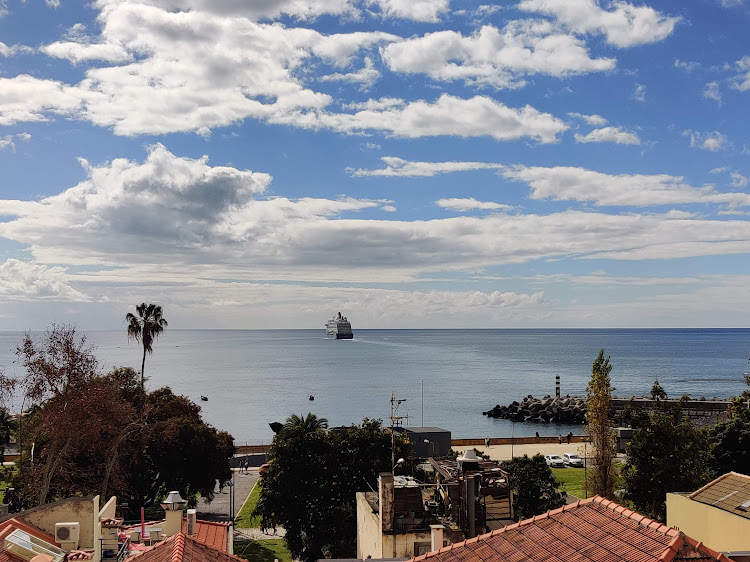
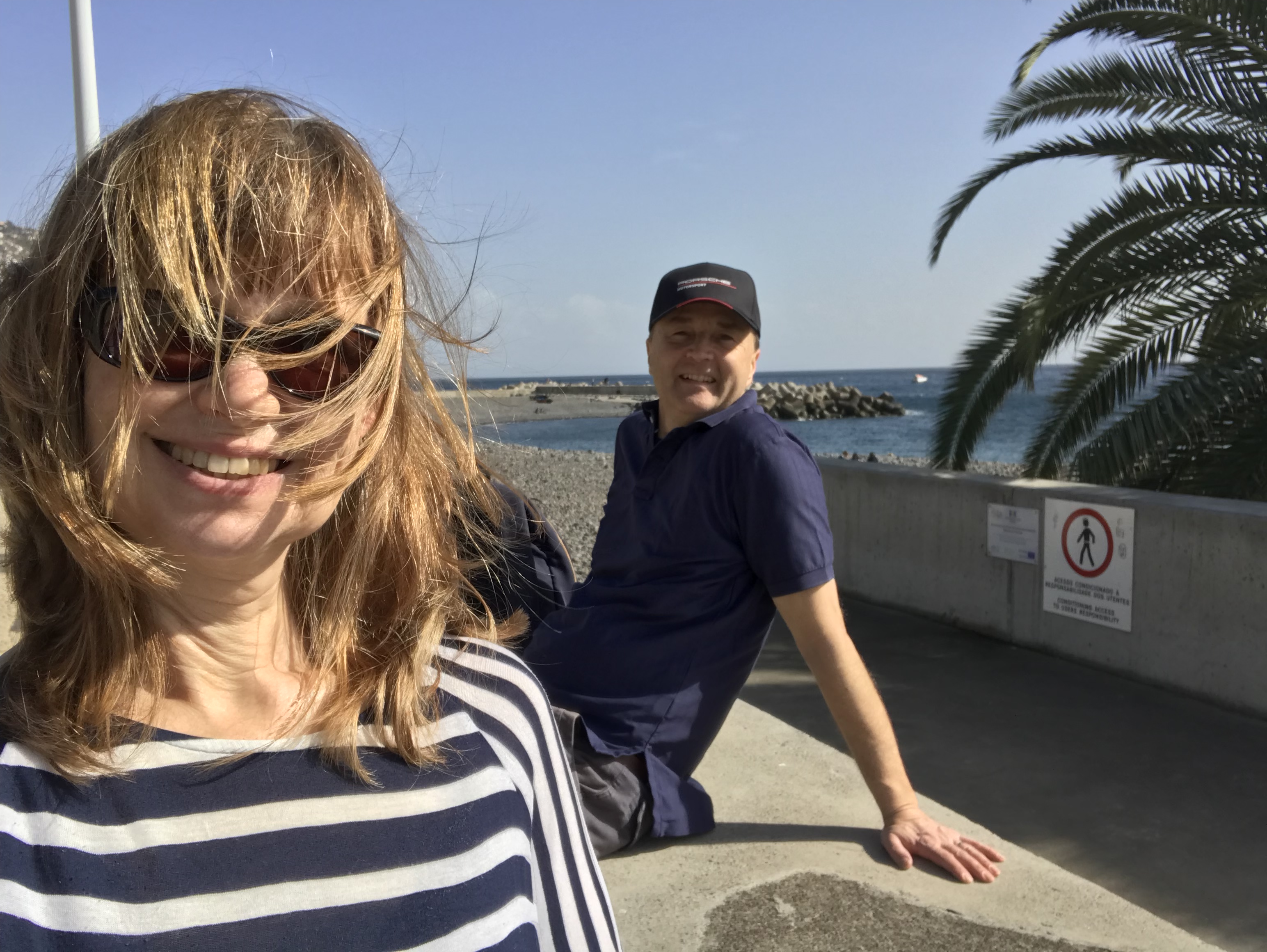
We found heaters in the apartment, and managed to warm up a bit. There’s no central air conditioning or central heating—I assume because usually all year round is ambient. It’s colder this year. I woke early, before sunrise (it’s not light here until about an hour after it’s light in the UK). When it was light, we went for a run. Although not sunny, it wasn’t cold. The light is different here. It’s a comforting light. Most of Madeira is mountainous, so lots of people run on the only flat land, along the promenade. It’s a pretty place to run, with little areas of garden, and interesting statues and the sea lapping onto pebbles next to you. There are often cruise ships, towering over the docks, and occasionally we had to dodge large groups who were touring the island, led by a guide to the most famous sights. I prefer living here, even for a few days, to try to absorb some of the real life. It was fun to watch the ships arriving though, such impossibly huge structures balanced on the water.

After a shower, we walked back to the little cafe where last year we went every morning, Husband always had a cheese and onion bolo, and I had an espresso. But the cafe was shut. What a shame. We wandered around, looking for somewhere to recreate the same ‘coffee with the locals’ feel, but most cafes looked very touristy. Then we settled on the cafe under the apartment, which wasn’t in such a nice location (okay, it is a horrible location, as it’s basically right on a busy road). But it had plastic chairs, and locals sipping espressos, and it looked clean. We ordered (Husband had chips. Chips. For breakfast.)

Note my disapproving face! The sandwich is actually very traditional in Madeira: sliced beef, ham and cheese. But the chips?

While we waited for our coffee (and chips) we saw the elderly man from last year’s café. He sat outside and had his coffee, and we wondered whether we should say hello, but decided we didn’t speak enough Portuguese and he didn’t speak English, and probably it would just confuse him. So we didn’t. But we mentioned it to the waitress, and she told us that he still runs his café, but the roof fell down, so he’s waiting for it to be fixed. This is why I like returning to the same places. Being on holiday is a break from life, but if you travel a lot, it can mean that you never engage in life, you are never part of anything, which seems a waste. When we return to the same places, we can be part of a different community — even if only very briefly. I think life is about connections, not being isolated. I’m not a great one for drifting, I like to have a purpose.

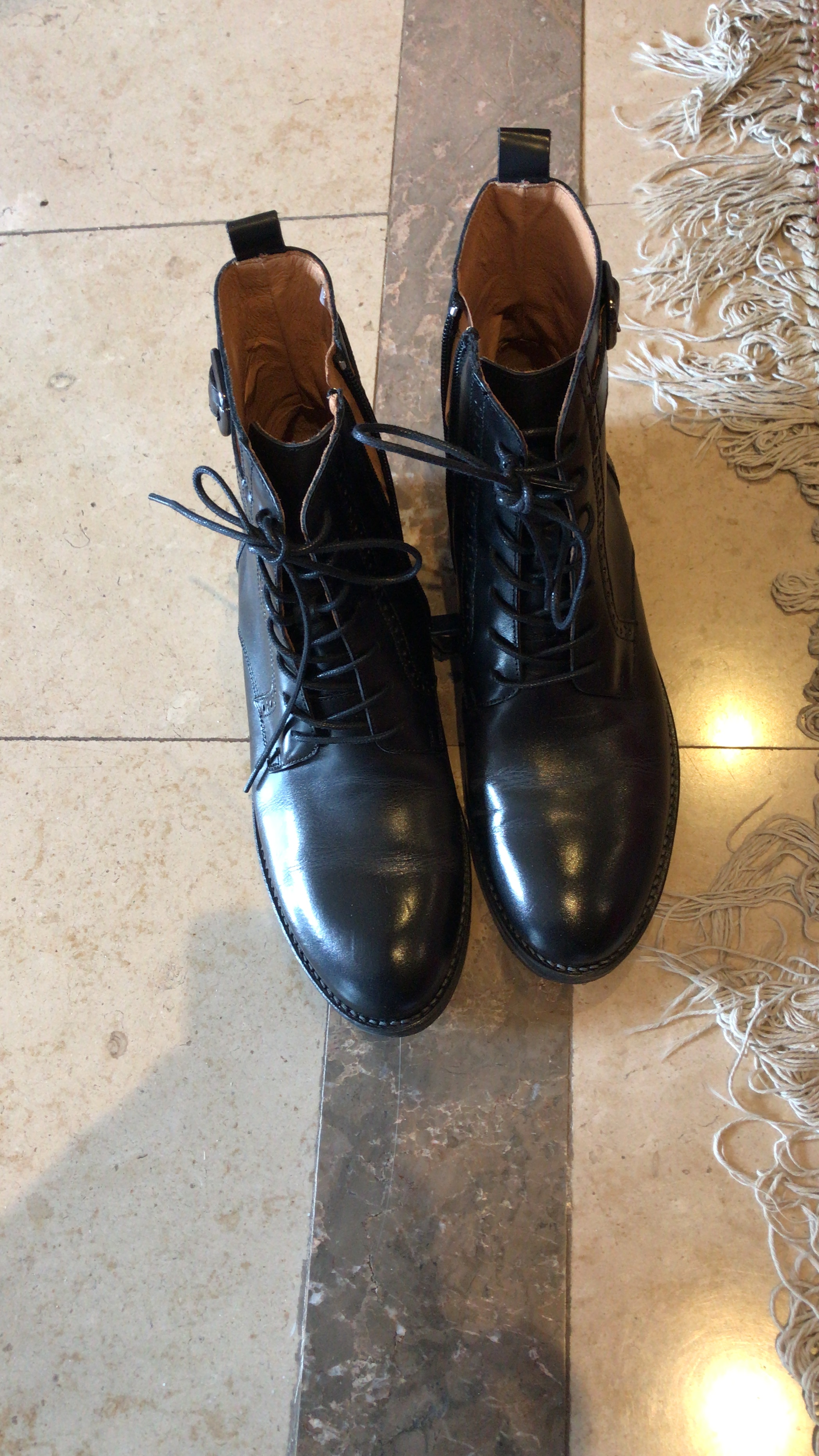
Caffeine replenished, we set off to find the boot shop. Last year I packed the right clothes, but not the right footwear, and when we had torrential rain, my only ‘waterproof’ shoes were drenched. We found a little shop that sold boots, and I bought a pair because they weren’t too expensive. They have been the most comfortable shoes I have ever owned, and are still worn all the time. They are brown boots, and I don’t like wearing brown shoes with grey trousers, so I was keen to buy some black ones. But would we manage to find the shop?

We set off, past the market (Mercado dos Lavradores) and all the aggressive salesmen selling fruit at inflated prices to unsuspecting tourists. We crossed the road, rounded the corner where they are building a Savoy hotel, and headed into the lanes of the old town. We half-remembered the road, and that the shop was opposite a larger shoe shop selling fashion shoes. We found a smaller shoe shop opposite, and went inside. It looked slightly different, but was in the right place, selling shoes. I explained what I wanted, showed the salesman my brown boots, and he went off to find some black ones. He returned with several boots, some of the black, none of them the same manufacturer as mine. I explained that I wanted the exact same boot, but in black (otherwise I may as well buy them in England). He came back with some similar boots, which he spent a long time stretching, undoing the laces, bending them open. I tried them on, knowing they were a size smaller than I wanted. I thanked him for trying, and left. The man suggested I should try in the big shop opposite, but I knew they only sold fashion shoes, and I wanted the same good quality leather boots.

I set off towards the apartment,  refusing to listen when Husband suggested we should look in other shops, because I hate shopping, and only went to that place because I thought it would be easy. Husband insisted. I said I would look in one more shop. Husband led me up the road . . . To the exact same shop we had visited last year! We had been in a different shop, which explained why they hadn’t had my boots. This shop only sold Tapadas boots. Which begs the question: why did the other shop, when I was leaving anyway, not direct me back up the road? He must have known the Tapadas shop was there, and he wasn’t making the sale, so why not tell me? I dislike mean people. If you want comfortable boots (the sort of boots you can wear on an all-day hike on the day you buy them and not get blisters) then head to Abreu’s Sapataria.

I like Madeira, but I cannot quite get a feel for what it must be like to live here. Unless you want to work in the service/tourist industry, or to be an engineer (because there are some serious mountains to build on/through) then I’m not sure what work the island offers. There are the huge cruise ships that visit regularly, but the passengers tend to eat onboard, and only do brief excursions into town, making shops and attractions overly busy and then leaving, returning the narrow streets to the locals. The restaurants tout for business by trying to persuade passing people inside, which I always find uncomfortable, but maybe they have to, maybe there isn’t quite enough tourism for the number of restaurants. I suspect it’s a difficult place to run a business. We ate in some restaurants that were lovely, with delicious food and staff who worked very hard to keep everything clean and efficient. But they were rarely full, and sometimes we were the only customers, which felt sad given how hard people worked. But for us, it was lovely. I like visiting places out of season, pretending that I live here.

I will tell you more next week. Thanks for reading.
Have a good week, and take care.
Love, Anne x

Thanks for reading.

anneethompson.com

****

A Sad Day


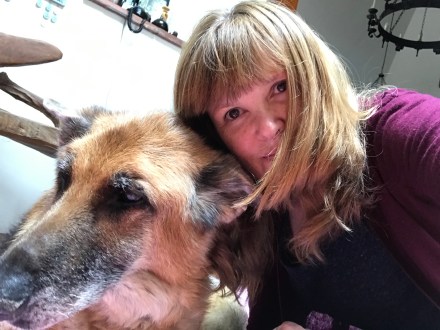
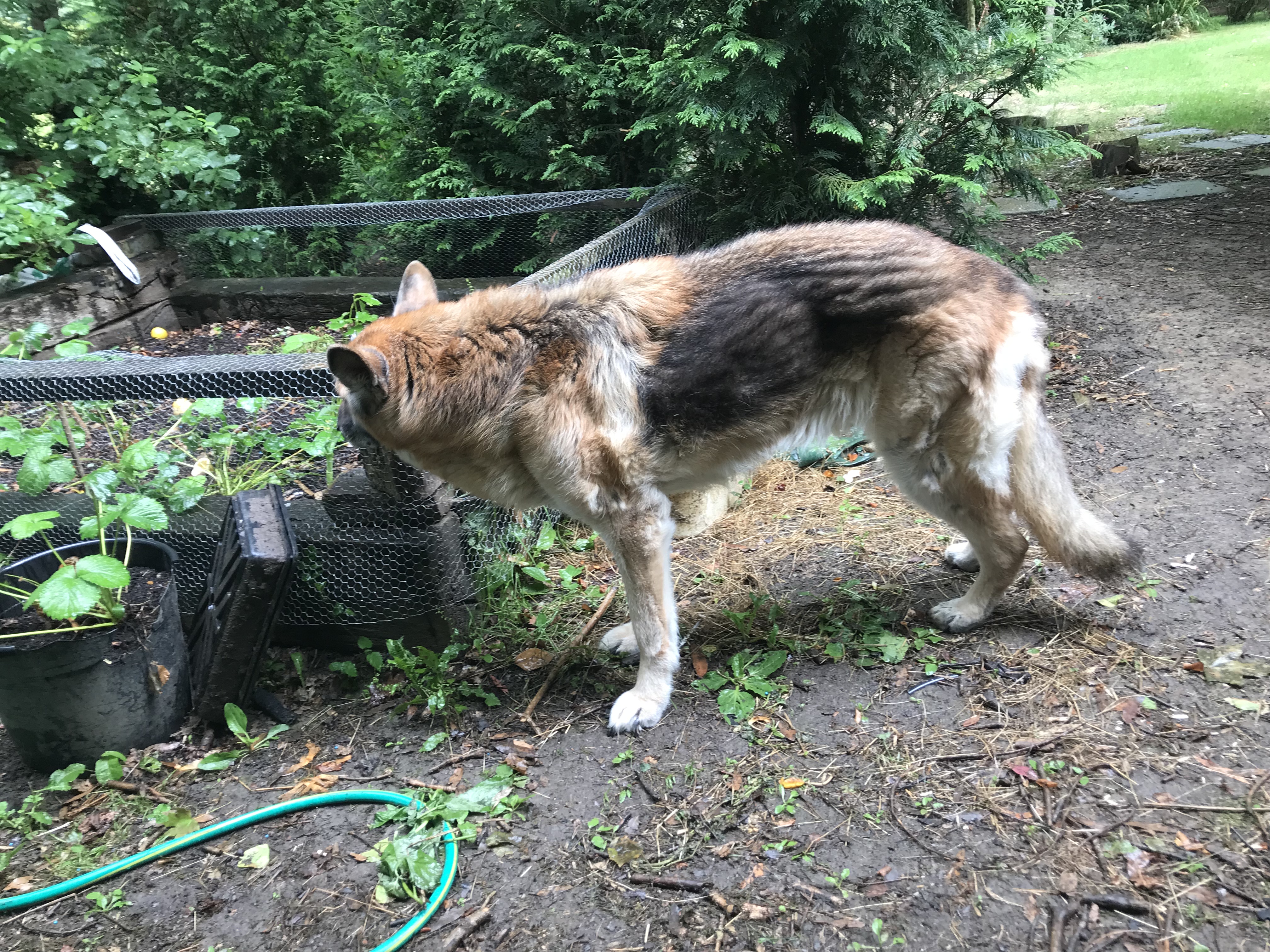
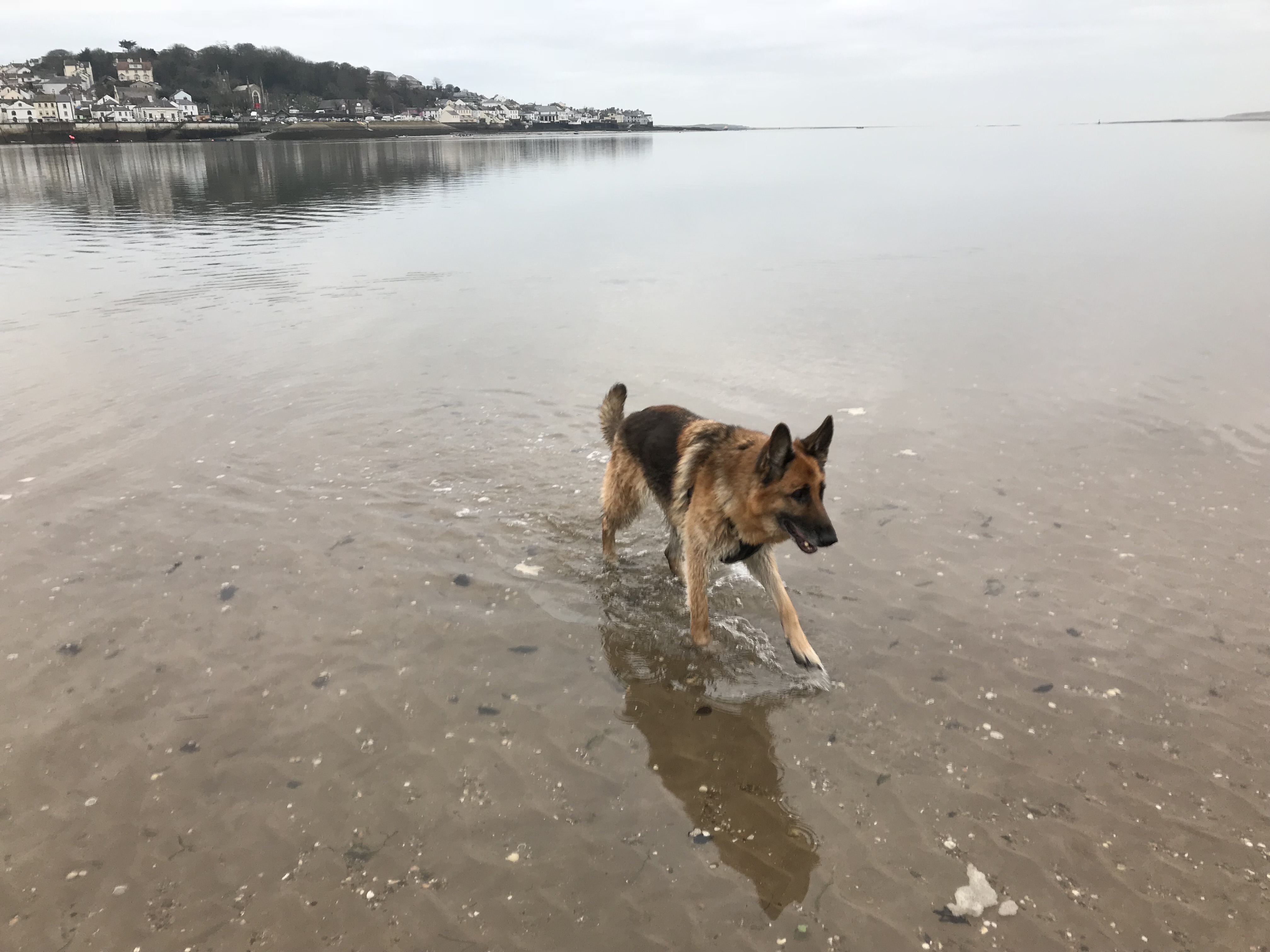
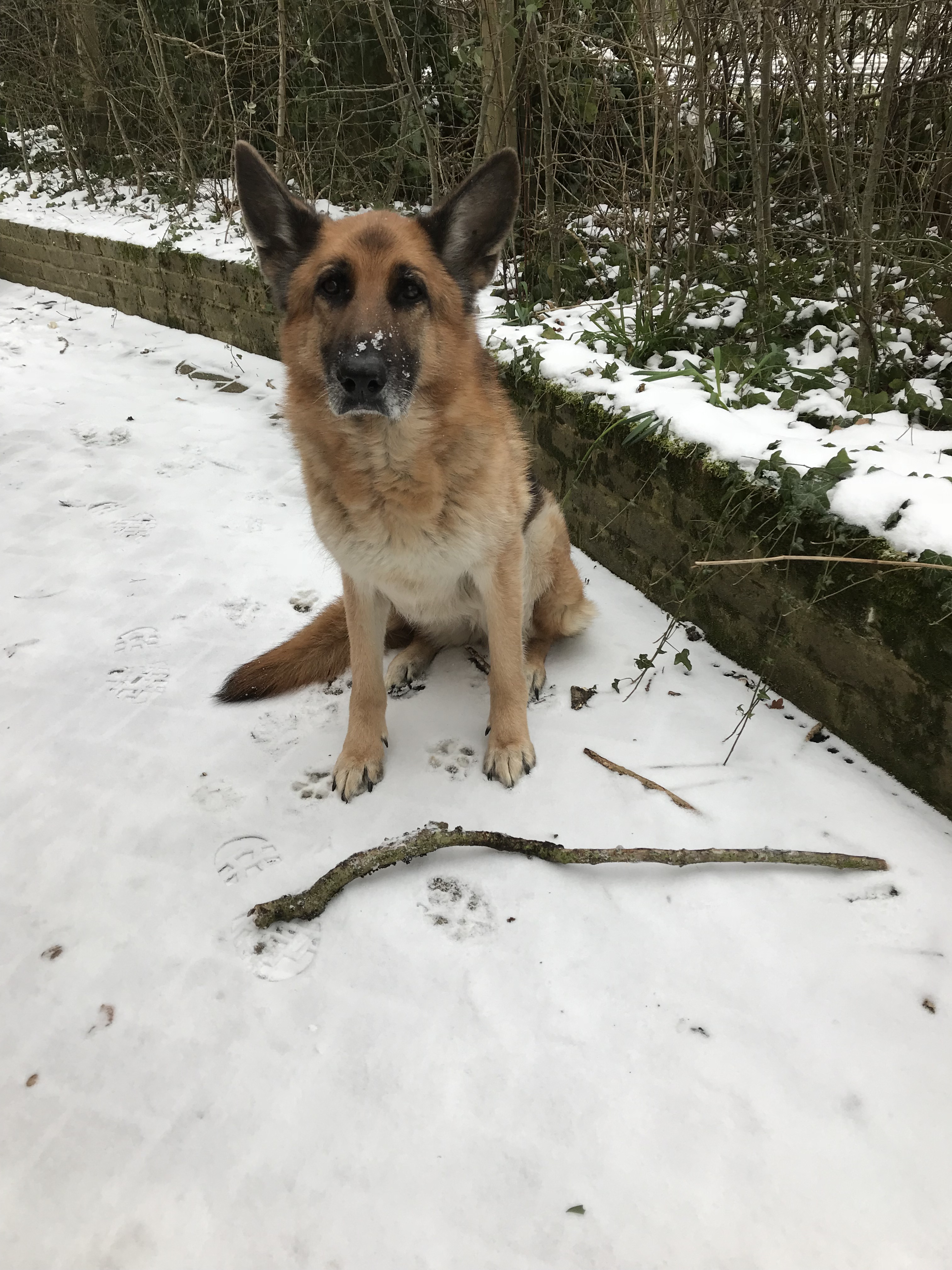
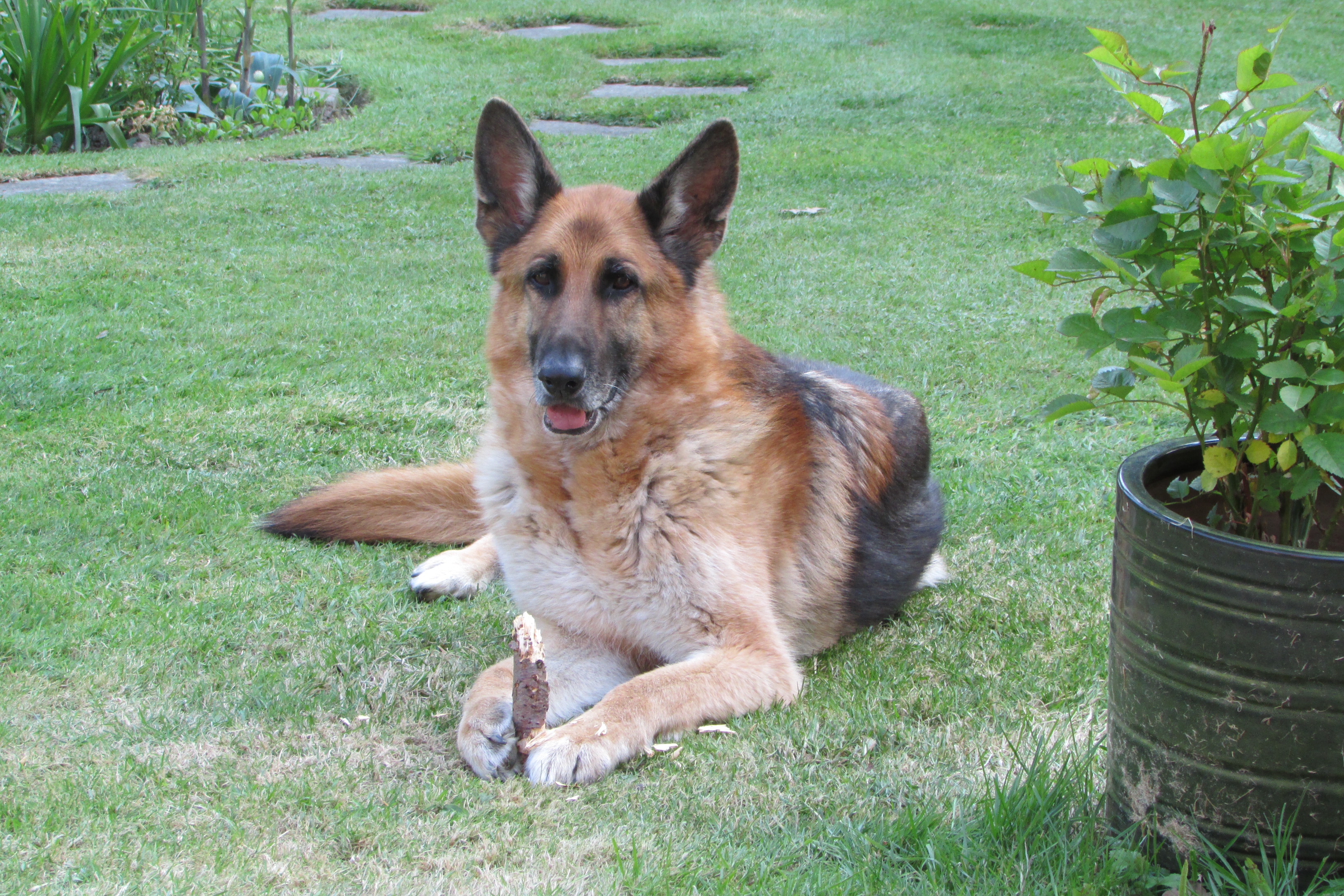
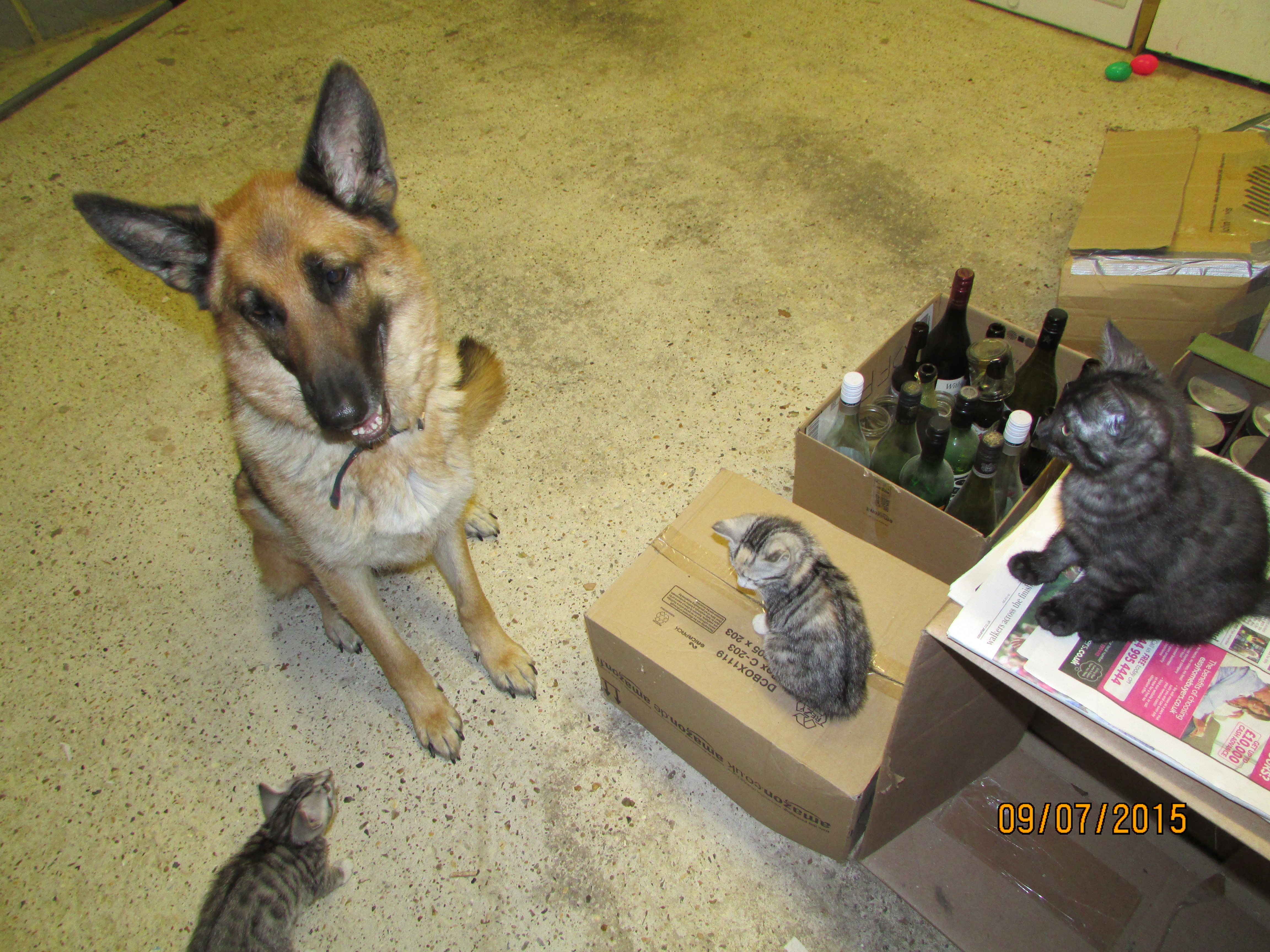
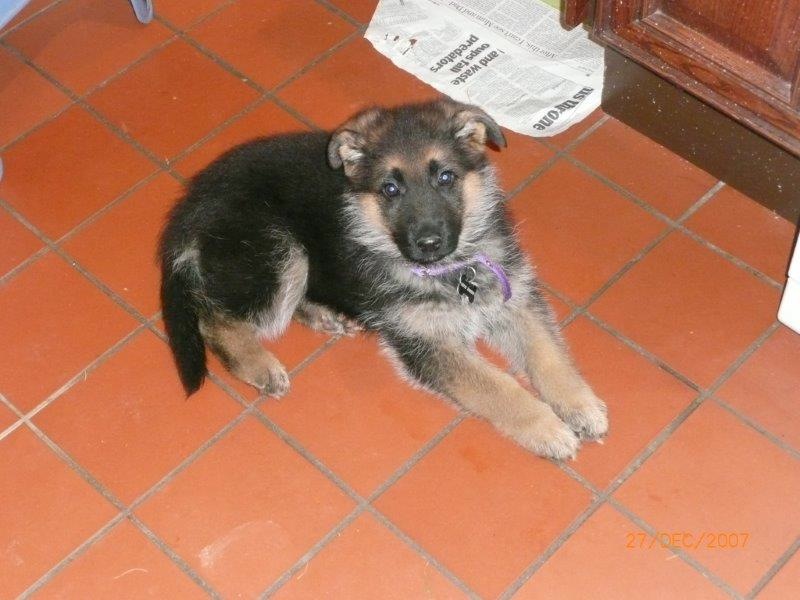
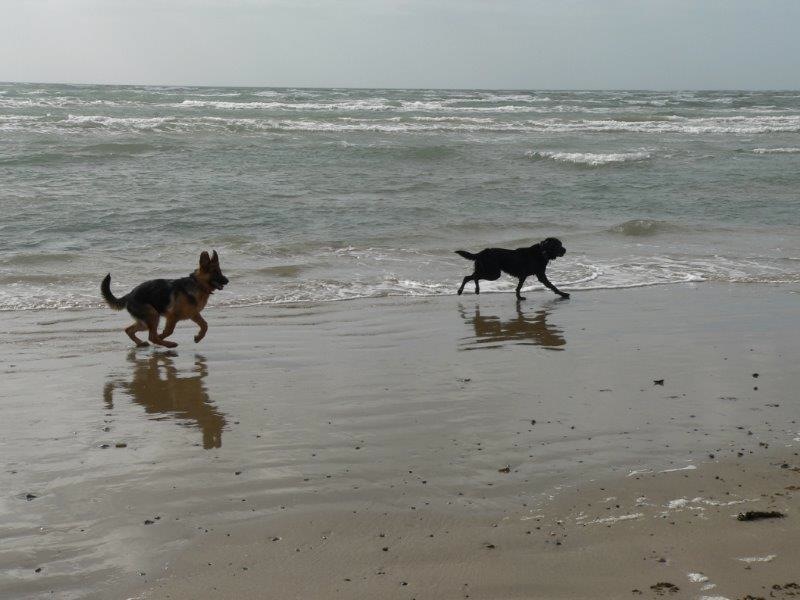
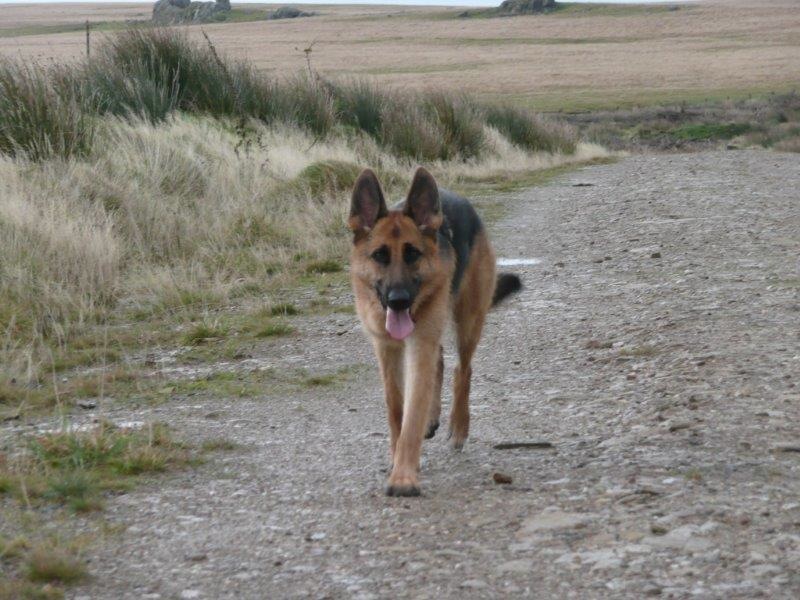
Today is a sad day. I know that I said I would continue to tell you about the best two papers at SOTS, but Kia died yesterday. Kia, my German Shepherd Dog, was my friend for 16 years. Although she had become old, and mostly lay on her big bed in the kitchen, she seemed very happy. A couple of times a day, she would come up the garden when I fed the poultry, and occasionally she would even start towards a stick—until she remembered how much effort it would be to bend down and pick it up. But yesterday, she suddenly took a turn for the worse, and her wobbly back legs were practically useless, and she gave me ‘that look’ which said she was tired, and had had enough, and it was time to say goodbye.

I worried that if she tried to get up during the night and couldn’t, or if she toileted and couldn’t move out of it, she would be very distressed. So I kissed her head, and whispered that we would meet again (because I firmly believe that God will take care of that) and we took her to the vet, and let her go peacefully.

Now I am clearing away the remains of her presence: washing her bed, finding a cupboard for the dog bowls, wondering why I bought quite so many poop bags. I have food to give away, and old towels to wash and fold. I cry a lot, and remember, and feel loss, but there is something therapeutic about the sorting of it all, something healing in the clearing up. Perhaps that’s why we need rituals when people die, we need something to do while we mourn.

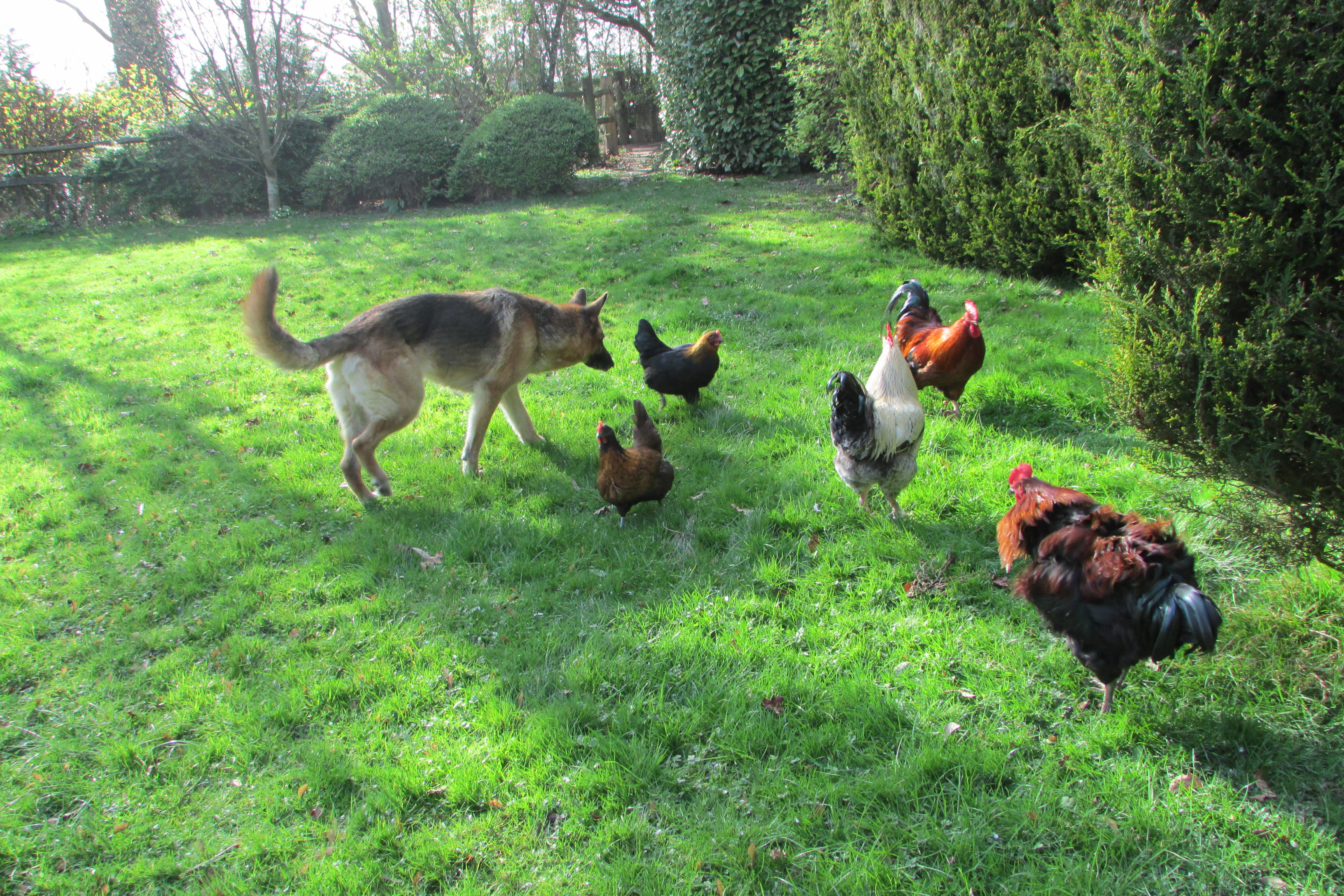
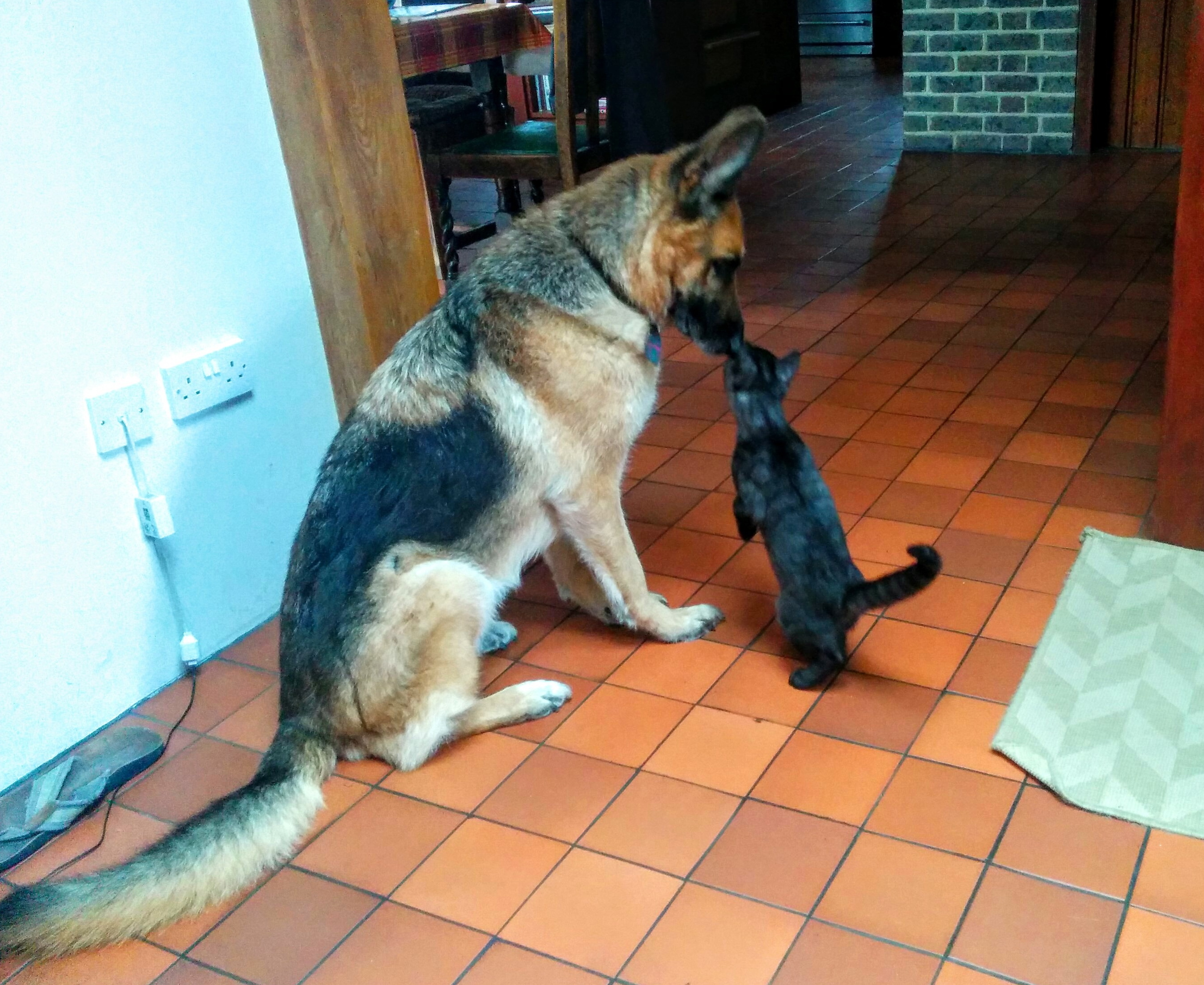
Today is difficult. There is so much to miss, even of a dog who had limited her world to the kitchen and garden. The kitchen is horribly empty. When I picked up the compost bin, there was no head turned towards me, waiting to see if I was going into the garden. Kia would watch, waiting until I actually put on my coat—so she could be sure I wasn’t going to trick her and shut her into the utility room—and then she would heave herself up, and totter to the door. We would walk up the garden together, the cats coming to greet her, and she would watch me as I fed the ducks and chickens. In the past, she would bark in warning if the chickens made a fuss and tried to fly near me (she hated them flying) but recently that was too much effort, so she just watched, checking.

I realise today how often I touched her—scratching her neck every time I passed that big bed on the kitchen floor. As I use the sink, I wait for the shove of her nose in the back of my legs, reminding me to fill her water bowl. No one watches when I go to the fridge, waiting to see if something tasty is coming out, something like cold turkey, which would make it worth the effort of getting up, just in case I passed her a piece. She was very polite, and after a few attempts at stealing food as a puppy, she never stole, and never watched us eat (because I never fed her from the table).

But she knew that when we had steak, I would cut off the fat and put it in her bowl, and without fail, her nose would appear at the table just as we finished eating. I don’t know how she knew that we had finished, I guess she recognised the sound of the fat being chopped up. I don’t think we will be eating steak again for a while; it wouldn’t feel right.

German Shepherd’s are dogs with opinions, and Kia had an opinion on everything. I remember it being a surprise when she was young, how I had to learn that German Shepherd’s were different to my previous dogs. Nosier. I would open a cupboard door, and her head would be in front of mine, blocking the view, checking to see what was inside. Most visitors she liked, and would greet with enthusiasm. A few she disliked (not sure why) and she growled when she saw them. A favoured few she adored, and even in the last weeks she would stagger to greet them before returning to her bed.

Kia was always a ‘mouthy’ dog. As a puppy, it took ages to teach her not to nip (I would scream loudly, as if I was in agony, even if she gently touched me with her teeth). When an adult, she never snapped, and was gentle with the cats and chickens, but when we walked, she would sometimes take my hand in her mouth, like a child holding hands.

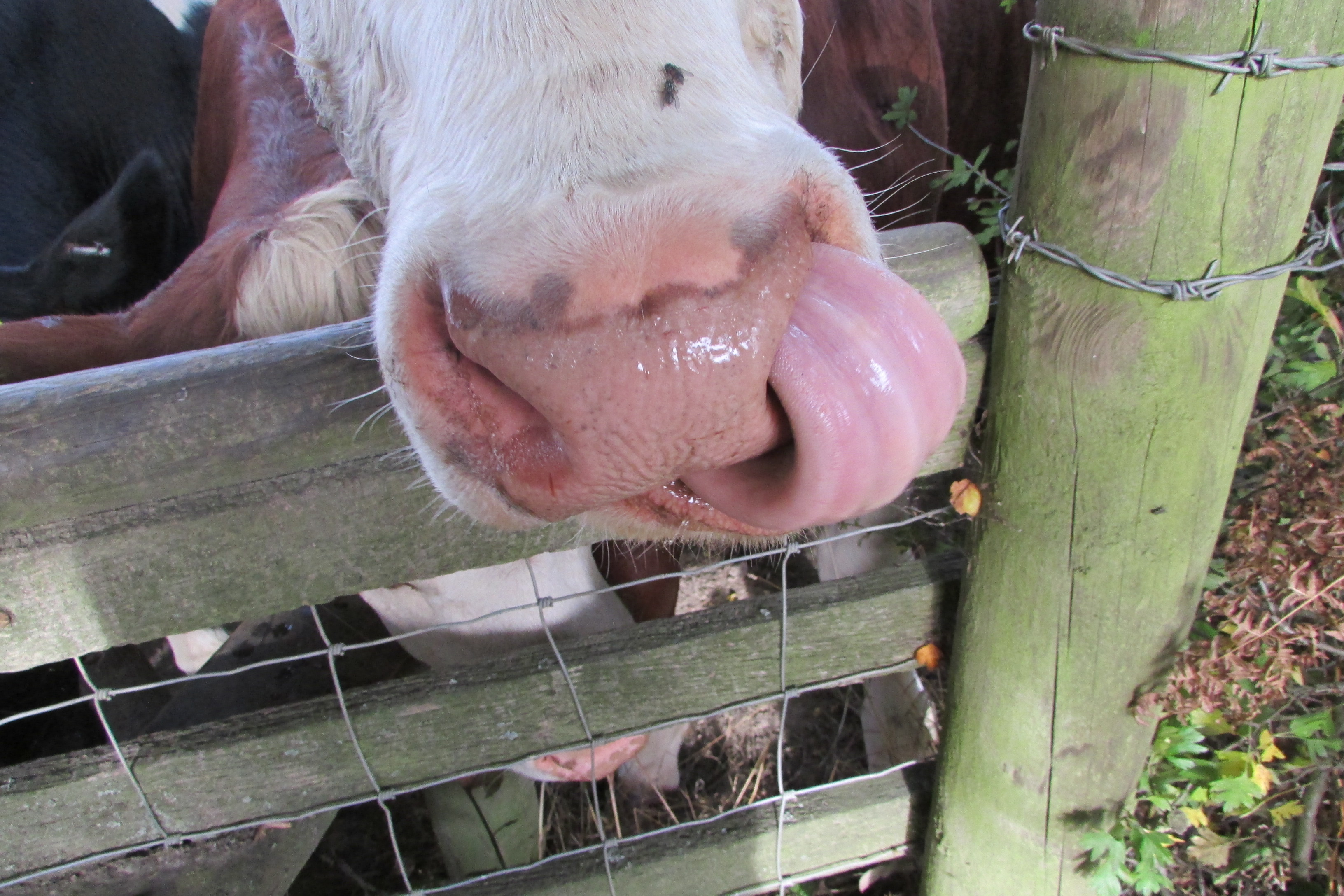
As a young adult, Kia had boundless energy. We walked for miles, and she would jump over stiles, and chase sticks. She was very good with livestock, and walked quietly next to me, greeting cows through the fence and looking cross when they licked her head (cows are very licky animals). Though she sometimes barked at horses. And if off the lead, I am pretty sure she would have chased sheep, so we never risked that one.

One of my fondest memories is when I came home after surgery, and was lying in bed, when I heard a noise at the door. Kia (who was not allowed upstairs) was standing there, checking. When I noticed, she tiptoed away, as if pretending it wasn’t her.

But most of my thoughts today are of the old Kia. At 16, she was old for several years, and it was a dignified, peaceful old age. It is with a sad, but very grateful heart, that I say goodbye.

Thanks for reading. Next time I will get back to those papers from SOTS (because they really were extremely interesting).

Have a good week, and take care.
Love, Anne x

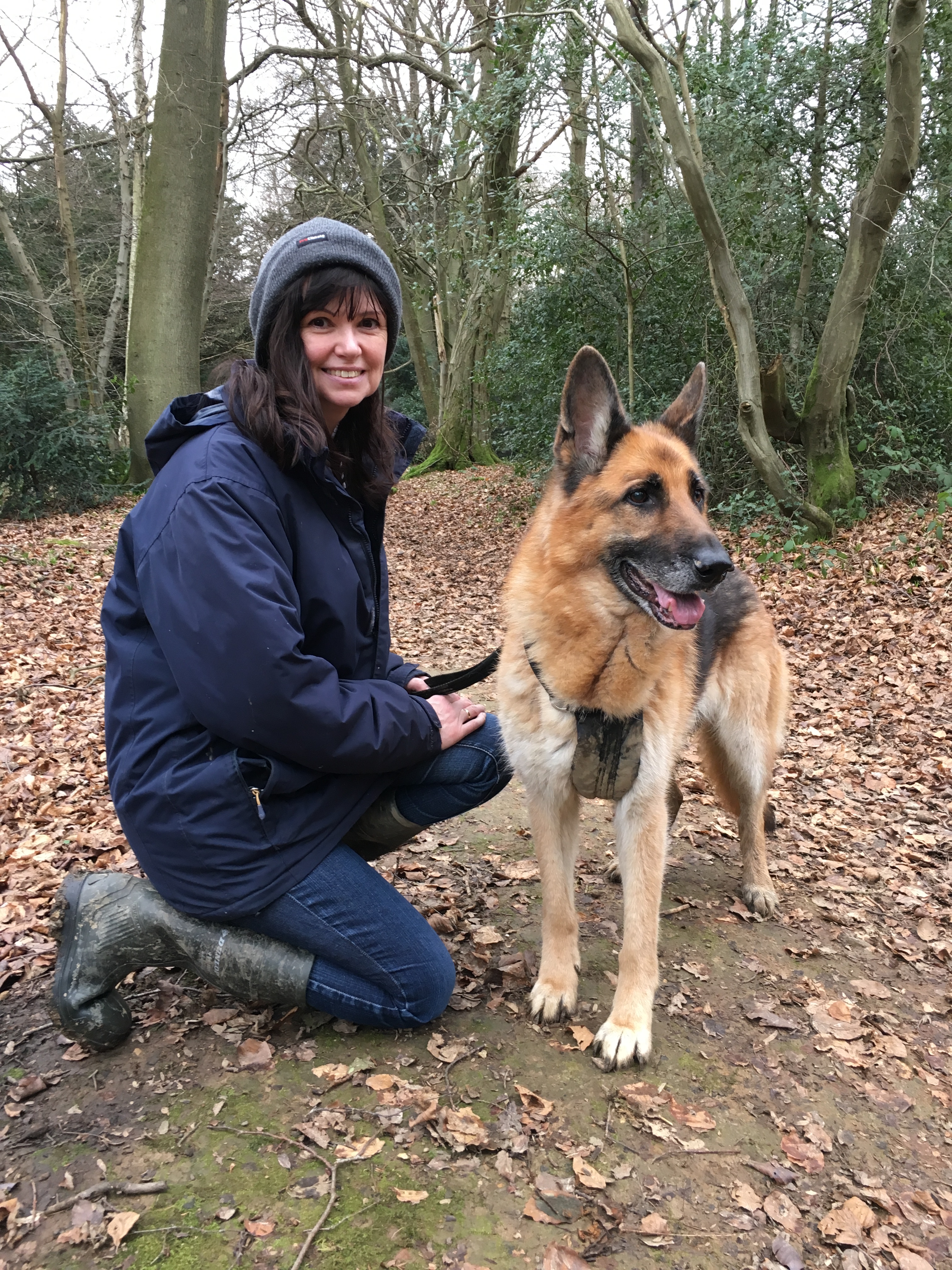
I will leave you with some photos across the years. (I have grown older too!)

*****
anneethompson.com

Anne E. Thompson
Thank you for reading
anneethompson.com
Why not sign up to follow my blog?

Philosophers.


Who Influenced the New Testament World?

It has been fascinating during my studies, to hear about different influences that have changed the way people see themselves and their world. Today, we accept things like a ‘sub-conscious’ or an ‘inner spirit’ without really thinking about where those ideas came from. They are part of our cultural thinking, and we refer to them effortlessly during conversations. Yet, they have not always been known concepts. They were introduced at a particular time by a particular philosopher.

The same has been true for centuries, and one aspect of studying the New Testament, is knowing which philosophers influenced the thinking at the time. This isn’t disputing any inspiration from God, but it’s recognising that the books were physically written by humans, and those people lived in a culture, and there were certain philosophies that we see reflected in what they wrote. They couldn’t have written about ‘outer space’ or ‘gravity,’ and especially not ‘cyber’ or ‘virtual’ because those things were not yet thought about. Here is a brief summary of the philosophies that were well-known the New Testament world. You can decide whether some of the thinking is incorporated into what was written. (I am only including the snippets of their teachings that I found interesting—you can do your own research if you want to know more!)

Socrates (470 -399 BC)

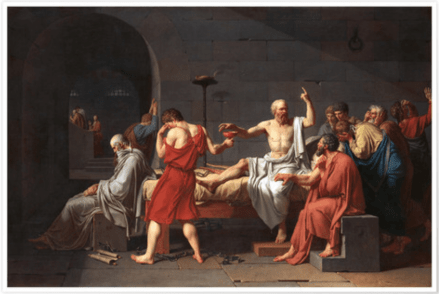
Socrates said: “The only wisdom is in knowing you know nothing.” He was killed by being forced to drink a cup of hemlock. He didn’t write anything, so we mainly know of his teaching via his pupils.

Plato (428 – 348 BC) Plato was heavily influenced by Socrates. He wrote a story, with Socrates teaching about cave dwellers:

‘A group of people lived deep in a dark cave. They sat behind a fire, and a puppeteer moved puppets, casting their shadow on the cave wall, telling the story of the world. This is how the cave people understood the world. But one day, a man left the group, and walked past the fire and out into the sunshine. At first he was blinded by the light, but gradually his eyes adjusted, and he saw that the plants and animals in the real world were better in every way to the shadow images he had seen previously. He went back into the cave and tried to tell his friends, but they refused to listen because his eyes could no longer see in the dark cave, and they decided he was blind.’ Plato wanted to teach people to ‘see’ the real world.

Plato said that the material world is transitory, and humans are capable of reaching an ideal state, which is eternal. He thought the intellect was the most important part of a person, and he differentiated between the intellect/spirit and the material/physical. Two separate parts of humans.

He also had an interesting idea for how society should operate: Plato divided people into those who were ‘rational’ (had wisdom) and said they should govern. The ‘spirited’ people were brave, so they should be soldiers and teachers. ‘Sensuous’ people should be providers, part of commerce, because they were temperate (knew moderation). This, he said, would bring social order and justice. [Looking for politicians who are wise might be difficult today, when being fast-talkers and good presenters seems more likely to get them elected than being wise. I guess Plato lived in a different time.]

Aristotle (384 – 323) Aristotle was Plato’s pupil. He thought that thinking (which he called ‘contemplation’) was superior to doing things. He thought the point of life was to contemplate God, and to serve him, and to pursue happiness. (I confess to be slightly confused by this, as he also said that contemplation is how humans can imitate gods, so not sure he was referring to God.) He taught that good action leads to good habits which leads to good disposition. All things should be tempered by moderation.

Sometime around Plato and Aristotle we had the Stoics. Stoicism taught that God was omnipresent, and everything was subject to his will. People should therefore not worry about what they cannot change (apatheia). Whatever happens, should be accepted. They said everyone should be treated well, because everyone shares the same spirit. Virtue is to know God’s will, and to follow it.

Plotinus (204 – 270 CE) He was a Neo-Platonic philosopher, and he tried to build on Plato’s work. He not only separated the body and soul, but also decided that ‘matter’ or the physical body was evil, and only ‘reason’ or spirit, are good. Therefore, the soul is more important than the body.

They all said lots more, obviously, but a lot of it was boring or confusing or both, so I have given you a brief overview. Interesting, huh?

I will tell you more about my studies in another blog. Thank you for reading.

Hope you have a philosophical day. Take care.
Love, Anne x

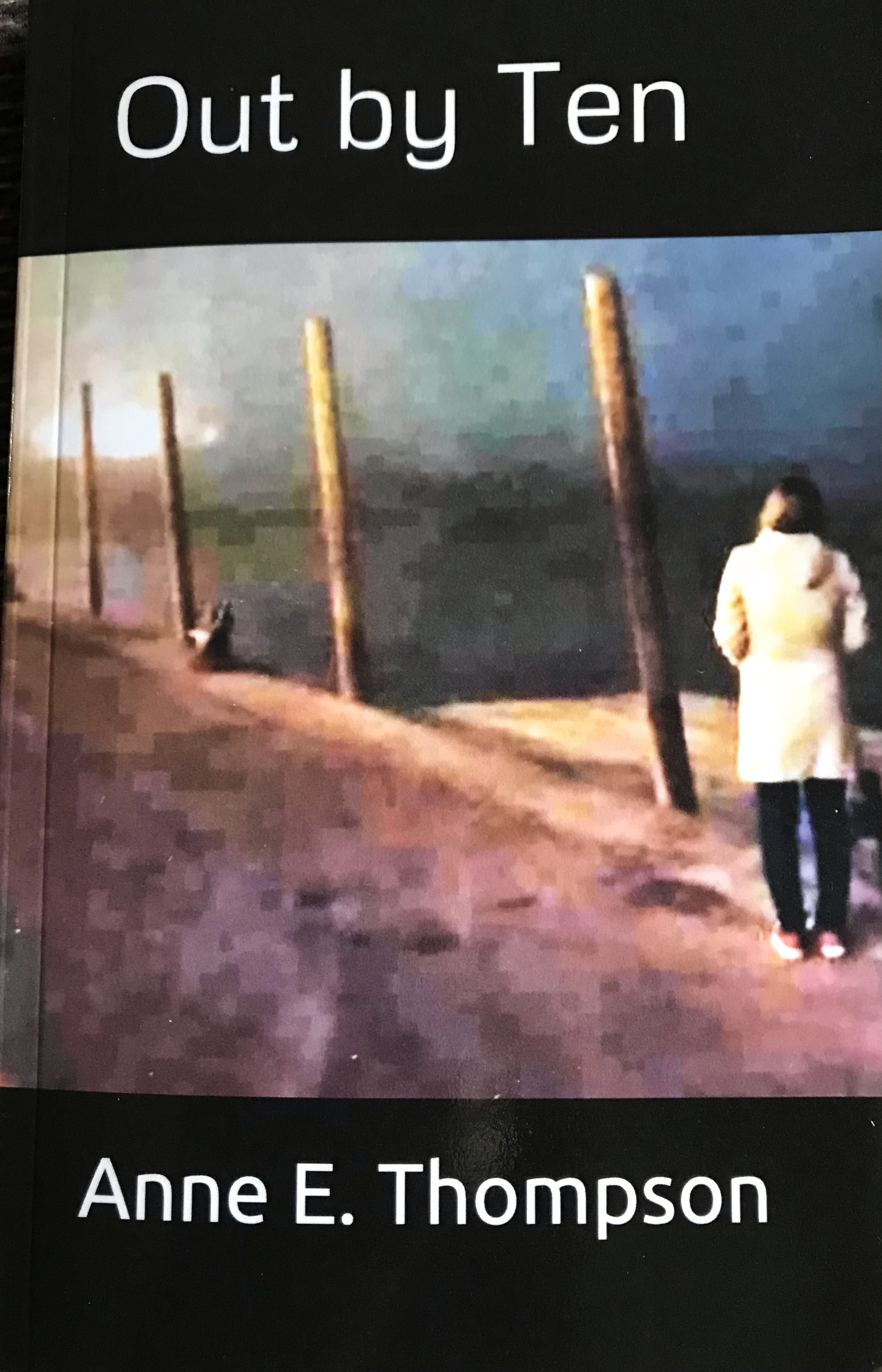
Something completely different: Have you read a copy of Out by Ten yet?

Reviews for Out by Ten:

“Out by Ten is a thrilling read from the very beginning. Set in the early days of a Covid world, every reader can instantly connect with the narrative landscape.
The story is full of intrigue which maintains the same pace through the entire book keeping you captivated. There are some delightfully unpredictable twists which add to the thrill. Some deep issues explored too making this an emotionally mature read.
I enjoyed discovering the double meaning of the book’s title Out by Ten ( read it to find out! )- very clever and a surprising revelation.”

5.0 out of 5 stars Couldn’t put it down!” Reviewed in the United Kingdom 🇬🇧

What an amazing book! Highly recommend”

Out by Ten is a thoughtful novel for those who enjoy reading. Available from Amazon. Treat yourself, buy a copy today.

(You can read it for free if you have a Kindle:https://www.amazon.co.uk/Out-Ten-Anne-Thompson/dp/0995463271/ref=sr_1_1?crid=2MZUUVJDF1723&keywords=out+by+ten+by+anne+e+thompson&qid=1672061302&sprefix=out+by+ten+by+anne+e+thompson%2Caps%2C67&sr=8-1)

***

Invitation to a Board Dinner


It was my birthday. Having a birthday in December is always bit of a mixed blessing, but thankfully it’s far enough from the 25th that it never gets tangled up with Christmas (though I can never display my birthday cards for more than a week). Anyway, my birthday this year was very pleasant.

Husband kept the day clear of work, and we went shopping at Bluewater. If you read my blog regularly, you will know that I hate shopping, especially for clothes. This was an exception, and it was rather fun.

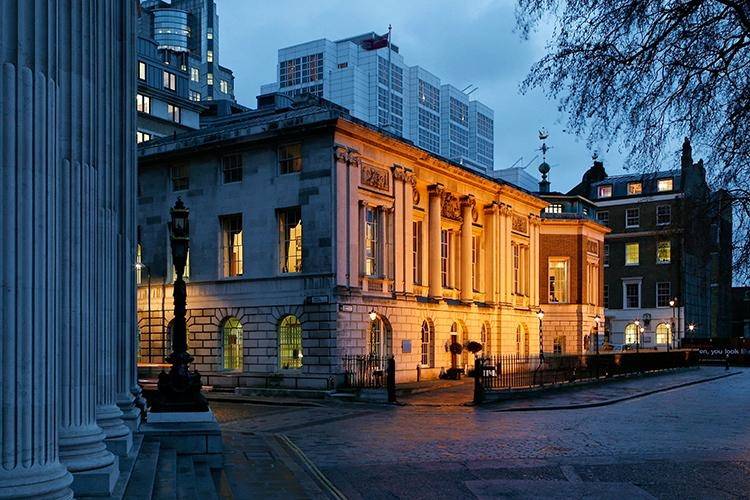
A couple of weeks ago, I was invited to join a board dinner at Trinity House. Do you know Trinity House? (I think you can tour it during the day—it’s next door to The Four Seasons hotel, near the north bank of the Thames.) Anyway, it was nice to be invited for a posh meal, and I dressed carefully. I knew that the board members would be arriving straight from a board meeting—mainly in suits/office attire. So smart, but not evening dress. I am completely uninterested in clothes, but I do own a few ‘posh’ items, so wore some smart trousers with a silk blouse and cashmere sweater, added some pearls and earrings, checked my hair for bits of hay/chicken poop, found some clean shoes, and set off. I thought I looked fine.

The evening was lovely. Trinity House is beautiful. We left our coats in the cloakroom, and walked up a sweeping staircase to where drinks were being served. I was introduced to a few people, and then the gong sounded, and we were ushered into the dining room. There was a big fireplace, and oil paintings, and an huge oak table with flower arrangements. Dinner was very fancy, and the company was good, and I thoroughly enjoyed myself.

The following day, I made the mistake of mentioning my outfit. I explained to Husband that I intensely dislike wearing heels, and you can’t wear a dress with flat shoes, and was my outfit okay? Apparently, it was ‘surprisingly casual.’ I pointed out that the clothes were all expensive, but discovered this makes no difference. Apparently, there are certain items (like sweaters) that are ‘casual’ and other items (like jackets) that are ‘formal.’ I therefore decided that for my birthday, I should buy a ’formal’ outfit. But a comfortable one, because heels and tight bodices and cold knees spoil the evening.

Bluewater has lots of shops. I hoped to find everything in John Lewis, but they don’t keep many clothes in my size, so we failed, and had to venture into other shops. My sister had advised me to buy the whole outfit, so I wouldn’t go home wondering which cardigan or shoes to wear. Husband agreed that trousers can be smart, but only when worn with a jacket. This I do not understand. We found some trousers (they looked to me exactly like the ones I had worn). We found a jacket (which looks to me no smarter than my lovely sweater). We found some shoes, which honestly look exactly like the ones I wore—but when I remarked on this in the shop, the assistant told me that my shoes were ‘casual’ and these were ‘formal.’ In another shop, the assistant entered into the project and brought me several things to wear (which I rejected) including a gold top, which surprisingly, I kept. Goodness! Who would have thought I would ever wear a gold top?  Very disco! But apparently it isn’t disco at all. Apparently, when worn with smart trousers and a jacket, it’s ‘formal.’

I admit, I have learnt nothing. I am still completely bemused as to what the difference between clothes is. However, I now own an approved formal outfit. Am just waiting for the next invitation…

Hope you are suitably attired this week. Thanks for reading.
Take care.
Love, Anne x

Anne E. Thompson
Thank you for reading
anneethompson.com
Why not sign up to follow my blog?
Look on your device for this icon (it’s probably right at the bottom of the screen if you scroll down). Follow the link to follow my blog!

*****
What is Fascism? And Are You A Fascist?


What is Fascism? And Are You A Fascist?

We studied the rise of fascism in our Ethics class, and it was fascinating and slightly scary. As we learnt about the typical components of fascism, I could see similar traits in society today—things that I consider to be new and modern, are key traits of fascism, and can be seen through history. I will explain what fascism is. You can ask yourself whether you would be considered a fascist.

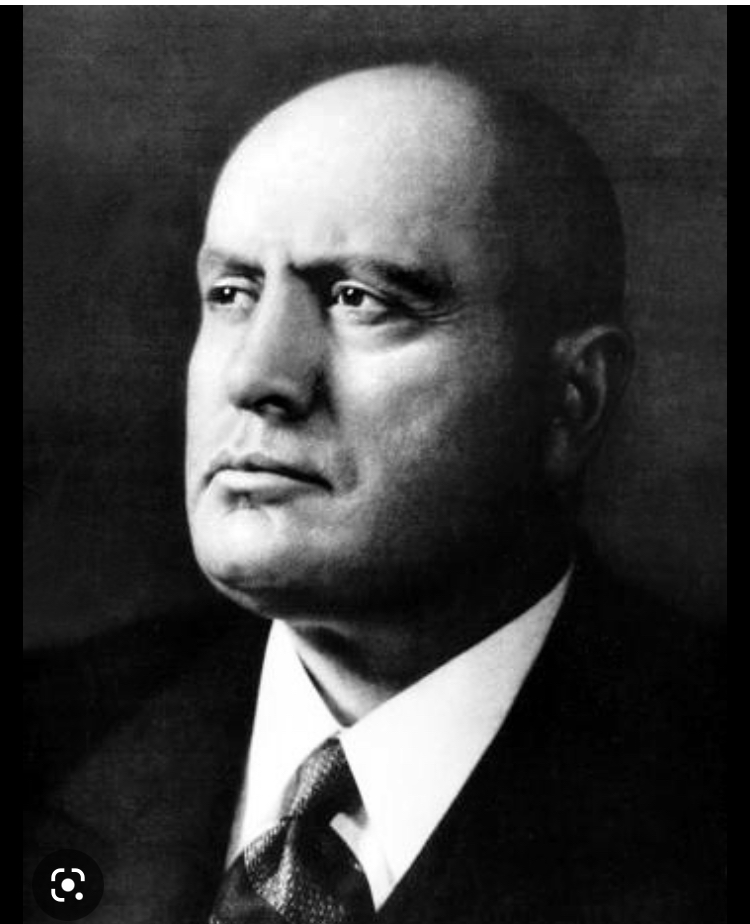
Some key historical figures were fascists, and their legacy was not a good one: Hitler, Mussolini, Mosely. Therefore today, only the most extreme groups want the label ‘fascist.’ But if we examine what fascism is and does, you will see trends in politics today, and this is worrying. We should notice the signs, and ask where it might lead and whether we want to go there. Perhaps if people had seen fascism in Hitler, Mussolini, Mosely, their grip would have been loosened before it grew too strong.

Fascism grows when there is hardship: a country in an economic slump, a group of people that feels a loss of status, a society recovering from an unexpected hardship. From these troubles, a strong leader can emerge and people want to follow, they want to believe that there is a simple cause to their problem and a simple answer. They want to belong to something. Fascism always seems to have a charismatic leader, someone who leads from the front and demands loyalty. The focus of the ideology tends to be on the leader. When the current leader goes, the group tends to disintegrate.

Jason Stanley (author of How Fascism Works) has defined fascism using some key points. They’re useful, so I will list them below and you can decide which ones you can see in society today. Just remember, a fascist does not have to be an angry little man with a funny moustache—the new face of fascism strives to be polite and acceptable.

  1. A Great Mythical Past. A fascist leader will talk about how things used to be better. ‘In the 1970s, we had true family values.’ ‘We used to be able to govern the country properly.’ They ignore all the problems that were actually in the past, and focus on a mythical ideal, longing to return to that era.
  2. Propaganda. A fascist leader will promote their own message and say that any alternative view is a lie. Apparently, Hitler and Mussolini both did this, saying that things reported in newspapers were untrue, telling the population that their opponents were liars. The idea of accusing the media of ‘fake news’ goes way back in time. (Scary, huh?)
  3. Anti-Intellectualism. Fascist leaders appeal to people with limited education, the speeches are not necessarily clever (because truth doesn’t matter) and they appeal directly to emotions. They therefore dislike and try to discredit academics (because they will offer a counter view, or question the authenticity of the claims being made). Education is therefore sneered at, experts are shunned, people are told to ‘think for themselves’ which really means, ‘don’t question what I am telling you and don’t listen to someone who might have studied this issue.’ (I think we should be wary of people who tell us ‘the experts don’t know what they’re talking about.’ In my experience the ‘experts’ usually know more than the rest of us!)
  4. Unreality. This is another interesting one—apparently fascist leaders tend to love conspiracy theories. They always have an enemy who is trying to sabotage them, talk of subterfuge is encouraged, they want people to be paranoid.
  5. Hierarchy. Fascist leaders always have a dominant group of loyal followers, those who are ‘true to the leader.’ Anyone who questions the general message is eyed with suspicion, and removed from the ‘inner group.’ As stated earlier, everything focusses on the leader.
  6. Victimhood. Fascist groups always state that they are the victims of another group—they have been oppressed, or made poor, or cheated—and this has been caused by a definable ‘other.’ (Hitler blamed the Jews, gay people and Roma, but other groups held to blame over the years have been black people, feminists, immigrants. I wonder whether in the near future, ‘white males’ will be added to the list—people who can be blamed for whatever has gone wrong.)
  7. Law and Order. Fascists declare that they want a return to law and order, and the group against them are the criminals. The ‘other’ people are the ones to blame for crime, for stealing, for rape, for drugs, for violence.
  8. Anti-Decadence. Fascists claim that the moral fibre of society is under threat (blaming the ‘other’ group). Only they, and their followers, have good morals; the rest of civilisation belong in Sodom and Gomorrah.
  9. Work Ethic. Fascists claim that the ‘other’ group are lazy, mere parasites of society. Fascists claim they are hard-working, deserving of better. (Hence the ‘Work will make you free’ motto above the gate at Auschwitz.)
  10. Nationalism. Fascists promote great nationalism, and shun other nations. They strive to make their country ‘great again’ and nothing else matters. They will wave the flag, wear a uniform, and march. This gives a great sense of belonging to the followers of fascism, they feel part of something, a renewed sense of pride and purpose.

There are variations of the definition of fascism, but I have listed the key ones that seem to arise regularly. We need to be wise, to notice the signs and not be fooled by a great speech or a charismatic leader. Sometimes the truth is mundane and unpopular, but it’s still the truth. As I said in my previous blog, if we view people of the past as more evil than us, if we refuse to acknowledge some of the same elements in society today (in us!) then we are doomed to make the same mistakes.
Thanks for reading. Be wise.
Take care.
Love, Anne x

In my next blog, I will tell you about my trip to Malta (a slightly sunnier topic!)

My novel Counting Stars looks at a future world where politics have gone wrong. It makes an interesting Christmas gift.  https://www.amazon.co.uk/Counting-Stars-glimpse-around-corner-ebook/dp/B01GA99KTG/ref=sr_1_1?crid=2YPNXFCK3U6SV&keywords=counting+stars+diary+by+anne+e+thompson&qid=1668419853&sprefix=ounting+stars+diary+by+anne+e+thompson%2Caps%2C81&sr=8-1

Who is Evil? Visiting the ‘Seeing Auschwitz’ Exhibition


Warning: Some horrible images.

Seeing Auschwitz

I usually ignore the adverts on social media, but when Seeing Auschwitz popped up, I was interested. Advertised as a exhibition of photographs from the concentration camp, it stated that it encouraged visitors to look not simply at the photographs, but also beyond them, to the motivations of the photographer.

Since we visited Auschwitz (see previous blog: https://anneethompson.com/2019/06/11/visiting-auschwitz/) there has been something bothering me. Obviously atrocious things happened, people were treated worse than animals and it never should have happened. But why did it happen? When I look at photos of the guards, I do not see evil people—I see ordinary people who somehow changed so that they did evil things. I feel that unless we understand what drove ordinary, normal, people like you and me, citizens to become Nazi guards, we will not be able to ensure it doesn’t happen again.

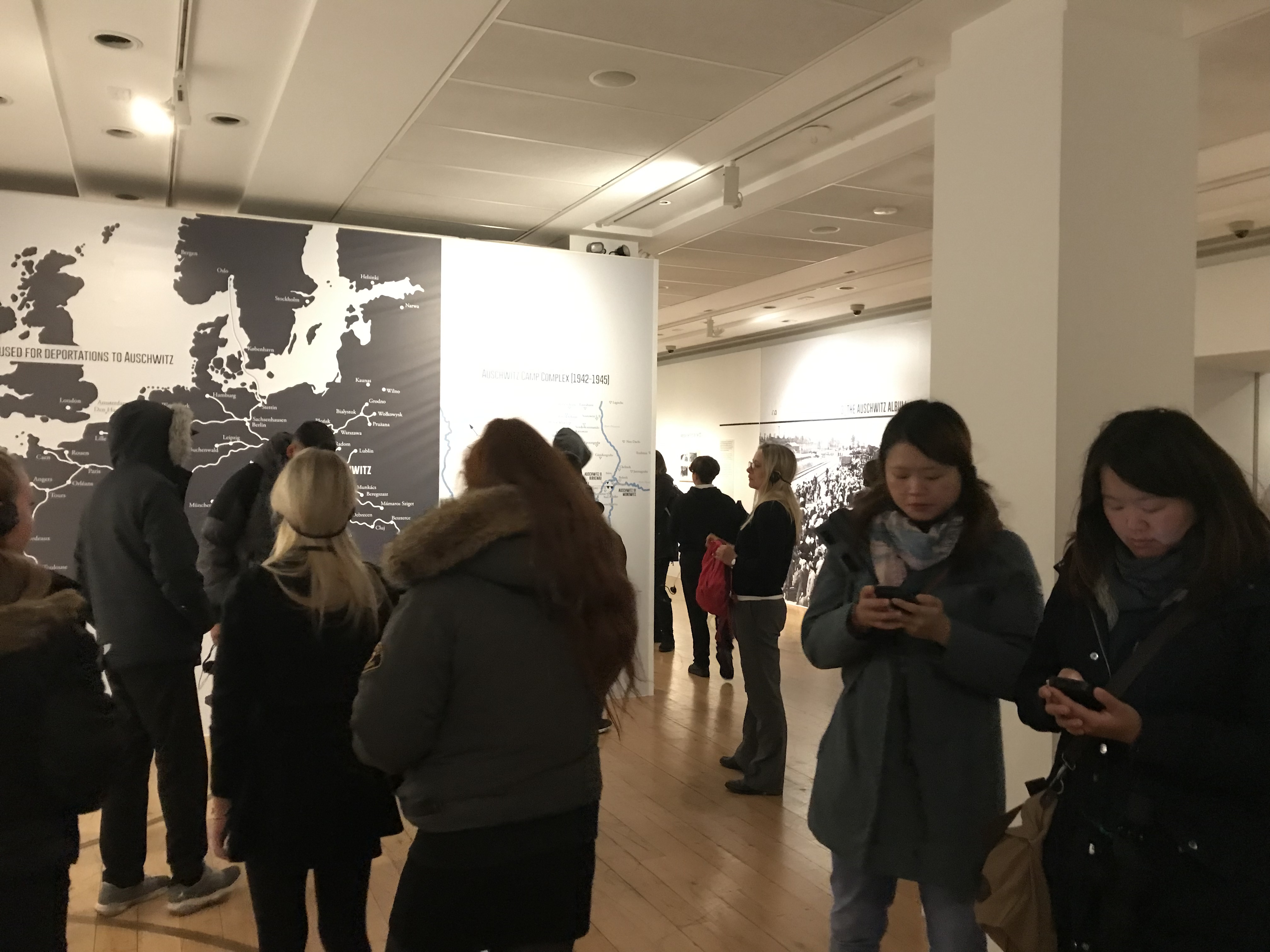
I arranged to meet a friend and went to the Seeing Auschwitz exhibition in Old Brompton Road, London. The exhibition was easy to find, and there were seats inside where you can wait (and a Nero opposite if you need coffee!) We had our tickets checked at the reception desk, and were offered free audio guides. If you take headphones, you can use the QR code and listen on your own phone. The audio tour matched numbers on the display, and you moved to the next one manually, which meant you could go at your own speed. The audio had music, to create mood, but it wasn’t overly melodramatic and most of the commentary was factual.

A variety of people were at the exhibition. Mostly women, though there were different age-groups, including a school class of teenagers with back-packs. It was busy, but not too crowded, so it was easy to see the displays. (I think they limit the numbers, so if you don’t buy tickets online, you might have to wait before being able to enter.)

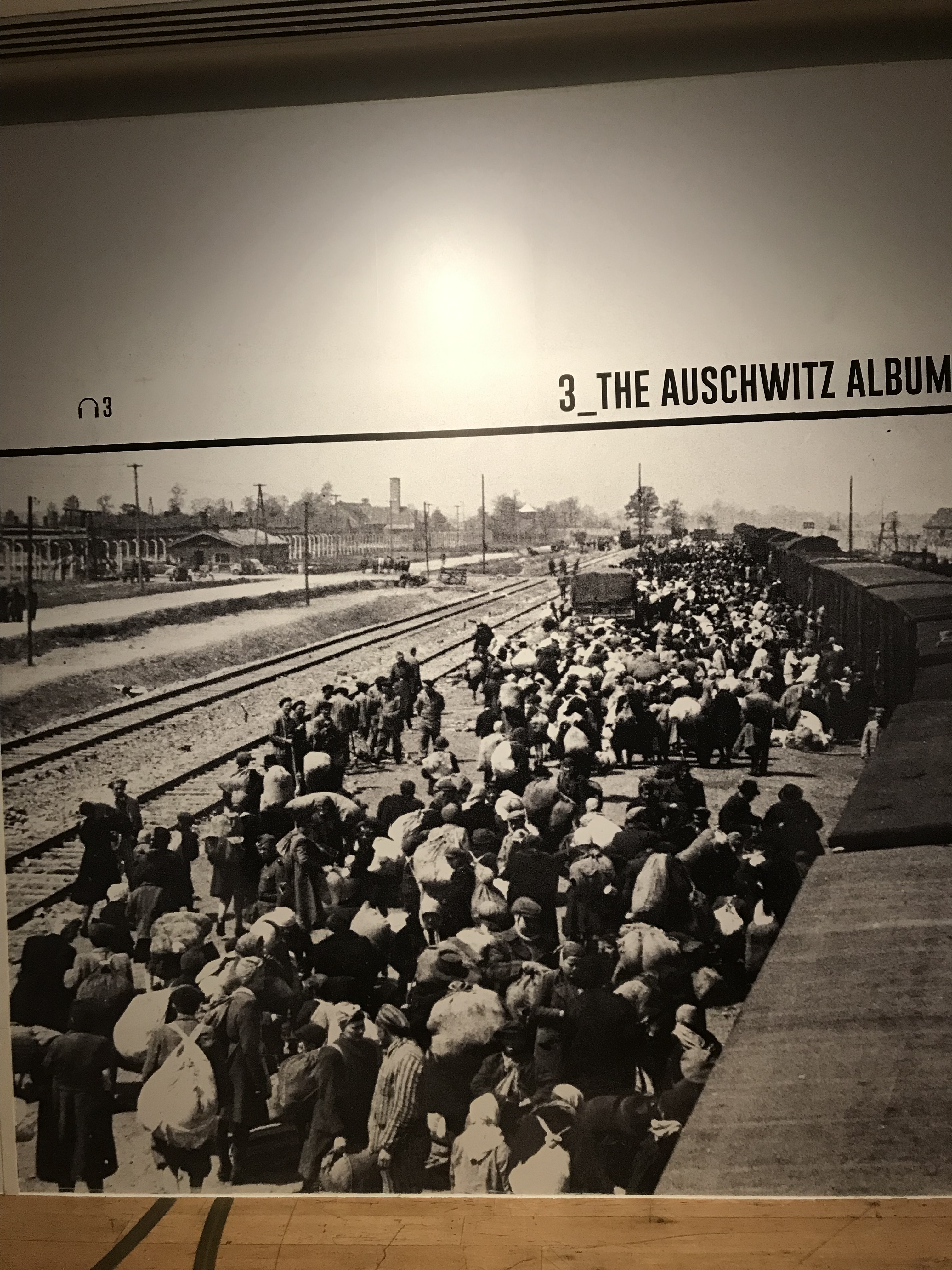
The exhibition was a selection of photographs (I recognised several from the museum at Auschwitz). Some were huge, life-sized people drawing you into the scene. Some were smaller, and you needed to stand close to peer into the faces. They showed the structure of Auschwitz, how the camps functioned, the population of prisoners from around Europe. The audio guide also asked you to consider the purpose of the photographer, to see that the victims were treated as specimens, that there were no photographs of killing or disorder—everything was very regulated. This contrasted with images smuggled out by the prisoners, which showed cruelty, and mass death, and acts of rebellion that were quickly exterminated.

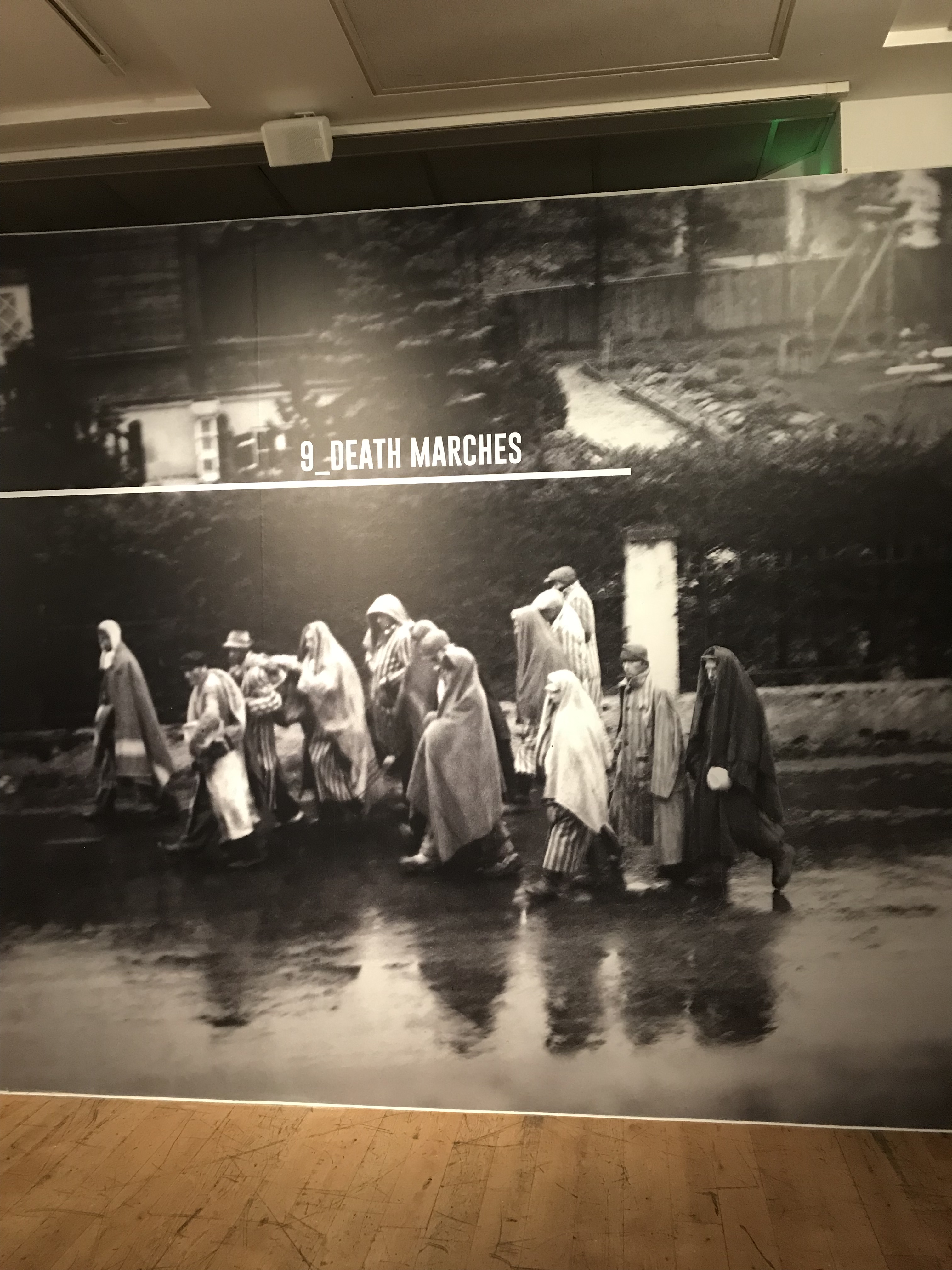
One section showed the guards relaxing on a day out. Their occupations were listed; an accountant, a doctor, a sweets manufacturer. But there was nothing to indicate what had changed them from these very mundane characters to heartless guards. Nothing helped me to understand why and how this happened. I find this troubling. If we look at images of the guards and we tell ourselves they were evil people performing abominable acts in the past, then we remove it from ourselves. If we cannot relate to the perpetrators, we will not guard against falling into the same trap. I expect some guards were evil, the role would appeal to sadists. But I think many were just ordinary people. There were photographs of the death marches—when the camps were emptied towards the end of the war and the prisoners marched for miles, many of them dying. The photos were taken from houses as the prisoners passed—by ordinary people—who had done nothing to stop the atrocities. Why? How was society gradually infiltrated so that gays and Jews and Roma were believed to be less than human, vermin, something dirty. What changed people like us, into people that allowed the holocaust to happen?

I still don’t know the answer, though it links with something we discussed at college this week. We were looking at the rise of Fascism, and the point was made that societies today that are defined as ‘fascist’ do not use that label themselves—because no one wants to be likened to Hitler or Mussolini. But this is my point. If we don’t liken ourselves to people who did terrible things, if we decide they were all somehow different, a nation of evil people, ‘other people,’ then it could happen again. I believe we need to start asking questions, trying to learn how it happened, enabling us to guard against the same tragedy.

If you want to visit Seeing Auschwitz you can buy tickets online until the 18th December. If you can’t go to an actual camp, then it’s a good exhibition to visit.

Thanks for reading. In my next blog, I will tell you about the Fascism lecture, and the ten points that define fascism—I was a bit shocked by how many I recognise in society today.

Have a good day. Take care.
Love, Anne x

I explored the idea of what our future might look like in Counting Stars. An exciting novel, it was great fun to write. I asked a scientist, and economist, and a lawyer: ‘What might change in the near future? Tell me what is possible, even if it’s not probable.’ I wove their ideas into a story about a family, because teenagers will be the same whatever the world looks like.

Available from Amazon as a paperback or Kindle book. Another great Christmas gift idea!

If you want to buy a copy, the link is here: https://www.amazon.co.uk/Counting-Stars-glimpse-around-corner/dp/0995463212/ref=mp_s_a_1_1?crid=2PDCW3KBUU1BG&keywords=counting+stars+by+anne+e+thompson&qid=1668695965&sprefix=counting+stars+by+anne+e+thimpson%2Caps%2C73&sr=8-1

What I Think About Dying


In England, it is Remembrance Sunday, when the churches are full of people wearing poppies and singing rousing hymns about young men who died protecting their country. It’s one of the few occasions when we think about death, the apparent waste of a young life, someone ‘giving their today for the sake of our tomorrows.’ Death of a young person always seems like a waste, doesn’t it? Unfulfilled potential.

Actually, I think death of other people is always horrible. Whatever words people say, trying to be kind, about the person ‘living on in our hearts’ is mostly not true. They are gone, and we miss them. Sometimes we miss them for the rest of our lives.

But I don’t want to talk about that, I want to talk for a little while about our death—yours and mine. Because whatever else we might know about life, we can be sure that one day, it will be our turn. When I had my brain tumour, I thought a lot about death. Everyone with a brain tumour knows that death is real, and it might not be very far away. Some people choose to push the thought away, to ‘keep being positive,’ but I’ve never been one for avoiding difficult issues, so I thought about it, and prayed about it, and came to some conclusions. I share them with you now because one day, you will die, and maybe these thoughts will help you when the time is near. Maybe someone needs to hear them today.

For me, death is intrinsically linked to God, so even if you don’t believe in anything, bear with me.

Firstly, I do not believe that death was some ghastly mistaken afterthought. Nor do I believe that it happened because mankind sinned. If you read the story in Genesis, about the creation of humans and what their purpose was, then we can see, right at the start, there was a ‘tree of life.’ Why do we need a tree of life if there was never intended to be any dying? No, it was all part of the plan. We were created with an expiry date! I find that comforting. Death, when it comes, is not due to anything bad, something humans caused; it was always part of the plan.

Therefore, when it’s time for dying, I absolutely believe that God has it sorted. And if God has it sorted, it will be better than we can imagine—which is why it’s also scary—because it is beyond our imagination. Anything we can’t imagine happening is scary. I suspect that being born was scary, but we don’t remember that far back. The thing is, I think it is meant to be scary, because we are not supposed to be dead, not yet. If we all went around wanting to be dead, then imagine the mess! It would be very untidy. Being alive, wanting to be alive, means that we do not want to be dead. Which is how things are meant to be.

I also believe, absolutely, that when it is time for me to die, God will make me ready. But not beforehand. If a child is given a train ticket to hold at the start of the journey, they will probably lose it, so a good parent gives them the ticket at the end, just before they need it. God is a good parent, so we will be ready to die when we need to be, and not before. Whenever I talk to people with terminal illness, and they tell me they are scared of dying, I tell them that they probably won’t die today. When it’s time, maybe not until the actual minute, God will make us ready. And ‘dying’ isn’t really a thing. The people who I have been close to have all been living even if living more slowly, right up until they died. Their bodies may have been broken, but they never stopped being themselves and having opinions and emotions. Until you are dead, you are alive.

Personally, I believe that when it’s time, Jesus will collect me, because that’s what he said he would do. We don’t die alone, even if no other person is close. Dying is about God, and souls, and probably where we physically are doesn’t matter much (though I hope to have sight of the sky and something beautiful). We tend to think of Heaven as ‘up there’ and far away. But I think that Heaven is near, all around us, through a veil that’s very thin, but we don’t see it. Heaven is a different dimension, not a place far away. I think passing through that veil will be very easy, and then we will rest, until it’s time for a new earth, and a new body (and I’m hoping the new body has a better singing voice than the current one!) But that’s all for later, not something worth thinking about really.

My own view is that when Jesus died, he paid the price for everyone, for all time, and that no one needs to be scared about dying. We can all trust God on this one. Other people disagree, so you must make up your own mind—but looking to God for answers is definitely a good start.

So that’s it: What I think about dying. Not very complicated, and not scary, not if you trust God.

But I hope you won’t die today and you will enjoy every day that you are alive. Make the most of it! Thanks for reading. Take care.
Love, Anne x

Thank you for reading.
anneethompson.com
Why not sign up to follow my blog?

One of my novels, Invisible Jane, includes the death of a child. Invisible Jane is a lighthearted love story, but includes a description of explaining to a child about death.
Available from Amazon as a paperback or Kindle book:


https://www.amazon.co.uk/Invisible-Jane-Anne-Thompson-ebook/dp/B073T3TX6G/ref=sr_1_fkmr0_1?crid=379H2328YJXDN&keywords=invisible+jane+by+anne+e+thompson&qid=1668341175&sprefix=invisible+jane+by+anne+e+thompson%2Caps%2C68&sr=8-1-fkmr0

An account of having a brain tumour (which will only be of interest to fellow sufferers or their family) is in: How to Have a Brain Tumour. You can read it for free if you have a Kindle. Also available as a paperback.

Cairo, Egypt. Blog Five.


Visiting a Souk

After breakfast in the hotel lounge, we took a hotel car to Khan Al Khalili – a sort of bazaar in the Islamic district of Cairo. The hotel cars are more expensive than using local taxis, but they’re easier than trying to explain in non-Arabic where we want to go, and we know they’ll have seatbelts and not take us to the wrong location. We found places in the guidebook that looked interesting, booked a car to take us there and then walked back to the hotel. Neither of us especially like museums or monuments, and this proved a good strategy for seeing some of ‘real Cairo.’

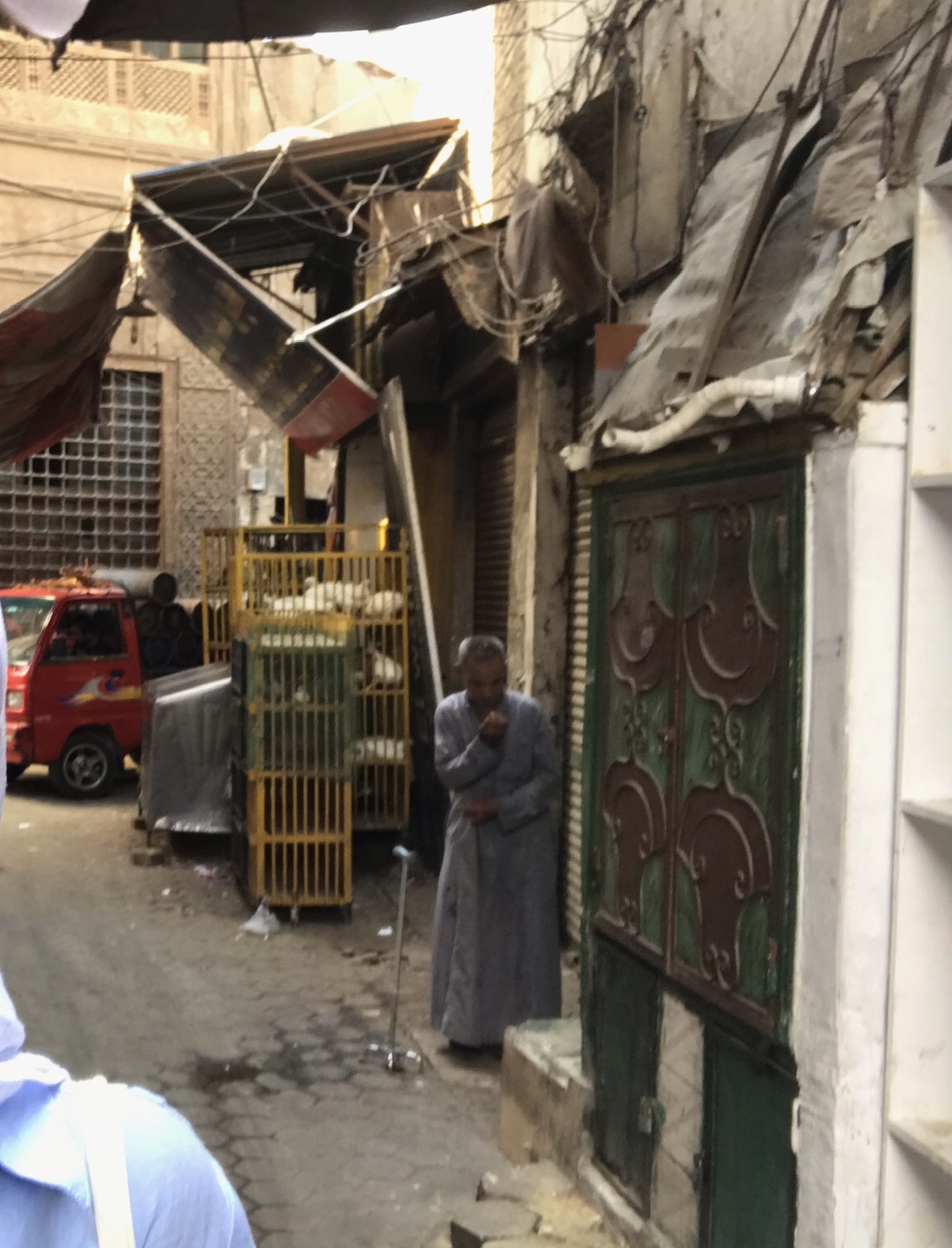
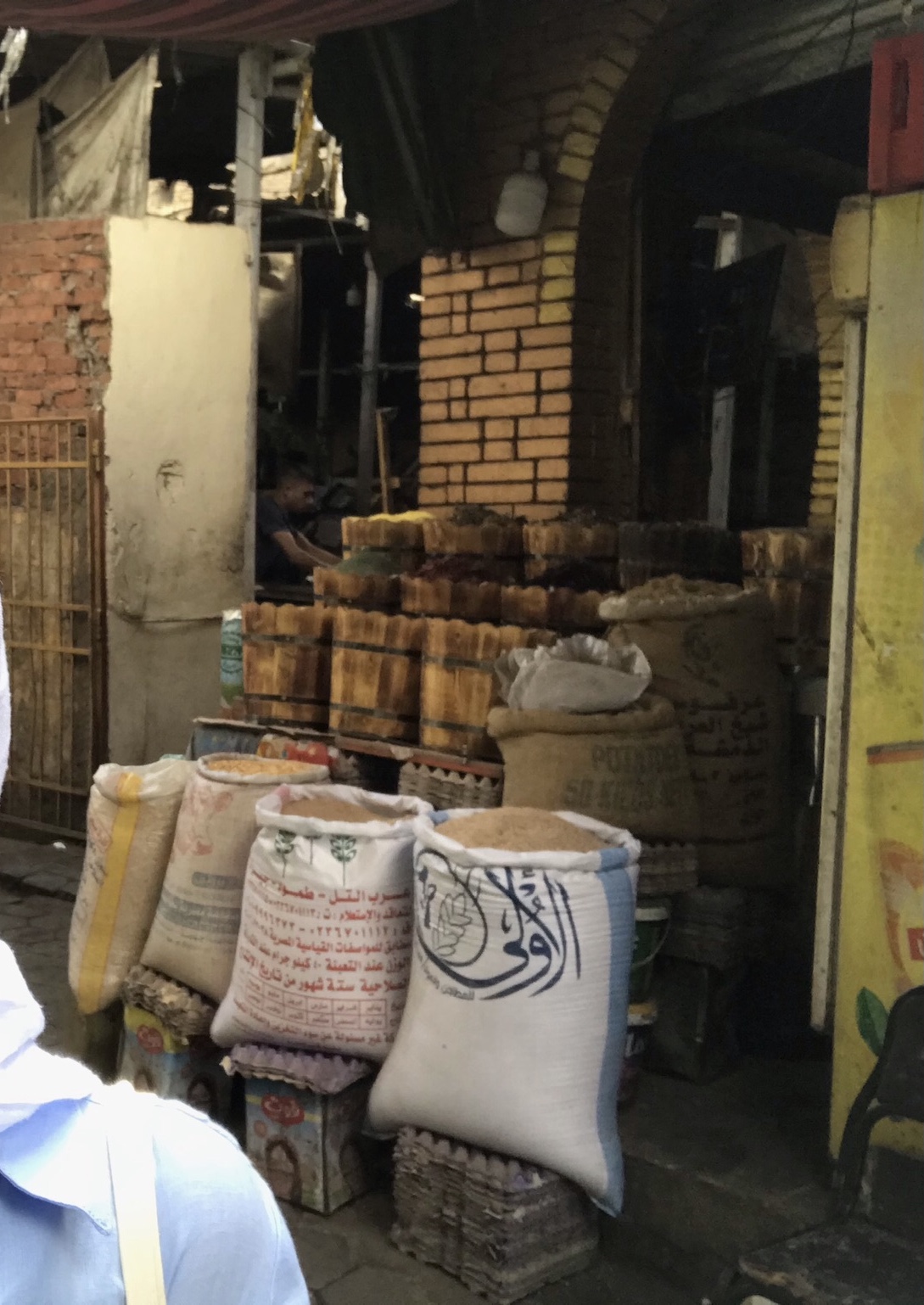
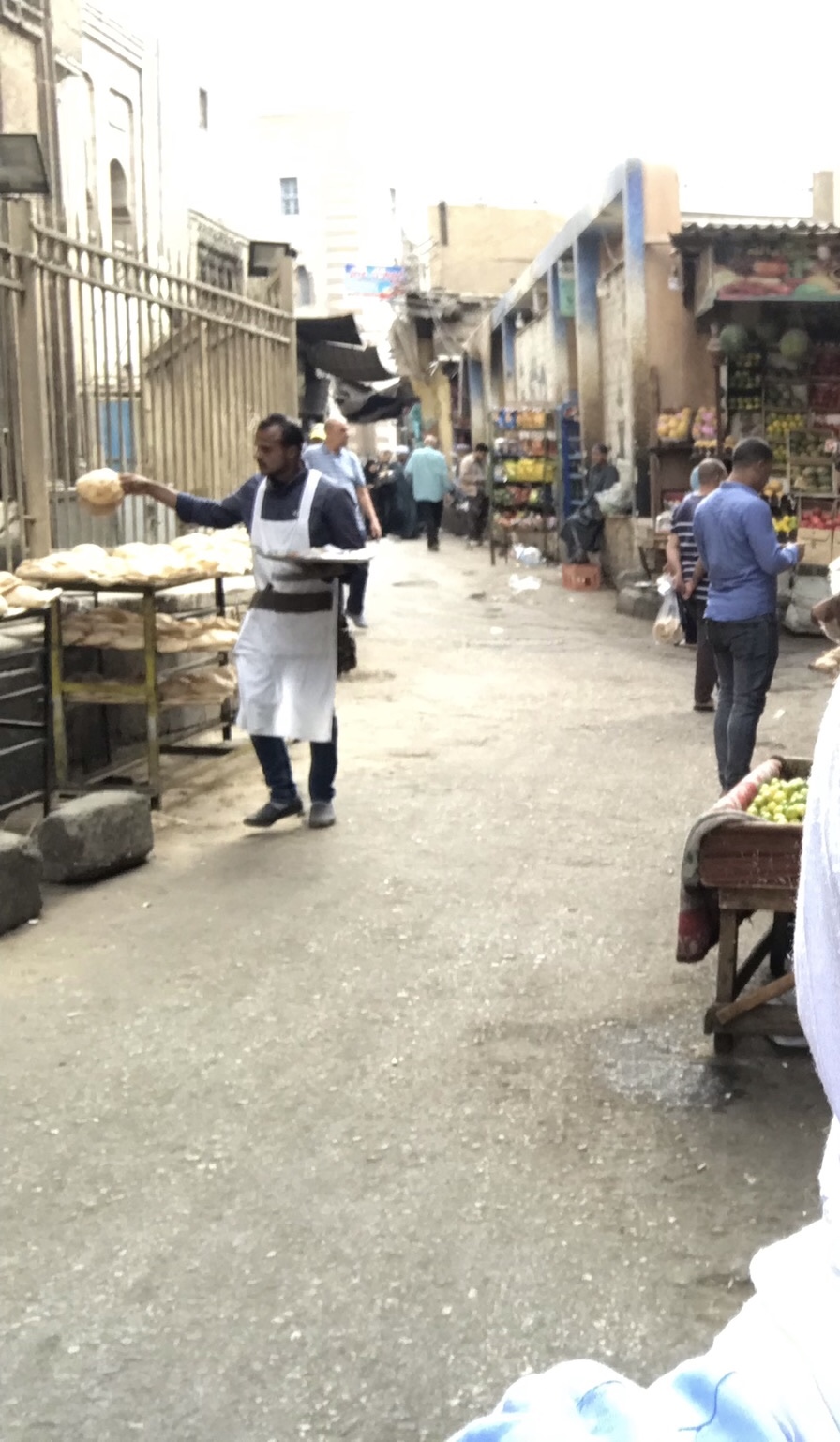
The car dropped us, and we walked round the corner, into a myriad of ancient lanes lined with stalls, a whole mishmash of sights: Chickens and rabbits and pigeons in cages. Men pulling wheeled carts. People balancing crates on their heads—one young man on a bicycle had a plank on his head stacked with eish baladi the local flatbread. Stalls selling fruit, and cloth, and drinks.

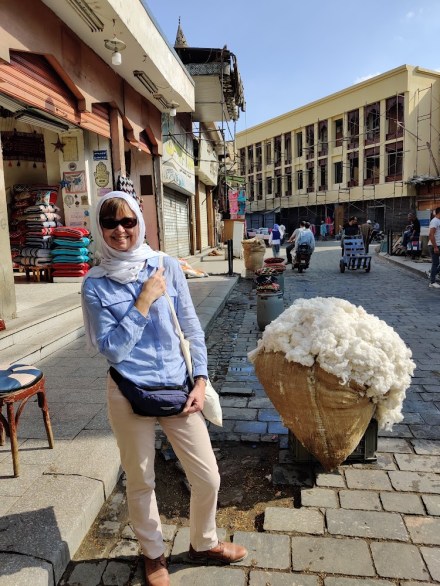
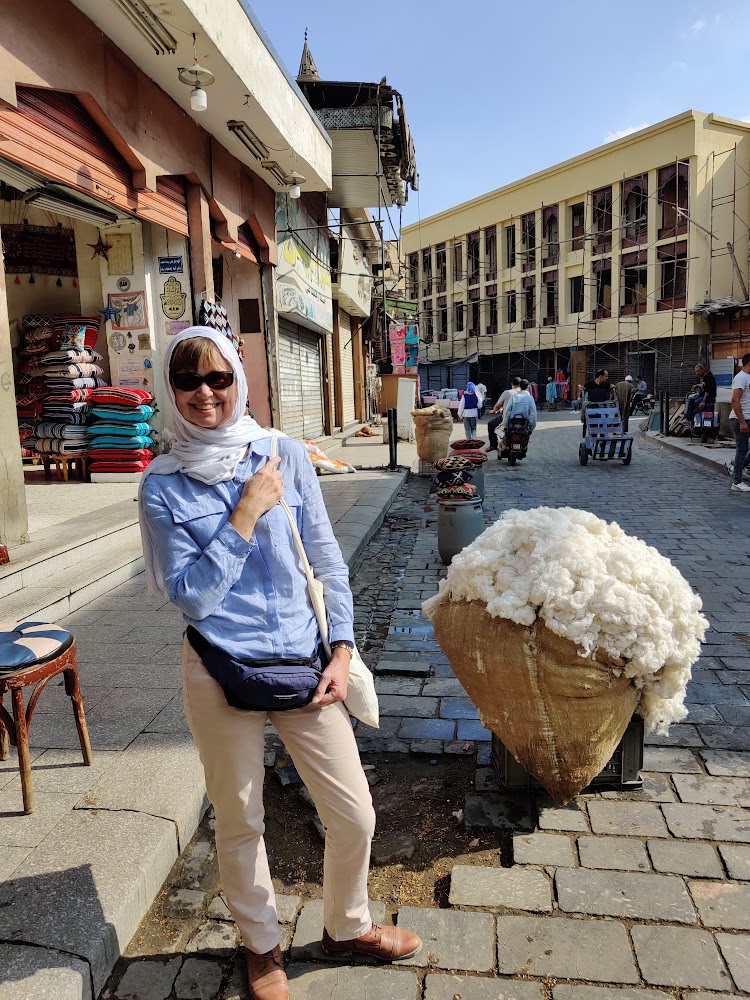
There were stray dogs and skinny kittens—cats were everywhere—sleeping on a food-cart hotplate, sharing a beggar’s blanket, curled under stalls. We watched eish baladi being fried in a sizzling vat of oil, hoisted out by a net on a long pole, the oil dripping off, then heaped on a stall for the flies to feast on. There was a fabric shop, with burst sacks of fresh cotton on the street outside. The streets were busy, with uneven hard-packed mud to walk along, and I felt as if I had wandered into a stage set. It was marvellous. It was also the wrong place! We checked the map, and realised we should have been across the street, in the lanes that make up the bazaar—we were in a market intended for locals (much better, in my opinion).

When we entered the bazaar proper, it was very crowded. Many of the shops were aimed at tourists, and stallholders called to us, inviting us to look, telling us they had the best products, the lowest prices. We had come to look, not to buy, so we disappointed them. Like all roads in Cairo, traffic and pedestrians shared the space. There were tuktuks here (we didn’t see them in the centre of the city) and they mingled with the lorries and bikes and pedestrians, vying for space in the narrow lanes. The air was full of pollution and spices and the sharp tang of limes from a nearby stall. A woman sat on the kerb, her short round body swathed in flowing black, selling bunches of mint. Children sat nearby, screaming at cars when they passed in some noisy game. Men with shiny round trays carried glasses of tea.

We passed the faded finery of ornate mosques, and crumbling walls, and red brick buildings; all powdered in brown pollution. The road was often uneven, often with holes or dirtied by dog mess.

When we reached the centre of the market it was even busier, and many of the products were the same as you would see in an English market—cheap clothing and plastic houseware. Inflatable legs were strung over the walkway, modelling various brands of trousers. Large dolls (like American Girl Dolls) stood in rows, modelling baby clothes. There were windows displaying sexy lace underwear on voluptuous mannequins—yet all the real women seemed to be covered from head to foot in flowing robes. (No one seemed to see the irony of this.)

Random men approached us at intervals, to practise their English, or to give unwanted directions. Always polite, always with smiles, sometimes overly persistent. We smiled back, and walked on.

There were constant car horns. Speakers blasted a sport’s game commentary or an Islamic sermon. The call to prayer echoed from minarets. I saw smiles, lots of smiles, especially when we responded to vendors’ calls in our limited Arabic. There was also lots of spitting in the street, and fingers pushed up noses, and loads of shopping carried on heads—all very different to an English market.

It was a fabulous walk back to the hotel. The sun was hot, the air thick with pollution, but there was so much to absorb, so much life to be part of. Wonderful.

Thanks for reading, I will tell you more about our visit in another blog. Hope you have a lovely day. Take care.
Love, Anne x

Thanks for reading.
anneethompson.com
Why not sign up to follow my blog?
Look on your device for this icon (it’s probably right at the bottom of the screen if you scroll down).
Follow the link to follow my blog!

*****

Visiting the Pyramids. Cairo, Egypt. Blog Four.


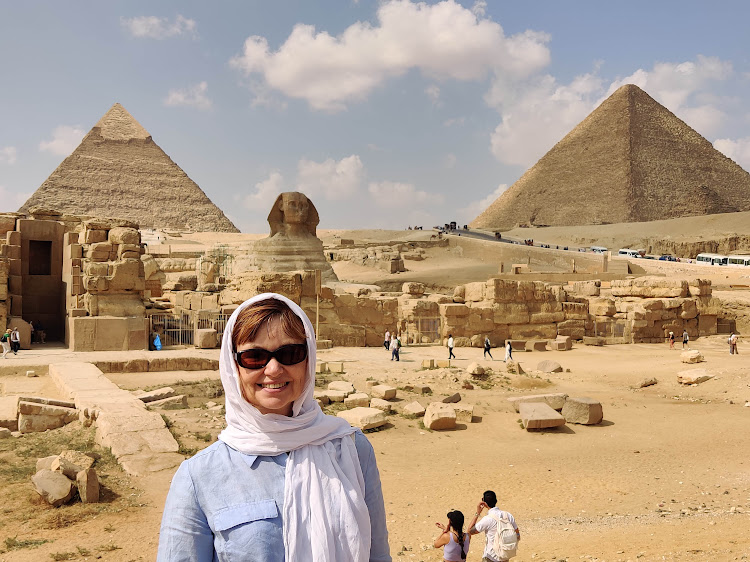
It was Sunday, and we had booked a tour to visit the pyramids, so when I woke with a headache I was disappointed. The trouble is, I am a fairly anxious traveller — I force myself to visit interesting places because I really want to see them, but sometimes my body reacts and pretends to be ill. I have to try and decide whether I actually AM ill, or if it’s just nerves and my silly brain playing tricks. I took some pills, and felt very sick, but I was almost positive that this was all due to nerves. I don’t usually mention my anxiety in blogs, because I don’t want it to be what defines me, but if you suffer from nerves, take comfort in knowing you are not alone. I find that praying then forcing my mind to think about something unrelated (like playing Duolingo) usually makes me feel better. I forced myself to get up, slinking round the room like a slug while I sipped water trying not to be sick again, got dressed, and informed Husband that I was fine, no need to cancel. He gave me worried looks. At 9am we went down to the hotel lobby, and met the car we had booked. As soon as I was in the car, watching the streets of Cairo as we travelled through Giza, I felt better. That’s the thing with nerves, if I can distract myself, they disappear and I can be the person I want to be.

The car came with a guide, which isn’t my favourite thing because generally they talk too much. I let Husband (who is more polite than me) chat to the guide, while I looked at Egypt. We drove through various districts that are poorer than central Cairo, where the hotel is. It reminded me of India, though I didn’t notice the same abject poverty, the same despair, that I have seen in India. Then we left the city and entered the desert.

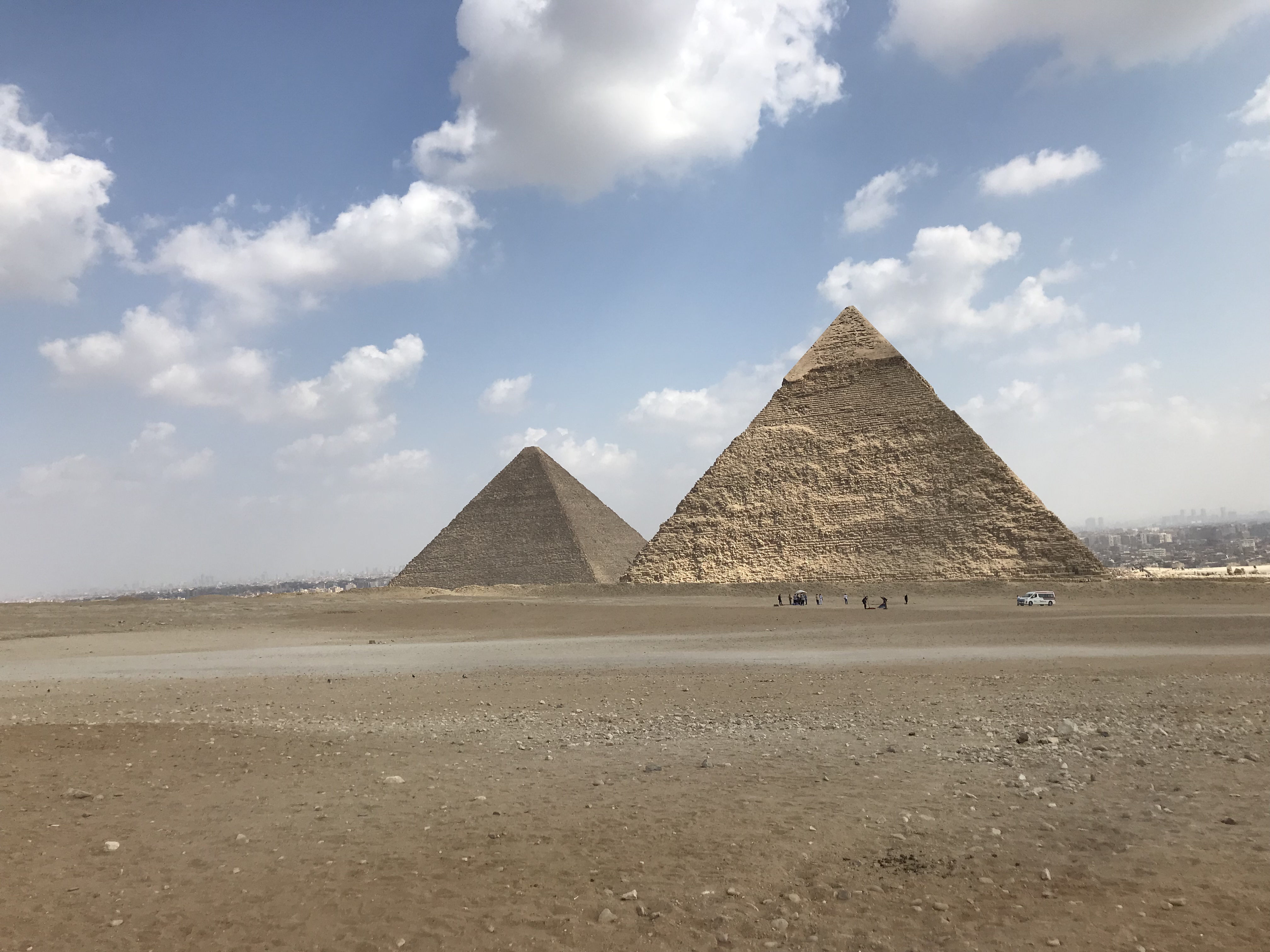
As we arrived at the pyramid area, I was surprised to see another city — a sort of satellite city, out in the desert. I had assumed the pyramids would be in the middle of nowhere, surrounded by nothing but sand, plonked deep in the desert. It was a shock to glimpse them between buildings as we drove through the edge of a town. We came to the parking area, and went to buy tickets. Our guide was very helpful here. He seemed to know everyone, and he stopped people approaching us to offer horse rides and camel rides and photographs, and a myriad of other offers. I have read that touts can be a problem by being overly persistent, but he shielded us from all of that, so I forgave him for talking too much. He was called Samii, by the way.

Husband wanted to go inside the Great Pyramid, so he paid an extra £20 and joined the long queue. I knew it would be a steep climb down a narrow shaft, deep into the inner chamber of the pyramid. Not something I will ever want to do. Instead, I walked round the edge with Samii and tried to ignore all the facts he told me, as I wanted to soak up the atmosphere of the place. Actually, there wasn’t much atmosphere worth soaking up, as the sky-scrapers of the nearby city distract from the desert, and there are too many tourists. The pyramids of Giza are wonderful to visit, but it’s hard to find any romance there. We wandered round the area where the workers (Samii didn’t call them slaves) lived. There were ancient carvings around the doorposts, but some had modern graffiti on them. Shame.

Samii showed me the round indentations in the stones, where rivets would have held them in place. There is something awesome about the pyramids, even with all the tourists. They would have been bigger (you can see the edge of where they would have reached) but stones were removed over the ages to build other buildings. A bit like the Colosseum in Rome, which had bricks pilfered over the years. The age is astonishing. Way back, in the time of Moses (if we date him about 1400 BC) he would have seen pyramids that were already a thousand years old. The Romans would have seen them as ancient structures.

I also hadn’t realised how many pyramids Egypt has. As we wandered round the Great Pyramid at Giza, we could see other pyramids in the haze in the horizon. Different Pharaohs from different ages built pyramids in places convenient for them.

We drove down to the Sphinx (which is on the same site, but a long walk in hot desert sun). At one time, a canal from the Nile would have lapped around the Sphinx, and you can see where the limestone has been worn away. He would have had a beard too, but I think it fell off and is now in the British Museum in London. And he once had a nose, and there are several rumours as to where that might be!

We left via a little souk (a market) selling various statues and carvings. On the way back to the hotel, we stopped at a papyrus shop. Guides often take you to visit their friends rather than to what you want to visit! This was interesting though, and we saw a demonstration of paper being made from strips of papyrus, as they would have made it in ancient times. Samii offered us a drink, and I managed to ask in Arabic for a cup of tea with sugar (and actually received a cup of tea with sugar, which was by no means certain!) It was hot, and very black, and it arrived in a tiny glass. Perfect.

Returned to the hotel exhausted, but extremely happy. Sometimes, it is definitely worth forcing yourself to do things that seem scary.

Hope you have a great day. Thanks for reading.
Love, Anne x

Thanks for reading.
anneethompson.com
Why not sign up to follow my blog?

***