Savannah


I loved Savannah! It was one of the places the guidebook recommended, so we went down the coast from Charleston. Even the journey was an adventure, as part-way there, we decided to stop at an IHOP (pancake house) for lunch, so came off the highway at a service area. We parked the car, and walked to the restaurant, ate our food (including a rather delicious ice-cream sundae) then returned to the car to continue our journey. As we backed away from the space, I pointed to a sign warning us to ‘Beware of Gators’ and said how stupid it was! There we were, at a service station, where 2 major roads crossed, surrounded on all sides by major roads, and there was a beware of gators sign–so obviously just for tourists. Except, as we backed away, I noticed a large pool of water, fed by a river, a few yards from where we parked. . . and there, sunning itself, was a rather large alligator! At first I thought it must be plastic, but then it walked forwards a few steps. Nope, not plastic, very alive, very near where we had parked. I decided the signs were a good idea.

We checked into another Springfield Suites, and put our stuff in all the same places as in the motel in Charleston, before going for a walk. We headed towards the river.

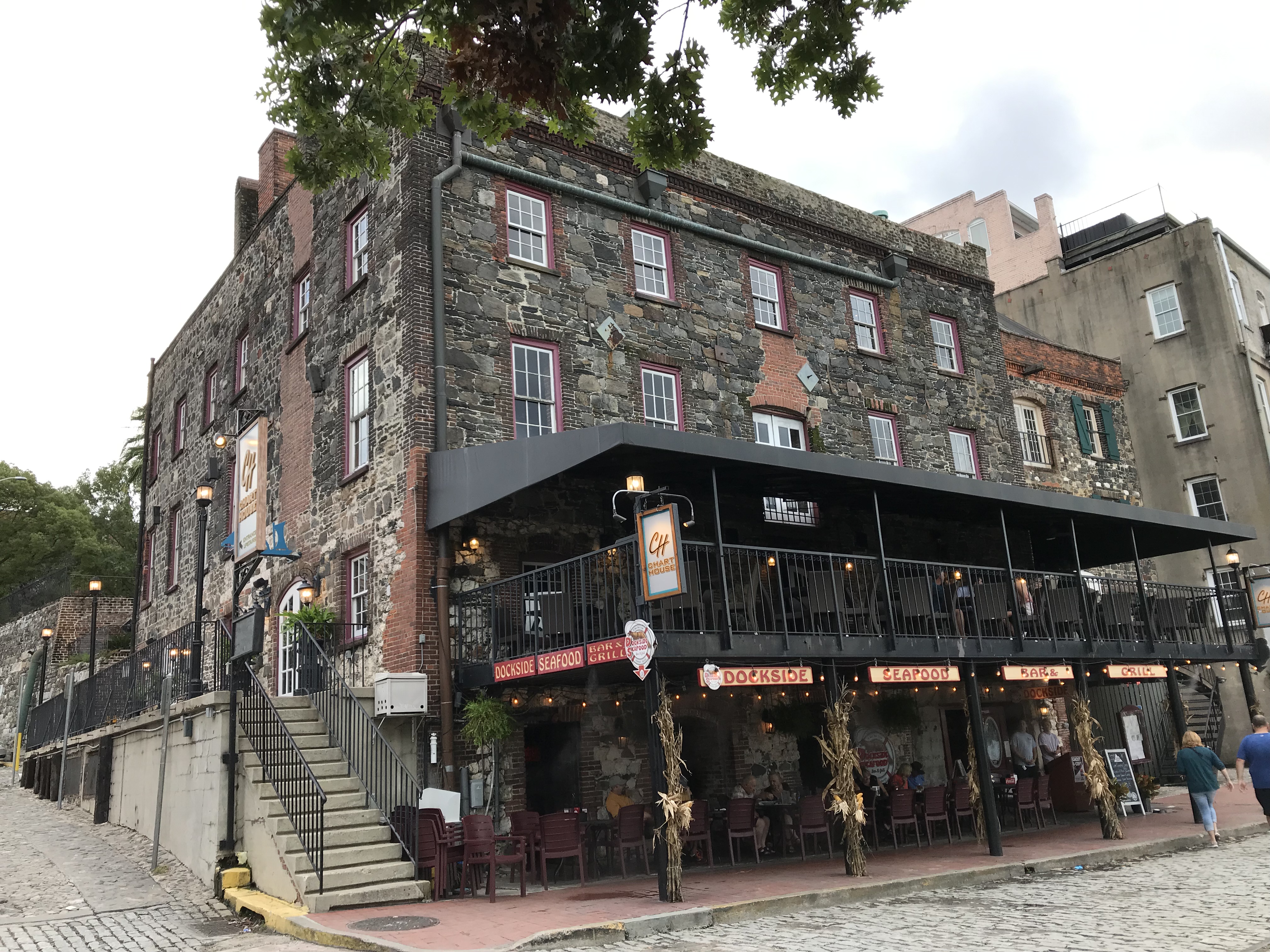
Savannah has a large river, which is lower than the rest of the city, so we walked down some steep steps. The river is lined with old red brick buildings, once part of the docks, many of which are now gift shops or restaurants or bars. It was a fun place to walk, especially when large boats, weighed down with massive cargo, edged past us.

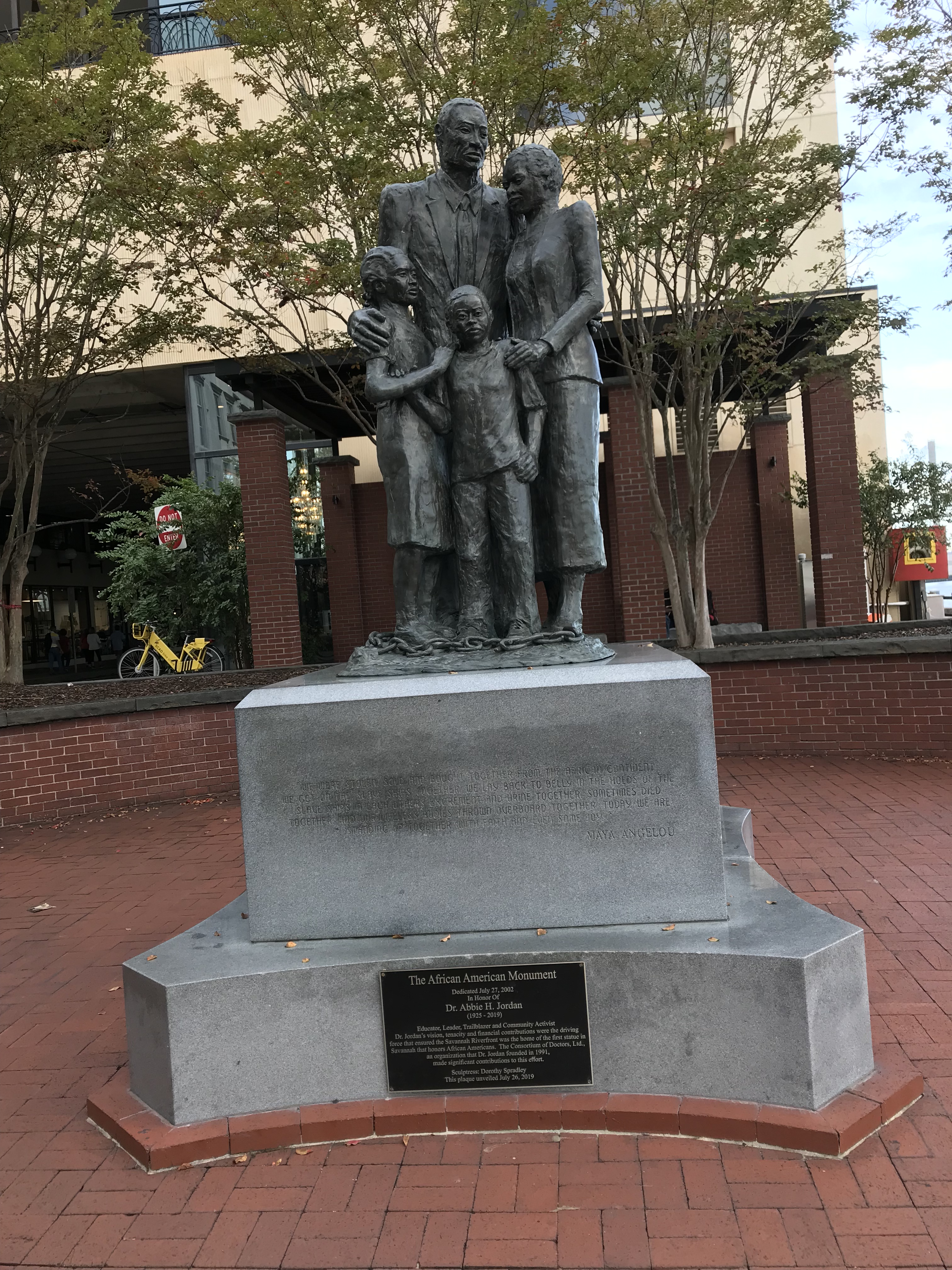
There were several statues, including one to commemorate the slaves, who would have been unloaded onto the docks, and sold. A sad reminder. The street was cobbled, with the remains of old tram lines.  When the slaves were unloaded, they would have been auctioned immediately, and sold, individually, to the highest bidder. This meant that even if families had been captured together, and survived the journey in a slave ship, they may then have been separated, never to meet again. Husbands and wives sold separately, children taken from their parents. I cannot understand how people ever thought that this was okay.

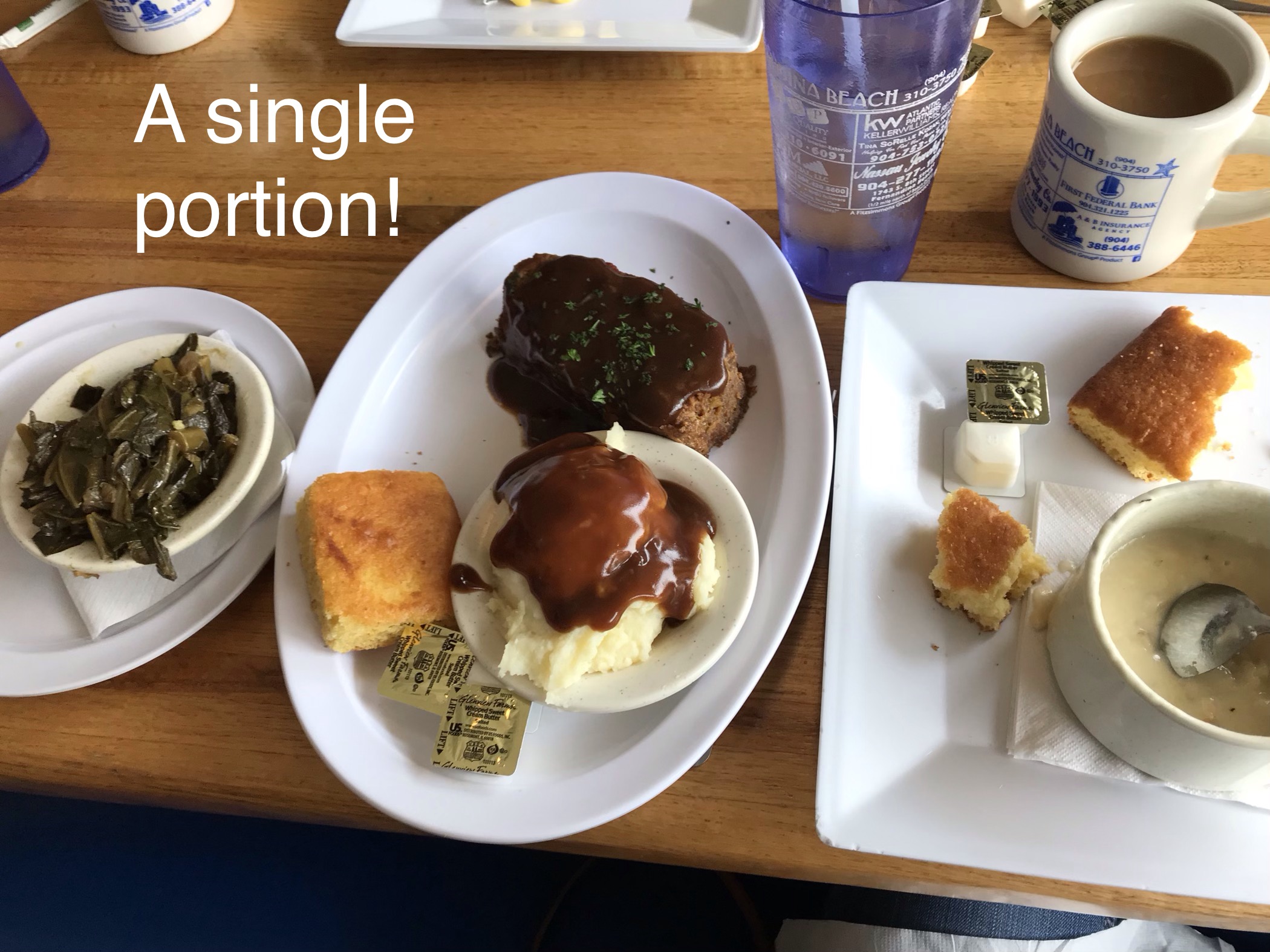
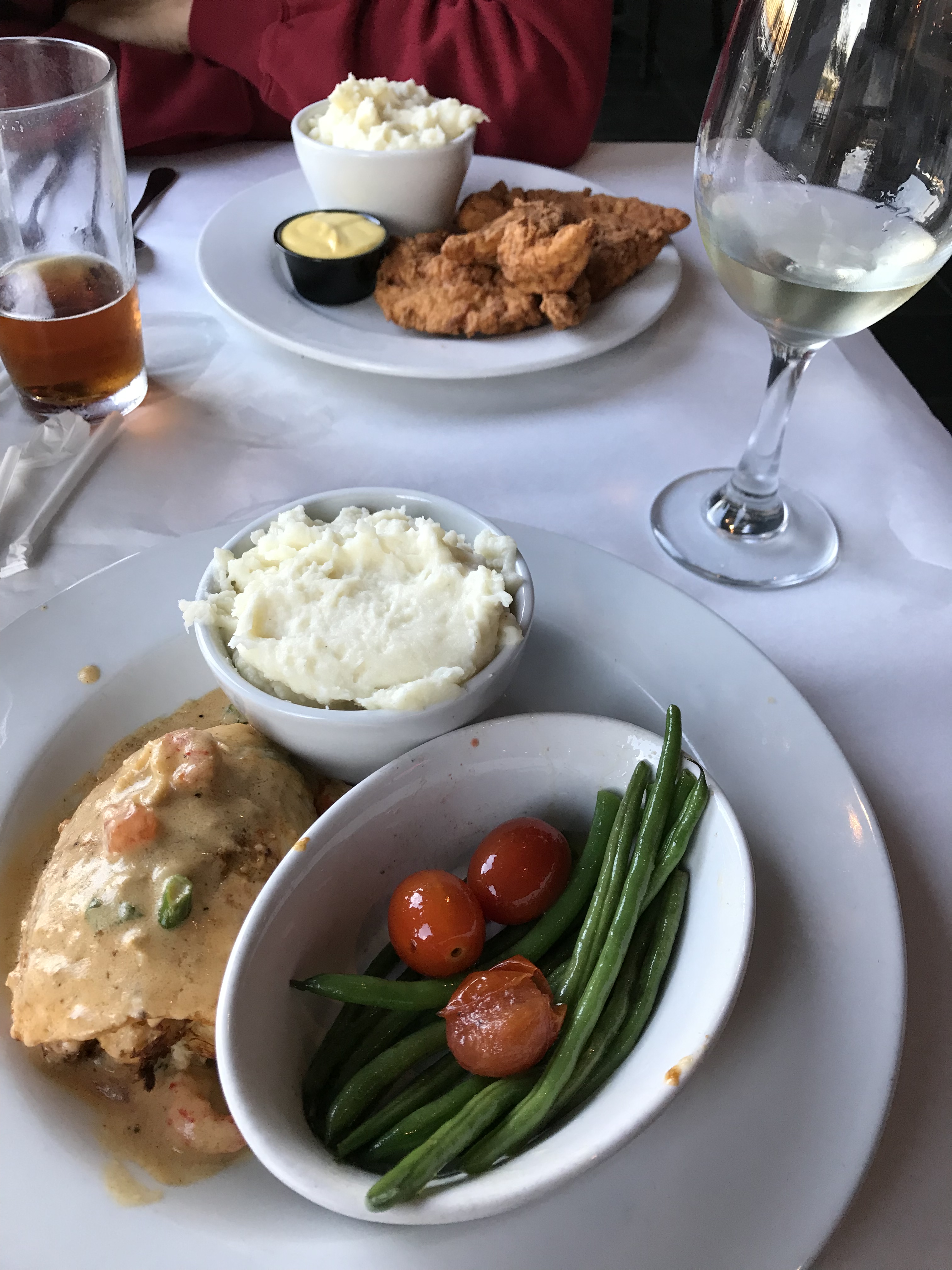
We ate at Huey’s, a restaurant in the docks, so we could watch the boats while we ate. I had fish roulade, with mash and green beans—it’s not always easy to find somewhere that serves vegetables here. It arrived with a salad and cornbread. The cornbread was nice, but sweet, like syrup sponge without the syrup.

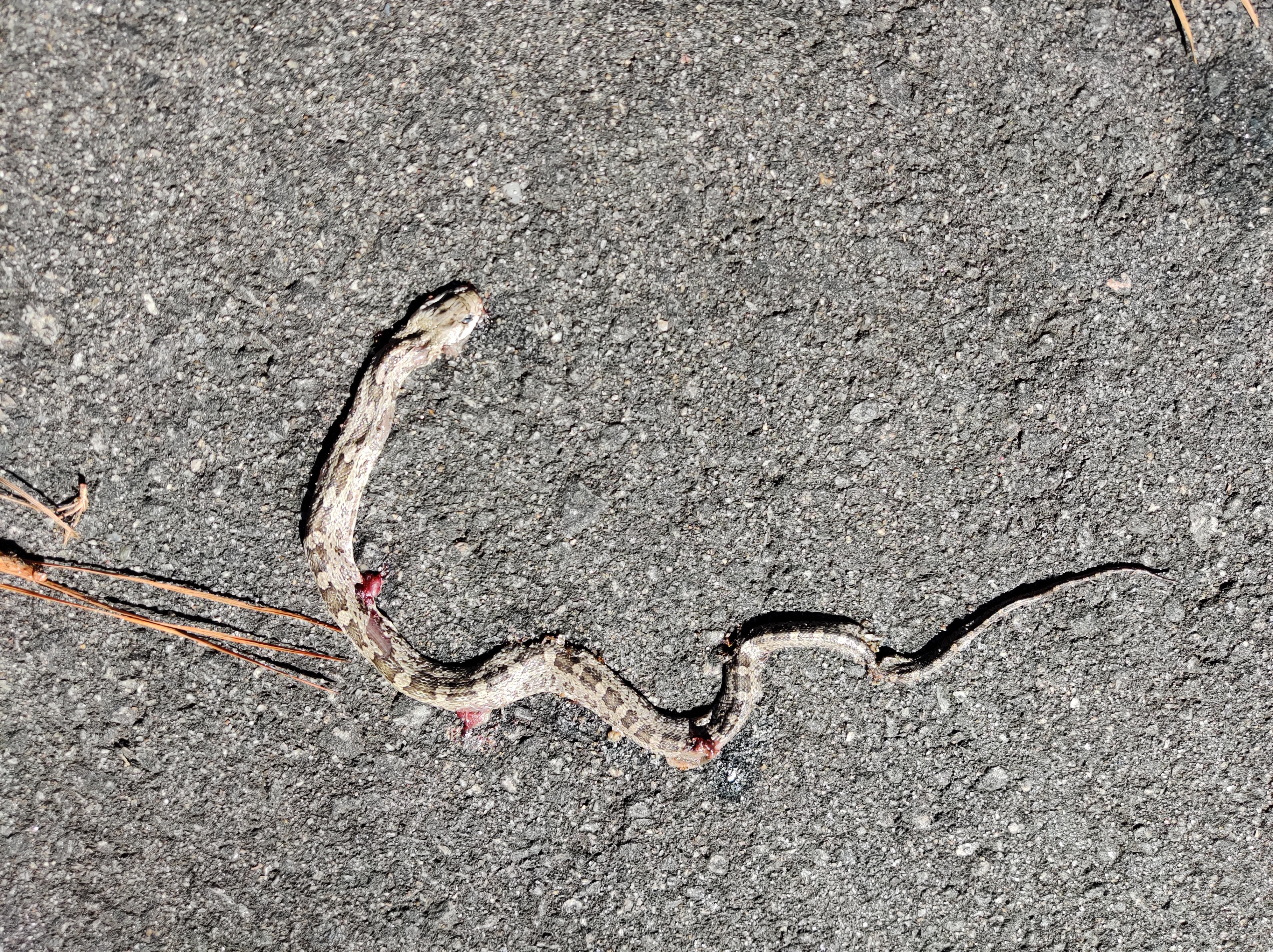
The following day we got up early and went for a run. We walked down the stairs, and there, squashed, was a dead snake. . . except Husband helpfully pointed out that it wasn’t a dead snake, it was a discarded snake-skin, and the snake (a rattle snake) was still lurking somewhere. Not a great start.

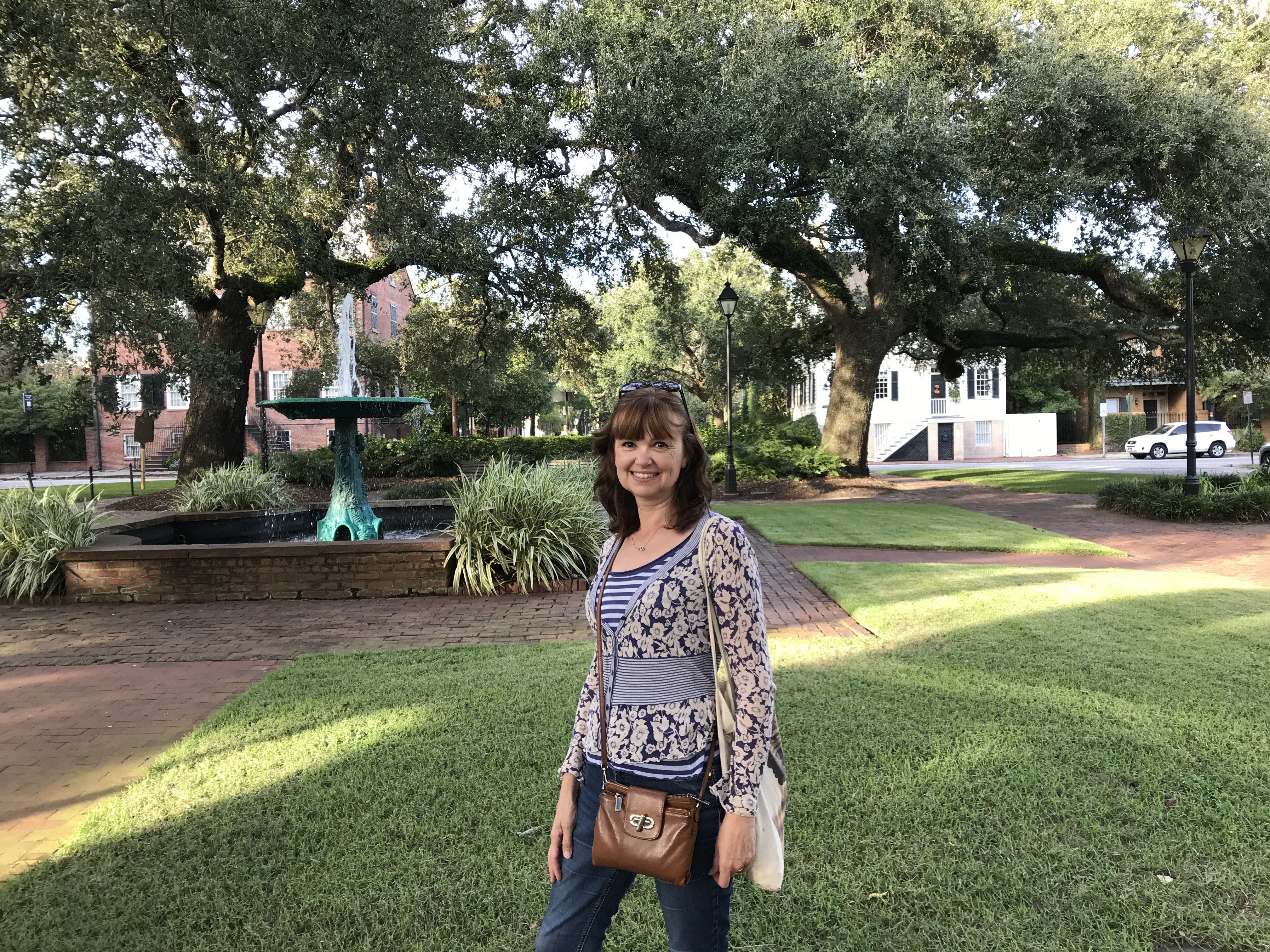
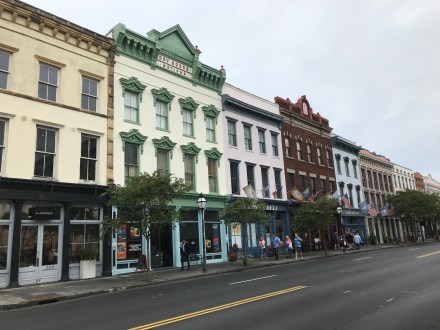
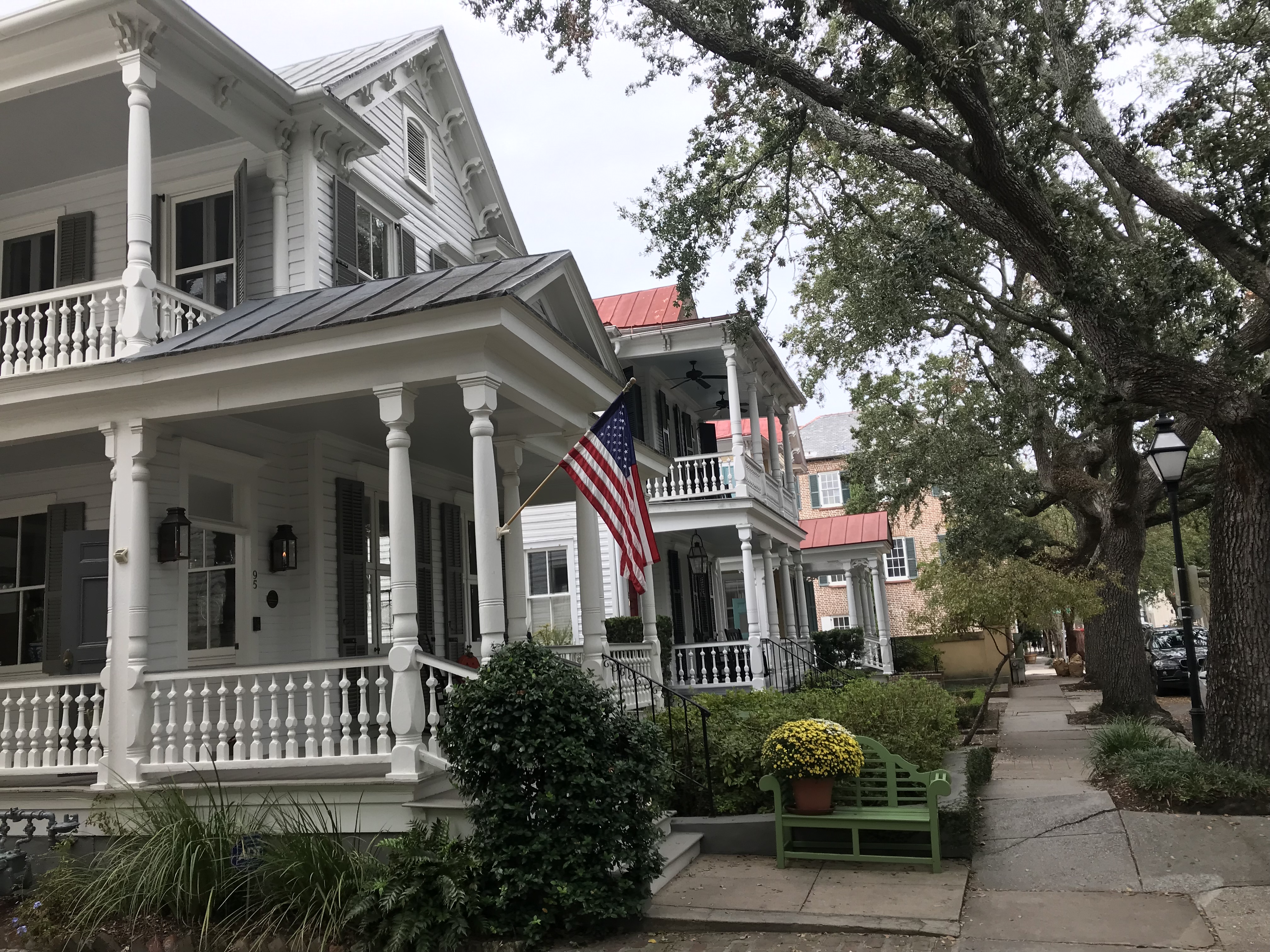
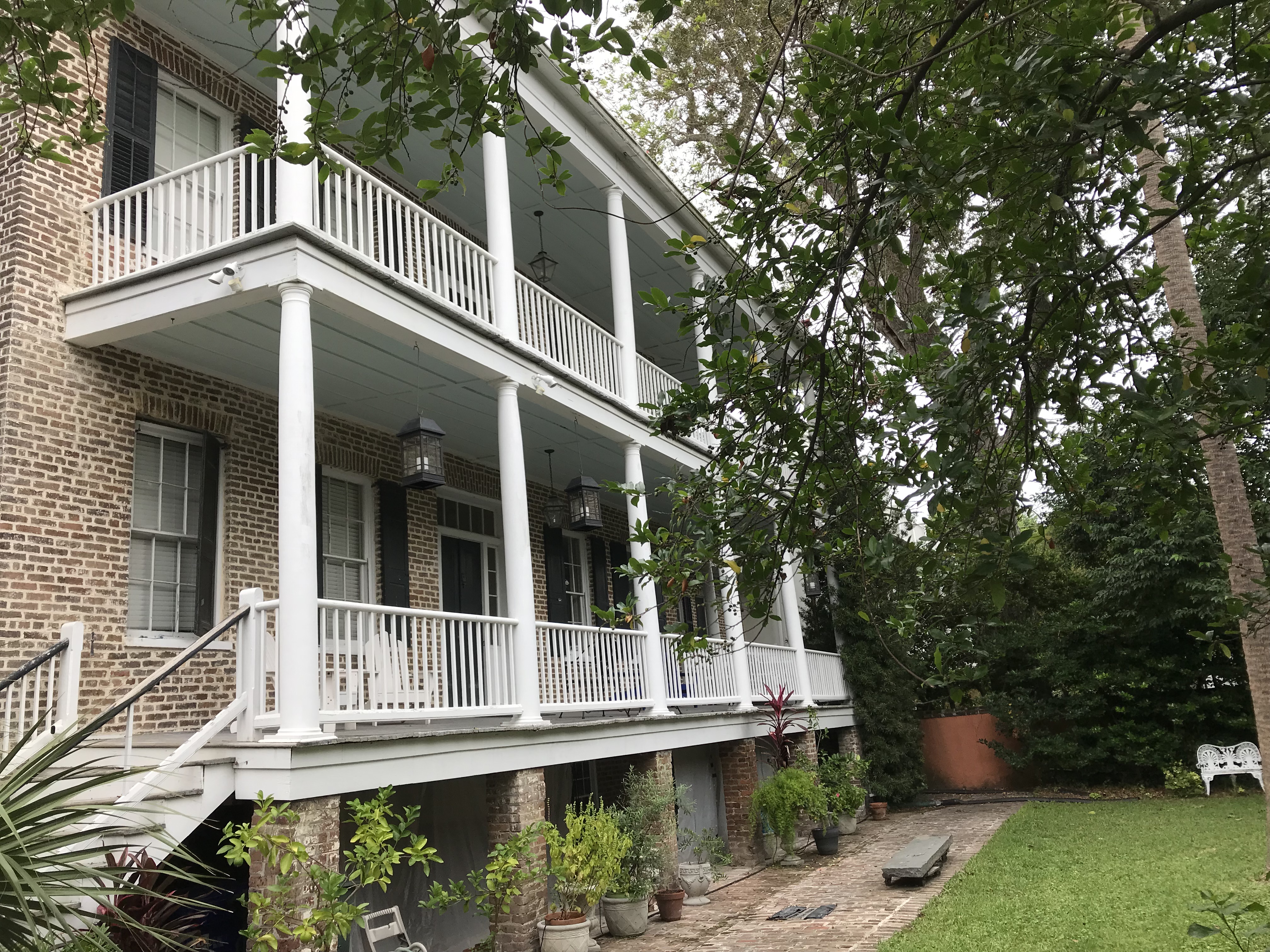
The air outside was crisp and cool. It was the best run ever, watching Savannah wake up. Originally, Savannah was built during unsettled times, by a general, and he built it defensively, on a grid system with forts at every junction. Those forts have now been replaced with parks, so at every block, there is a pretty square with trees and fountains and benches. We ran through them. There were lots of roads to cross, but most had crossings where pedestrians had priority, so we rarely had to stop. The only thing to be careful of was the uneven paths, where tree roots had pushed the brick paths up into mounds and gullies. The streets have old, 3-storey brick houses, with flat roofs and painted shutters. It’s very pretty, and early in the morning you see real people doing real things: coffee shops full of workers collecting their take-out coffees, firemen sorting out their fire trucks, workmen on building sites, street cleaners and homeless people.

Back at the hotel, as we went down for breakfast, a woman joined in our conversation. This is normal here—everyone is very chatty. Even the lift talks! I took my china mug into breakfast, and had waffles and fruit and coffee–it all tastes better when it’s not in disposable cups.

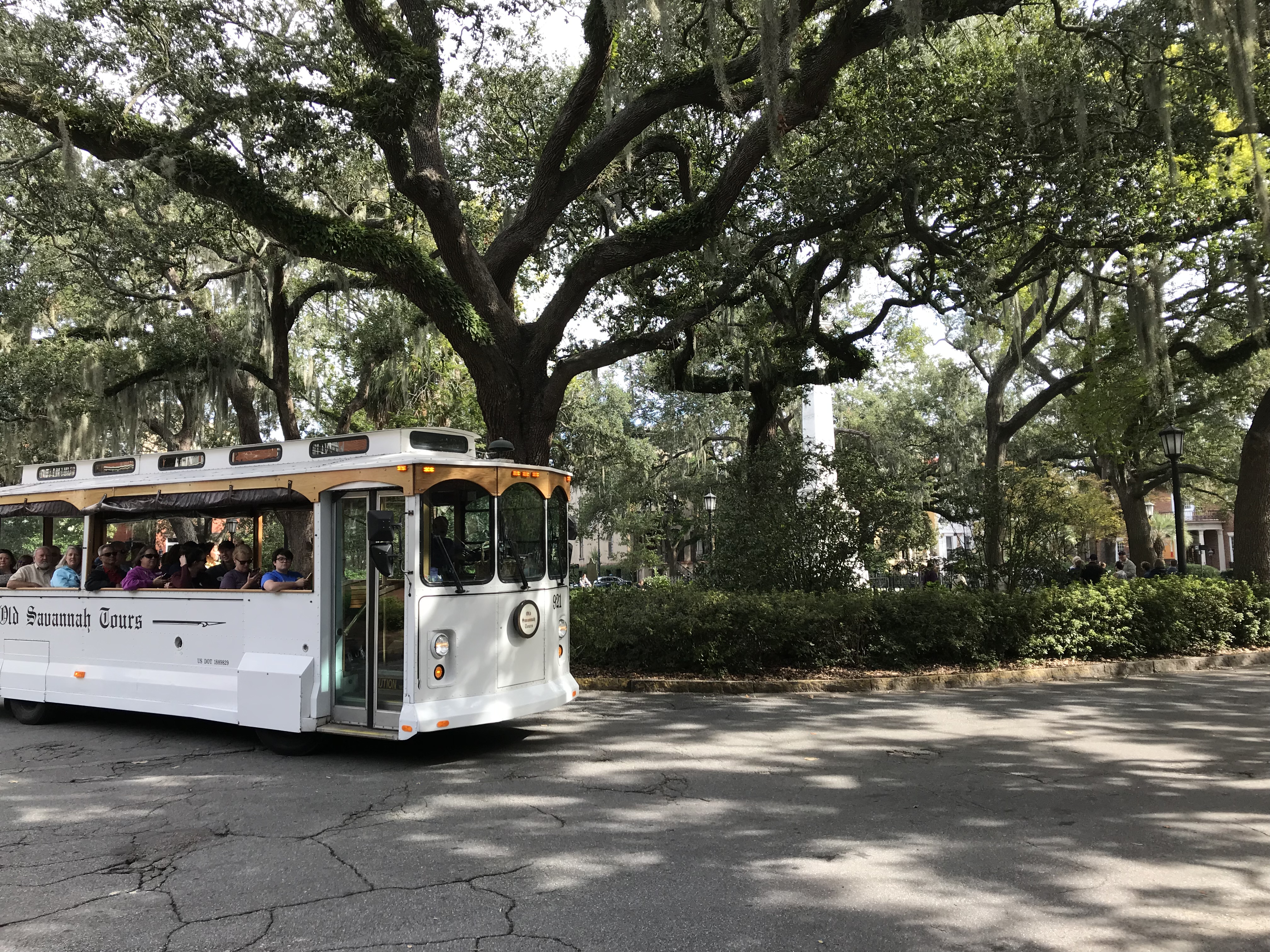
We spent the day wandering around, admiring the squares. The weather was warm in October, but pleasant enough in the shade, and there is a lot of shade. All the trees are covered with Spanish moss, and there are trees everywhere. If you have watched the Forest Gump movie, you might remember a scene where he sits on a bench chatting while waiting for a bus. This was filmed in Savannah, and the square behind him is typical of all the squares here.

We returned to the river in the evening. There are lots of plaques, describing the slave trade, and one mentioned a book, written by a slave: Olaudah Equino. I bought a copy, and will tell you about it another time. Savannah was one of the main ports that traded slaves.

We ate at Huey’s again, and finished with pecan pie—another traditional dish. It has sorghum in it, a cereal grain, which looks like corn and is made into a syrup. It was probably introduced from Africa, as it grows well in drought conditions. . . another whisper from the past about what the slave ships carried.

We walked back to our hotel. All the crossings have very bossy lights (honestly, Savannah is a very chatty place!) The lights speak to you, as soon as you press the button, they start to shout: ‘WAIT! WAIT!’ In my other ear I have husband, saying: ‘Right, get ready, we can make a dash for it after the next car…’ So hard to know which one to obey.

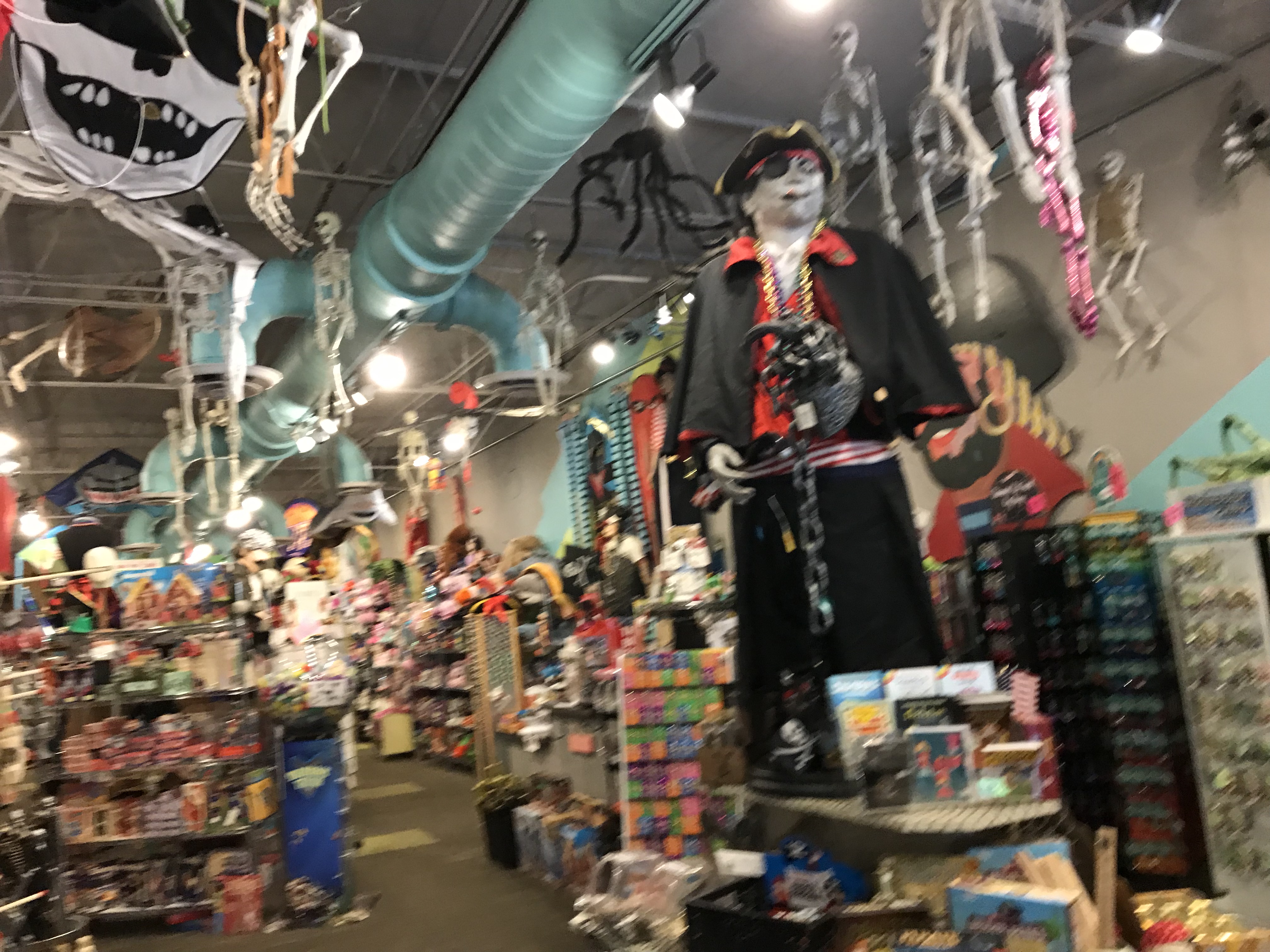
I hope you stay safe today. Thank you for sharing our adventures, our next stop is Amelia Island and all things pirate. . . Take care.

Love, Anne x

Why not sign up to follow my blog?
anneethompson.com

Look on your device for this icon (it’s probably right at the bottom of the screen if you scroll down). Follow the link to follow my blog!

Travel with a family…always unexpected.

Thank you for reading. If you enjoy my travel blogs, you will love my travel book: The Sarcastic Mother’s Holiday Diary. Available from an Amazon near you.

UK Link:Here


US Link:Here


Charleston. . . and Friendly Fred


Charleston

We drove to Springfield Suites in Charleston. We’ve stayed at a few Springfield Suites, so it felt nicely familiar. They are all very close to a motorway, very clean, and the room layout is almost identical. This one, near Charleston, overlooked an area of swamp, so that was a little different (usually the view is of several major roads converging!)

There was a hotel shuttle bus, costing $6, to the centre of Charleston. Fred the driver was very chatty, and gave us recommendations for places to visit. His favourite place to eat (apparently) was Mason’s Lobster Rolls. We arrived at lunch time, so followed Fred’s directions, and found Mason’s. The lobster rolls were delicious—freshly baked bread, filled to almost overflowing with lobster. However, at $15 each, they were rather over-priced, and I highly doubt if friendly Fred ate there as often as he said, and I wondered if he was related to Mason or had shares in the business.

We walked around Charleston. There were lots of pretty colonial houses, tree-lined streets, markets, and estate agents, art galleries and bridal shops. (Honestly, there were a LOT of bridal shops!) Most of the buildings had plaques on them, telling you who had lived there in the past. To be honest, they would only interest someone who was really, really, interested in American history.

We found the old slave market, which is now a museum, and gives lectures on the history of the slave trade. I peeked through the door, but it seemed to be mainly old photographs, which I assumed would be talked about by the tour-guide, and I wanted to see actual places, to ‘feel’ how a slave market would have been, so we didn’t go in. This was, I feel, a mistake. I later read the guide book, and realised I had missed an ideal opportunity to learn more about slavery, and to see one of the busiest market places in the area.

We walked to the waterfront, and looked across the river to a big naval ship. There were water birds and seagulls, and people wandering aimlessly, and big swings where you could sit and watch the water.

I bought a fridge magnet in Central Market (which has always sold produce, not slaves, despite what we were told by friendly Fred). Then we walked to a coffee shop, and drank coffee (which was horrid) and ate muffins (which were nice). All served in disposable plates and cups.

We ate dinner at California Dreaming, because it was walking distance from our motel. It was a round bar, right next to the water, but as it was dark we couldn’t see the view. The inside was dark too, so I couldn’t see my food properly, which rather put me off eating—how can you check the chicken is properly cooked if everything is dark? I worry about things like that, but then, I worry about a lot of things! We survived, all was fine, we slept well.

Charleston was one of the cities highly recommended by the guide books, but it wasn’t a place I need to return to. It was very pretty, with all the painted houses, and flowers, and horse and carriage rides—but I couldn’t really get a feel for it as a real place. There was something a little twee about it. Plus, although the houses were very pretty, I kept wondering how many were only possible due to the busy slave trade, and whether it was okay to admire things that were only possible because other people had suffered terribly. It didn’t feel honest, somehow–but maybe I was simply in the wrong mood, and I’m sure a single day is not long enough to do justice to a city.

The next day we headed for Savannah, I’ll tell you about it in my next blog (it was one of the places I absolutely loved!)

Thank you for sharing our adventures. Take care.

Love, Anne x


Thank you for reading. If you enjoy my travel blogs, you will love my travel book: The Sarcastic Mother’s Holiday Diary. Available from an Amazon near you.

UK Link:Here


US Link: Here


Edisto Beach. . .squashed snakes and cycling


Second Day in Edisto:

We ran this morning, for 25 minutes, around the Wyndham complex. This is an area in Edisto Beach, where the swamp has been partially drained, and filled with condos and a golf course. The little road meanders around the houses, lined with trees dripping with Spanish moss, and next to pool and rivers filled with turtles and fish leaping, and alligators. We didn’t see any gators. It had rained earlier, so I looked out for snakes, but we only saw one, which was squashed on the road (and one of us—not me—nearly trod on it. Twice!)

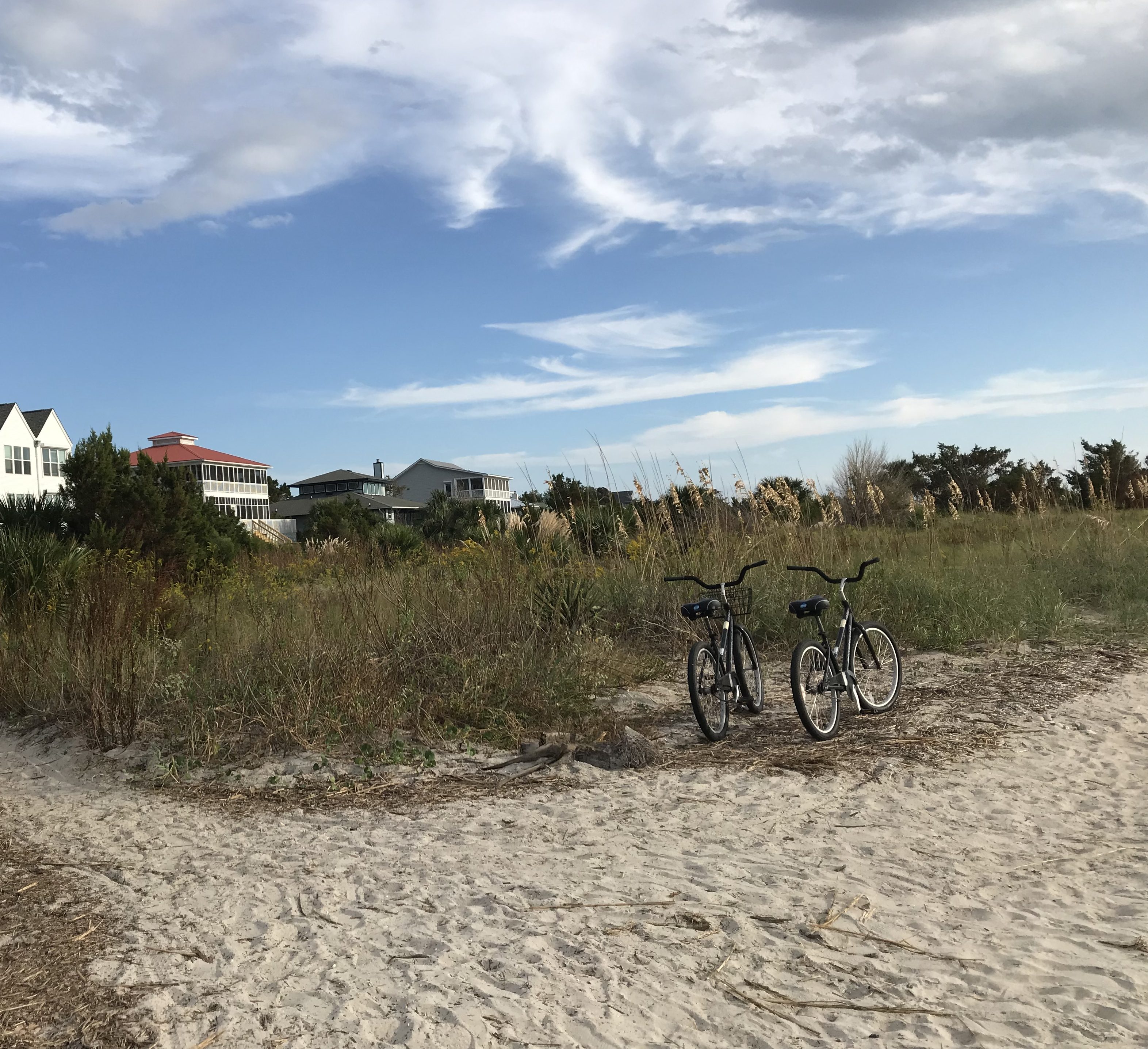
After breakfast, we walked to the end of the road and hired bikes. We asked if we needed locks, but were told: “We don’t have much trouble with things like that round here. Y’all just leave them where you want, they’ll be waitin when you return.”

We cycled round the island, enjoying the tree-lined streets, the views of the swamp behind the houses, the little shops. We stopped at a gift shop and I bought a fridge magnet, and a china mug. This trip has been very lacking in china mugs—everywhere serves coffee in disposable cups (so much waste!) and so now I can carry my own cup around with me.

We ate bagels and fruit back at the condo, then cycled to the HiLo supermarket and bought a tub of Ben and Jerry’s ice-cream. We sat on a washed-up log on the beach, and ate the ice-cream (I ate most of it). Then we cycled, quite fast, to the beach by Access 37. The beachfront tends to be blocked by houses and condos, but there are regular access points, which are numbered; some access points have parking areas next to them. I expect in busy times it becomes rather competitive to find a parking space, but it was empty in October.

We arrived at the beach in time to watch the dolphins. Someone had told us that they return at the same point in the tide each day, heading for the creek, where they fish. Apparently, if you’re very lucky, you can see them in the creek fishing—they leap in the water, making a huge wave which washes ashore, causing fish to be stranded on the beach. The dolphins then lurch forwards, and eat the fish, before heaving themselves back into the water. Occasionally they get stranded themselves, and have to be rescued. We didn’t manage to see that, but we did see them heading towards the creek, leaping through the waves. It was wonderful again.

We returned to the bikes, enjoying the warm air, the sea, the sand. There were butterflies in the grass, and crabs scuttling along the sand, and dragonflies floating past. It felt like nature was waking up for the evening.

Dinner was at The Waterfront restaurant again. I had Creole Shrimp (a traditional dish here). It was tasty, and went well with a Bud Light. I was too full of ice-cream for a dessert.

I have loved staying in Edisto Beach. It has a slightly wilder, more natural feel than some of the other islands we have stayed at in the past, so it feels slightly less safe but also has a natural beauty that I rather fell in love with. Next stop is Charleston, I’ll tell you about it in my next blog.

Thank you for sharing our adventures. Take care.

Love, Anne x

Why not sign up to follow my blog?
anneethompson.com

Thank you for reading. If you enjoy my travel blogs, you will love my travel book: The Sarcastic Mother’s Holiday Diary. Available from an Amazon near you.

UK Link: Here


US Link: Here
 

Driving from Atlanta to Edisto Beach


We left Atlanta and drove all day. We had decided to book an Airbnb, and were feeling a little nervous, as although our children (and most of the world) have used Airbnb, we never have ourselves, and we were a little unsure as to what, exactly, we had booked. We had found a location, Edisto Beach, which was a nice distance from Charleston, and had vacant properties. However, we discovered that the website we were using had generic photos, a selection of shots from several properties, and not specific photos of the actual condo we would be renting. So actually, we had no idea whether we were heading for a shack or somewhere nice! Husband assured me that if was terrible, we could sleep in the car and head for a hotel the following day. I wasn’t sure a night in the car would be quite as much fun as he was suggesting.

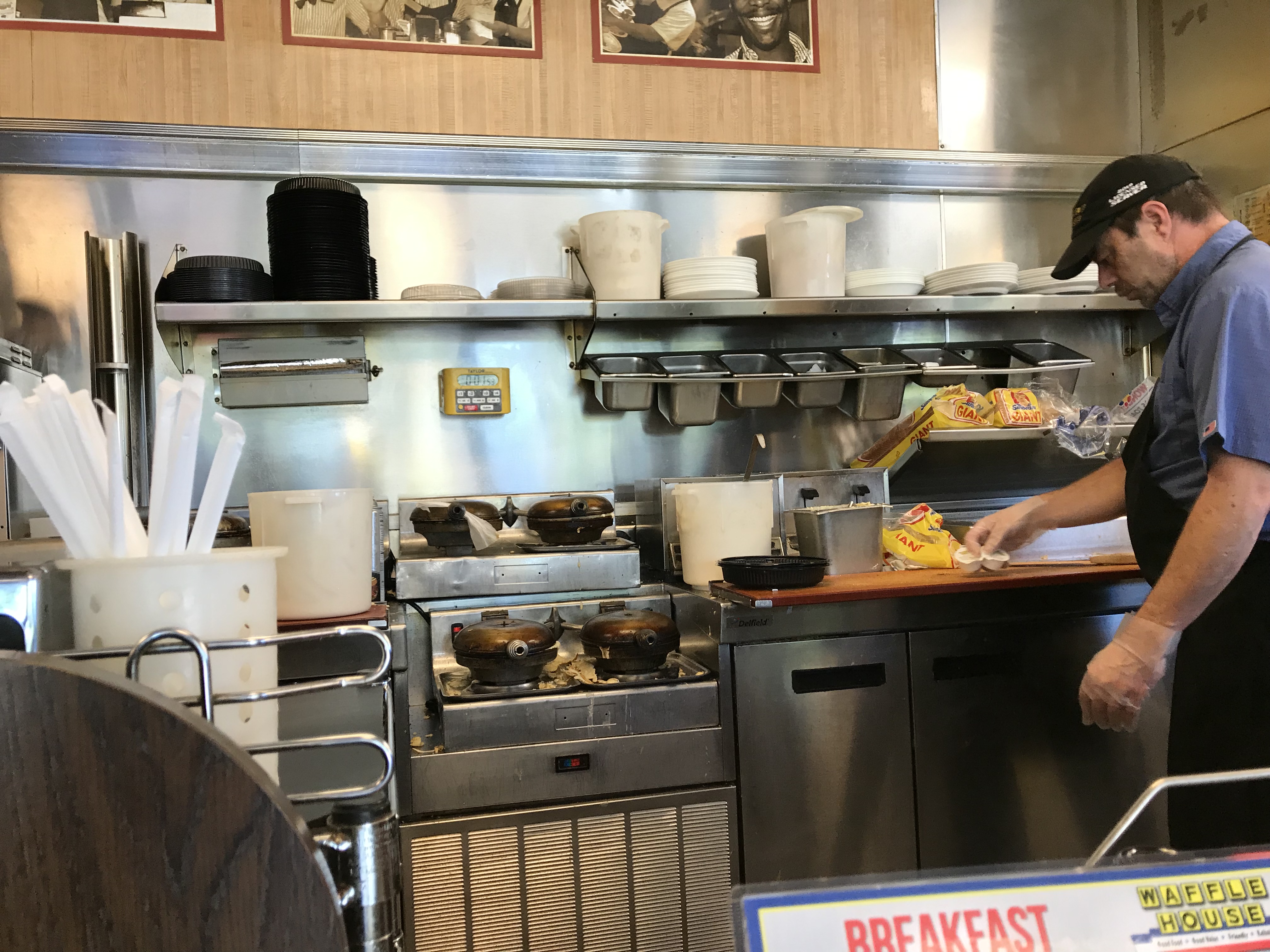
We drove along major roads, where there were many signs for places to eat. When you check on Google maps, some of these are a fair distance from the actual road. One eatery that was often advertised, and was near to the main road, was Waffle House, so we decided to stop and try it. I like pancakes, and waffles are similar, and we had eaten several times at IHOP (International House of Pancakes) and liked it. We thought Waffle House might be similar. It wasn’t—or at least, the one we stopped at wasn’t.

The local area and car park seemed distinctly dodgy, so we parked within sight of the restaurant. I popped to the washroom while Husband asked for a table. The washroom had rusty appliances, dirty floors, and broken locks on the doors. I decided to use my ‘in dirty place’ rules, and only eat hot food that was freshly cooked.

Joined Husband, and warned him not to order anything too fancy. The table was in the restaurant, right next to the open kitchen, so we could watch them while they worked, which was interesting, but not reassuring. The kitchen had possibly been cleaned. . . maybe some time in the mid-nineties. We ordered coffee and plain waffles. Neither could really be messed up, though I wasn’t sure how the batter was prepared. The waitress was very friendly, and gave us the check (bill) with the food. The amounts didn’t quite add up to the total. The waitress saw Husband checking the bill against the prices on the menu and told us, with a smile, that oops! she seemed to have given us the wrong check. She rewrote another one, which tallied with the prices on the menu. We paid and left, neither of us was ill. It was a learning experience. To be fair, other waffle houses might be clean and efficient—if you’ve ever eaten in one, do add a comment at the end. But we weren’t enticed back.

Leaving Atlanta seemed to take ages, but eventually the roads began to run through countryside. At one point we followed a long road, mile after mile, through a forest. There were ‘no stopping’ signs at regular intervals, and when I looked on Google maps—to see what was beyond the trees on either side—it was all fuzzed out. It was clearly some kind of military or government installation.

We bought petrol in tiny places which were in the middle of nowhere (with very dirty washrooms!) and passed seemingly random mailboxes at the edge of roads that had no obvious inhabitants.

We stopped in Allendale for a burger at Hardees. Most people (everyone other than us) was black. Allendale looked like an interesting small town, with remnants of previous affluence, though looked like it was struggling a bit today.

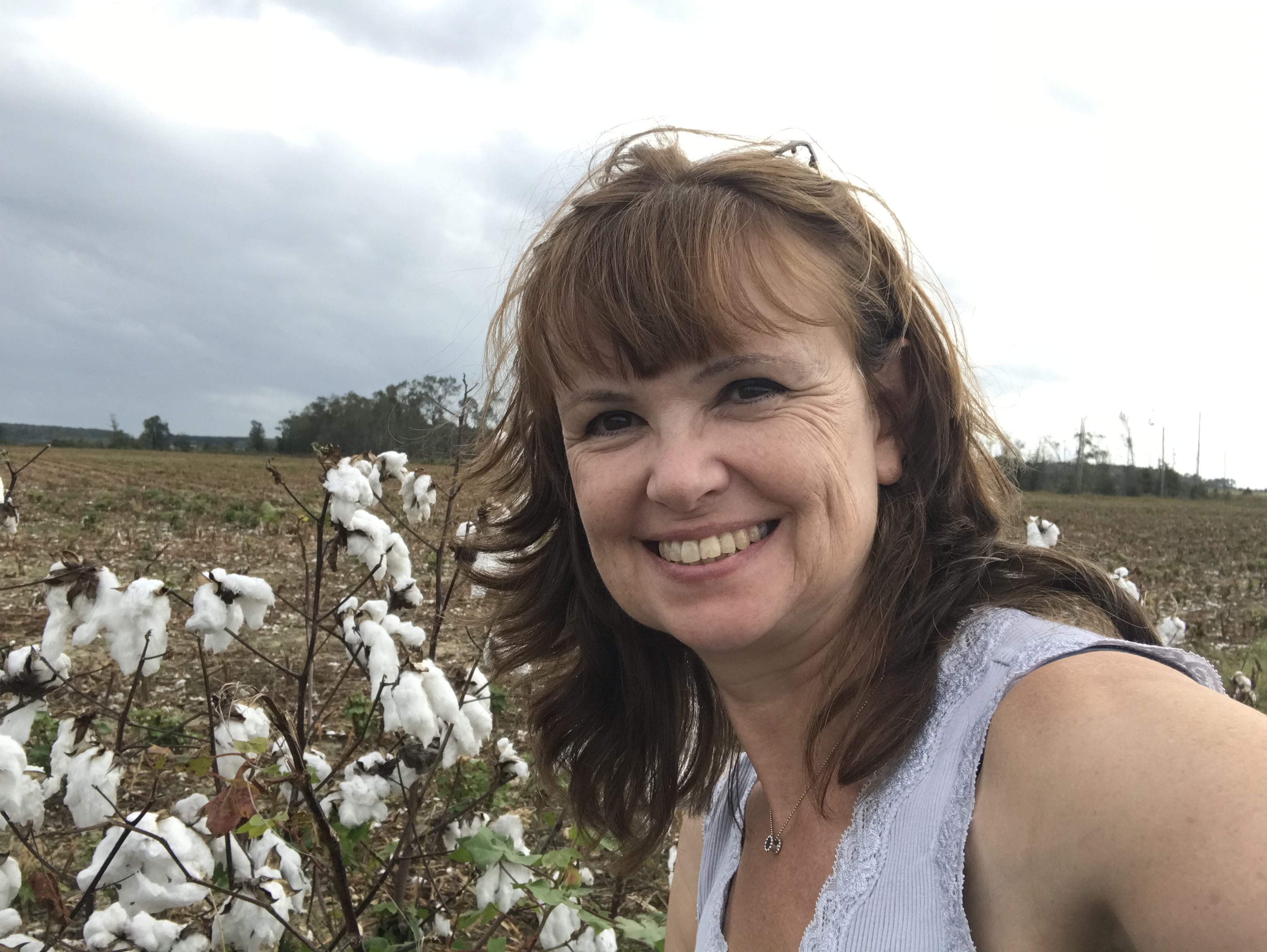
We drove past fields of cotton, fluffy white puffs bursting from crunchy pods on dead-looking plants. Some had already been harvested, and was waiting in round bales, like giant swiss-rolls, waiting to be collected. The weather was hot (at last) and the air was full of tiny flies.

Gradually, the places we drove through became poorer. We passed burnt out cars, and people living in trailers, and uncollected rubbish. We began to worry about what kind of ‘condo’ the Airbnb would be—would it be a dirty shack? On a main road? In a swamp? We had the address of an office, and we had to collect the key before 5pm, so we were feeling tense as we drove along increasingly slow roads (the last 100 miles was on 2-lane roads, through towns with stop lights and railway crossings).

We arrived at the Airbnb office at 4pm. The outside looked fairly basic (like a shed) but inside seemed organised, and the people working there were friendly and efficient, which inspired confidence. They gave us a bag of clean linen (we had agreed that we could make up the beds ourselves) and the keys and directions. I asked if there was anything we should be wary of, and they said no. ‘Oh good,’ I said. ‘I thought there might be alligators!’ ‘Ah, well yes, you might see a gator,’ they said. ‘But no poisonous snakes, or anything like that?’ I asked, hoping for reassurance. ‘Well, it is snake season,’ they said. I didn’t ask any more questions—they were not giving the right answers.

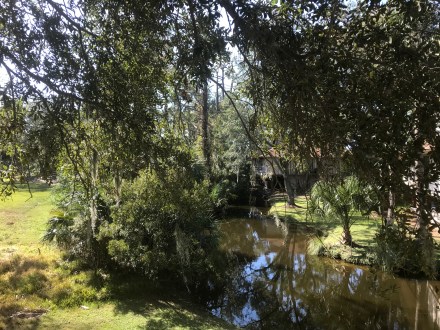
We followed the directions to the condo, which is on Edisto Island. It is amazing! It is in a swamp, but it has been drained, and a golf-course and holiday homes have been built. The essence of the swamp remains, so there are trees dripping with Spanish moss, and pools of water (with ‘beware of the gators’ signs) and the houses are all on stilts. Our condo is up in the trees, and we look down on pools of turtles sunning themselves, and deer wandering around the golf course, and great white birds swooping overhead. I love it, it’s so much nicer than a hotel in a city.

I will tell you more in my next post.

Thank you for sharing our adventures. Take care.

Love, Anne x

Thanks for reading.
Why not sign up to follow my blog?
anneethompson.com

Thank you for reading. If you enjoy my travel blogs, you will love my travel book: The Sarcastic Mother’s Holiday Diary. Available from an Amazon near you. It makes a great gift for anyone who enjoys travel.

UK Link: Here


US Link: Here
 

The Grand Ole Opry. . . and a few old men


The Grand Ole Opry

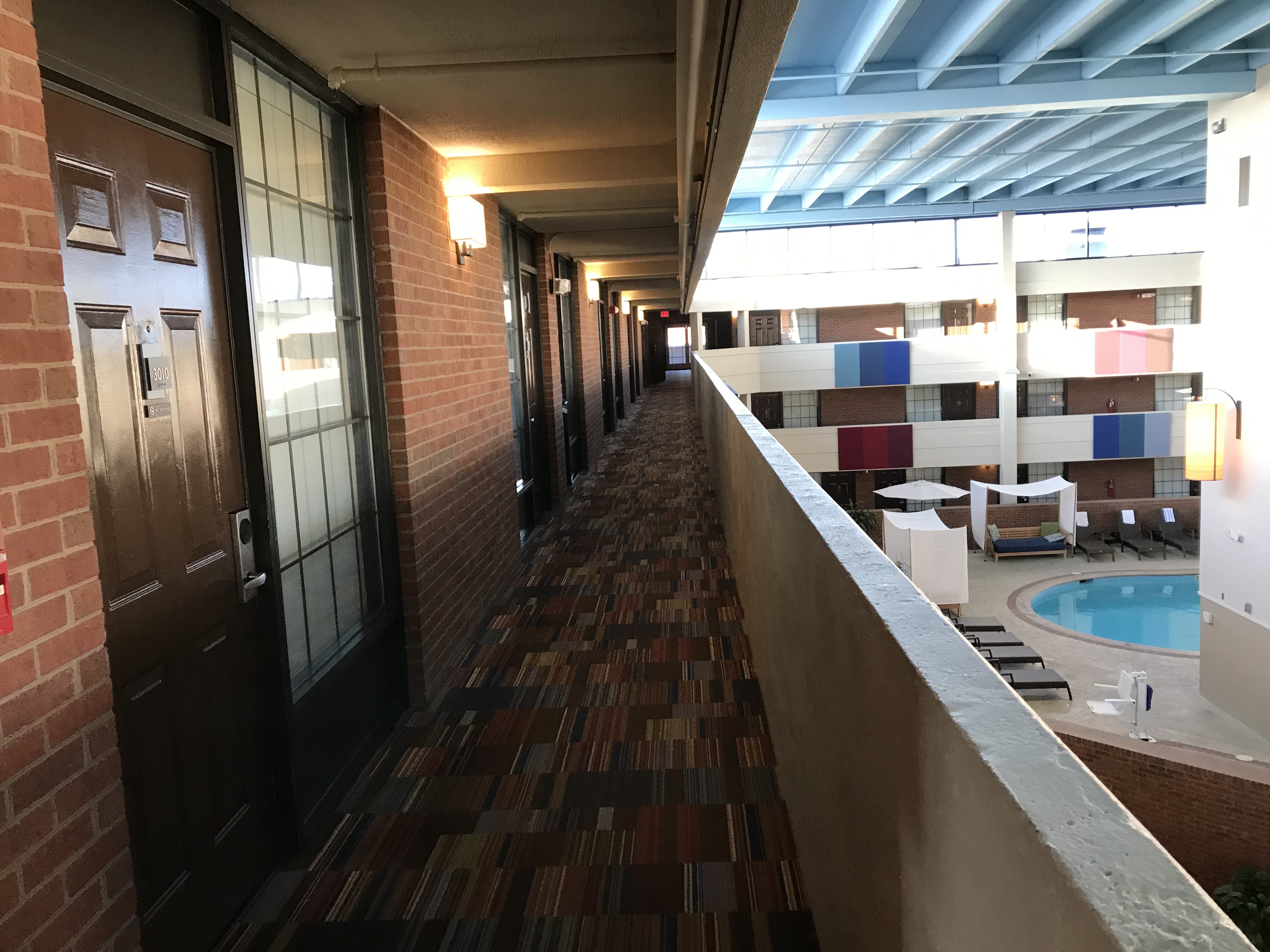
The absolute centre of country music is the Ole Opry, which used to be in Nashville and has now moved to just outside of the city. We felt it would be remiss to not visit, so after visiting the Belle Meade Plantation (see my last post) we drove to the Inn at the Opry. Our room was a motel-style entrance, with an exterior door which actually opened into their convention space (a huge hall with swimming pools and conference spaces and a restaurant, all open-plan under the same roof). It was a little odd, as we had no outside window.

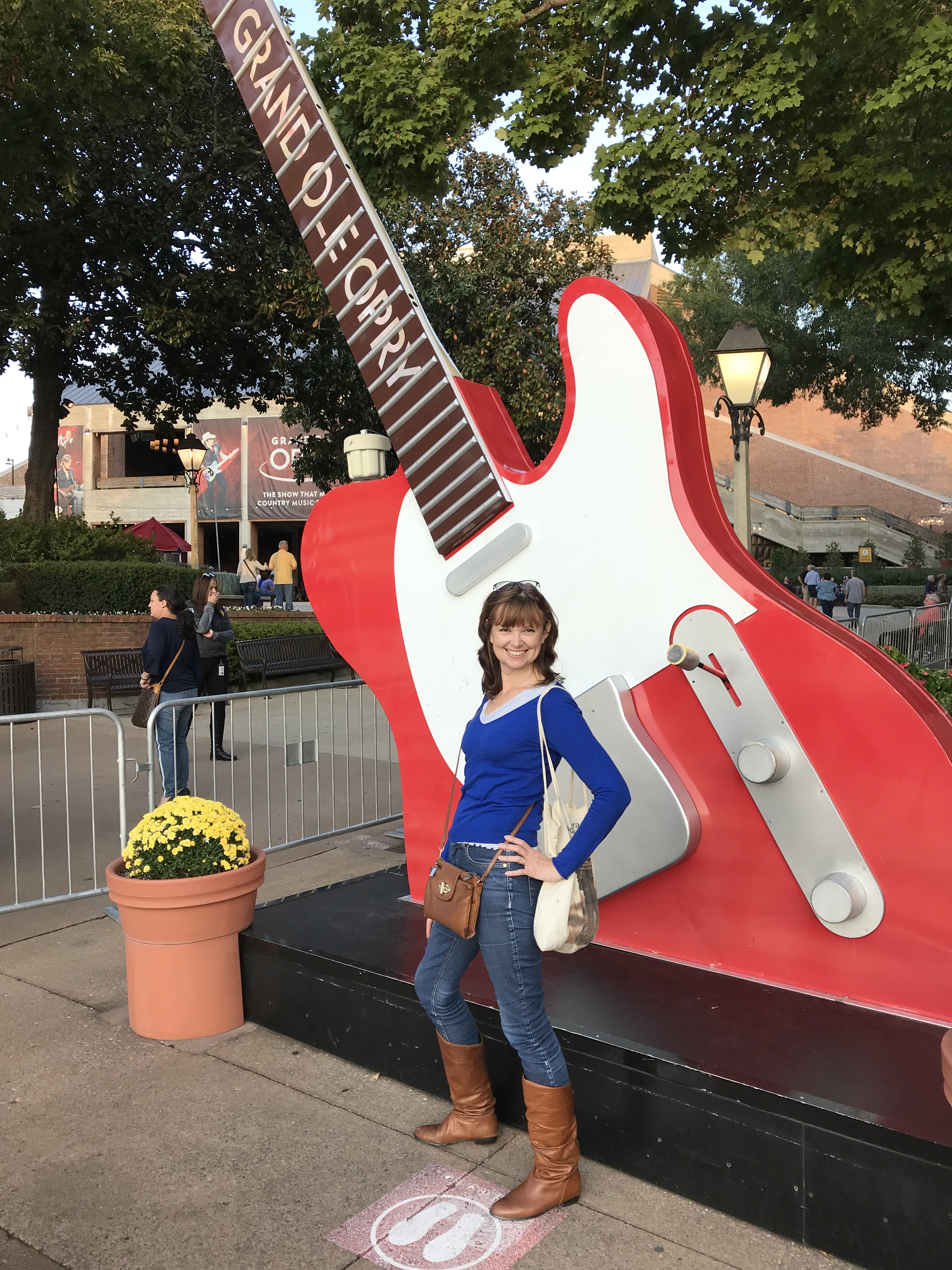
We had an early dinner, then caught the shuttle bus to The Ole Opry. The bus went via a few hotels, picking up excited middle-aged people on the way. The Opry was clearly a ‘thing’. We were met at the drop-off place by a man with a buggy for people who couldn’t walk, and there were giant guitars for photos, and a line of people waiting to go through security. Loud speakers were telling people to leave their guns and knives in their cars (not quite England then).

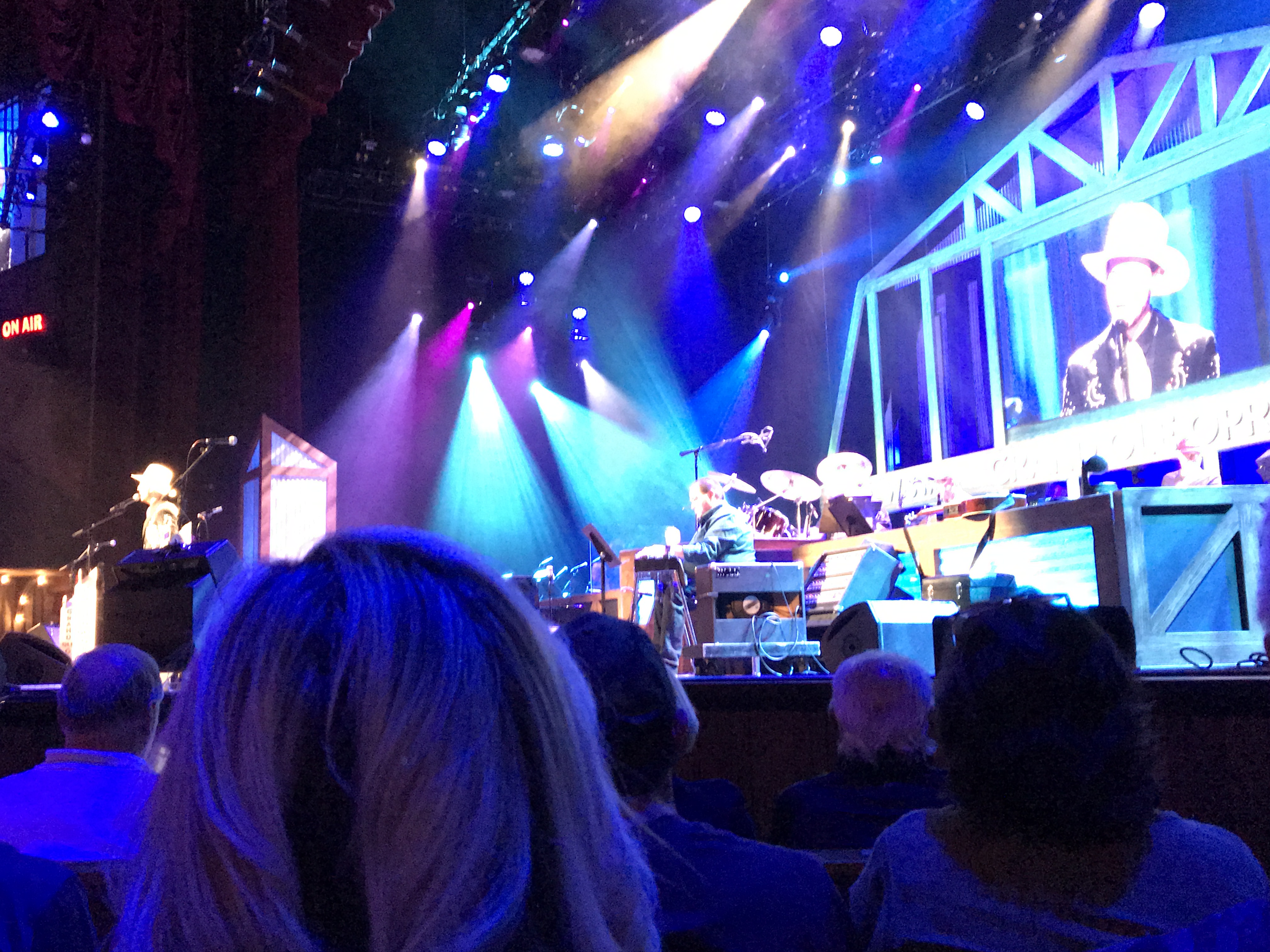
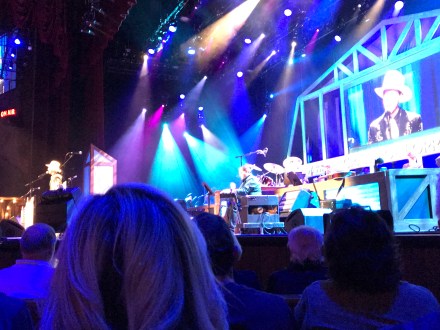
The Grand Ole Opry is actually a huge auditorium with padded pews. This would be comfortable unless someone big shares your pew, as the seats are numbered but not segregated, so you all have to squash together. Everyone was very excited, and I wondered what exactly we had come to—I am not really a fan of country music. There were lots of cowboy boots on feet, and chequered shirts, and friendly chatter.

The compere appeared on stage, telling jokes and encouraging the audience to shout and clap. The audience didn’t need much encouragement. All the veterans were asked to stand, and we clapped them (being a veteran is a thing in the U.S.) It was very bright, overly loud, with smells of popcorn and Tide washing powder and a soup of perfume and deodorant drifting past us. Lots of “Y’all” and “Yee-Ha!” It was so not my kind of place.


The curtain lifted, and there on stage were four old men with guitars and cowboy hats. They must have been nearly 90 years old. I gave Husband a hard stare, but he was avoiding eye-contact. I wondered how long the show would last. And then, the old men started to speak, and they were actually very funny, joking in a depreciating way about their age compared to the young and famous. They played and sang, and it was tuneful and clever and entertaining, and I decided that I did like some country music after all.

One of the acts was Hank William’s grandson, Sam, who was giving his debut performance at the Ole Opry. He’s 22 years old, and I enjoyed his singing immensely.

I have to admit, I don’t entirely ‘get’ the whole glitzy, cowboy, country singing, thing. But the songs seem to encourage wholesome ideals, and some of the music I enjoyed. Sometimes it’s just fun to be with hundreds of enthusiasts, and you catch a little of their excitement. I would say that even if you’re not a fan of country music, if you’re in Nashville, visit The Ole Opry for an evening—you might find that you enjoy it.

Thank you for reading my blog. Our next stop was Atlanta (see previous posts) and then we wanted to see the Carolinas. We discussed where to stay, and decided that after two weeks of hotels, it would be nice to stay somewhere that we could get up late and eat cereal for breakfast, so we booked an Airbnb. Although our children use Airbnb frequently, we’ve never booked one, so we were a little nervous. Especially as the photos on the website didn’t seem to relate to the actual house we would be hiring. . .but that’s for another blog. Why don’t you sign up to follow my blog so you don’t miss it?

Take care.

Love, Anne x

We spent October on a road trip, driving through the Eastern States of America. We had a fabulous time!
Why not sign up to follow my blog, then you can share our adventures…
anneethompson.com

Thank you for reading. If you enjoy my travel blogs, you will love my travel book: The Sarcastic Mother’s Holiday Diary. Available from an Amazon near you.

UK Link: Here


US Link: Here


Owning Slaves. . . or maybe just benefitting from them.


Belle Mead Plantation

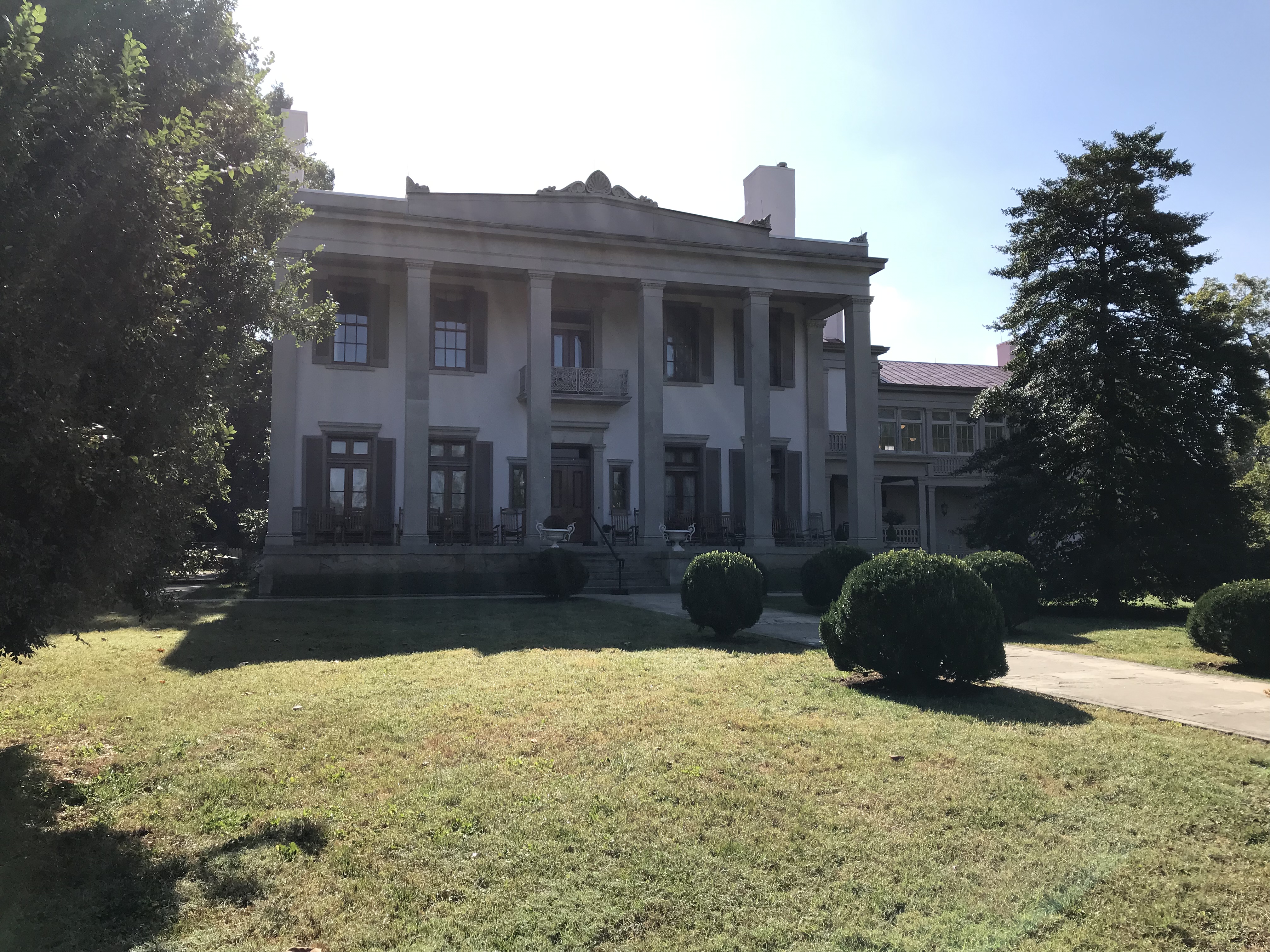
We left Nashville and drove to Belle Mead Plantation. This was an old plantation, where they reared horses, and owned slaves. It was advertised as telling the story of the slaves, rather than simply showing the affluent lifestyle of 1800’s Americans (which is what many plantation tours focus on). We paid for a one-hour tour/lecture.

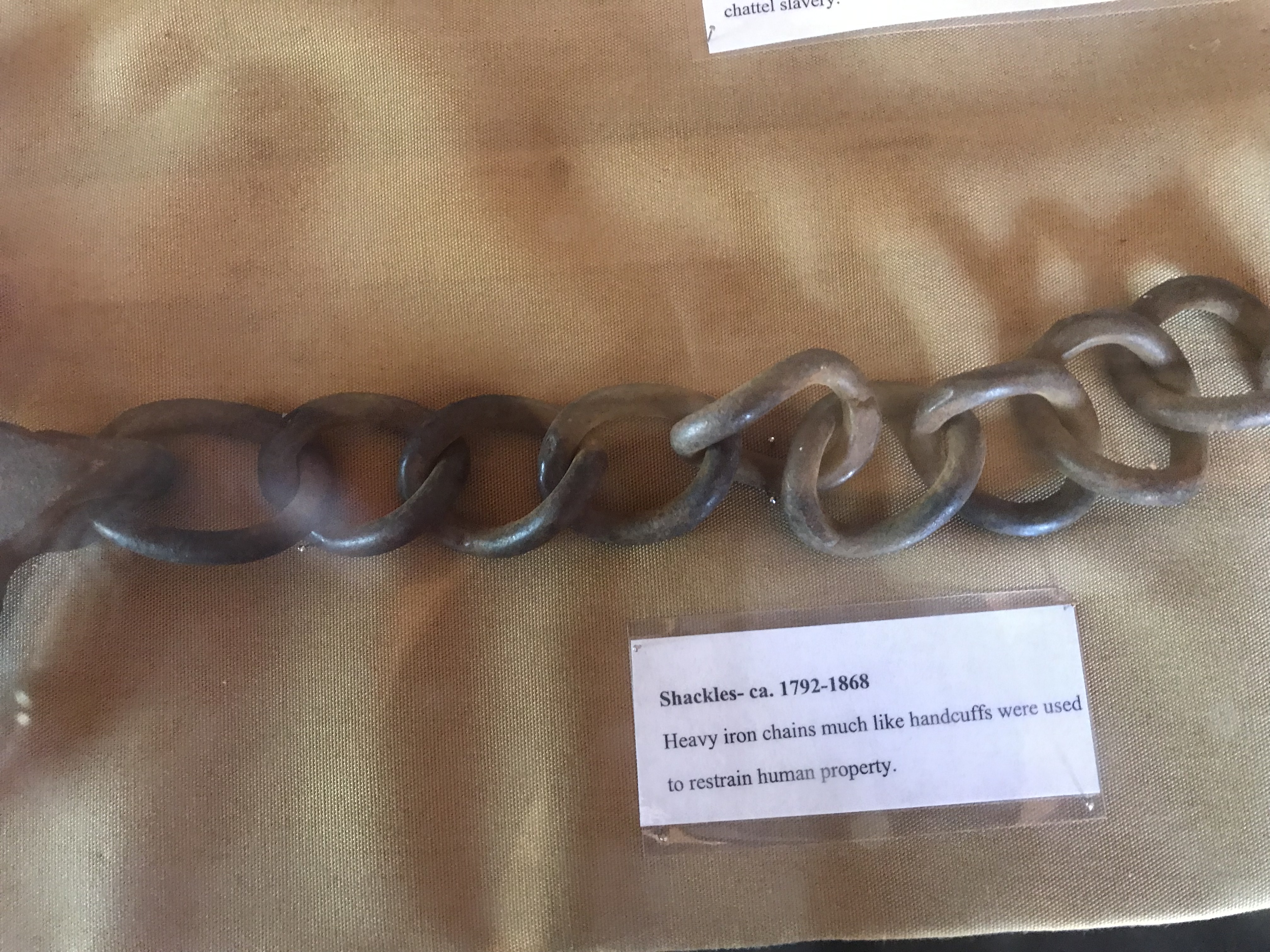
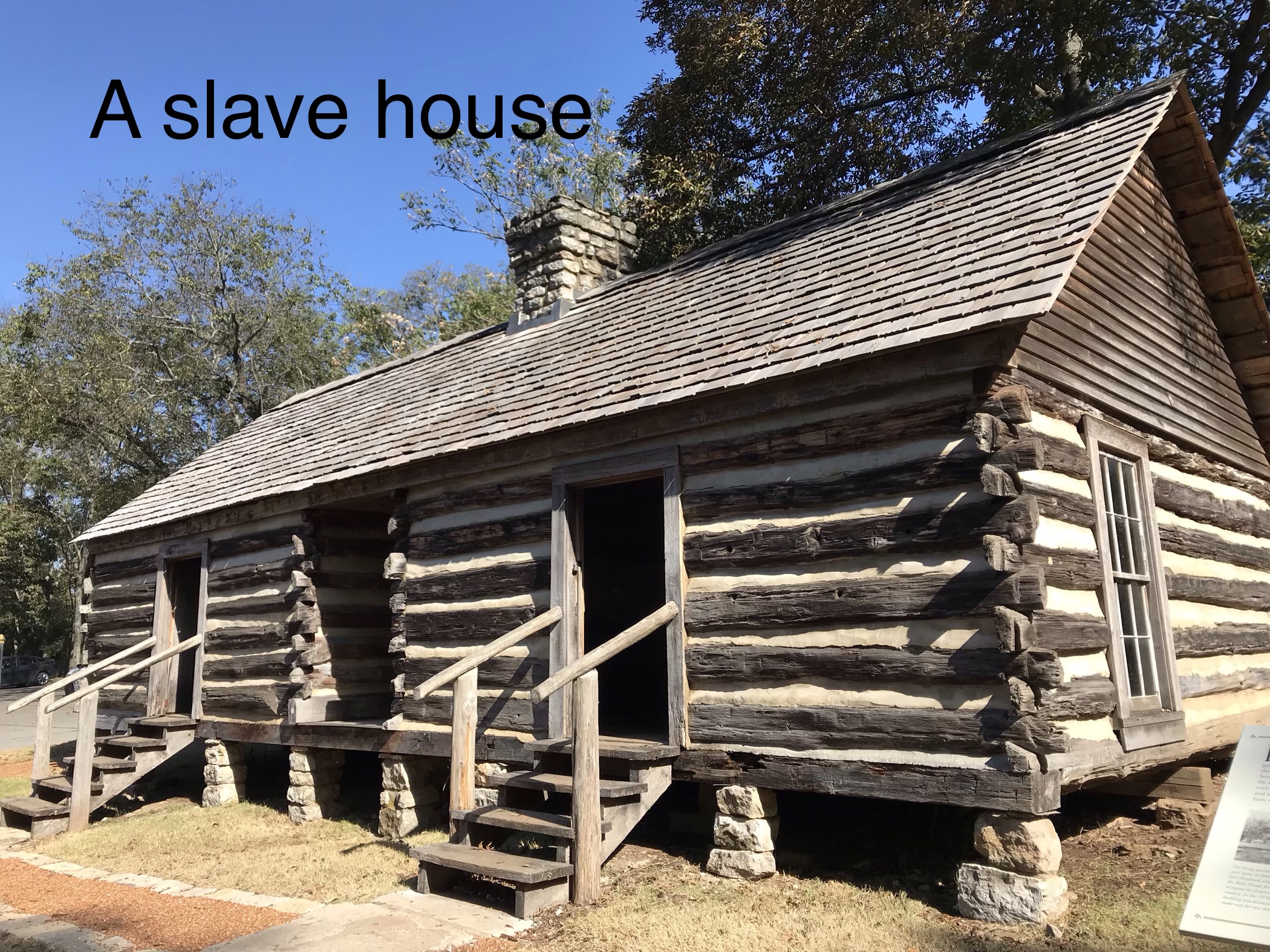
The tour started in a slave cabin (actually, it was reconstructed as all the original slave cabins had fallen down over the years). From the outside, it looked like a log cabin from a cowboy film. Inside, it was a two-roomed structure, with a central fireplace. We heard that 10 slaves would live in each room. Given the size, we could fit about 10 slaves into our garden shed. Imagine—10 people to do all the work we hate doing, and we wouldn’t have to pay them. . . you can understand the temptation in a society where it was acceptable.

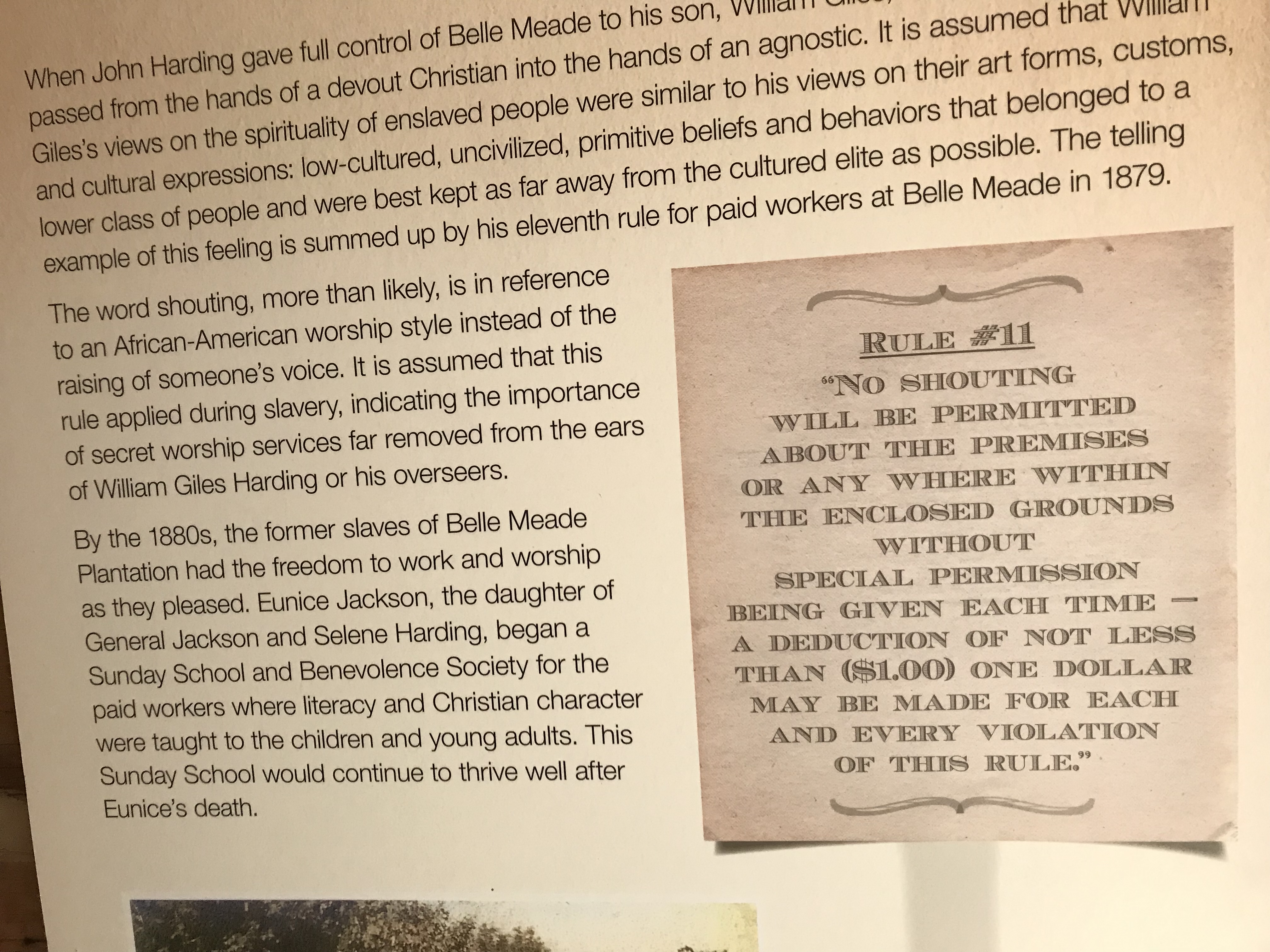
There were 132 slaves living and working on the plantation. It was illegal for slaves to read or write, and they were allowed to have ‘Christian’ services as long as they were quiet and didn’t sing. Our guide was a direct descendent from one of the slaves, and she spoke with passion about their lives, though her talk was more about the politics of the situation, and less about specific details of daily life for the slaves.

Religion was allowed, but only the ‘right’ sort of religion. There was a translation of the Bible aimed specifically at slaves, with certain passages omitted.

White people bought slaves, owned them and could sell them as they pleased. Sometimes they were given as gifts. Family groups could be split up (you could return from your daily work to find your husband had been sold to another plantation and you would never see him again). Any children born to slaves were also owned. Over time, the slaves accepted their role, they considered themselves to be below white people, they lost all self-respect. It wasn’t uncommon for a slave woman to give birth to a white-skinned child. The wife of the plantation owner would know that the baby was her husband’s, but what could she do? She would have huge resentment towards the slave woman. The slave’s husband would also know, but what he could he do? The owner would consider the baby to be his possession, not his child, and the baby would grow up as a slave, possibly owned by their own half-siblings. It made for an unhappy situation. Our guide told us that she was descended from one such child. When she was growing up, if it was sunny, she was warned to stay in the shade, in case she got ‘too black’. Being black, even today, is considered by some people to be less good than being fair-skinned.

The Smoke House

One slave role would have been to smoke the pork. The plantation kept 200 pigs, and these were killed twice a year. They were boiled in a huge vat, salted, and smoked in the smoke-house. The smoke-house was surprisingly near to the house where the family lived—it must have been smelly!

We heard that around the time of the civil war, society began to change, and people started to refer to ‘benevolent owners’ or ‘paternal owners’. They tried to refute the image of the cruel owner who mistreated their slaves. However, the fact was, they thought it was acceptable to own people, to buy and sell people, to keep people captive. Owning slaves enabled plantation owners to grow very rich. This benefitted the population as a whole, including people living in the North, as they would trade with Southern people, selling goods at inflated prices because they knew people could afford to pay. Slavery was good for the economy. It just needed people to not think about the moral issues too deeply.

The civil war resulted in emancipation for the slaves—they were no longer owned. However, they were uneducated, homeless, unemployed. Many had been born into slavery, it was the only life they knew, and they were in affect institutionalised. Although free, they actually had no real choices, and many continued to work for their previous owners, usually for a pittance, because where else would they go?

After the civil war, poor Irish people arrived in the South. They were hated, because unlike poor Americans (who would rather starve or steal than do manual work) the Irish were prepared to do the same work as the freed slaves. There they were, in the fields, working hard doing menial jobs in the hot sun, next to ex-slaves. And because their skin was white, they encouraged the question: “Are blacks and whites the same?” The ex-slaves began to watch the Irish, saw them start at the bottom of society with low-paid work, and gradually rise to better positions, and the black people began to wonder if perhaps they could also aspire to greater things.

When the talk finished, I went to speak to our guide. As I said, she was very passionate about the wrongs of slavery, the injustice of the system, the way that society ‘turned a blind eye’ because everyone was wealthier when slavery was allowed. The abolition of slavery meant a drop in the standard of living of all whites, even those who didn’t own slaves. I asked her what she thought about slavery today.

Today, some countries have people who are slaves. Girls are trafficked for the sex-trade, and poor people are forced to work, for no wage, in factories and on farms. Some of our cheaper brands of clothing are possible only because the workers, often in Asia, have no rights. We hear rumours of child labour, of unsafe factories, of people trapped in poverty. Should therefore, we buy clothes from shops who don’t check where their products are being manufactured? Should we buy cheap jeans and decide we won’t think about the ethics? We don’t see the slaves—they are in Asia—so does that mean that we’re not culpable? I asked our guide if she would avoid buying cheap brands unless she knew they resourced responsibly, or if her anti-slavery passion only applied to the black people of another age. It’s a tough question, but one which perhaps we should all be asking. It’s very easy to judge a by-gone age, and to think we would never do those things. But are we the same?

I challenge you to try and check where your clothing brands were manufactured, and to not buy cheap brands if they are made by slaves.

Take care.

Love, Anne x

Thank you for reading
anneethompson.com
Why not sign up to follow my blog?

Thank you for reading. If you enjoy my travel blogs, you will love my travel book: The Sarcastic Mother’s Holiday Diary. Available from an Amazon near you.  (A great Christmas gift idea!)

UK Link: Here


US Link: Here


Nashville Honky-Tonks. . . and other stuff


 I’m excited to tell you about Nashville, because it was so unexpected!

Before we visited, I read the guide books, and they described honky-tonks. They sounded like fun, so I hoped we’d manage to find one while we were there. I had no idea how significant they are.

Now, Nashville is the centre for country music—this I knew. Think Dolly Parton and Hank Williams. . . For any Country band that wants to find fame, Nashville is the place to be. What I hadn’t really grasped though, was that this means Nashville is the ‘go to’ place for anyone who really loves listening to country music, and that anyone who is a big fan hopes, at some point in their life, to visit Nashville. A sort of Mecca for committed fans. Which means the centre of Nashville is simply teeming with people (even older than me!) dressed in cowboy boots and hats, having the trip they have always dreamed of. It makes it a happy, exciting place, because most people are fulfilling their ambition, and the honky-tonks are full of them.

Now, everyone should visit a honky-tonk. There is a street—Broadway—which is lined with bars (as in, every building is a bar). They are 2-storey red-brick buildings with flashing billboards and flat roofs. Each bar has a band crammed into the windows, playing live music, which is blasted outside through speakers. People listen, sing, clap while drinking beers and eating the sort of fried food that sticks to your ribs and fills your stomach. This is a honky-tonk.

 The bands are extremely talented, so you get to hear the very best country music being played live, all day long. I guess that any country music singer or band that hopes to ‘make it big’ goes to Nashville, looking for a slot in a honky-tonk in the hope that they will be spotted and picked up by a record label. It means the music is excellent. Some of the acts are tribute bands, some play their own music.

We sat and listened to a Johnny Cash tribute band and drank beer, then wandered round the corner to a 7-storey diner for dinner. We ate fried shrimp and grits (big prawns and a sort of creamed sweetcorn mix with garlic and flour, which looks like mashed potato, for my English readers!) and hotpot with brussel sprouts that were fried, and delicious.

Some honky-tonks ask for ID before they will let you in (even from obviously-old people like us). I think it’s the law, so they are all meant to ask for ID, but some places are stricter than others, and it was bit of a shock when I didn’t have my passport with me to not be allowed into a bar because I didn’t have proof of age with me! Long, long time since that has happened. . .

Tuesday, we decided to visit the Country Music Hall of Fame. We walked there, which took most of the morning because the pedestrian crossings have lights, which take absolutely ages to change. Husband spends the whole time telling me we can ‘do a quick nip’ and invariably crosses while the lights are still red—and then waits for me on the other side, so I’m not sure what it achieves.

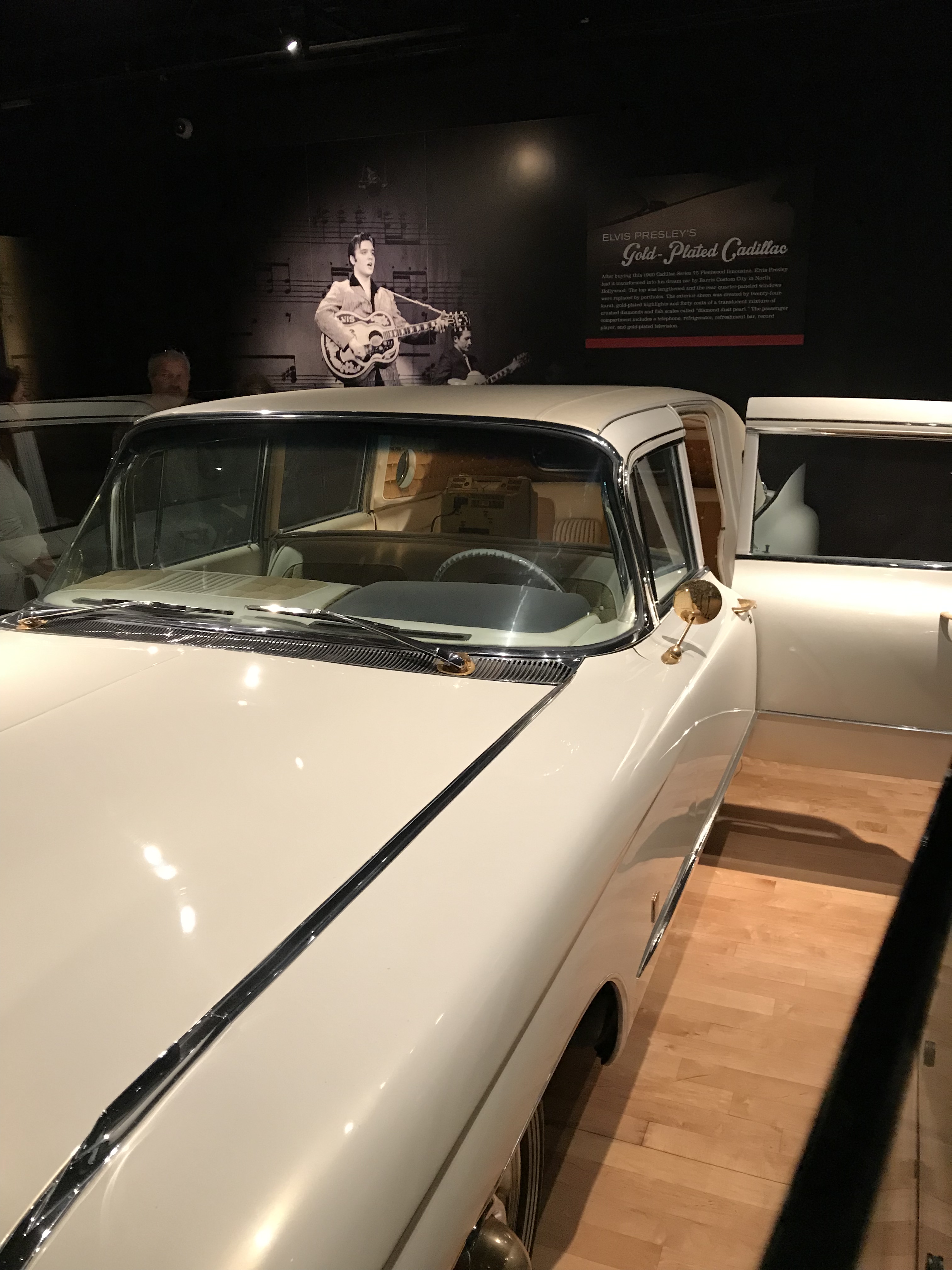
 Arrived at the Hall of Fame eventually and paid an extortionate $25.95 each to enter. I would say, unless you are a big country music fan, then use the money for dinner instead. We didn’t pay for audio guides, so wandered around the museum not knowing what anything was. Most of the displays were about people who I’d never heard of, and there is a limit to how interesting their clothes and shoes are (and that limit was below $25.95!) To be fair, other people were emitting gasps of excitement at photographs of music scores of famous songs (which I didn’t recognise) and they seemed ecstatic at the shoes and handbags of a girl with brown hair (who I didn’t recognise) so perhaps I’m the wrong person to offer an opinion. The only thing of mild interest to me was Elvis Presley’s gold Cadillac.

I learned that: people found the title of ‘hillbilly’ too derogatory, and preferred the image of cowboys, so started to wear the hats and boots and link the style to the music. There were a lot of female comediennes, and they were very famous back in the day. I also listened to a lot of guitar music.

We left the museum as soon as we could without feeling that we had entirely wasted $25.95 (though the feeling lingered) and went for a walk. I was keen to have a coffee in a china mug—this has become bit of a thing with me now, I really hate drinking from disposable cups. It took some time to find anywhere that used china mugs, and we ended up in the Fairlane Hotel, where we over-paid for a bagel, but did manage to have coffee in china mugs.

We walked up to Tennesee State Capitol. Husband asked me if I wanted to walk “up an ugly road or along a pretty river?” We walked along the road (I felt it was the only option, given the question. But it was rather ugly). The capitol was worth a look, and a photograph, but the weather was too hot for it to be good for long. We then returned to the hotel via the river, which was lined with homeless people and felt distinctly dodgy. America seems to have a lot of homeless people, but maybe I just notice them more than in England.

Dinner began with another beer in another honky-tonk. They are such fun! This one had a band singing, and people were swaying along with the music and generally having a nice time.

Walking back to the hotel after dinner, we saw a hot-tub full of girls, being towed around town on the back of a lorry. I’m guessing it was a hen party. The waiter wore a cowboy hat. Not everyone in Nashville is older than me.

We left Nashville via the Belle Mead Plantation. I wanted to learn something about the slave trade here. But that will have to be my next blog.

Thank you for reading. I hope you hear some good music today.
Take care.

Love, Anne x

We spent October on a road trip, driving through the Eastern States of America. We had a fabulous time!
Why not sign up to follow my blog, then you can share our adventures…
anneethompson.com


Thank you for reading. If you enjoy my travel blogs, you will love my travel book: The Sarcastic Mother’s Holiday Diary. Available from an Amazon near you.

UK Link: Here


US Link: Here
 

The Blue Ridge Parkway


The Blue Ridge Parkway

We left Philadelphia and made our way to the Blue Ridge Parkway, starting at the Visitor Centre, where a helpful woman gave us a map and some suggestions, and I bought a fridge magnet. Then we set off.

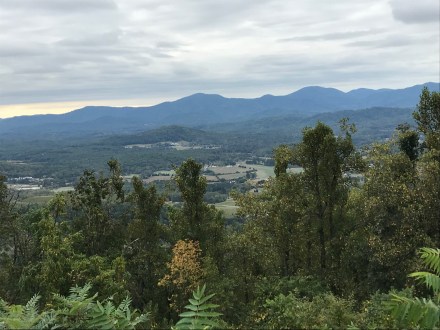
The Parkway is basically a road that runs across the top of the Blue Ridge Mountains. Most of the time the road (hundreds of miles of it) is surrounded on both sides by trees. We were there just as they were beginning to turn for autumn—they would have been spectacular a week later! Then the trees part, and you glimpse valleys, on both sides, stretching away from you, full of miniature towns and farms and forests.

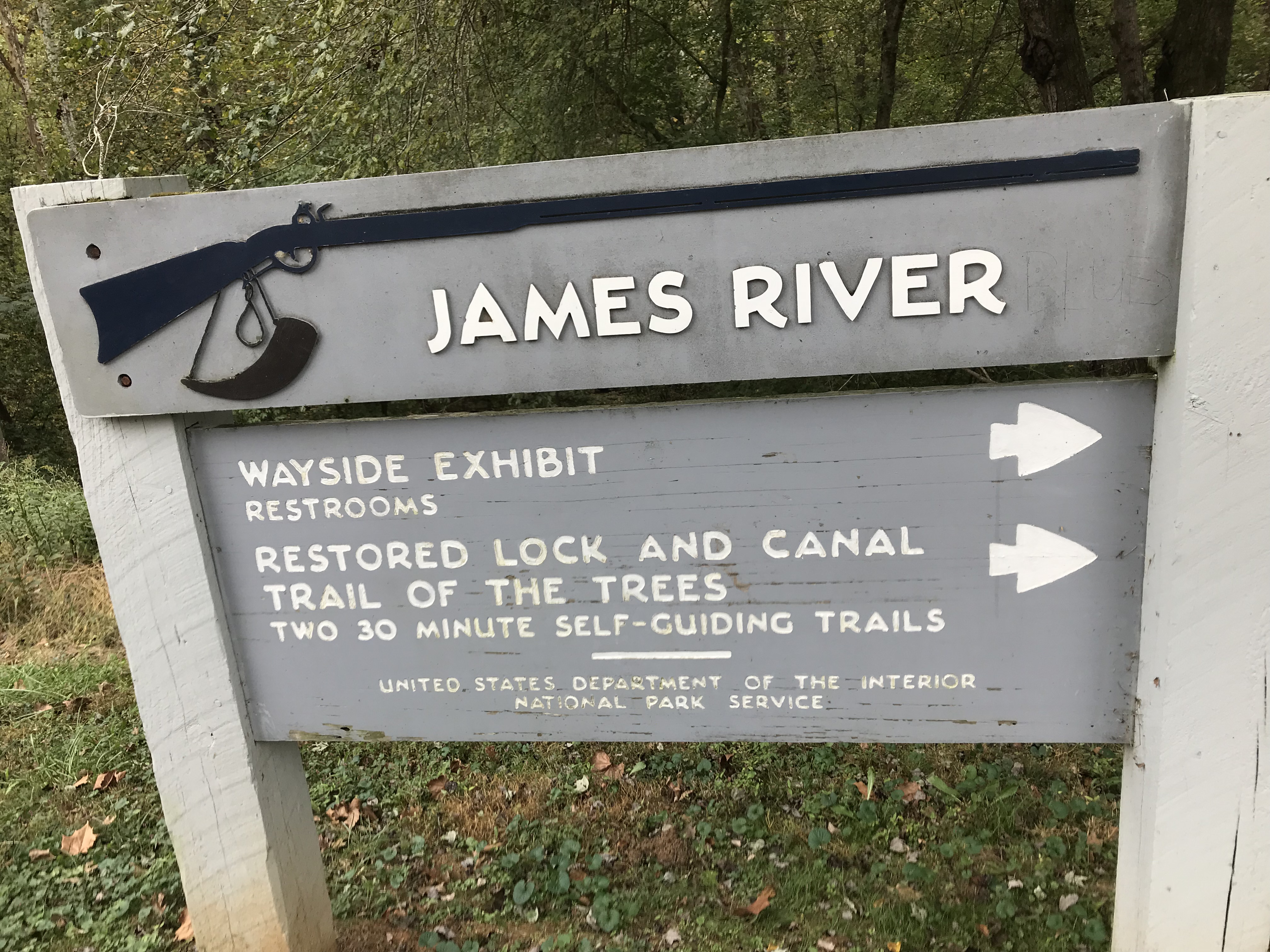
There are stopping places, and the map recommended short walks, where we passed disused railway lines, and lakes, and views across the valley. I couldn’t quite reconcile the National Park signs with the rifles that decorated them. But then I am British, hunting with rifles is not something we tend to do very often.

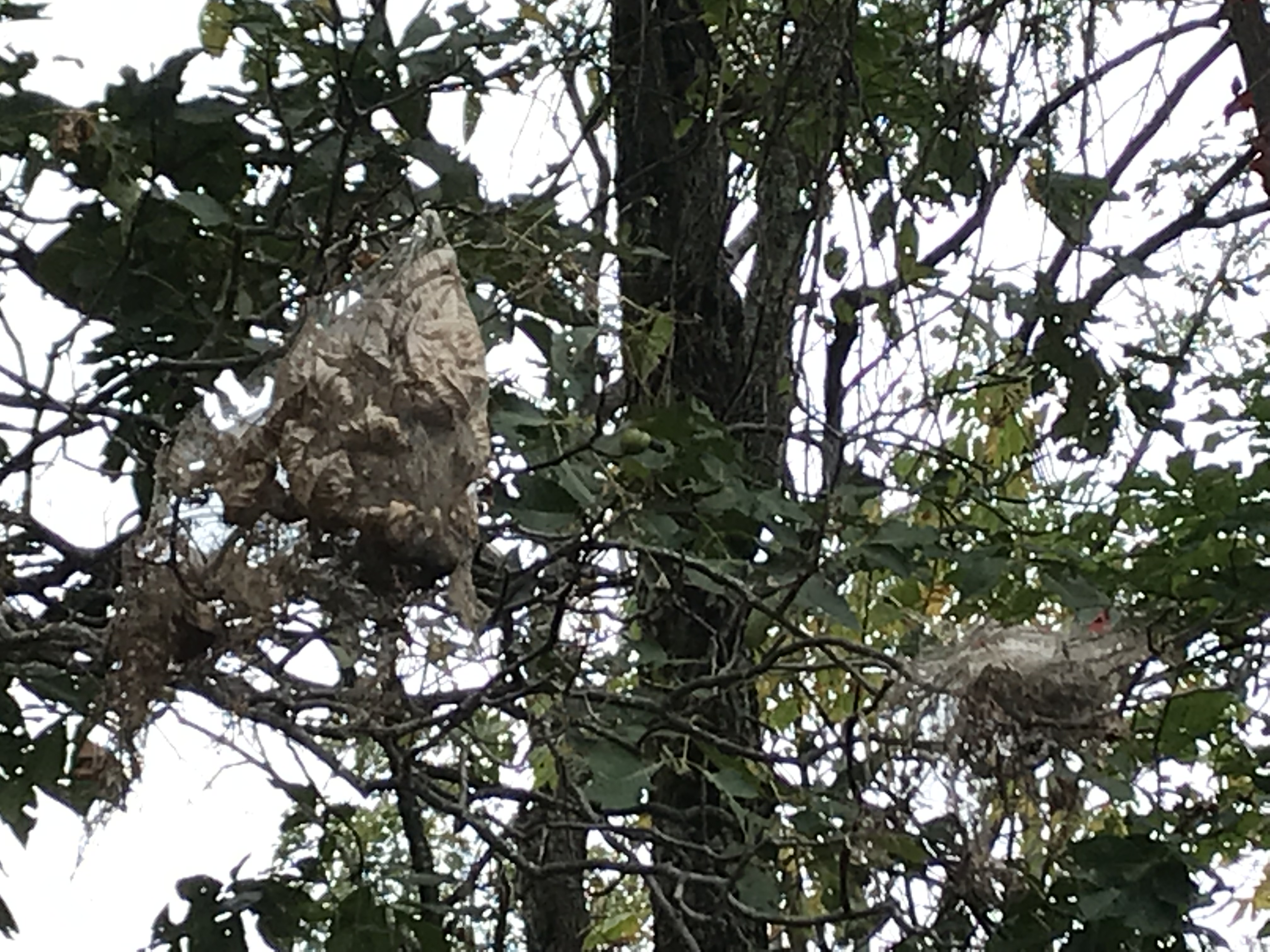
A webworm cocoon. They were huge!

In the trees, there were giant cobwebs—like something from a horror film, silken threads binding giant prey. I later learned that actually they are cocoons, made by webworms, and they neither kill massive prey nor damage the trees.

The road was relatively empty, we saw the occasional car or motorbike, but mostly it was just us and mile after mile of trees. It was very relaxing—easy for Husband to drive (no stop-lights) and a chance for me to shut my eyes and nap.

We ate bagels for lunch, and left the Parkway mid-afternoon for coffee and donuts. That is the wonderful thing about America: Husband says he fancies coffee and a donut, I do a quick search on Google Maps, 30 minutes later we’re in a Dunkin Donuts!

After a while, we drove through the plains on the ridge—flat areas of fields, with cows and the odd farm building, but still at the top of the mountain range.

 We spent the first night in a Fairfield Inn in Wytheville. The following morning when we ran, we could see the Smokey Mountains in the distance, covered with shifting clouds. We ran along a residential street, with painted wooden houses that had autumnal displays of pumpkins and flowers decorating their steps. The air was cool and crisp, and the streets were deserted.

After breakfast, as it was Sunday, I found a church online, and we visited Sunny Hills Church in Wytheville. It was a modern hall, set back from the road (everyone owns so much land in this country!) with a duck pond (good start). We were offered coffee and donuts when we arrived, and everyone was very friendly.

After church we bought more bagels, and wound our way back to the Parkway to continue our drive south. It was a foggy day, so there was less view, but it was so much more pleasant than a motorway.

Bagels are a staple food here. There is plenty of choice, and each can be filled with a variety of tasty fillings. Easy to be fat in America.

All along the Parkway are regular stopping areas, with bins and washrooms. Our lunch stop had signs warning about the bears, and bear-proof bins (which Husband also found to be bit of a challenge!) We didn’t actually see any bears, despite straining my eyes to see into the trees. In fact, the most interesting wild-life we saw was the road kill! We saw squashed armadillos, and racoons and chipmunks.

As we drew near to Asheville, the Parkway passed through some stone tunnels, which were rather spooky in the mist. There were still very few other cars.

We stayed in Asheville for our last night on the Blue Ridge Parkway. Dinner was at Cornerstone Diner, which was pretty perfect. We asked about bears, and were told that they hardly ever attack people (which was not quite what I was hoping to hear). The following morning when we left for our run, there were lots of ‘Beware of the Bears’ signs up on the doors of the hotel. We ran, nervously, along a residential road around a lake. It was very near to the hotel, and the motorways, but it felt like a country park. There were trees and houses and quiet roads. I have noticed this about America, they tend to have very concentrated areas of housing, or shops, or offices—but they are separate. In England a street might have a mix of houses and shops, with an office or two muddled in somewhere.

We did not get eaten by a bear, and continued our drive to Nashville. Nashville was amazing! I will tell you about it in my next blog. The Blue Ridge Parkway was a nice interlude during our long drive, and helped to remind us of the vastness that is America. Have a good day, and take care (especially if there are bears!)

Love, Anne x

We spent October on a road trip, driving through the Eastern States of America. We had a fabulous time!
Why not sign up to follow my blog, then you can share our adventures…
anneethompson.com


Thank you for reading. If you enjoy my travel blogs, you will love my travel book: The Sarcastic Mother’s Holiday Diary. Available from an Amazon near you.

UK Link: Here


US Link: Here


Philadelphia


Philadelphia

I am still waking at 3:30am, which is very annoying. Stayed in bed until I thought I could wake Husband without getting feed-back. We have decided to run every morning, and as it’s a good way to see ‘real life’ we run along the streets near our motels rather than use their fitness rooms. From the Fairfield Inn where we’re staying, we only have to cross one major road before we reach a residential area, and we run up a hill to Veteran’s park, round the park, and back to the hotel. This morning was cold, and less humid than previously, so it was easier to run. (I use the term ‘run’ loosely.)

At breakfast, there was a waffle machine. Several hotels have these. You squirt batter from a vat into a cup, then pour it into the waffle machine. When you close the lid, it starts a timer, which pings when the waffles are cooked. Very easy. Hot waffles, with syrup and a selection of fresh fruit. It’s all very nice, but because it’s served on plastic plates, with plastic cutlery, and the coffee cups are disposable, it doesn’t feel nice. Which is a shame. I have discovered that drinking coffee from a china mug is weirdly important to me.

We catch the hotel shuttle bus to a nearby station, and spend some time trying to understand the automatic ticket machine (which seems to be the only option for tickets to the city). I use the washroom while Husband tackles the machine. There is a large woman in there, washing her private parts (the washroom, not the machine). I pretend I haven’t noticed, and hurry out again.

We caught the train to the city, and looked at the US residential areas that we swooshed past—lots of small, but detached, housing made of wood, all laid out on straight roads. A map of an American town looks like a chess board.

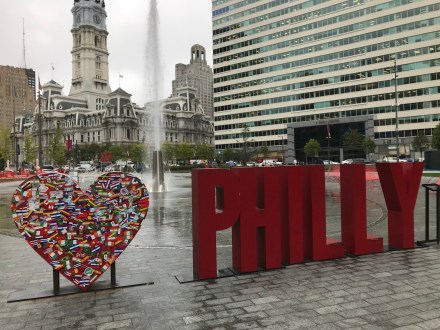
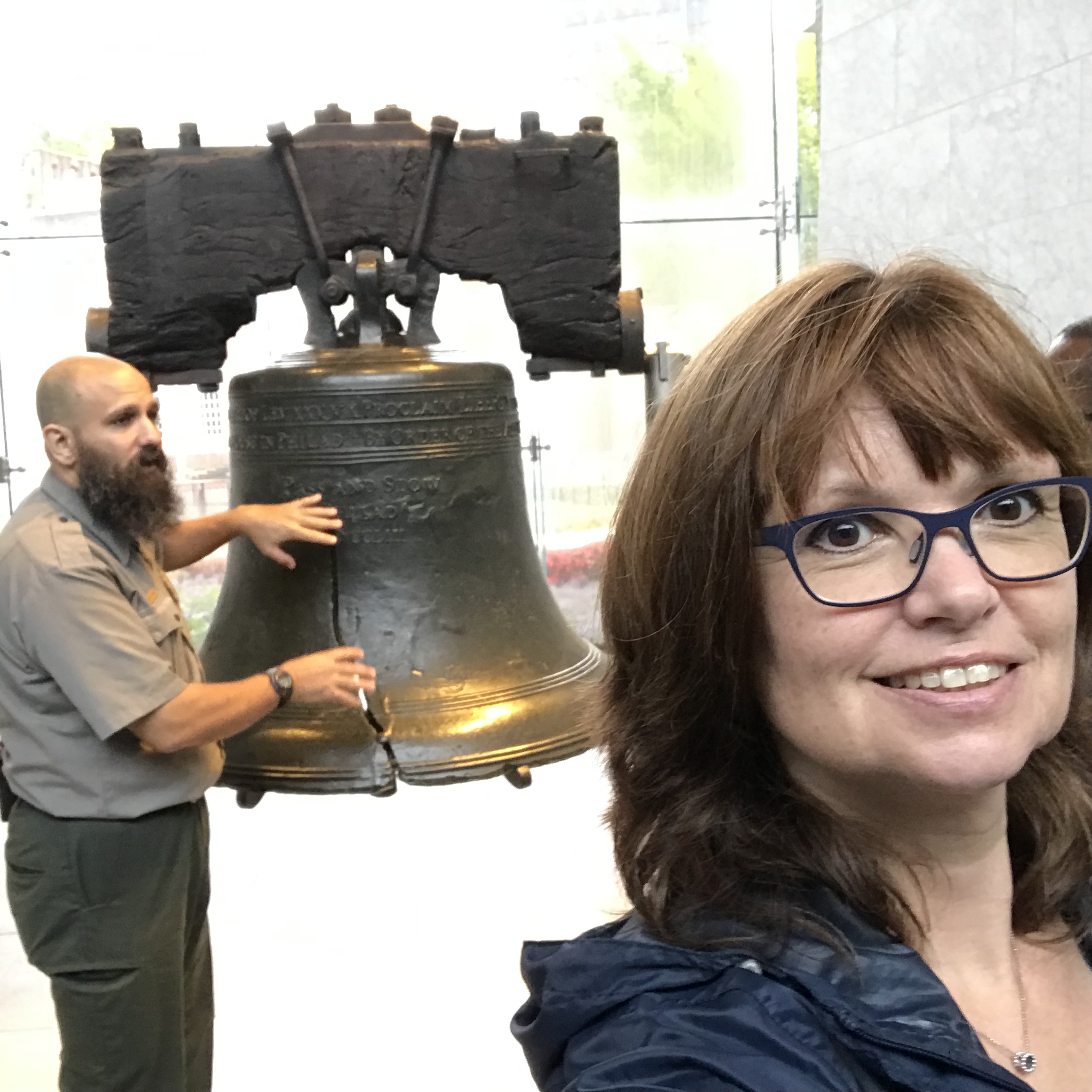
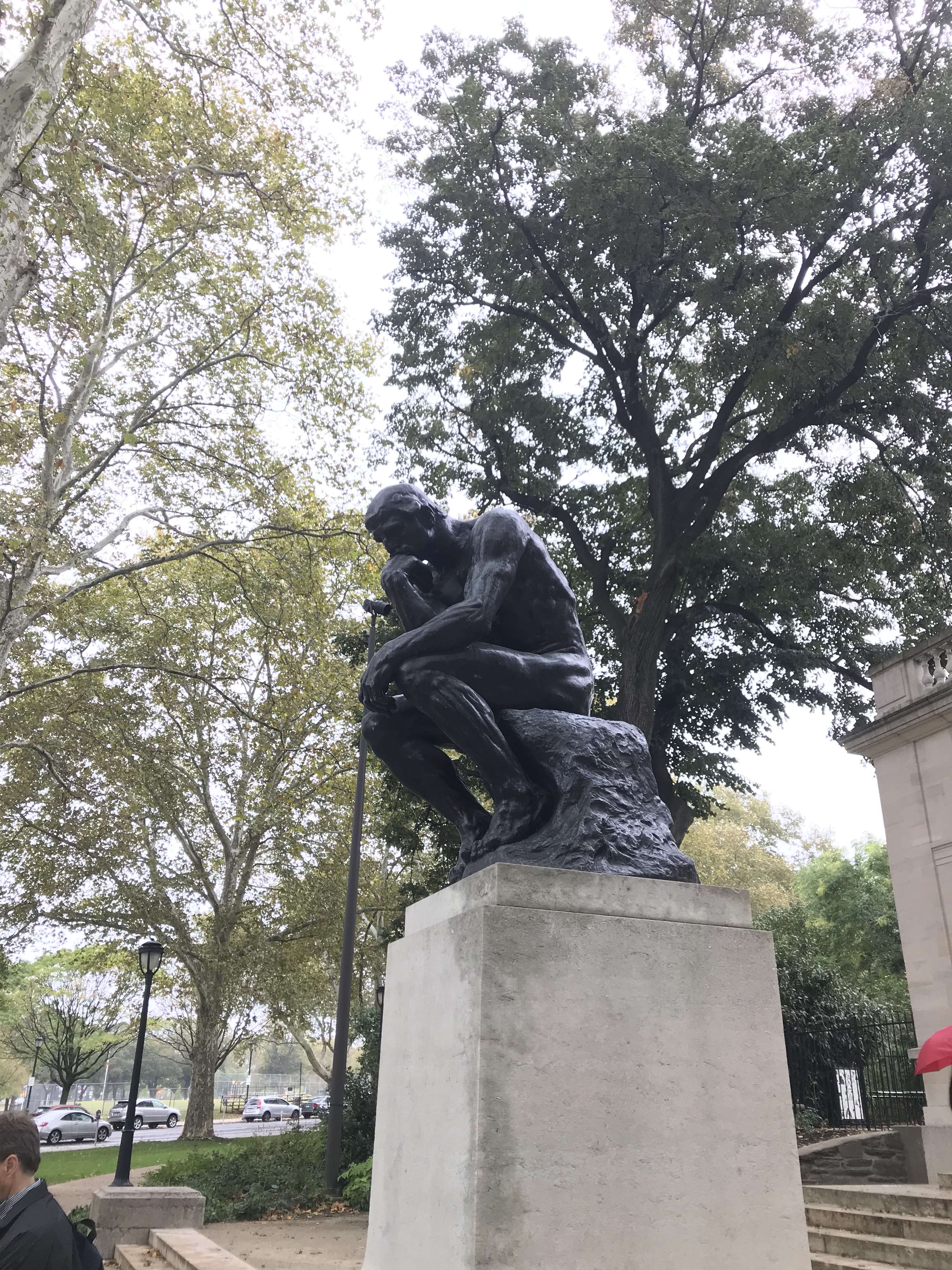
 I had planned a walk around Philadelphia that covered a few of the things we wanted to see: Liberty Bell, Love Park, Benjamin Franklin Parkway, Rodin Museum, and the ‘Rocky Steps’ at the Philadelphia Museum of Art. The weather was cold and damp and started to rain.

In brief: The Liberty Bell is big, has a crack in it, and there is a friendly guard standing next to it who will give you a brief potted history about the bell, if you ask.

Love Park is a photo-spot, and not much else, especially in the rain.

Benjamin Franklin Parkway is probably nice in the sunshine. There is a man walking along it shouting obscenities. There are also helpful maps and tourist guides on posts. When we stopped to read one, a passing woman stopped and offered to help, and said that her husband had designed them all. This is possibly true. Or maybe she needs similar help to the obscenities man.

The Rodin Museum has a wonderful garden with some Rodin sculptures in, which you can visit for free. You can pay (an in-theory ‘voluntary’ donation) to go inside, and see some rather boring sculptures by Rodin and other people. I recommend you stay outside. Unless it’s raining.

The ‘Rocky Steps’ are from the ‘Rocky’ film, which I have never seen, but Husband was very excited by. He did not, however, run up them.

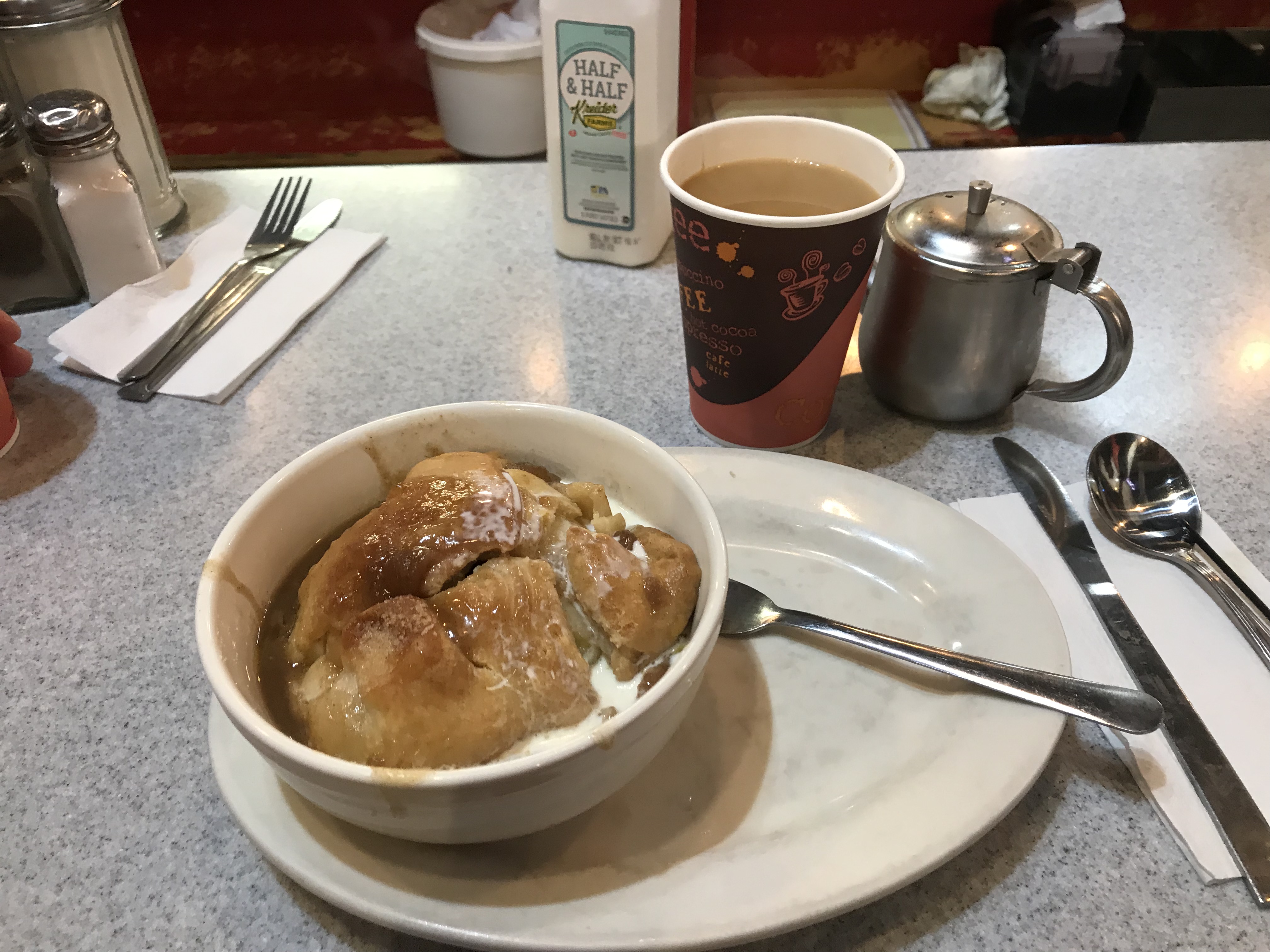
We then went to Reading Terminal Market. This was good, because it was dry. It also had delicious smells from all the food stalls. We stopped at The Dutch Eating Place. We sat on high stools at a bar, and ordered coffee and apple dumpling. It was perfect. The coffee was hot and strong, the dumpling was simply delicious. This is probably one of the highlights of my whole trip. We left feeling warm and full and contented.

The weather was still awful, and I decided that actually, I am not very keen on cities. We ordered a cab through Uber. We have never used Uber before, so that was very exciting! When the driver arrived, he was Chinese, and we couldn’t get him to understand our English accents to ask whether he was paid automatically, or whether we paid him directly. After a few attempts, I asked if he spoke Mandarin, and then asked him in Mandarin. As ever, wherever you are in the world, Mandarin is the best language to understand!

 If you like cities, then Philadelphia has lots to offer. There are lots of historical monuments and a plethora of art galleries. But in the rain, it’s just another city—so head for the Dutch Eating Place and treat yourself to something delicious!

I hope you have some excellent food today. Thank you for reading.

Take care.

Love, Anne x

We spent October on a road trip, driving through the Eastern States of America. We had a fabulous time!
Why not sign up to follow my blog, then you can share our adventures…
anneethompson.com


Thank you for reading. If you enjoy my travel blogs, you will love my travel book: The Sarcastic Mother’s Holiday Diary. Available from an Amazon near you.

UK Link: Here


US Link: Here
Intercourse (the town)


We drove from New Jersey to Lancaster, Pennsylvania, via The King of Prussia service station. I’m not sure where the name came from, but it’s misleading—it was just a regular, slightly dirty, over-used, service station. We bought bagels and cream cheese. The cream cheese came in a long foil tube and you add it yourself, which I like because you need a fraction of what is provided. We smeared it onto our bagels with the plastic knives provided. America has lots of plastic knives. And plastic plates. And plastic cups. Most places are not big on cutlery and crockery that can be washed and reused.

We parked in Lancaster, and walked to Central Market (mainly because the guidebook told us to). We wandered round aimlessly for a while, looking at the Amish and Mennonite people wearing unusual clothes and selling their produce, and then we decided that we’re not very keen on big towns and cities and people being interesting because they are different—so we left.

The countryside would be more interesting, we decided, and planned a route through agricultural land towards Philadelphia. We saw fields being ploughed by teams of oxen, and pretty houses with window-boxes and pumpkins, and long roads that stretched into the distance. You can breathe in the countryside.

We decided to stop in Intercourse, as I fancied buying a quilted cushion-cover for my collection. There were several shops selling quilts and quilt-related stuff. Some were more touristy than others, all were expensive, but I managed to find a very pretty cover. I also bought a fridge magnet, showing an Amish horse and buggy (they don’t drive cars—in case you don’t know—the Amish people are a sect of people who have decided to shun the modern world and modern inventions, such as cars. And buttons, for some reason. Though not money—they were happy to take our money). By the way, I have absolutely no idea who named the town, or why.

We were staying in a Fairfield Inn by Marriot (the first of many). As we zoomed along the motorway, the Satnav told us we had ‘arrived at your destination’ which worried me slightly. The hotel, and adjoining road was clearly a new build, so Satnav was not far off. The hotel was on a hill, looking down on several major roads. However, the double-glazing did its job, and the inside was quiet and comfortable. Husband looked at local places to eat and asked if I would mind walking to a nearby bar/restaurant for food. There was a hint of something in his voice, so I asked for more details before agreeing.

The distance was short. It wasn’t due to rain. Some of the route had paths.

I asked a follow-up question and was told that a tiny part of the walk was along a major road. (Major as in, 6 lanes.) Plus, as it crossed a bridge, a teeny section would involve running along the actual carriageway as there was no hard-shoulder.

We drove to the restaurant. It was okay.

We planned our day in Philadelphia, and decided what we wanted to see. But that’s for my next blog.

Have a safe day, and don’t walk along any motorways.

Love, Anne x

We spent October on a road trip, driving through the Eastern States of America. We had a fabulous time!
Why not sign up to follow my blog, then you can share our adventures…
anneethompson.com

Thank you for reading. If you enjoy my travel blogs, you will love my travel book: The Sarcastic Mother’s Holiday Diary. Available from an Amazon near you.

Travel with a family…always unexpected.

US link Here
UK link Here