A Radio Interview


I have just returned from being interviewed on Meridian FM. All very scary! Actually, the scary bit was not the interview, but trying to decide whether to brave the weather and drive there. All week the forecast has been dire, but we’ve had relatively little snow, and although it’s cold, the roads seemed clear. But it is still possible to worry all night about sliding off the road, meeting unexpected drifts, and crashing the car.

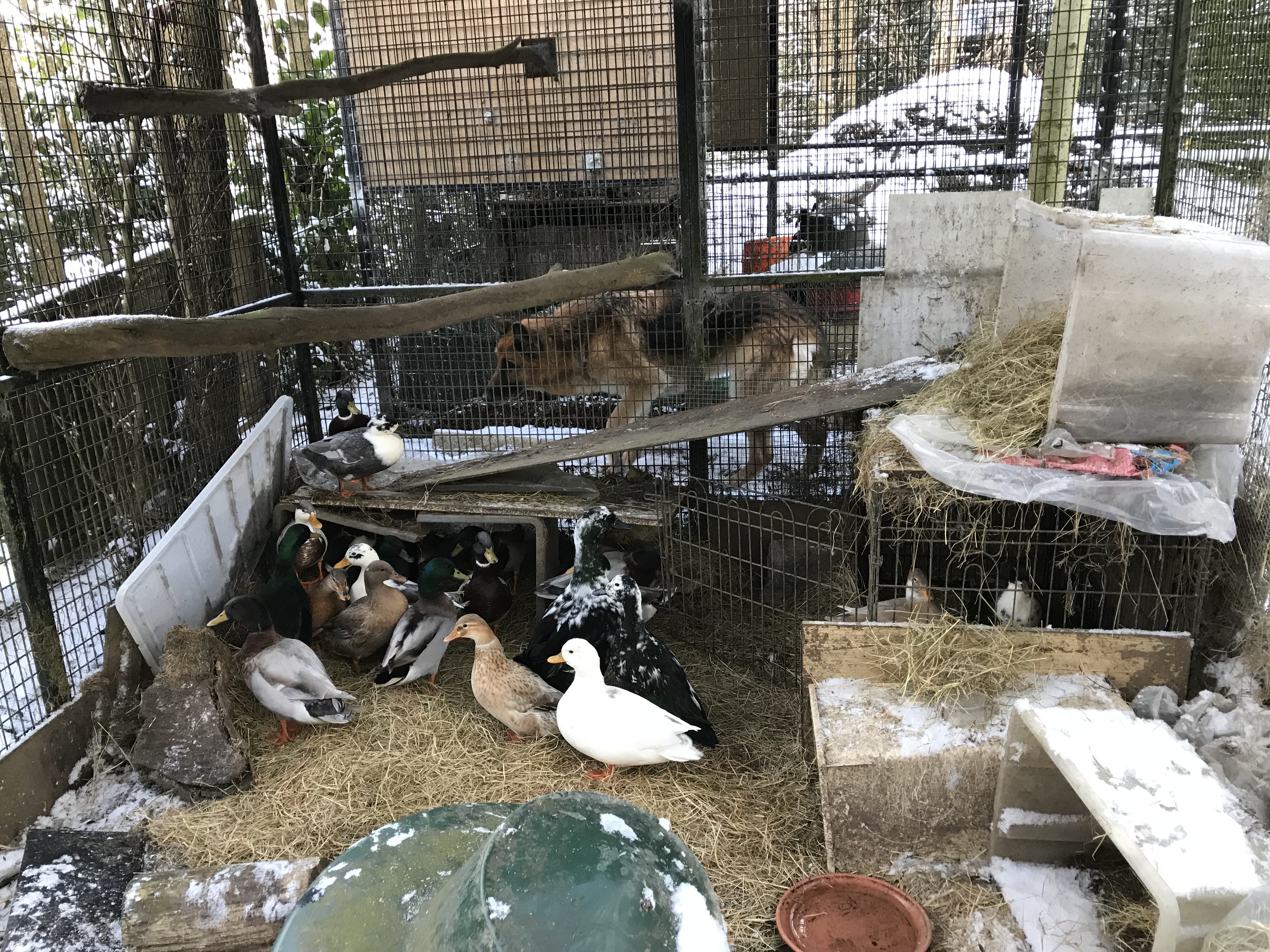
I got up early, spoke to Samantha Day (who had invited me onto her programme) and decided to risk it. First I had to take water up to the birds, because the pond has frozen and they’re all shut in a cage for safety. Their drinking water is continually freezing, so I have to continually top it up. The silly ducks then sit in it and splash it everywhere, so I’m not sure how much they drink, but I try.

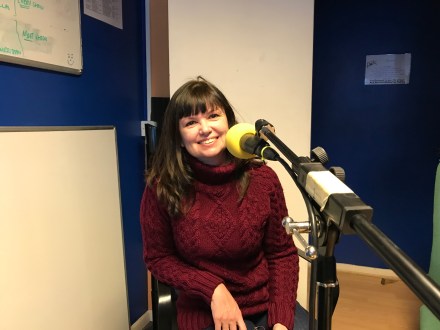
Drive to East Grinstead was fine, no skids. Went up to the little studio, and chatted to Samantha between songs. My throat kept getting dry – not sure if due to nerves or a sore throat. Glad I had water to sip while the music was playing. Chatting on the radio is easy, it’s just the same as talking to a friendly person in a room, you soon forget about all the microphones and computers and the thousands of potential listeners.

I chatted about my book, how I wrote it, and what I discovered during my visits to the slums of India. I think I spoke more about psychopaths and India and Tearfund than I did about my book. You sort of lose track of why you’re there and have a nice chat. But that’s okay, hopefully the listeners were interested. Hopefully some of them were interested enough to now go and buy the book.

One thing that intrigued me was an envelope, stuck to the wall, which said, “Open in the event of a royal death”. If I worked there I would definitely have had a sneaky look inside. I guess it tells the presenters what to say and play on that day.

I spoke for about an hour (with music and weather bulletin breaks) and then thanked Samantha and drove home. On Saturday I’m in The Bookshop in East Grinstead, signing copies of CLARA – A Good Psychopath? I was able to advertise the event, so people can wrap up warm and meet me there.

Time for a coffee now.

Thank you for reading.

If you can’t make it to The Bookshop but would like a copy of Clara, fill out the contact form below. Available at 33% discount until 31st March (£7.95 with free UK postage). Order a copy today.

← Back

Thank you for your response. ✨

***

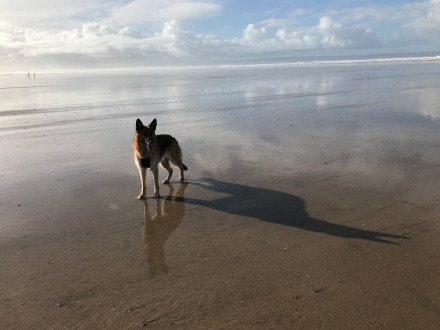
 Kia refusing to come inside. She’s convinced that if she sits there for long enough, I will give up and go outside to play!

Was St. Paul a Psychopath?


When I was researching JOANNA, I discovered what it meant to be a psychopath. Born with an under-developed frontal lobe in the brain, a psychopath was destined to live their lives unable to experience emotional empathy, unable to feel guilt, unable to love. I listened for many hours to psychopaths talking, I read copious studies by neuroscientists, and I even managed to find two mothers of psychopaths who were prepared to talk to me. By the time I came to write JOANNA, I knew how a psychopath would think and behave, and I could imagine what it would be like to live with one.

However, the whole time I was writing JOANNA, striving to make an interesting story that would also show the reader everything I had learnt, I had a nagging doubt. If someone was born a psychopath, were they doomed? What did the disorder mean from a spiritual point of view? Psychopathy is a mental disorder, not an illness. It cannot be cured. It is a genetic condition, it cannot be prevented. Whilst the vast majority of psychopaths are not killers, and are never convicted of any crime, they will still be difficult people to live with. They will still be ‘bad’ people. So, what does that mean in terms of Christianity? Could a psychopath be a Christian?

Now, I believe that whilst God can, and does, sometimes heal people of physical disabilities, in the vast majority of cases, he does not. So a blind person who becomes a Christian will be a blind Christian. A Downs Syndrome person who becomes a Christian will be a Christian who has Downs Syndrome. God can use those situations, but he rarely changes them. As psychopathy is a physical condition, I think it unlikely that God would necessarily heal a psychopath. So what would a psychopathic Christian look like?

I began to read the Bible with this in mind. I knew that a psychopath would be unaffected by physical cruelty towards others. They would be ambitious for their own advancement, and possibly a leader within either the established religion or start their own. They would have no obvious emotional ties, and be quite capable of rejecting anyone who they felt was holding them back, even if that person had made huge sacrifices in order to follow them. They would have no fear, and be able to walk into dangerous situations, even if they knew it was risky. In fact, as thrill-seekers, psychopaths will often do things which they know hold high risk. Psychopaths are often eloquent, and their lack of fear makes them excellent public speakers. There is something mesmerising about them, people cannot help but listen to them (look on YouTube for clips of Charles Manson or Ted Bundy speaking – you will not be bored).

But what about God? Could a psychopath follow God? Well, a psychopath’s main motivation is to look after themselves. So, if they had an experience which proved to them beyond all doubt that God existed, they would definitely decide to follow him. They would do whatever was necessary to ensure they were on the ‘winning side’. They would not risk their soul, not if they knew, absolutely, that God was real.

Now, when we read the accounts about Paul, he shows many of these traits. Was he a psychopath? We do not have enough information to make that statement, and certainly some of his writings suggest that he was not. But I think it’s possible. I wanted to try and explore this further, so I wrote CLARA. As I wrote, I used the knowledge I had gleaned about psychopaths, and I very much had the character of St Paul in mind as I wove the story. The character of Clara is not St. Paul – but I think you will notice some similarities.

CLARA – A Good Psychopath?
ISBN 978-0-9954632-5-7
The Cobweb Press

I hope it is also a book you will enjoy, though at times it makes for uncomfortable reading. It is exciting, but there are funny moments. It shows how someone who is very bad, can achieve something that is very good. Are you prepared to be challenged? This is not a cosy portrayal of Christianity, and some people will find the ideas disturbing.

Would you like to buy a copy? It costs £11.95 from Amazon and in bookshops (they can order it if it’s not in stock). But until the 31st March, it is available at a 33% discount, for £7.95 including free UK postage. Just send a message via the contact form below, with your postal address (this is sent directly to me, it isn’t public). Payment instructions will be sent with the book – you can pay by cheque or direct bank transfer. Why not buy a copy today?


← Back

Thank you for your response. ✨


If you prefer to buy from Amazon – it is available as a Kindle book in most countries – the UK link is below:

****

anneethompson.com

***

The Launch of CLARA – A Good Psychopath?


Hello, how are you? My weekend was dominated by the launch of CLARA. It has all been very exciting, and began a few week’s ago, so I’ll tell you about it (because one day, you might be having a book launch of your own).

CLARA is the second book which I have been brave enough to have a launch party for. You have to be brave, because writing a book involves hours living inside your own head, and a book launch involves talking about the book to other people – which does not come very naturally to most authors. However, as I discovered with my previous books, if you opt to not have a launch, then some of the friends who would buy your books, find that local shops have sold out, or they never actually get round to ordering a copy, so you lose sales. After 18 months writing and rewriting and editing a book, you want people to read it. (Plus it’s nice to start paying off some of your debt!)

The first decision is time. I waited until the books were safely in my house, and I had checked they were good, before advertising my book launch. I know some authors are braver, especially those who use a printing company that isn’t in the UK, and I have heard scary stories about everything being in place for a book launch…except for the books.

Once I had set the date – last Saturday – I needed to decide venue. At the launch of JOANNA, I had invited absolutely everyone who I thought might be interested. To be honest, of all the family, neighbours, friends, people who heard me on the radio, people who saw the event in the newspaper or on fliers, only my friends or friends-of-friends actually came. (Plus my family, but none of them bought the book as I’d given them copies.) I therefore decided that although the local community hall was a nice venue, and although we’d had sufficient people to fill it (about 50 people) it would be much more relaxing to have it at home. I have a big kitchen area, which is often used for church functions, we would use it for the launch. So I didn’t have to worry about transporting glasses and cupcakes, or cleaning up afterwards, or exchanging keys. And it wouldn’t be embarrassing if only my mum came.

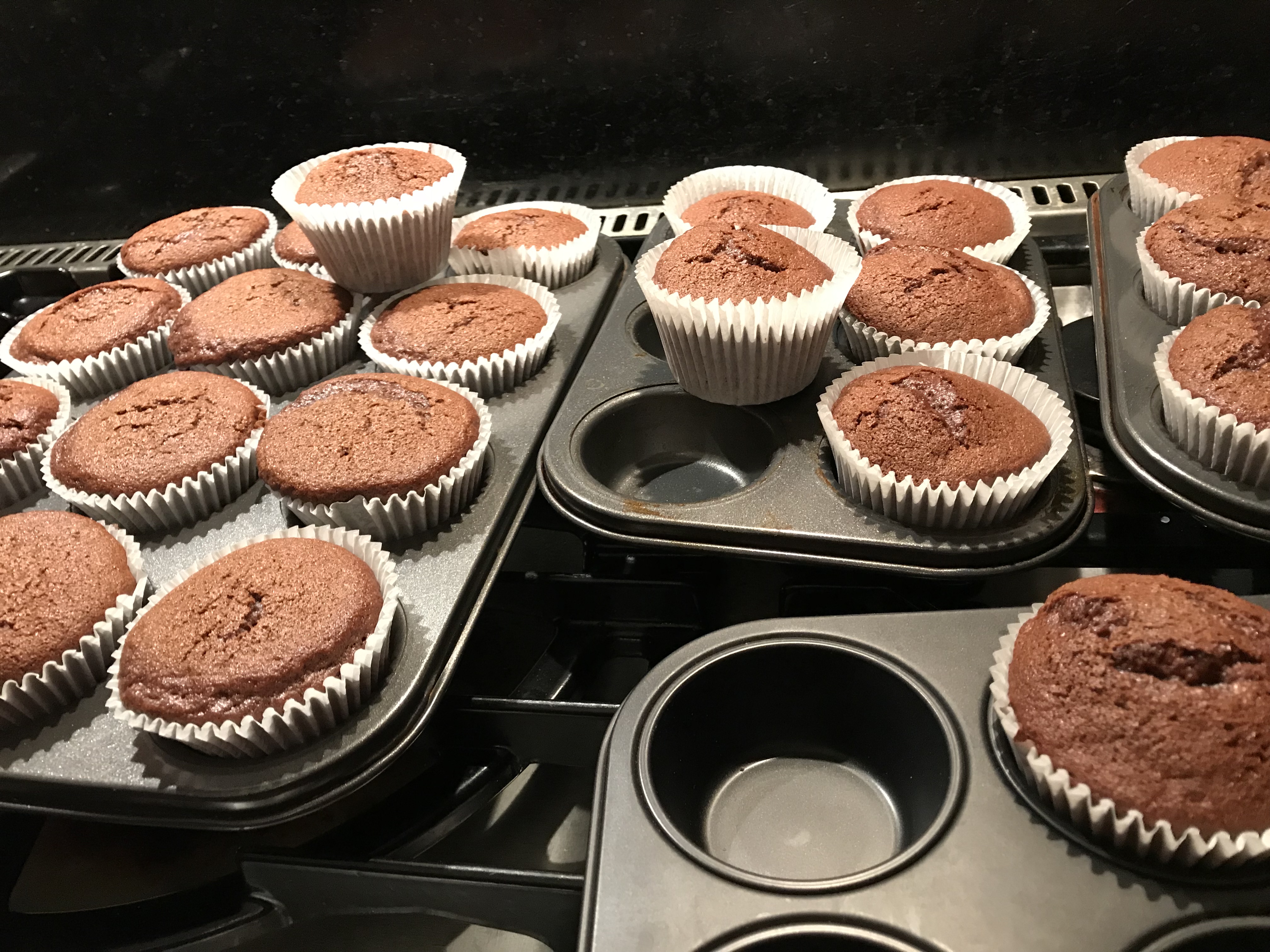
I decided to serve cupcakes, with either wine or cups of tea, depending on what people wanted. (At my last launch, I served wine, but most people wanted soft drinks.) I began making cupcakes. I have an excellent cupcakes recipe book, and the cakes freeze very well, so I could make them ahead of time. The kitchen began to smell lovely, and Husband began moaning that no cakes were available for eating. It coincided with a cold spell, which was unhelpful as the chickens all stopped laying in protest, and I actually had to go out and buy some eggs.

I made invitations and bookmarks. We have a printer at home, so that was easy (well, it was easy once I’d persuaded Husband to make them). I wanted a poster of the book, which I could also use when I’m doing book-signings or selling at fairs, so I contacted Chloe (who took a photo for the book cover) and she sent me a photograph I could use. (I couldn’t use the final cover version, as the quality has been reduced to make it suitable for printing.)

Then I invited lots of people, contacted the local press, asked people to write reviews, and waited. I wrote a couple of blog pieces too, as most of you won’t be able to attend the launch, but I want you all to know what CLARA is about, so that you want to order a copy too.

The day of the launch was very scary, wondering if anyone would actually come. I had borrowed an urn to boil the hot water, so was ready if loads of people came – or just one (my mum had been told it was compulsory attendance).

It was fine. There were about 40 people, some were good friends who had travelled for miles, others were people who I didn’t actually know. The local journalist came, and took some photos, and I gave a short talk about how I wrote the book. It was exhausting – because I find public events difficult – but everyone was very kind, and the event was a success. Most importantly, I sold lots of books. In fact, some people who have read my previous books bought two copies – one for a friend. Have you bought a copy yet?

Thank you for reading. Have a good week.
Love,
Anne x

****

CLARA – A Good Psychopath?
ISBN 978-0-9954632-5-7
The Cobweb Press

Would you like to buy a copy? It costs £11.95 from Amazon and in bookshops (they can order it if it’s not in stock). But until the 31st March, I can sell copies at a 33% discount, for £7.95 including free UK postage. Just send me a message via the contact form below, with your postal address (this is sent directly to me, it isn’t public). I will then send a book, and enclose payment instructions – you can pay by cheque or direct bank transfer. Why not buy a copy today?

← Back

Thank you for your response. ✨


*********

If you prefer to buy from Amazon – it is available as a Kindle book in most countries, the UK link is:

The Book of Job : Bible Blog 13


I have now read to the end of the book of Job. It comes right after Esther, which I think is a really weird book (although very important historically for Jewish people, who still celebrate Purim today). I found it uncomfortable for two reasons. Firstly, Esther is very much a pawn. She is first used by Mordecai, who sends her off to enter a harem (not what I would want for any female I cared about). Later, she is pretty much used at the whim of the king, even though she does manage to use this to her advantage (and save the whole Jewish race). The second problem I have with the book is that when the Jewish people are saved, they then violently kill all their enemies. Chapter 9 is pretty gory (which was never really mentioned when I was in Sunday School!)

However, if Esther is one of my least favourite books of the Bible, my favourite is probably the book of Job. Which is surprising, as until recently I did not understand it, and probably disliked it as much as I now dislike Esther. If you have never read it, properly, from start to finish, do it this week. It isn’t an easy book to read, and the themes seem strange and complicated, but the message is huge.

In summary, Job is like a piece of theatre. It is an ancient story, and was told for generations, to show why God is worshipped. The dating of the book is difficult, and there is some evidence that shows it may have been written even before Moses’ times. It was a story that was told, some scholars think that even King Solomon used it, and it is thought to have been originally written in Arabic (so some of the translations are unsure). Job himself is thought to have been a real person, possibly a descendent of Nahor (Abraham’s brother). He is not part of ‘the promised race’, so it’s very interesting that this book is included as part of Jewish scriptures, and given equal weight to their other holy books.

The story is about Job, a good man, who worships God (which is significant, as he was a gentile). He is rich, with a family, and God allows just about everything to go wrong for him. So he loses his family, and all his possessions, and finally his health. Most of the book shows him, wretched and in despair, and we read the dialogues between him and his friends. His friends tell him that the calamity is due to his own evilness, that he has sinned against God, and therefore everything has gone wrong. Job defends himself, and says he has always been true to God, and it isn’t fair, because there are rich, happy, successful people who are evil. Then God speaks. God shows his might, his absolute power, his authority over everything. Which is why people should worship God. He is worthy of worship. Mankind is insignificant, so how can Job protest? Job, and his friends, repent, and God gives Job more than he had at the start of the story.

I love this story for several reasons. Firstly, I love the language of the last few chapters, when God is speaking. It talks about dawn holding the skirts of the earth, describes storehouses of snow waiting to fall; such beautiful imagery. I also like the main theme, that God should be worshipped because he is God. Our religion can be a useful way to achieve this – but sometimes it gets in the way. Sometimes the singing, the sermon, the Bible study can detract from what we are meant to be doing, which is worshipping God. We do not worship because we’ll be given peace, or blessings, or help through troubles. We worship because God is worthy. That is all. This is something we need to learn, and constantly remember. God is worthy, and that is all.

If you imagine a power-rangers type movie, where there are huge forces fighting for power, would you not want to be on the team of the power that will win? Don’t you want to be allied with the right side? That is what this book is about. It does not promise health or wealth or anything else, it just points out that God’s side is the best side, and so we should be on that team.

Now, I will admit, some of the text is a bit awkward. This might be because it is a translation.

There are some difficult ideas too, so Chapter 40 seems to be describing a dinosaur, and Chapter 41 has a pretty accurate description of a sea-living dragon, complete with fire-breathing capabilities. So what does that mean?

Some scholars have tried to explain this by saying they are mistranslated, and actually describe hippos and crocodiles. But if you read the texts, to my mind, this is a cop-out and not what is written. A crocodile does not breathe fire, and a hippo does not have a straight strong tail (like a brontosaurus).

My theory (based on nothing other than a desire to believe that dragons may have once existed!) is that there is no reason why early man would not have discovered fossils of prehistoric creatures. If they uncovered fossils of huge, fierce, dinosaurs, would they not have reasoned that these creatures existed? The world was pretty small in Bible times, people didn’t travel very far, so to believe that somewhere undiscovered, were huge animals, was not unreasonable. God was then using these beliefs when giving examples of his might (which was not untrue, because God did create the dinosaurs, even if Job had never encountered one). This is consistent with other Bible passages, where God used the beliefs of the day to explain something – such as the sun moving across the sky (whereas we now know that the earth moves around the sun). God has always met people where they are, and has made his explanations understandable for people, even if their own basic beliefs have been wrong.

So, there it is, my reasons for loving the book of Job. I used Matthew Henry’s commentary for help with the difficult bits. Now onto Psalms, and I will refer to a book by Michael Wilcock while I’m reading.

Thank you for reading. Take care.
Anne x

*****
You can follow my blog at:
anneethompson.com

I have written several novels, and one non-fiction book. My latest novel has recently been released, and although it is fiction, the overriding theme reflects the one in Job.

CLARA – A Good Psychopath?
ISBN 978-0-9954632-5-7
Published by The Cobweb Press

Would you like to buy a copy? It costs £11.95 from Amazon and in bookshops (they can order it if it’s not in stock). But until the 31st March, I can sell copies at a 33% discount, for £7.95 including free UK postage. Just send me a message via the contact form below, with your postal address (this is sent directly to me, it isn’t public). I will then send a book, and enclose payment instructions – you can pay by cheque or direct bank transfer. Why not buy a copy today?

Thank you for reading.

← Back

Thank you for your response. ✨

Writing About a Different Culture


It was with some trepidation that I began to write CLARA. I had recently returned from a visit to see the work of ActionAid in the slums of India. I had visited women who have incredibly tough lives, sat in their homes, listened to their stories, and it affected me. I wanted to tell the world what I had seen and heard, and weaving it into a story seemed the best way for me to do this.

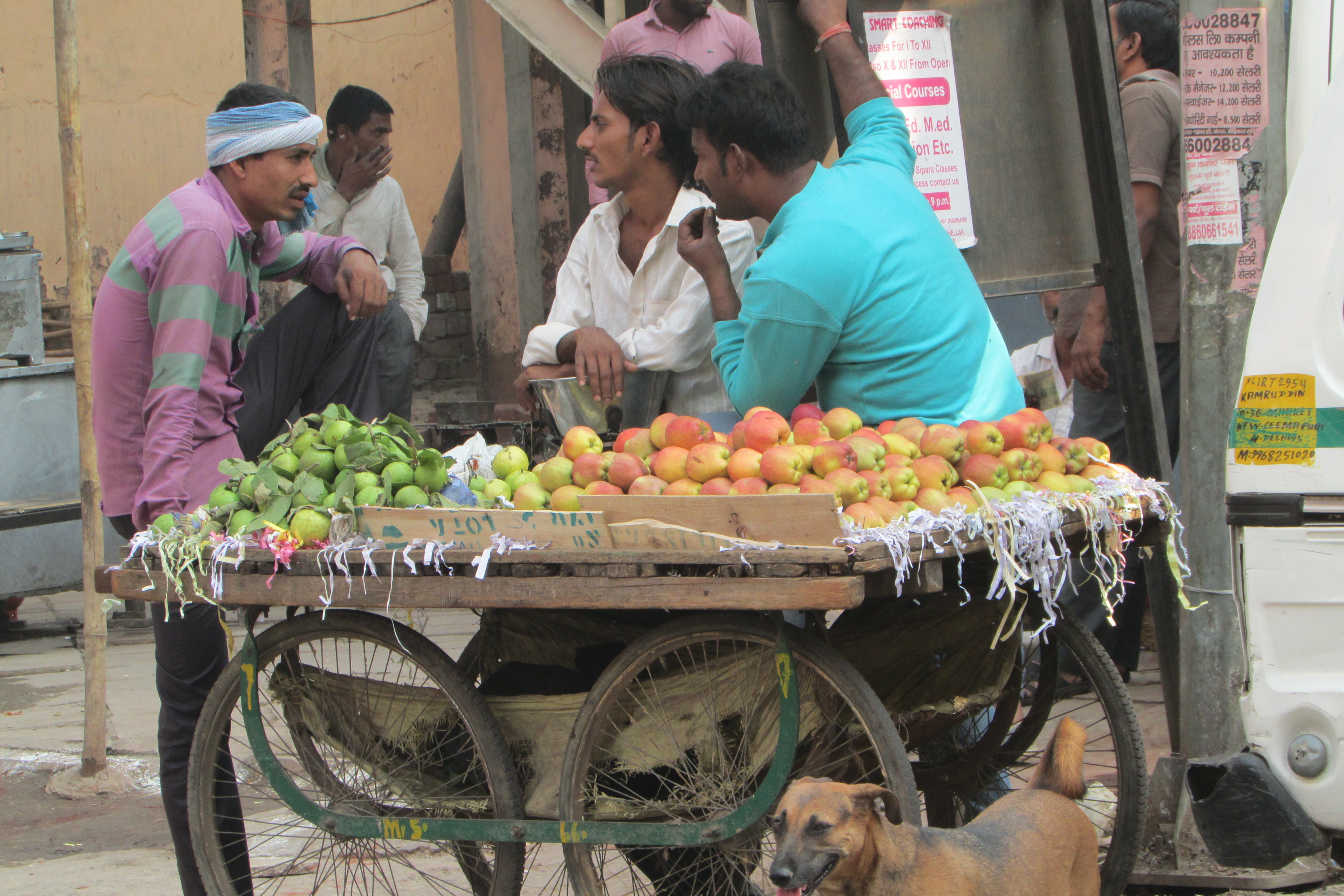
Over the next 18 months, I visited India several times. I contacted Tearfund, and they showed me the work they are doing amongst women in the Red Light District. I met women who had been trafficked, I chatted to sex workers, I wandered through slums. My eyes were hungry, as I absorbed what I was seeing.

However, how does one write about a culture that is vastly different to ones own? Does an author even have the right to try and describe things that they have never experienced? Well, yes, obviously – otherwise all crime writers would be convicted criminals, and all historical fiction writers would be time-travellers. But to do the subject justice takes a lot of time, hours of research, and some good advisers. I made some good friends in India, and as I wrote the book, when I came to a point where I needed information I could ask for help. Issues such as: Do people in the slums have shopping bags? Do they possess more than one set of clothes? Do they drink tea out of mugs?

However, every time that I visited India, every book that I read about India, I learnt something new. I sat in homes, I visited schools, I laughed with women moaning about their families (because whilst it’s tough, there’s a lot of laughter in slums too). There was always more I could add to my book. I began to wonder, was it even possible to write about a place when I had never actually lived there? But, here’s the thing, as I discovered more about the culture, I also started to ‘not notice’ things. Sights and sounds and smells which had bombarded me when I first arrived, began to be normal, part of what I expected, and I stopped being conscious of them. I was writing a novel which would mostly be read by people who do not live in India. Many of them will never have visited India. I therefore needed to include all those details which were obvious, different, unusual. Those details which over time, people stop noticing.


CLARA is also set partly in New jersey. I have lived there, but actually, in many ways, writing about life there was more difficult, because I had forgotten all the things that struck me when we first arrived. I had to refer to old diaries, so that I could see the culture afresh, and describe it to my readers. Which made me realise that, although a story written by a foreigner would have less depth than one written by a resident, it would also perhaps be easier to understand for those readers who are experiencing the country solely through the eyes of the characters.


I had, initially, planned that Clara herself would be an Indian. However, I soon realised that this would be impossible, I could not accurately represent her thoughts and feelings. Clara needed to be English, because I could show an English person’s reactions and thoughts to India. I needed Clara to be the one describing India, because then the book would be authentic.

When the first manuscript was completed, I sent it to a friend, who checked for anything which might have been offensive to someone living in India, or anything which jarred from a cultural perspective. She suggested some changes – mainly names – it transpires that a Google search for “Indian names” results in names that Indian people do not recognise!

In conclusion, yes, it is possible to write about a culture which is different to your own. But you need to be immersed in that culture for a while, and you need a lot of help from people who have lived it. Writing CLARA was a challenge, but hugely rewarding. I hope you will enjoy reading it.


CLARA – A Good Psychopath?
ISBN 978-0-9954632-5-7
Published by The Cobweb Press

 Would you like to buy a copy? It costs £11.95 from Amazon and in bookshops (they can order it if it’s not in stock). But until the 31st March, I can sell copies at a 33% discount, for £7.95 including free UK postage. Just send me a message via the contact form below, with your postal address (this is sent directly to me, it isn’t public). I will then send a book, and enclose payment instructions – you can pay by cheque or direct bank transfer. Why not buy a copy today?

Thank you for reading.

Anne x

*****

← Back

Thank you for your response. ✨

*******

Feeling Excited…


(Cover photo by Chloe Hughes)
I am very excited. CLARA has arrived from the printer, and all looks fine (books are never exactly how I envision them beforehand, due to the restrictions with ink colours, plus when I’m writing, I have no awareness of the thickness of the book). Now comes the scary bit, which is persuading people to actually read it! I do have a sense of urgency with Clara, it is a book which almost demanded to be written.

I began, over a year ago, by writing the Introduction, which was actually a point midway through the story. As I wrote it (originally so I could include it in the back of JOANNA) I had no idea who the characters would be, or how the story would unfold, or if it would even make sense in the wider context of the completed book. I figured it didn’t matter; if the story took off in a different direction, no one would care, and I have read ‘tasters’ in the back of books by famous authors which bear no resemblance to the story when it finally is written.

However, this was not the case with Clara. As I began to write, as I spent time researching the situations I wanted to include, as the story unfolded in my mind, everything came together like an intricate jigsaw puzzle. By the time I came to write the part in the story where the Introduction would have slotted, it made complete sense. Other than changing the name of one character, it was perfect. As the writer, I had an “Oh wow!” moment, and had that butterfly feeling in my stomach that you get when something weird and wonderful has happened.

Clara was not an easy book to write, because the themes are sometimes uncomfortable, but it was a compelling story, and I think you will find it gripping. Let me tell you about some of the issues which I was trying to address.

Firstly, it was a natural extension of my story about Joanna. Before I wrote JOANNA, I thoroughly researched what it meant to be a psychopath. I learnt that most psychopaths are NOT killers, and are never convicted of any crime. They will though, be pretty awful people to live with. Which made me wonder, could a psychopath change? Could they, instead of being destructive, manage to use their psychopathy as a strength? Could a psychopath perhaps achieve something great, which a non-psychopath would find difficult or impossible? I wanted to explore this with Clara.

Secondly, my initial planning of the book coincided with a visit to the slums of Delhi. I was visiting some ActionAid projects, and I met women, in their homes, who have incredibly tough lives. I sat with them, walked with them, listened to their stories. And it affected me. I wanted to tell the world about them, and one way to achieve this was to ‘send’ Clara to India. Could I intertwine these two ideas, and write an exciting story? That was my goal.

I visited India several times during the writing of CLARA – sometimes visiting ActionAid, sometimes visiting Tearfund projects, and sometimes simply walking through areas and absorbing the life I was seeing. I made friends with people who live in India, and this was an invaluable help when questions arose while I was writing. When the first manuscript was completed, a kind friend in India read it through, to check I hadn’t written anything offensive, or that clashed with the culture. Originally, I had wanted to make Clara an Indian herself, but I soon realised this was too difficult. The culture is too different to my own, and I wanted to write the book in the first person, so the reader fully understands what it means to be a psychopath, what her thoughts and motivations are. Like me, Clara needed to be English, and to view her immersion into India through English eyes.

Weaving these themes together was a wonderful challenge, and although it took many rewrites before I was happy with it, I feel I have written a powerful book, perhaps a book that will shock. My editor, Peter Salmon, suggested I changed several parts – and my favourite comment (he writes comments as he does his initial read-through) was: “What the **** just happened!”

I hope it is also a book you will enjoy. It is exciting, but there are funny moments, and the story is an uplifting one. It shows how someone who is very bad, can achieve something that is very good. Would you like to buy a copy? It costs £11.95 from Amazon and in bookshops (they can order it if it’s not in stock). But until the 31st March, I can sell copies at a 33% discount, for £7.95 including free UK postage. Just send me a message via the contact form below, with your postal address (this is sent directly to me, it isn’t public). I will then send a book, and enclose payment instructions – you can pay by cheque or direct bank transfer. Why not buy a copy today?

← Back

Thank you for your response. ✨

Thank you for reading. If you felt able to share this post, that would be very kind. I want the world to know about this book.
Take care.
Love,
Anne x

*******

********

Meeting Prince Charles


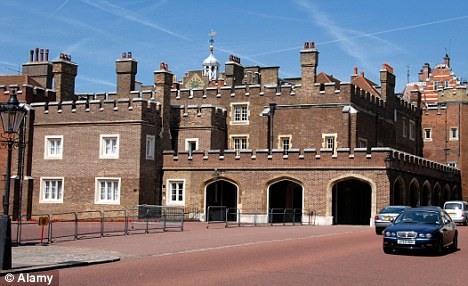
Let me tell you about a very special evening. It was a few years ago, but I’ve been looking through some old photos, and I think you might be interested. We were invited to have dinner at St James’s Palace with Prince Charles.
The dinner was being held for leaders of industry in Europe (and to be honest, I think we were invited because someone else had dropped out – but we’ll brush over that little detail!) It was all very exciting, and I even went out and bought a new dress, feeling that perhaps jeans and wellies were not appropriate for a palace.

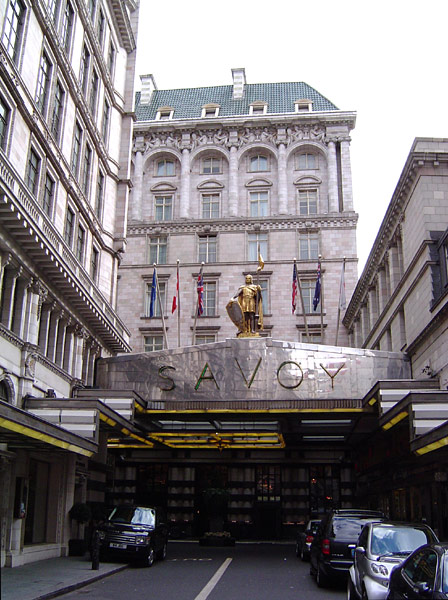
My evening began when I caught the train to London. Rooms had been booked for us at the Savoy Hotel, so I went as early as possible to check into the room (I was not pretending this was all normal – it was a huge treat, and I intended to make the most of it). I was shown to a room – tiny but very posh, and I hung my dress in the wardrobe, and checked the bed was comfy, and peered out the window. Then I walked down the road to a Costa, and bought a sandwich. Because although I was staying at the Savoy, I didn’t want to spend a small fortune on buying something to eat. I remember, sitting in the cafe, watching the world go past, and hugging inside the excitement that I was staying at the Savoy, and going to have dinner in a palace, and I was just a normal person.

Husband arrived at the hotel after work, and we changed into posh clothes, and went to the lobby. We met the other guests, and were served drinks, then told to wait for our cars. As we stood in the lobby, a fleet of silver Mercedes arrived. It was so exciting! We were directed into a car, and then we all set off, driving together through London. There had been a demonstration, so we had to go via a detour, but I didn’t mind at all, as it meant longer in the car, feeling like a celebrity. Several people in the street turned to watch as we whizzed past, wondering who was in the cars.

We arrived at St James’s Palace, in Marlborough Road, and a line of men were waiting to open the car doors and usher us under arches and into the palace. There was a security check, and then we were directed up some stairs, through several rooms, and into a reception area, where we were given more drinks. As we walked, I looked around. There was a dining room, wood-panelled, and full of weapons and oil paintings. I felt I recognised some of the paintings, then realised they were the originals of ones I had seen in school history books. It was a nice room, and had a homely feel, despite being grand.

We were put into small groups, and told how to address Prince Charles, and the etiquette of bowing/curtseying. We then all chatted nervously, and practised curtseying – which is very difficult in high heels, and I was unable to do it without wobbling. The other guests were also very excited, which was nice, no one was pretending this was normal. In our group was someone who owned a bank in Germany, and a film director (I can’t remember their names now – they were people, just like us.)

Then Prince Charles arrived, and his escort. He moved from group to group, shaking hands, and chatting. I was struck with how professional it all was, he seemed genuinely interested in everyone who he spoke to, and yet moved smoothly from group to group after a few minutes. He seemed like a nice old bloke, who was good at his job. When it was my turn to be introduced, I did my wobbly curtsey, but as it was during the actual handshake, he sort of steadied me a bit, so I didn’t fall over or anything (which would’ve been very embarrassing).

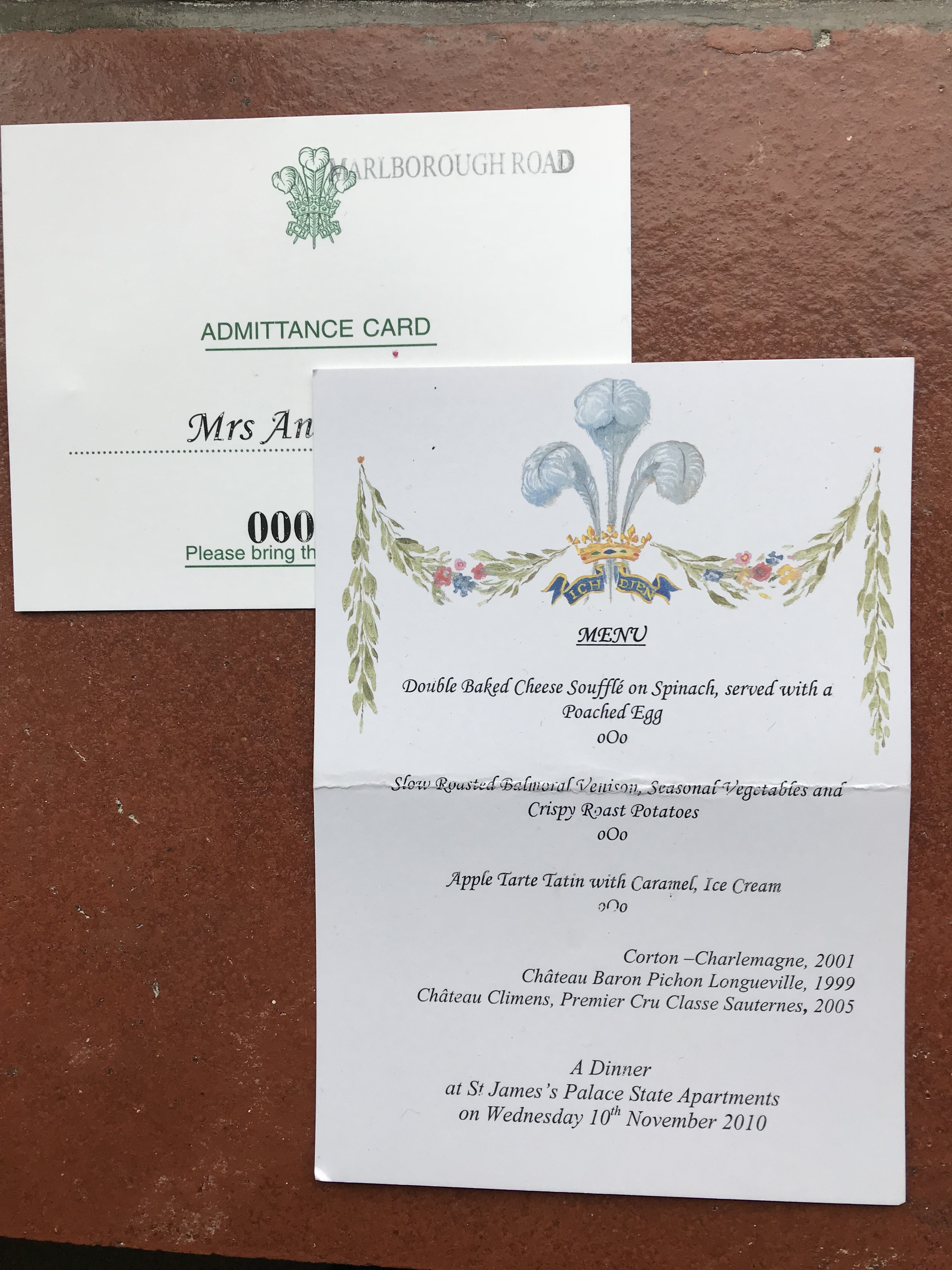
When everyone had been introduced, we were led into the dining room. It was beautiful. A young woman was playing a harp, and the room was full of candles and gold and red. We were shown to our tables, and ate dinner. The food was delicious, and I smuggled the menu into my handbag when everyone had left the table. All the glassware had gold rims, and there were chandeliers, and all the china had a monogram. Prince Charles had different food to the rest of us. He had macaroni cheese. Which he ate with a spoon.

Prince Charles gave a speech about WaterAid (one of the charities he represents). Then we were invited downstairs, to a sort of shop, filled with stuff made by Prince Charles’ business. It was a bit strange to be shopping at a palace. At one point, I was trying to see something, and a man was standing in the way, and as I was about to ask him to move over a bit, I realised it was Prince Charles. Even more odd to be shopping with royalty!

We were driven back to the Savoy, and the following morning were served breakfast. I ate porridge. Then Husband went to work, and I caught the train to go and visit my mum, who was in hospital. Down to earth with a bump. But on the way home, as I sat on the train out of London, I picked up a copy of a magazine someone had left. There, on the Court pages, there were details of the dinner I’d attended. It all felt rather unreal, and the report made it sound as if the dinner had been full of important people. But it wasn’t – because I was there too.

Thanks for reading. Have a good week.

Love,
Anne x

xxxxx
Why not sign up to follow my blog?
anneethompson.com

***********

I thought I would let you know that my new book: CLARA – A Good Psychopath? is now (finally) available. This is a very different novel to my previous ones, so I’ll tell you a little about it.

While writing JOANNA, I researched what it meant to be a psychopath. I read lots of papers by neuroscientists, listened to convicted psychopaths, and even managed to find two mothers of psychopaths who were willing to talk to me. I learnt a great deal about the disorder, and by the time I began to write Joanna’s story, I felt that I knew her very well.

However, all the time I was writing, I kept wondering, does that mean that someone born with the disorder is doomed to a life of crime? I knew that most psychopaths are not killers, or ever convicted of a crime, but could psychopathy ever be a good thing? Were there situations where perhaps it could be a strength?

At roughly the same time, I was invited to visit a project run by ActionAid, amongst the women in the slums of Delhi. As I listened to their stories, I was deeply affected, and wanted to tell others what I had learnt. I am an author, so putting their stories into a novel was the best way for me to do this. I visited India many times while writing CLARA. I met women who live and work in the slums, I sat in their homes, I listened to them. Some had been trafficked as girls, some had lost children of their own. They were strong women, living their lives in the toughest of conditions.

I am now excited to present the novel, CLARA, which combines all these themes into an exciting story. Written in the first person, the reader will learn what it means to be a psychopath. The story shows how someone who is very bad, can achieve something amazing.

CLARA – A Good Psychopath?
Published by The Cobweb Press
ISBN 9780995463257

Until 31st March, I am able to sell CLARA at a 33% discount, so £7.95 incl UK postage. If you would like a copy, let me know in the messages below, and I will email you.

If you prefer to buy from Amazon (at the regular price), the UK link is below:

*****

Lexus LC 500


We went to look at sports cars. You can do this sort of thing when you get to a certain age and are bored. When you’re younger, the sales person asks lots of awkward questions about why you want to change your car, and what your job is, so they can check you aren’t just messing about. But at our age, they simply ask what you currently drive (to check, I assume, a certain income level) and then they are happy to let you play, accepting that one of you must be having a mid-life crisis.

We had been out for brunch at Marcos in Sevenoaks (best place locally for brunch) and drove down to the outskirts of Tunbridge Wells, where there is a whole road of car dealerships, so you can walk along comparing cars. We started in the Lexus garage, looking at the LC 500.

It’s a very pretty car. It has nice rounded corners, and lights which are shaped like slitty eyes, assessing the road. It’s very low profile, and hugs the ground (so would probably make it to the end of our driveway before it was stuck in a pothole, but we’ll brush over that detail). It’s a hybrid, which Husband likes.

Inside, the seats were leather, with suede trim. They were very comfy to sit in, though a long way down, so I might need old-person grab handles in a few years to get out of it (if I ever gave my mother a lift, she would need to be hauled out of the seat when we parked). Very pretty, but I wasn’t sure it would be very practical with a dog. In fact, I was a bit unsure about the dog altogether. I checked the boot.

Checking the boot took longer than expected, as we couldn’t work out how to open it. There was no handle or obvious catch, so Husband checked inside the car. No clever levers or buttons there either. Eventually, I found a tiny round button next to the left rear light, which opened the boot. The cover slid elegantly back – and we both laughed! The boot was tiny. Really tiny. There was no way we could squash a German shepherd dog into it, or even a suitcase actually. Husband assured me this wouldn’t be a problem, as when we go away for the weekend, we could pack our clothes straight into the boot. I had visions of sneaking through hotel reception with pockets stuffed with socks and underwear.
 The boot did, to be fair, comfortably fit my handbag.

We were now on a mission – where could the dog travel? There was no room in the passenger footwell, as the dashboard curved over it. Perhaps the back seat would be the best place (if one didn’t think about muddy damp dogs ruining suede). We moved the front passenger seat forwards, with the rather swish mechanism that raised the seat and then slid it forwards while we watched. We stared at the back seat. It didn’t have much (any) in the way of leg room, but dogs don’t exactly put their feet on the floor when they travel, so that wasn’t a problem. However, the height from seat to aerodynamically designed roof seemed quite small. I slid into the back seat (not as smoothly as the mechanics had slid the front seat forwards) and tried to sit upright. I couldn’t, not without bumping my head on the ceiling. An adult would have to travel on the back seat with their neck bent. This is the sort of thing my children make an unreasonable fuss about, so we wouldn’t be giving them a lift anywhere. I wasn’t quite sure of dog’s height when sitting, but I had images of lolling tongue very near the back of my head while we drove.

We gave up on the LC 500 as a viable car, unless we left the dog at home. If you have lots of money to spare and either very small children or a very small dog who never gets dirty, this is the car for you.

We had a quick look at the Lexus RC, which is smaller and cheaper, and has a bigger boot. Then we wandered down the road. We looked at the Nissan sports car, but couldn’t sit in it as the showroom model had been bought. It wasn’t as pretty as the Lexus LC, cost about the same, and had no more boot room. We popped in to Toyota and Mazda too. But to be honest, I’d lost enthusiasm by this point, and all the cars were beginning to merge into one, so we went home.

Thank you for reading. Have a good week.

Take care,
Love,
Anne x

xxxx
Anne E. Thompson has written several novels and one non-fiction book.
You can follow her blog at:
anneethompson.com

**********
Bill Wilmot 1918 – 2018


My friend: Bill Wilmot 1918 – 2018

I’ve just come home from the funeral of a friend. Not exactly my favourite thing, but then, most people find funerals difficult. I tend to avoid them if I can, but I couldn’t avoid this one. Bill has been a friend since 1982, when I moved to Surrey with my parents, so I felt I had to go, to pay my respects. He deserved to be honoured, because Bill was special. Let me tell you a little about him.

Now, I wasn’t a relative, so I can only tell you the stories about Bill that I remember. But what anyone who knew Bill will tell you, he loved to tell stories. He had this lovely west country accent, and when he spoke (and he could talk for a very long time, so it was no good being in a hurry) you listened. His best stories were about being a medic in the war. He told me that before he went away, he tried to find someone to care for his dog, but no one would. So one day, he spent his week’s money on meat, gave the dog a feast, and then shot it through the head. Because he said, he loved that dog, and refused to have it suffer when he wasn’t there to care for it. There was a strength to Bill, and a determination to do things right.

Bill specialised in ‘landings’, and he seemed to have done a lot of them. So when the troops landed on a coast, Bill would be in the next wave of landings, helping anyone who was wounded. He told me that once, he jumped off the boat, and almost immediately, something exploded next to him, and he was completely covered in mud. He thought he’d die, but one of his friends had noticed, and dug him out. Later, when he rejoined his unit, they were surprised to see him. “Oh,” they said, “we thought you were dead, we saw you being blown up”.

As a medic, Bill treated anyone who was injured, irrespective of country. When he was in Burma, he helped both British and Japanese soldiers. He told a story about bending down in the make-shift hospital to help one soldier, and a Japanese patient next to him, slipped Bill’s knife from his kit, and stuck it into his leg. Bill said (and you have to read this in a west country accent):
“I won’t tell you what I said, because it wasn’t suitable for a lady to hear, but I was not very happy.”

When Bill returned from the war, he went straight to where his fiancee lived. But while he was away, she’d died of an illness. Bill never married.

Although a hero, Bill was no saint. He told me that when he later worked in a reform home for boys, teaching them gardening skills, one of the teachers annoyed him. So one evening, when everyone was eating dinner, he went out and slashed all the tyres on his car. Later, Bill worked at Godstone Farm, and was keen that children living in London should have some knowledge of the countryside.

Bill was always interested in boys who were in trouble. I met him long after he’d retired (Bill was always old, even back in 1982). He would talk to the boys in the village, get to know them, and give them advice and help. He told me that once, he was driving a couple of boys into Redhill, and one of them turned to him.

“Bill,” he said, “I could get out a knife right now, and stab you, unless you drive us where we want to go.”

Bill continued driving, and answered: “Yes you could. But before you do, remember that I’m pretty old, and I shall die soon anyway, and I know exactly where I’m going because God has promised me a place in Heaven. But things are a bit more unsure for you. So bear in mind, that if you do get out that knife, I shall drive straight into a wall, and then you’ll be in trouble.”

The boy put away the knife.

I’m not sure that Bill was afraid of anything, even though as he got older, he was very frail. He told me that some men tried to sell him a scam recently, so he told the police. The police went to his flat, and hid in the bathroom, while Bill spoke to the men who’d come back to sell him some dodgy deal. They had to wait until the men actually asked for money, and Bill had actually written the cheque, and then they emerged from the bathroom and arrested them. I asked Bill if he’d been scared, but he said no, it was exciting. He was no fool.

Bill was always willing to help with young people. Whenever Husband was away, and I had breakfast club, Bill would come to help me, just to be the second leader, and to talk to the boys.

When Bill was 98, he asked us if he could pay for the meal at Lunch Club, and if it could be his birthday meal. We said we would do it anyway, but he insisted that he had savings, and he wanted to pay. So we agreed. He chose a roast lamb lunch, with a pudding, and I made a cake and we decorated the hall. Bill arrived with an inflatable hat, which had birthday candles on it and an “I’ve lost count” slogan. We sang happy birthday to him, and he stood, and made a little speech. It was a real honour to be able to help him mark his birthday.

Then after the meal, Bill came into the kitchen to pay. The cook for that week, asked me what she should do. We’d had 40 people that week, and roast lamb for 40 people is expensive, and probably cost much more than Bill realised. I told her to ask him how much money he’d brought, and then to tell him the meal had cost slightly less than that.

I heard her ask him how much money he had, and then tell him an amount which was £20 less.

“Right,” said Bill, “well here’s your money for the food. And here’s a £20 tip for the workers!”

I will miss Bill. The last conversation I had with him, was at Lunch Club. I held open a door for him, and as he walked through, he positioned his walking frame, so I was trapped behind the door.
“Aha! I’ve got you trapped now!” he said. If I’d blown, he’d have fallen over. But that was Bill, he had a wicked twinkle until the end.

I cannot pretend that his body wasn’t ready to die. After 99 years, everything is worn out, and the last year has been very tough for him. He didn’t want to die, he was determined to live until September, when he’d have been a hundred. But he didn’t manage it. He had asked my dad if he would go back to Godstone to do the funeral. But my dad died 10 years ago, so that wasn’t going to happen!

The funeral was very dignified, and Bill had written a letter, which was read out. He told us all about his faith in God, and talked about “agnostics who hide in their foxholes of darkness”. If anyone had the right to give advice about life, it was Bill. He honoured God, and although his life was often not easy, I know he never regretted that decision. I feel privileged to have known him. Though, I was surprised at the funeral to learn that actually, he wasn’t called Bill, his name was Oswald, and all his family called him Uncle Ossie!

Thank you for reading.

*******

anneethompson.com

Life has been busy…


Life has been busy since we arrived home from India. We had barely unpacked before Husband set off again, for Germany. I’m sure this was an essential work trip, and not because I am very irritable when I’m jet-lagged. It took me a few days to readjust my clock, which was fine because waking before the rest of the country is not unpleasant, though I did have a tendency to collapse at about 7pm. I was cooking at lunch club on Friday, so the first couple of days were busy with shopping and making ginger sponges for pudding. I cooked my default meal: roast gammon, roast potatoes, carrots, cauliflower cheese, and sweetcorn. It went okay, and we served 36 dinners.

The following day, we were organising a church social. Well, to be precise, Husband was organising a church social, as when it was planned way back in October, I told him that after Christmas and new year and a trip to India, I would NOT be helping to then arrange an evening of entertainment for the church family. But he didn’t listen. He arrived home from Frankfurt Friday evening, and spent all day Saturday getting things ready.

Due to my refusal to help, he ordered fish and chips for everyone. This worked really well, and the shop delivered 45 portions, all boxed and ready to eat, with tiny sachets of salt and vinegar. All I had to do was hand them out to people. Everyone had brought puddings, and we had a table of drinks.

It was a fun evening. Everyone was put into teams, and each team was given a box of challenges to complete in 45 minutes. These ranged from drawing a portrait of a team member, to building the highest tower with the paper and tape provided. It was an evening for the whole church family, so we had young children and elderly, but there was something for everyone, and lots of opportunities to chat. Which is probably the main purpose. One of the activities was to complete a jigsaw puzzle, which was probably impossible in 45 minutes, but it was rather pleasant to join puzzle pieces while chatting to other people on the table.

On Sunday, daughter and dbf popped home. We went for lunch at The Bell in Godstone, which is the only pub I know which offers a complete alternative menu for vegans. (I pretended I had known this in advance, and chosen it specially, but actually it was a complete fluke!) Then we went for a very wet dog walk and lazed around watching television.

I found an old book about grammar, and read out interesting snippets to people, which I’m sure added to their enjoyment of Lord of the Rings. For example, did you know that you should use ‘was’ for things that are certain (I was at the cinema) and ‘were’ for things that are uncertain (If I were to go to the cinema…)? Or that Samuel Johnson put together the first English dictionary in 1755, and thereby standardised spelling. But Noah Webster found all the silent letters very annoying, so he produced an alternative, American, dictionary in 1828, which spelt words the way they sound: center not centre, and color not colour. Which is why, even today, American spelling is different to English spelling.

I also made a Kindle paperback of JOANNA. I was hoping it would be listed first on Amazon, above all the annoying secondhand copies. But it’s not, it appears to be listed separately. So, if you live in the UK, don’t buy that version – the first edition version can still be bought, which is a nicer quality book. You just need to check you are buying a new copy when you order one. However, the Kindle paperback version does now mean that people in other countries can order physical copies of the book, so I will leave it there. I’ve sold quite a few other books in the US, Australia, and various parts of Europe, and now JOANNA is available in those countries too.

Today, I will try to catch up with life a little. I feel as if I have been running since November, and I have piles of stuff around the house which need to be sorted. I then need to start planning the launch of CLARA, which I’m very excited about. The manuscript is finally with the printer, and the order placed. I had to decide how many copies to print. I was very tempted to print fewer books than previously. I really find the selling bit difficult – since my operation, I find approaching strangers and telling them about my books, to be really scary. On the other hand, I feel that CLARA is a book that should be read. I know it’s controversial, that some people will find it difficult, but it says so much. It tells the story of the women I met in the slums, and it has layers of messages hidden in the depths of the story. It is a gripping story, but I hope it will be more than that. So, I was brave, and have ordered 500 copies. I need to work out the price, as it’s a fatter (and therefore more expensive) book than JOANNA, but I think £12.99 will be about right. I’ll let you know. If you want to preorder a copy, send me a message via my Facebook page.They sent me a copy of the cover to approve, so I’ll let you have a sneaky preview.


Thanks for reading. Have a good week.
Take care,
Anne x