Surviving Easter Weekend and a Post Post Script


Hello, and I hope you had a lovely Easter weekend. I am actually writing this on Good Friday, in a snatched few minutes before the next onslaught of jobs. No idea if I will actually make it past tomorrow.

It has been a stressful week, but I will try hard to not apportion blame.

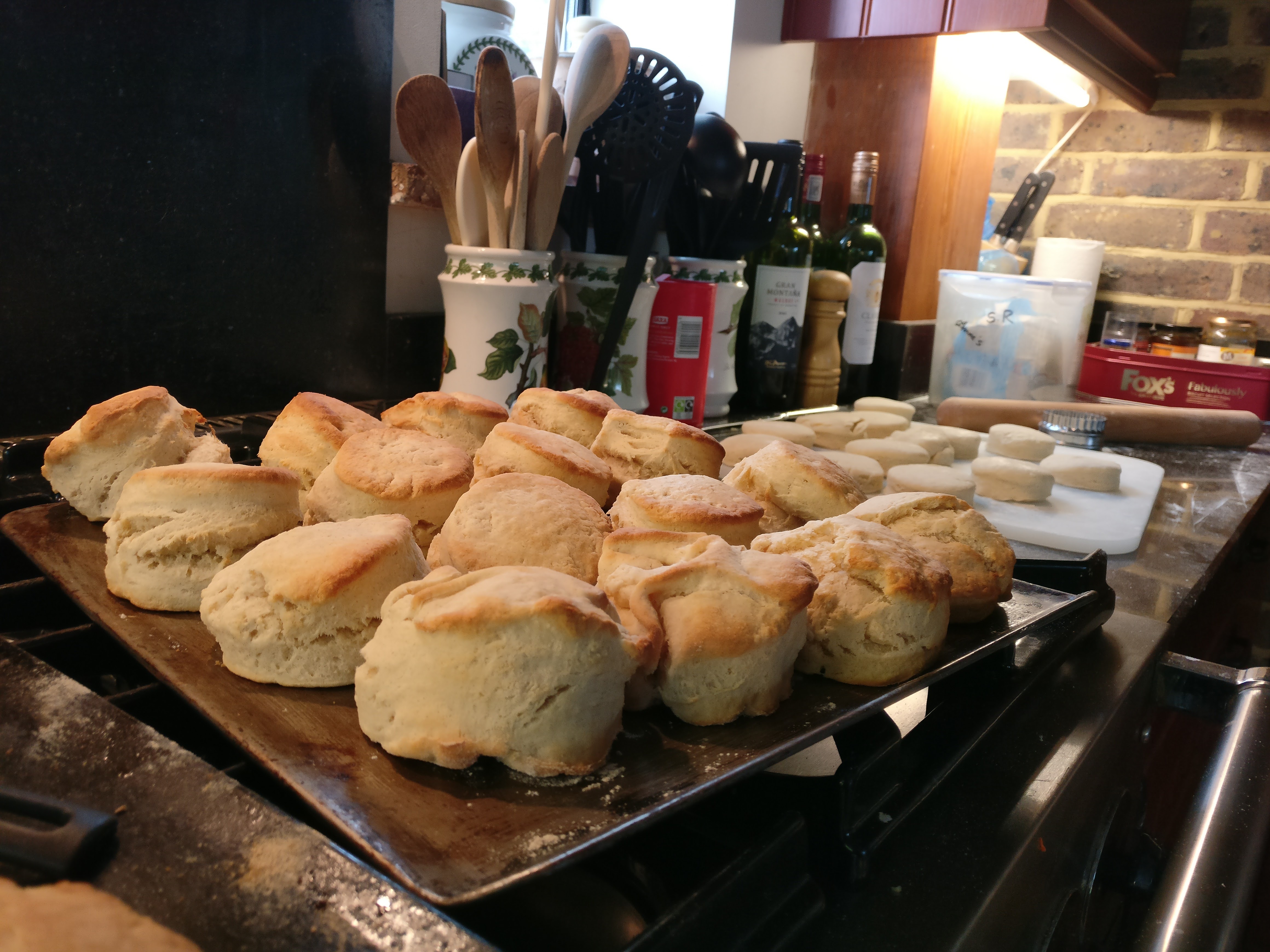
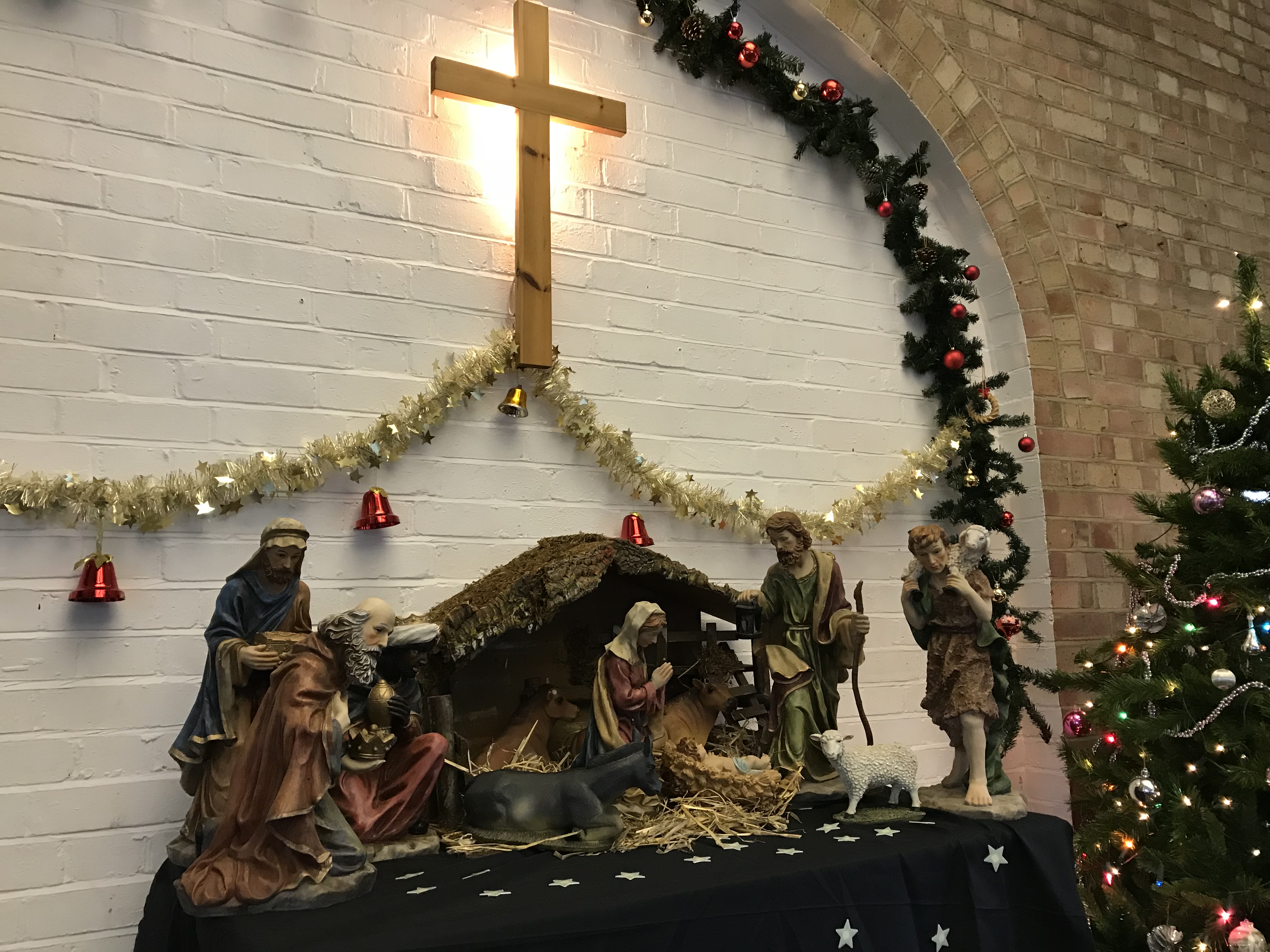
It began badly, when the painter arrived on Monday. For some reason, somebody had booked a man to decorate the entire house, beginning the week before Easter. This is generally a busy time, as all the family, including my mother, come to stay, and then on Easter Monday we invite the whole church and anyone else who wants to come, and we all go for a country walk and have a cream tea. Last year we had about 80 people, so it involves baking quite a lot of scones. And having the house tidy. And is not helped by having a bloke painting random rooms the week before.

But we survived. The painter man turned out to be relatively low-impact, though having to empty whole rooms is not without a certain amount of chaos, and chemicals smell horrid, so windows have to be open, so the house is cold. I couldn’t write in my normal place, and so shared the kitchen area with son who’s back from uni. It wasn’t completely terrible, and I managed to write 13,000 words of next book. I think I write best when depressed.

The main reason for the depression is that, due to repeated nagging from various people, I went to the doctor about those chest pains/breathlessness I told you about a few weeks ago. Part of this involved blood tests, and I was told I need to cut down on cholesterol. Which is frankly awful. I am not sure that a life without cakes and flapjacks and cheese sauces is necessarily one I want to live. I spent the week rebelling, and baking said flapjacks and cakes, and then feeling guilty, so forcing them onto other people.

The weather is also being rubbish. As I write, I have just returned from a particularly unpleasant walk. The fields are not just boggy, they are lakes. Son made a lot of fuss about having a hole in one wellie. The chickens insist on leaving their cage because it’s not actually snowing, but they are cross, so sit on the back doorstep frowning at me. The back doorstep is now covered in chicken poop, so that’s another job before the cream tea (in the rain) on Monday.

The ducks are happy though. And randy. Ducks in the spring are incredibly randy. Which means lots of eggs, but I have been removing them because I don’t want more ducks, and now the laying boxes are empty each morning. Which means they are hiding their nests. Which means they will arrive with a clutch of ducklings in a few weeks time, and I will have to either fish them out of the pond, or leave them for the magpies to eat.

Anyway, I have survived so far, and if I make it to Monday I will be feeling calmer. Am hoping lots of people still come to cream tea, even if the weather is bad, otherwise I will have many pots of clotted cream to dispose of (or eat, if I decide the whole cholesterol thing is best ignored). Perhaps I could post them out with copies of Clara. A sort of unusual special offer: Buy a book and get a free pot of cream. Perhaps not.

Enjoy your day and have a lovely week, whatever the weather.

Take care,
Love,
Anne x

PS. Had the BEST review today – the local bookshop wrote on twitter that a customer had so enjoyed Clara that they’d gone back to buy my other books. Excellent. Have you bought a copy yet?


PPS. As I set the table for Easter Sunday dinner, I put out napkins. We don’t use them very often, because some of my family never use them, and they are bit of a pain to wash and iron afterwards. But for special occasions, we use cloth napkins. Which reminds me of something I read this week.

Did you know, that Romans used napkins, and their slaves would watch while they ate? When the master had finished eating, he would screw up the napkin and leave the table, signifying he had finished. But sometimes, he would leave the table and carefully fold the napkin. This was a sign to the servants that he wasn’t finished – he would be returning to the table. Now, if you read the Easter story, you will read in John’s book, that when the disciples got to the empty tomb, the grave cloths were left there, abandoned. But the napkin which had been around Jesus’ head was carefully folded…

The Sword Pierced Heart (a story reposted for Easter)


The Sword Pierced Heart

by Anne E. Thompson

I watched my son die today. My beautiful boy, beaten, battered and left to die. And my heart broke. I held my cloak close and I remembered the weight of him as a babe, like a boulder on my hip, wriggling to be free, to run and jump and climb. Those legs will run no more. Those limbs, I was so proud when they grew. I remember when he grew as tall as me, then taller even than Joseph. I remember watching him, stretched out as he ate, those long limbs seemed to go on forever. “I grew him,” I used to think with pride. Those limbs will not sprawl relaxed in my home ever again.

I watched his hands, the hands that used to pat me cheekily on the head when he’d grown tall. Those strong hands which laboured with wood, which helped me carry heavy loads, which lifted young children playfully. They are no longer strong. I saw them bang nails through the flesh, felt that I heard the sound of bone shattering over the thump of the hammer, heard his ragged breath as they forced the cross upright. And I wondered if I too might die. But I watched. I am his mother and I would not leave him alone.

When they tried to take me home, when they told me to shield my eyes, avert my gaze, I did not. For he was my son. I would never leave him alone, not at such an anguished hour of need. Others watched. Some women were there, terrified and hanging back. Not me, I am his mother. I stood with John, where he could see me. What could they do to me that was worse than this?

Others watched who hated him. They mocked and spat and called abuse. It could not hurt him now, I thought, let them shout. “He trusts in God,” they called, “Let God save him now,” and they laughed, even as he died they laughed. Yet even God deserted him by the end and that was hardest to bear. He called out with a loud shout, asking why God had turned from him.
“My God,” he called in anguish, “why have you forsaken me?”
But I was there. I did not leave. I saw them crucify him, naked upon a cross. No mother wants to see her grown son naked, but still I did not look away. I was there at the beginning, I would stay with him until the end.

The soldiers took his clothes, for fabric is costly and even that of a criminal should not go to waste. Most they tore and shared between them but not his tunic. They cast lots for that, not wanting to spoil something precious. Yet my son was precious and they destroyed him.

It began last night. They woke me from my sleep and warned me there was trouble. He had been arrested, taken from a meal with his friends and questioned by the temple authorities. They feared the invaders, so he was then referred to a court of Godless law, a place that feared no God. They told me that he was scourged, beaten with whips that removed chunks of flesh as they struck. He was mocked and abused, then brought to this place.

I came, stumbling through streets full of people, full of noise and smells and fear and hatred. I came to this place, this Godforsaken hill beyond the city wall and I saw my son, my boy, diminished, shrunken somehow. I saw that what they had told me was true, smelt the repugnant stink of excrement mingle with the metallic stench of blood. I heard the shouts of abuse, the curses of the guards, the screams from the prisoners, the wails from friends. And him, like an oasis of calm amidst the turmoil, suffering but at peace.

And he saw me. Those dark eyes that as a baby had watched me intently when he fed. Those eyes that twinkled merrily when he teased me and became serious when he wanted to explain something important. Those eyes, red rimmed with exhaustion now, turned to me. Even hanging there, with parched mouth and dried lips, he spoke to me. His voice was hoarse, for he had refused the wine they offered, but I heard him well. A mother knows her child’s voice. I stood with John and my son told me that this was to be my son now and he was to care for me as a mother. Even in his torment he cared for me, fulfilled his duty as my son. Still I would not leave.

Then it ended. The sky had turned as black as my world and he drew his last breath. It was finished.
Those who had mocked became silent, some cried, some beat their breasts in despair. The blackness of the sky frightened them and many fled, wondering at what they had done.

Then I left, I let them lead me away. My soul was broken and my heart beat even though I bid it stop. My boy was gone, my firstborn, special baby, was no more. I carried that knowledge like a rock within me, I would have rather died in his place. How can I live, continue with my life knowing he is gone? There would be no more sunshine or laughter, nothing matters now. The core of me was gone. I could not even cry.

Afterwards, I could not rest and I heard strange stories. They said the soldiers pierced his side, to check there was no life in him. His blood had separated so they took him down, a solid corpse that had no life.
A man came and took the body, they said they followed and knew where he lay, in a tomb that was guarded. They told me of strange things, of the temple curtain torn in two, of dead men walking and boulders breaking open. I do not know. I only know my boy is gone. That is all that matters.
It should not have been like this. It was so recently that people praised his name, sang and danced before him, treated him like a king. It should not have ended like this.

And yet, I recall a song, it comes persistently to mind, sung often in the synagogue. It speaks of one forsaken by God in his time of need, scorned by many. He belonged to God from before he was born, then suffered at the hands of many. They sung of bones poured out like water, a heart of melted wax, that is how my boy would have felt. They sung of hands and feet pierced like his and enemies gloating over him. They sang of lots being cast for clothing and of God’s ultimate victory. They sung of remembering him for ever, not just now but families of every nation, even those presently unborn. For he has done it.
Is this my son’s song? Were the words written for him? He spoke of his death often, he tried to warn me that he would die. But not like this, not before my own time has come. No mother should bury her child, it goes against what is natural and right. Though, he showed no fear, he knew what his end would be. And he told me there was more.

As I turn now to sleep, I wonder at his words. Will he truly return somehow and will I know?

Has he finished what he was sent to do?

****

If Mary was a young teenager when she learned she was pregnant (which would fit with the age girl’s became betrothed in those days) then when Jesus died aged thirty-three, she would have been about forty-seven. How does a woman of that age cope with the things she was forced to witness and how much would she have understood at the time? I am about her age, I have sons, contemplating their dying is too horrible for words. I am sure she loved her boy as much as we love ours.

Crucifixion was a ghastly way to die. We learn in the Bible that Jesus, who never sinned, who never did anything wrong, died to save the world. What does that mean? You can learn more at:https://anneethompson.com/how-to/378-2/

However, many people were crucified, some probably unjustly accused. So is it the death that was important or was it that God became separate? I think that this is the key issue here, the part of Jesus that was God left him. That was more terrible than crucifixion. That is what each of us deserves and what we do not have to suffer if we choose to come to God.
If we want to know God, we can, even if that means changing our minds. You may not believe in God but God believes in you.

The song which Mary recalled in the story was Psalm 22. It has some striking similarities to the account of Jesus’ crucifixion. It was written about one thousand years before the event. (wow)
It begins: “My God, my God, why have you forsaken me?”
It finishes: “…..future generations will be told about the Lord. They will proclaim his righteousness to a people yet unborn – for he has done it.”

xxxxxxxxxxx

Thank you for reading.

If you liked this, why not sign up to follow my blog?

anneethompson.com

xxxxxxxxxxxxxxxxxxxxxxxxxxxxxxxxxxxxxxxxxxxxxxx

Harvest Thoughts (yep, I do know it’s only March!)


I have some ideas for Harvest. Yes, I know it’s ages away, but things in churches move very slowly, and unless I start making noises now, it will suddenly be upon us. My reason for wanting to do something stems from last Harvest, when I arrived at church, saw someone had made a pretty display of fruit and branches, and thought, “Oh, it’s Harvest!” And that was it. Harvest meant nothing to me any more, and I’m not sure it’s meant to be like that.

Harvest used to be quite exciting. When I was in infant school, we all took in tins and packets of food, and the teachers decorated shoe boxes. We had a special service, which I remember nothing about except that there was this heap of food in front of us, and we sang the same songs each year – you know, the ones about farmers, and hunter’s moons, and fields being ploughed. I’m not sure I had ever seen a field being ploughed, and I had no idea what a ‘hunter’s moon’ was. But that mound of food was so enticing. We didn’t have much money in those days, and to see packets of biscuits, and fruit, and tins of chocolate pudding – all the things that never appeared in our own home – made the service very interesting. Then, when we were in the ‘top class’, we were allowed to walk around the council estate where I lived, carrying the shoe boxes of produce, delivering them to the old people’s homes. All very exciting.

But things have settled since those days, and now that I don’t teach, Harvest has become bit of a non-event. Which is not, I feel, how it should be.

Now, I’m not sure that Harvest itself is particularly important in its own right, but I do think festivals and traditions in general are hugely important. I have been reading though the Bible, from start to finish, and as I ploughed through all the laws and instructions in the early books (not, if I’m honest, thrilling reading) I became aware that people were designed to have festivals. We need physical things to remind us about God, traditions to make sure we remember things that are important. Which led me to think that perhaps I am missing an opportunity with Harvest, perhaps it needs to have more importance in my year.

Originally, I think that our Harvest Festival was based on the Jewish festival of ‘Booths’ or ‘tents’. The Israelites were told to make little shelters, using boughs from trees, to decorate them, and to camp in them for a week. How much fun would that be! My kids would’ve loved to do that every year, they used to love making camps. For the whole family to camp in the garden or lounge for a week, to remember what God had given us, would’ve been something they’d have really enjoyed. The Israelites were told to use the festival to remember their escape from Egypt, and later, to use it to remember to thank God for what he had given them – and it was held at harvest time. Even pagan civilisations have celebrated harvest time, the time when the barns were full of food ready for the next year.

So, how can we, with our mobile phones and busy schedules, celebrate harvest in a meaningful way? How can we have a significant Harvest Festival?

The main elements seem to be decorating a space, sharing food, and making an offering to say thank you to God. I have some ideas about these (which I have not yet ‘shared’ with my church – so I will keep you posted on which ones actually come to fruition).

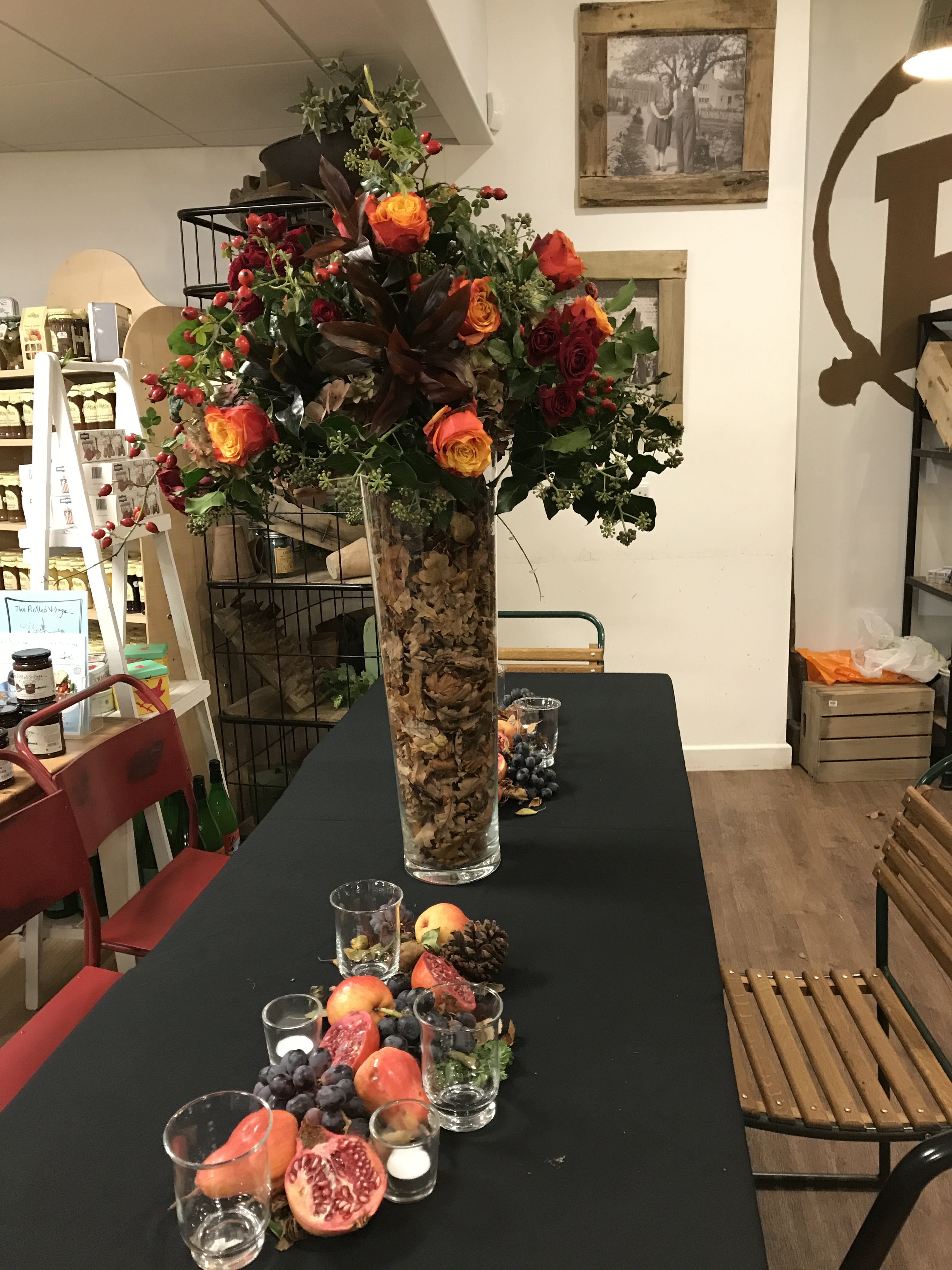
I recently went on a course on how to make table decorations and arrange flowers. Not really my ‘thing’ but most people were very enthusiastic. Perhaps therefore, we could run a similar course at the church. We could invite a demonstrator, people in the village could come, and everyone could spend a couple of evenings making decorations and flower arrangements. These would then be used to decorate the hall (and taken home by the people who made them after the festival). People from the village would also be sharing in Harvest, the church would be leading the community in a festival of thanks.

The food could be a ‘pot-luck’ supper. The whole community could be invited to the church, we could set up long tables with white cloths, in the space that has been previously decorated. We could provide some basic food – perhaps french stick loaves and slices of gammon – and everyone who came could bring one dish to share. It might be a slightly strange menu, but for a supper, I think it would work fine.

At the side, would be two tables. One is a ‘thank you’ table. On here, people put symbols of things they want to thank God for. Maybe photographs of pets or people or things. There would be a time when we say a simple prayer, thanking God for the things represented on the table.

There would also be an ‘offering’ table. People would put on there things that they want to offer back to God, a ‘sacrifice’ for want of a better word. Perhaps if someone can sew or knit, they might put a pair of gloves on there. If they paint, they might give a picture. I could give some of my books. The emphasis is on giving – giving something back to God. Something which has cost us, either time or money or both. Something of value. There would also be a box, for those who want to give money.

Of course, in Old Testament days, all the things offered for sacrifice were burnt or eaten by the priests, which doesn’t seem appropriate today. It might be better to sell the things, and send the money to Tearfund. We could either save them until the Christmas Fair, and have a stall, a “Thank You Stall”, where people could ‘buy’ the items by making a donation which would then be sent to Tearfund; or we could sell them at the Harvest Supper. But I think Christmas is a better option. It makes harvest a ‘giving back’ time, and the value of the items is the value of what the giver has given, not the value that might be raised by selling them.

The building would then remain decorated for the service the following day. At our church, the main thing God has given us is people, who have then moved into ministry in different places. I think it would be poignant if they were all invited back, and asked to give a five-minute sermon on giving thanks. It would remind us of what God has given to our church, it would mean that they could invite their families and old neighbours to share in the celebration, and it would be fun – seeing old friends is always fun.

So, there are my plans. Now to let them settle, share them with other people, and see which ones are from God and which ones are just my ideas. I will let you know in the autumn what actually happens!

***

Thank you for reading.


Anne E. Thompson writes a post every week. You can follow her blog at anneethompson.com
Anne is an author, and has written several novels and one non-fiction book. You can find her books in shops and on Amazon.


xxxxxxxxxxxx

A Quick Trip to Cambridge


Cambridge is a great city for a short visit. We drove there, but all the narrow one-way streets, and students cycling, not to mention the suicidal ducks, meant that train would’ve been a better way to travel. Especially as, once you finally make it to the centre of town, there’s nowhere to park unless you take out a mortgage.

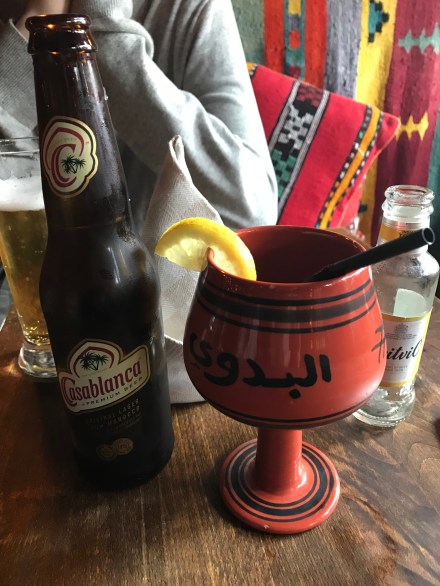
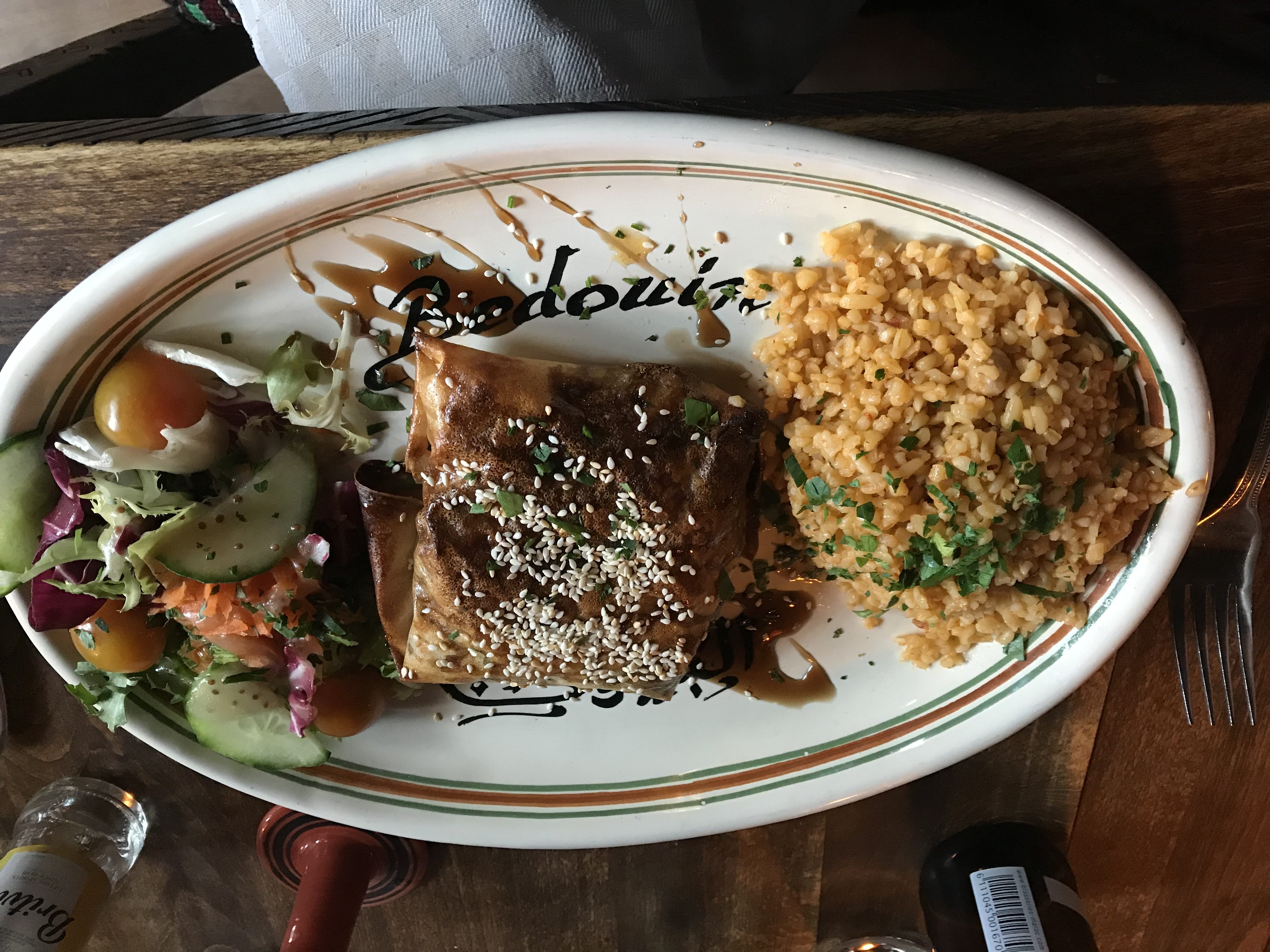
We met Son and Daughter in Son’s extremely tidy flat (he left all his muddles at my house – feel I failed at a parenting point somewhere). Then we went to Bedouin on Mill Road for lunch. I’ve never eaten North African cuisine before, but it’s different, tasty, and best eaten slowly with some good conversation. The decor was lovely, the walls lined with fabric, so you did feel as if you had stepped into a Bedouin tent.

The only fault were the washrooms. The sign was somewhat confusing, so to be fair, I might have been in the Gent’s. It was very narrow, so a large person would find it impossible to manoeuvre past the ornate copper sink and contort sufficiently to actually reach the loo. I wonder how many times they have to rescue guests who find themselves jammed in position. But apart from that, a great little restaurant. (info@bedouin-cambridge.com)

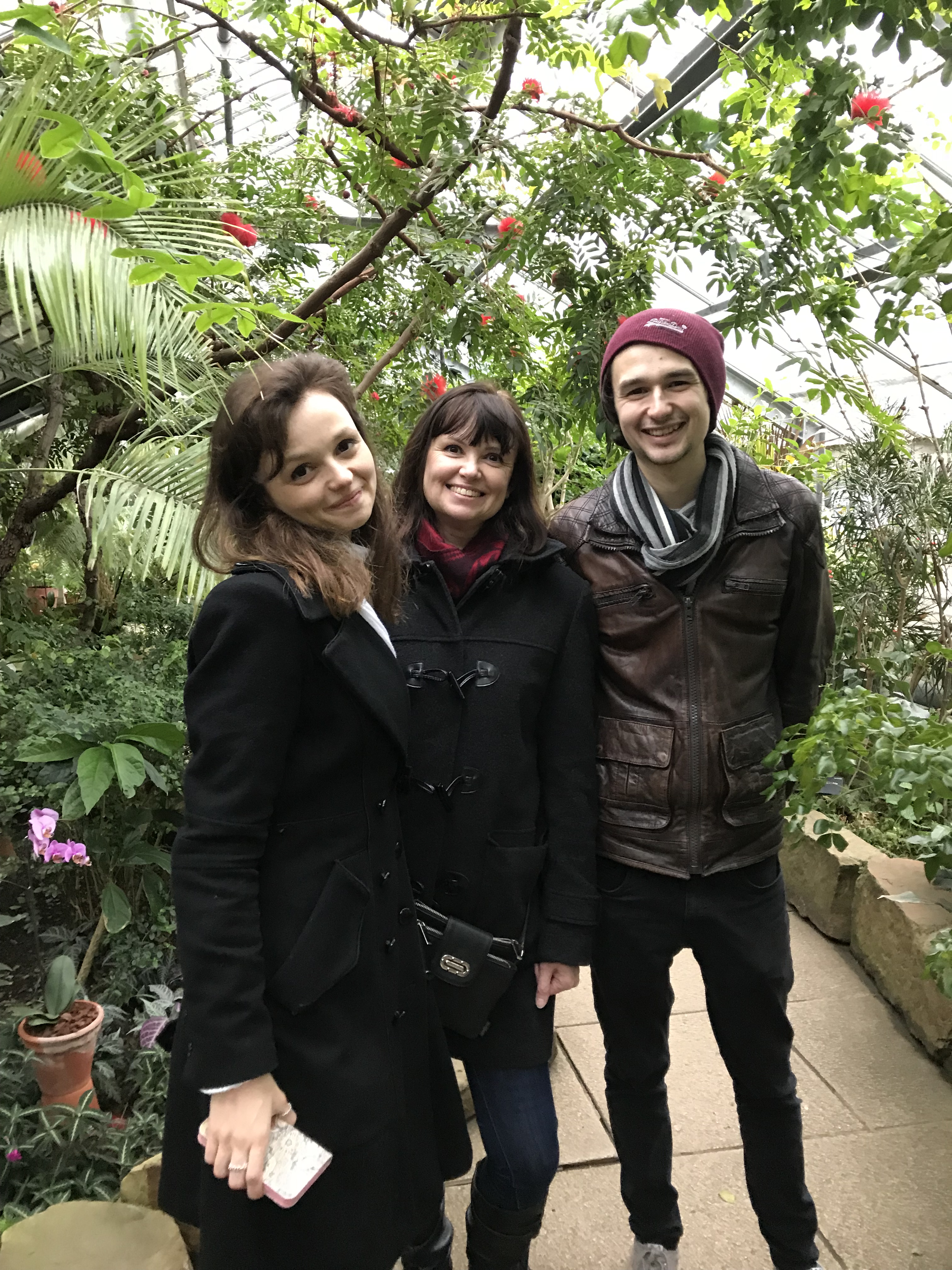
Weather was dry (unusual in Cambridge, it always rains when I visit) so we wandered to the Botanical Gardens.

Gardens were not at their best – possibly March is the wrong month to visit. Went into the tropical houses, but were unable to go into one whole section due to a mosquito. Yes, that’s right, just one. But Daughter has developed an aversion to them after being eaten alive recently in Bali, and I for one do not attempt to introduce logic when discussing options with my family.

Rest of hot house had some cool floating plants (brought back from Mars, apparently) and some orchids (which also resembled aliens). When Son told Daughter to: “See how many flowers you can eat in one minute,” I felt things hadn’t changed much from 20 years ago.

We also saw the National Collection of Tulips, which I feel is not something the Queen would be proud of – I can’t see her mentioning it during royal tours. Also saw a map showing the five floral kingdoms of the world, which Son-the-conservationist told me was extremely interesting.

Drove home in awful Sunday evening traffic and collected dog from my mum’s house (which was hairier than when we left, but both seemed happy). A nice day, in a nice place, with lots of laughs. My family are still the people I most like to spend time with.

Thanks for reading. Have a good week.

Take care.

Love,

Anne x


*****


Why not sign up to follow my blog?
anneethompson.com

If you enjoyed this, you will love my new book: The Sarcastic Mother’s Holiday Diary.
I have always written a diary on holiday, so last Christmas, I decided to find all my old diaries and blogs, and make a book for my children. However, several other people also asked for a copy, so I have written a public version – it’s available on Amazon and has been described as “The Durrells meet Bill Bryson”!


Why not buy a copy today? I think it will make you laugh.

The US link is here:

https://www.amazon.com/Sarcastic-Mothers-Holiday-Diary-ebook/dp/B07N95281F/ref=sr_1_1?ie=UTF8&qid=1549015525&sr=8-1&keywords=the+sarcastic+mothers+holiday+diary

The India link is here:

https://www.amazon.in/Sarcastic-Mothers-Holiday-Diary-ebook/dp/B07N95281F/ref=sr_1_1?ie=UTF8&qid=1549015429&sr=8-1&keywords=the+sarcastic+mothers+holiday+diary

The UK link is here:

https://www.amazon.co.uk/Sarcastic-Mothers-Holiday-Diary-ebook/dp/B07N95281F/ref=sr_1_2?ie=UTF8&qid=1549014970&sr=8-2&keywords=the+sarcastic+mothers+holiday+diary


Anne E. Thompson has written several novels and one non-fiction book. Her latest novel explores how someone very bad can manage to achieve something very good. Set in the slums of India, it is a fast paced, gritty story with strong characters.

CLARA – A Good Psychopath?

Available from bookshops and Amazon.

‘She had told her story many times, you could tell; the emotion had gone out of it, but the words were easier to say.


“I came to the city when I was a girl,” said Rashi, folding her thin hands, in her lap. Her voice was quiet but clear, her words sure. She had told her story many times, you could tell; the emotion was gone out of it, but the sentences were easier to say.”

Rashi was sold for £100, to a man who promised to educate her. Instead, she was put to work in a brothel, unable to escape and with nowhere to go. She was owned…

Could Clara, a young woman with all the selfishness, recklessness and glib lying that goes with a psychopathic disorder, be the one to help her? Can psychopathy ever be a strength?

Read more about Clara and Rashi in: CLARA – A Good Psychopath?

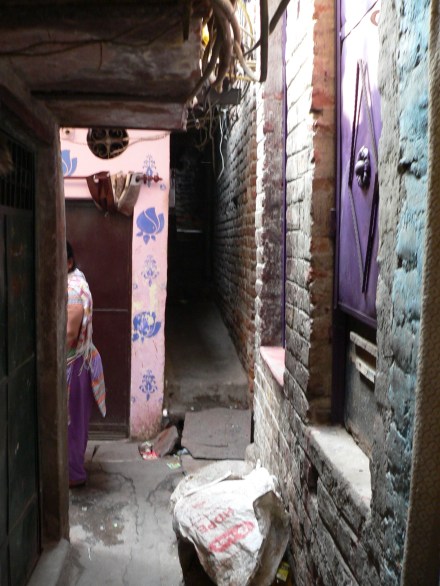
CLARA is a novel, all the characters are fictitious. But the situations are real. Today, in the slums of India, there are young women who have no choice but to work in the sex industry. You can learn about their lives, feel the mood of the slums, and discover the people who live there, in the compelling new novel from Anne E. Thompson.

Available in bookshops and Amazon for £11.95. But until 31st March readers of this blog can order a copy at a 33% discount (£7.95 with free UK postage). Complete the contact form below to order your copy.


← Back

Thank you for your response. ✨

A Letter to my Children : Visiting the ancestors in Hankerton.


Dear Children,

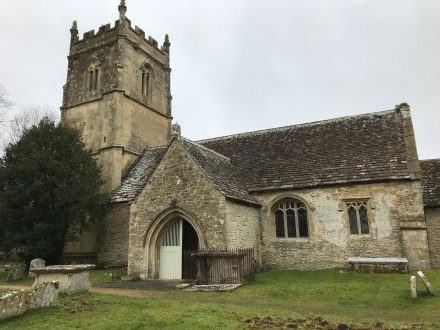
Today I went to Hankerton, in Wiltshire. It’s a hamlet, a scattering of houses and a tiny church set in the Wiltshire countryside. It’s where my granny was born and raised, and is full of family history. It is your history too, so I will tell you about it, because one day you might visit on your own.

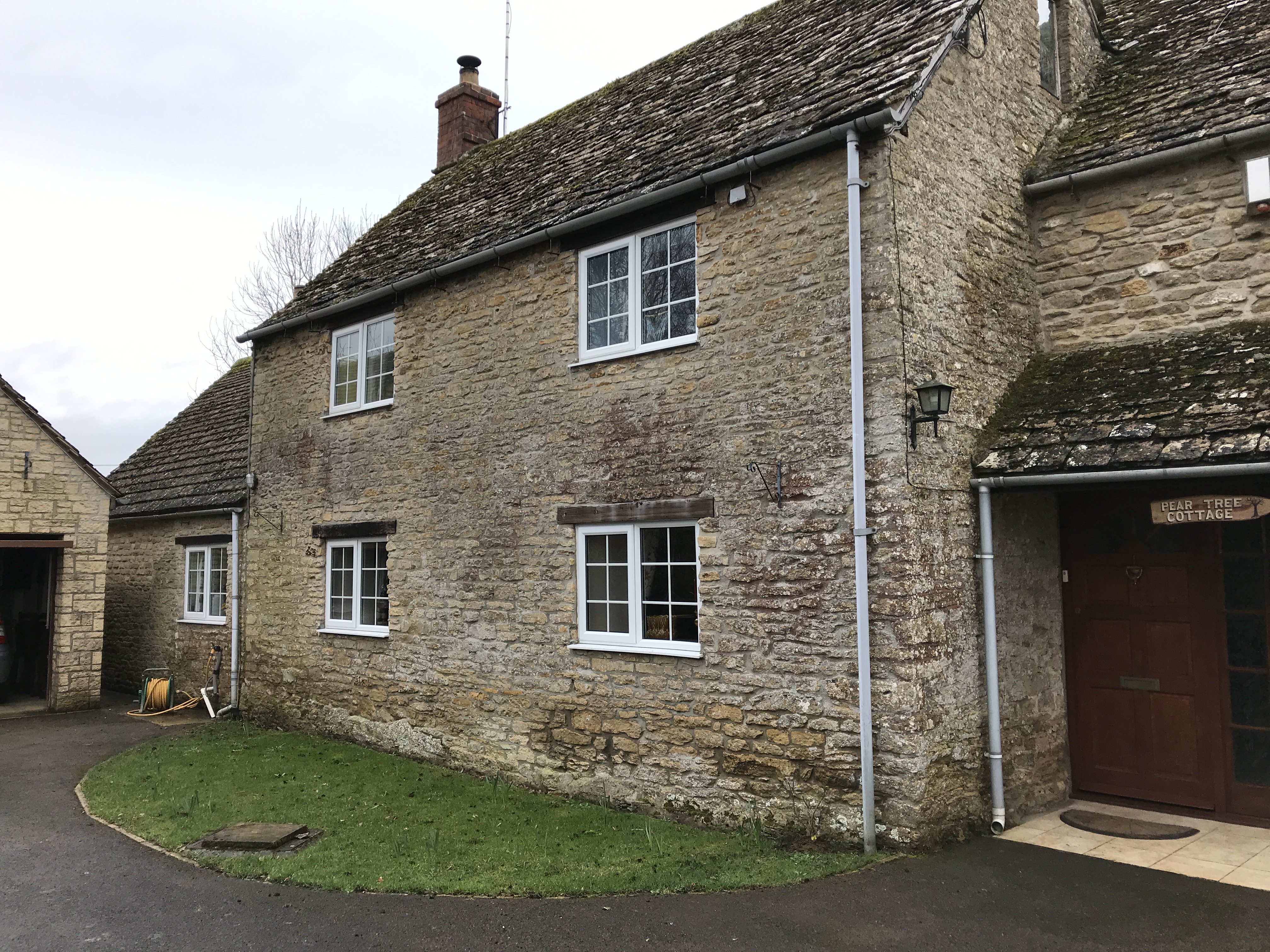
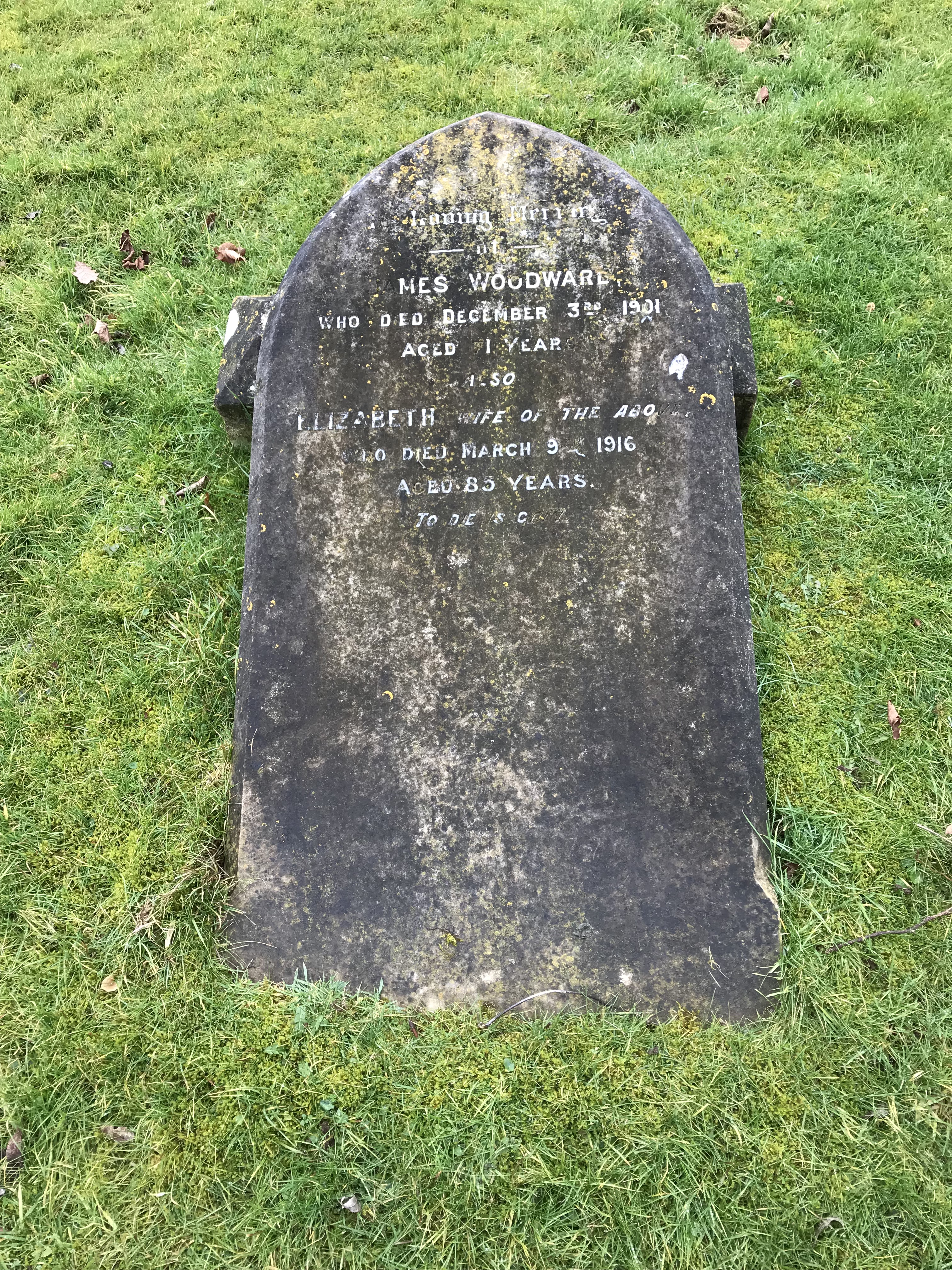
Granny was born in Pear Tree cottage. She lived there with her parents, Mark and Mary Woodward. Mary washed clothes for the surrounding houses, and there was a well in the back garden, and a wash house next to the cottage. Mark was a busy man. I think he built part of the roof for the church, so maybe he was a builder. Mainly he was busy, because, it was later discovered, he actually had two families – my granny’s mother and another wife and children in the nearby market town of Malmesbury. Not sure which one was first, and therefore the legal wife. I have no idea what became of the other family, or if they resemble us or know of our existence. But Mark Woodward died in his fifties, and there is no stone to mark his grave. His wife was buried alone.

The story I grew up with, was that when he died, both wives went to claim the body, which is how they discovered the other existed. I have since been told that isn’t true, and that Granny’s mother was shopping in Malmesbury, when she overheard someone talking about Mark’s other wife. I’ve no idea which is correct, so believe whichever you like. It makes for an interesting bit of family history though.

I visited the cottage once, when I was very young. I remember the big room with the fireplace, and the well in the back garden. When I went back today, I met the people who now live there, and they invited me inside. The ‘big room’ is now their lounge, and they’ve extended the cottage on both sides. The well is now at the front, as the original cottage faced away from what is now the road, so when they extended they made a new front door (at the back, which is now the front, if you see what I mean).

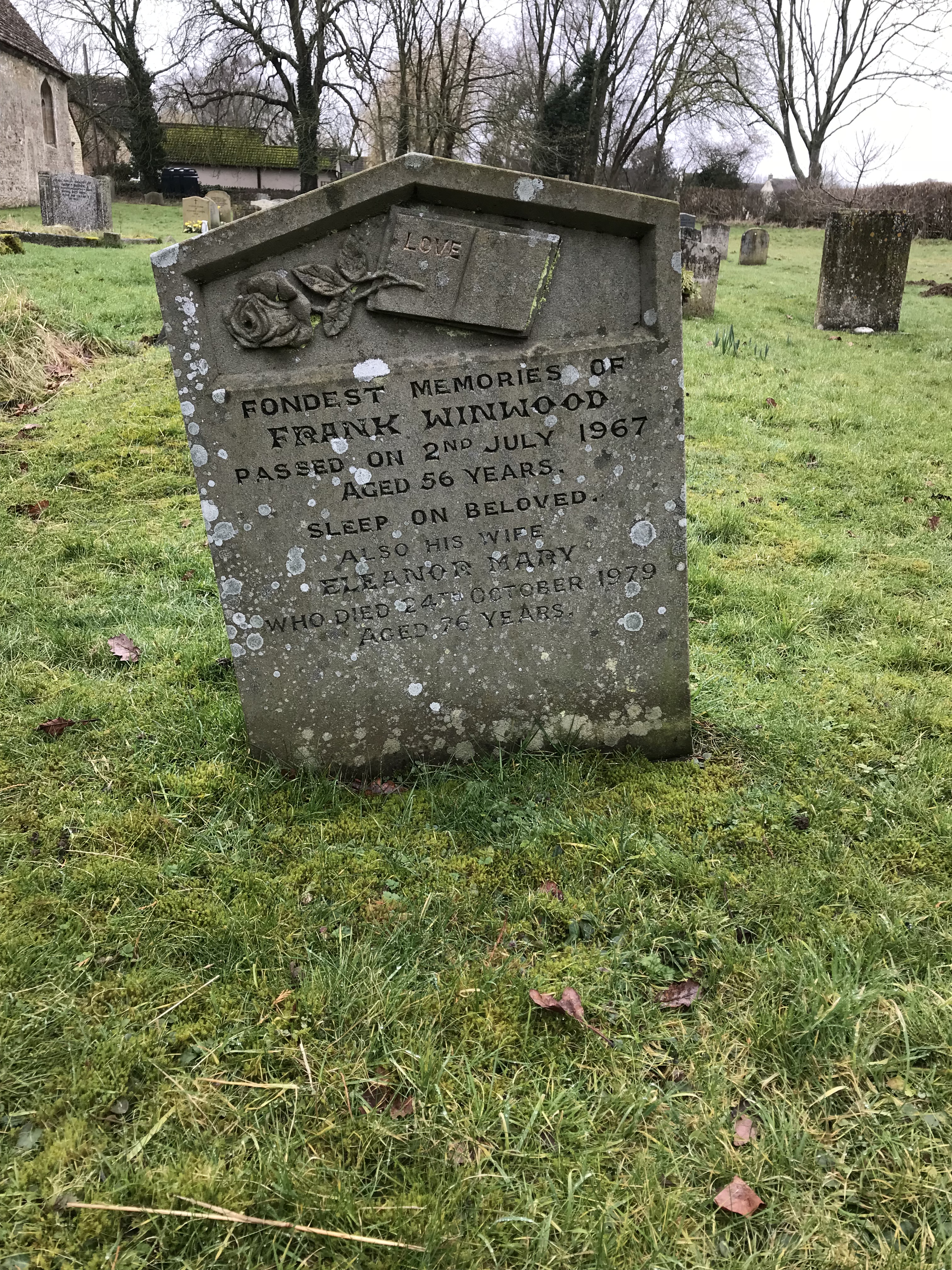
The church is where my granny was married. It is also where many of the family are buried, and as you wander around the graveyard, lots of the stones belong to Woodwards. One grave is for Frank Winwood. I never met him, though I know he had a heat attack while driving, and his wife, Nell, had to grab the wheel. I did meet Nell. Aunty Nell lived in Peartree cottage after everyone else had left. She went a bit nutty towards the end, and had to be put into a home, which she didn’t like, so she used to turn the fire hose on the nurses and phone 999, asking to be rescued. She was buried with her husband Frank (her real name was Eleanor).

Granny’s other sister, Elizabeth, died before I was born. She had two sons, David and Ken, and we used to meet David and his family when I was little. Elizabeth died when Ken was born, so I think my granny helped to care for the two boys. Certainly they feature in lots of the stories my father told.

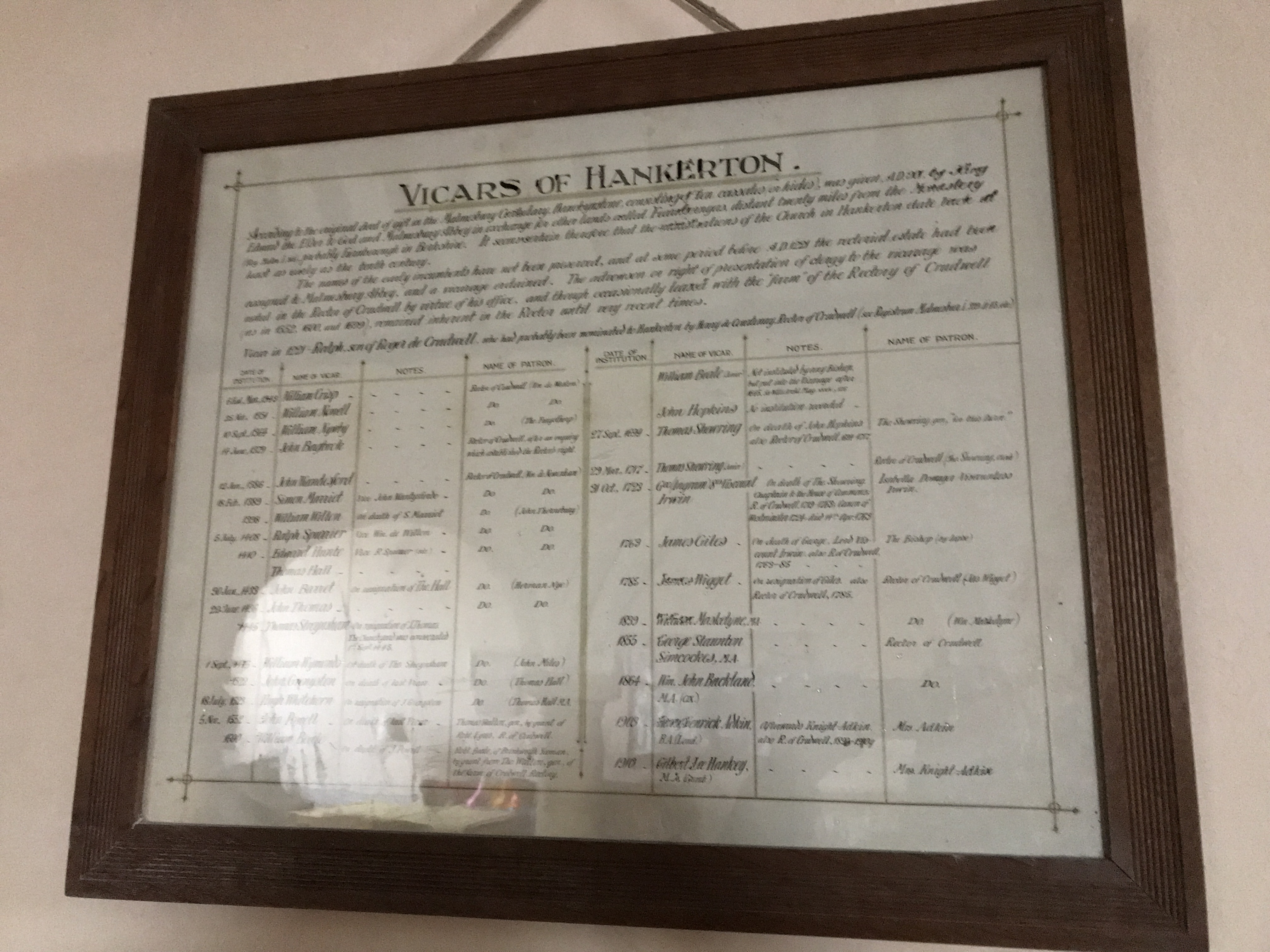
Inside the church, is a document showing all the vicars. In the 1600s were two vicars named Beale, who are also our ancestors. Some of my cousins have Beale in their names (not sure why my brother doesn’t, guess my mum didn’t like the name).

Next to the church is the old school house. When my granny’s mother was dying, Granny went to nurse her, and so my dad (your Grampy) went to school there for a few weeks. You will find his name in old registers.

You never met my granny, but you’d have liked her. She had a wicked sense of humour, and she told stories. I wonder if that’s where me and Aunty Ruth get our love of stories from. Most of her stories were ghost stories though, and tales about people in the village. I’m not quite sure now which ones were true, and which ones she made up. When her father died, when she was fourteen, she had to leave the grammar school in Malmesbury, and join her mother washing clothes. I sometimes wonder what her life would have been, if she’d been able to choose.

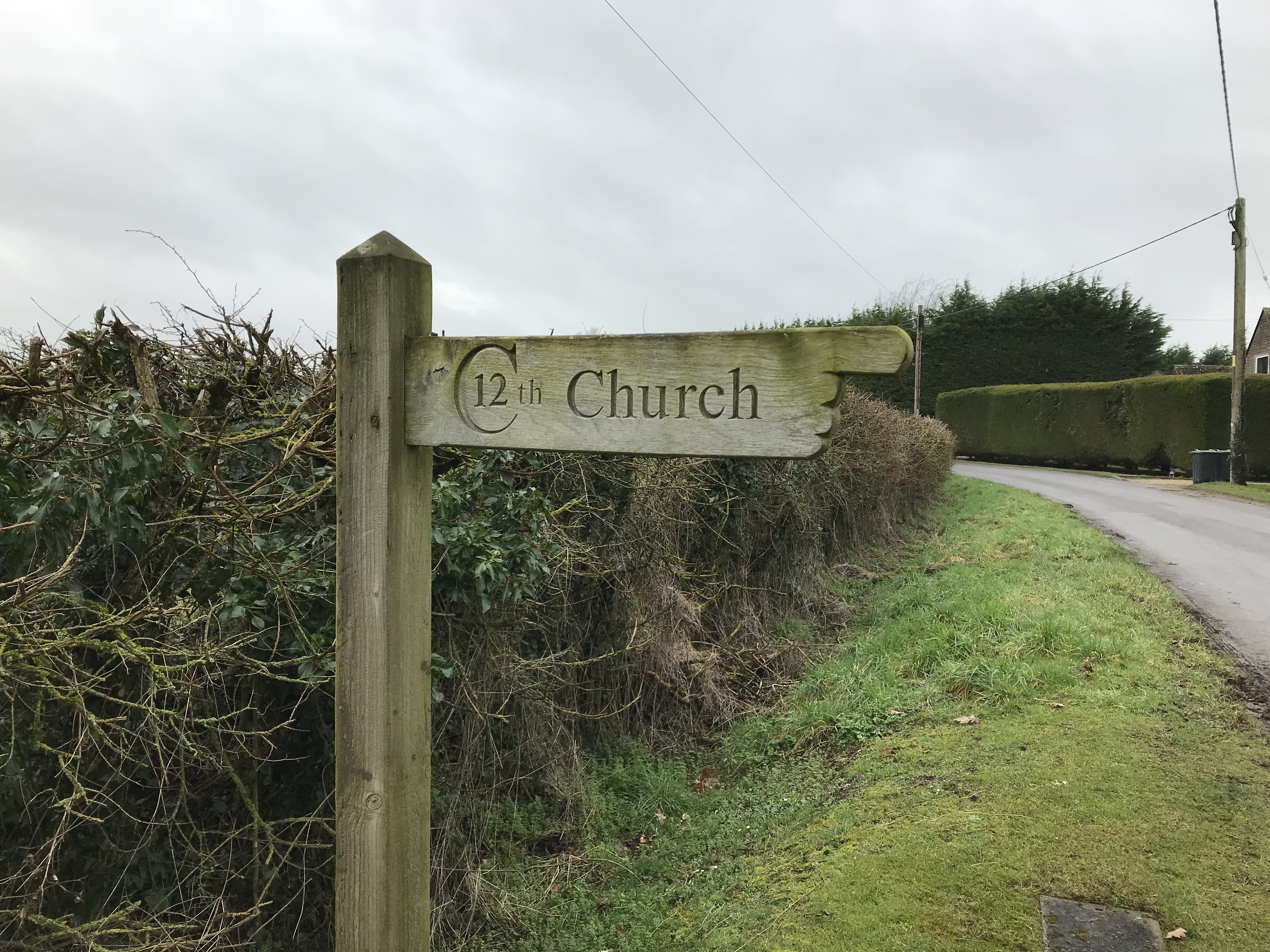
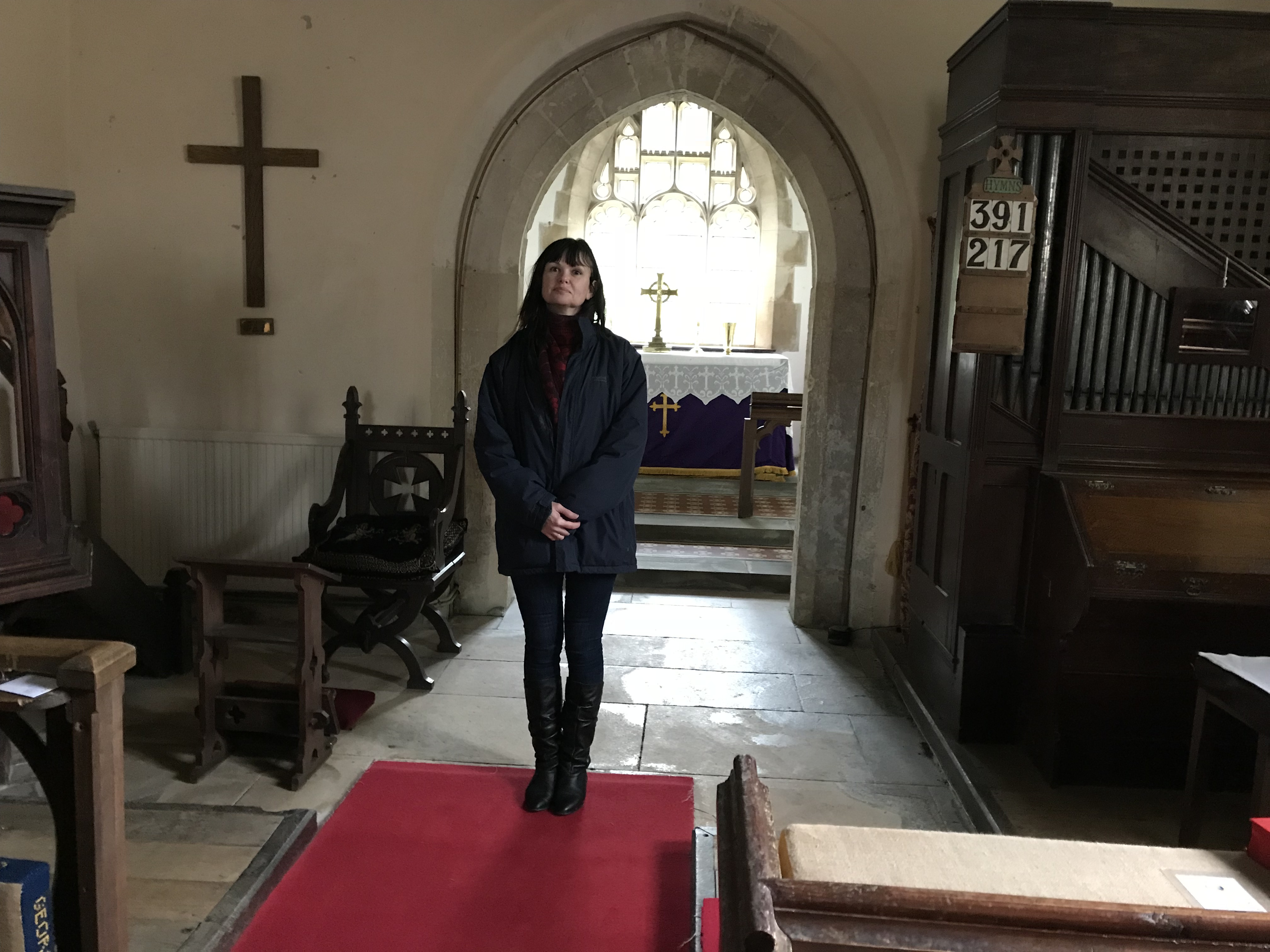
So, that’s a little family history for you, an eighth of who you are. If you ever go through Hankerton, remember to stop and visit the church. It’s a lovely place, and has a comfortable feel to it. It’s where our roots are, and I think you’ll like it.

I don’t know much about my Grampy’s family, but I do know about my mother’s relatives, who seem to have owned most of Huntingdon. Now there are some stories for you – but that will have to wait until another day.

Have a good week. Take care.

Love,

Mum xx

****

Thank you for reading.
anneethompson.com

If you enjoyed this, why not have a look at my latest novel? Amazon UK link below:
https://www.amazon.co.uk/CLARA-Good-Psychopath-Anne-Thompson/dp/0995463255/ref=sr_1_1?ie=UTF8&qid=1521032827&sr=8-1&keywords=clara+by+anne+thompson

****

Anne E. Thompson has written several novels and non-fiction books. You can find her work in bookshops and Amazon.
Why not sign up to follow her blog today?
anneethompson.com

Instow, Devon, continued


3rd Day

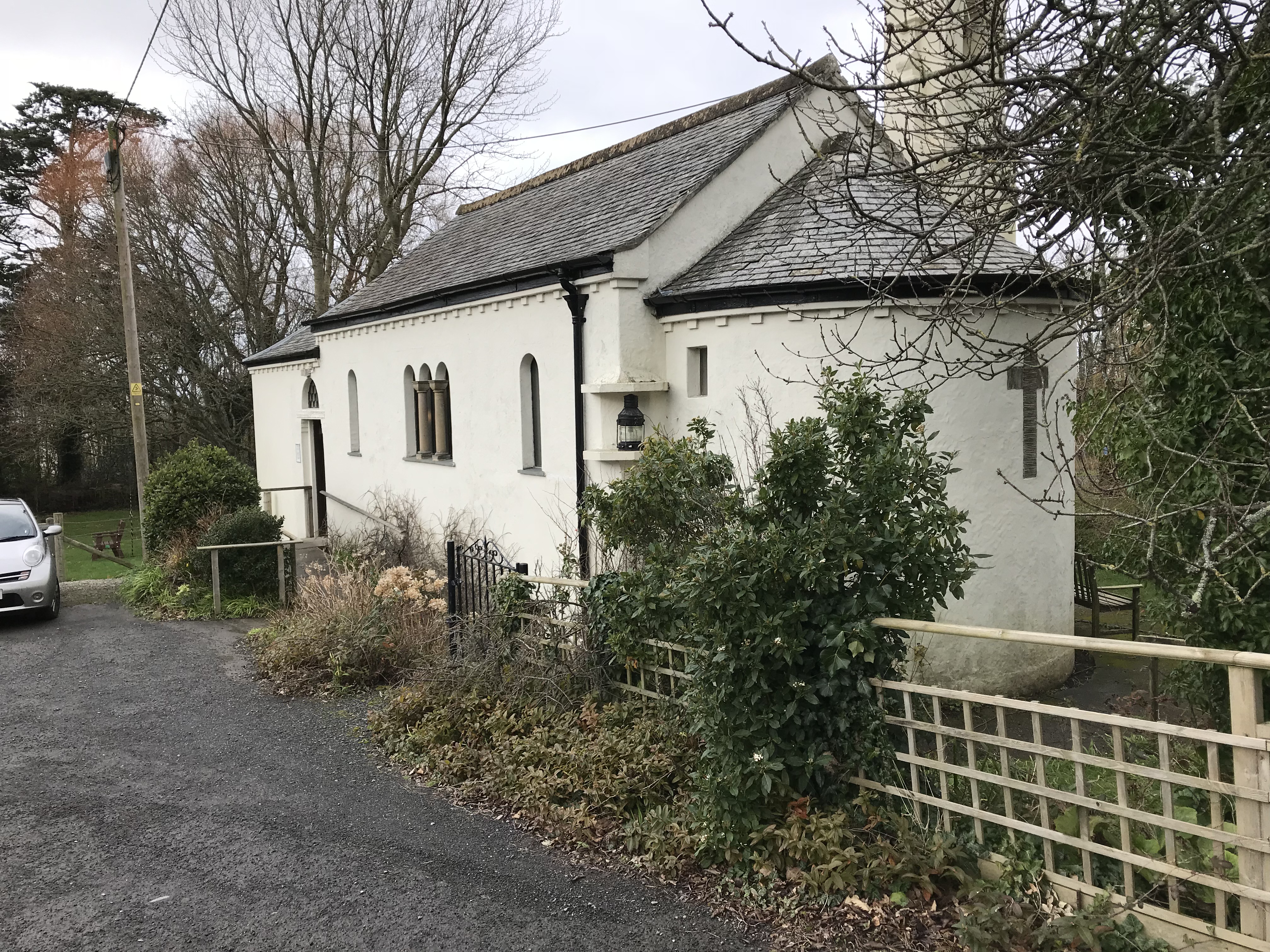
Went for an early walk along beach. Dog happy. Then I went to church, walking up to the little white hall I found yesterday. I’m not sure how old it was, but it wasn’t modern. Nor was it huge – it was pretty full, and I think there were 18 of us. It’s always a bit scary going to a new church – will anyone speak to you, or will people just stare and make you feel uncomfortable…This church was fine. People looked up and smiled when I arrived, which is always a good sign, and the Vicar came out from wherever he was hiding, just to say hello and ask where I was from. He was a retired policeman, and worked part-time, covering a couple of little churches. The service was nice, very traditional, with an easy, friendly atmosphere. You felt like everyone knew each other well, and it was nice to sit at the back and absorb it all. (Apart from the singing – you wouldn’t want to absorb that – despite the best efforts of the man on the keyboard, it was somewhat rough…)

We had a quick lunch in John’s Cafe (best cafe in the world). Then we drove to Abbotsham, which is sort of attached to Westward Ho. We parked near the cliff, on the edge of a caravan park, and set off for a walk.

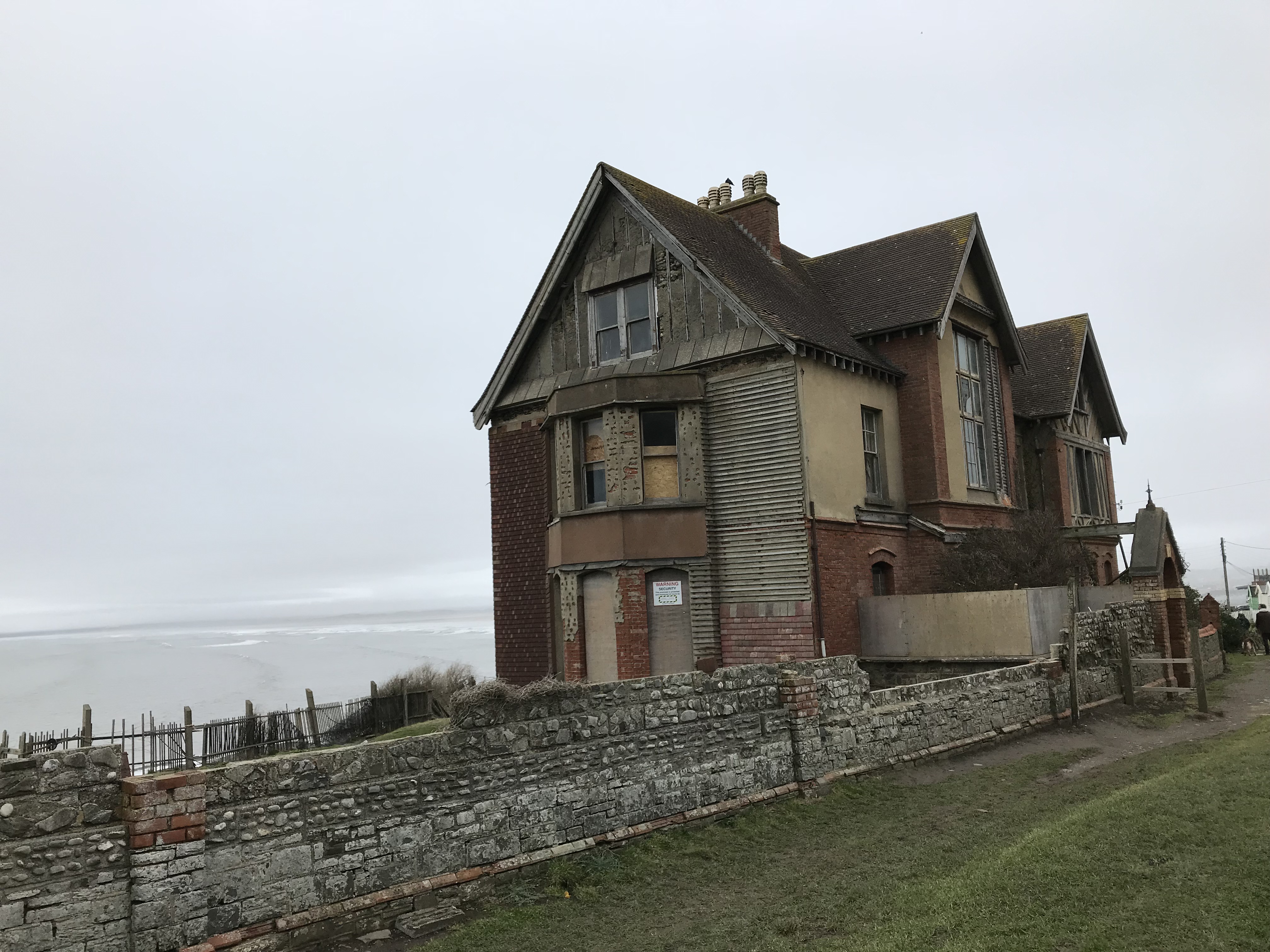
The first thing you see is a house. A superb house. It’s huge, facing right out to sea, and is very beautiful. Unfortunately it appears to be falling down the cliff and is now derelict. I walked all round it, looking for a place to break in, but the security was pretty tight. Shame. I would like to die in a house like that. When the medics announce that my end is near, I hope my relatives will break in and rescue me from the beige, airless, machine-filled world of the hospital, and dump me in a derelict house on a cliff edge. Preferably with a stash of morphine, so nothing hurts. Then I can die looking at the sky and listening to sea-gulls and waves. But Husband said this was a morbid thing to say when looking at an old house, and hurried me away along the cliff.

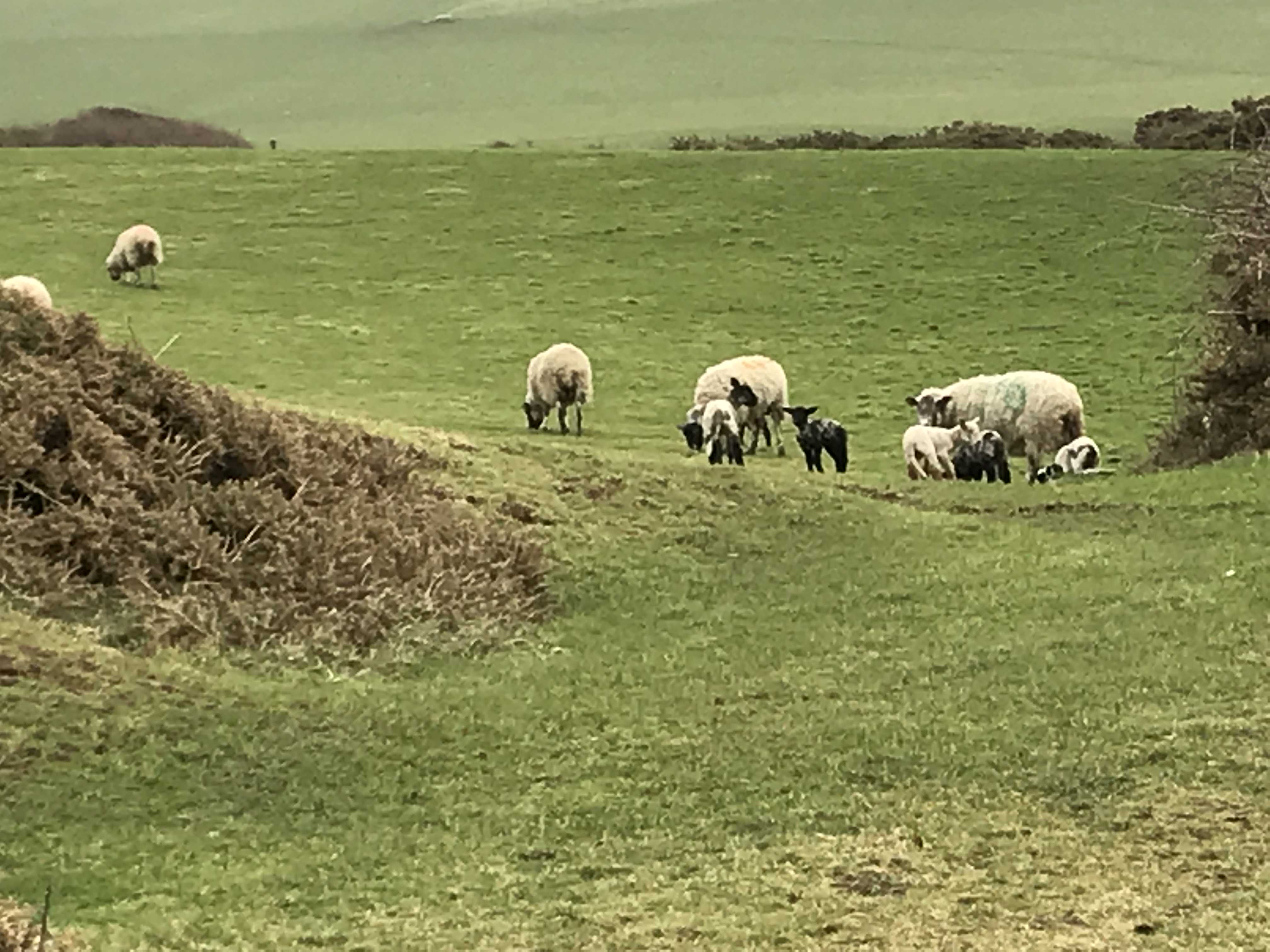
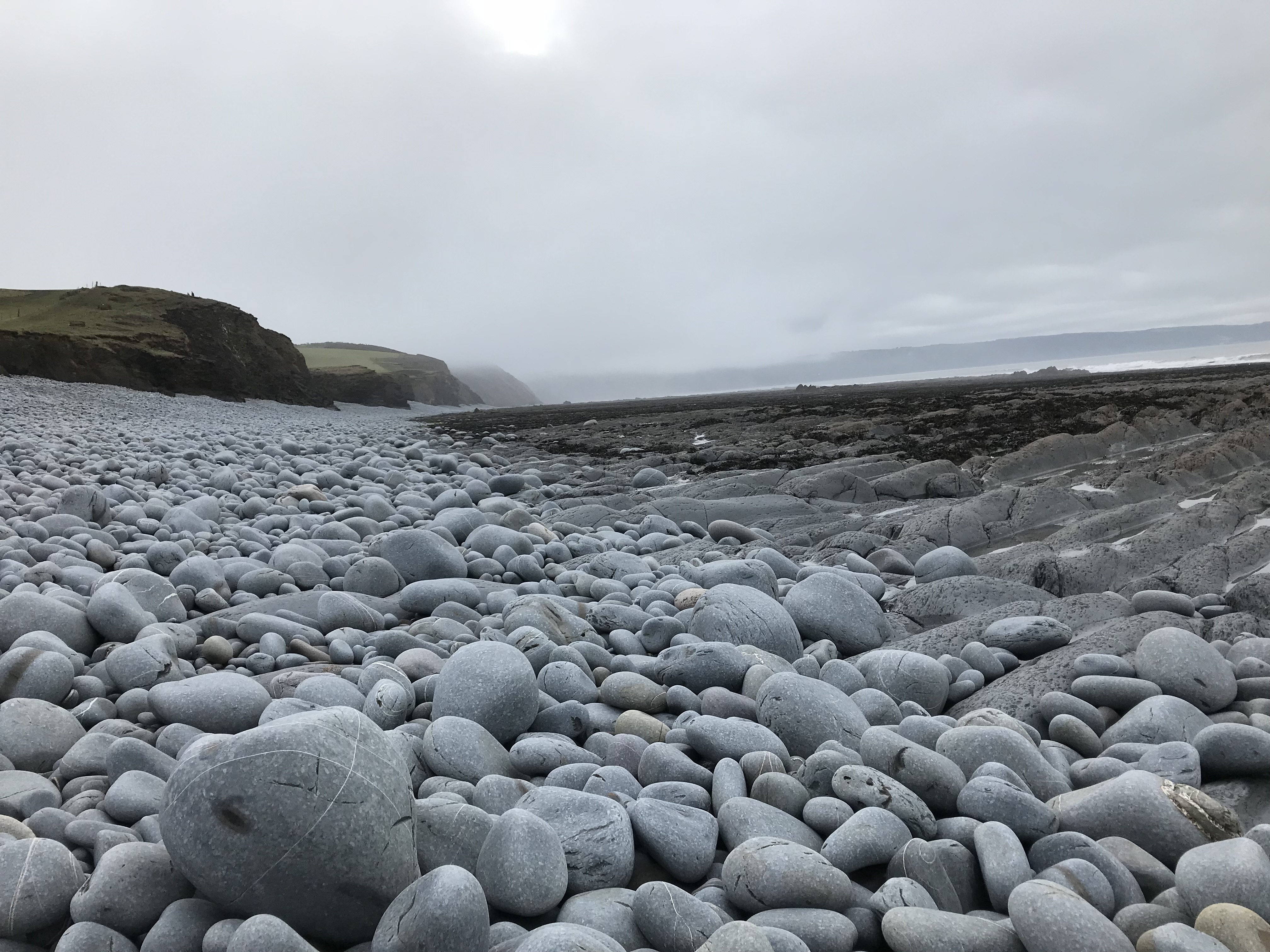
The cliff walk is pretty perfect. There is grass, and gorse, and waves crashing against rocks. Next to us were fields with lambs in. At one point, there was a great mound of pebbles, right up to the cliff path, and we could scramble down onto the rocks and peer into rock pools. Husband was happy, explaining how fresh water channels had formed deep grooves in the rock. The dog was happy, charging up and down the path. I was happy, listening to the sea (and Husband, of course).

A long walk in Devon makes you hungry for a cream tea, so we decided to go to Clovelly, which we visited years ago when the children were small. The car-park is at the top of the village, and you have to pay to enter the village, because it’s all owned by the big estate. But as we were out of season, it was all free, and empty. I have never seen Clovelly empty before, usually it’s teeming with tourists. The village clings to the cliff, and has a cobbled street that meanders down to the harbour. The cobble stones make for pretty tough walking, so don’t wear heels. Or bring a pushchair (I can tell you, from previous experience, a pushchair is a very bad idea).

We walked down to the harbour, and The Red Lion pub was open. There was a fire burning in the snug, and they had cream teas. The tea was a bit ‘packaged’, but actually the scones were soft, and it is not the worst tea I’ve had. Sitting in the window seat, looking out to sea, it was timeless.

Then came the long slog back up the slippery cobble stones to the car park.

When I got back to the cottage, I checked my clever phone app to see how far we’d walked that day. I was sure it was further than the previous day (which was 16 km). I was surprised to see it was only 12km. Then I noticed I had climbed 52 staircases. Clearly the app can’t differentiate, and up and down is a staircase, even when it’s along a cliff edge.

Tomorrow we’re going home, but plan to drive back via Hankerton, where my granny lived as a girl.

Thank you for reading.
Take care.
Love,
Anne x

*****

You can sign up to follow my blog at:
anneethompson.com

***

Instow 2018 – Earthquakes and Sand


Drove to Instow House. Same as when we left it, including the copy of Hidden Faces which I’d left on the bookshelf.
Ate dinner at Instow Arms, which clever Husband had booked before we left home. We ate early (7pm) but it was packed. I had creamy garlic mushrooms, which arrived in a bowl, like soup, and was delicious, followed by fish pie. Also delicious, but after a while I felt overly full of cream. Not a good choice by me.
Walked on beach with Kia, who went completely bananas. She reverts to puppy on beaches, stopping regularly to dig holes.
Watched tv, went to bed.

Day Two

Woke up to sound of seagulls and waves. Went to make tea and let dog into garden. Quite a lot of beach now seemed to be in kitchen.
Drove to Saunton Sands. Husband suggested another walk to beach across dunes, but as I had left my bullet-proof vest and crash helmet at home (see blog from Jan 17 https://anneethompson.com/2017/01/30/a-walk-on-the-wild-side/ ) I declined. Drove safely to carpark, not shot at once, and no sign of tanks or machine guns. Which is what most people might expect. (See Jan 17 blog. I still have not completely recovered…) Brilliant walk on miles of sand, beautiful sunshine, sky reflected on wet beach. Perfect.
Saw a Mermaid’s Purse, and commented to Husband that Son hadn’t believed it held shark’s eggs on a recent beach trip. Found myself having the exact same argument/discussion with Husband, who insisted it was clearly made from plant matter, and was therefore a type of seaweed. Told him to Google it. He did. Turns out I was right (obviously, or I wouldn’t be telling you this!) Heard those rare words : “Gosh, you were right. I was wrong.” Pretended I couldn’t hear, so he had to say it twice (might never have it said again, tis a rare event indeed…)
Walked for about 90 minutes. Returned to car, and found a Yorkie bar I stashed there months ago. Double perfect.
Drove along coast to Croyde. Husband told me that it’s where Kevin Hallam used to go for his family holidays. I don’t know who Kevin Hallam is, so was not terribly interested. Was then told about Kevin’s family, Warhammer, English degree at Oxford, and that he drove into Husband’s Beetle when they were 17. But the countryside was pretty, so I let him talk (for quite a long time actually. If you know Kevin, do say Hi from me).

Lunch at cottage, followed by an earthquake. Nope, this is not an innuendo, we really did have an earthquake. Apparently the epicentre was in Swansea and it measured 4.9. The cottage was unhappy at being shaken, and new cracks appeared. No reaction from dog at all (too exhausted from exciting beach walks).


Drove to Appledore, which is the village we can see across the estuary. It was full of coloured cottages, information signs and windowsills full of tat. Honestly, if you like stuffed parrots, and pots, and suits of armour, and knitted toys, then you will love the windowsills of Appledore. Some wit had decided to make their own signs, so we passed a chip shop (deliveries to Paris, New York and Appledore) the house where Barbie and Ken lived, and the Beaver Pub (where nothing happened in 1782). There was also a dry dock, which Husband found very interesting (it’s a male thing, not worth looking at unless you are male).

I was keen to find a church for Sunday. There were a lot of churches and chapels. I am quite a connoisseur of churches, so perused the notice boards. Rejected the Bethel chapel (not sure they would welcome someone wearing jeans). Rejected the C of E, despite very cool tower, as the service was communion (a minefield for mistakes in a foreign church). Rejected another chapel as being too far up a hill. Decided the Baptist church looked safe, despite the plaques advertising groups which must’ve been in place about 100 years ago. But there was a photo of a band (so jeans would be okay) and they ran an Alpha course – so probably like new people.
However, when driving back to cottage, we passed a tiny church, just round the corner. It had an 11am service (not communion) and they run a mid-week lunch club. Decided I would give it a try. Will let you know…


Thank you for reading.
Take care,

Love,
Anne x

*******

If you enjoyed this, why not sign up to follow my blog?

anneethompson.com

*************

Diary of a Day


Today was just a normal day. I will tell you about it (because spying on other people is kinda fun, isn’t it!)

Got up, and sorted the ducks and chickens and fed the outside cats. Lots of signs of nest building, but no actual eggs, so either rats got there first or the hens are just pretending.

Had coffee, cake, and Bible time. My favourite bit of the day. (I make a very complicated cake which is made with sour cream, so it isn’t too sweet, and has a crushed pecan and maple syrup stuffing. It takes ages to make, so I hide it in the larder, and never share it, and only ever eat it – one slice – on my special Portmerion plate with the fuschia pattern – at coffee time.)

Shopping order arrived. It’s my turn to cook at Lunch Club, and usually I would shop in Morrisons, because it’s cheap, but this week has been hectic, plus I keep having chest pains, so I decided to keep things simple. It costs more, but there will be a dinner at the end and I might survive. This week I decided to make Shepherd’s Pie. I use the term loosely, as it is made with beef mince, not lamb mince, so really should be called ‘Cottage Pie’. Plus, I am too lazy to actually make it into pies, (you should ask my family about my picnics sometime – they epitomise my lazy cooking style). So, really, it will be heaps of mince on plates with heaps of mashed potato. But Shepherd’s Pie sounds better. I put the frozen veg into the freezer (keeping things simple, remember?) and made a start on the mince.

The mince recipe is modified from a Nigella Lawson recipe, because I like her food, even if I don’t manage the flirty eyes when I cook. It is a brilliant recipe as it involves putting lots of veg through a processor so it forms a mush, then adding it to mince. So children (and elderly members of lunch club) eat lots of tasty vegetables without realising it.

Due to a recent decrease in numbers (none for good reasons) I decided to cook for 35 people. I began to peel onions and mush them with bacon, and add them to the mince to fry. Onions for 35 people makes you cry.

Then peeled carrots, feeling slightly guilty. Every week, we have a young woman who is autistic, who comes to help us prepare the veg and wash up. She always peels and chops the carrots. She works really hard, and never complains (except the week when my sister came to help, but that’s another story). However, she does not like things to change, and she always peels the carrots. But I needed to mush them and add them to the mince, so this week I did them. This might cause angst tomorrow. I will worry about it then.

Added whiskey, Worcestershire sauce, tomatoes, allspice, cloves, and other stuff. Left to simmer for about an hour while I washed up. When it was cooked, I transferred the mince to plastic containers. This is one of the difficult bits – when you are cooking for lots of people, you must ensure that everything is cooled down and refrigerated within two hours (otherwise it has to be thrown away, which is something of a waste). Cooling down heaps of mince is not as easy as it sounds. Finally was cool enough to go into fridge.

Washed up. Cooked ginger sponges (will reheat them tomorrow with custard for pudding). Washed up.

Packed car with rest of stuff, then allowed dog back into kitchen (she is banished when I cook, in case a stray hair floats upwards and contaminates the food).

Considered whether chest pains were better or worse. Have a slight nagging thought that heart problems begin with chest pains. But I feel I have already had a brain tumour (rare) and that to also have heart problems (also rare) is simply too unlikely. Decided chest pains are more likely due to lugging crates of water around for the ducks, and took an aspirin.

Rest of day spent walking dog, doing washing, clearing up cat sick (old decrepit cat who lives in the utility room) and reading. Got a dinner out of freezer for our own meal – after a day cooking mince, I cannot face making something else for us to eat.

Thank you for reading. By the way, have you read a copy of CLARA yet? It’s getting some good reviews already, which is very exciting. Take a look at the Amazon link, to see what other people are saying.

Love,
Anne x

Never Trust a Quiet Bull, or an Unloaded Shotgun…


There are two things a sensible farmer never trusts: a quiet bull and an unloaded shotgun.

I went back to the farm, for further research on the book that is in my head. I have lots of ideas, and snippets of stories, but I don’t yet know enough about my characters, or how they live, to begin writing. I should really visit a few different farms, but asking farmers (who I don’t know) is too scary, so for now I’m only visiting one – a beef farm in the next village.

I chatted to the couple who run the farm. They’d had a near disaster earlier in the week, when all the full-grown cows escaped and were heading off towards the road. The farmer called to them, as he ran away from them, into their pen. When they heard his voice they stopped running, and then turned to follow him. The farmer told me how important it is that he talks to them when they are calves, handles them, and becomes someone familiar and safe. Then, if something frightens them, they will look to him for security.

It seems that security is very important to cows. They are naturally very vulnerable to predators, and only their size and the herd can protect them. So they have big eyes that can see all around, and they shy away from anything unusual, any potential danger. Which means that everything has to be introduced slowly, and from an early age.

So when the farmer has new calves, he takes time teaching them how to go into the cattle truck. He tempts them in with food (always easier to lead than to drive from behind, apparently). They will practise going up the ramp, being shut in, even going for little drives. This means that later, when there is a humungous fat bull with opinions, he will be quite happy to be taken in the cattle truck. Which makes life easier for everyone.

The farmer said that you should never trust a bull. Even when they appear to be quiet and friendly, they can turn in a second. He also said you never assume a shotgun is unloaded, even when you know it is.

I went to watch the cows being fed. I would like to say ‘helped’, but I really just got in the way. All the cows are in, because the weather’s too wet for them to be out on clay soil. There were some new calves, just a couple of weeks old. They were still mainly drinking milk, so we (he) mixed the powder with warm water, and poured it into containers so they could suck. If too many calves crowded to the same place, we had to move them along, ensuring they all had a good feed. Moving them along sounds easier than it was – a sucking calf is very reluctant to move, and it took a lot of force for me to shove their heads to a space so each of them could reach a teat. While we fed them, the two farm dogs kept trying to lap the milk out the buckets. Any that was spilt (that was from my buckets) they licked up instantly.

The calves I saw in the autumn have grown loads. They still look young, but are nearly full-grown. They were in a large straw pen, and were fed dry food. They had to stick their heads through bars to reach it. They’re fed a mixture of rolled barley and protein pellets. The barley is grown on the farm, and if it’s not milled first, it passes straight through them, without them absorbing any nutrients.


There were some full grown cattle too. They went outside into the yard to be fed. They’ll soon be ready to leave, which I don’t think I would cope with if I was a farmer. I’m not sure how you don’t bond with the animals, and then find it impossible to send them off to the abattoir.

I saw where cows have their hair cut (because their winter coats would be too hot when they’re in the barn), and heaps of feed for the winter. I can tell you that cows have cold wet noses, and very rough tongues, and they are bemused when you take their photograph.

I also saw stacks of hay from other farms, which are going into a hay-growing competition and were waiting to be judged. Apparently very green hay, with very little leaf content, makes a winner. Who knew?

******

Thank you for reading. Don’t forget that CLARA – A Good Psychopath? is available at a 33% discount, from me  (£7.95 with free UK postage), until 31st March. Send me a message via the contact form below. (The form is sent to me, it does not appear on this blog.)


← Back

Thank you for your response. ✨


****