Ducklings and Mothers…


Hello, did you have a good week? I hope so. I thought I’d give you a quick update on life in my crazy bit of the world.

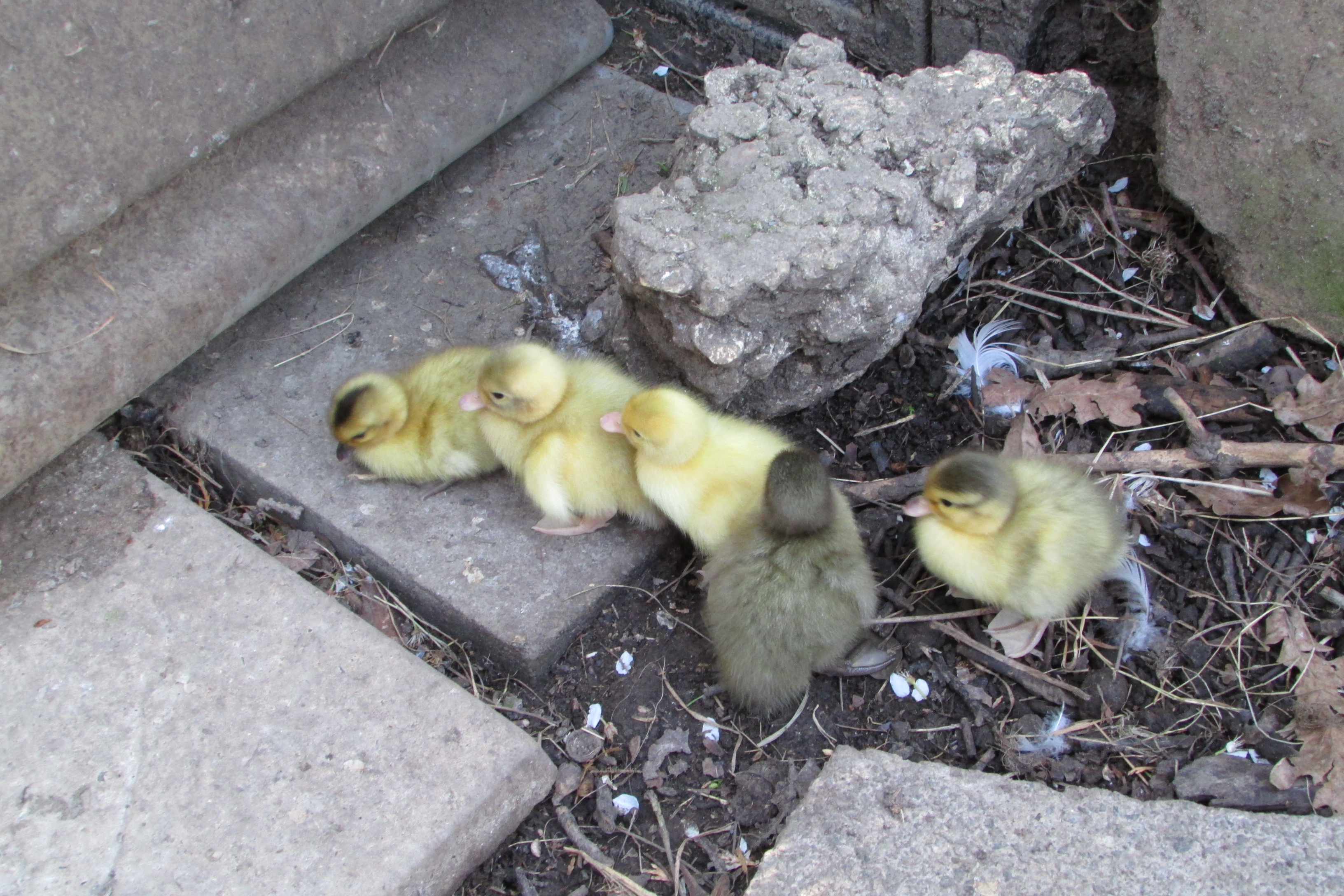
First, ducklings. Now, it doesn’t matter how often I tell myself that I shouldn’t interfere, if I see a mother behaving badly, I just can’t stop myself. And some ducks are truly terrible mothers (so are some humans, actually, but that’s another story). At the moment, I have a couple of duck families living in the aviary. The mother with the first clutch is proving to be a good mother – she has 5 ducklings, all healthy, and stays with them at all times. She is loose in the aviary, and finds somewhere sheltered to settle with them at night or on cold days, keeping them warm.

Then there is the other mother. The other mother managed to hatch 2 ducklings : one yellow, one black. She was sitting on a whole heap of different eggs; I’m not sure if any were actually hers, but none of the other ducks were interested, so I guess she should take some credit for trying. Now, however, she is awful. She does not like being in a cage, and is on a mission to escape back to the pond. Which means she is completely ignoring her ducklings, even to the point of stepping on them if they get in her way. I did try letting her have the run of the aviary, but that didn’t work at all. She flew onto a log, where the ducklings couldn’t reach her and sat there, hissing at the other mother. The yellow duckling decided it would join the other family, even though they’re all much bigger, so just followed them around and snuggled under their mother when it was cold. The black duckling wanted to stay with its own mum. Whenever I went to check, it was running round after her, or sitting as near to her as it could when she was up high. Poor little thing. We had one really cold damp day, and it stood shivering all alone. I didn’t rate its chances. So I shut negligent mother duck into the dog cage, with hay, water and food. She’s extremely angry. But the ducklings fit through the bars, so when they’re cold, they can go under her and she can’t escape. (I am not sure of the morality of this – or if sometimes we ought to do this with human mothers – but it did save the life of the ducklings.)

I have also tried to be a good mother this week. The boys are back in town. My fridge is empty. My house is full of music, and laughter, and strong political views, and extremely long discussions about physics. Some of those things are excellent.

Son 1 had an interview (he wants to do marketing in the non-profit sector, which is not easy to get into). It was an online interview, so was filmed. Obviously, for marketing, it’s important to stand out. So I figured he should do the interview, completely seriously, but with a cockerel in the room. He could ignore it, and concentrate on the interviewers questions, but in the background, would be a cockerel, flying around, and crowing. Definitely would make him memorable. He wasn’t keen though. Shame, my children never seem to take my advice these days…
Other son has decided to apply for a Masters, so needs to find his certificates. Always a fun game. We do have a ‘system’ (I am married to an accountant, remember?) We keep all the education certificates in a section of the filing cabinet, where they’ll be safe. Except, sometimes people forget to put them in there. I do remember one child searching desperately prior to applying to uni, and all he could find was his GCSE Spoken English and 900 of his brother’s music certificates. It was not a stress free event.

I did hear of a job opportunity this week. It involved digging holes. A chap in the area runs his own business, and has more work than he can cope with, so is looking for help with digging holes. He will then plant trees. (Under the trees will be dead bodies, but we can concentrate on the ‘holes for trees’ aspect). None of my family were interested. Shame – it would’ve been kinda cool to have a grave-digger in the family.

At the time of writing this, I have just spent a ridiculous amount of money on a haircut. I was rather pleased with it. Both boys inform me it looks no different at all. Am hoping my daughter will be more encouraging – if not, I shall ask my mother. My mother will tell me it looks lovely whatever it looks like. Now she’s a good mother….

xxx

Thank you for reading.

I have been thinking about mothers a lot lately – not just due to the ducks. My latest book, Joanna, examines how a mother feels when her child ‘goes wrong’. An easy read novel, it’s available from bookshops and Amazon. The link is below. It’s always nice when you write a book to receive feedback – these are some of the comments people have made:

“I couldn’t stop reading it once I’d started”

“Anyone who enjoyed ‘The Girl on the Train’ is going to love this book!”

“I bought it for my friend but then I couldn’t stop reading. Please can I buy another 4 copies” (That might be my favourite comment so far!)

xxx

Understanding Stories


How well do you know the stories in the Bible? I’m guessing that anyone who lives in the UK knows at least some of them. Which of these do you know?: Adam and Eve, Noah’s Ark, Joseph and his dreams, Moses and the Plagues, The Nativity, The Lost Sheep, The Prodigal Son.

As you know, I am rather keen on knowing what the Bible says, and have been reading it for most of my life. However, sometimes I read a commentary that shows how little I still know. This was true recently, when I was looking at the story of The Prodigal Son. I thought I’d let you know about the bits I have been getting wrong for the last 50 years.

Firstly, when you think of the story, where do you see it set? I have this image of a house surrounded by fields – so when the father runs to meet his returning son at the end, he is running down this long straight road. A bit like a farm on the American plains. This is so wrong! When the story was told, land owners, even wealthy ones, lived in small communities. They might send someone to sleep near the fields when the harvest was ready, but their home would be in a community. So, when we read this story, we need to be aware of all the friends and neighbours who would have been part of the story, even though they’re not specifically mentioned. (They weren’t mentioned, because everyone listening already knew this. If I write a story today, about a family eating roast beef, I don’t say that the food is served on a china plate, because anyone reading my story already knows that.)

So, what happens in this story? It begins with a man and two sons, and the younger one asks for his share of the inheritance, before his father has died. Now, in those days (actually, today it still holds true) this was in effect, telling his father, “I wish you were dead”. You would expect the father to be angry, to throw out his son and not give him anything. However, the father in the story doesn’t do this. He divides his money between both his sons. Which is interesting for two reasons. Firstly, in order for this to be legal, it would have to be done in a way that the community believed this was the father’s free choice – so he was protecting his son even though he’d been insulted. Secondly, the oldest son also took the money. He didn’t protest, tell his father he’d wait for his share. Nope, the money was divided between both of them. (Leaving the father in a very vulnerable position). The community would be angry at how the sons shamed the father.

Next, the youngest son leaves. This is where the community matters. In those days, it was very important to a community, that all wealth remained with Jews. If you sold property, you sold to Jews. If you spent money, you spent it with Jews. To lose money to non-Jews (Gentiles) was disgraceful. They actually had a ceremony, called the kezazah ceremony where a community would smash a pot filled with burnt corn and nuts in front of the individual, to show he was cut off from the community. We know that the youngest son lost his money amongst Gentiles, because he is later employed as a pig farmer (Jews don’t eat pork). He is working because the only way he can return to his community is if he manages to repay the money he lost. But we read that no one ‘gave him anything’ – so he’s not managing to earn money to cover his loss.

So, the son is in a pickle. He has lost his money to Gentiles, and he’s hungry and poor. What to do? Now, here comes an interesting bit. The story says he says to himself, ‘I will go back to my father and say, “I have sinned against heaven and before you”’. He then plans to ask his father for employment (so he can pay back what he owes, and no longer be in disgrace). He has a plan. Now, I always thought that these words meant that the son was sorry, and was returning to his father to ask for forgiveness. But no, that’s wrong.

This story was told by Jesus to the pharisees, who were annoyed because Jesus was eating with sinners. Pharisees would know the old testament extremely well (better than I do). So, when they heard the words, “I have sinned before heaven and before you”, they would recognise them at once. As you, if you enjoy old films, might recognise “I go to the hills for the sound of music”, or if you read, “It was the best of times, it was the worst of times”. You see, the words spoken by the son are a direct quote from the story of Moses and Pharaoh and the plagues. They are the words that Pharaoh says when he wants the plagues to stop. Was Pharaoh sorry? Did he accept that Moses was right? No! He just wanted the problem to end. It was the same with the son. He had his plan all clear in his mind. He would go home, manipulate his father into letting him work for him, earn enough money to pay back what he’d lost, then his problem would be over, the community would accept him back.

However, that’s not how it turned out. Before he even reached the community, his father saw him and came running. He ran because he wanted to show the community that he accepted his son, that there was no need for the kezazah ceremony. Men in those days did not run. Mothers did, not fathers. The father is again breaking the mould, doing what is necessary, to save his son. When they meet, the son starts on his prepared speech – but he doesn’t finish it. He is overwhelmed by his father’s love and forgiveness. He stops and simply accepts what the father is offering.

Then we have the feast. I always thought there was a party to welcome the son home, which to my mind seemed a bit unfair, because he didn’t deserve one. But the friends came to the feast to honour the father, not the son. Another interesting twist is this, when the feast happens, the father (good man) is eating with the son (bad man). Which is exactly what those listening to the story had accused Jesus of doing.

Now we return to the older son, the one who had been the silent benefactor of his brother’s abuse of the father. He is outside, and hears the party, and asks what it’s for. The story is clear here, he is not angry because his brother has returned, he is angry because his father has accepted him back. He is angry and jealous and refuses to go inside. In those days, that would be another huge insult to the father. The father could be expected to be angry, to cast him out. (It would be like someone at a wedding standing up and criticising, in public, the parents of the bride. Not done.) Instead, the father again risks his own humiliation and leaves his guests and goes to find his son. He listens to his grievances and reminds him that he has all he wants. It is important to remember here, the banquet is for the father – to celebrate what he has done for the son – NOT to celebrate the wayward son. If the older son wants to truly be unified with his father, he must also accept his brother. Which is, I think, the point that Jesus was making to the pharisees. If they wanted to be part of God’s work, the shepherds of his flock, then they must accept everyone who God accepts; and God accepts sinners.

So, what is the point of this story for us? It tells us what it means to be reunited with God (who is represented by the father in the story). It tells us that there is no scheme that we might have that makes us good enough, all we can do is accept the amazing generosity of God. It tells us that ‘being a Christian’ is not a belief system, is not a list of rules, is not a hereditary condition. It simply means we have chosen to accept what God has done, we choose to accept being taken back. Which ties in very well with everything that we celebrate and remember at Easter. So I hope you had a great time.

Thank you for reading.

I learned all this through reading “Jacob and the Prodigal” by Kenneth E Bailey. Great book!

Re-posted for Easter: A Sword Pierced Heart


I watched my son die today. My beautiful boy, beaten, battered and left to die. And my heart broke. I held my cloak close and I remembered the weight of him as a babe, like a boulder on my hip, wriggling to be free, to run and jump and climb. Those legs will run no more. Those limbs – I was so proud when they grew. I remember when he grew as tall as me, then taller even than Joseph. I remember watching him, stretched out as he ate, those long limbs seemed to go on forever. “I grew him,” I used to think with pride. Those limbs will not sprawl relaxed in my home ever again.

I watched his hands, the hands that used to pat me cheekily on the head when he’d grown tall. Those strong hands which laboured with wood, which helped me carry heavy loads, which lifted young children playfully. They are no longer strong. I saw them bang nails through the flesh, felt that I heard the sound of bone shattering over the thump of the hammer, heard his ragged breath as they forced the cross upright. And I wondered if I too might die. But I watched. I am his mother and I would not leave him alone.

When they tried to take me home, when they told me to shield my eyes, avert my gaze, I did not. For he was my son. I would never leave him alone, not at such an anguished hour of need. Others watched. Some women were there, terrified and hanging back. Not me, I am his mother. I stood with John, where he could see me. What could they do to me that was worse than this?

Others watched who hated him. They mocked and spat and called abuse. It could not hurt him now, I thought, let them shout. “He trusts in God,” they called, “Let God save him now,” and they laughed, even as he died they laughed. Yet even God deserted him by the end and that was hardest to bear. He called out with a loud shout, asking why God had turned from him.
“My God,” he called in anguish, “why have you forsaken me?”
But I was there. I did not leave. I saw them crucify him, naked upon a cross. No mother wants to see her grown son naked, but still I did not look away. I was there at the beginning, I would stay with him until the end.

The soldiers took his clothes, for fabric is costly and even that of a criminal should not go to waste. Most they tore and shared between them, but not his tunic. They cast lots for that, not wanting to spoil something precious. Yet my son was precious and they destroyed him.

It began last night. They woke me from my sleep and warned me there was trouble. He had been arrested, taken from a meal with his friends and questioned by the temple authorities. They feared the invaders, so he was then referred to a court of Godless law, a place that feared no God. They told me that he was scourged, beaten with whips that removed chunks of flesh as they struck. He was mocked and abused, then brought to this place.

I came, stumbling through streets full of people, full of noise and smells and fear and hatred. I came to this place, this Godforsaken hill beyond the city wall and I saw my son, my boy, diminished, shrunken somehow. I saw that what they had told me was true, smelt the repugnant stink of excrement mingle with the metallic stench of blood. I heard the shouts of abuse, the curses of the guards, the screams from the prisoners, the wails from friends. And him, like an oasis of calm amidst the turmoil, suffering but at peace.
And he saw me. Those dark eyes that as a baby had watched me intently when he fed. Those eyes that twinkled merrily when he teased me and became serious when he wanted to explain something important. Those eyes, red rimmed with exhaustion now, turned to me. Even hanging there, with parched mouth and dried lips, he spoke to me. His voice was hoarse, for he had refused the wine they offered, but I heard him well. A mother knows her child’s voice. I stood with John and my son told me that this was to be my son now and he was to care for me as a mother. Even in his torment he cared for me, fulfilled his duty as my son. Still I would not leave.

Then it ended. The sky had turned as black as my world and he drew his last breath. It was finished.
Those who had mocked became silent, some cried, some beat their breasts in despair. The blackness of the sky frightened them and many fled, wondering at what they had done.
Then I left, I let them lead me away. My soul was broken and my heart beat even though I bid it stop. My boy was gone, my firstborn, special baby, was no more. I carried that knowledge like a rock within me, I would have rather died in his place. How can I live, continue with my life knowing he is gone? There would be no more sunshine or laughter, nothing matters now. The core of me was gone. I could not even cry.

Afterwards, I could not rest and I heard strange stories. They said the soldiers pierced his side, to check there was no life in him. His blood had separated so they took him down, a solid corpse that had no life.
A man came and took the body, they said they followed and knew where he lay, in a tomb that was guarded. They told me of strange things, of the temple curtain torn in two, of dead men walking and boulders breaking open. I do not know. I only know my boy is gone. That is all that matters.
It should not have been like this. It was so recently that people praised his name, sang and danced before him, treated him like a king. It should not have ended like this.

And yet, I recall a song, it comes persistently to mind, sung often in the synagogue. It speaks of one forsaken by God in his time of need, scorned by many. He belonged to God from before he was born, then suffered at the hands of many. They sung of bones poured out like water, a heart of melted wax, that is how my boy would have felt. They sung of hands and feet pierced like his and enemies gloating over him. They sang of lots being cast for clothing and of God’s ultimate victory. They sung of remembering him for ever, not just now but families of every nation, even those presently unborn. For he has done it.
Is this my son’s song? Were the words written for him? He spoke of his death often, he tried to warn me that he would die. But not like this, not before my own time has come. No mother should bury her child, it goes against what is natural and right. Though, he showed no fear, he knew what his end would be. And he told me there was more.

As I turn now to sleep, I wonder at his words. Will he truly return somehow and will I know?

Has he finished what he was sent to do?

xxxxxxxxxxxxxxxxxxxxxxxxxxxxxxxxxxxxxxxxxxxxx

If Mary was a young teenager when she learned she was pregnant (which would fit with the age girl’s became betrothed in those days) then when Jesus died aged thirty-three, she would have been about forty-seven. How does a woman of that age cope with the things she was forced to witness and how much would she have understood at the time? I am about her age, I have sons, contemplating their dying is too horrible for words. I am sure she loved her boy as much as we love ours.

Crucifixion was a ghastly way to die. We learn in the Bible that Jesus, who never sinned, who never did anything wrong, died to save the world. What does that mean? You can learn more at:https://anneethompson.com/how-to/378-2/

However, many people were crucified, some probably unjustly accused. So is it the death that was important or was it that God became separate? I think that this is the key issue here, the part of Jesus that was God left him. That was more terrible than crucifixion. That is what each of us deserves and what we do not have to suffer if we choose to come to God.
If we want to know God, we can, even if that means changing our minds. You may not believe in God but God believes in you.

The song which Mary recalled in the story was Psalm 22. It has some striking similarities to the account of Jesus’ crucifixion. It was written about one thousand years before the event. (wow)
It begins: “My God, my God, why have you forsaken me?”
It finishes: “…..future generations will be told about the Lord. They will proclaim his righteousness to a people yet unborn- for he has done it.”

xxxxxxxxxxx

Thank you for reading.

If you liked this, why not sign up to follow my blog?

anneethompson.com

The British Library – Women and Literature


I’ve never been to the current British Library before – have you? I did go, many years ago, when it was part of the British Museum. Now it’s housed in a building (which I think is rather ugly) next door to St Pancreas Hotel (which I think is rather beautiful). Always a shame when a building is not how we imagine.

There are statues and sculptures in various places. Lots were donated when the current building was built. I expect that must be a minefield of diplomacy – where to place the extremely ugly statue that a wealthy benefactor has donated? Perhaps that’s why some are more visible than others. You don’t want to be the one in the staff toilets… Anyway, I have photographed a few, but the quality is bad due to my extremely old phone (which could be in a museum itself).

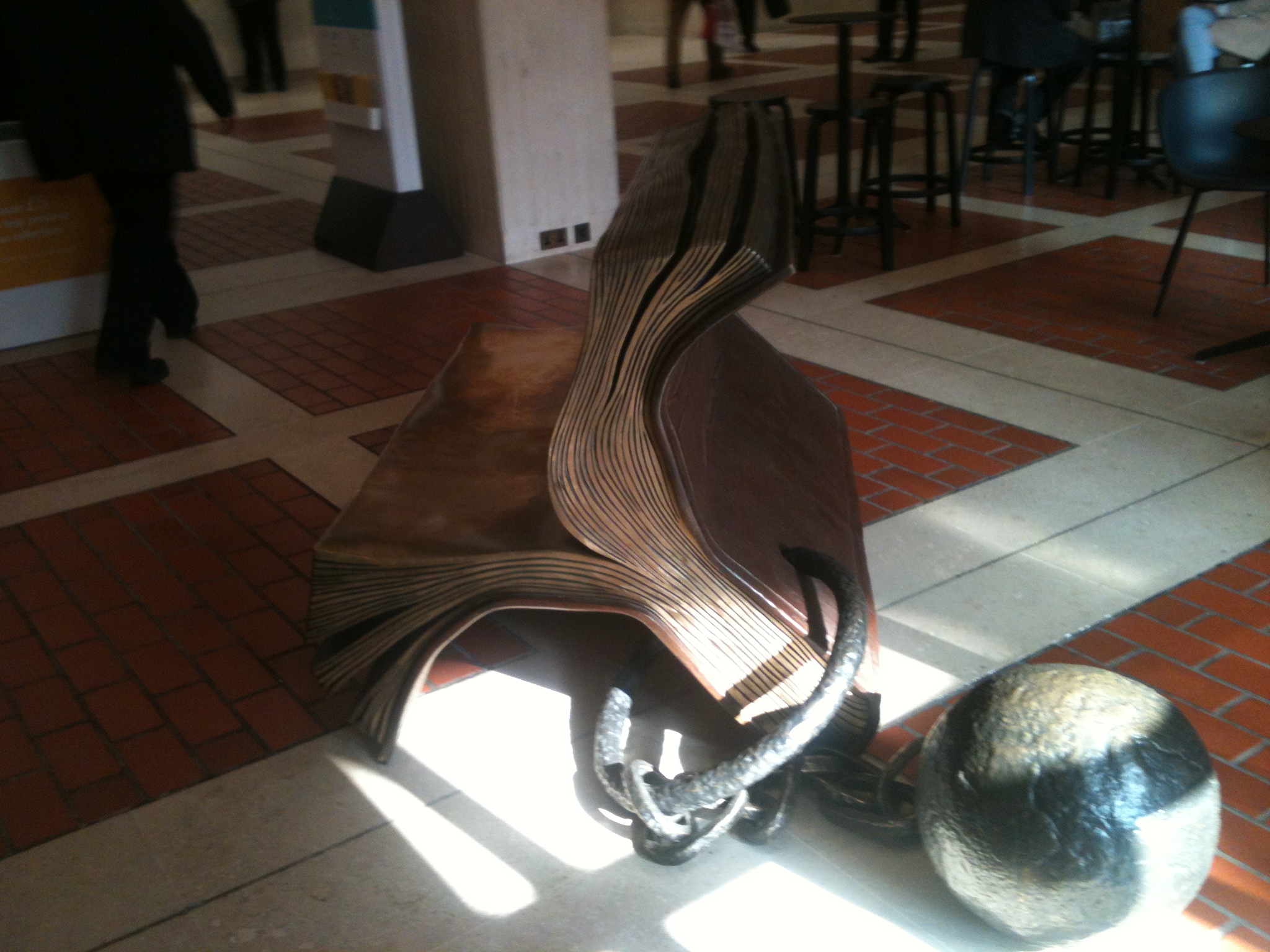
I was meeting a group of friends for a lecture about how the place of women in society can be seen in contemporary literature. ‘Contemporary’ means the last few hundred years, so it was interesting. I met the rest of the group in the foyer. There’s a bench there, in the shape of a book (like the ‘book benches’ that popped up around London in 2014). This one was metallic. When I walked round to take a photo in better light, I noticed it was attached to a ball and chain. Apparently the chain reminds people that in the past, books in libraries were chained (I’m guessing so they weren’t stolen). The ball represents the permanency of ideas – that once you have read a book, it becomes part of you, you can never ‘unread’ it.

The books and pamphlets we were shown seemed to fit into three types:

There were those that accepted the role assigned to women in the past, the domestic science books, the recipe books, the ones advising women married to colonial workers in India how to manage their staff. There were some lovely cookery books, the older ones had fairly random capital letters, because they had been printed before their usage was standardised. I was allowed to photograph pre-copyright books, so I hope you can see this one. They wrote ’s’ as ‘f’. Until 1845, they didn’t make a list of ingredients in recipes, as they weren’t expected to be followed like they are today – they were for women to read and learn.

Then there were the books protesting the roles designated to women. The literature by the suffragettes, the books ridiculing the sexist books by men, the play refuting that women should be degraded. There was a lot of this defensive literature, encouraging women to rebel and defend themselves. Some of it was about the right to control fertility – and one had a photograph of a poor woman who had eleven children, all alive. She looked tired.

Finally, there were the books, written by women, that simply broke the mould. These were brilliant. The Woman and the Car by Dorothy Levitt (1902) was one of these. She was the first British female racing driver. Her photograph showed a wealthy, attractive woman, and her book showed she would have been lots of fun. We weren’t allowed to touch the books, which was a shame, as I would’ve loved to read this one. It was open on a page that began: “If you are going to drive alone in the highways and byways it might be advisable to carry a small revolver”. There was a picture, showing a secret drawer under her seat, where the revolver could be hidden. She also wrote, “If you are driving alone, a dog is great company.” It was thanks to Dorothy that cars now have rear-view mirrors, as she advised women drivers to keep a hand mirror next to them, so they could see what was behind them without having to turn round.

It was an interesting lecture, followed by interesting chat. We were all women, so we (of course) started to discuss how women are treated in society today. In many ways, we are now considered to be equal with men. Yet Joanna Rowling was still advised to use her initials rather than her name when publishing Harry Potter, because some men/boys do not read books by women. There are still echoes of sexism in modern society – and of course, in some cultures, not much has changed and women are still basically ‘owned’, with very few rights. However, someone mentioned an art exhibition, which only exhibited women’s work. For me, this is too much. I am a woman, but I would want my work exhibited because it was good enough, not because I was woman. I know that companies now must consider the balance of their employees. Again, I would want to be employed because I was the best candidate, not because I was a woman, or foreign, or a certain religion. I’m not sure society has the balance quite right yet….

xxx

Thank you for reading.

anneethompson.com

Book Launch and Animals (not a great combo)


Hello, how was your week? Mine was extremely busy! I had the book launch for JOANNA, of course, and I’ll tell you about that in a minute. First, I will tell you about the animals (because they were quite high impact this week).

Do you remember me telling you that the ducks had nested in random places hidden around the pond? Well, last Sunday, when I went up to feed them, there was a mother on the bank, completely traumatised, with 5 ducklings and a ring of cats. I had told myself, that if the ducks chose to nest in weird places, I would let nature take its course, and they could take their chances with all the predators. When it came to it, there was no way I could let 5 ducklings be eaten if I could help. So I called husband, told Mum (who had arrived for a relaxing Mother’s Day lunch) that dinner would be late, and we attempted to catch them. Never easy. I grabbed the cats, one of which was angry when he realised I was heading for the workshop, and who stuck out his claws. (Which meant when I got to the book launch I had big scratches down both arms.)

Anyway, we managed to catch all 5 ducklings AND the mother, which was brilliant. They’re all now safely in the aviary until they’re big enough to survive on the pond.

On the day of the book launch, my daughter kindly came home to help. She wanted to see the ducklings, so went up to the pond. For some reason, when the chickens saw her, they freaked. Perhaps they’ve forgotten her – they’re not the most intelligent of animals. Anyway, all 8 chickens scattered – some flying into trees, some running into their cage, and one cockerel headed onto the bank of the pond, paused for a second, spotted the island in the middle of the pond, and decided to fly to it. Cockerels are not great at flying a distance. He got about half way, then crashed, loudly, into the pond. Great. I assume chickens can’t swim, so prepared to wade into the muddy water (this was not what I was hoping to be doing an hour before my book launch). However, he managed to use his wings like oars, and to propel himself, getting ever lower in the water, up to the island. He hauled himself up and stood there, completely bedraggled, making “I don’t know what to do now” noises.

I decided he could stay there for the night, and went to get everything ready for the evening. When I went up to the pond later, he saw me and decided he could now fly back to the bank. He couldn’t. He again landed in the pond, but managed to clamber onto an over-hanging bush. I waded out, picked him up and shoved him into the cage for the night. Stupid bird! He did look completely forlorn, dripping wet on his perch. (He was fine by the next day, in case you’re wondering).

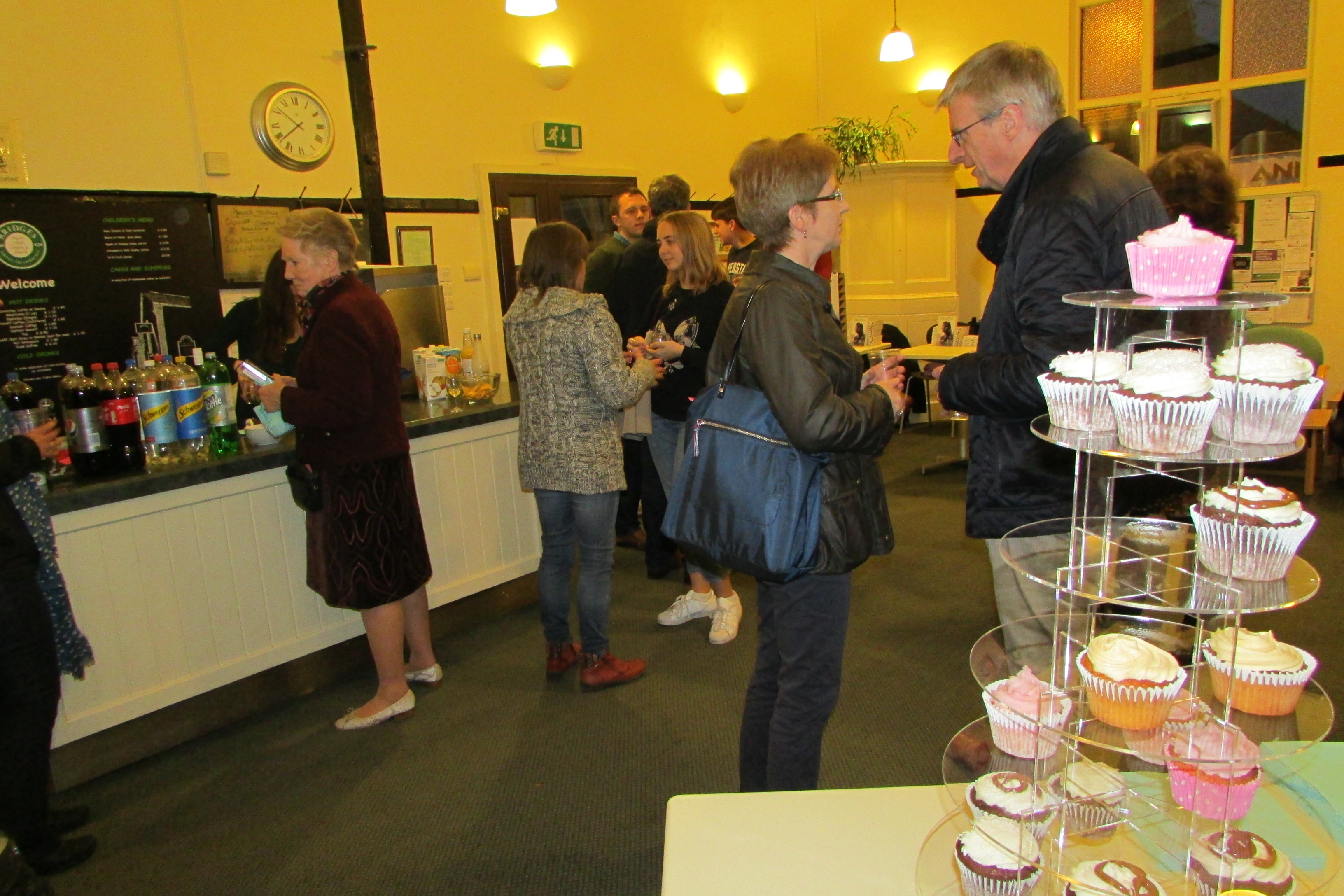
The book launch went well. I will add a section to the bottom of the “how to publish a book” page on the main blog, explaining what I did, and how the costs worked out. My family were brilliant, helping me set up the hall and serving drinks and selling books. About 60 people came, which was a relief (I was terrified it would just be me and my Mum!) I fed them wine and cupcakes, and did a short talk about why I wrote JOANNA.

I explained that we are all influenced by our family, and I wanted to show how having a psychopath in the family affects everyone else. I told them that part of the book is written in the first person, so the reader sees the world through Joanna’s eyes, they will see what motivates a psychopath, how she thinks and feels. The rest of the book shows how those around her cope with living with her, loving her, being hurt by her. The story examines the idea of choices and forgiveness, and what those things actually mean.

There was one funny moment, when a man walked in, marched purposefully through the group of people chatting, and then went and stood still, staring at a wall. I suggested Husband should check he was okay. Apparently, he had come to see the art exhibition that was advertised outside!

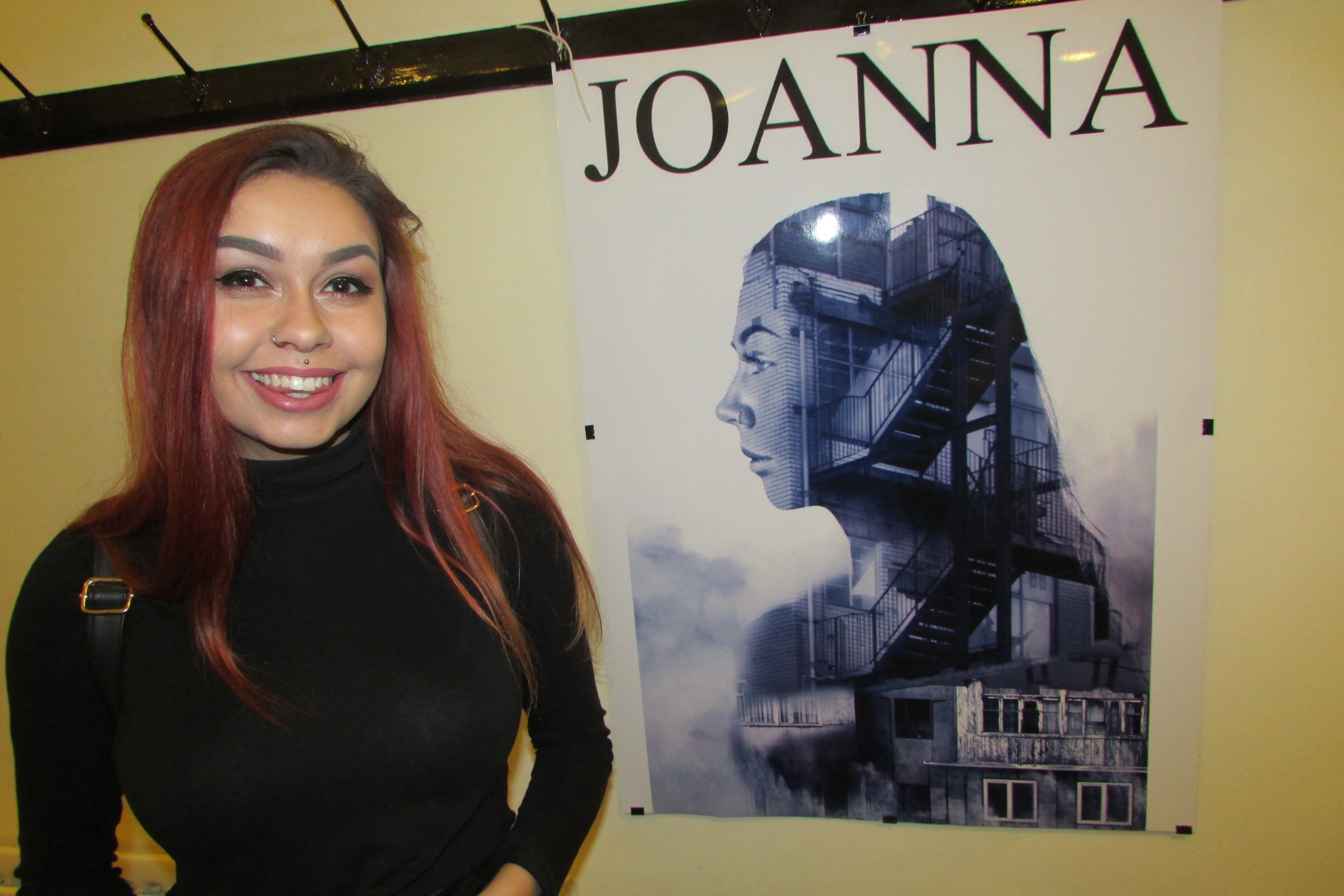
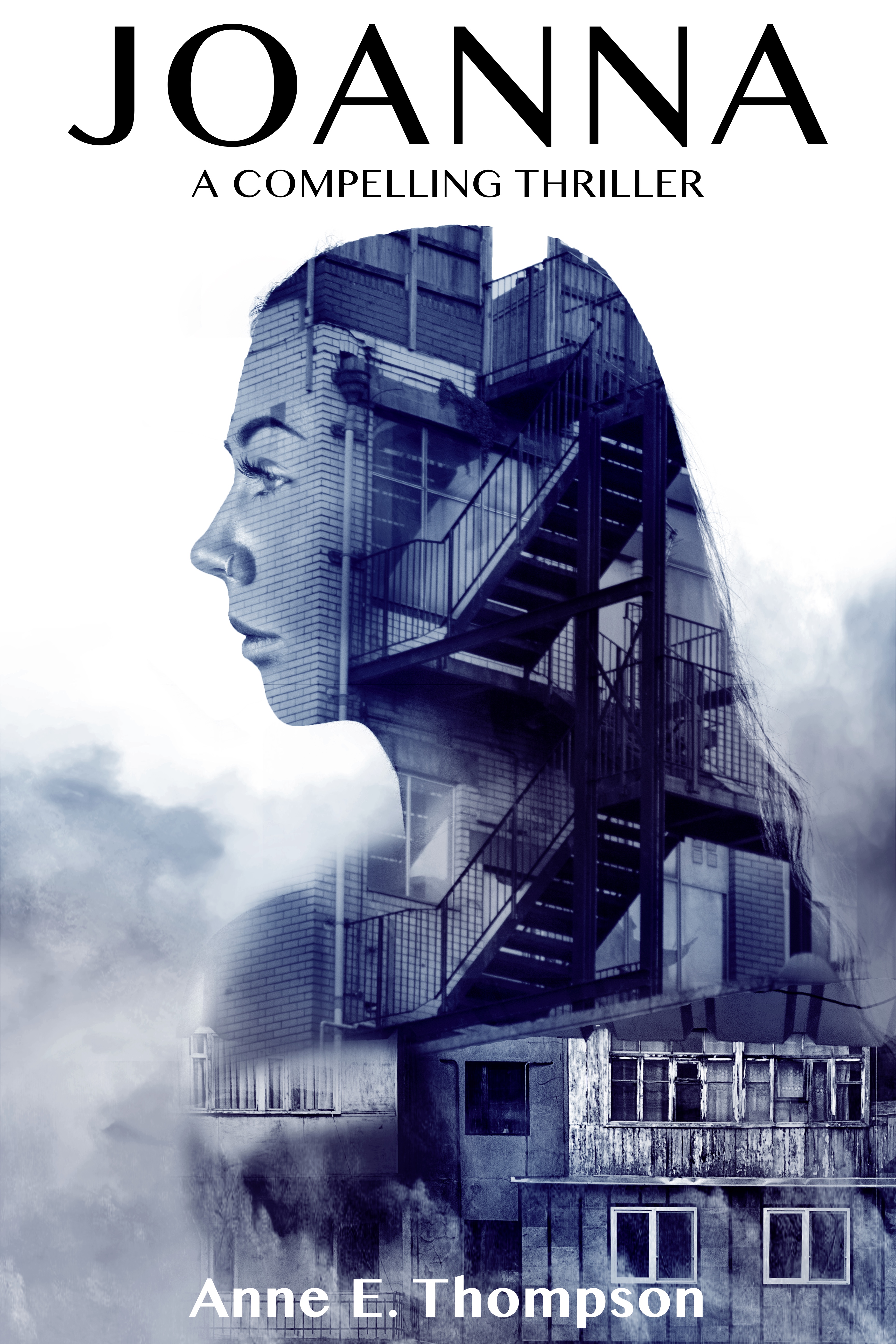
I managed to sell lots of books, which was wonderful. Chloe Hughes, the brilliant young photographer who did the cover photo for me, was there, so it was nice for people to meet her too. She’s very talented. (Even if people don’t like the book, they should buy it just to own a Chloe Hughes photo – she’ll be famous one day!) Now I’m hoping everyone loves the story, and tells their friends and neighbours about it. Nothing sells books like other people talking about it, so I hope they do. (I am not very ‘laid back’ about sales. Whenever an Amazon order comes through, I get very excited and walk around smiling! Honestly, every single time. It is so exciting!)

Thanks for reading. If you would like to buy your own copy of JOANNA, the link is below.

xxxx

Reasons for JOANNA


We all have family don’t we? It doesn’t matter if you live in an adopted family, or with a single parent, or with both parents and a whole host of siblings. We have family. And we are affected by them, we can’t help it.

I have a big sister who I’ve always wanted to be like, and a little brother who always won all the medals for football and continually bounced balls off the back of my head when we walked anywhere. They helped to make me who I am today. As did my parents and aunts and uncles and cousins. Family is what shapes us.

Sometimes, family is embarrassing. When someone begins a sentence, “Did you know your mother…..” I’m never sure what might be coming next. (Usually it’s something good, of course). And in turn, I as a mother feel deeply about everything my children do. Doesn’t every mother feel guilty when things aren’t perfect? When your child has a cold, don’t you wonder if you’re giving them enough vitamins? When your child fails a music exam, don’t you wonder if you should have insisted they practiced more often?

I remember as a teacher, when I needed to speak to a parent and I called for them at the school gate, “Mrs Brown, do you have a minute?” Their eyes would look worried. They always worried I might be going to tell them Billy had done something wrong, or was struggling to keep up with his peers.

These are the ideas that I wanted to consider when I wrote Joanna. Everyone has family, even those in our society who do terrible things. But they are rarely considered. Do you know who Hitler’s mother was? If he had siblings? How they felt about the things he did?

I wanted to write about the family of a psychopath, but first I had to fully understand what it meant to be a psychopath. I have already told you about what I discovered. Then I needed to explain to my readers what it meant to be a psychopath – and when you write a book, you don’t tell, you show. So I showed the reader what the world looked like through Joanna’s eyes, how she felt, what she wanted. When I had done that, I could move towards her family; I could show how they felt, the struggles they experienced being part of her, loving her. I hope, when you read my book, you will understand…

Published by The Cobweb Press
ISBN : 978-0-9954632-2-6
xxxxx
Available from book shops (if it’s not in stock, they can order it for you).

Also available from Amazon:

Thank you

PS. This evening is the ‘official’ book launch. This is terrifying! Although the local newspapers and radio have been very kind, and the launch has been well publicised, I have this fear that no one will attend. Being an author has many opportunities for public humiliation – you are very ‘out there’ when you publish a book. Hopefully it will be a wonderful celebration with lots of friends and interested people. I will let you know on Monday how it goes.

Joanna


Joanna

cover-sample

Joanna sits on the bus and begins to plan. When Joanna plans, this usually means trouble for those around her. But this particular plan brings more than trouble, it results in fear and death and guilt. But not her own guilt. Joanna is a psychopath, guilt isn’t within the range of emotions she is able to feel.

Written in the first person, we learn Joanna’s story, from the initial spark of her plan, to the horrible aftermath of wrecked lives. You will view the world through Joanna’s eyes – be careful though, she might lie to you.

This is not just her story. We also watch the impact of her actions on those close to her – the woman who raised her, and Joanna’s own daughter. How does it feel to be related to a serial killer? For how long do you carry the burden of their actions? And when it comes down to it, is anyone really innocent?

Joanna

Published by The Cobweb Press
ISBN : 978-0-9954632-2-6

Why not order a copy today?

xxxxx

Available from book shops (if it’s not in stock, they can order it for you).

US Link:

UK Link:

Thank you

dsc00120

xxx
Researching a Psychopath (and how to avoid being killed).


Do you know how to stay safe from a serial killer? Following extensive research into the disorder, I was able to write two novels.  However, I did also learn a few things that might be useful in real life, so read on for some tips on how to stay safe.

Firstly, who is a psychopath? Let’s look at a few traits. Have a think, do you know someone who’s fun to listen to, but tends to be a bit ‘glib’ – they’ll move on if someone more interesting comes along? Someone who might have been in trouble as a child – perhaps stealing or vandalising? Someone who sometimes speaks in quite a muddled manner, so if you ask them a question, you’re not always sure what their answer was? Someone who is mainly concerned with themselves – so they rarely comment, or ‘like’ other people’s posts on Facebook, unless it will benefit themselves. They won’t let you know whether or not they’ll be attending an event – and are very likely to not show up at the last minute. They like to be seen as a leader, but you’re not quite sure what they actually do. They’re often promiscuous, possibly having children from multiple partners. They lie—sometimes blatant, in your face, lies. They like excitement, and are never scared. They have grandiose ideas about their own capabilities. Do you know that person? Then possibly, you know a psychopath.

OFRQ8157

Researching psychopathy was hugely interesting—you can read more at the end of this article. I read many papers by neuroscientists, books by neurologists, and listened for many hours to convicted psychopaths. I even managed to find two mothers prepared to speak to me about raising a psychopathic child.

Going back to my first paragraph, how can you avoid being the victim of a serial killer? It is, of course, extremely unlikely that you will ever encounter a serial killer. Even though you probably know a psychopath or two, they are not likely to be killers. However, in case you are the one in a million who’s unlucky, what should you do?  Well, they are generally well planned, and will have observed a few possible victims first. So changing your routine helps, don’t always do the same things at the same time.

Also, psychopaths do not want trouble, they want an easy life. So the serial killers I researched would always choose a victim who did not have a dog. Dogs are unpredictable, they might bite the psychopath, so they would avoid those houses. (One of Dennis Radar’s first victims did have a dog, but it had been put into the garden.)

As psychopaths want things to be easy, they will think of a ploy to subdue the victim, so they don’t make a fuss until they have either been tied up or knocked unconscious. So, Ted Bundy pretended to have a broken arm and led his trusting victims to a secluded spot. When people found Dennis Radar in their homes, he told them he was ‘on the run from the police’, so instead of instantly panicking and fighting, they relaxed a bit, decided to be submissive until he had taken their money/car/food and had left. Which he never did. He used their compliance to over-power them. If those people had started fighting at the first sign of trouble, they would possibly have survived. If you suspect someone wants to hurt you, run or fight, don’t ‘play it safe’ and ‘wait and see.’ Be loud, make a fuss, fight.

Having said that, I think the odds of you being killed by a serial killer are much less than the odds of you winning a million pounds on the lottery or being a famous celebrity – so it’s not something you should worry about too much!

xxxx
anneethompson.com
xxxx

Thank you for reading. I am often asked, could the president be a psychopath? In reply, I tell them to read CLARA, as the novel shows clearly how a psychopath thinks and behaves. Most psychopaths are never convicted of any crime, and CLARA shows how, in some circumstances, the disorder could be a strength.

In JOANNA, I wanted to show the impact of living with a psychopath, and how it feels to be the mother of a killer.

Both books are available from bookshops and Amazon. The links are below. Why not buy one today?

The latest, and best book (in my opinion). An exciting novel written in the first person, which shows how a psychopath views the world. The story encompasses the world of women trafficked in India, and shows how someone very bad, can be used to achieve something amazing.

A gritty thriller, which shows what it means to be a psychopath, and how it would feel if someone in your family did something awful. (Because every psychopath has a mother.)


UK link for CLARA:

US Link for JOANNA:

UK Link:

xxxxxxxxxx

Extra Information for the Interested:

Psychopathy is a mental disorder – the brain does not respond like most people’s brains. They tend to have a smaller orbital frontal gyri (no, I didn’t know what that meant either! It means the front bit of their brain, the bit that controls empathy, is underdeveloped). They also have lower serotonin levels, so lack the ability to feel happy, to have emotional highs.

Now, most psychopaths are NOT serial killers. People tend to link the two because the reverse is not true – most serial killers probably are psychopaths. Robert Hare estimates that for every serial killer, there are 30,000 psychopaths who have never killed.

One trait of psychopathy is pathological lying. They will lie, even when it serves no purpose. If you suspect someone is a psychopath, think back to what they have told you – is it verifiable? Can you always prove what they have said is true, or do they tend to twist things slightly? It is thought that lots of politicians are psychopaths, as are the CEOs of many successful businesses.

It is difficult to detect lies though, especially as psychopaths tend to speak in a slightly confusing way. Sometimes they will contradict themselves within a sentence, so it is hard to be sure exactly what they have said. Some neuroscientists believe that they have two speech centres in the brain. For most people, everything relating to speech and words is located on the left side of the brain. However, there is some evidence that psychopaths have a second speech centre, on the right.  Dennis Radar was told he spoke in ‘word salad’ – a whole mix of phrases that barely linked.

You can watch psychopaths on YouTube, as trials and police interviews in the US are recorded, and are now available. I spent many hours listening to Ted Bundy (thought to have killed around 50 young women), Diane Downs (who shot her children), and Dennis Radar (the ‘Bind Torture Kill’ serial killer), learning their speech patterns and trying to understand how they think.

When I first started to watch video clips of convicted serial killers, I was shocked by how nice they were! I have always thought myself a good judge of character – and perhaps if I met them in real life it would be different – but they came across as nice people. Ted Bundy was an attractive, witty, intelligent man. If we knew him, we might have invited him round for dinner. He talks about coming from a ‘loving Christian family’ where he was ‘raised according to standards in the Bible’. However, my background reading indicates his mother fell pregnant when young, and some believe Ted’s father was his grandfather, who she lived with until she married another man. Ted Bundy for many years thought his mother was his sister.

They are often entertaining, very charismatic. Charles Manson (leader of the ‘Manson Family’ sect) was fascinating to watch, you couldn’t avoid listening to him.

Psychopathy is now diagnosed using Hare’s checklist – a list of traits. Most people have some of these traits, a psychopath will have most of them. Psychopathy is a spectrum, a bit like autism (though a very different disorder.) An autistic person will have emotional empathy, they will ‘feel’ how someone else feels, so detect anger or joy, but they will not understand why. A psychopath is the opposite, they will have neurological empathy, they understand how someone is feeling, and can even use this to manipulate people’s feelings, but they have no emotional empathy. A toddler laughing will not make them smile, they don’t pick up the ‘feelings’. You will probably appear somewhere on the psychopathic spectrum, perhaps you are selfish, or like to be in charge, or don’t often feel other’s emotions; but mostly, you will have the same responses as everyone else. You are only classified as a psychopath if you show most of the symptoms.

The neuroscientist James Fallon, was researching the changes in the brain under certain stimuli using an MRI scanner. He found he could detect psychopathy by the results of an MRI scan, he could actually see who was a psychopath.

You can read more about psychopaths, and my research, and general author-type things on my blog. Why not take a look today? Oh, and don’t forget to follow those links and check out my novels! Thank you. x


Anne E. Thompson has written several novels and one non-fiction book. You can find her work in bookshops and Amazon.

Speaking on the Radio (very exciting and slightly terrifying…)


I was invited to speak on Meridian FM, which was very exciting (and rather terrifying!) I’ve never been on the radio before, so had no idea what to expect.

I arrived about half an hour too early, because I was stressing about being late or not being able to park anywhere. I ended up going for a walk, so it was lucky the weather was warm. Then I went inside.

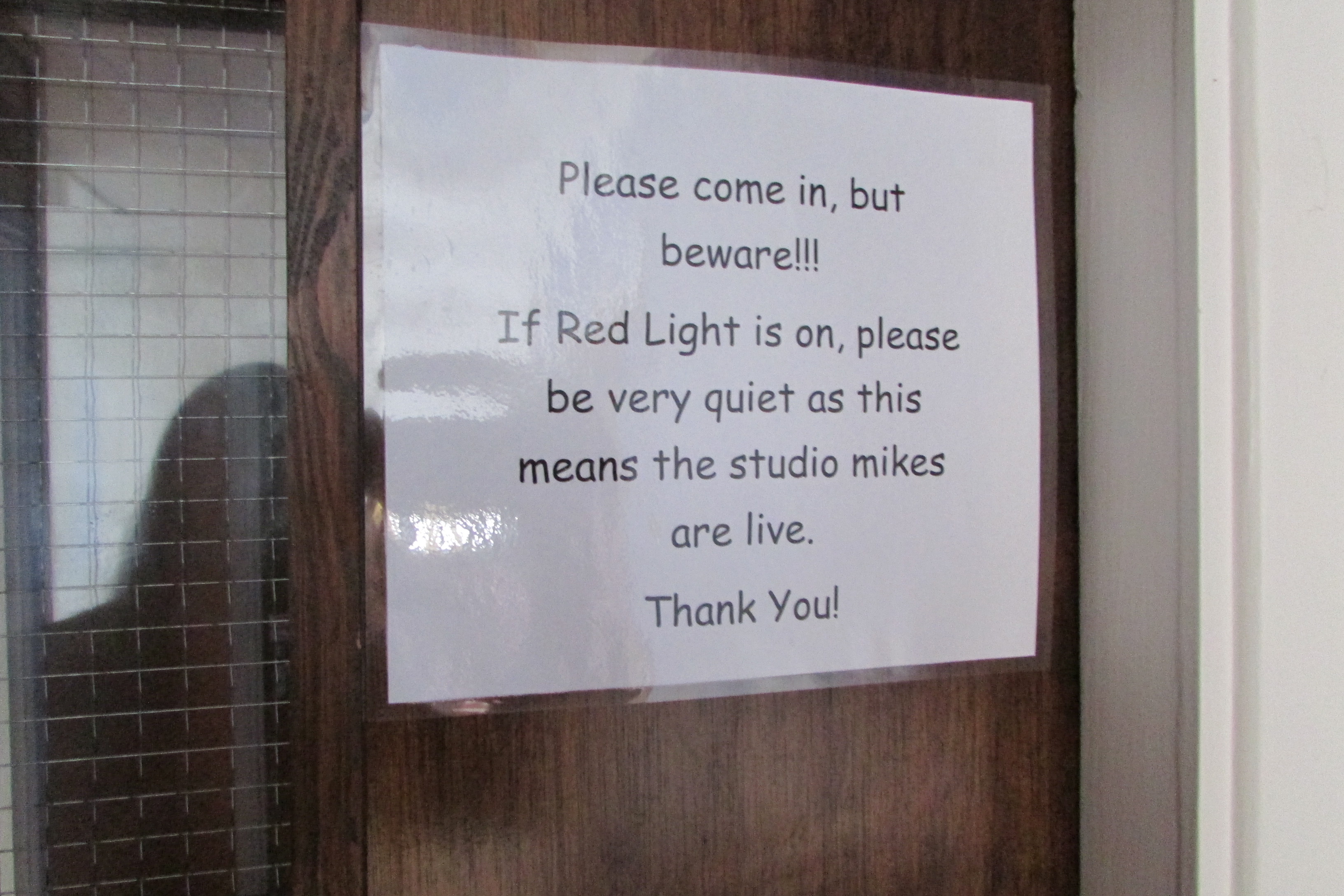
Meridian FM is based at the Jubilee Centre in East Grinstead, which is a large building (with a big carpark) in an industrial estate. The downstairs rooms are used for a playgroup and community events. I was told to go up to the first floor. At the top of the stairs was a door, with signs warning me to be quiet if the red light was lit as they would be on air. How exciting is that!

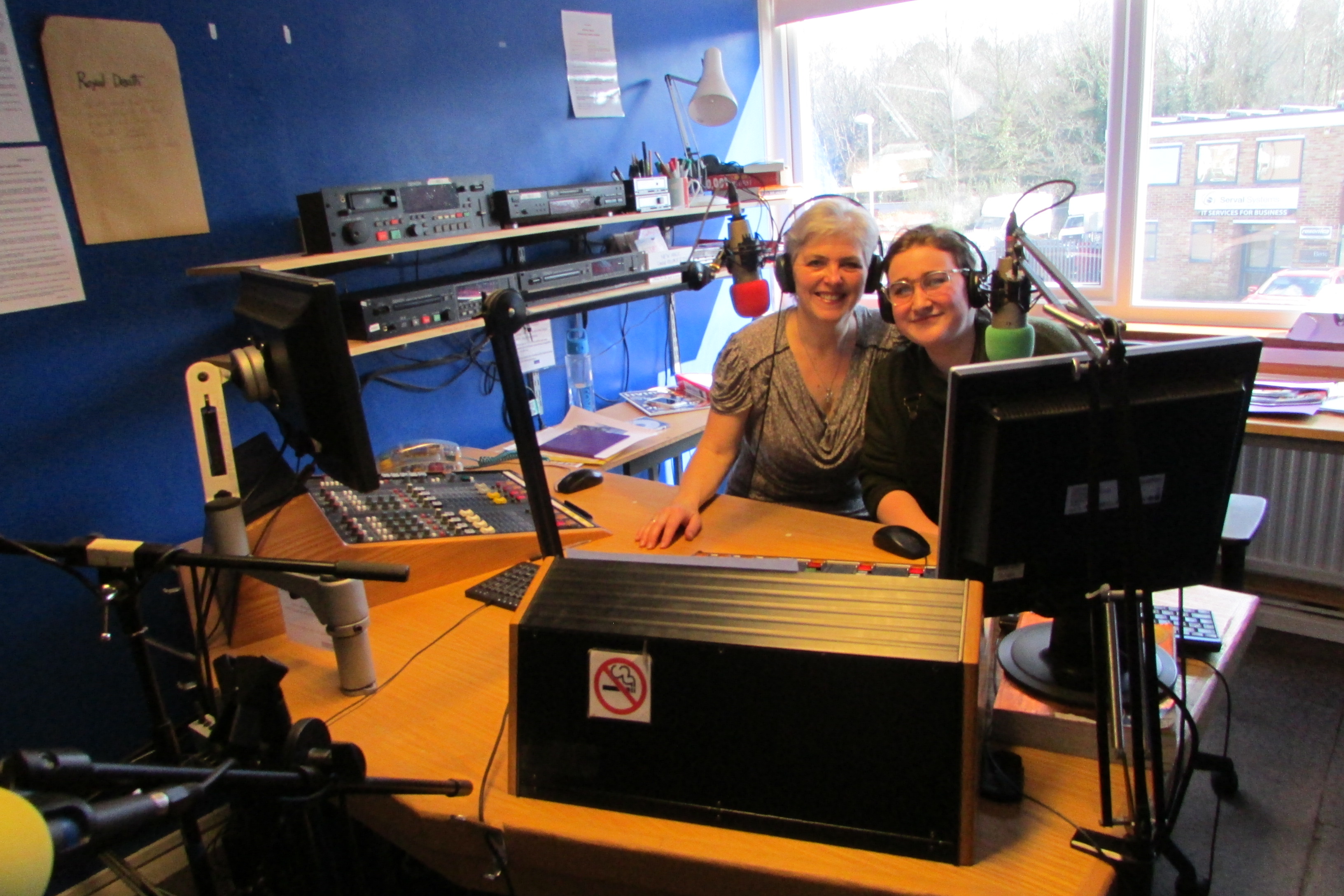
I then went in to an extremely hot room (they seriously need some air conditioning) and I waited until Samantha Day, whose show I was speaking on, was ready. One of the local journalists, who knew I would be there, popped in too, to take a photo. (So I was glad I had worn some make-up, I nearly hadn’t bothered as it was the radio and no one would be able to see me!)

I sat on a chair, facing a big orange mic. Samantha did a sound check, telling me to move nearer and nearer. I told her I was a teacher, I could speak as loud as she wanted – she said to speak up a bit! On the desk was a whole lot of equipment – computers, sound desk type stuff, wires. The other side sat Samantha, and a student doing work-experience. They wore headphones, and Samantha controlled the volume, played music etc in between interviewing me. She was very good at her job. There was a lot going on all at once – I arrived as she was finishing with other guests, she was interviewing, putting on music, directing us, welcoming me and saying goodbye to them, all at once. No one else was up there. When she hasn’t got guests, it must be a weirdly lonely job. Strange to be talking to 8,000 listeners in a room entirely on your own.

My interview was fine (big relief). I had sent Samantha some information about psychopaths, and she had formed questions from this. To be honest, I had forgotten what I’d sent her, and probably wandered ‘off script’ a bit, but it didn’t seem to matter. I can waffle about psychopaths for hours. I could see her while we talked, so I managed to forget other people were listening, and it was really just a chat between the two of us.

My daughter had sent a whole lot of instructions about what not to say – “Jokes about Nanny won’t be funny”, and I managed to not do anything wrong. Husband had suggested a few jokes in case I got stuck – but none were at all suitable, so I didn’t repeat any of those. I also resisted the temptation to do the whole interview in a foreign accent, and managed to not swear. So all in all, a success.

Of course, the main purpose for me was to promote JOANNA and the book launch. Samantha was brilliant here, and asked me right at the beginning to explain where and when the launch was, so I could forget about that and just chat about psychopaths. Hopefully it will encourage some interest in the book. I was able to explain how psychopaths think differently, their brain doesn’t process information and respond in the same way as most people’s. I then told her that I had written JOANNA partly in the first person, showing the reader how Joanna viewed the world. The rest of the book shows how other people are affected by Joanna, what it was like to parent her, live with her, work with her. As the reader hears from other people, they realise that Joanna lied to them in the first part of the book, that her view of the world is not an accurate one.

I do hope it will lead to some sales. I am back in East Grinstead on 8th April, to do a book signing at the bookshop there. Hopefully people will come. So far, everyone has been very interested in the book – I think psychopathy is a hugely interesting subject, and people seem fascinated by it. I will let you know what happens next.

xxx

Thank you for reading.

JOANNA is available from bookshops and Amazon.

Published by The Cobweb Press
ISBN : 978-0-9954632-2-6
Available from bookshops (if it’s not in stock, they can order it).

xxx

How to Advertise a Launch Party (which is mostly scary….)


Hello, how are you? I hope you’ve had a good week.

I’ve been busy advertising the launch of JOANNA. As I have said before, I love writing books, researching new ideas and weaving them into a story. And I pretty much hate everything to do with all sales and promotions once the books are published. I think many authors do, but it’s part of the job. When you are self-published, the whole promotion exercise is down to you. It is therefore hugely appreciated when people help – whoever they might be.

One great piece of help recently was from a friend who bought Hidden Faces and lent it to one of her friends (who I don’t know). Now, mostly, lending a book results in a lost sale for the poor author. However, this friend of a friend happens to run an online bookshop. She read the book, loved it, sent me a very nice email and ordered 40 copies to sell. That was a very nice help.

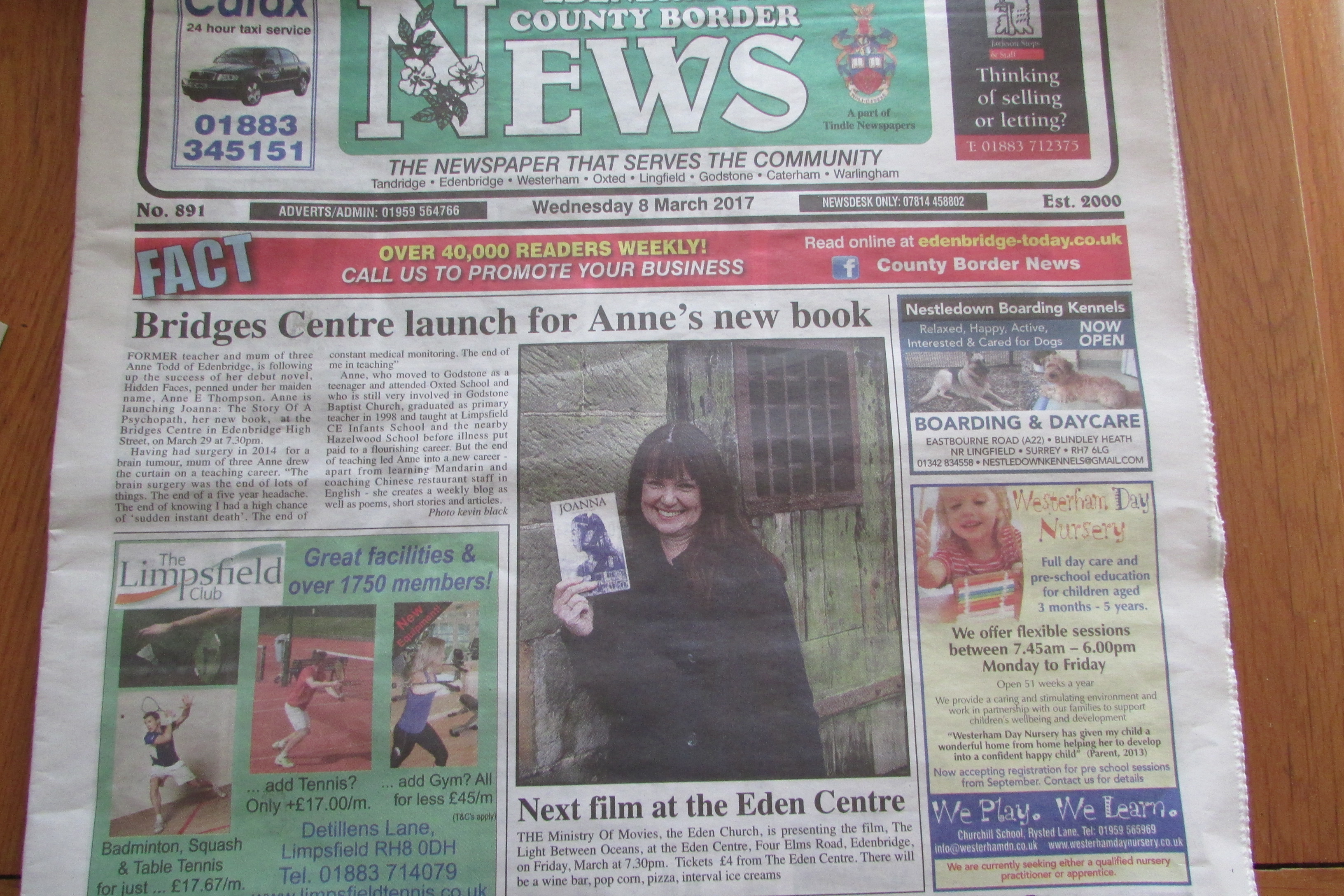
JOANNA has also been featured in local newspapers. Again, I always really appreciate this, as it’s a good way to tell people about my book. I was on the front cover of The County Border News. Embarrassing photo, but good advert for the book:

There was also a nice article in The Edenbridge Chronicle:

If you want to be featured in a local paper, I would suggest emailing the editor to ask if this is the sort of thing they cover. If you can include some local interest – like that you attended a local school, or were the postman in the town for many years, or your Dad ran the chip shop, it encourages them to take an interest in you. They want to know their readers will care that you have written a book (because these days, loads of people self-publish!) I have found the local journalists to be incredibly supportive, which was unexpected and rather nice.

Tomorrow I’ll tell you about being interviewed on the radio. I’ve never done that before.

If you would like to buy a copy of JOANNA, it’s now available on Amazon, and can be ordered from all bookshops.

Published by The Cobweb Press
ISBN: 978-0-9954632-2-6